State
Fossil sites in California
California's fossil record spans nearly 500 million years across radically different geological settings — Cambrian reefs in the Mojave Desert, Miocene marine basins in the Central Valley, Pleistocene tar pits in Los Angeles. No other US state offers this range of fossil environments within a single day's drive.
The Miocene marine deposits around Bakersfield and Coalinga produce the state's most accessible vertebrate fossils — shark teeth, whale bones, and fish material from former shallow seas that covered the San Joaquin Valley. Shark Tooth Hill near Bakersfield is the most concentrated Miocene shark-tooth site in California, operated as a supervised dig by the Buena Vista Museum of Natural History.
La Brea Tar Pits in Los Angeles is the only site in this guide where active excavation is ongoing and visible to the public. The Page Museum's Project 23 continues to recover Pleistocene specimens from asphalt deposits beneath the parking lot adjacent to the main pits. Summer excavation seasons allow visitors to watch paleontologists working at the site.
Coastal sites — Capitola Beach near Santa Cruz, Bolinas Lagoon in Marin County — offer self-guided collecting from Miocene marine deposits, primarily shark teeth and fish vertebrae in wave-cut platforms. No permits are required at these sites; the California BLM casual-use rules apply to surface collection of common fossils.
44 fossil sites
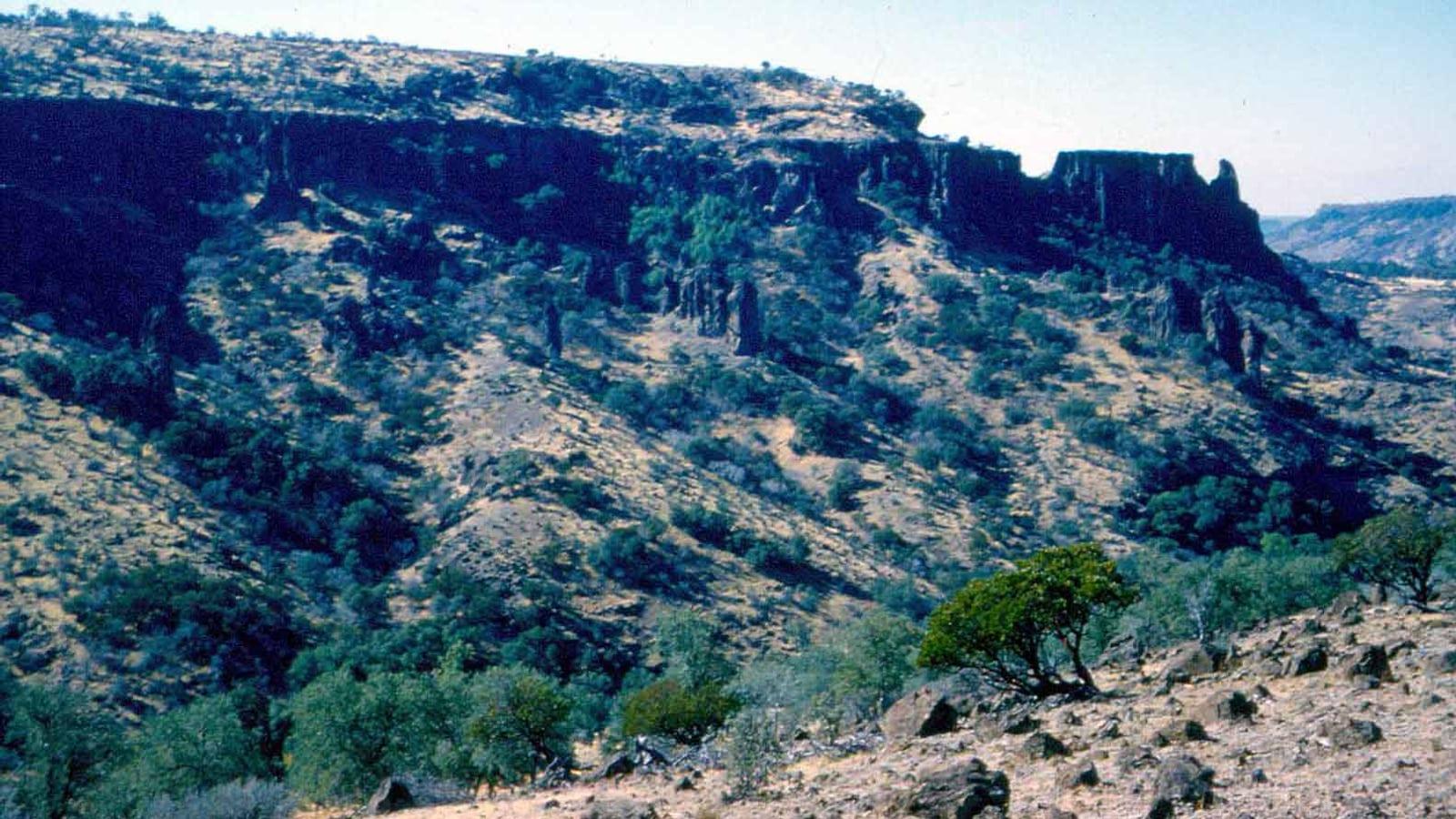
Antelope Creek Fossil Hunting Guide
California, United States
Ammonites, Bivalves, Mollusks
Cabrillo National Monument Fossil Hunting Guide
California, United States
Trace Fossils, Inoceramid Bivalves, Shark Teeth
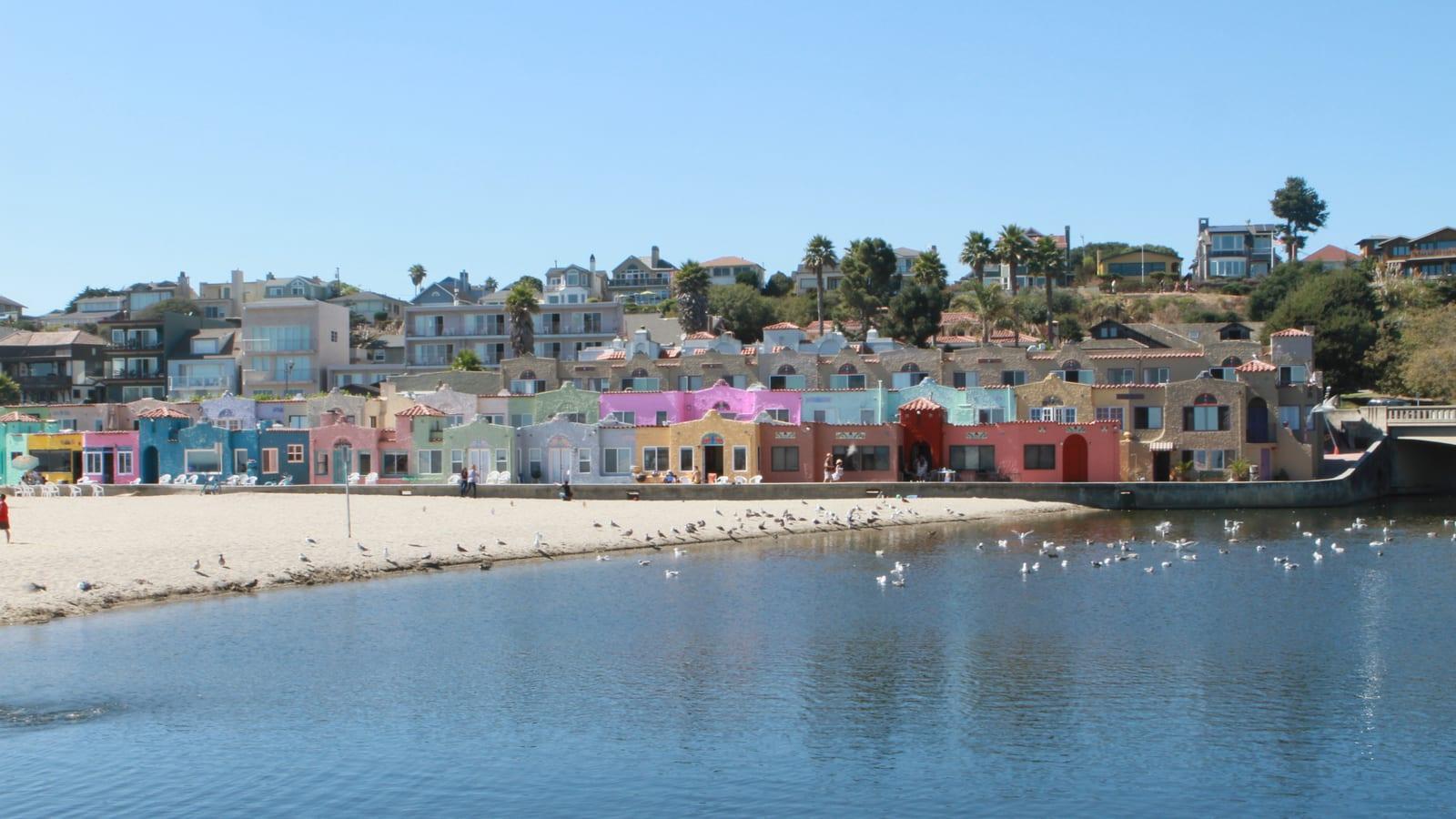
Capitola, CA Fossil Hunting Guide
California, United States
N/A
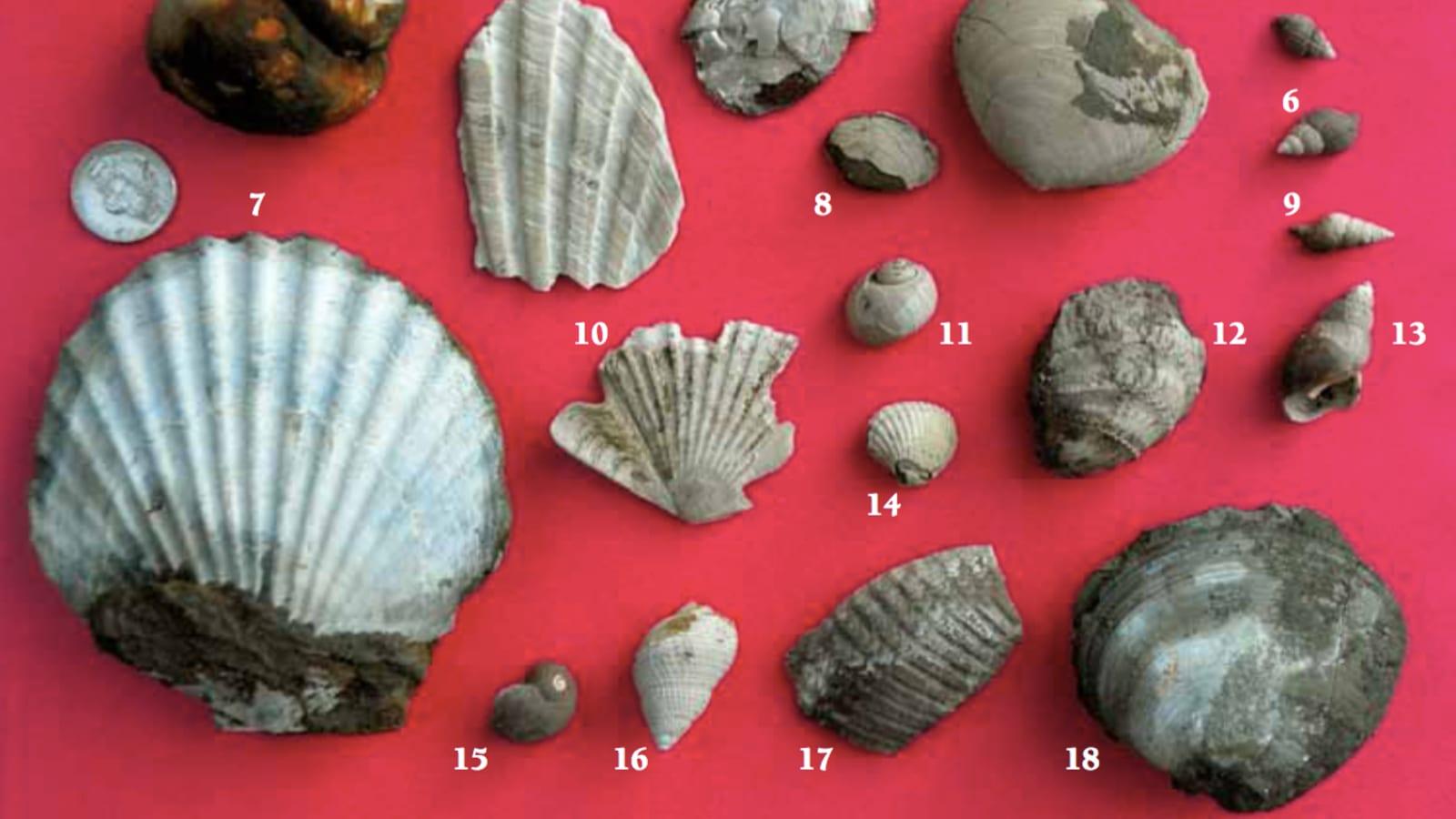
Centerville Beach Fossil Hunting Guide
California, United States
Patinopecten sp. (Giant Pacific Scallop), Natica clausa (Moon Snail), Clinocardium meekianum (Cockle), Nucella canaliculata (Channeled Dogwinkle)
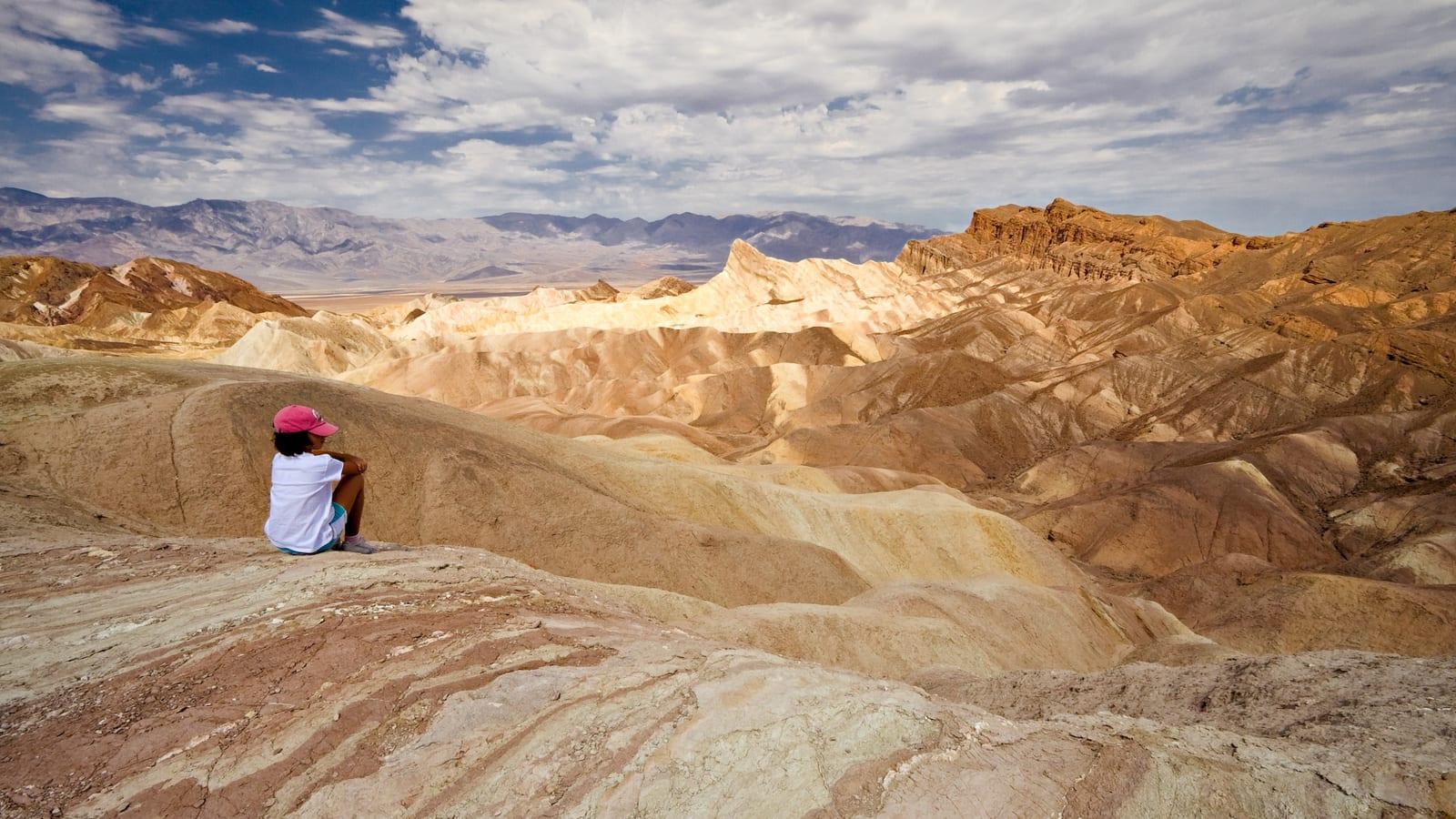
Death Valley National Park Fossil Hunting Guide
California, United States
Trilobites, Brachiopods, Mollusks
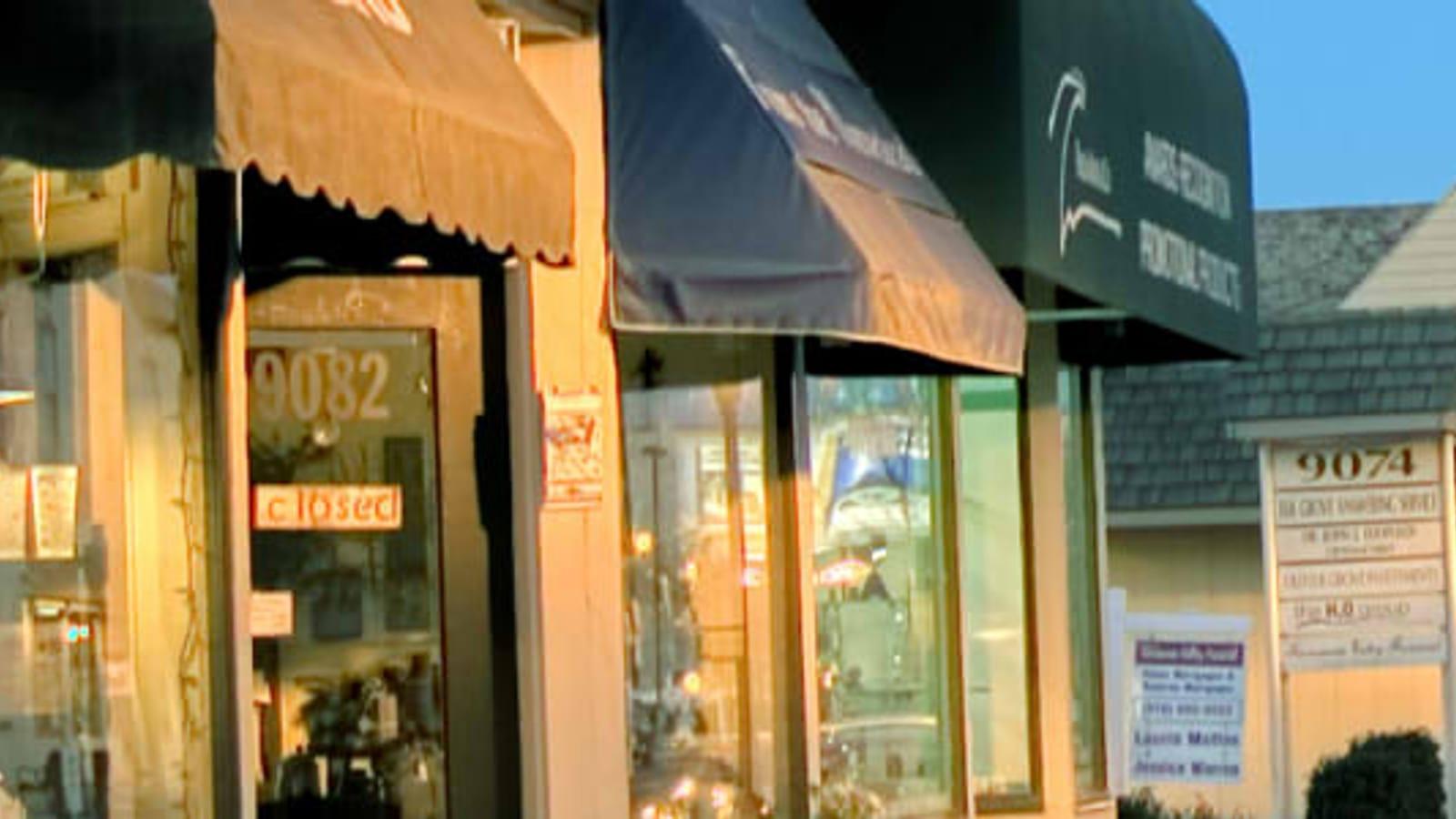
Elk Grove Fossil Hunting Guide
California, United States
N/A
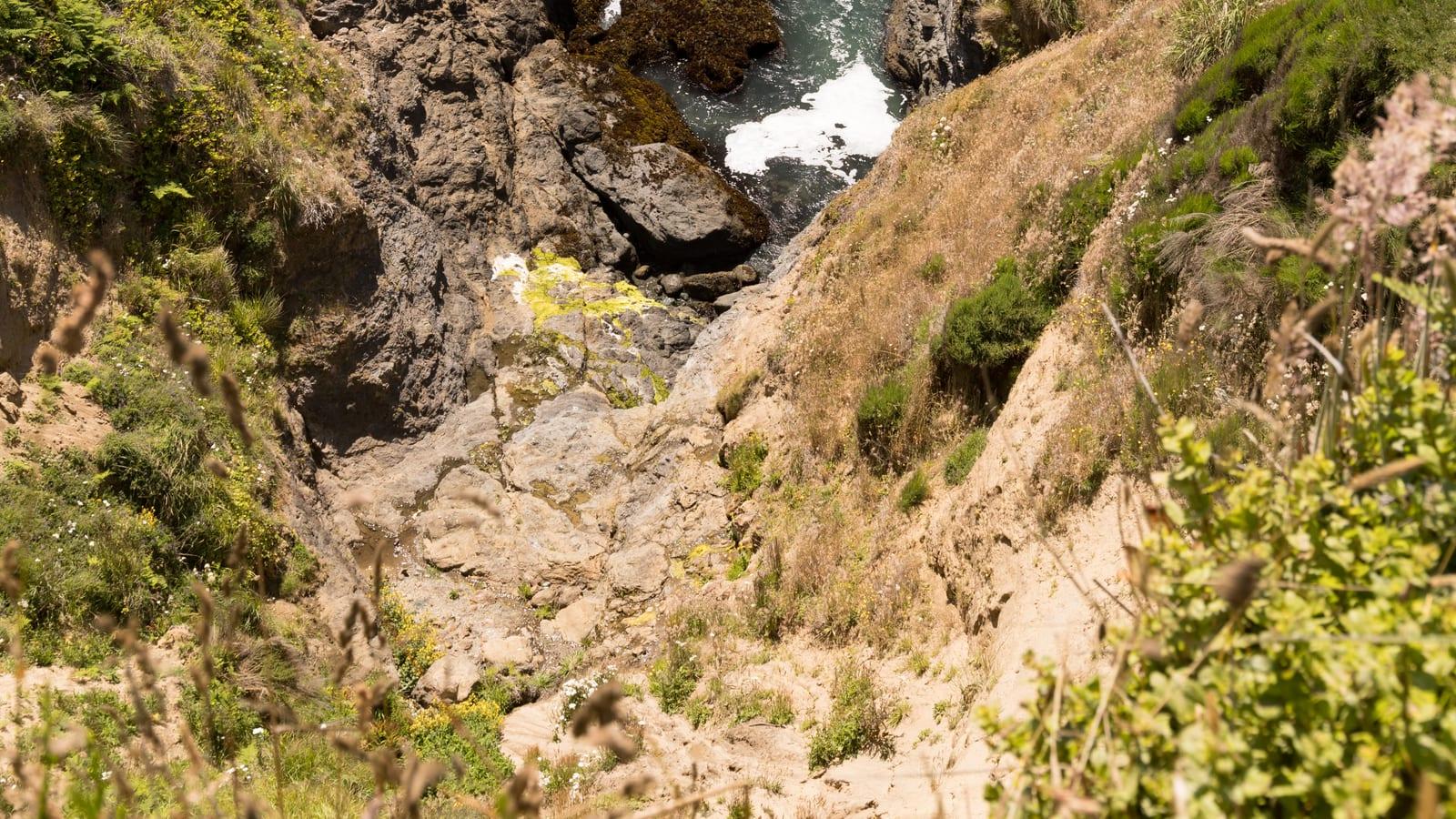
Elk Head Fossil Hunting Guide
California, United States
Trace Fossils
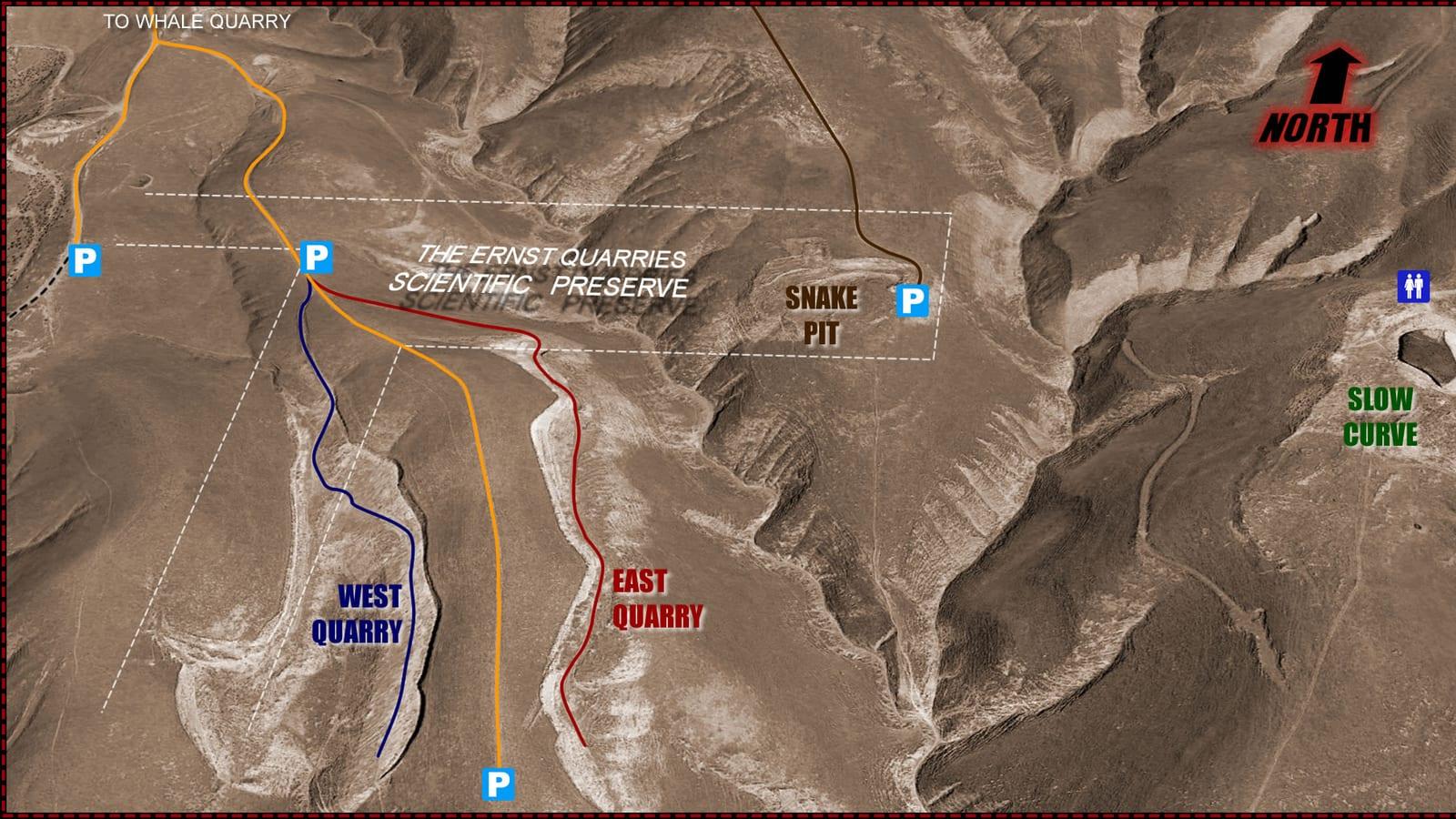
Ernst Quarries Fossil Hunting Guide
California, United States
Shark Teeth
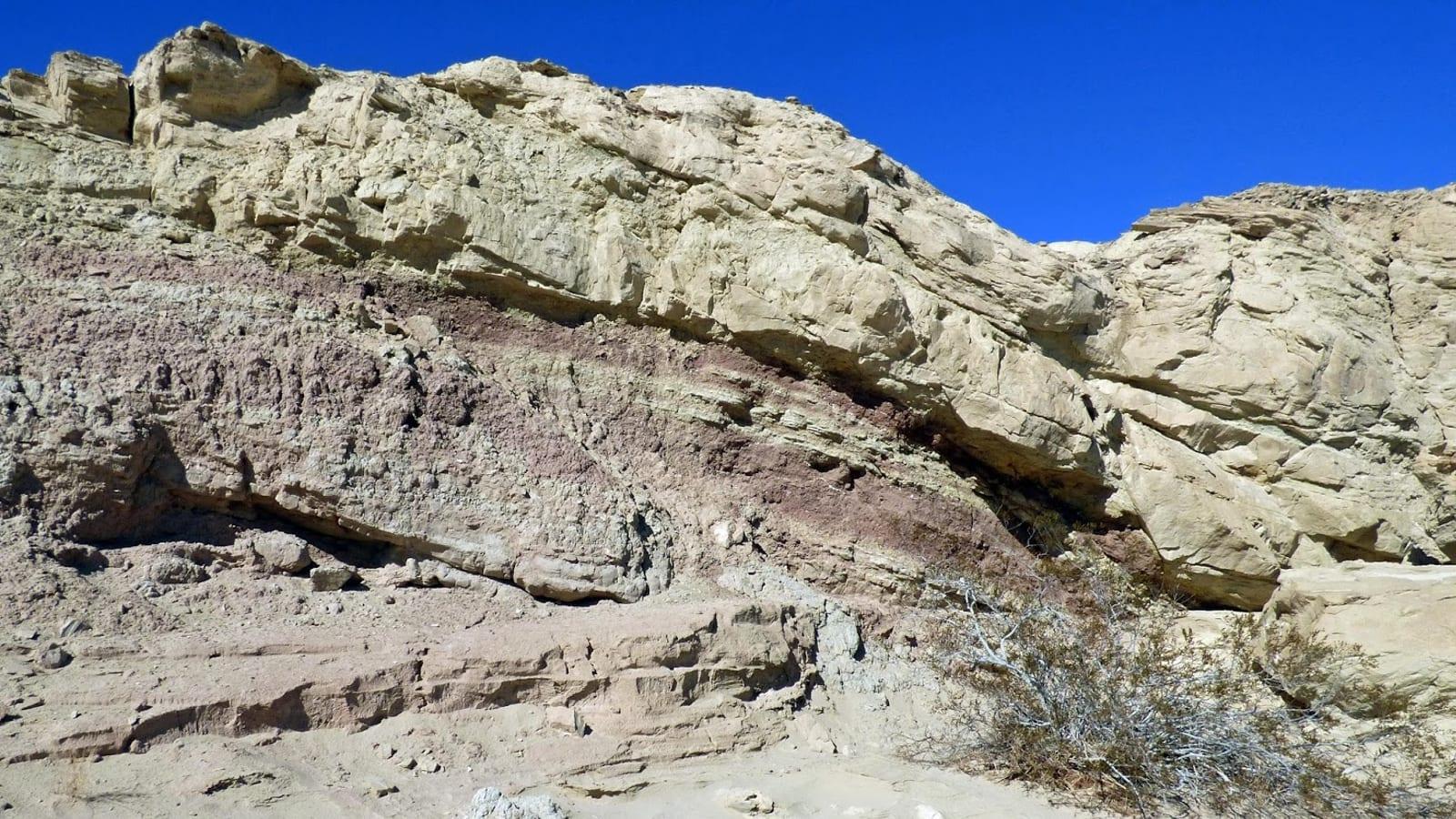
Find Diverse Marine Fossils in Yuha Basin Fossil Hunting Guide
California, United States
Resource 1
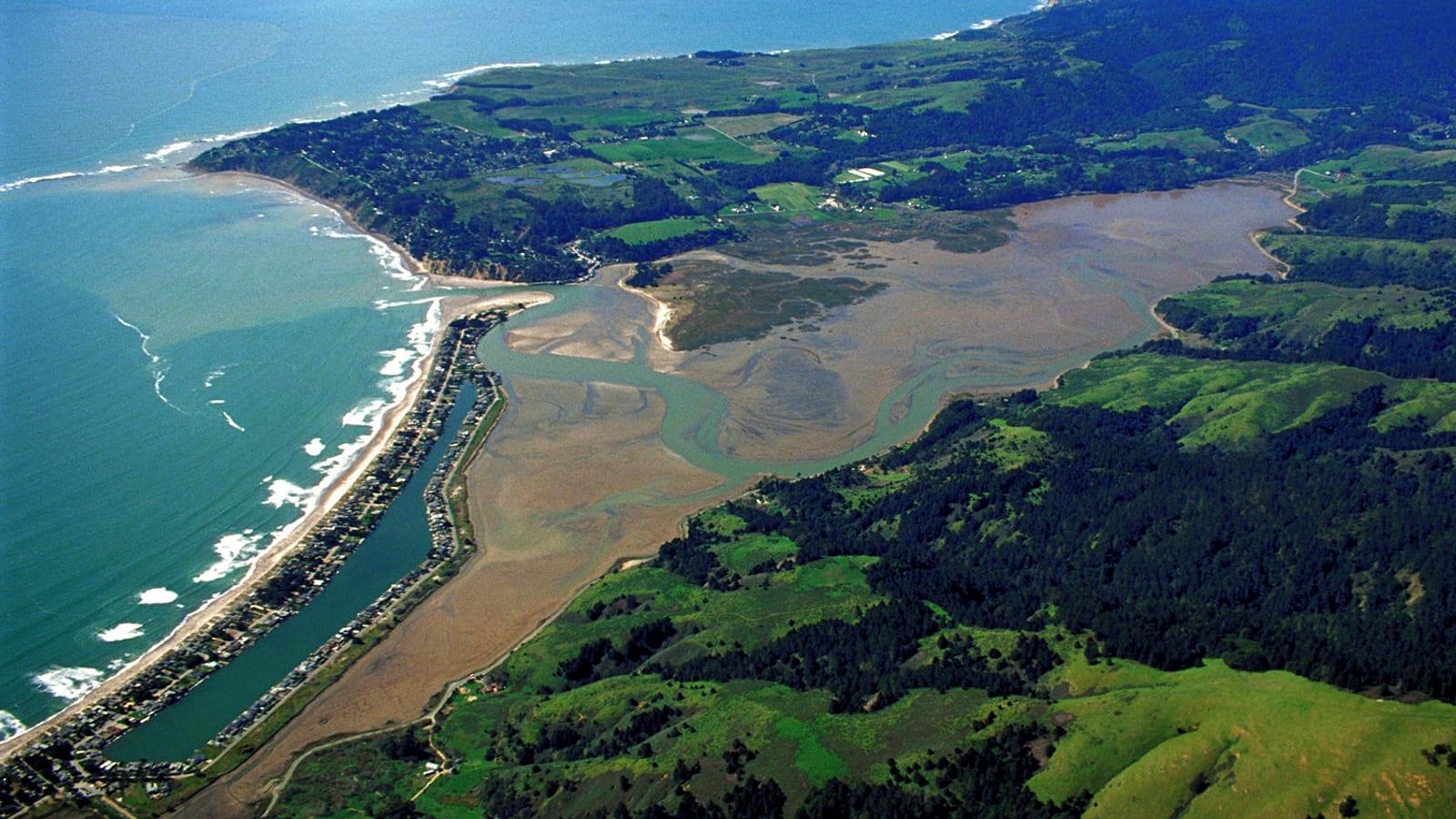
Find Fossils at Bolinas Lagoon Fossil Hunting Guide
California, United States
Fish Vertebrae, Marine Mammal Fragments, Diatoms
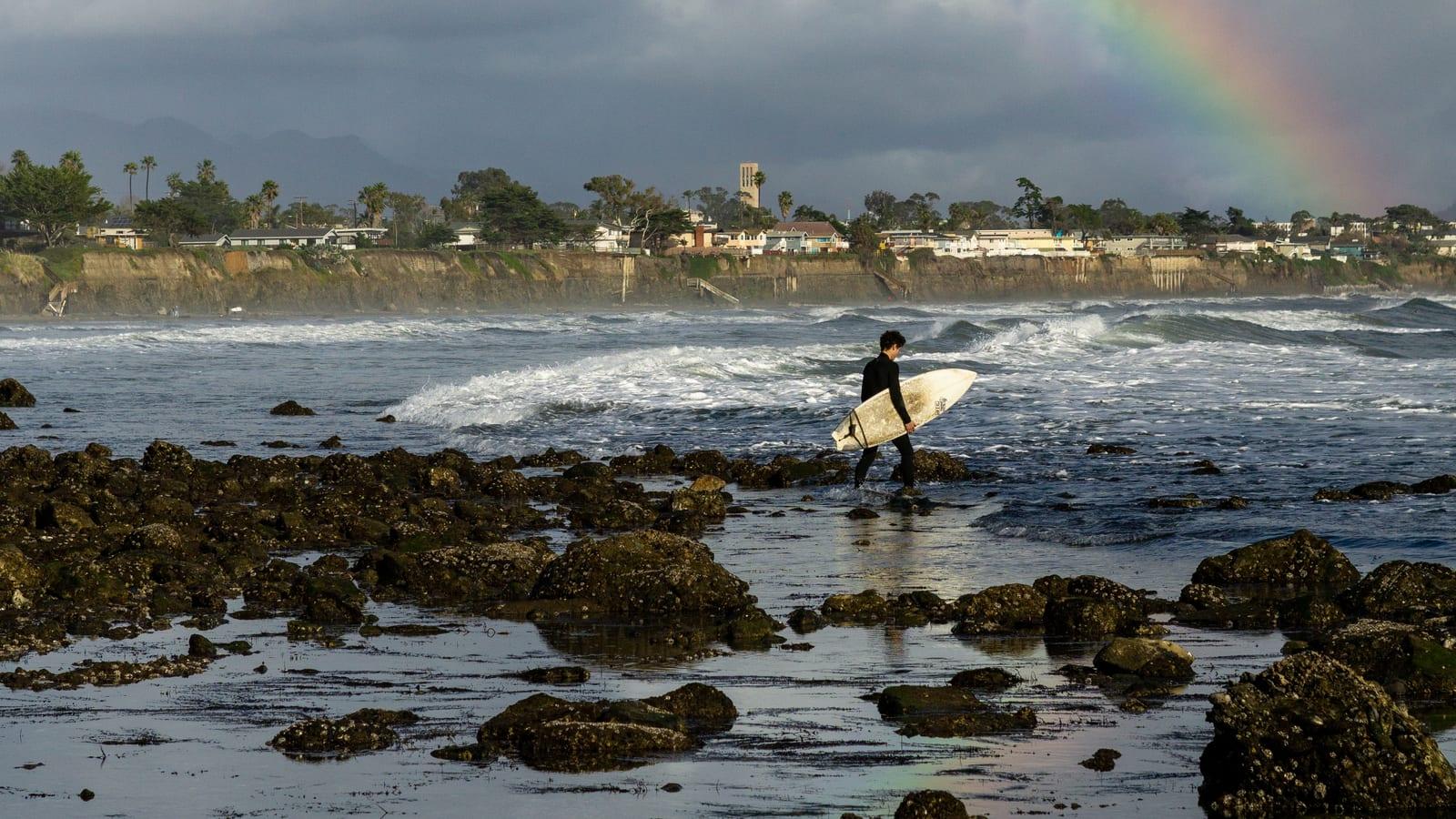
Find Fossils at Coal Point, Isla Vista Fossil Hunting Guide
California, United States
N/A
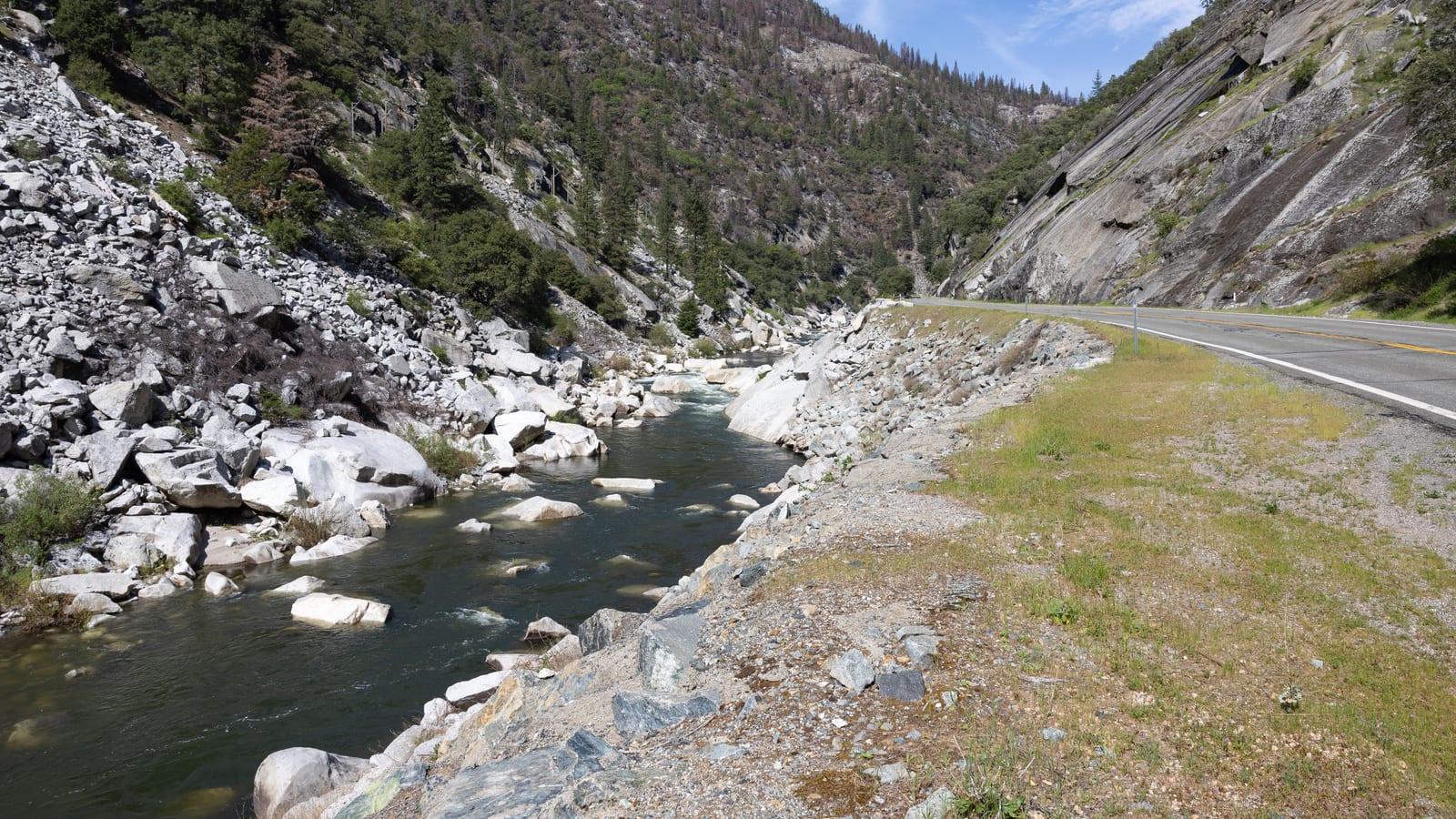
Find Fossils at Feather River Fossil Hunting Guide
California, United States
Plant Fossils
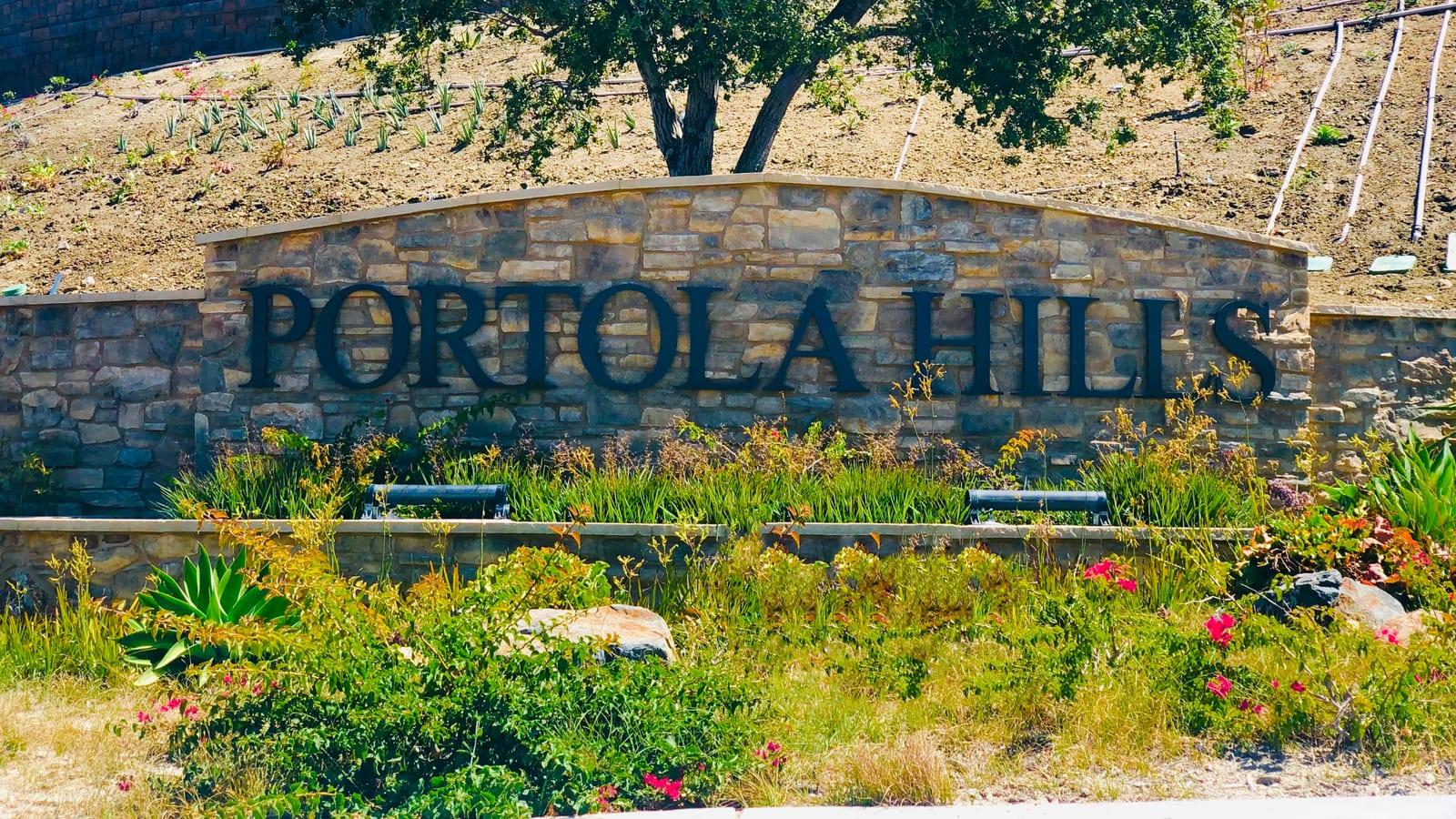
Find Fossils at Portola Hills, Lake Forest Fossil Hunting Guide
California, United States
N/A
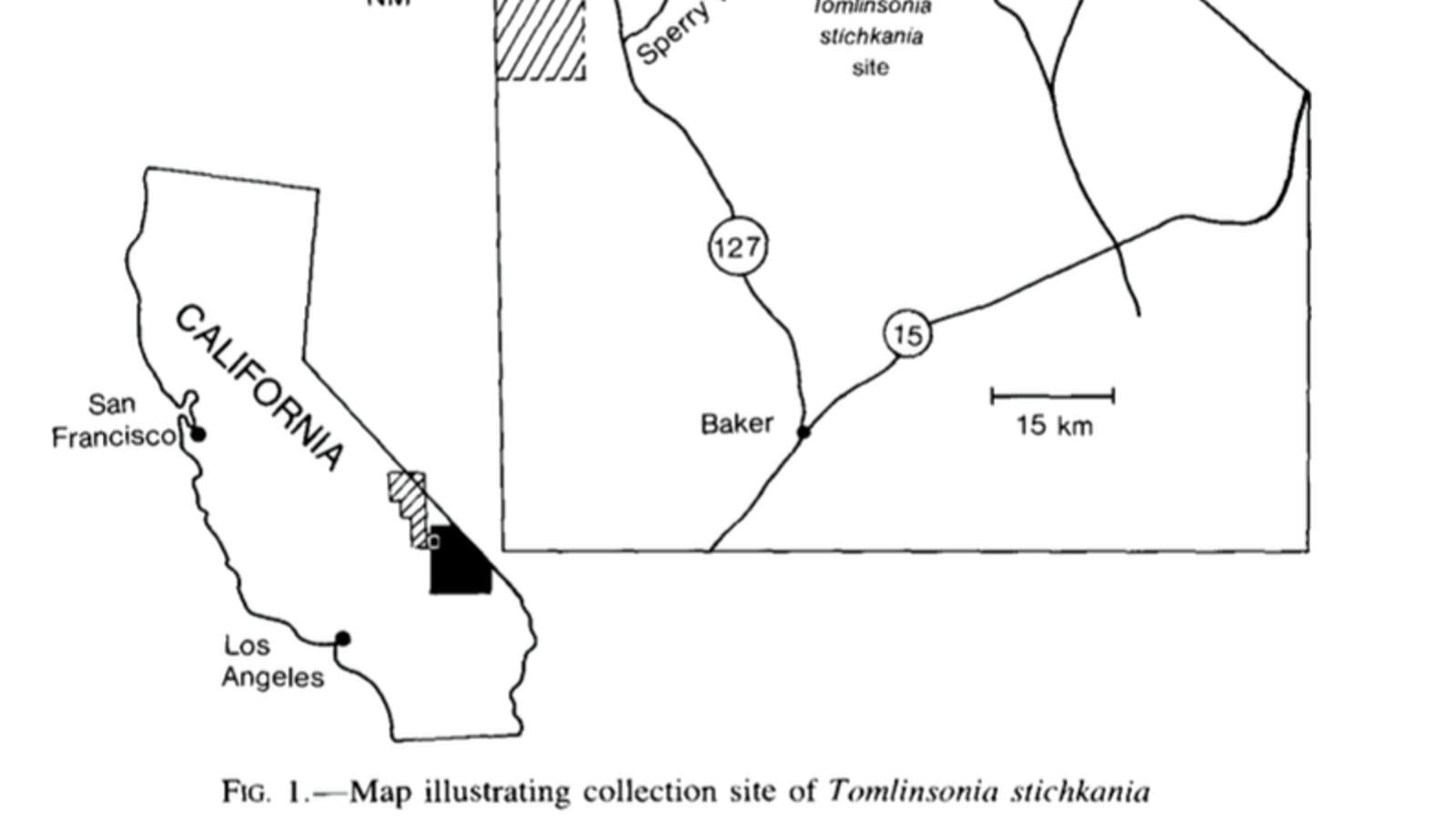
Find Fossils at Sperry Wash Fossil Hunting Guide
California, United States
Petrified Wood
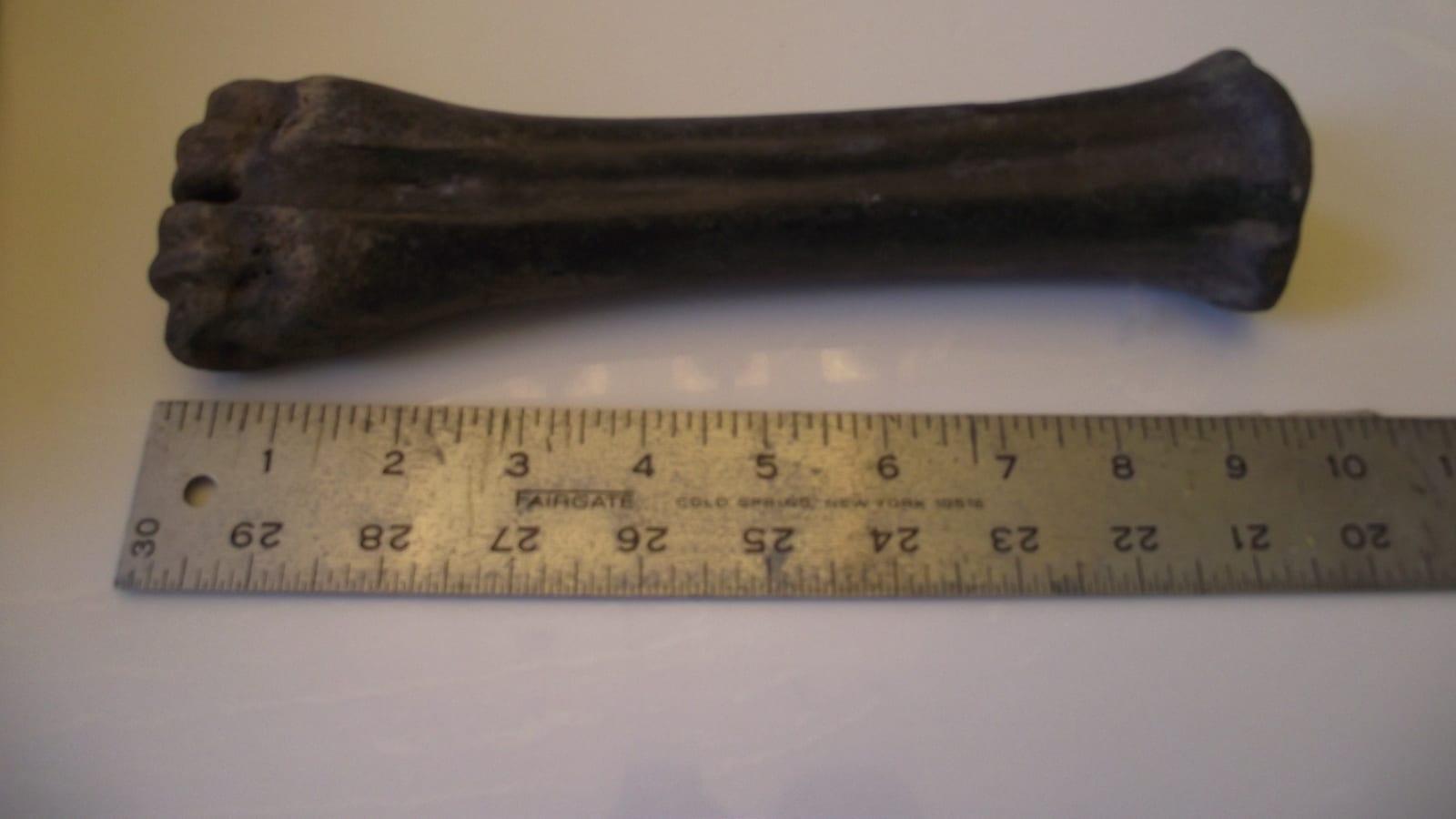
Find Fossils at Surfer's Knoll Fossil Hunting Guide
California, United States
N/A
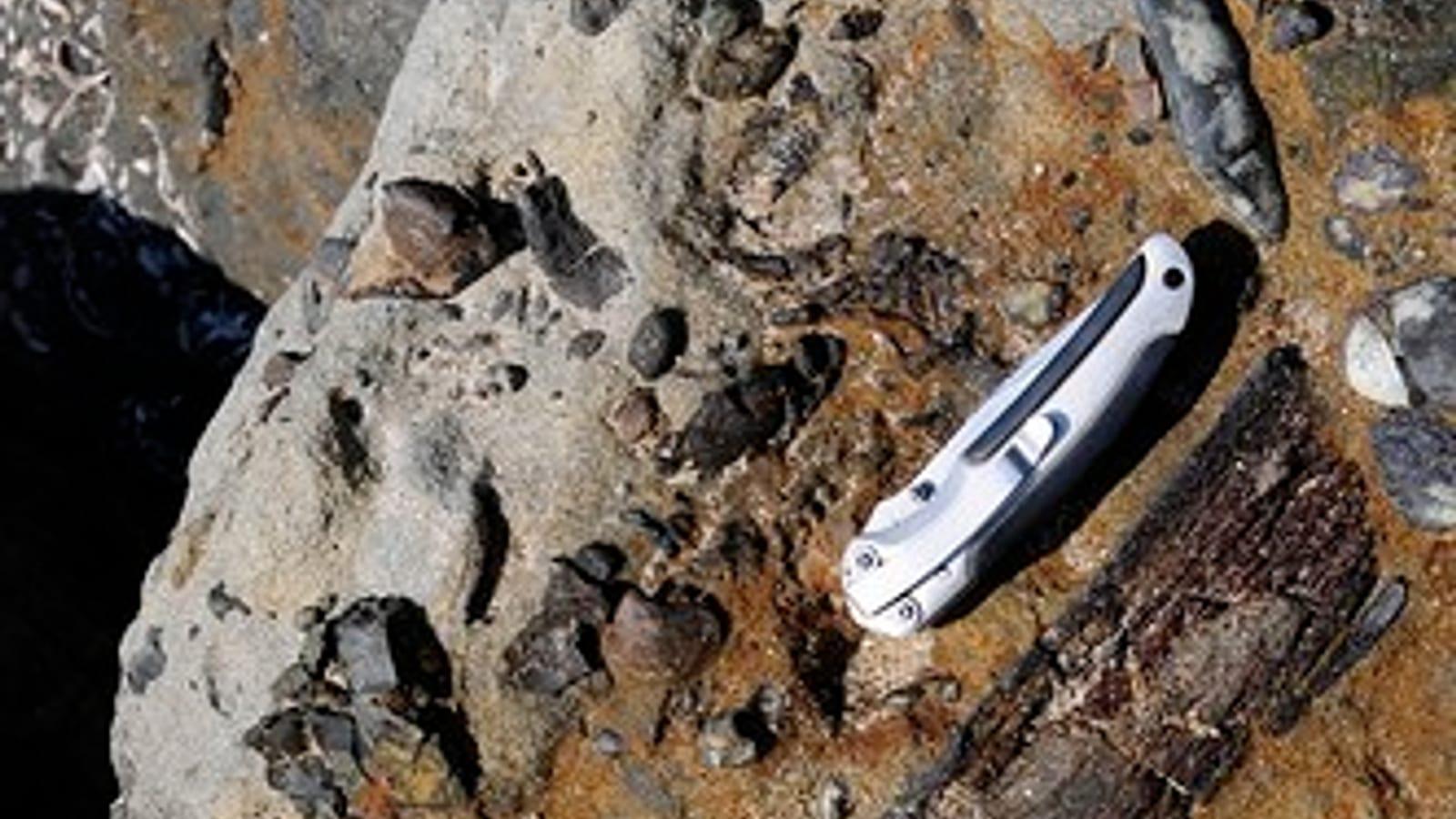
Find Fossils on Capitola Beach Fossil Hunting Guide
California, United States
Shark Teeth, Bivalves, Gastropods
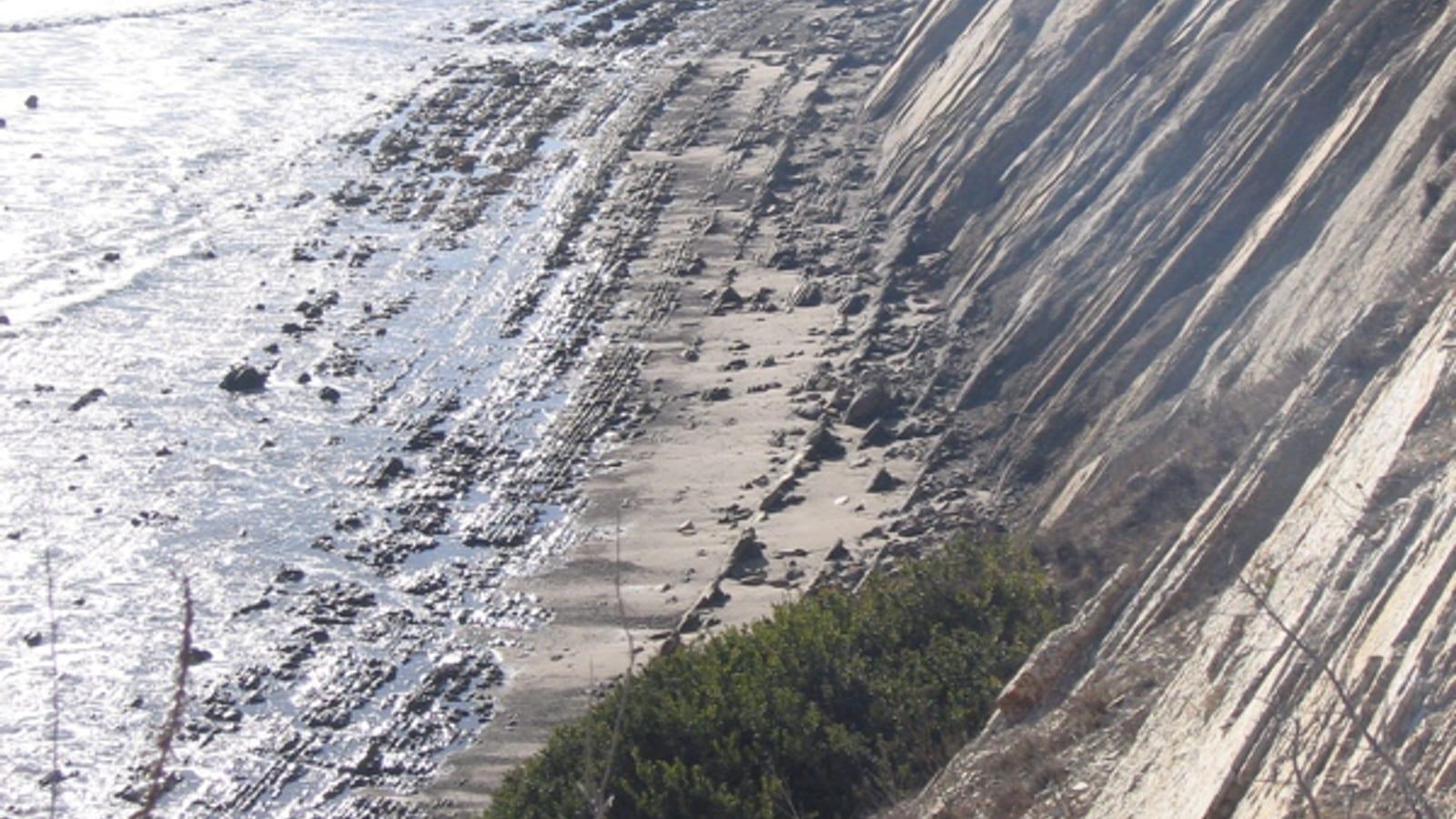
Find Fossils on Gaviota Beach Fossil Hunting Guide
California, United States
N/A
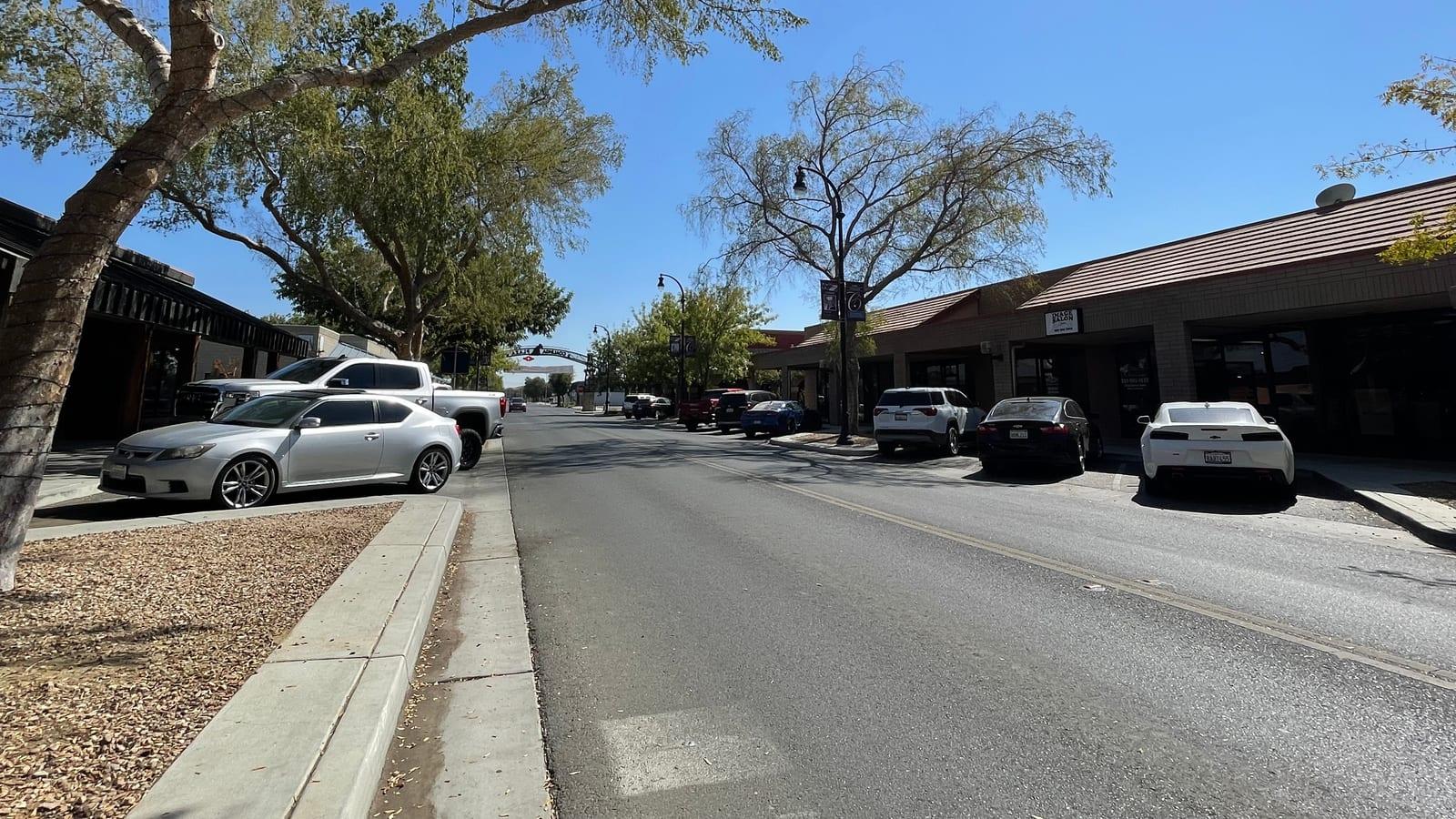
Find Marine Fauna Fossils near Coalinga, CA Fossil Hunting Guide
California, United States
N/A
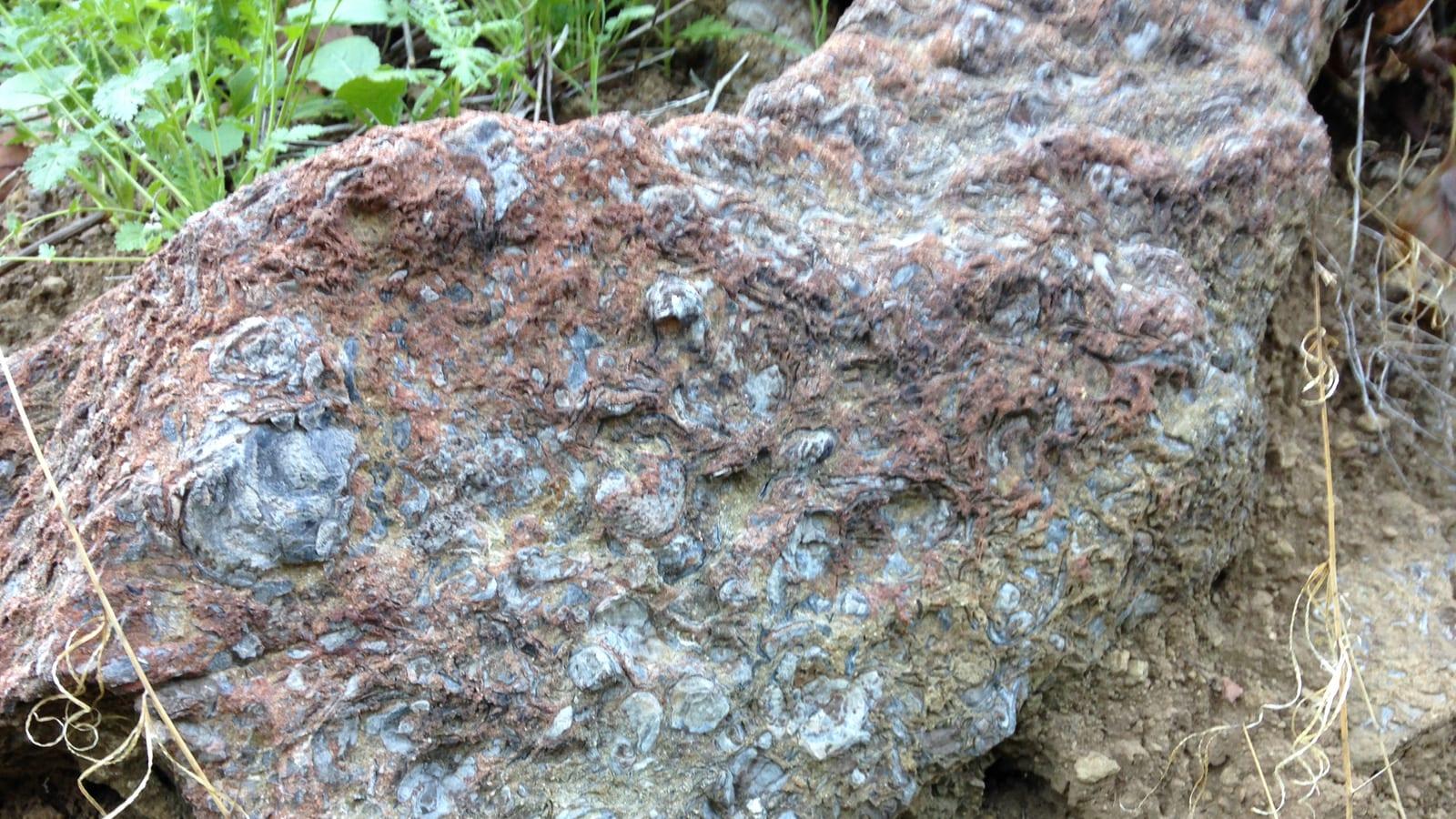
Fossil Hunting Near Ojai in the Los Padres National Forest
California, United States
Bivalves, Oysters (Ostrea idriaensis), Turritella (gastropods)
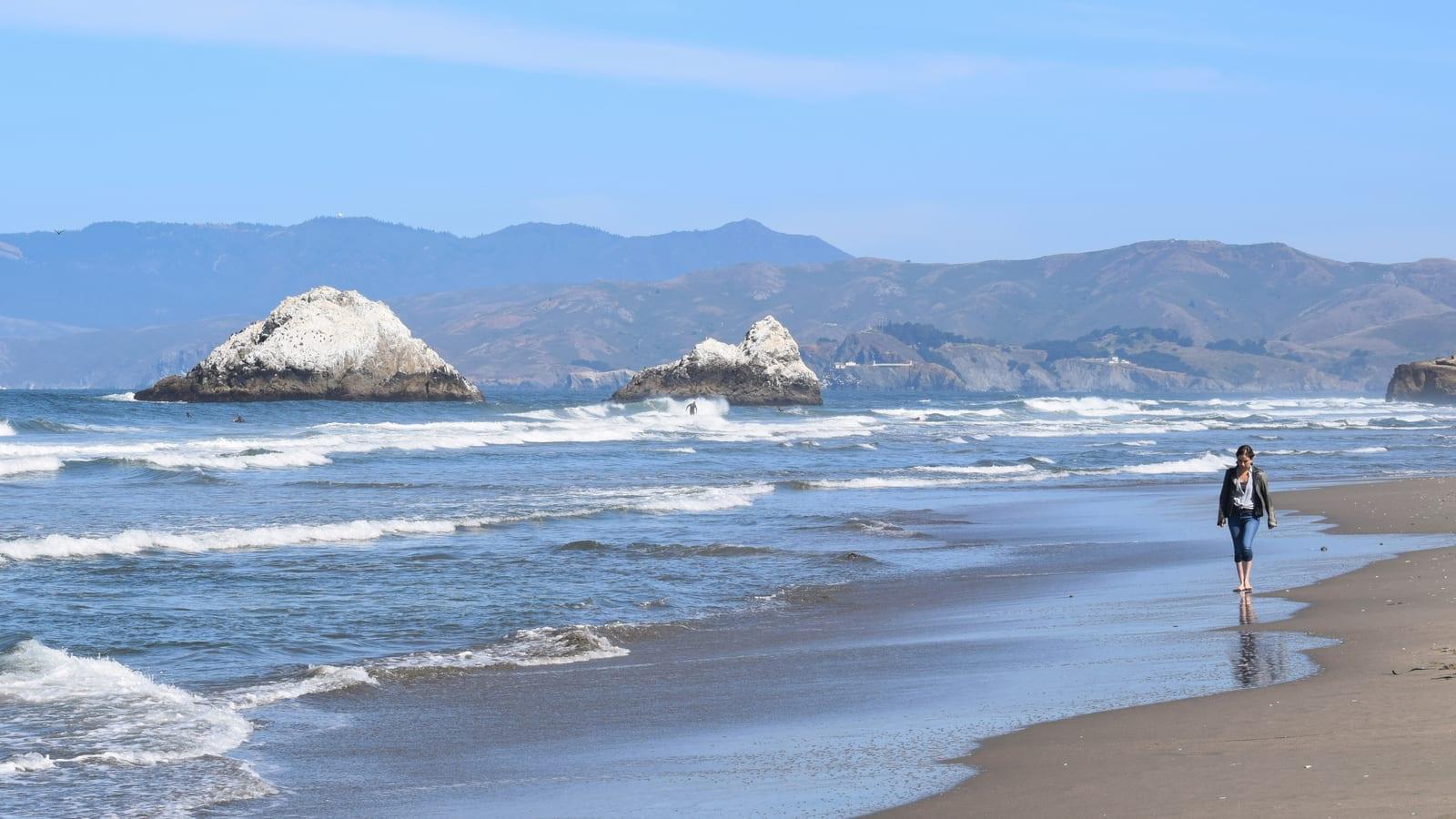
Golden Gate National Recreation Area Fossil Hunting Guide
California, United States
Radiolarians, Marine Invertebrates, Plant Fossils
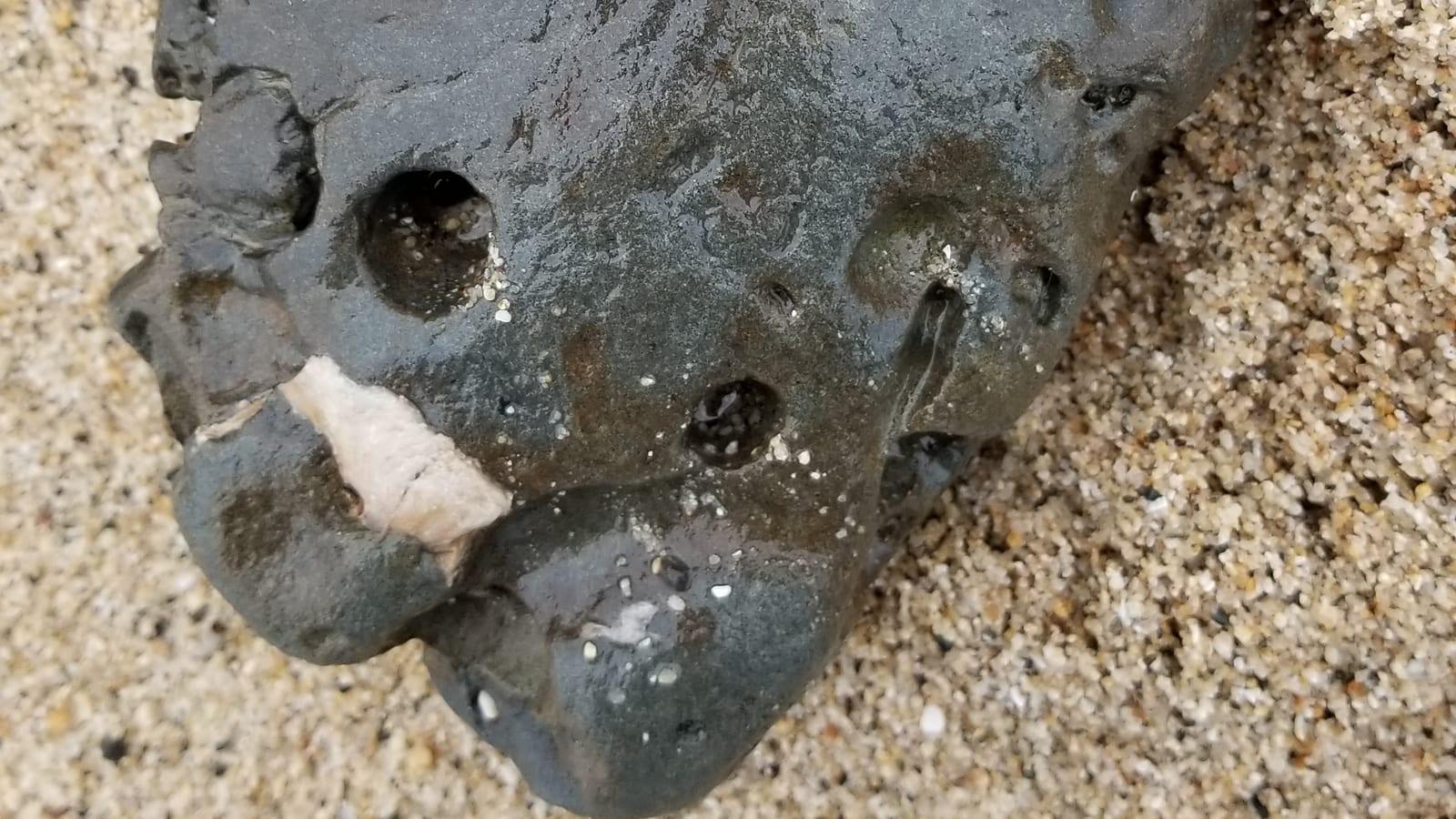
Half Moon Bay Fossil Hunting Guide
California, United States
N/A
Jacalitos Creek Fossil Hunting Guide
California, United States
N/A
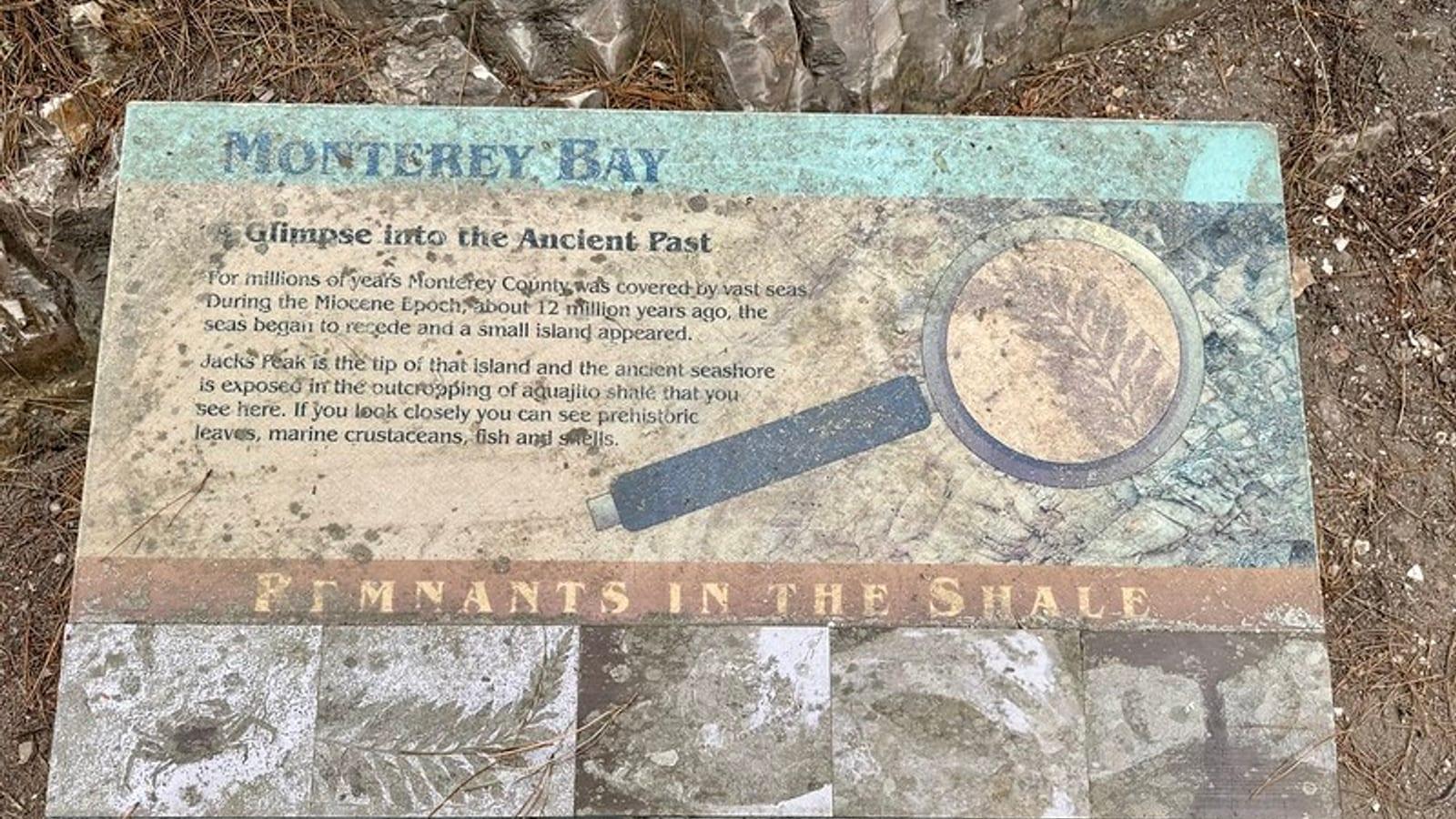
Jacks Peak County Park Fossil Hunting Guide
California, United States
Leaf impressions, Marine shells, Diatoms, Foraminifera
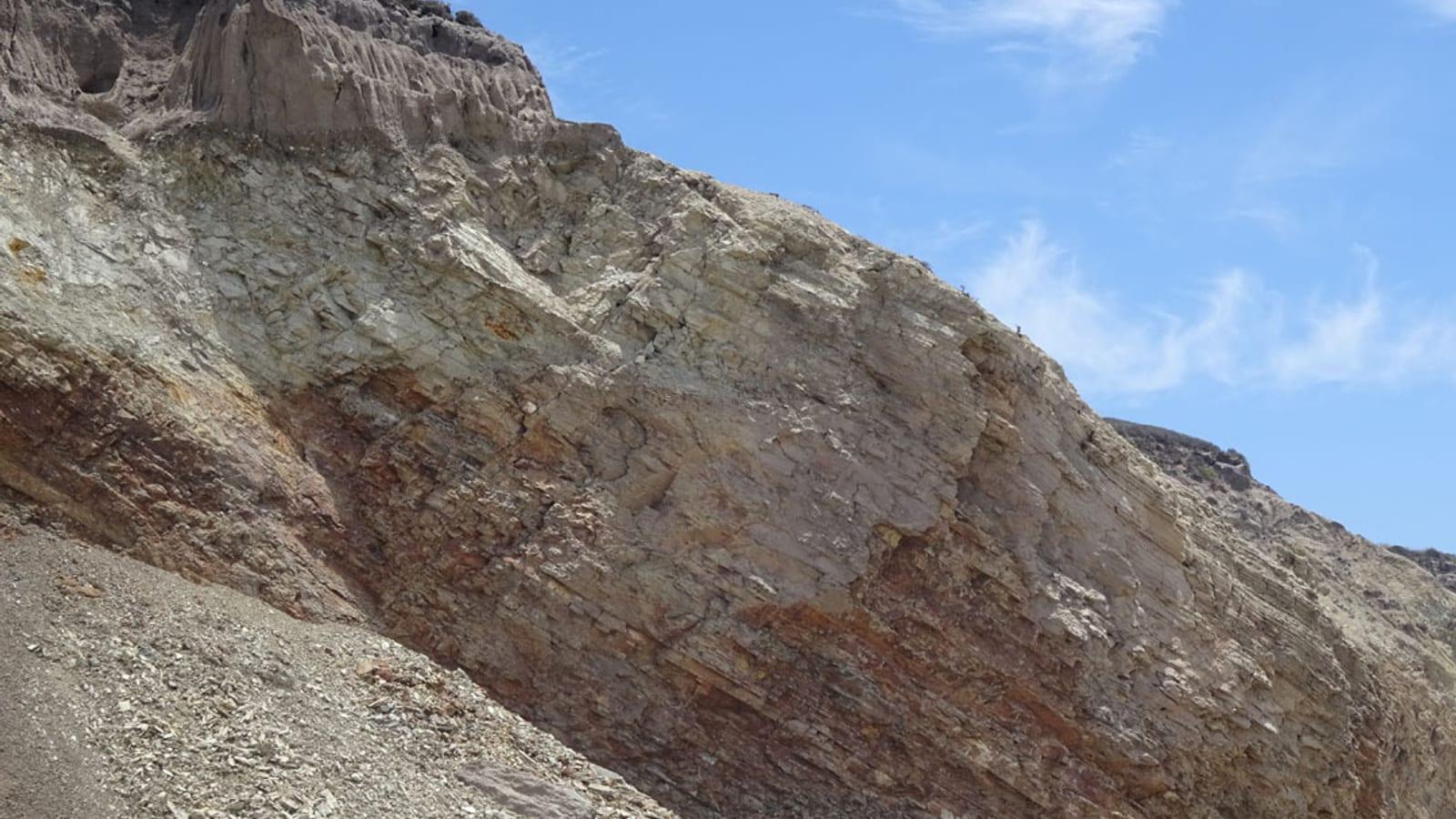
Jalama Beach Fossil Hunting Guide
California, United States
N/A
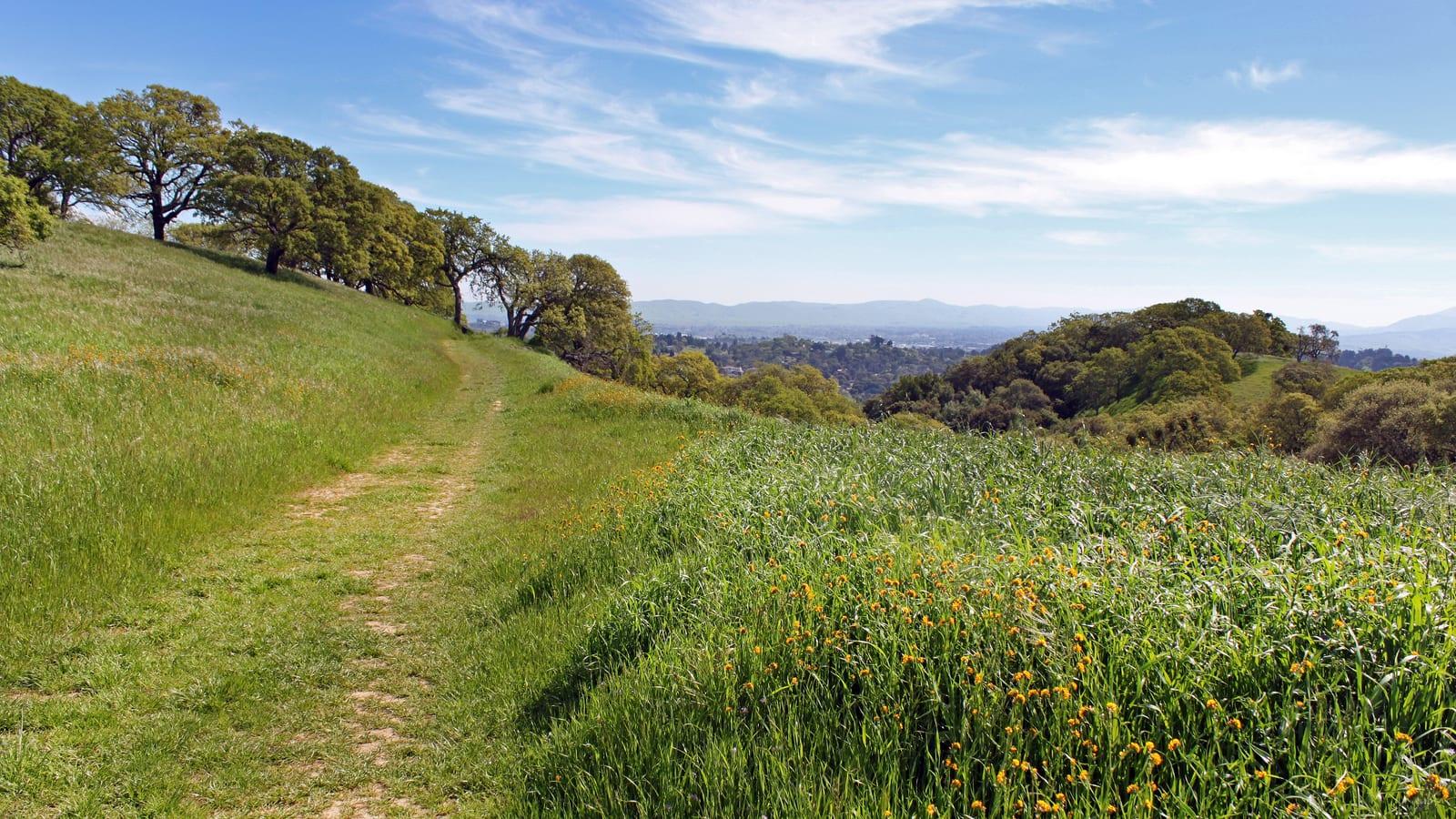
John Muir National Historic Site Fossil Hunting Guide
California, United States
N/A
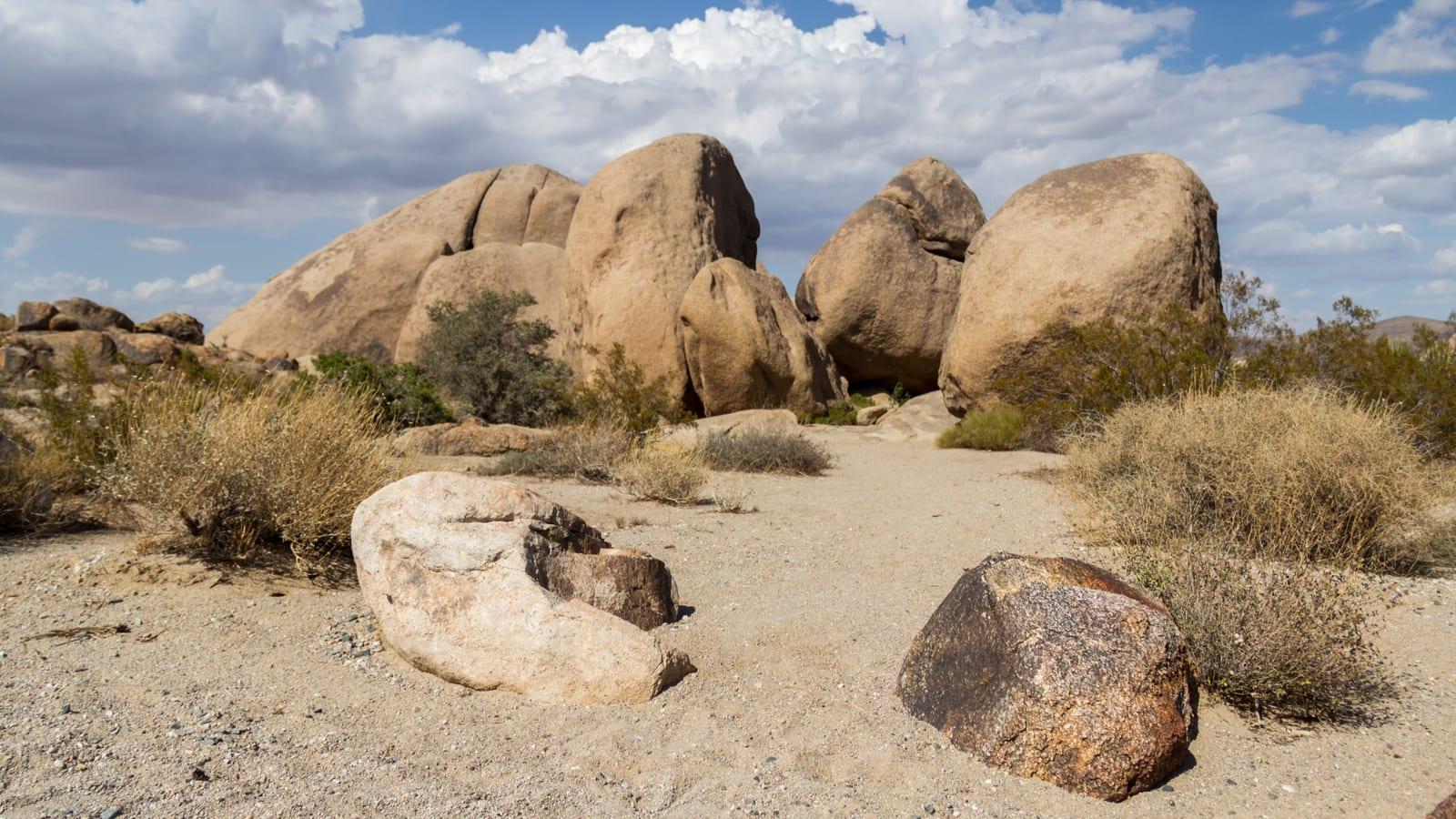
Joshua Tree National Park Fossil Hunting Guide
California, United States
Echinoids, Plant Fossils, Mollusks
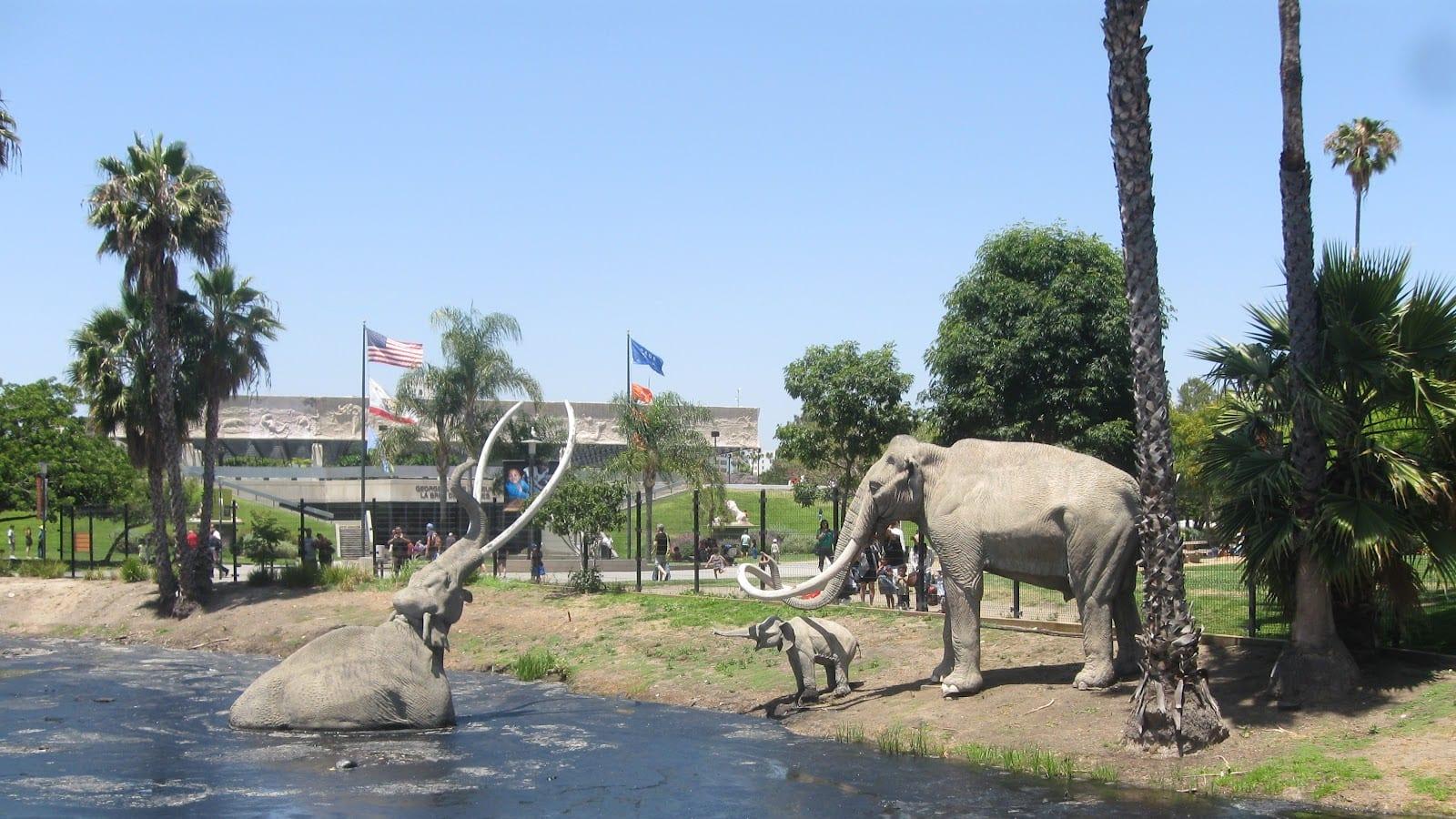
La Brea Tar Pits Fossil Hunting Guide
California, United States
Dire Wolf, Saber-toothed Cat, Columbian Mammoth, Ground Sloth
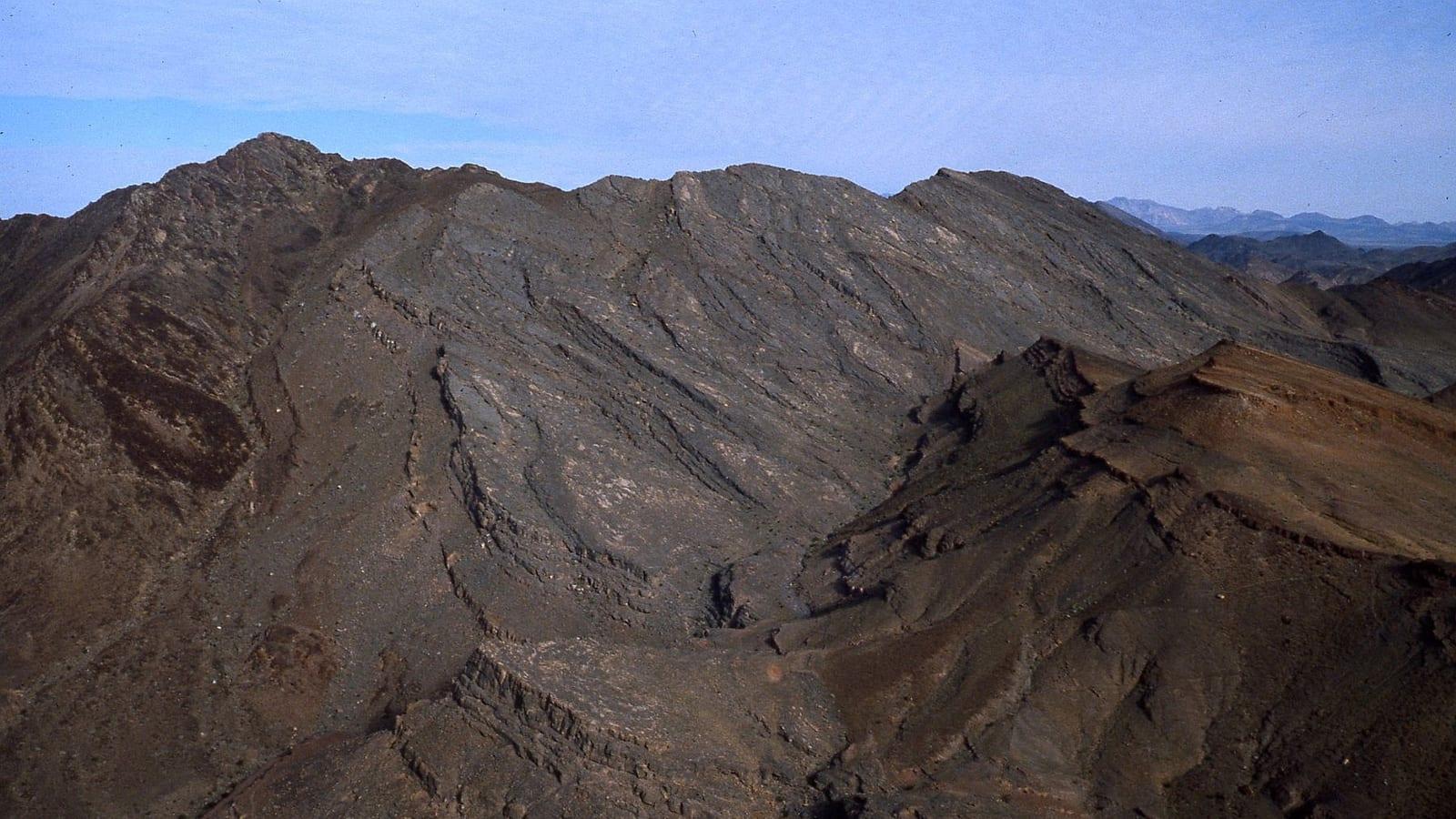
Marble Mountain Fossil Beds — Mojave Cambrian Trilobite Guide
California, United States
Trilobites, Brachiopods, Trace Fossils, Hyolithids
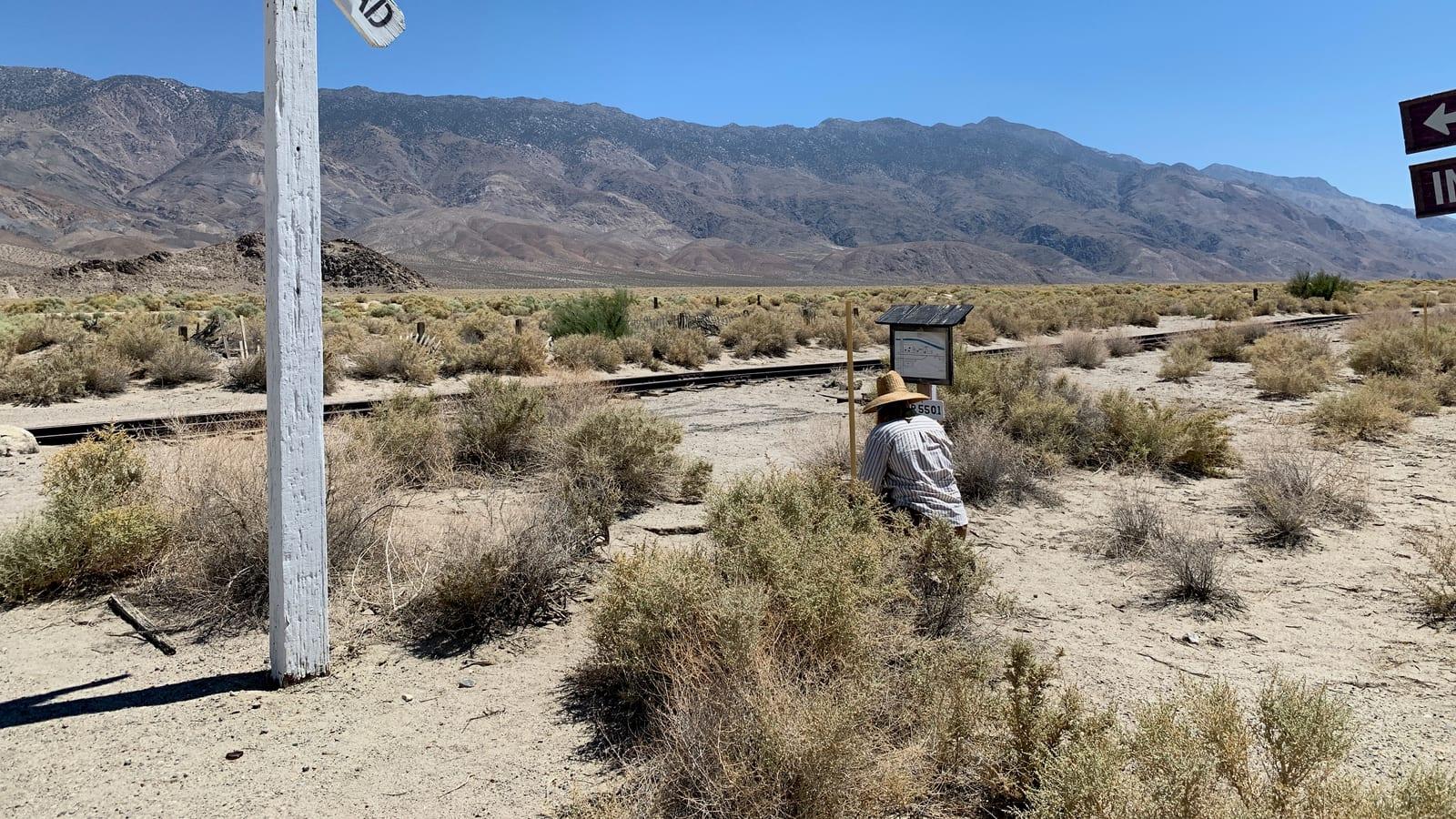
Mazourka Canyon Fossil Hunting Guide
California, United States
N/A
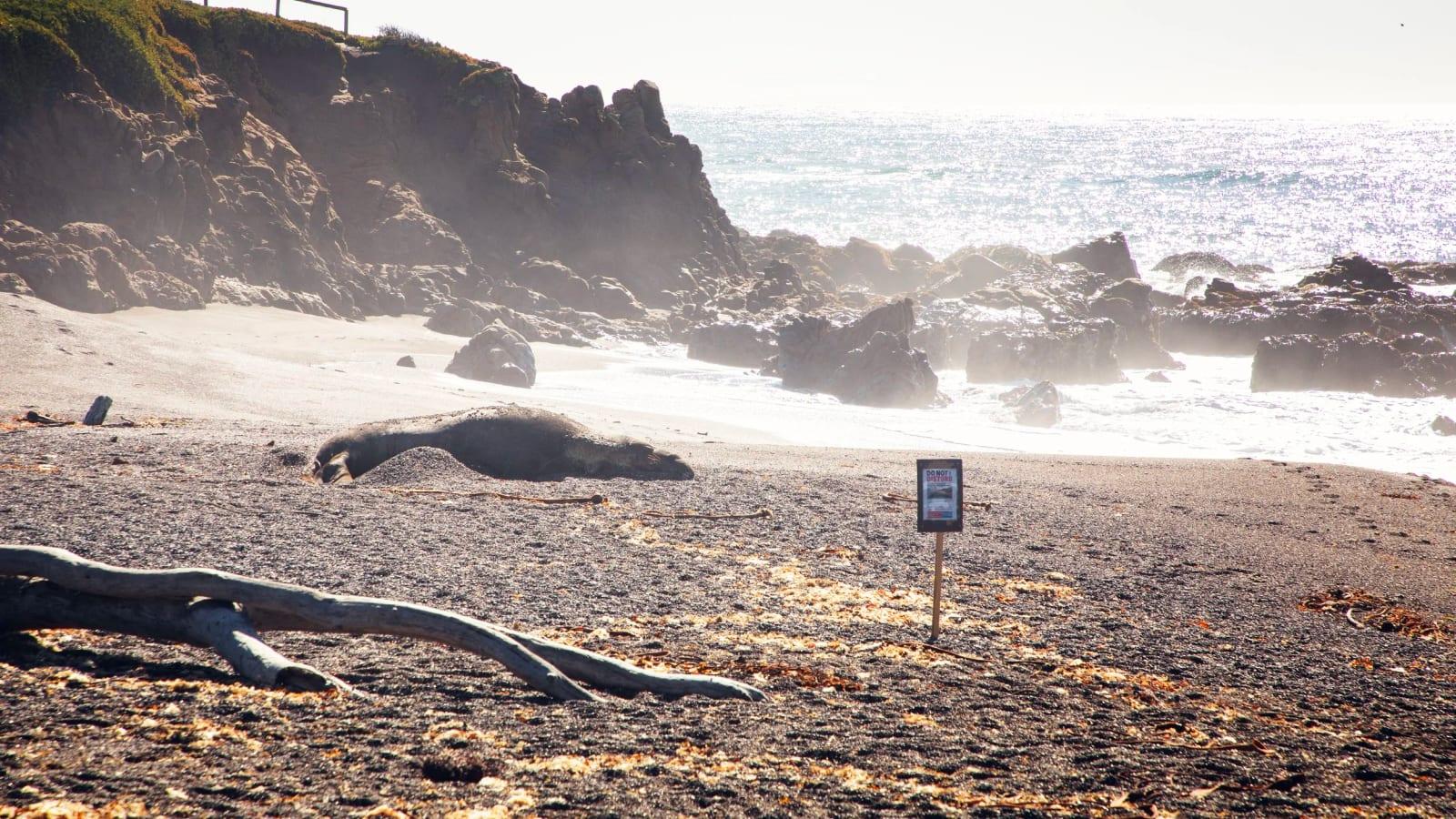
Moonstone Beach Fossil Hunting Guide
California, United States
N/A
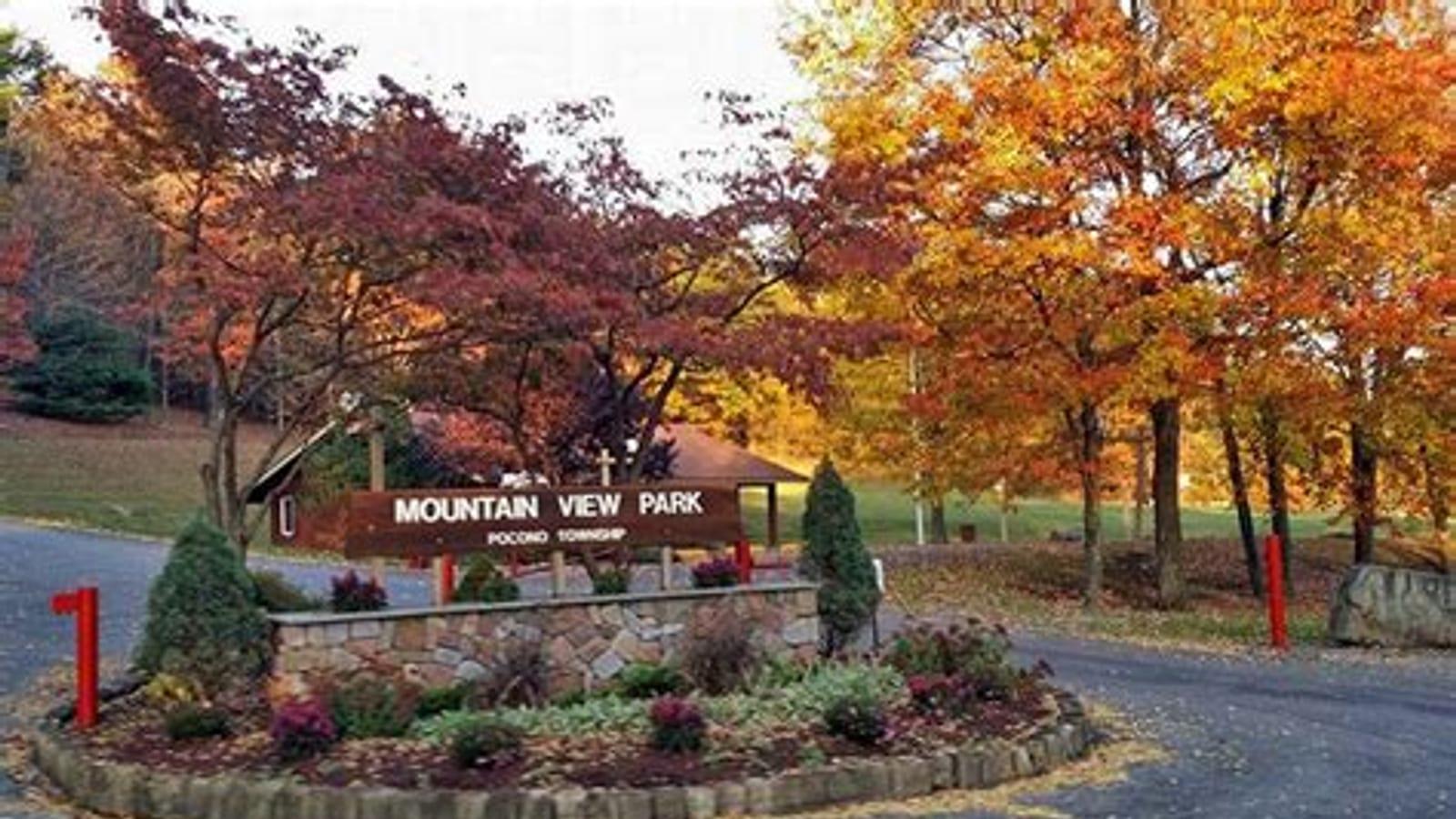
Mountain View Park Fossil Hunting Guide
California, United States
N/A
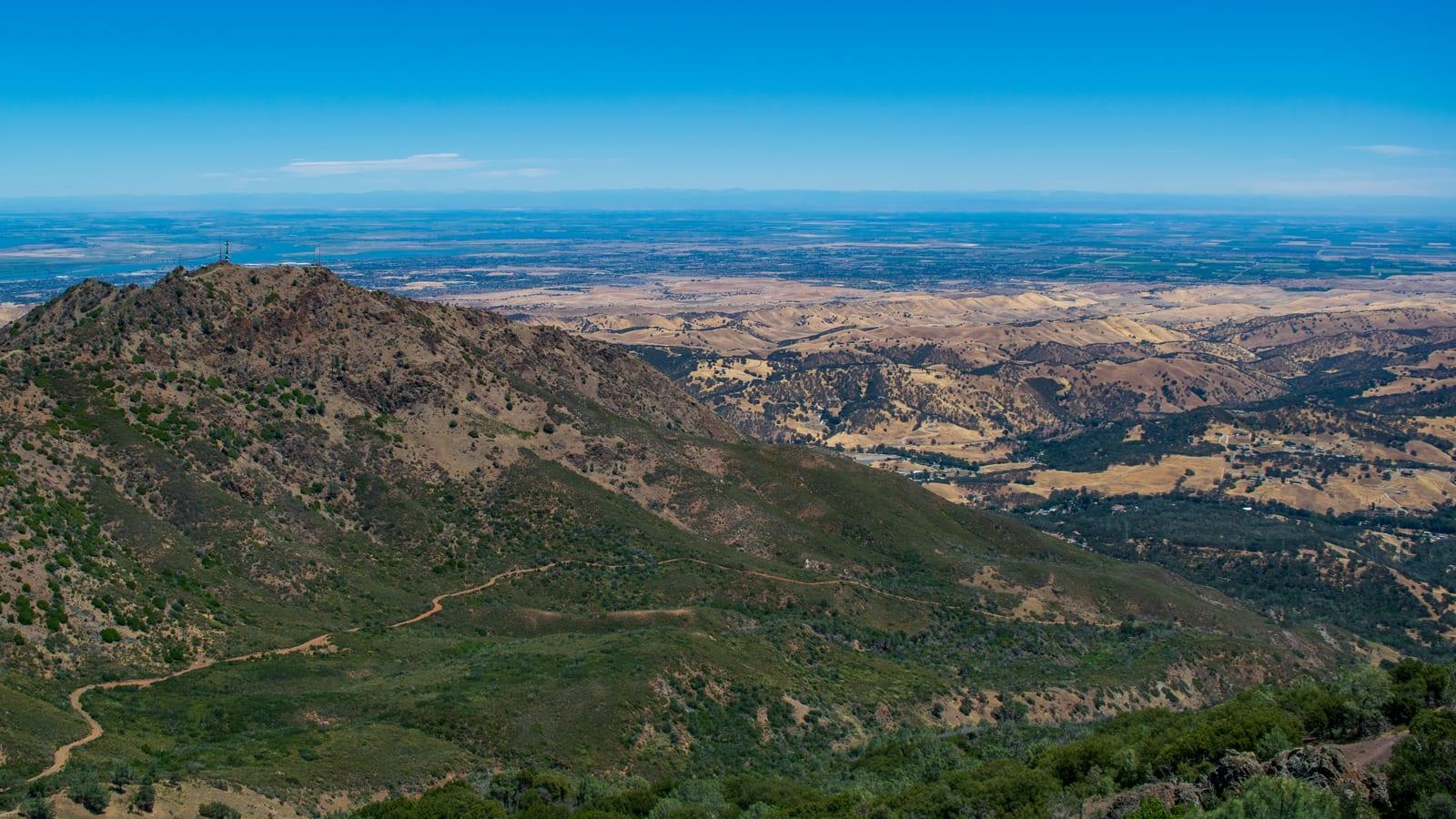
Mt. Diablo Fossil Hunting Guide
California, United States
Clams, Pectens, Other shallow-marine invertebrates
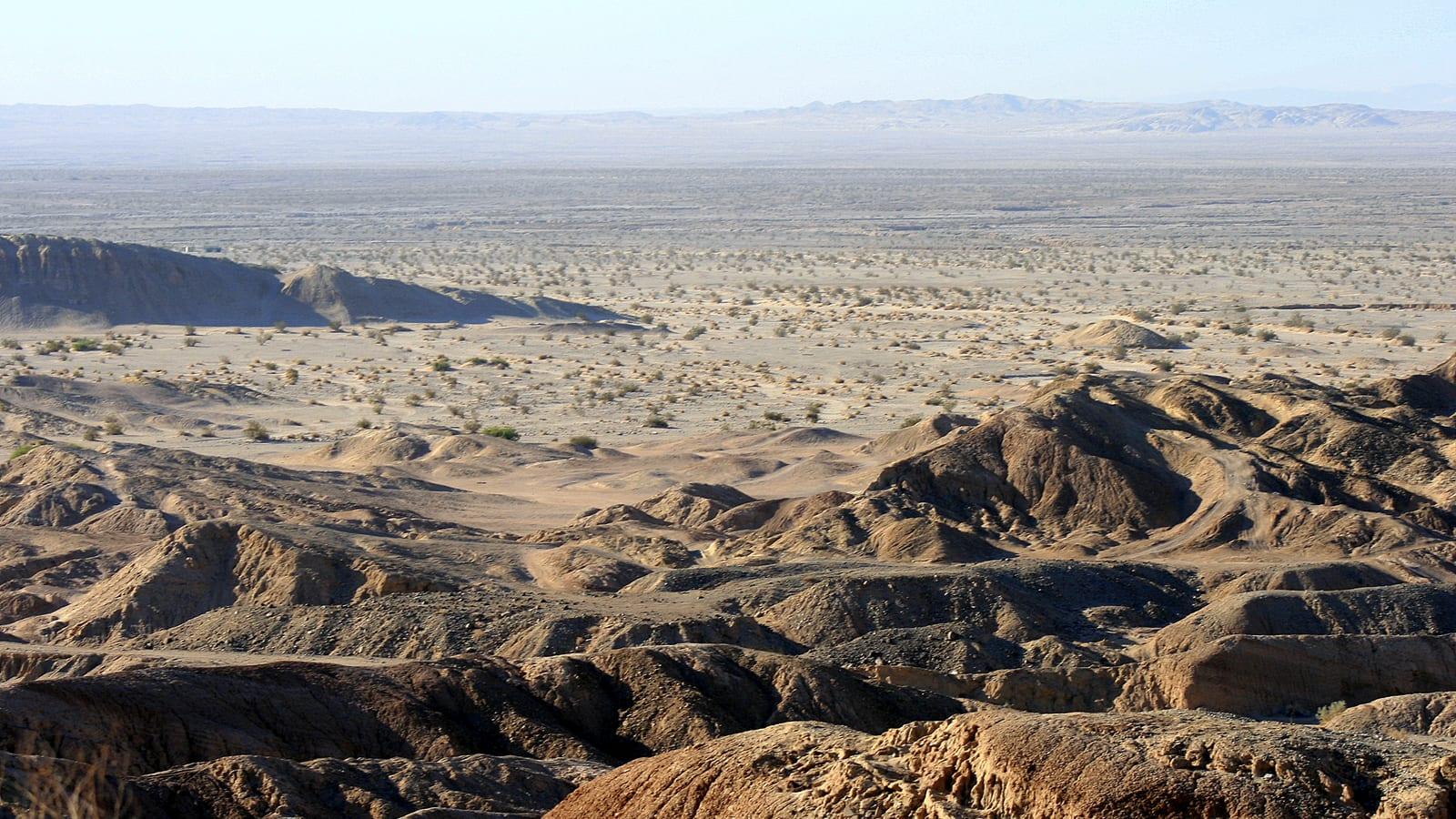
Ocotillo, CA Fossil Hunting Guide
California, United States
N/A
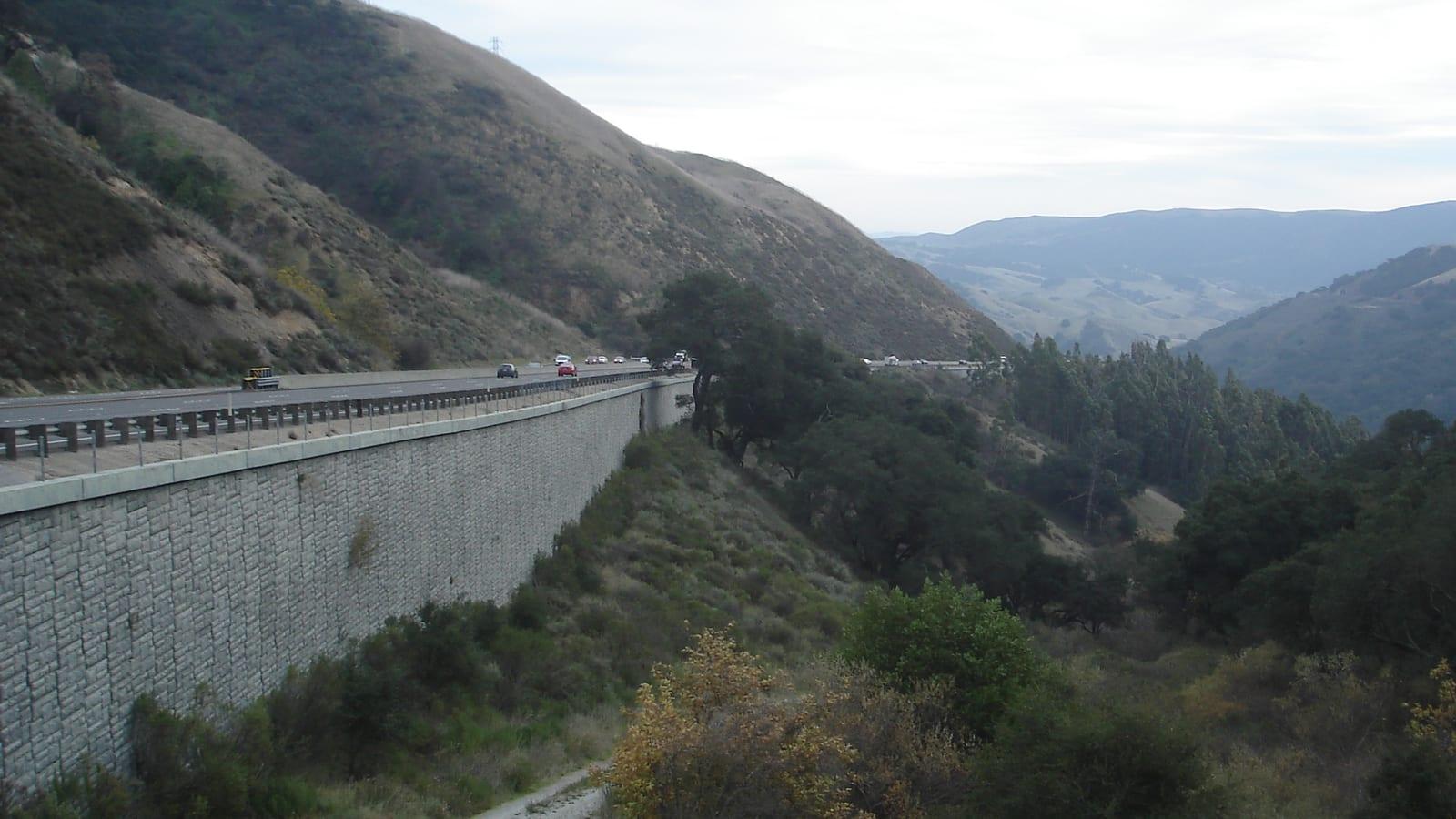
Oyster Fossils at Santa Margarita Ranch, San Luis Obispo County
California, United States
Oysters (Crassostrea titan), Bivalves, Sand dollars (Astrodapsis), Echinoids
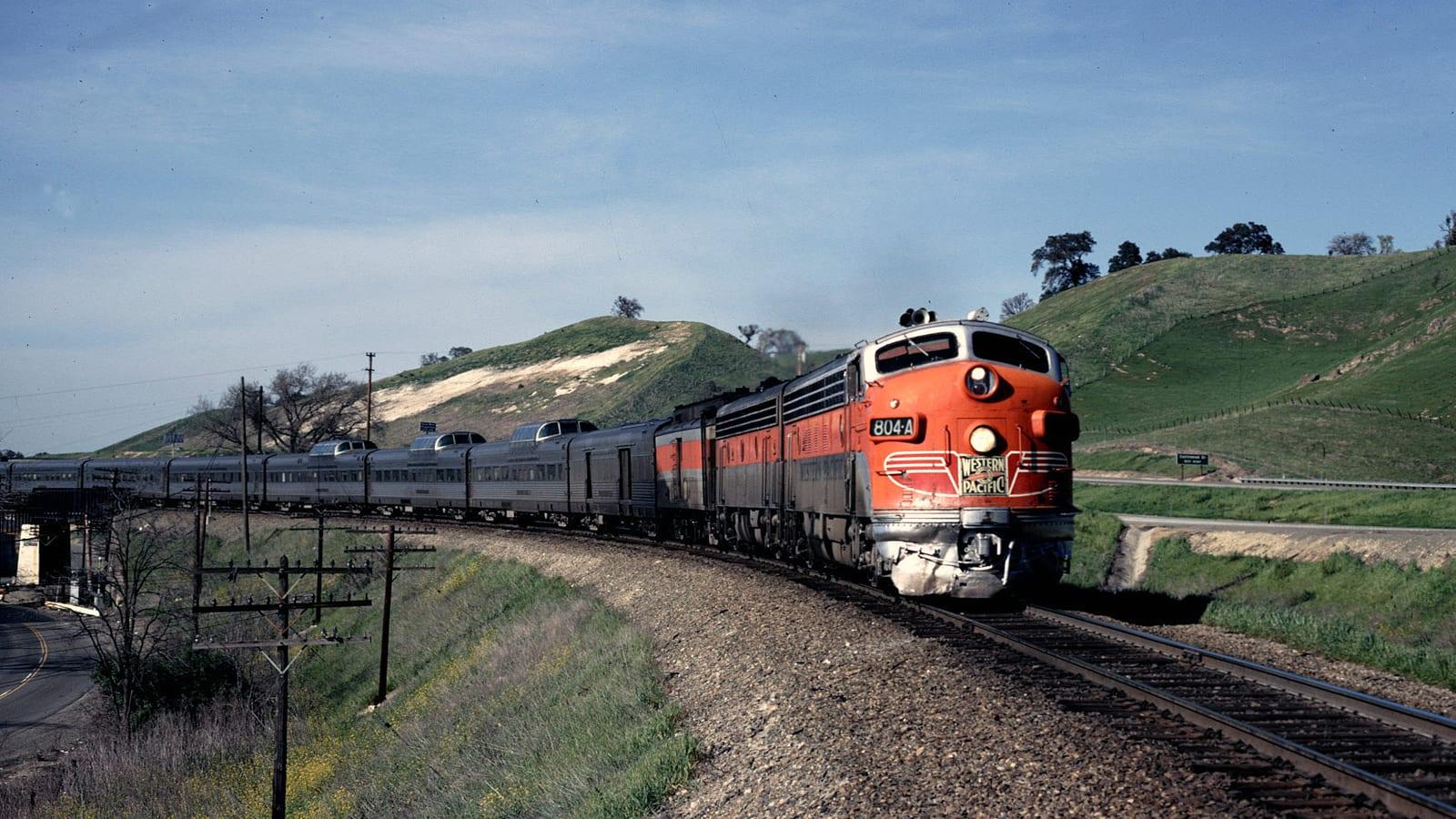
Pleasanton in RR Cut Fossil Hunting Guide
California, United States
N/A
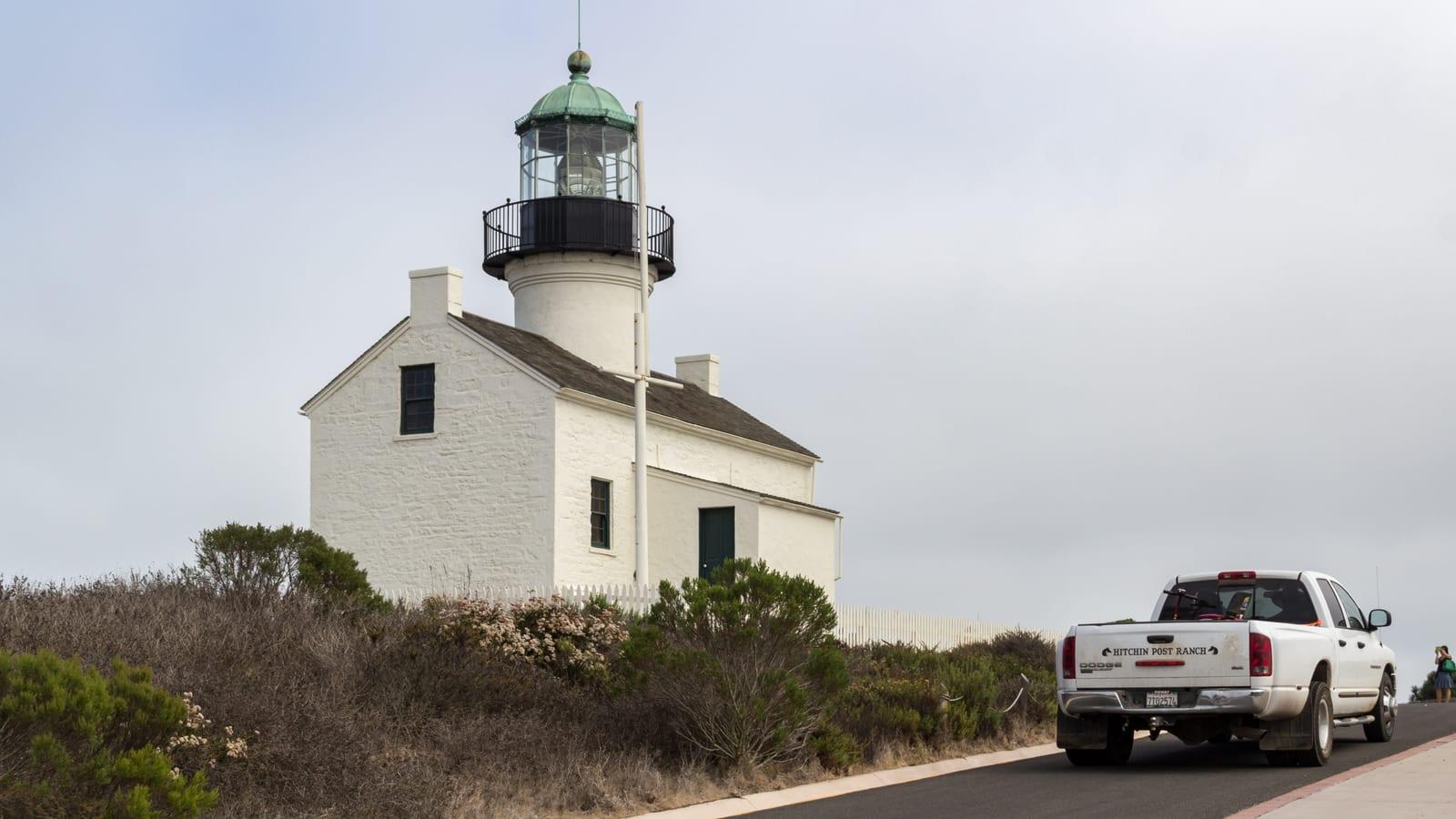
Point Loma Fossil Hunting Guide
California, United States
Trace Fossils
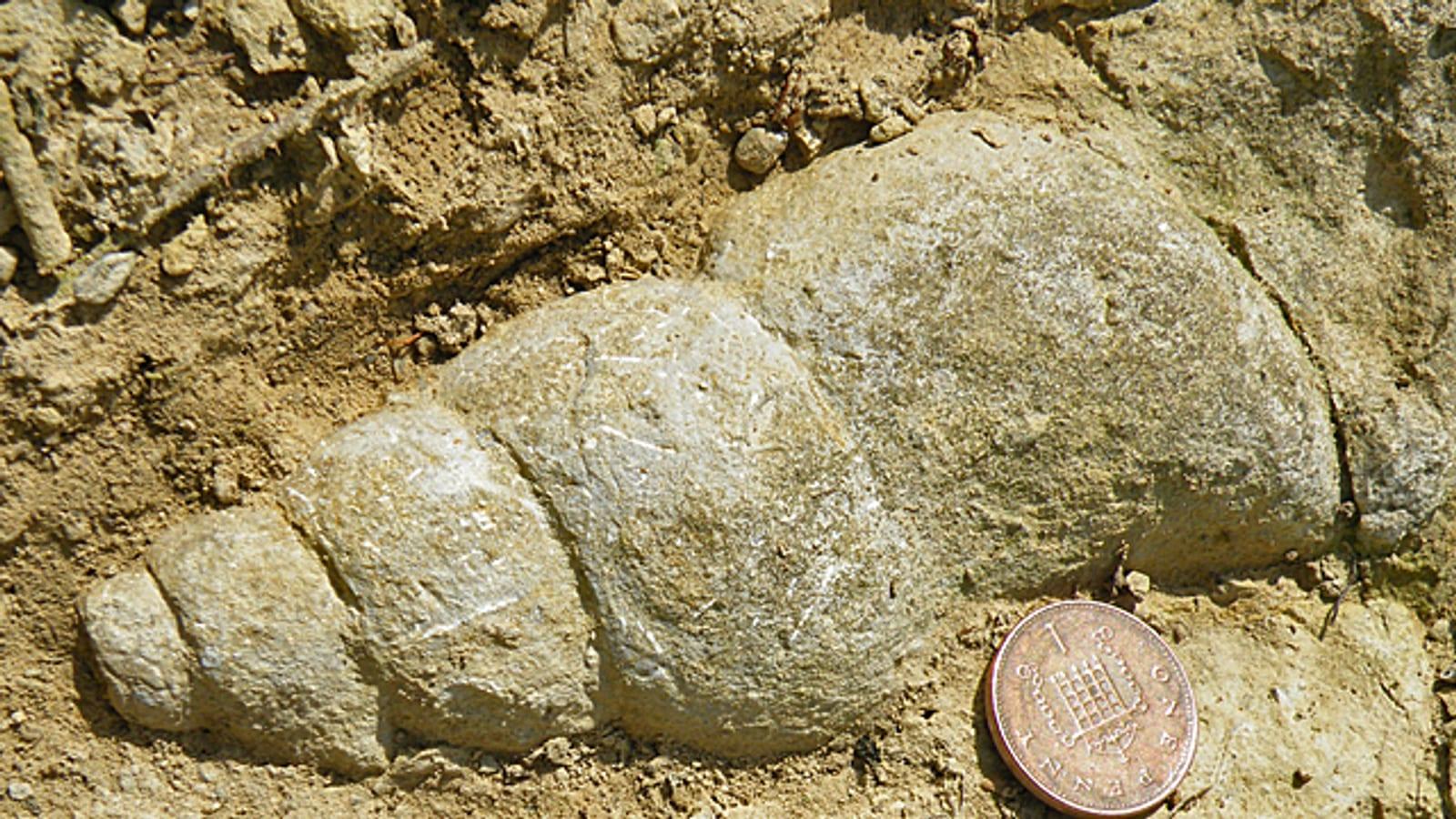
Rincon Point Fossil Hunting Guide
California, United States
Gastropods, Mollusks
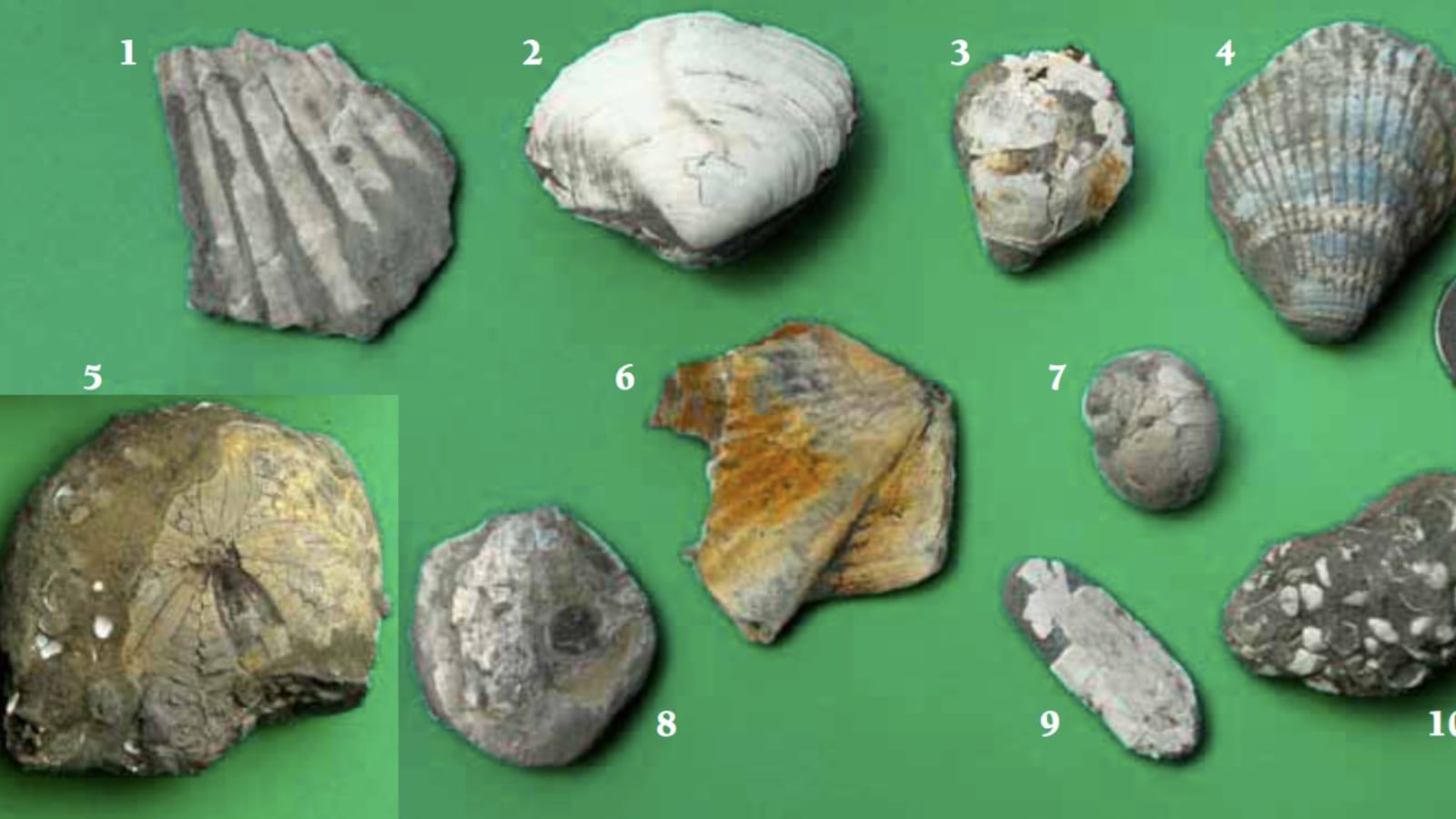
Scotia Bluffs Fossil Hunting Guide
California, United States
Mollusks
Scotts Valley Fossil Hunting Guide
California, United States
Shark Teeth, Megalodon
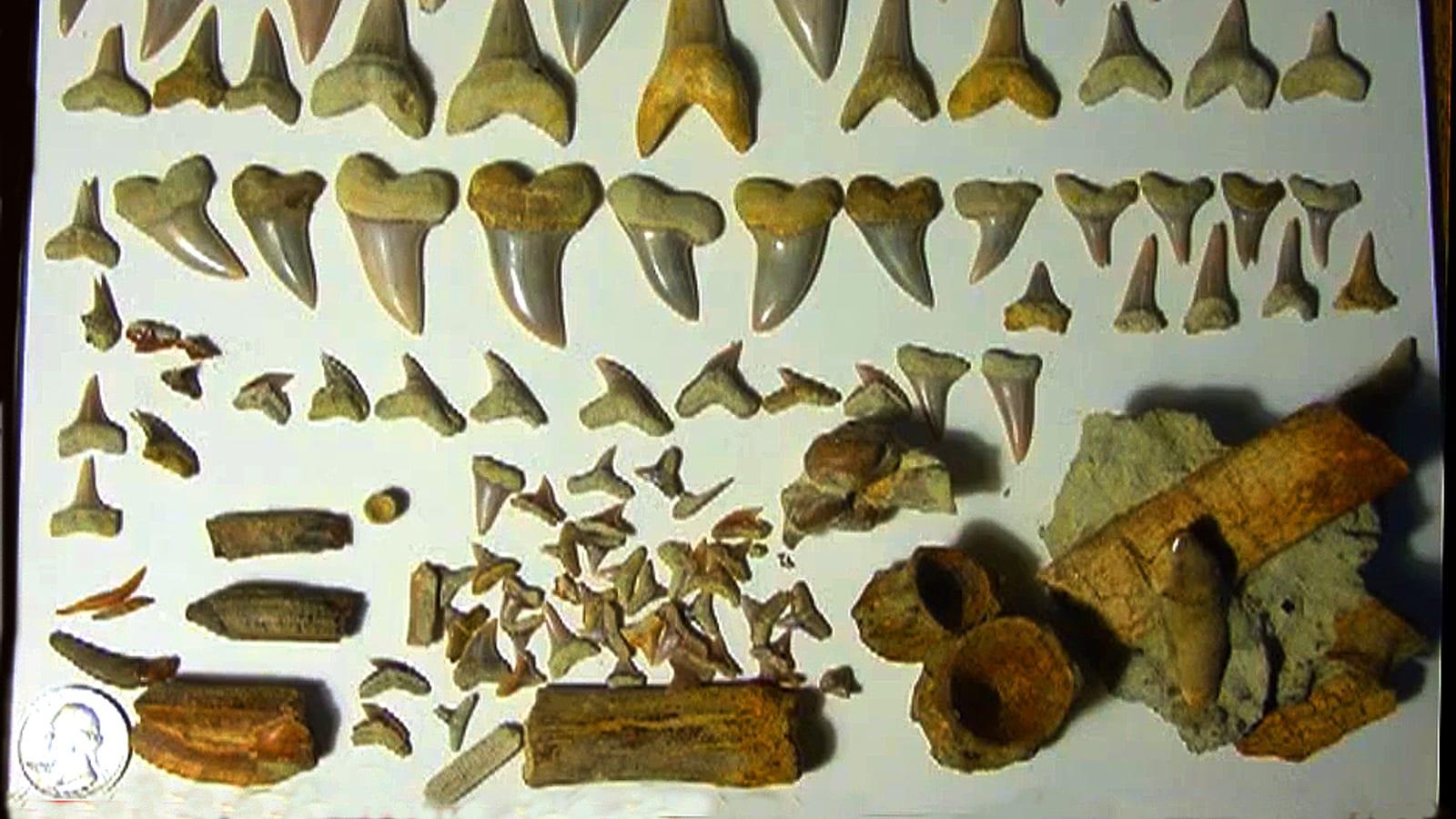
Shark Tooth Hill Fossil Hunting Guide
California, United States
Shark Teeth, Whale Vertebrae, Dolphin Skulls, Ray Dental Plates
Shell Creek Fossil Hunting Guide
California, United States
N/A
the Sespe Wilderness Fossil Hunting Guide
California, United States
N/A
Topanga Canyon Fossil Hunting Guide
California, United States
Gastropods
Weathered Gastropod Found by Surfer's Knoll Fossil Hunting Guide
California, United States
N/A