Fossil type
Where to find plants
Plant fossils preserve as compressions, impressions, or petrifications. The Carboniferous coal swamps and the Eocene Florissant Formation are the most productive sites in this directory. Plant identification often relies on leaf venation patterns and reproductive structures.
60 fossil sites
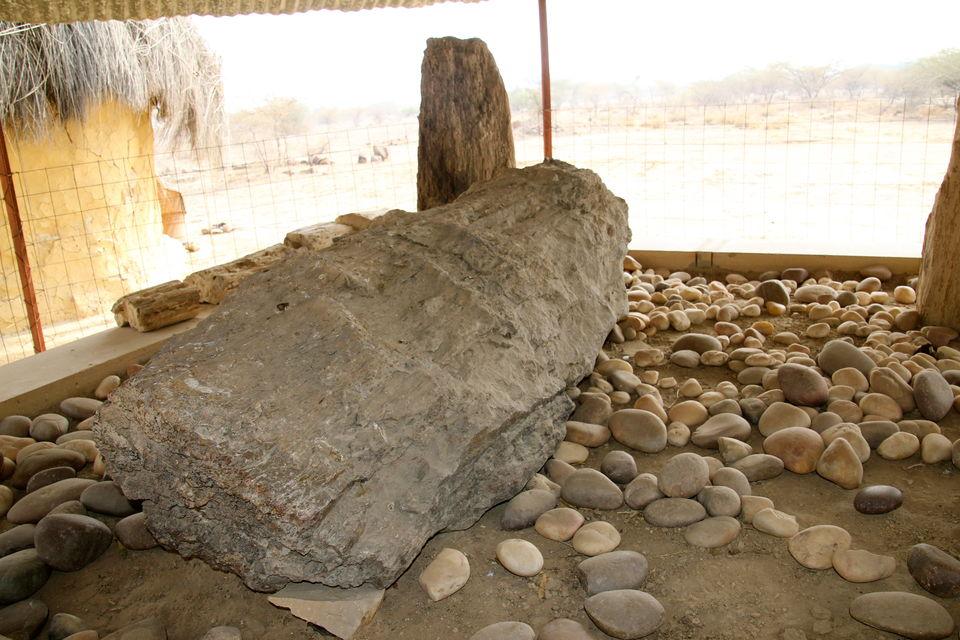
Akal Wood Fossil Park Fossil Hunting Guide
Rajasthan, India
Petrified Wood, Plants, Gastropods
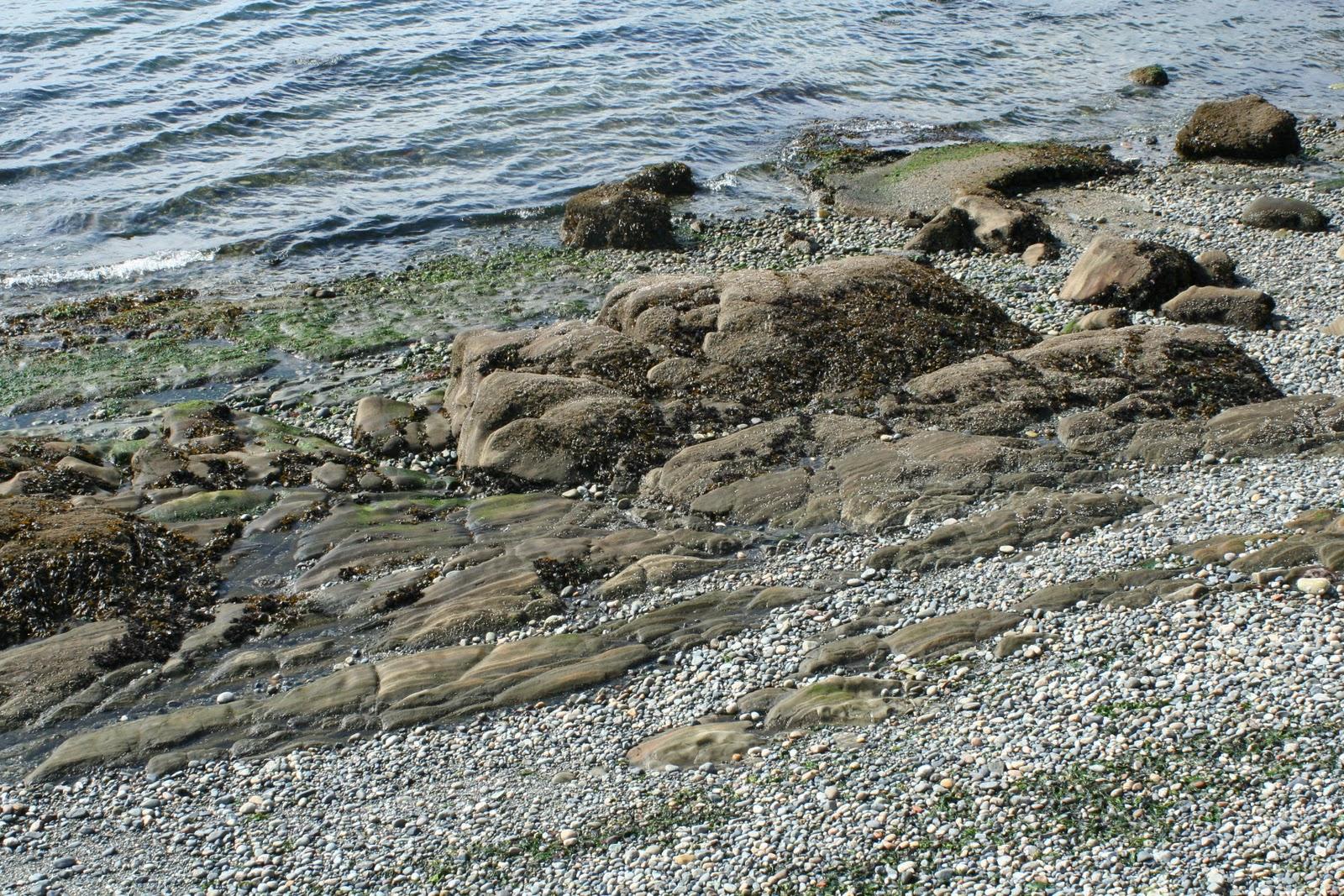
Alki Beach Blakeley Formation Fossil Hunting Guide
Washington, United States
Marine mollusks, Crab concretions, Shark teeth (rare), Wood and plant debris
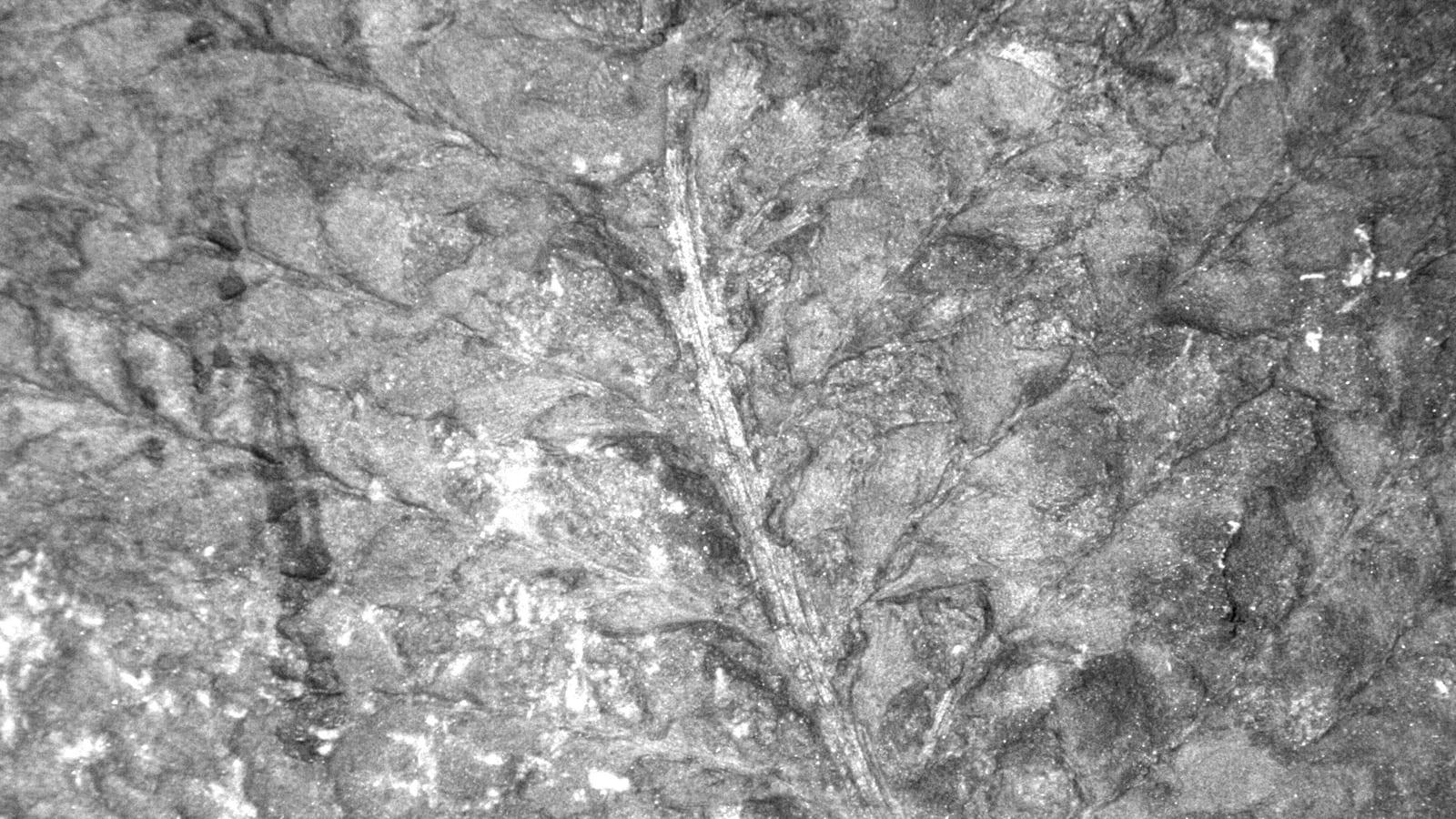
Ambridge Fossil Hunting Guide
Pennsylvania, United States
Plant Fossils, Marine Invertebrate Fossils
American Fossil Quarry Fossil Hunting Guide
Wyoming, United States
Fish Fossils, Plant Fossils, Insect Fossils
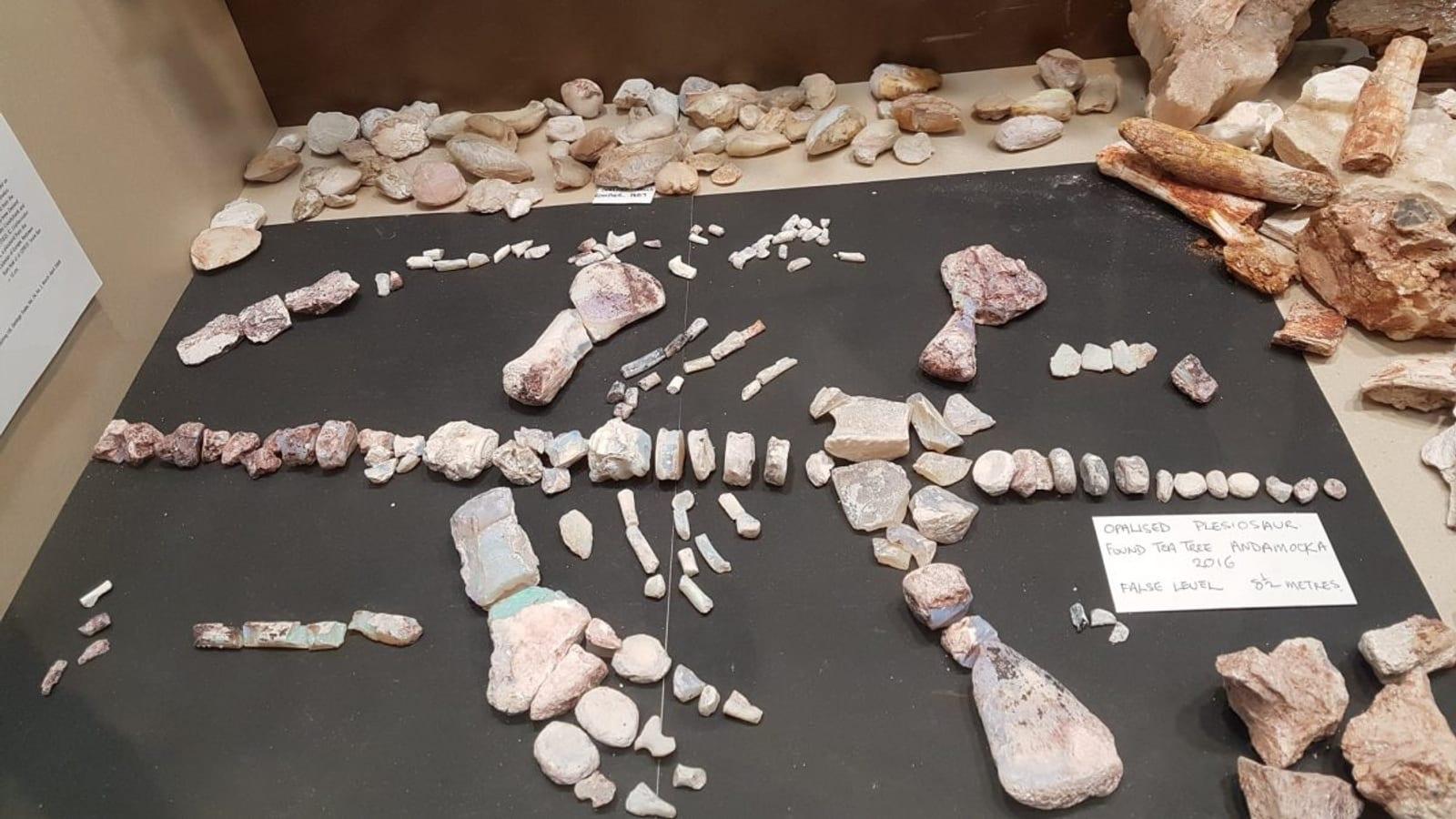
Andamooka Opal Fossils Fossicking Fossil Hunting Guide
Australia
Addyman Plesiosaur, Opallionectes andamookaensis, Kakuru kujani, Opalised bivalves
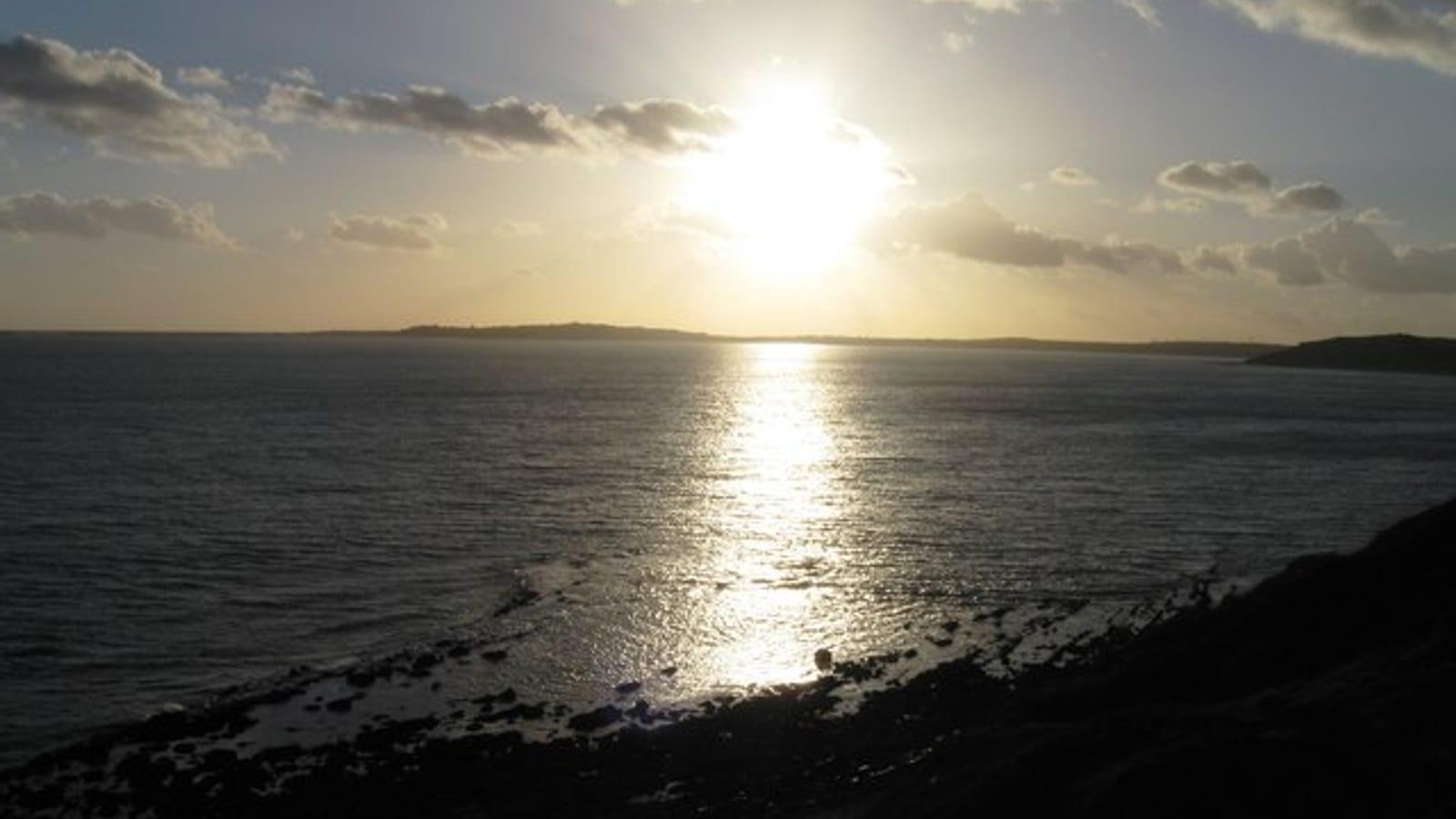
Black Head Osmington Fossil Hunting Guide
near Weymouth
Ammonites, Belemnites, Bivalves, Marine reptile fragments
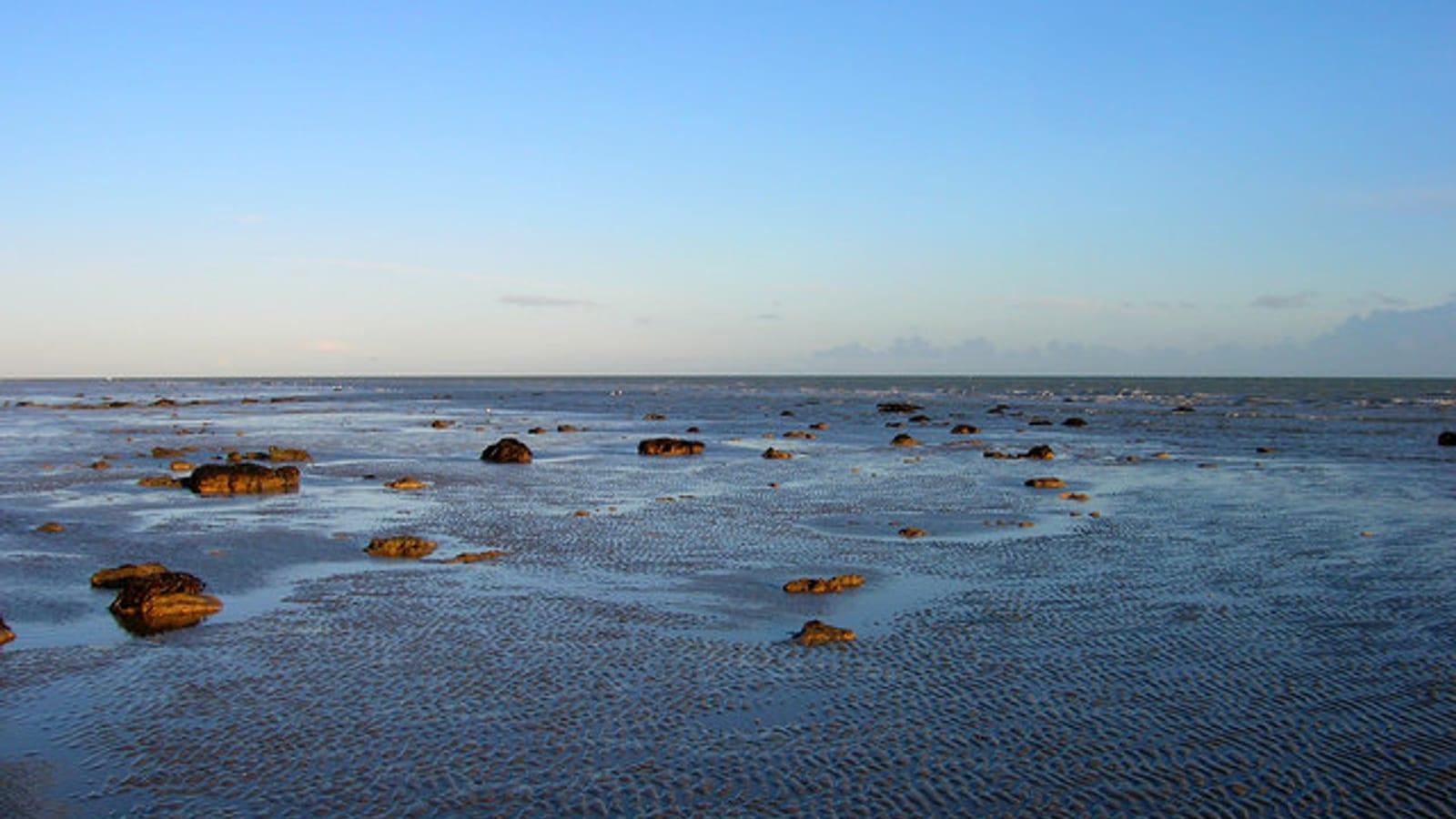
Bognor Regis Fossils — London Clay Foreshore Guide
western end of Bognor Regis
Sharks' teeth, Fish remains, Eocene insects, Molluscs
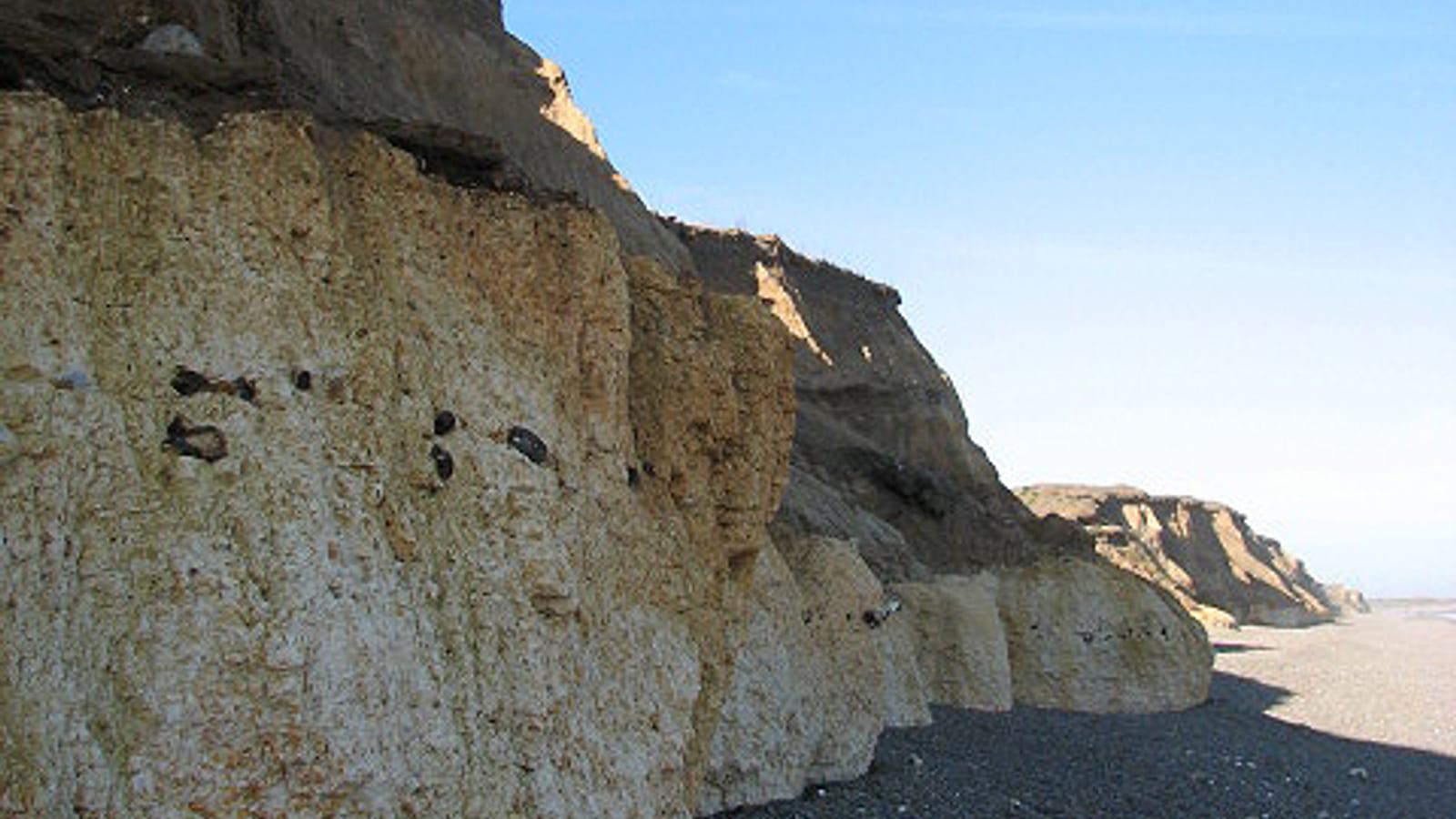
Brighstone Bay Fossil Hunting Guide
England, United Kingdom
plant debris bed, dinosaur teeth, Dinosaur bones, Crocodile remains
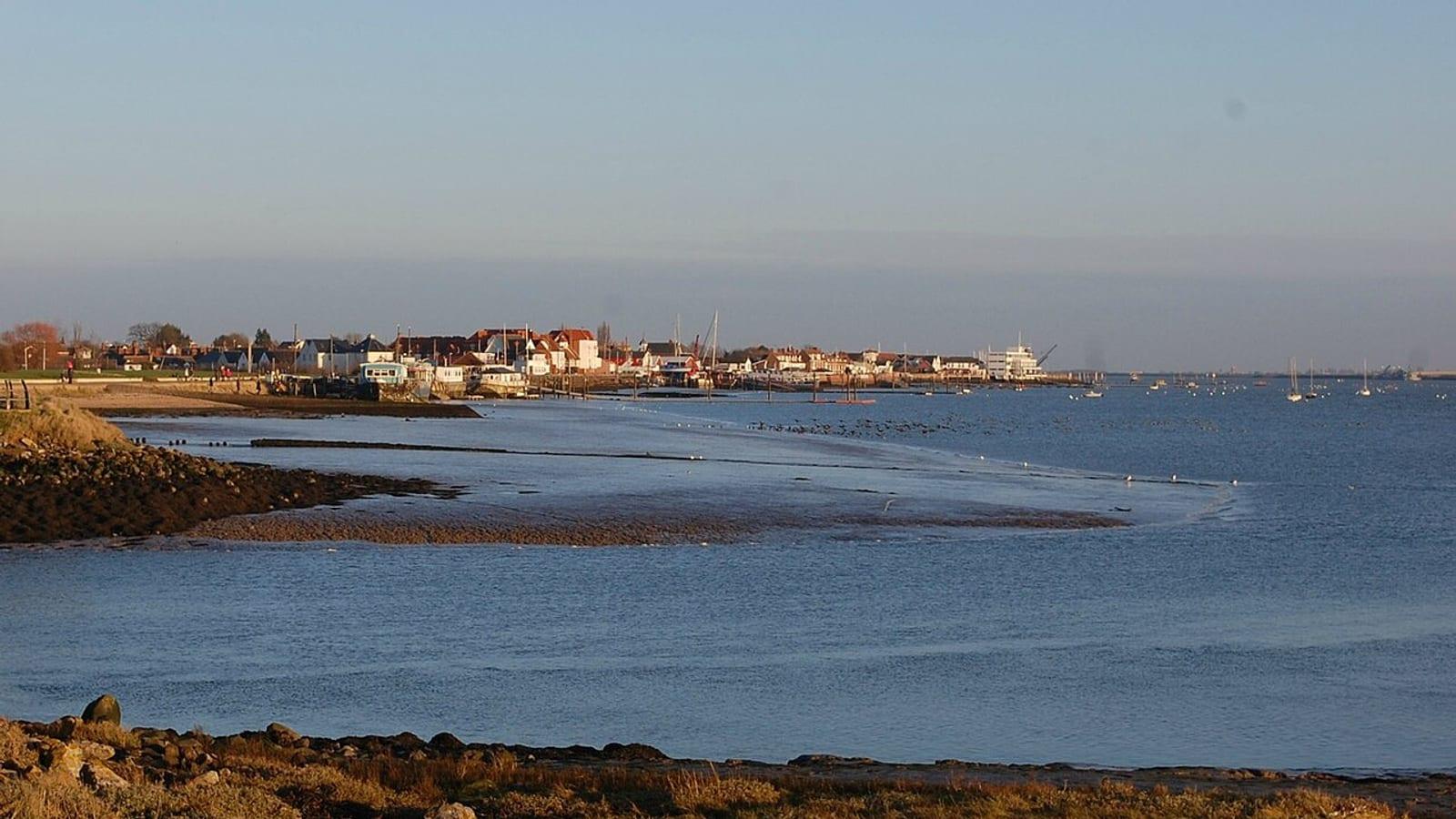
Burnham on Crouch Essex London Clay Fossil Hunting Guide
United Kingdom
Shark teeth, Ray teeth, Fish vertebrae, Crabs
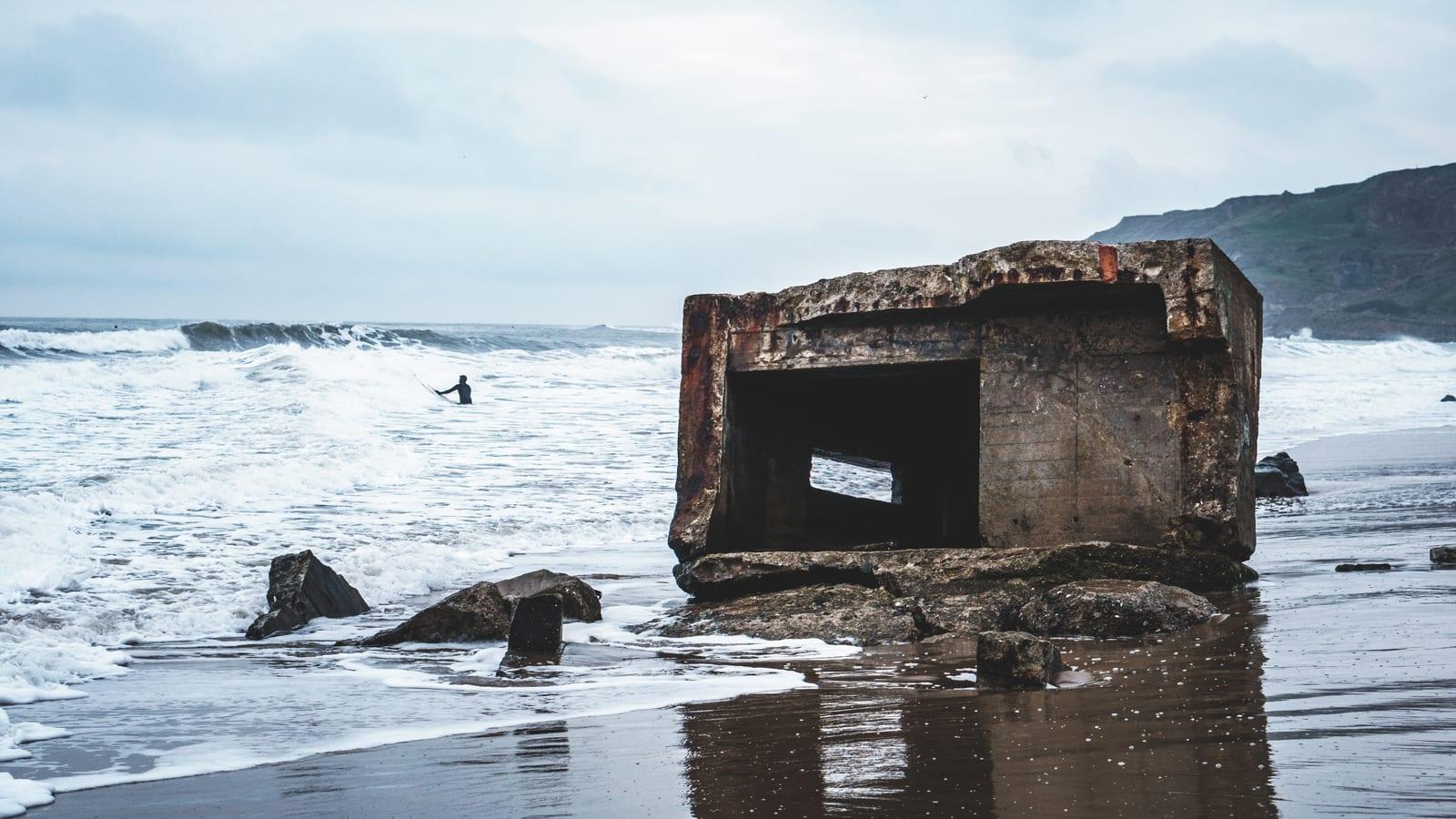
Cayton Bay Yorkshire Fossil Hunting Guide
United Kingdom
Ammonites, Bivalves, Gastropods, Brachiopods
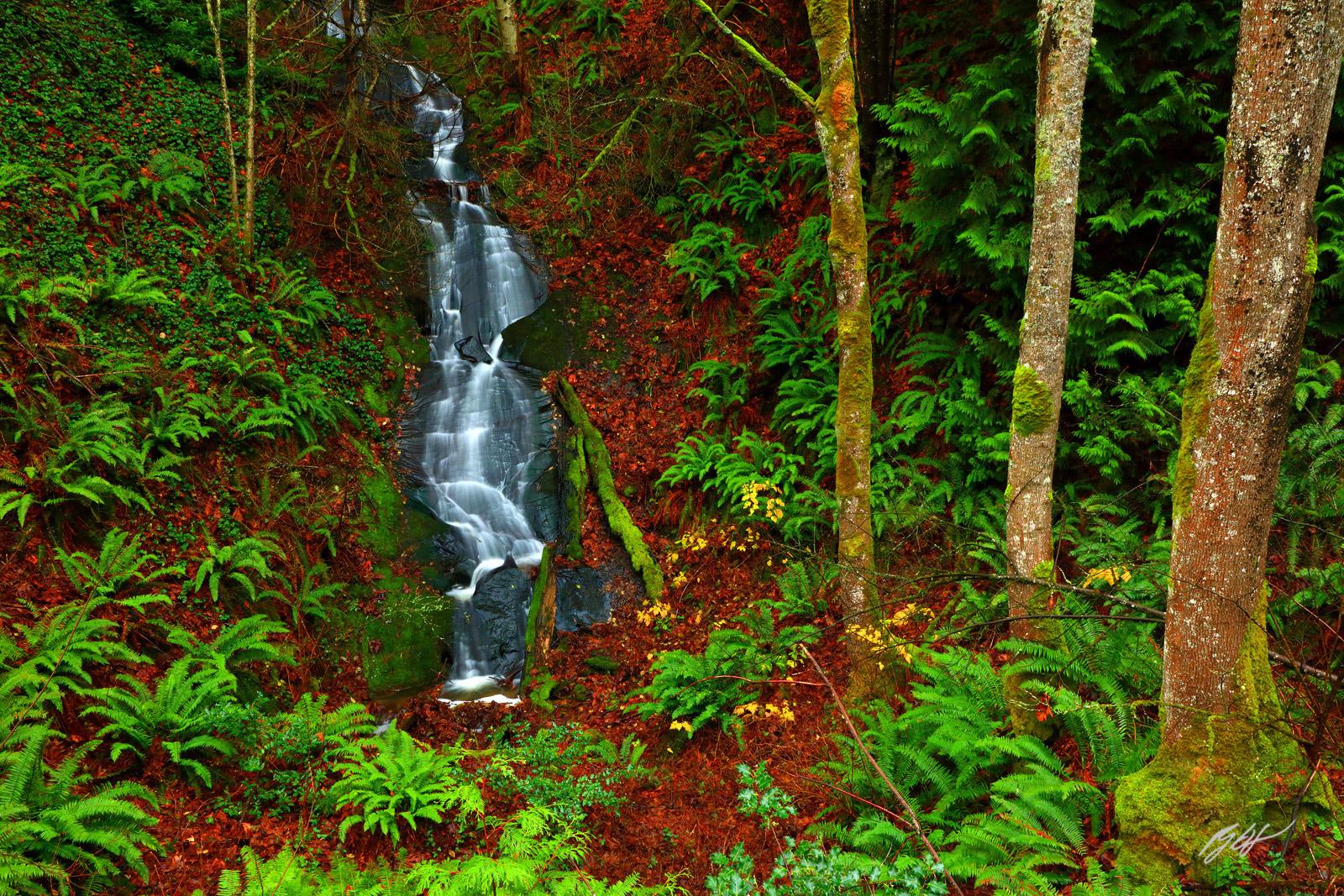
Chuckanut Drive & Larrabee State Park Fossil Hunting Guide
Washington, United States
Fossil palm fronds (Sabalites), Fossil leaves, Plant debris, Trace fossils (bird and reptile, protected)
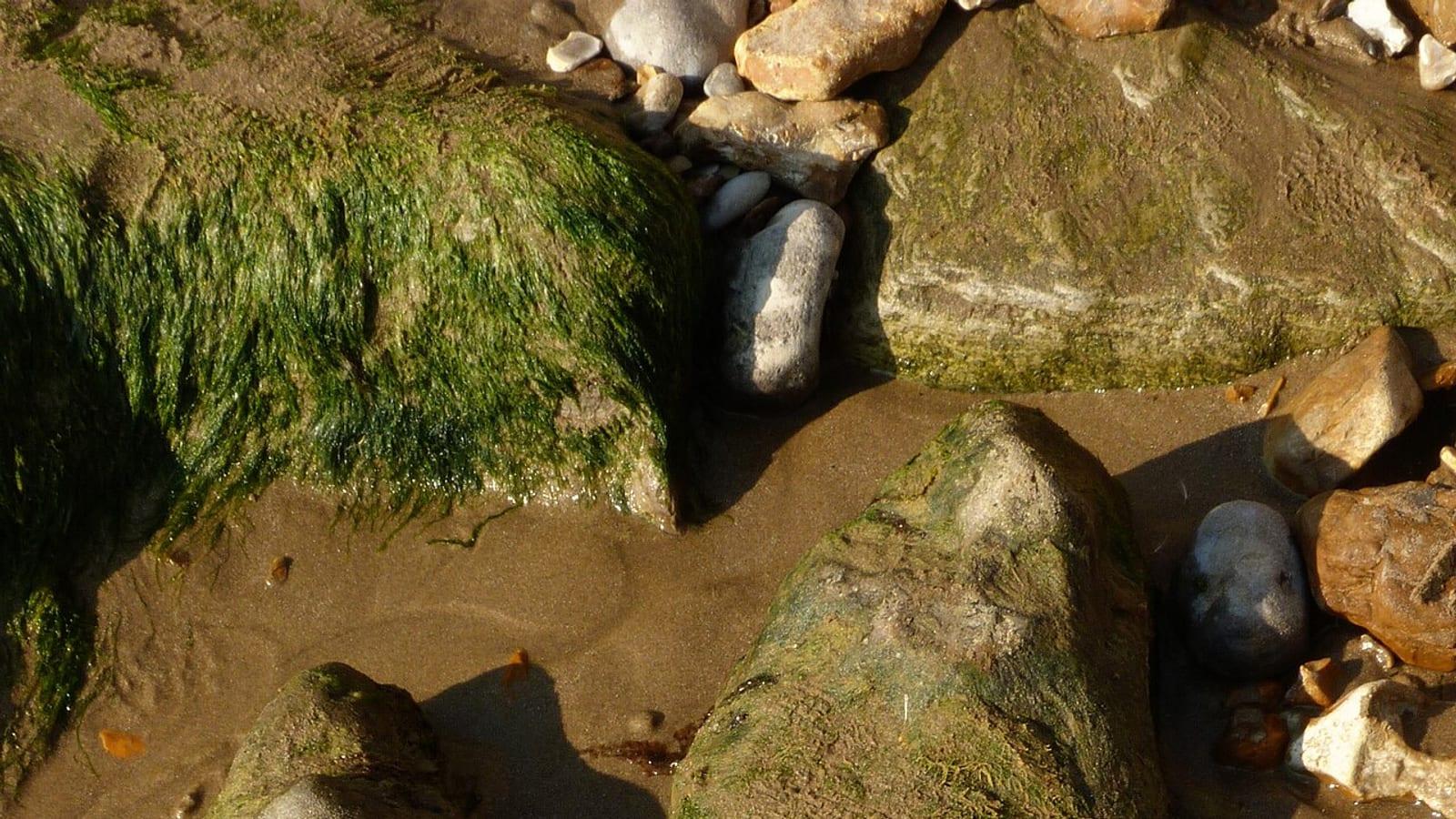
Compton Bay: Dinosaur Trackways
England, United Kingdom
Dinosaur footprints, Dinosaur bone fragments, Dinosaur teeth, Plant material
Cooden Beach Bexhill Fossil Hunting Guide
East Sussex TN39 4SG
Dinosaur bones and teeth, Crocodilian material, Turtle shell fragments, Fish remains
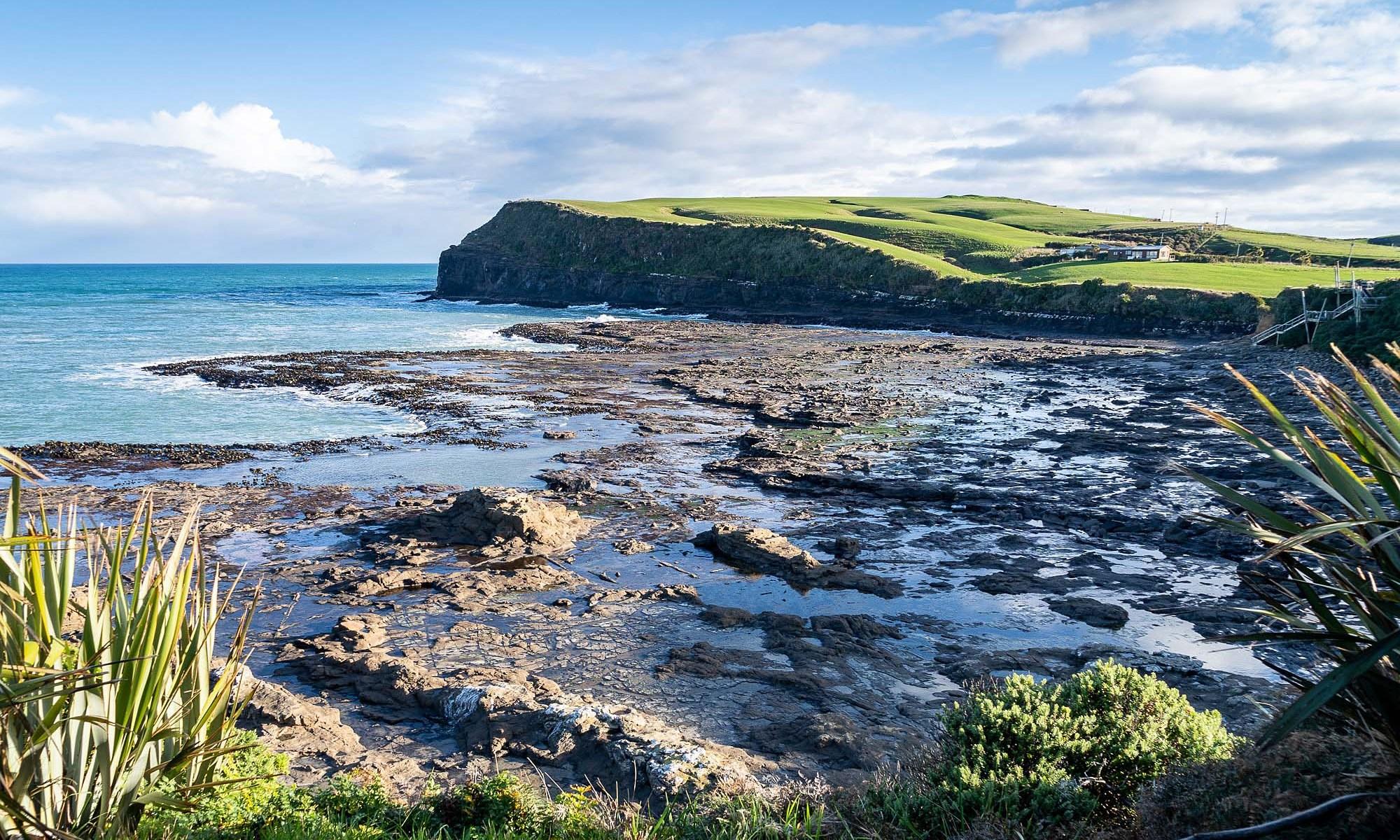
Curio Bay Petrified Forest Fossil Guide
Southland, New Zealand
Petrified wood, Conifer trunks, Tree stumps, Fern impressions
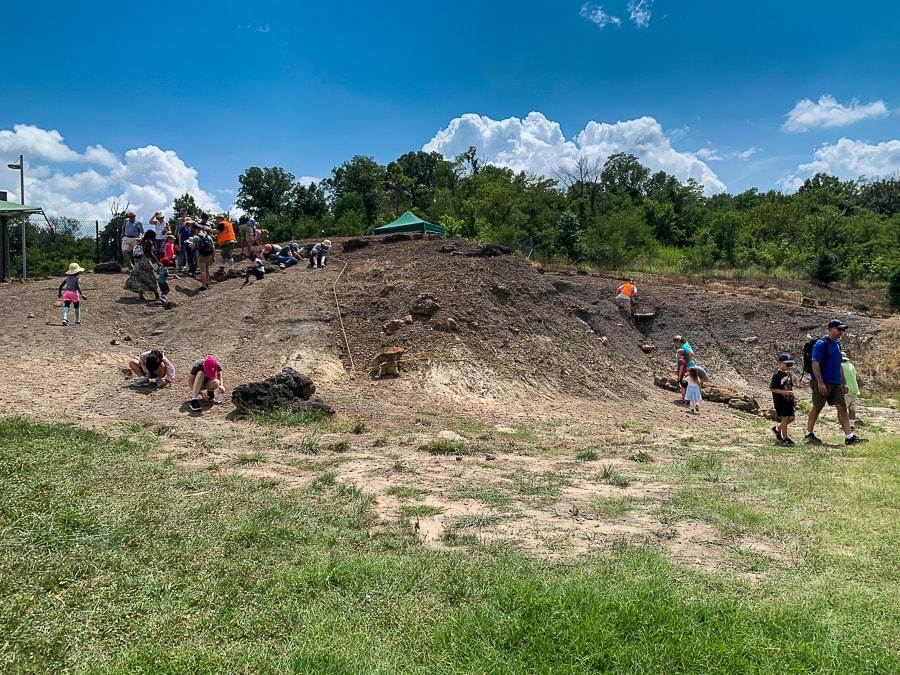
Dinosaur Park (Laurel, Maryland) Fossil Hunting Guide
Maryland, United States
Theropod teeth, Sauropod bone, Nodosaur material, Fossil wood
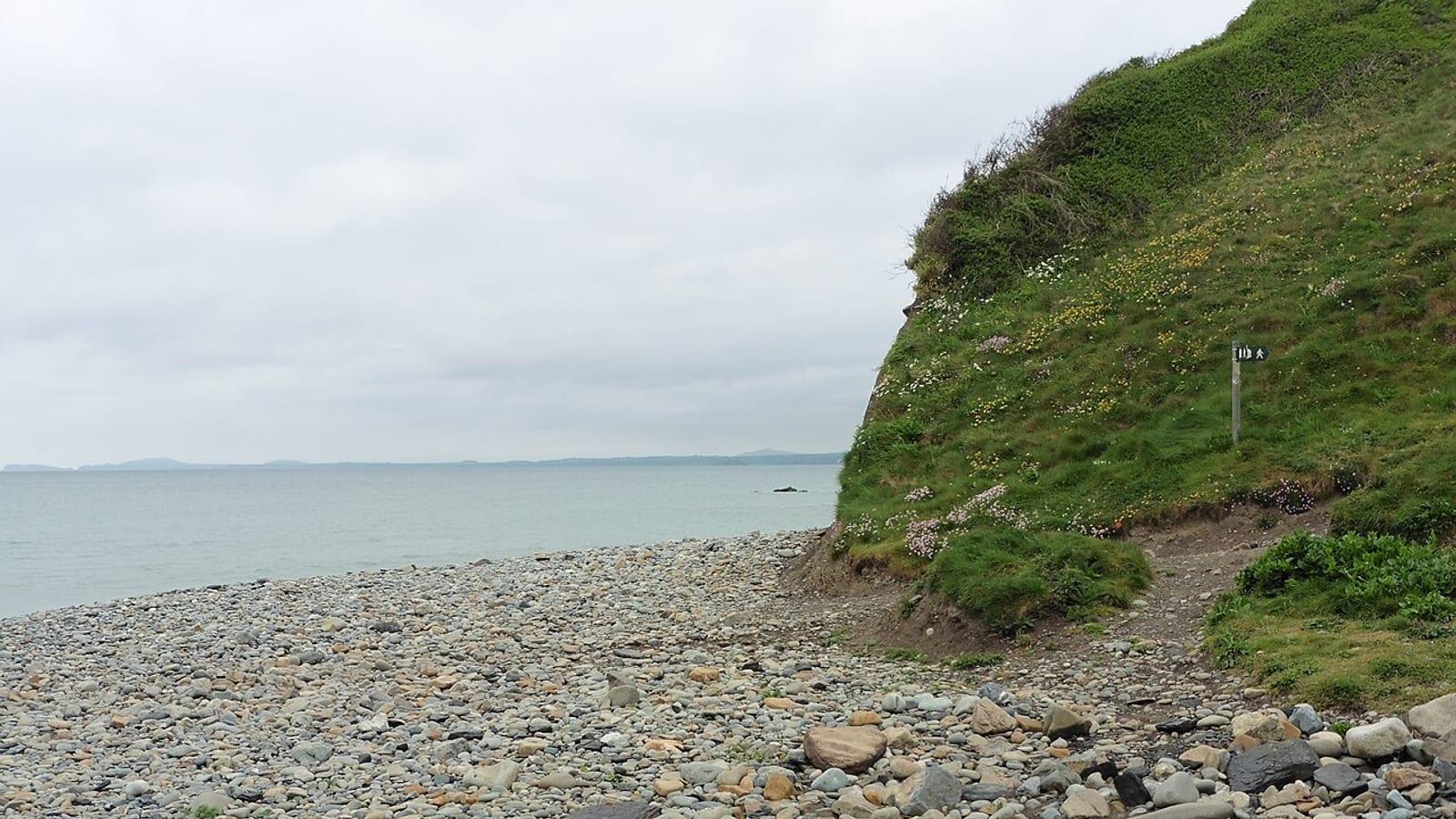
Druidston Haven Pembrokeshire Fossil Hunting Guide
United Kingdom
Graptolites, diplograptids, plant fossil impressions
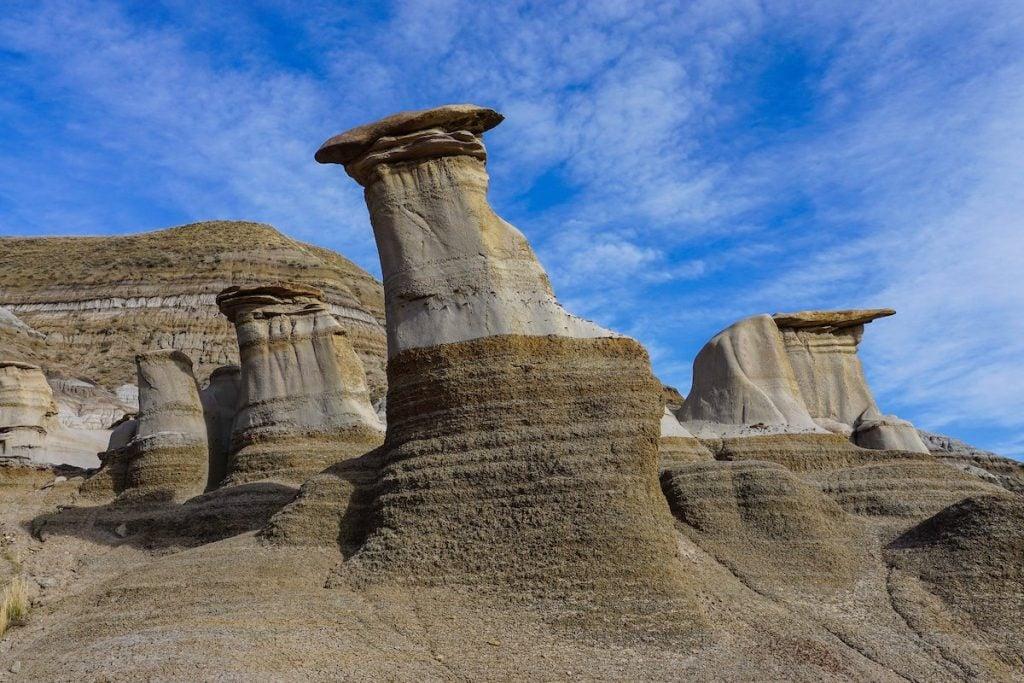
Drumheller Hoodoos Fossil Hunting Guide
Alberta, Canada
Hadrosaur bone, Dinosaur tooth fragments, Fossil plants, Fossil wood
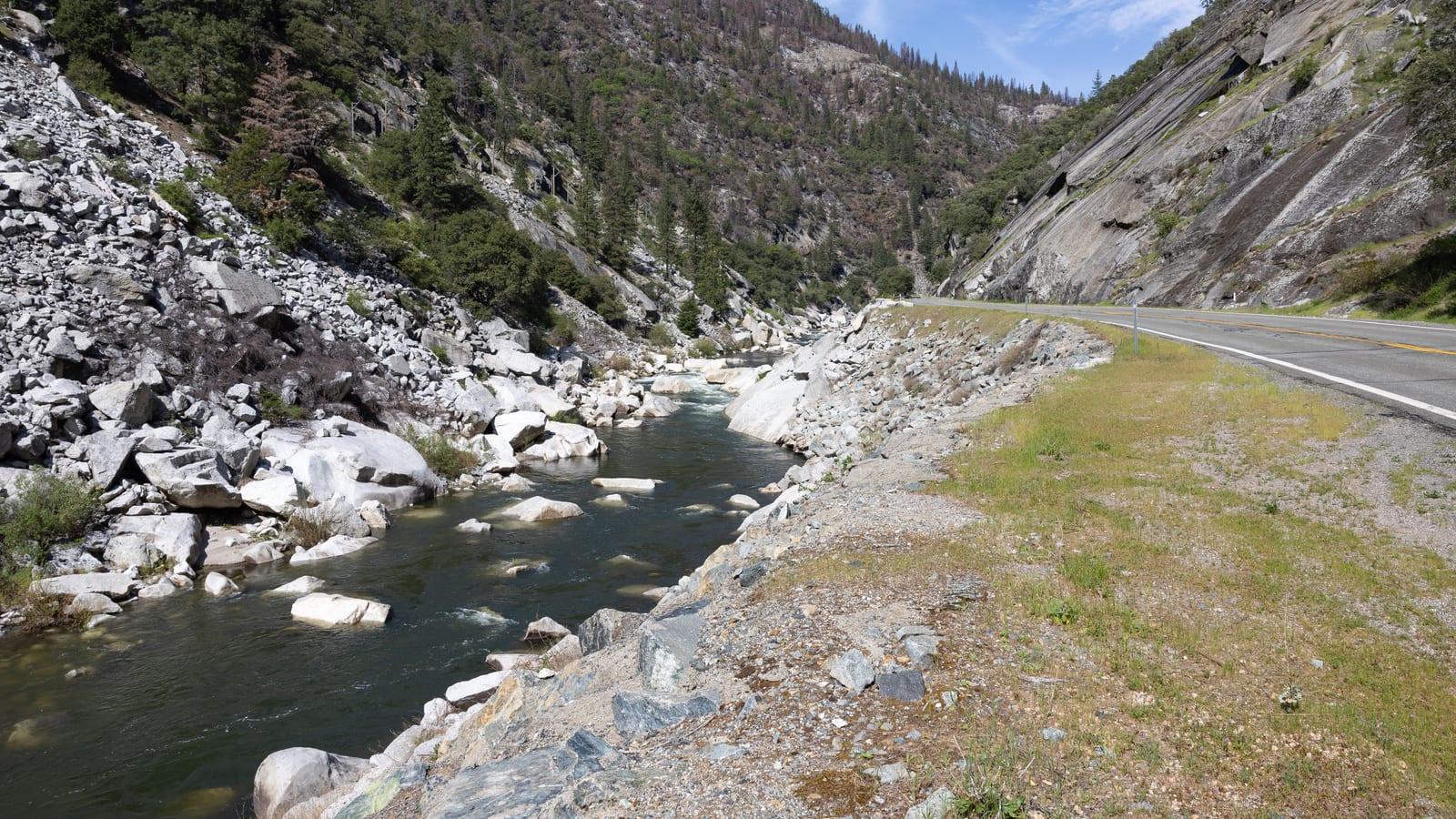
Find Fossils at Feather River Fossil Hunting Guide
California, United States
Plant Fossils
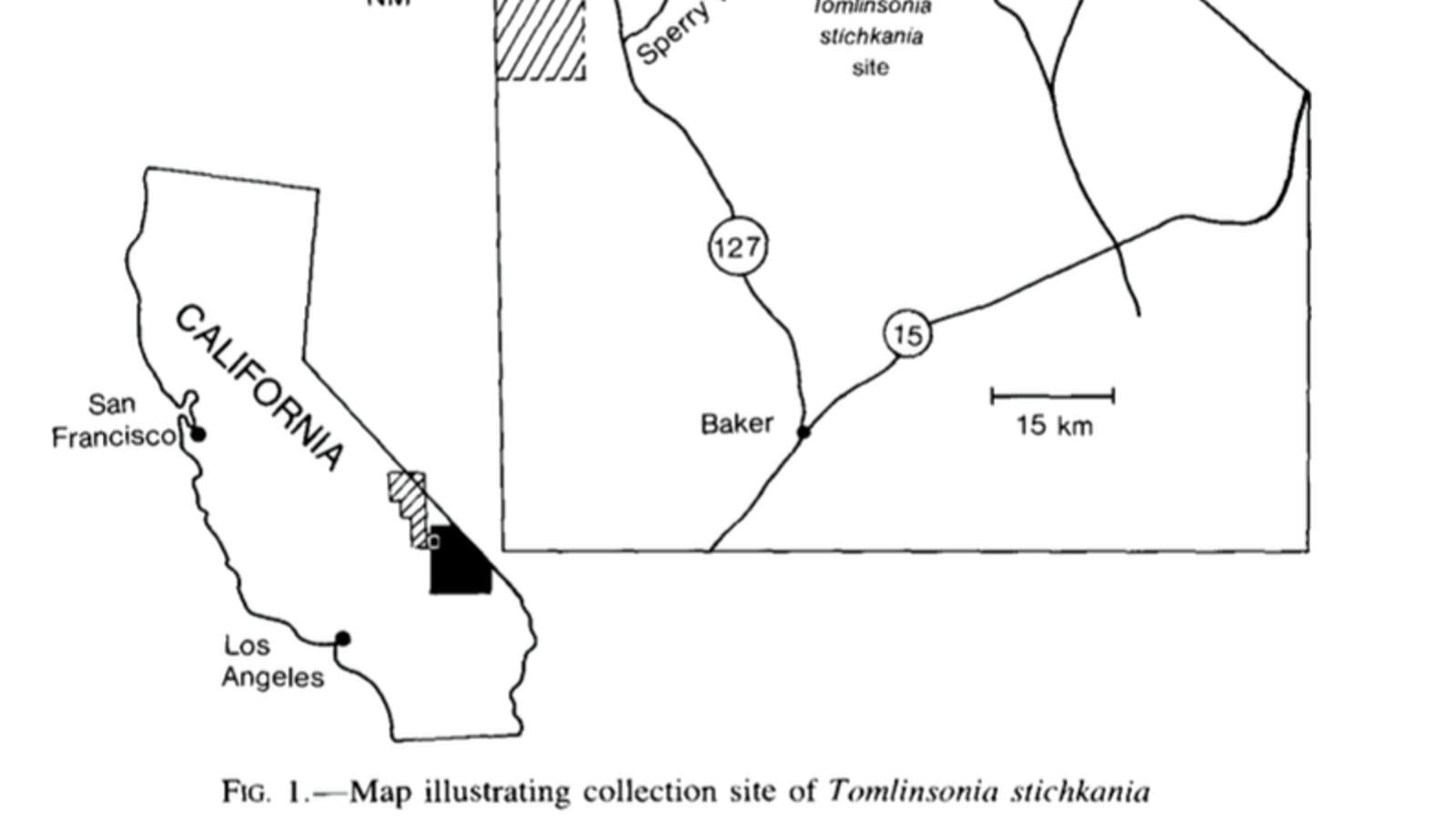
Find Fossils at Sperry Wash Fossil Hunting Guide
California, United States
Petrified Wood
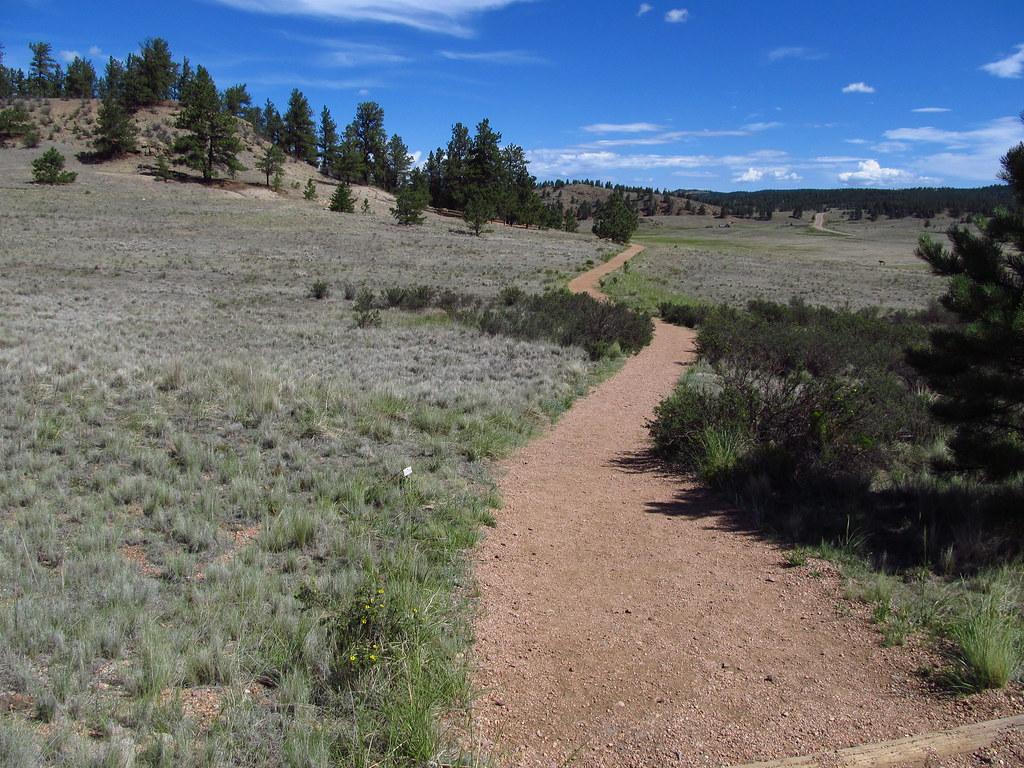
Florissant Fossil Beds National Monument Fossil Hunting Guide
Colorado, United States
Insects, Plant leaves, Petrified redwood stumps, Freshwater fish
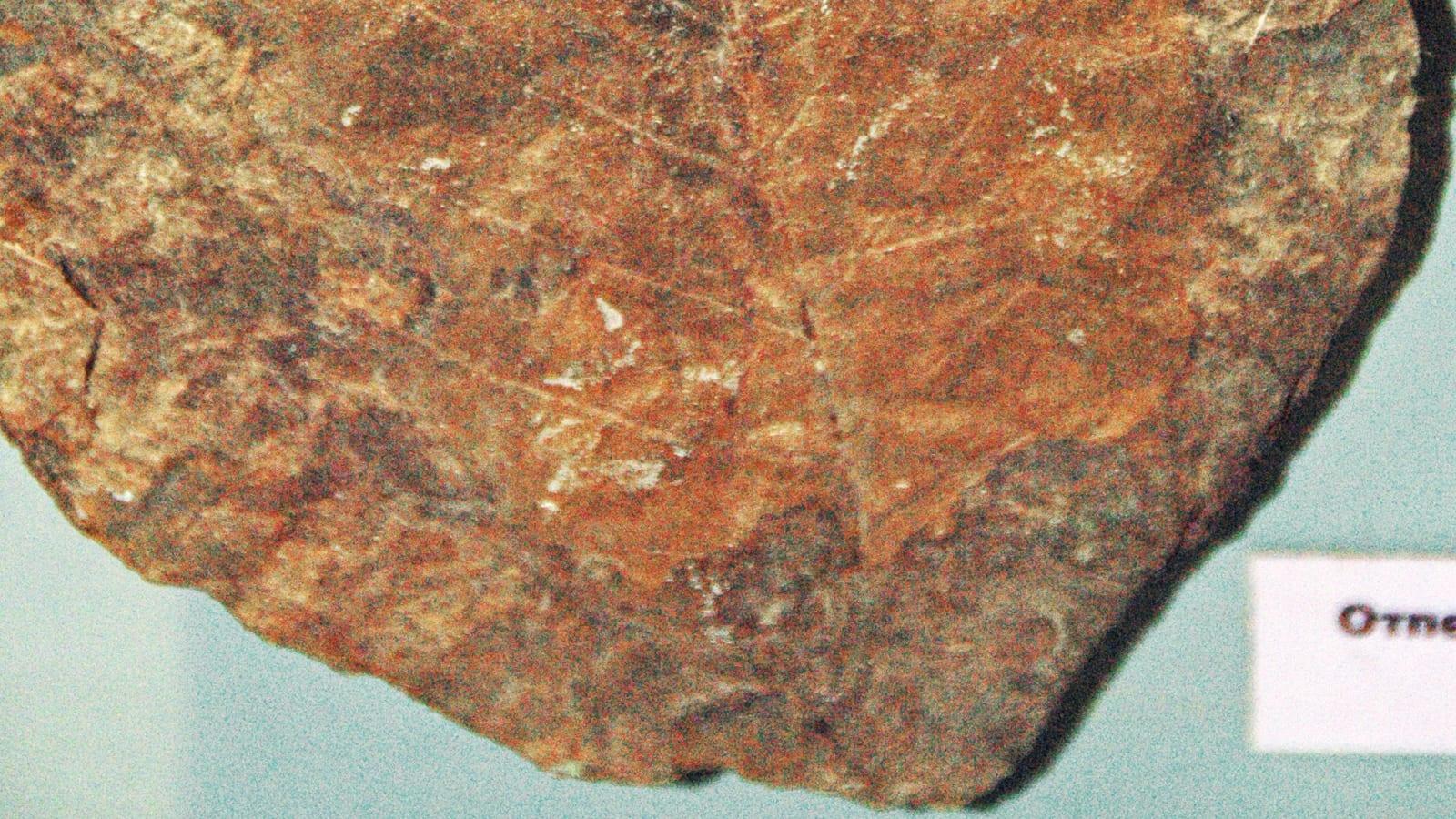
Florissant Fossil Quarry Fossil Hunting Guide
Colorado, United States
Petrified Wood
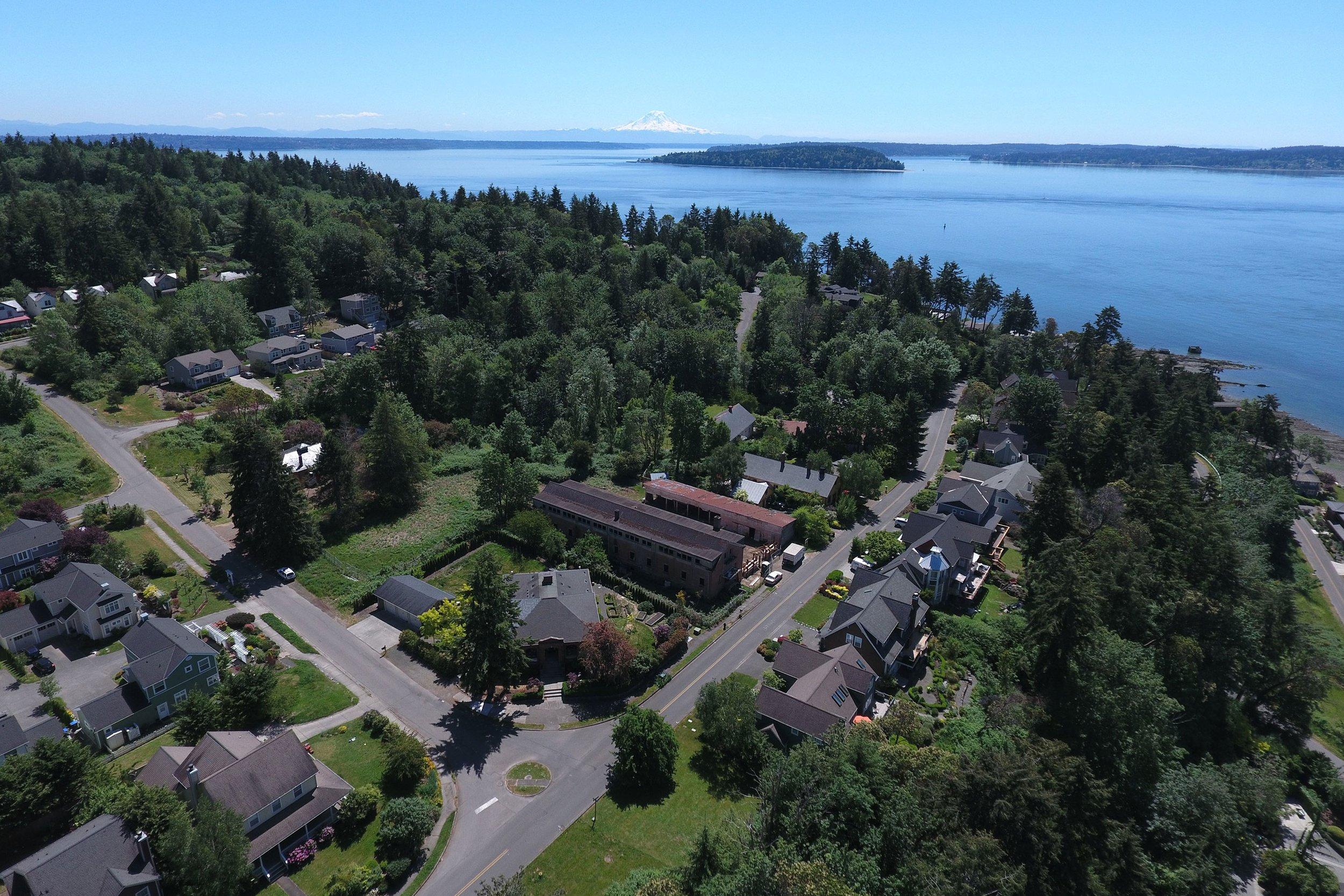
Fort Ward Park (Blakeley Formation) Fossil Hunting Guide
Washington, United States
Marine mollusks, Crab concretions, Trace fossils, Plant debris (rare)
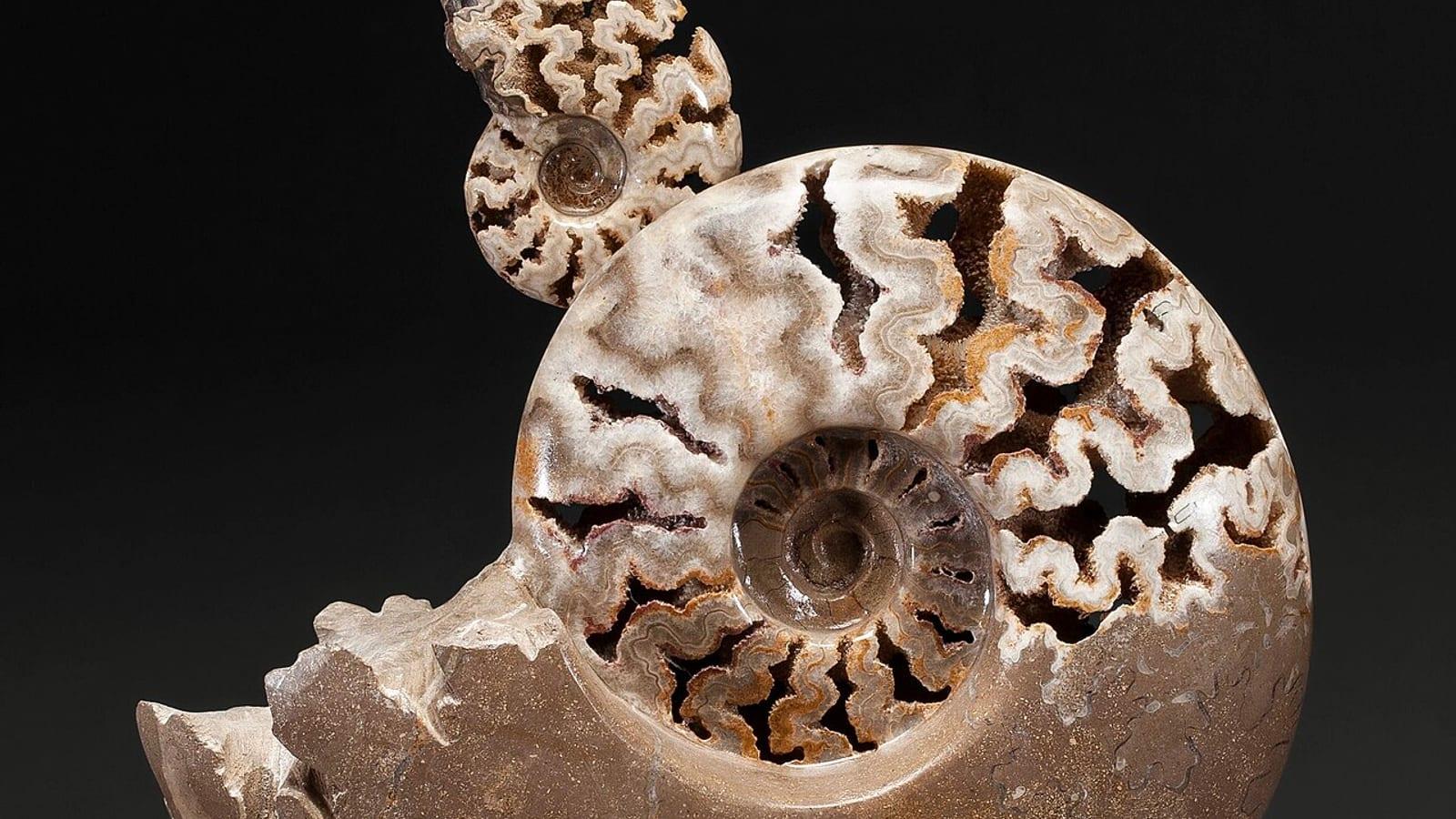
Fossiliensammelstelle Titting Free Fossil Hunting Guide
85125 Titting
Ammonites, Crinoid fragments, Belemnites and bivalves, Plant fossils
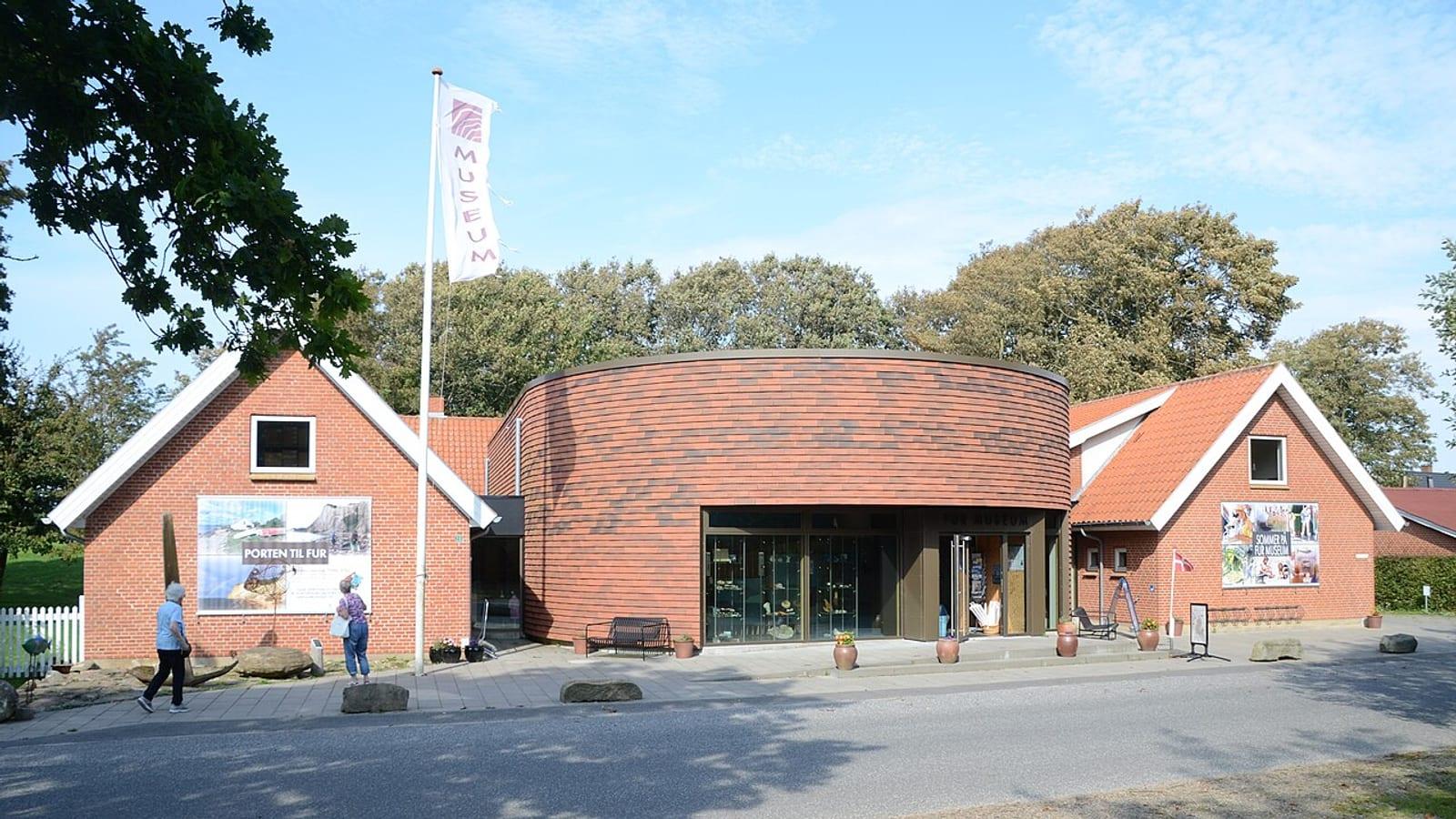
Fur Museum Dig Eocene Fish Insect Fossils Fossil Hunting Guide
7884 Fur
Fish, Insects, Plant fossils
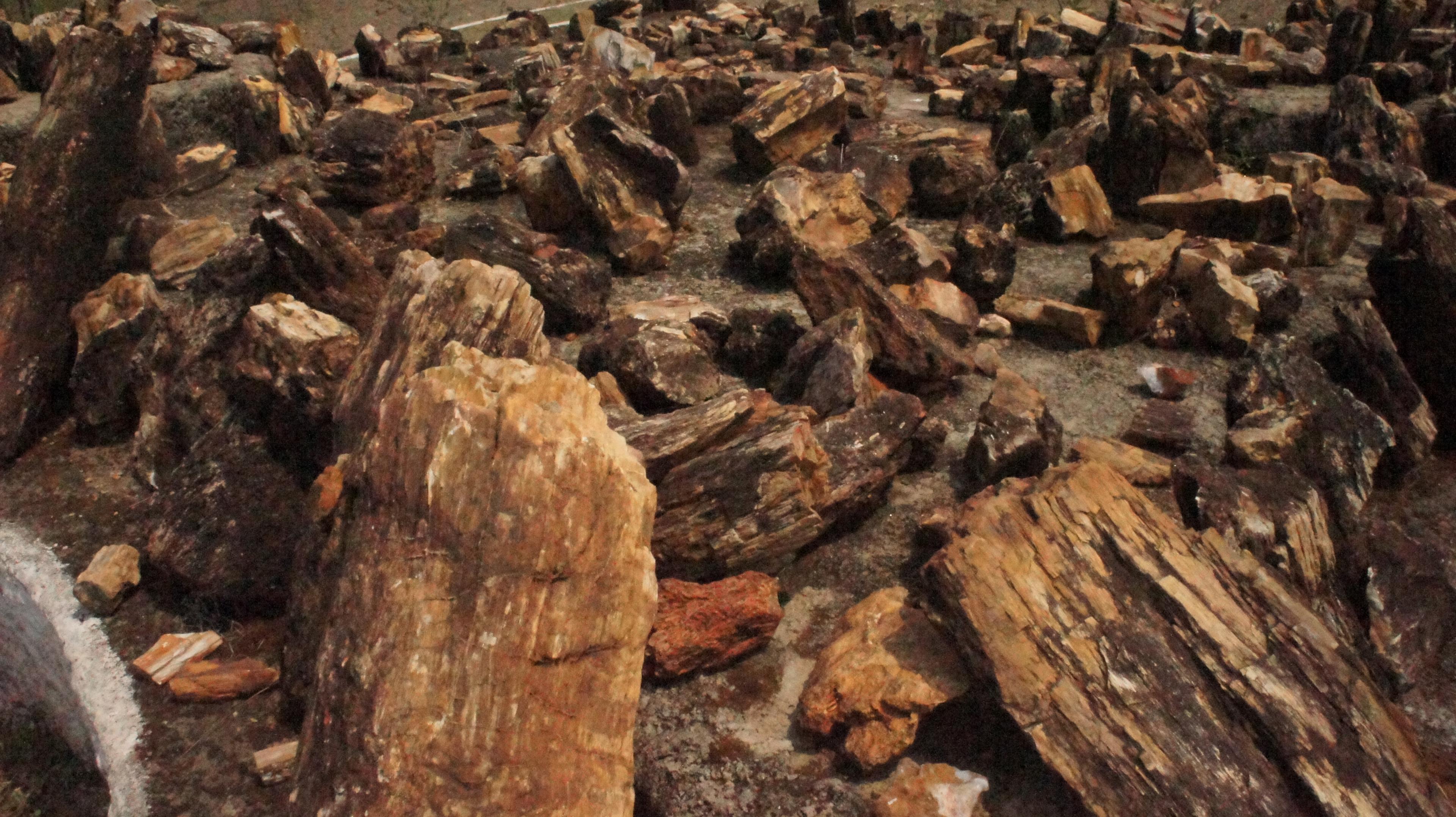
Ghughua National Fossil Park Fossil Hunting Guide
Madhya Pradesh, India
Petrified Wood, Seeds and Fruits, Dinosaur Eggs, Plants
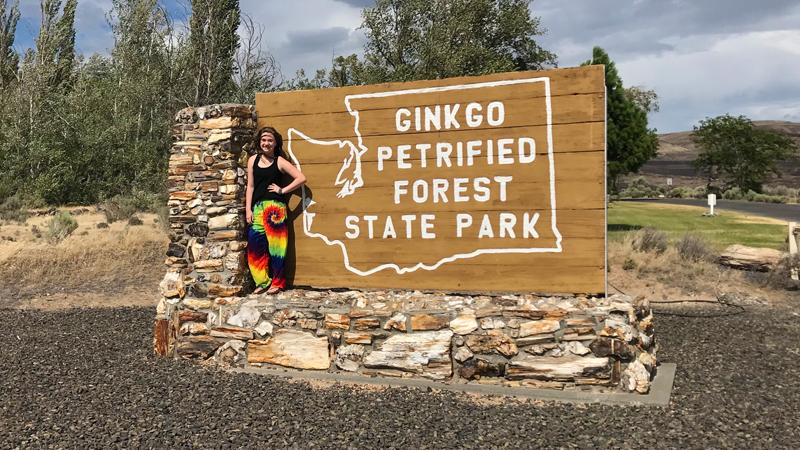
Ginkgo Petrified Forest State Park Fossil Hunting Guide
Washington, United States
Petrified wood (Ginkgo), Petrified wood (50+ species), Fossil wood (Douglas-fir-related), Fossil wood (sweetgum-related)
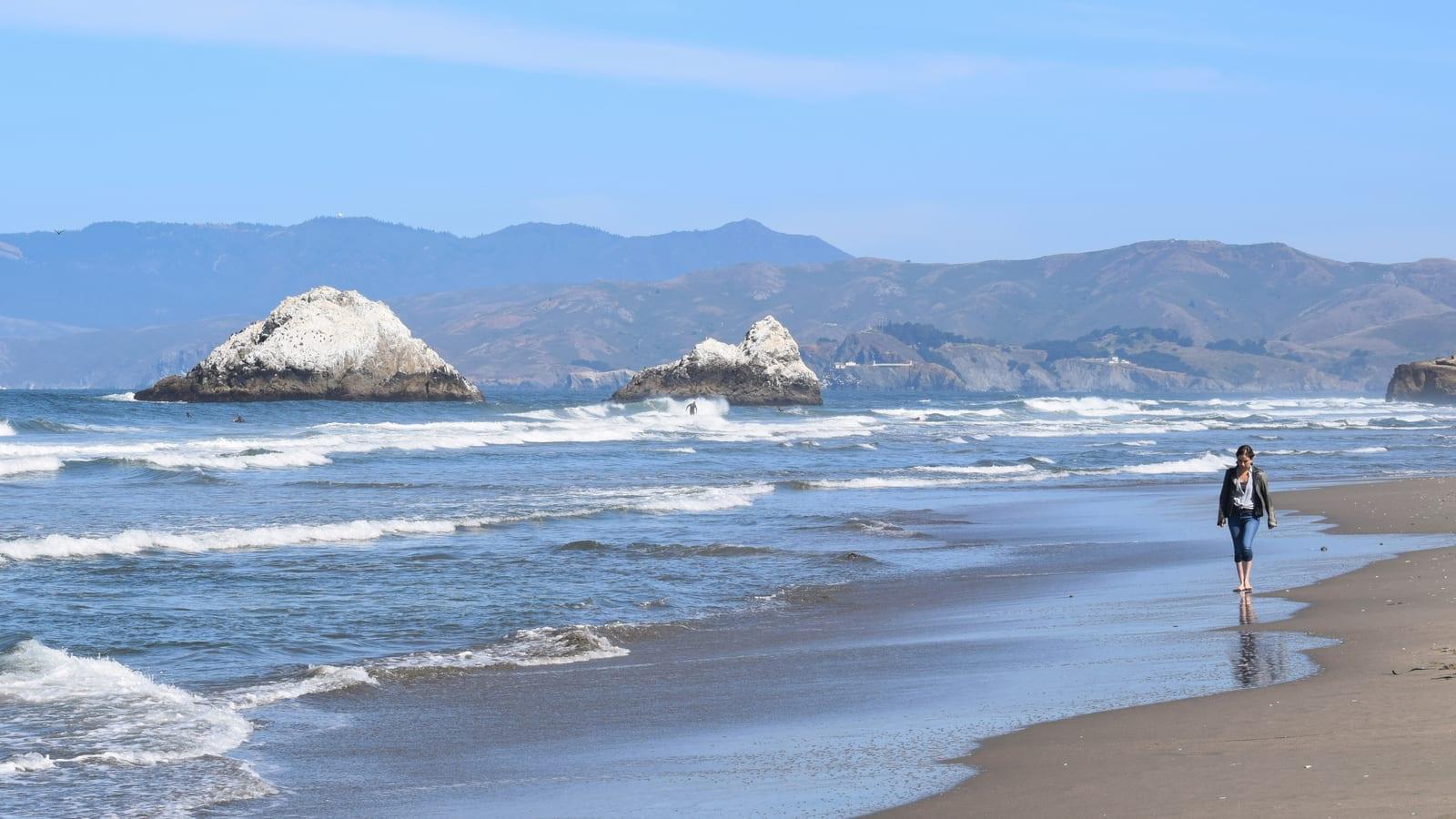
Golden Gate National Recreation Area Fossil Hunting Guide
California, United States
Radiolarians, Marine Invertebrates, Plant Fossils
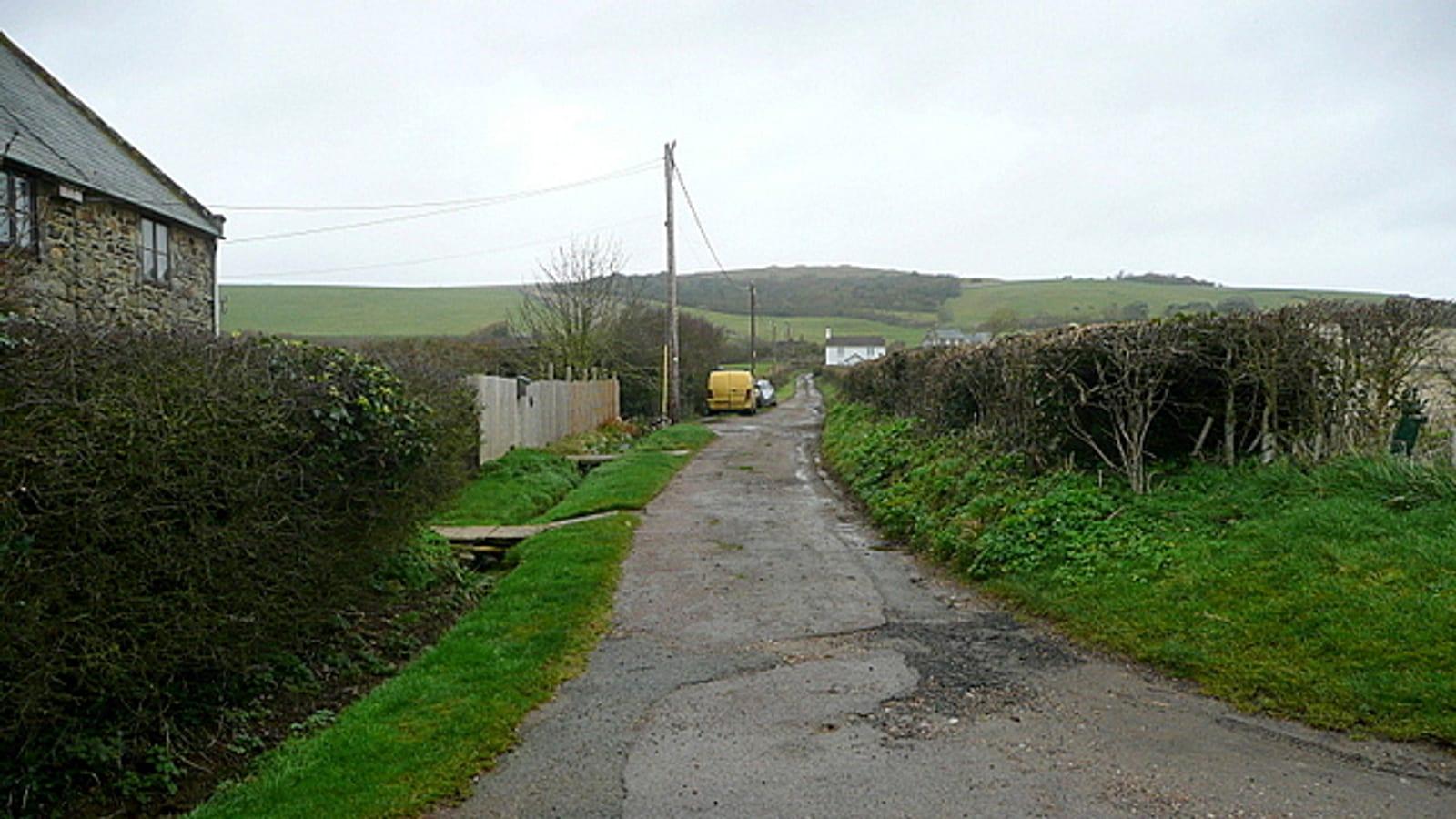
Hamstead Isle of Wight Fossil Hunting Guide
United Kingdom
Mollusc shells, Plant seeds and fragments, fish remains, Crocodile remains
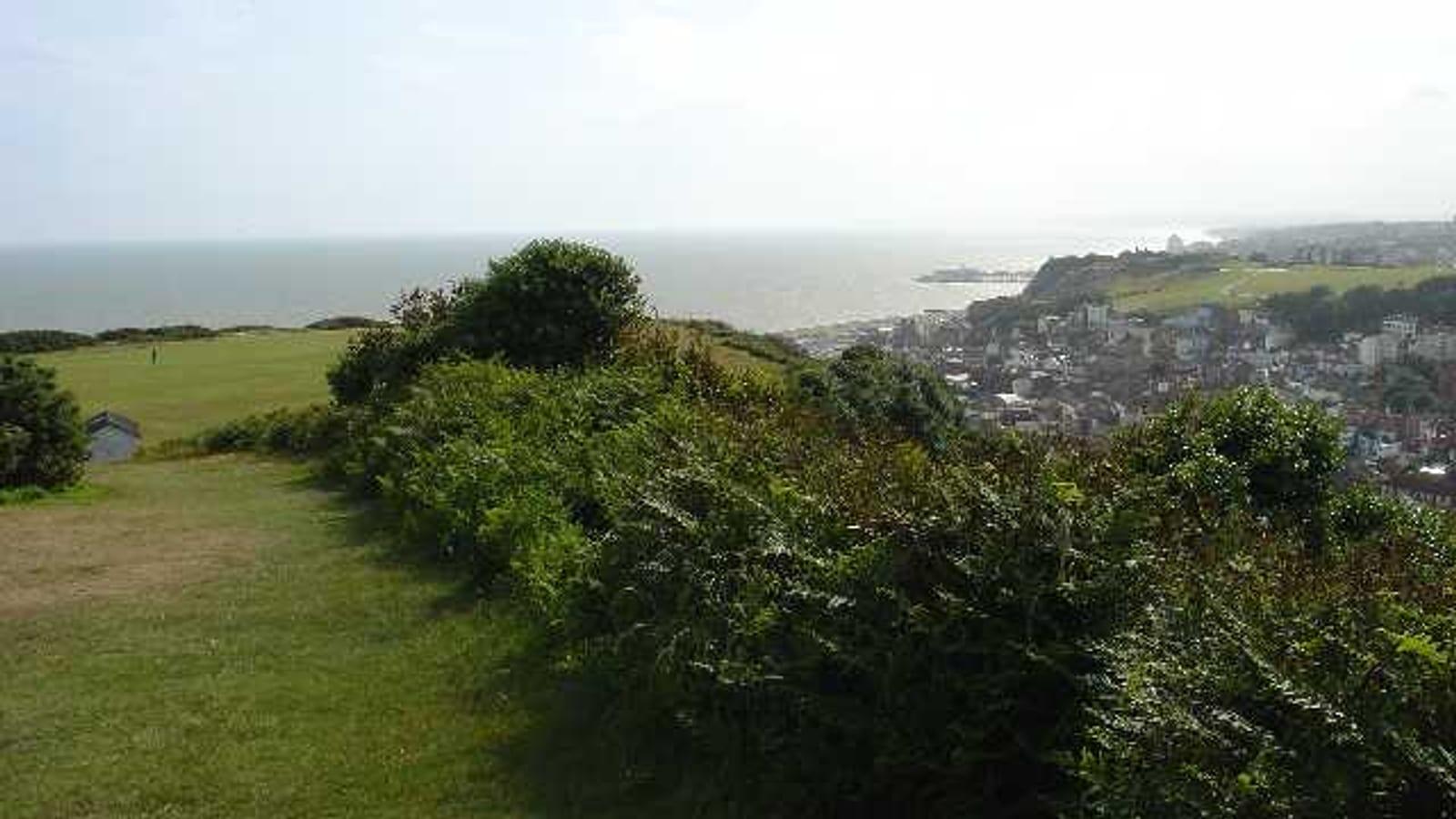
Hastings East Sussex Fossil Hunting Guide
Hastings
Dinosaur bones and teeth, Dinosaur footprints, Freshwater molluscs, Plant material
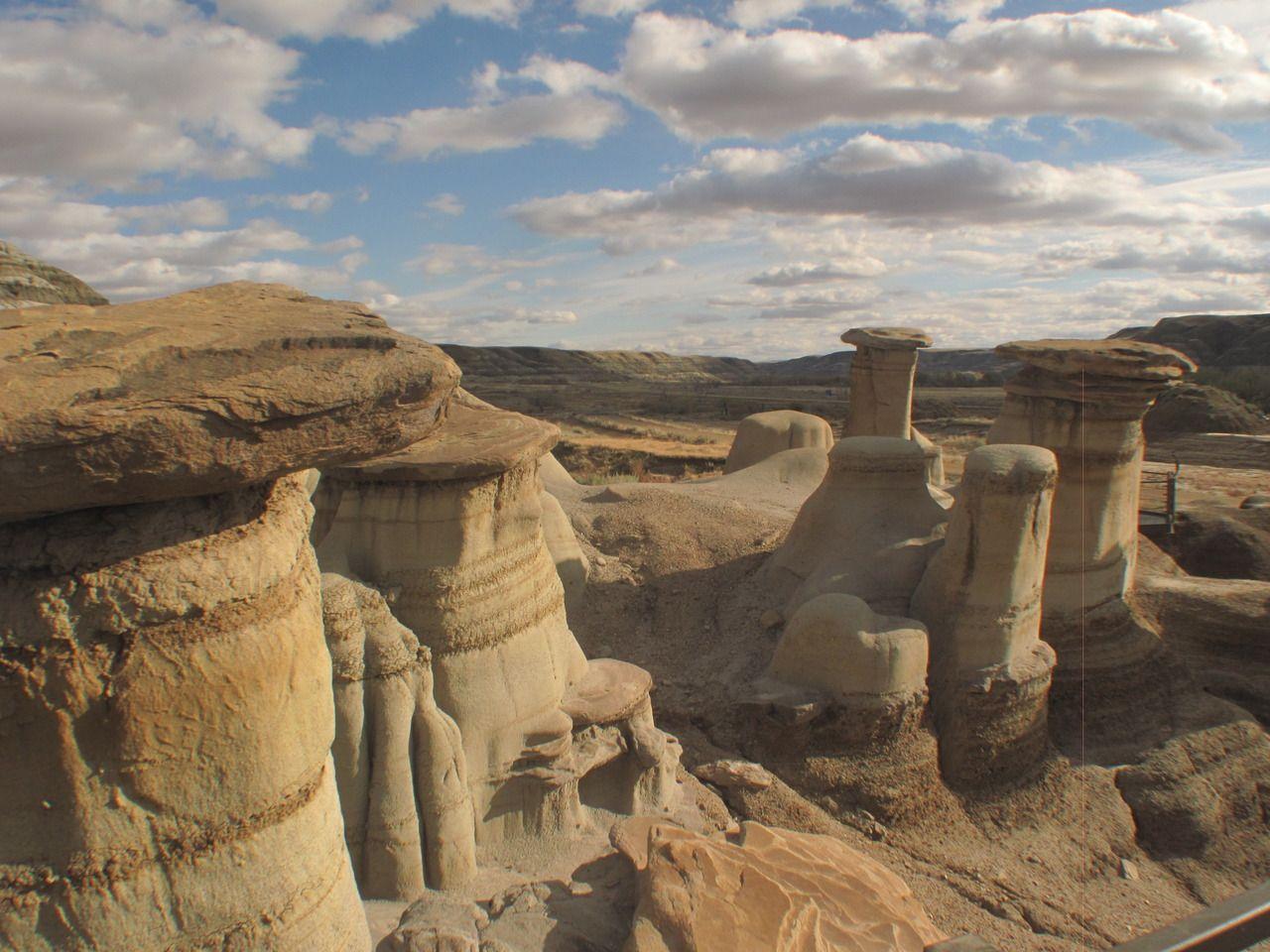
Horseshoe Canyon (Drumheller) Fossil Hunting Guide
Alberta, Canada
Hadrosaur bone, Theropod material, Fossil plants, Fossil wood
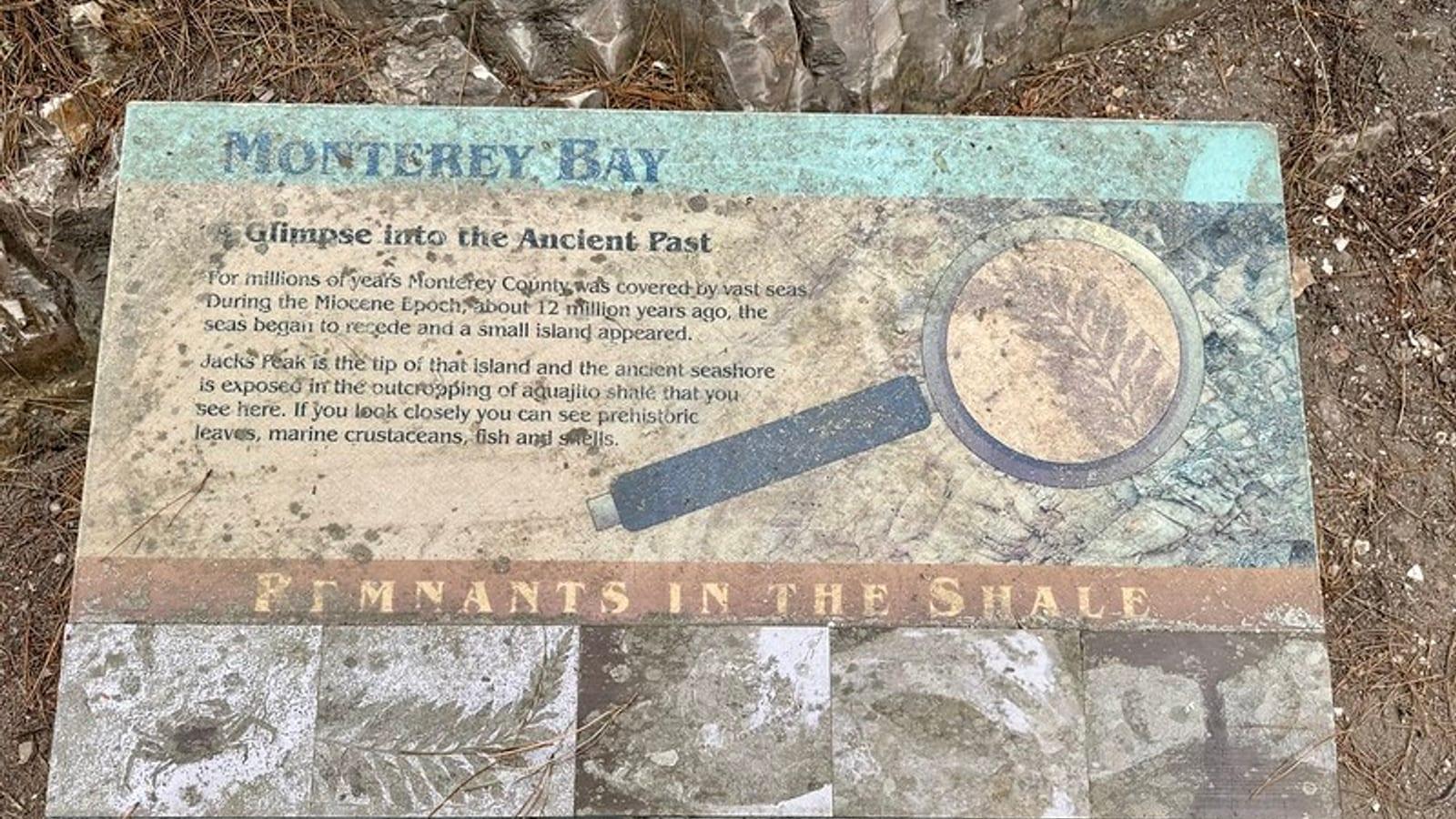
Jacks Peak County Park Fossil Hunting Guide
California, United States
Leaf impressions, Marine shells, Diatoms, Foraminifera
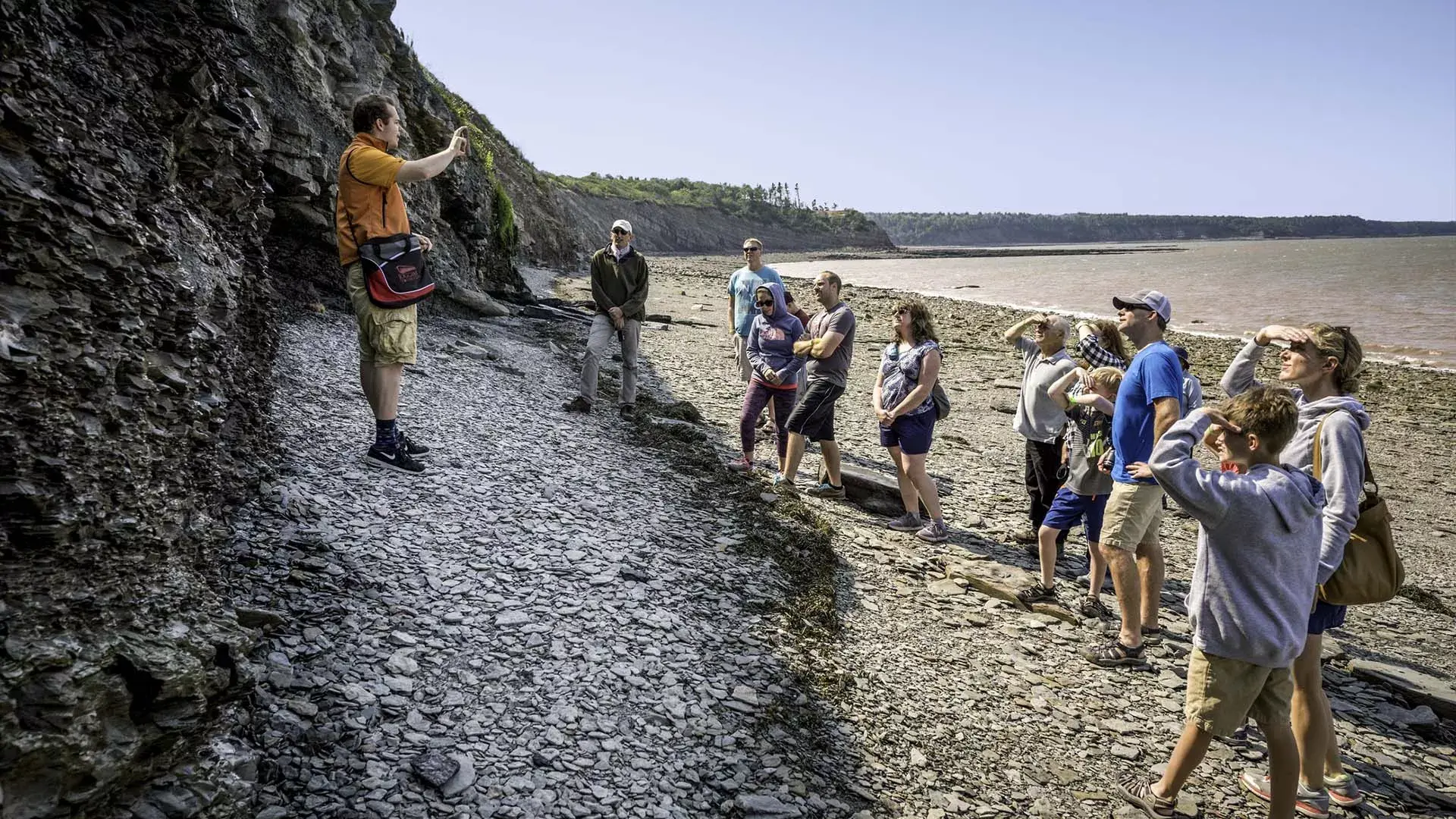
Joggins Fossil Cliffs Fossil Hunting Guide
Nova Scotia, Canada
Lycopsid trees, Plant fossils, Tetrapod trackways, Early reptiles
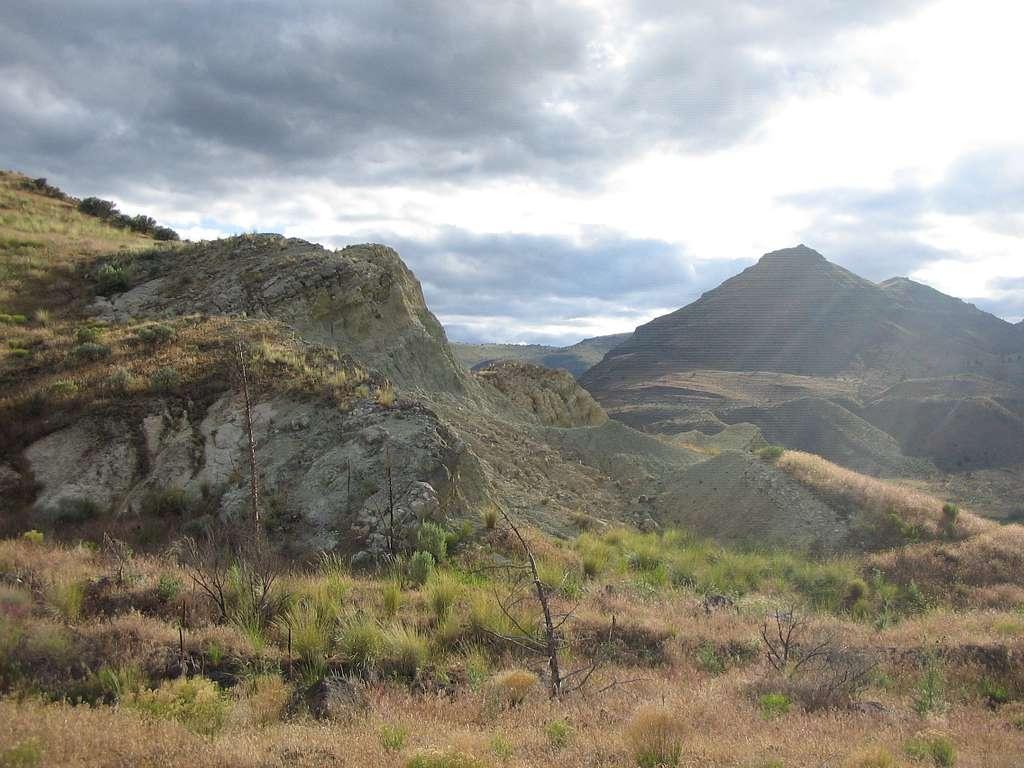
John Day Fossil Beds National Monument Fossil Hunting Guide
Oregon, United States
Oreodonts, Early horses, Brontotheres, Dawn redwood (Metasequoia)
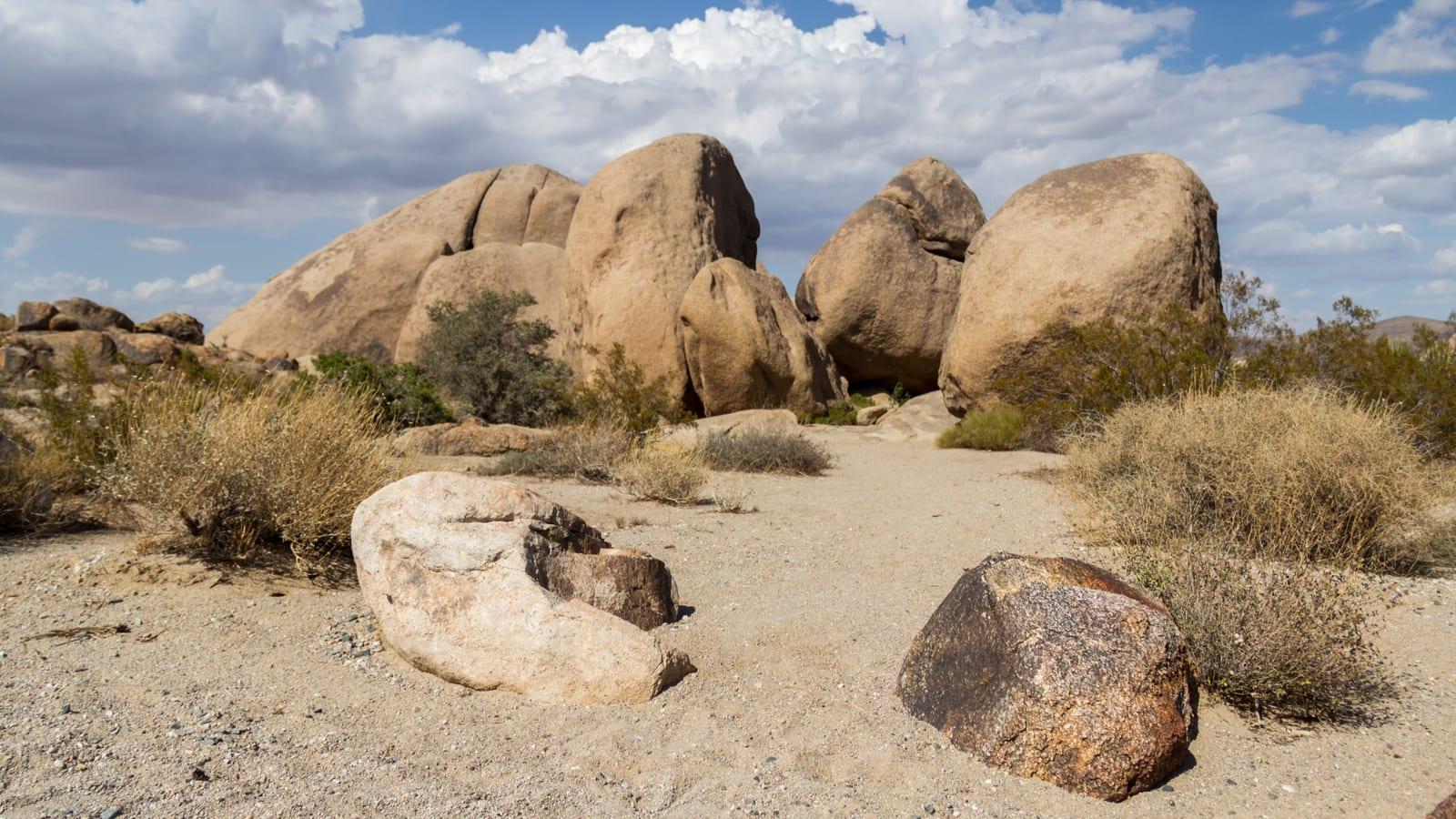
Joshua Tree National Park Fossil Hunting Guide
California, United States
Echinoids, Plant Fossils, Mollusks

Karoo National Park Fossil Trail Fossil Hunting Guide
Western Cape, South Africa
Dicynodonts (Aulacephalodon, Oudenodon), Gorgonopsids (Rubidgea), Pareiasaurs (Pareiasaurus serridens), Therocephalians
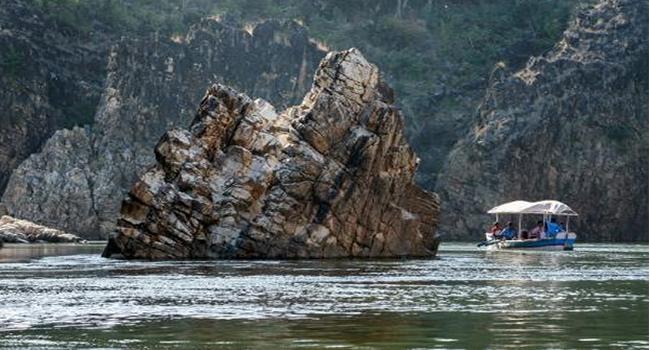
Lameta Geological Park Fossil Hunting Guide
Madhya Pradesh, India
Isisaurus colberti, Jainosaurus septentrionalis, Rajasaurus narmadensis, Indosuchus raptorius
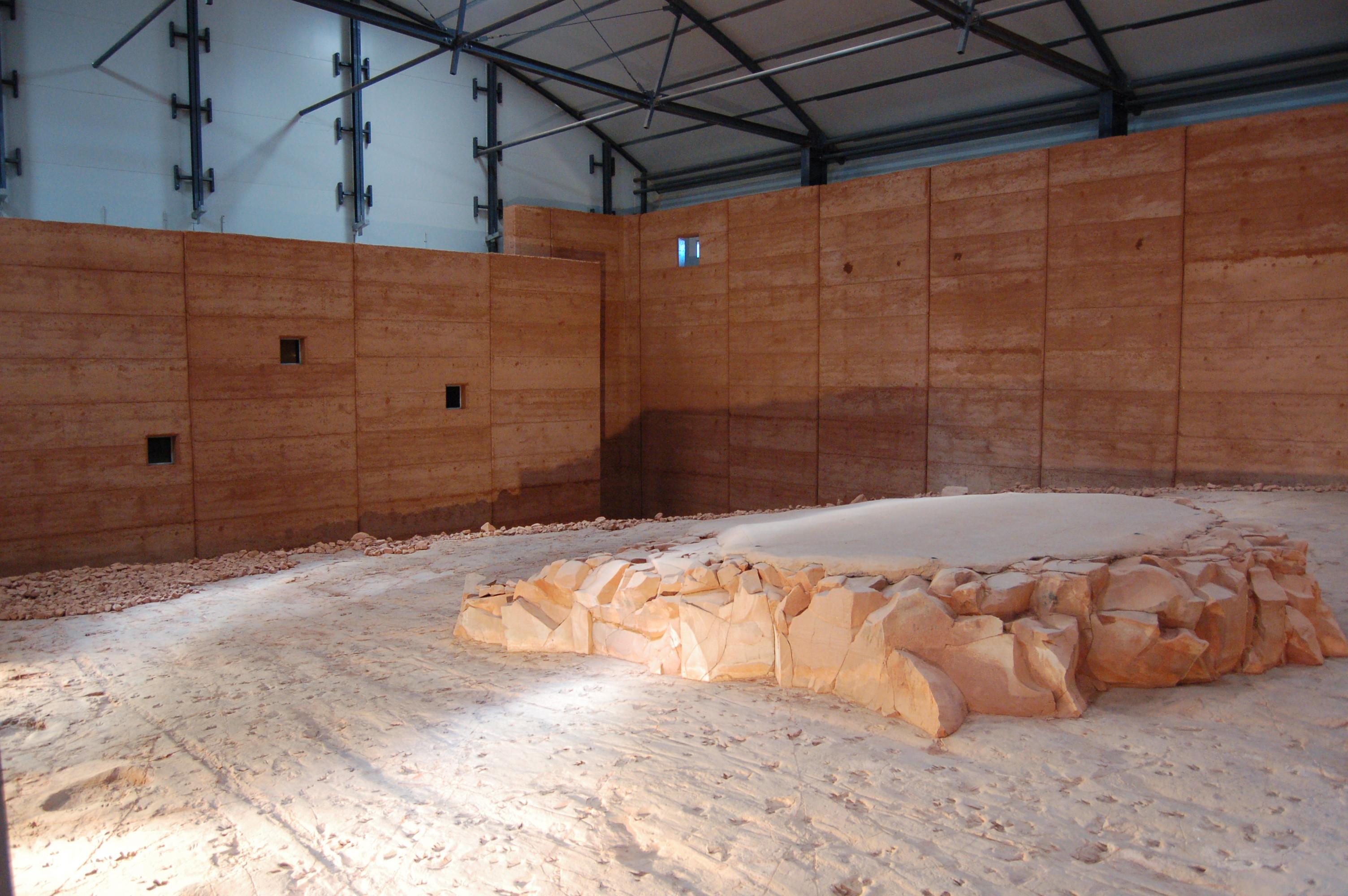
Lark Quarry Dinosaur Trackways Fossil Hunting Guide
Queensland, Australia
Theropod footprints, Small ornithopod prints, Small theropod prints, Crocodyliform tracks
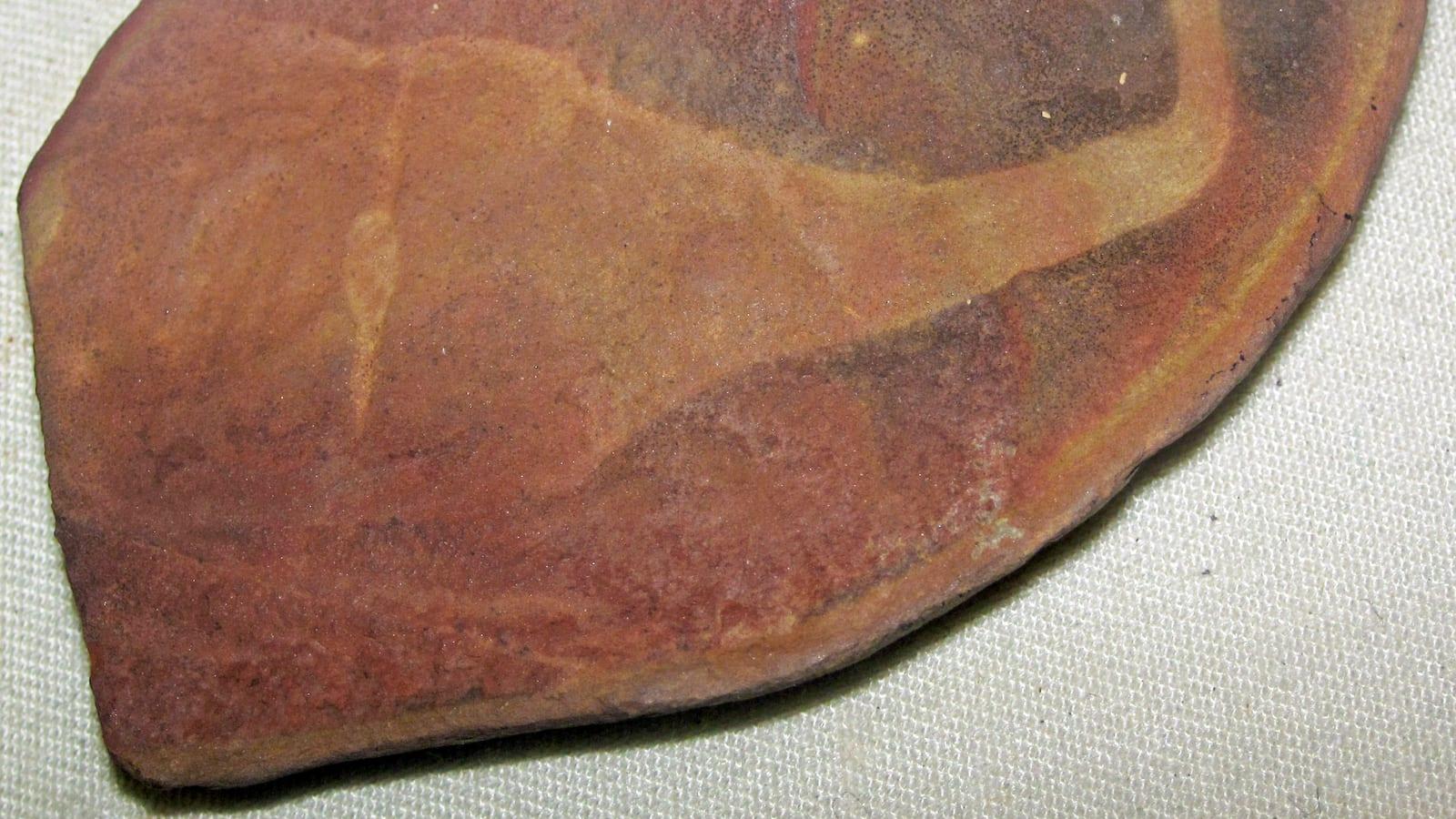
Mazon Creek Fossil Hunting Guide
Illinois, United States
Plant Fossils
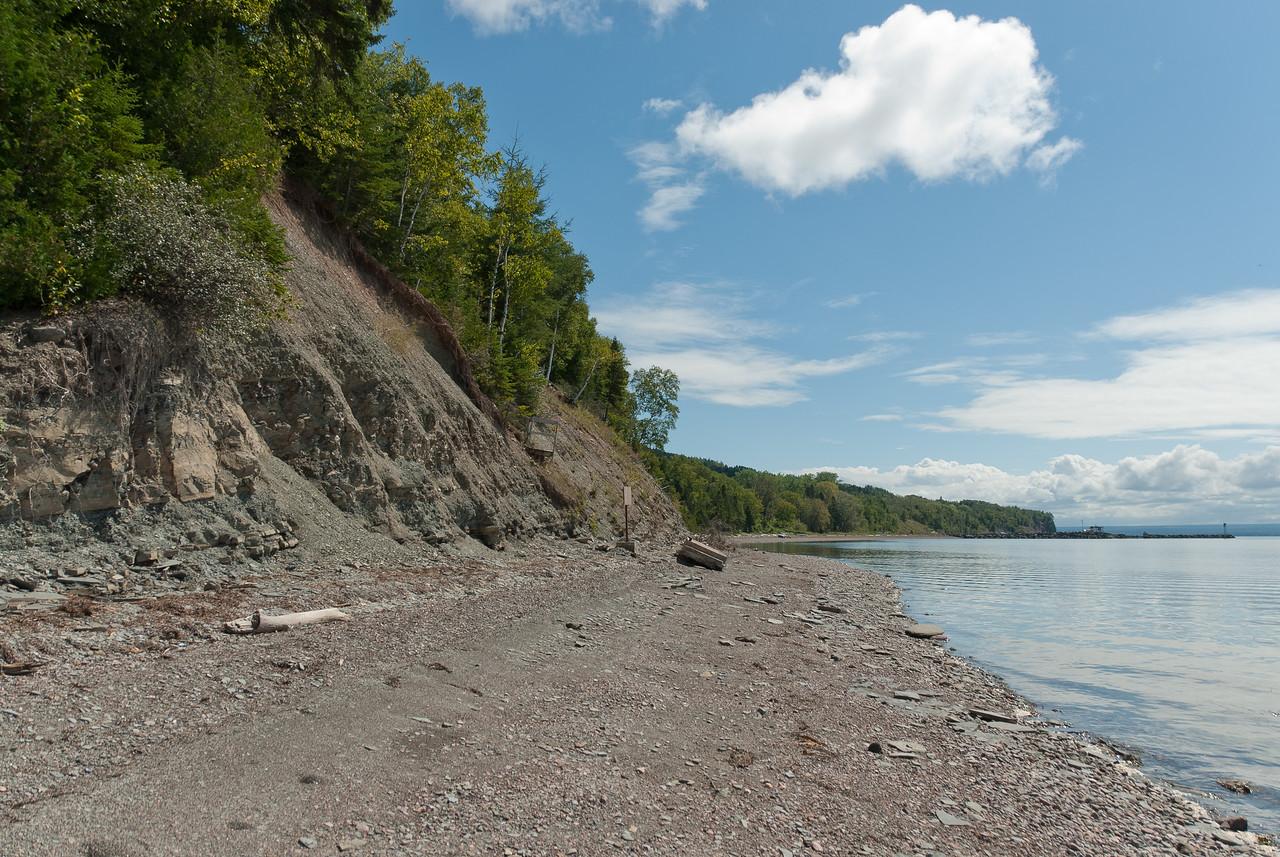
Miguasha National Park Fossil Guide
Quebec, Canada
Sarcopterygian fish, Placoderms, Acanthodians, Early tetrapod ancestors
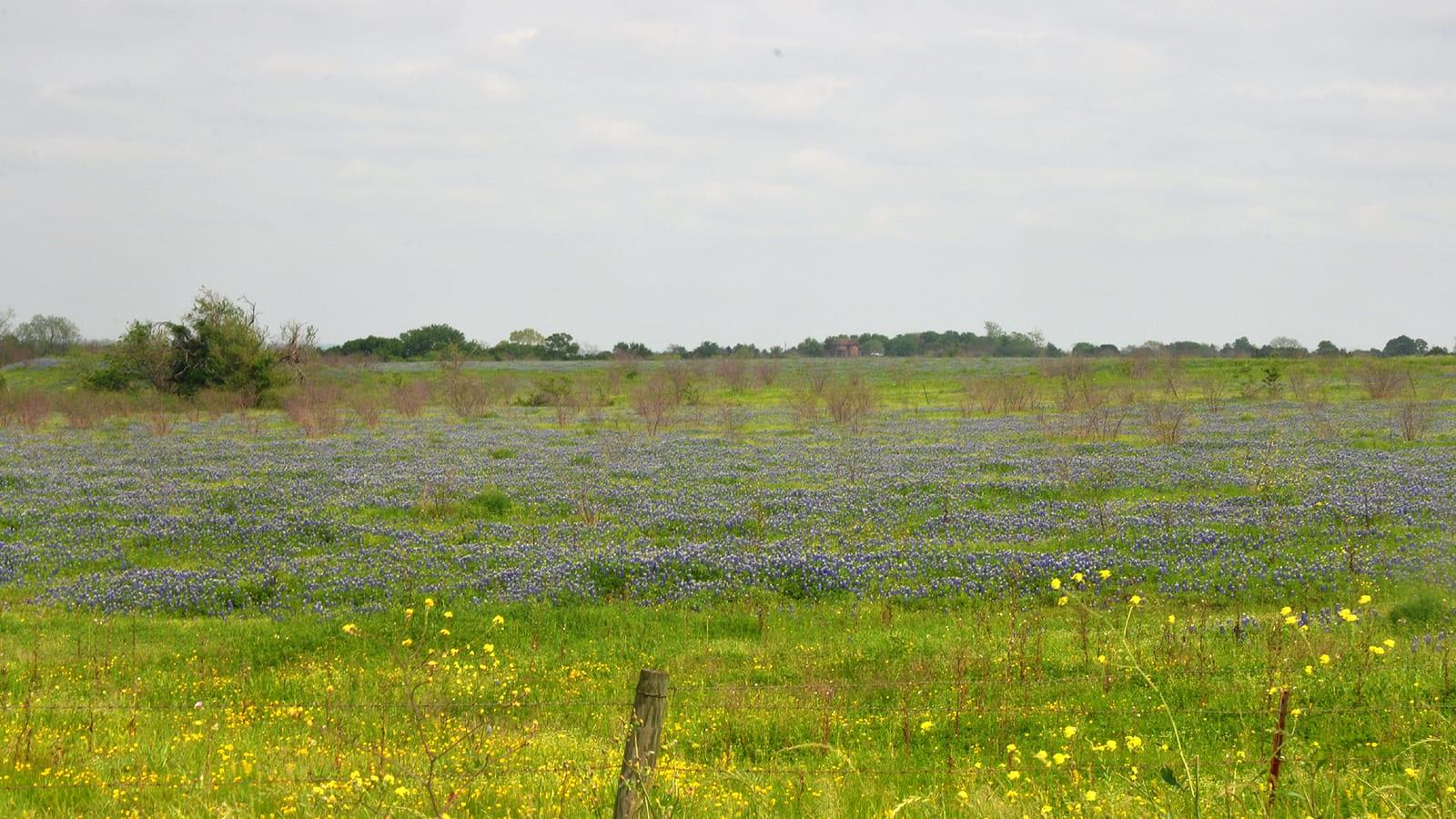
Mineral Wells Fossil Park Fossil Hunting Guide
Texas, United States
Shark Teeth, Trilobites, Echinoids, Brachiopods
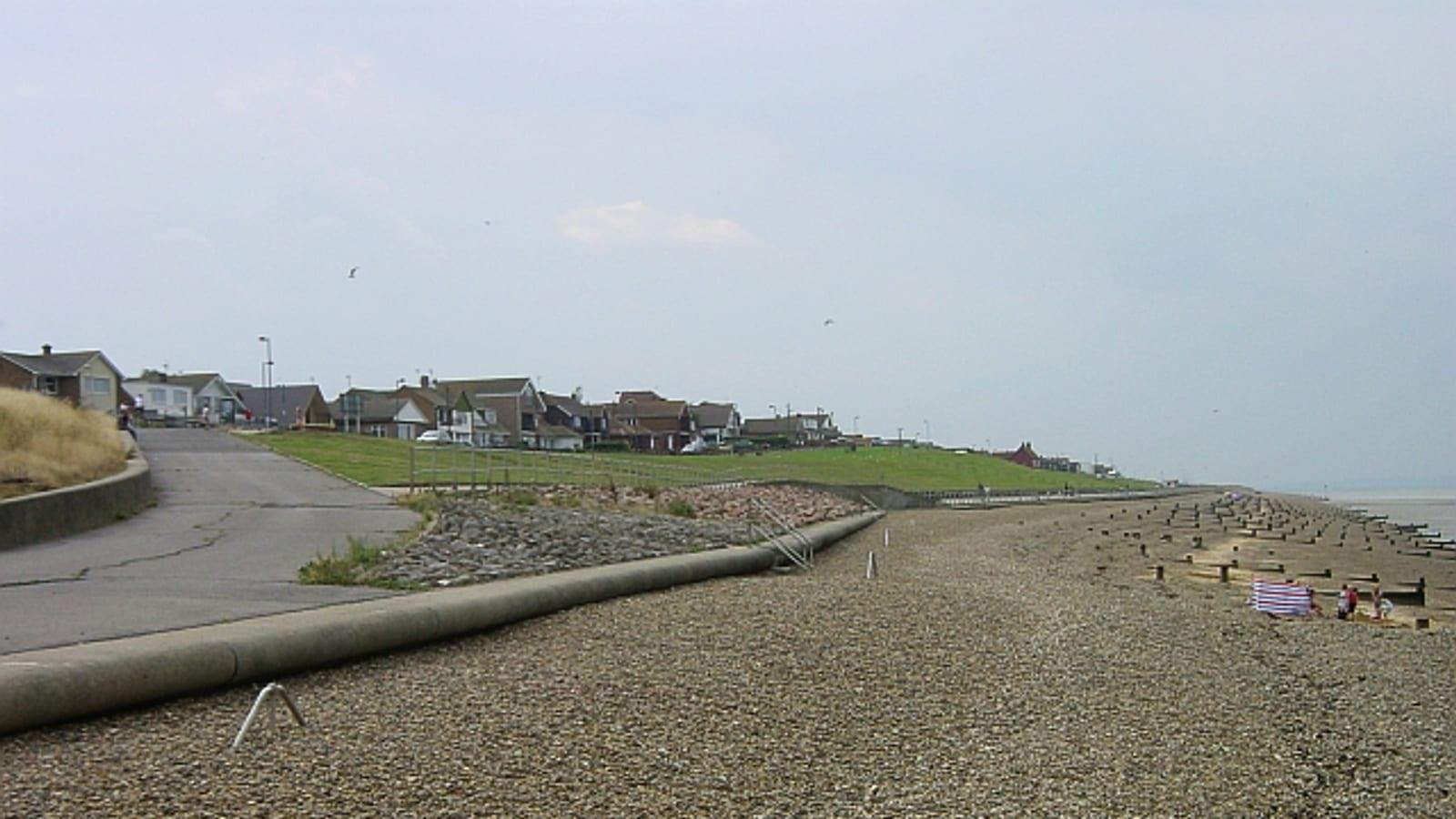
Minster Beach Isle of Sheppey Fossil Hunting Guide
United Kingdom
Plant remains, Nipa palm seeds, Shark Teeth, Fish Vertebrae
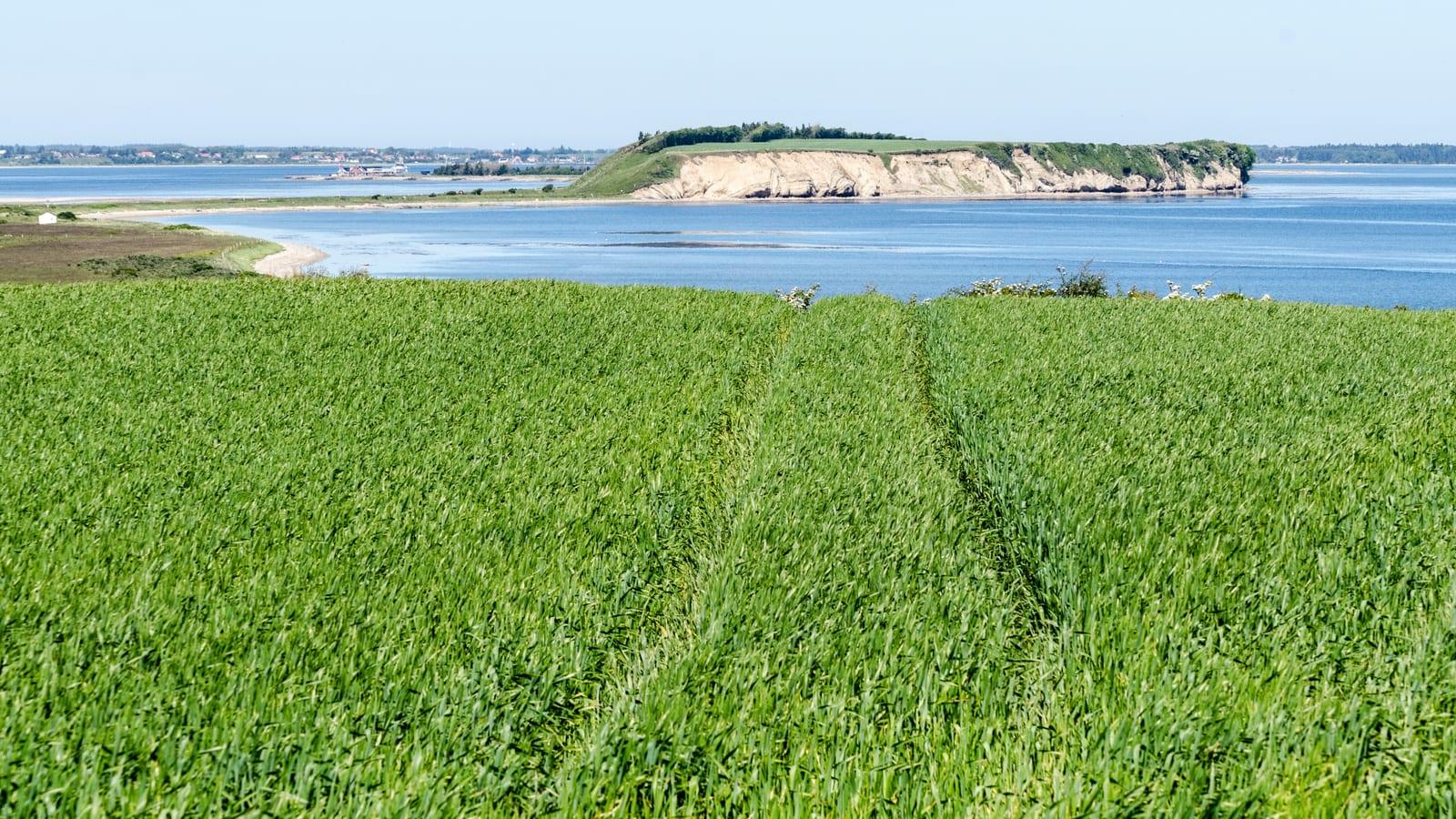
Mors Island Moler Museum Eocene Fossil Digging Fossil Hunting Guide
7900 Nykobing Mors
Fish, Insects, Plant fossils
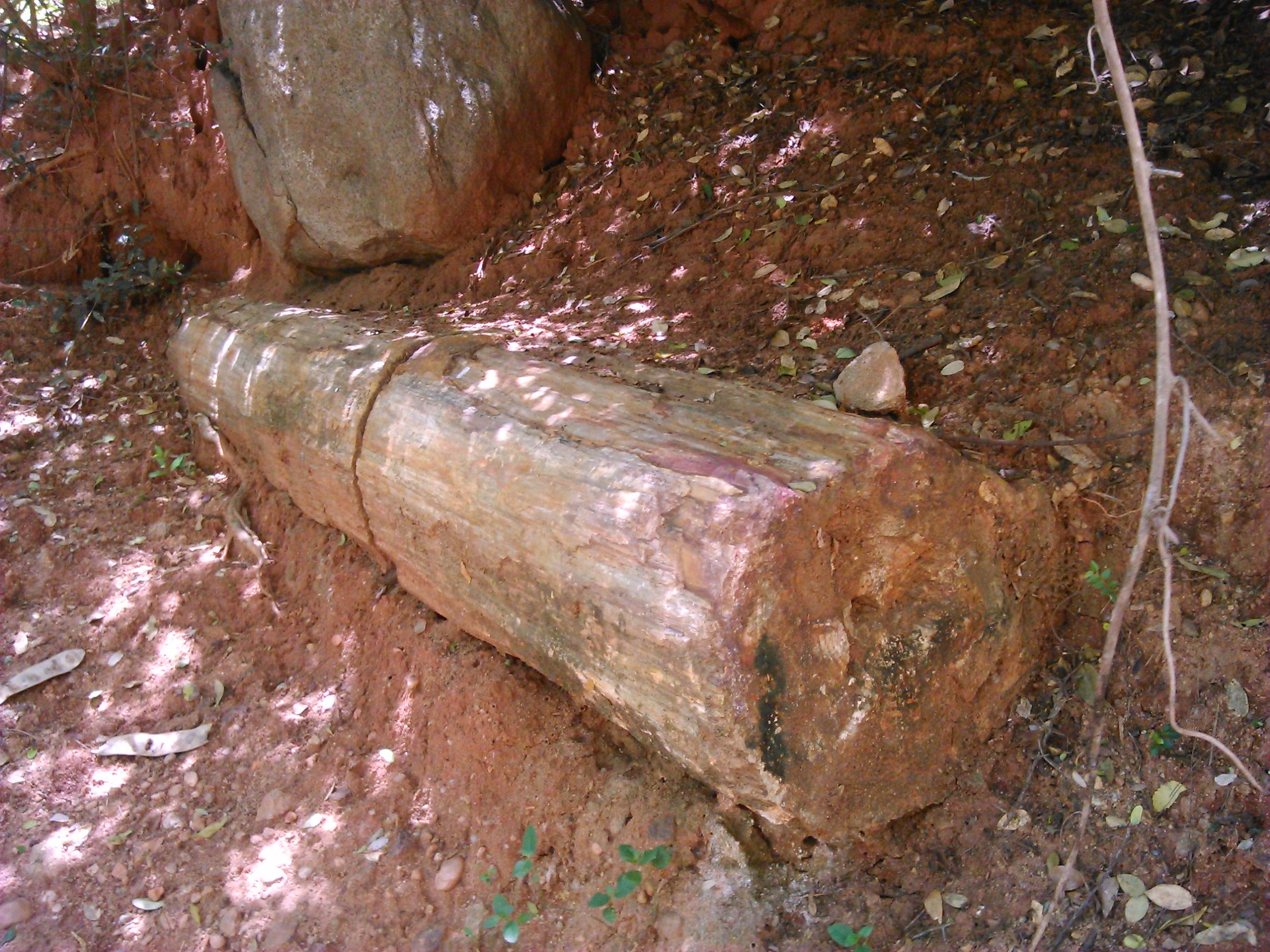
National Fossil Wood Park at Tiruvakkarai Fossil Hunting Guide
Tamil Nadu, India
Petrified Wood, Plants
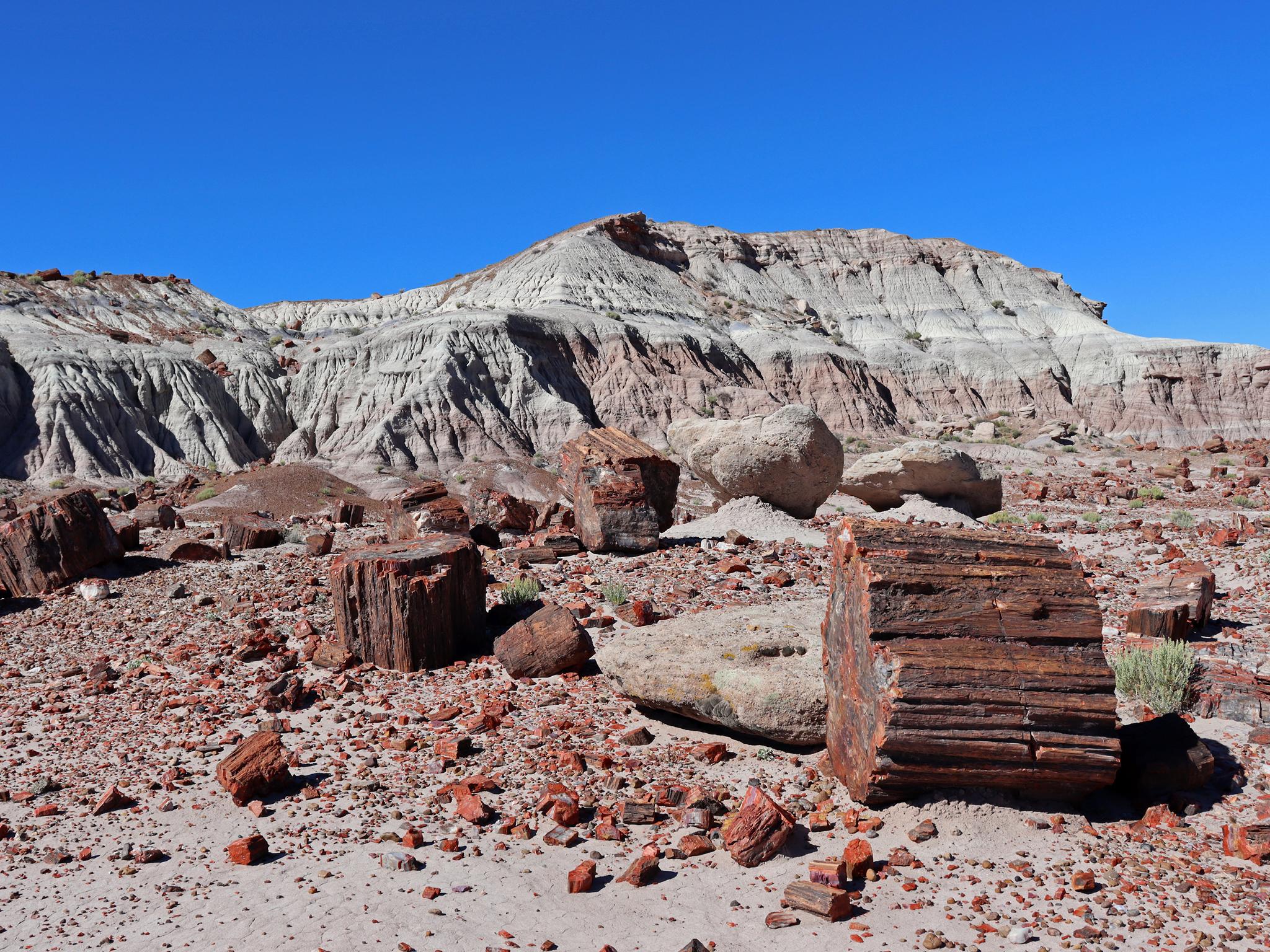
Petrified Forest National Park Fossil Hunting Guide
Arizona, United States
Petrified Araucarioxylon logs, Phytosaurs, Aetosaurs, Coelophysis-grade dinosaurs
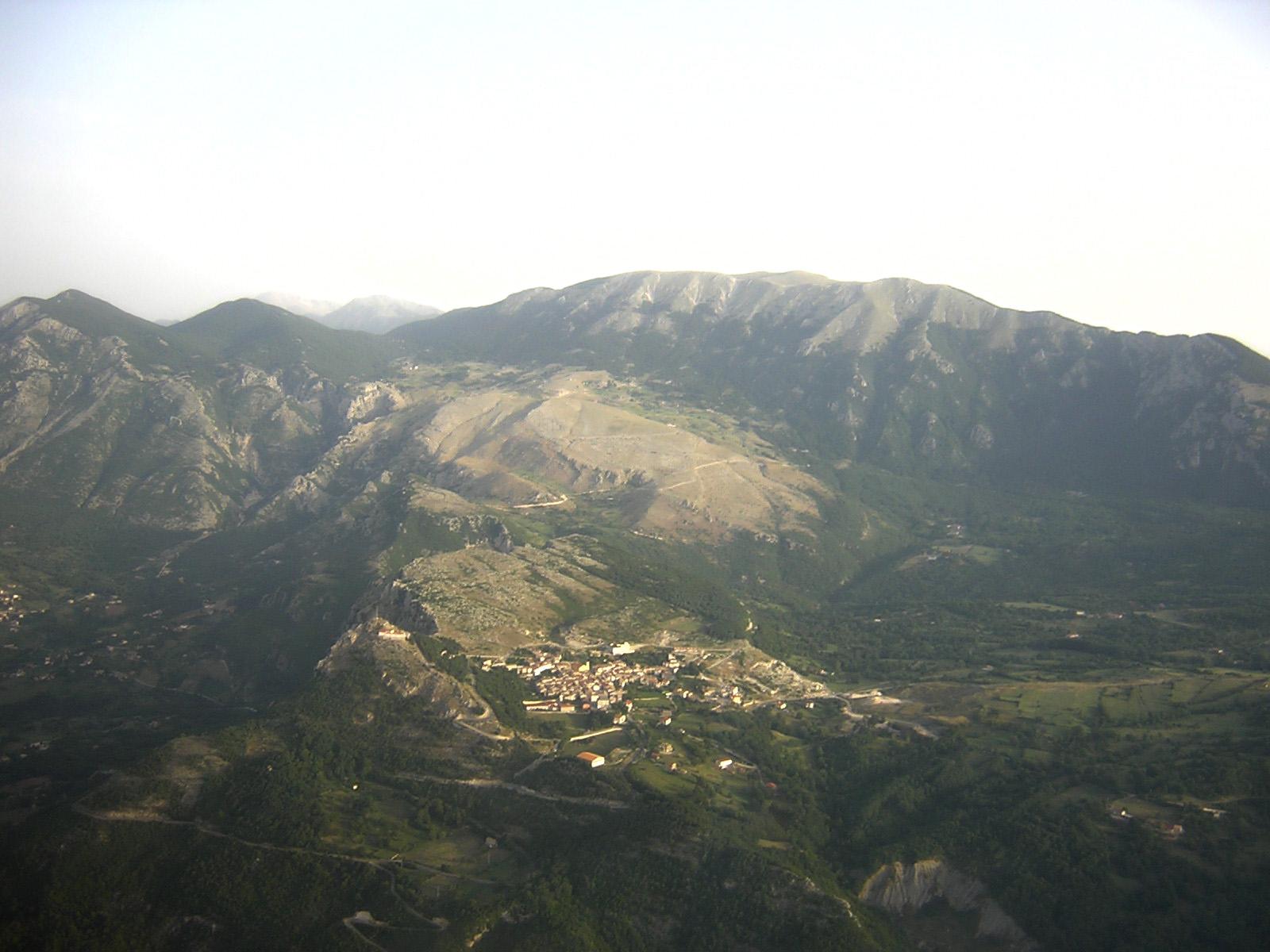
Pietraroja Plattenkalk Geosite Fossil Hunting Guide
Campania, Italy
Scipionyx samniticus (theropod), Notagogus parvus (fish), Belonostomus, Halecostome fish
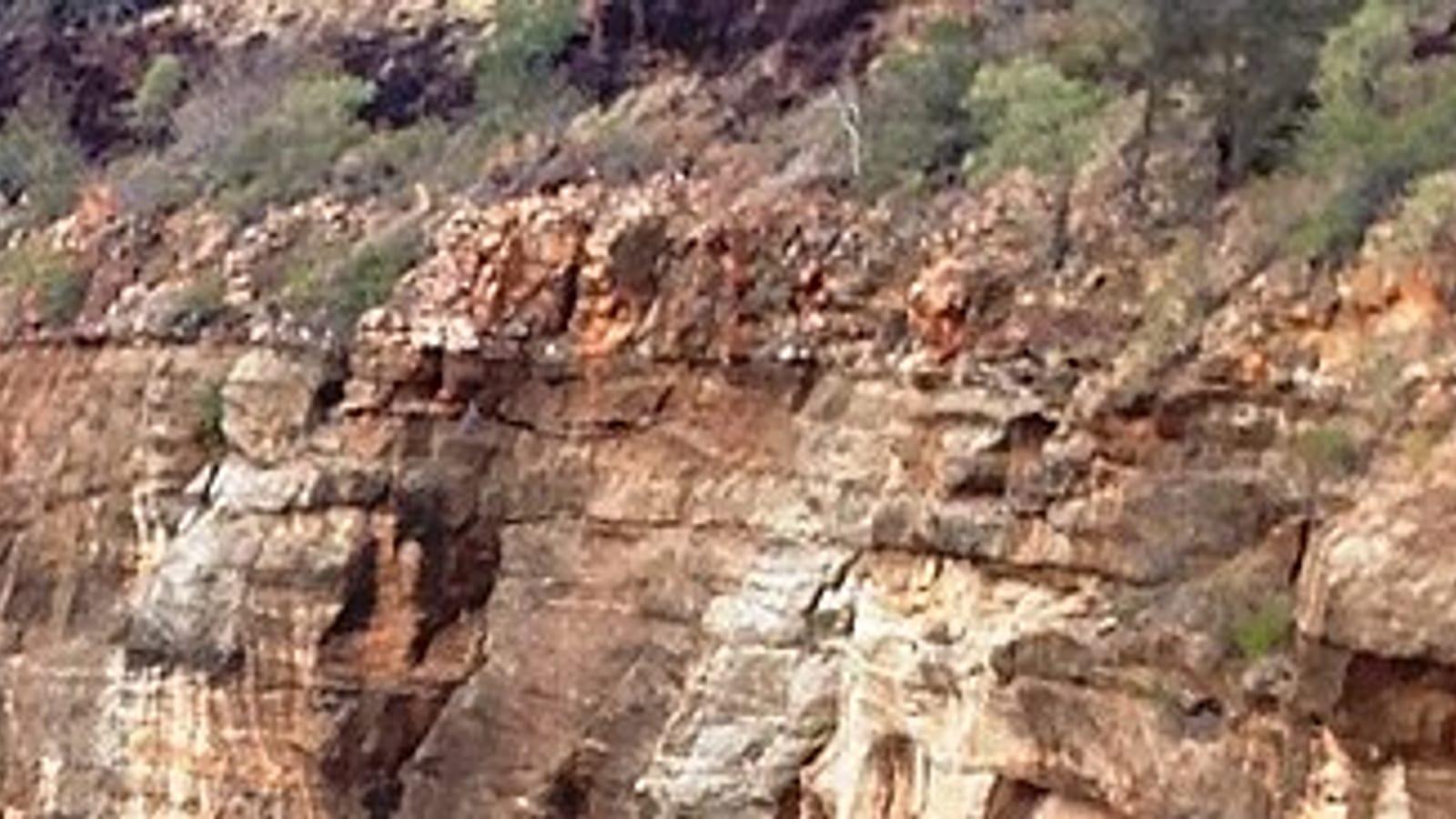
Porcupine Gorge National Park Fossils Fossil Hunting Guide
Australia
Glossopteris, Glossopteris leaves, Fossilised wood, prohibited
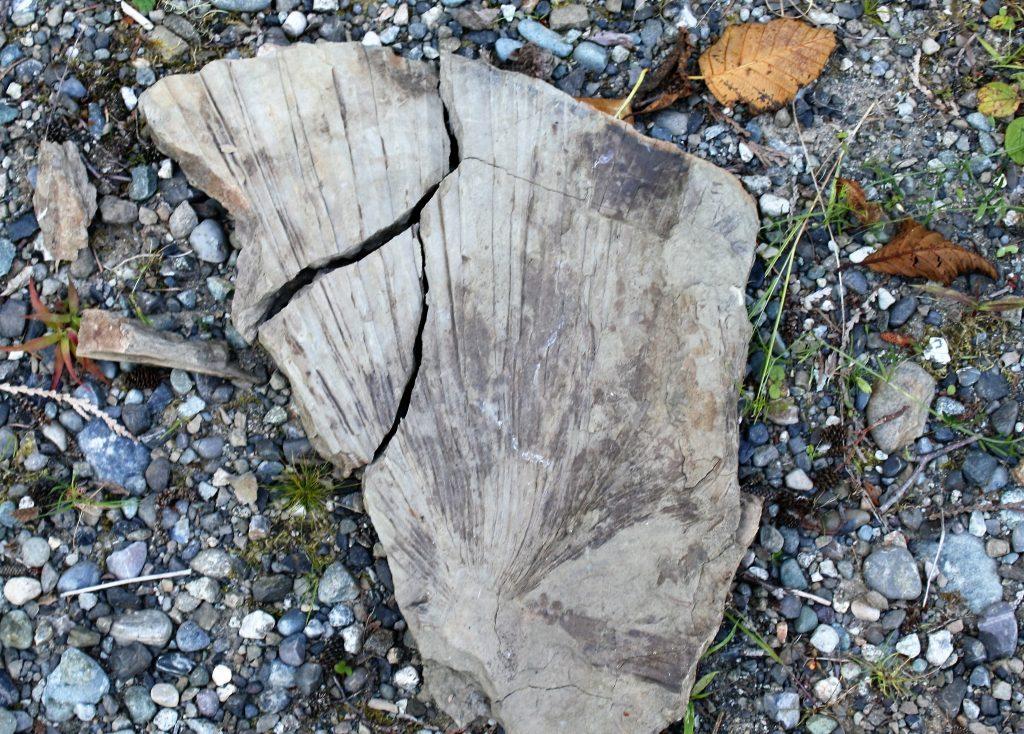
Racehorse Creek Chuckanut Fossil Fields Hunting Guide
Washington, United States
Fossil palm fronds (Sabalites), Tree fern fronds (Cyathea pinnata), Fossil leaves, Gastornis trackways (protected)
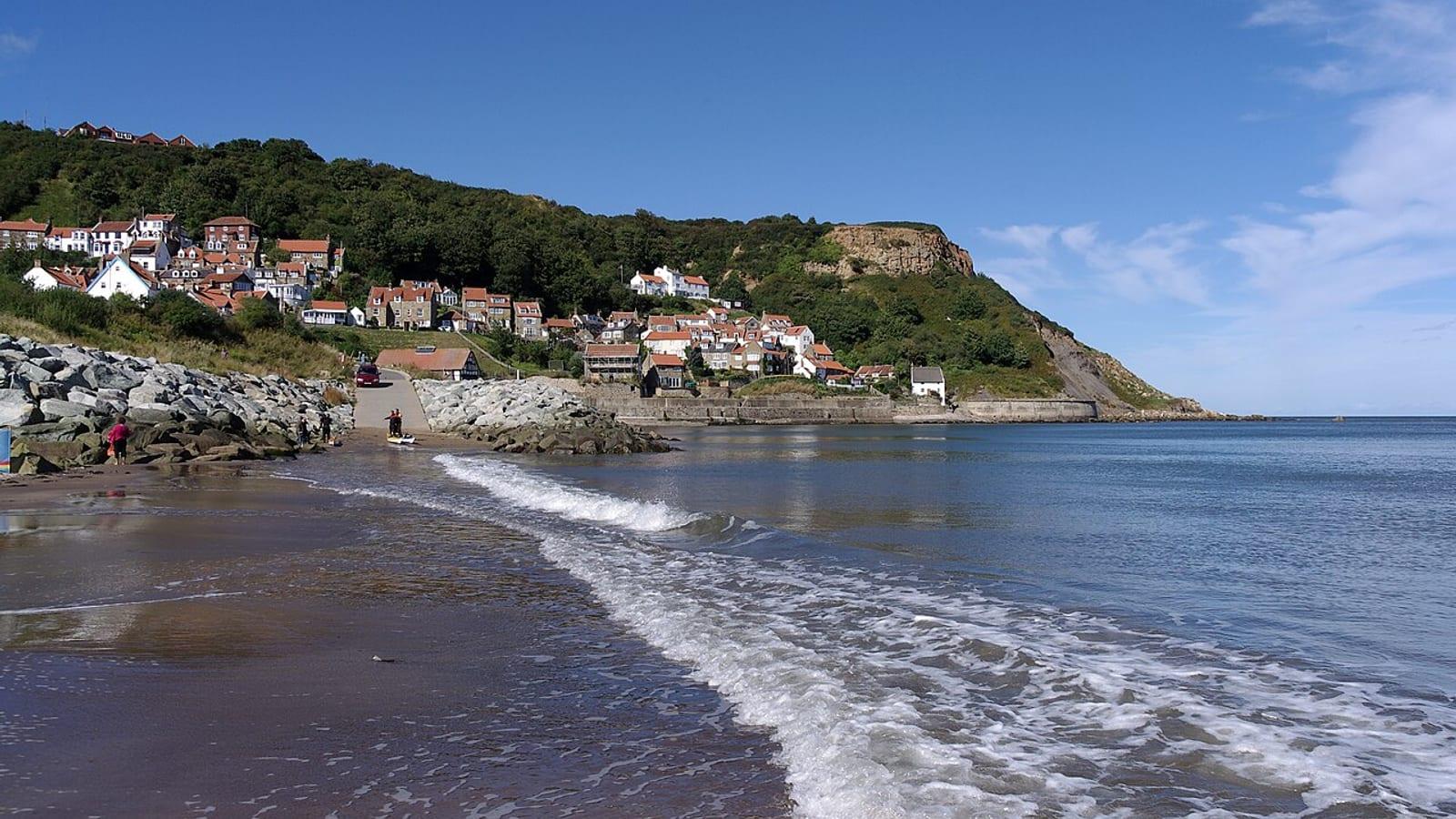
Runswick Bay Yorkshire Fossil Hunting Guide
United Kingdom
Ammonites, Jet, Bivalves, Belemnite guards
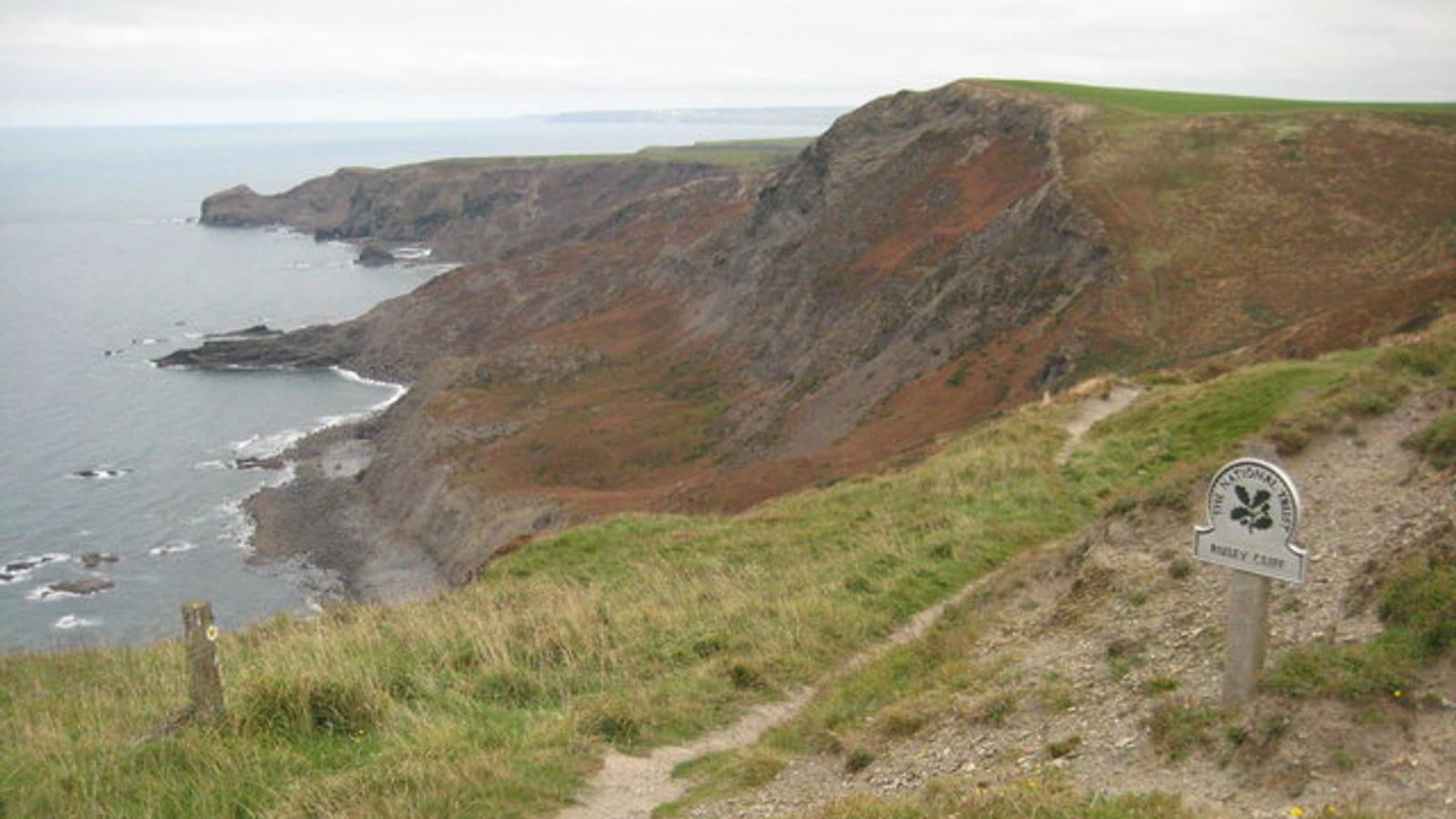
Rusey Cliff Cornwall Fossil Hunting Guide
United Kingdom
Plant remains, Corals, Brachiopods, Goniatites

Salas de los Infantes Dinosaur Sites Fossil Hunting Guide
Burgos, Castile and León, Spain
Demandasaurus darwini (sauropod), Europatitan eastwoodi, Iniestapodus burgensis (theropod track), Stegosaurid spines and plates
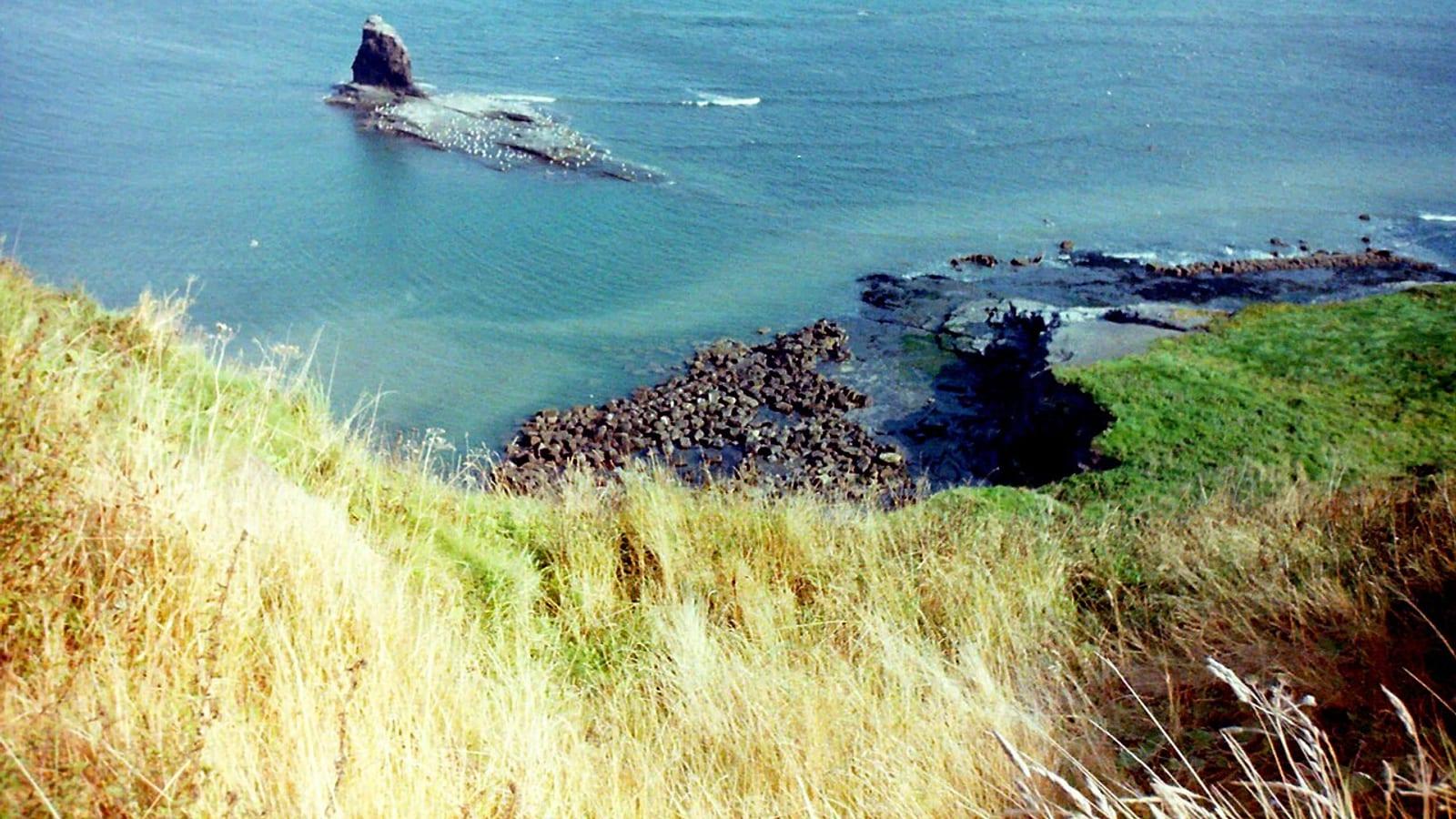
Saltwick Bay Fossil Hunting Guide
United Kingdom
Ammonites, Belemnites, Dinosaur footprints, Plant fossils
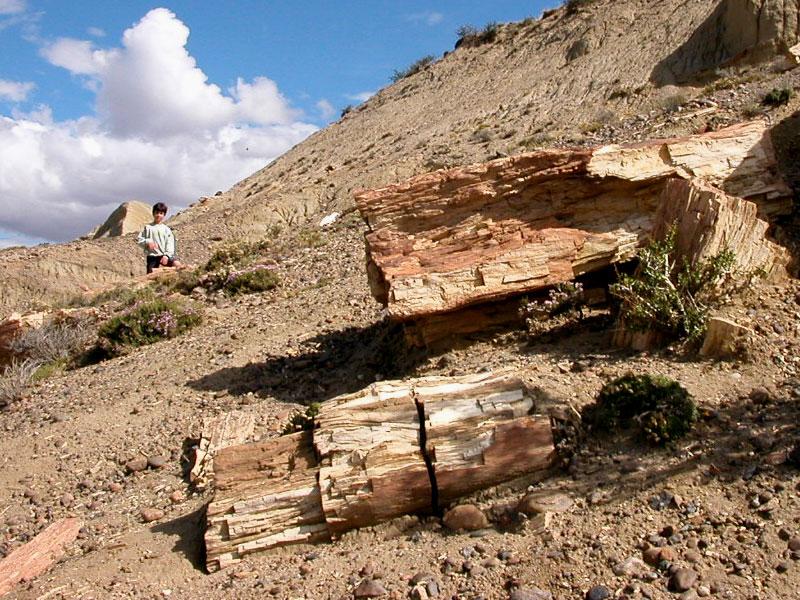
Sarmiento Petrified Forest Natural Monument Fossil Hunting Guide
Chubut, Argentina
Araucariaceae trunks, Podocarpaceae wood, Leaf compressions, Pollen
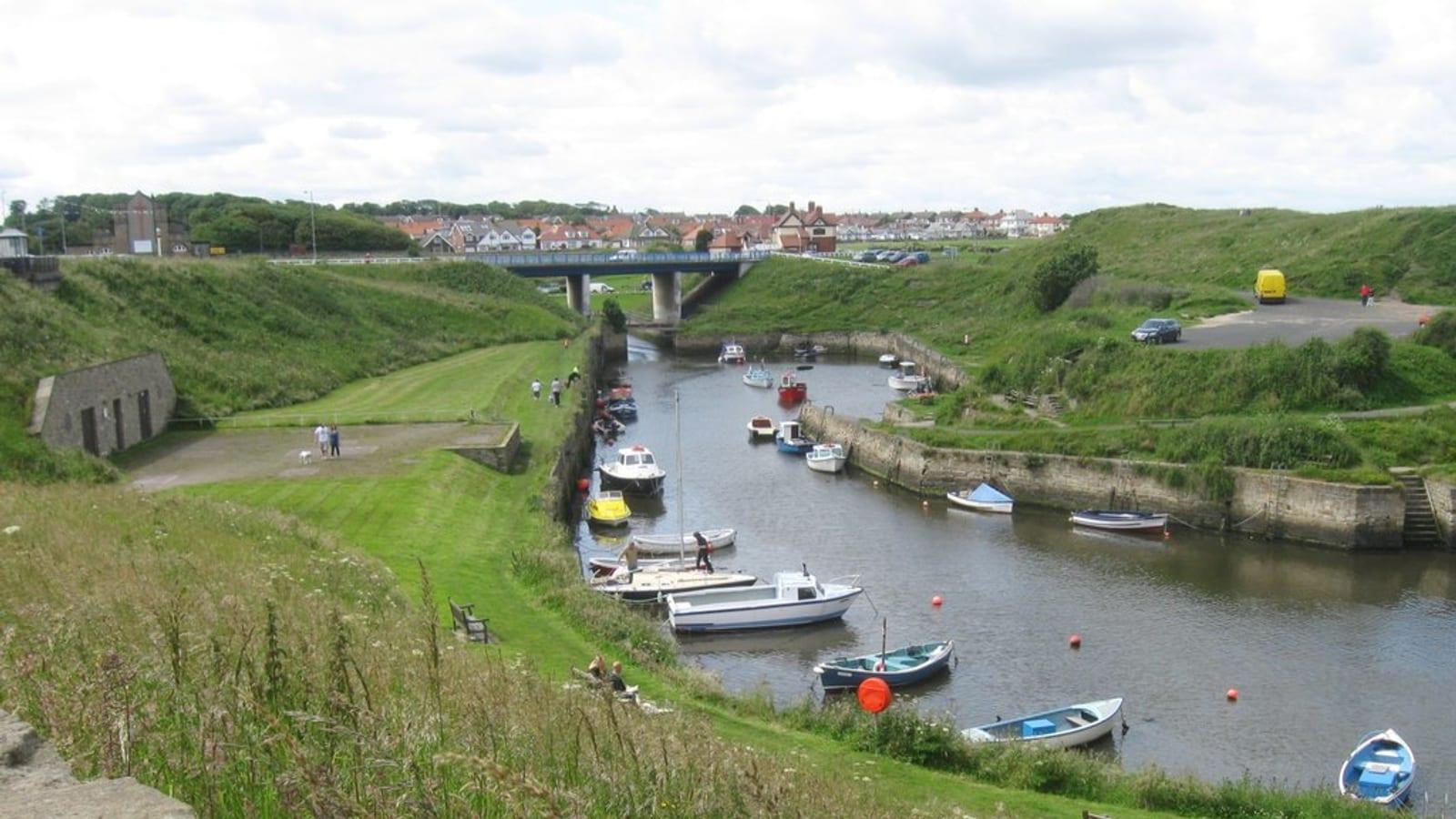
Seaton Sluice Northumberland Fossil Hunting Guide
Seaton Sluice
Plant remains, Coal, Corals, Bivalves
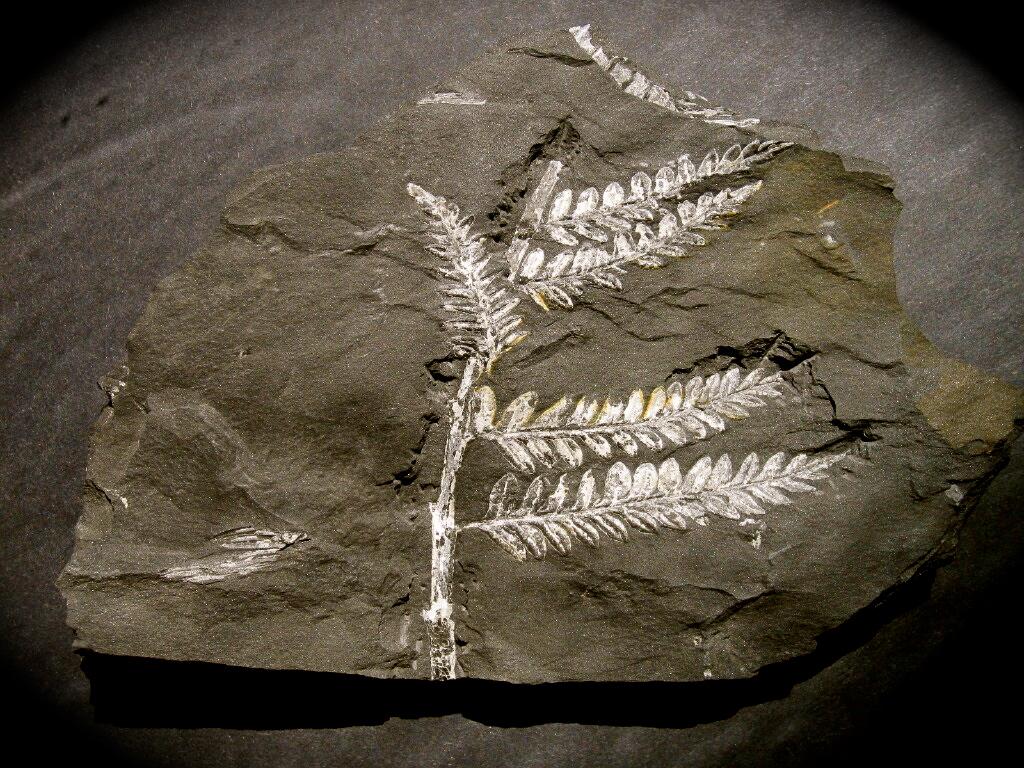
St. Clair Fern Fossils Hunting Guide
Pennsylvania, United States
Fossil ferns (Alethopteris), Fossil ferns (Neuropteris), Fossil ferns (Pecopteris), Sphenophyllum

Stonerose Interpretive Center Fossil Hunting Guide
Washington, United States
Fossil Leaves, Insects, Fish
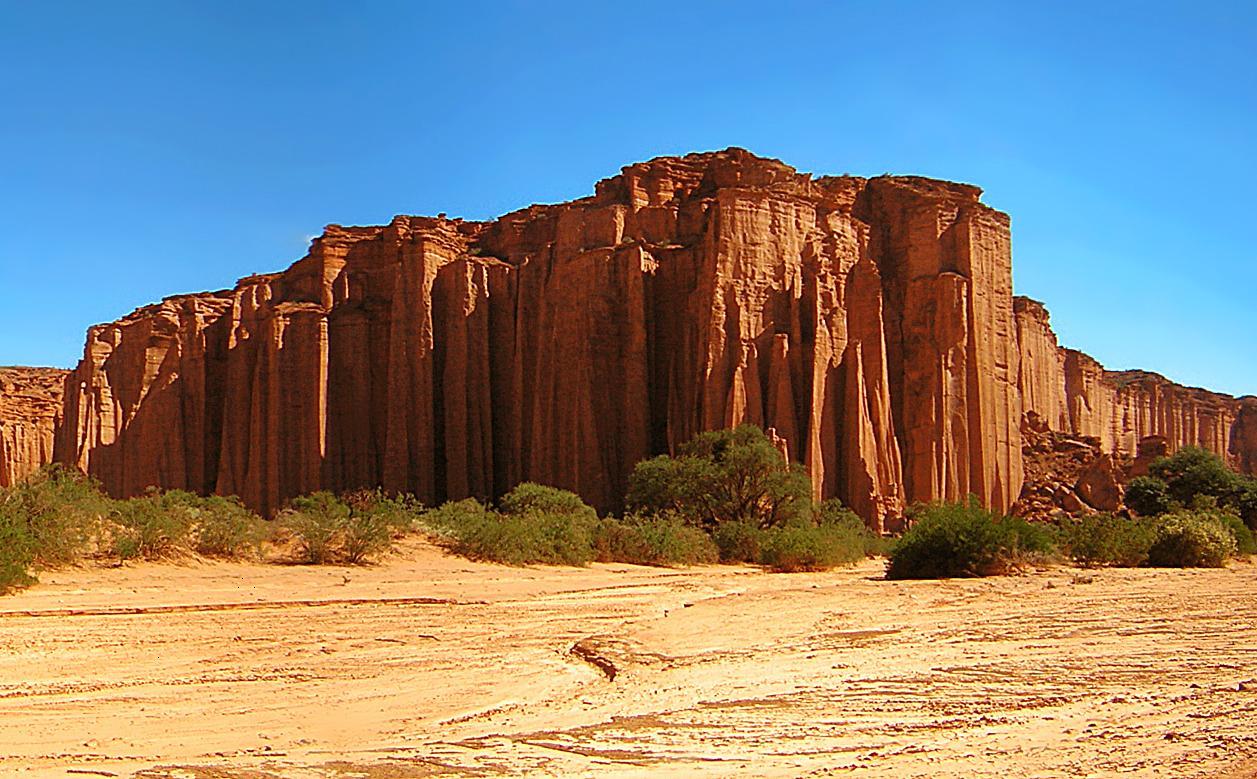
Talampaya National Park Fossil Hunting Guide
La Rioja, Argentina
Dicynodonts (Dinodontosaurus), Cynodonts (Massetognathus), Rhynchosaurs (Hyperodapedon), Early dinosaurs (Eoraptor, Herrerasaurus relatives)
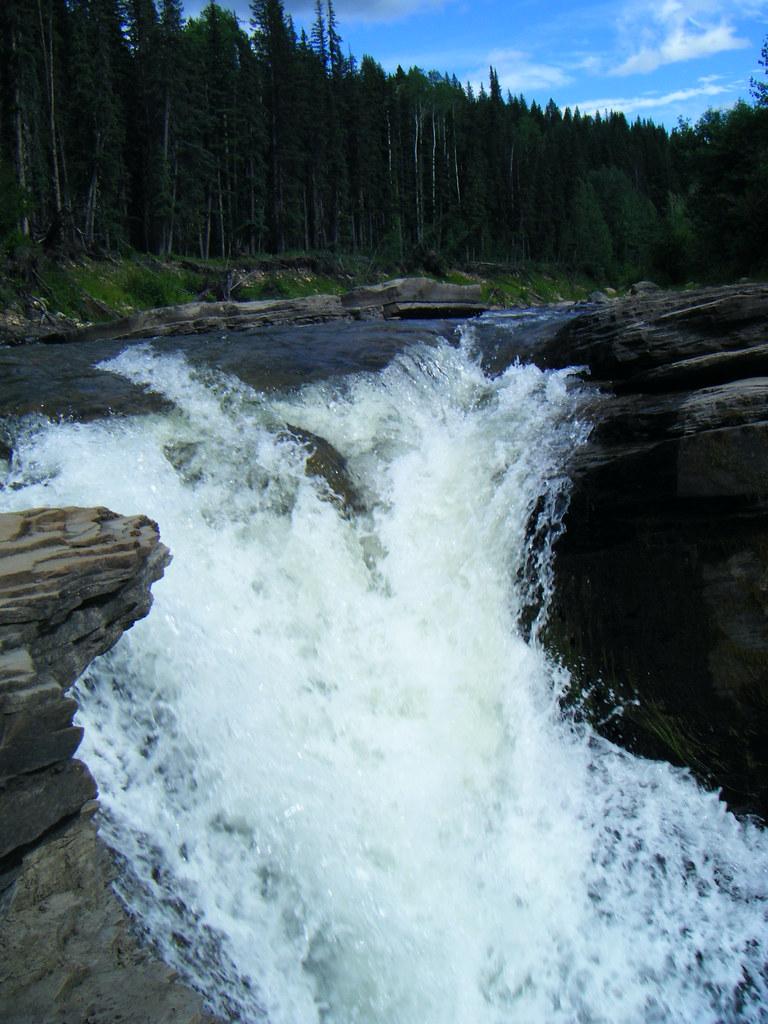
Tumbler Ridge UNESCO Global Geopark Fossil Hunting Guide
British Columbia, Canada
Tyrannosaurid trackways, Ankylosaur footprints, Theropod footprints, Hadrosaur footprints
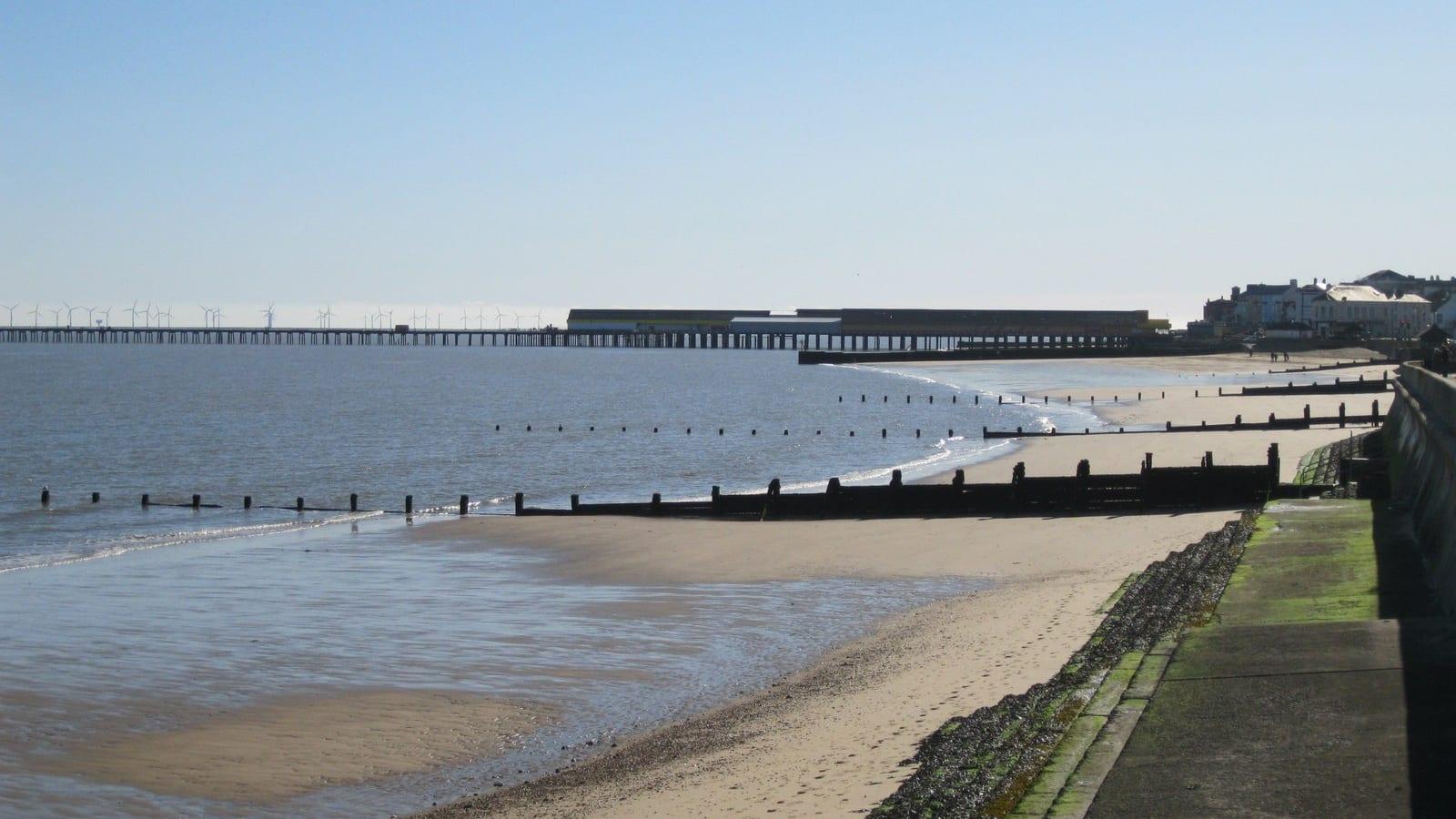
Walton-on-the-Naze Fossil Hunting Guide
England, United Kingdom
shark teeth, pyritised wood, fish bones and vertebrae, Junction Bed
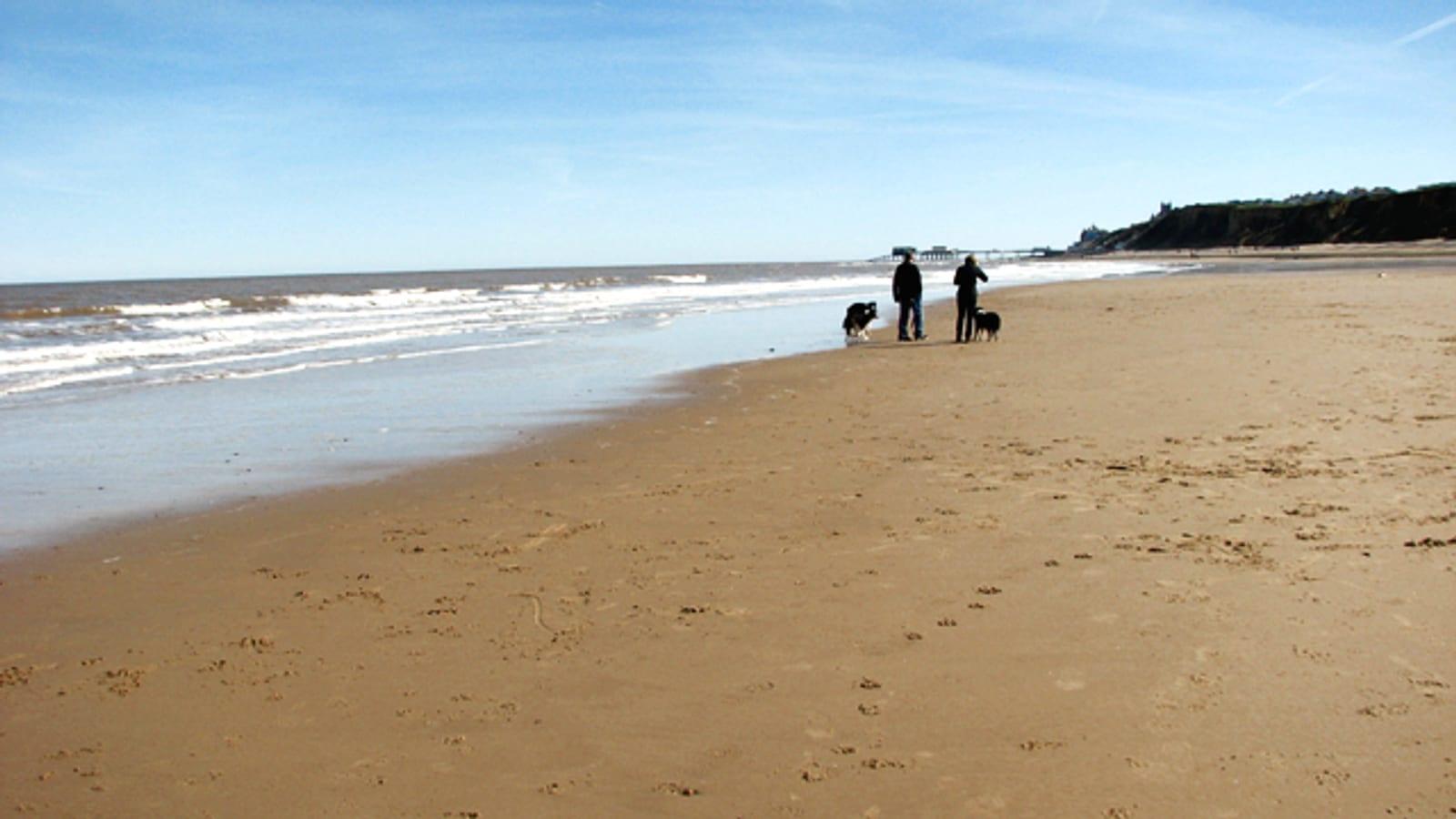
West Runton Fossil Hunting Guide
West Runton
Mammal remains, Freshwater shells, Plant material, Echinoids and sponges

Wheeler High School Fossil Beds Fossil Hunting Guide
Oregon, United States
Fossil Leaves, Fish, Insects
Frequently asked questions
- What types of plant fossils can I find?
- Plant fossils fall into three main categories based on how they are preserved. Compressions and impressions preserve the two-dimensional outline of leaves, fronds, or seeds in fine-grained rock such as shale or mudstone — these are the most common type found in the field. Petrifactions replace the original plant tissue with mineral matter, preserving three-dimensional cellular detail; petrified wood is the most familiar example. Casts and moulds occur when plant tissue decays in sediment, leaving an impression or a mineral fill. The most accessible plant fossils for field collectors are coal-measure compressions from Carboniferous shales (approximately 300 Ma), which preserve large fronds of tree ferns such as Pecopteris and Neuropteris, clubmoss bark impressions of Lepidodendron and Sigillaria, and seed fern foliage.
- Where can I find plant fossils?
- Carboniferous shales associated with coal seams are the most reliably productive sites. Florissant Fossil Quarry in Colorado (Eocene, approximately 34 Ma) is a pay-to-dig site where visitors split shale to find detailed leaf and insect impressions from an ancient lake system. The Mazon Creek Formation of Illinois (Carboniferous, approximately 307 Ma) preserves plant and animal material in iron-carbonate nodules; the best examples come from coal-mining spoil heaps in the Braidwood area. In the UK, Carboniferous coalfield sites in South Wales and the East Midlands produce plant compressions from spoil heaps, though access requires landowner permission. Akal Wood Fossil Park in Rajasthan, India (Early Jurassic), and the viewing areas at Petrified Forest National Park in Arizona both preserve petrified wood viewable in situ.
- Can I collect petrified wood on public land?
- It depends on the land designation. On Bureau of Land Management (BLM) land in the United States, the casual collection provision of the Paleontological Resources Preservation Act (PRPA) allows personal collection of reasonable quantities of common plant fossils for personal, non-commercial use without a permit. The BLM has specifically noted that collecting small amounts of petrified wood is generally permitted on BLM land under this provision. However, Petrified Forest National Park in Arizona is protected federal land where removing even a fragment is illegal and carries significant fines. Several state parks in Arizona, Wyoming, and other western states also prohibit removal. Always confirm the specific land designation and its applicable rules before collecting petrified wood at any site.