Fossil type
Where to find fish
Fish fossils range from isolated teeth and scales (extremely common) to articulated skeletons (rare). The Devonian Gogo Formation (Western Australia), the Eocene Green River and Fossil Butte Formations (Wyoming), and the Eocene Fur Formation (Denmark) preserve some of the world's most complete fossil fish.
58 fossil sites
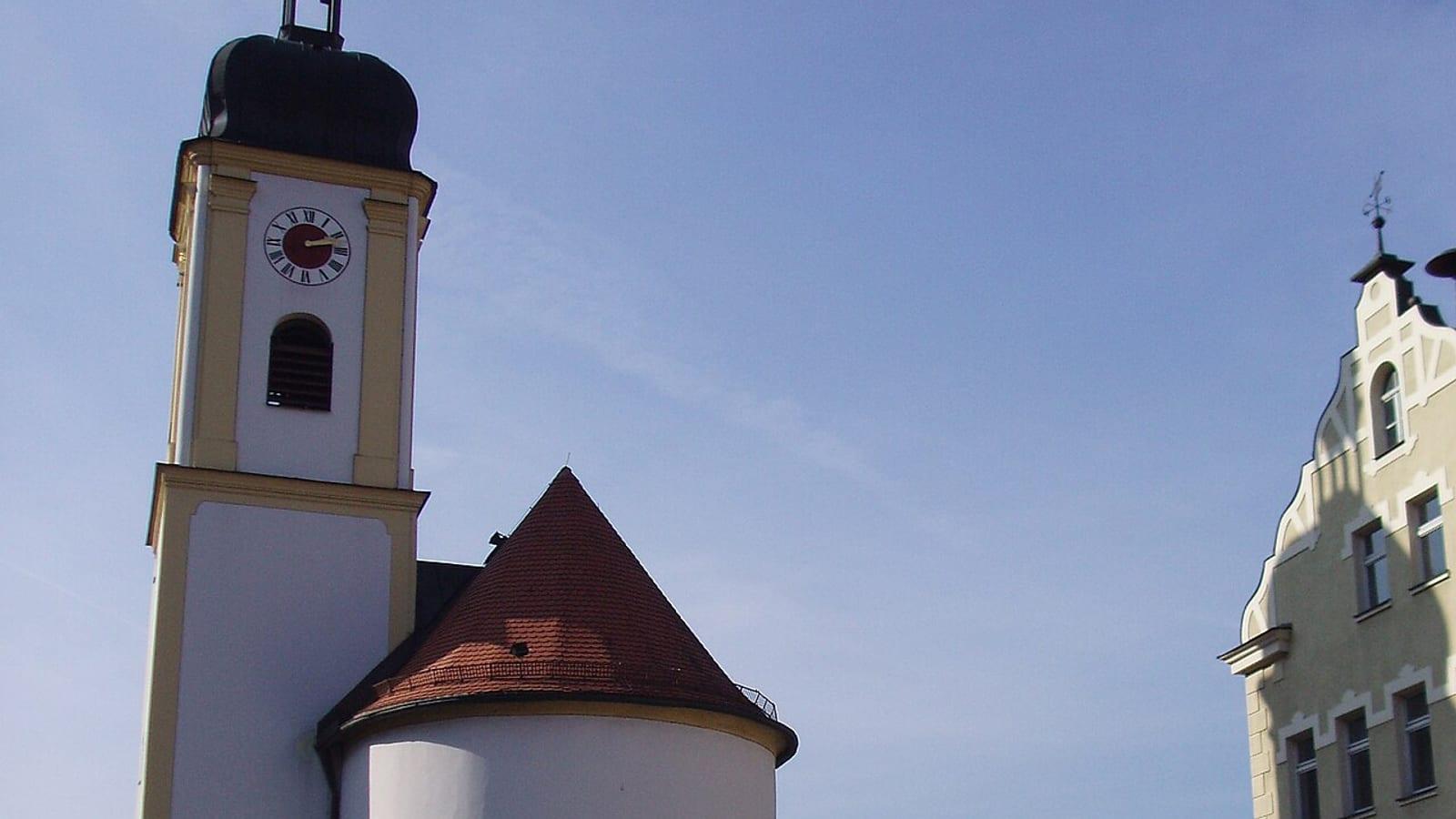
Altmannstein Schamhaupten Archaeopteryx Fossil Hunting Guide
Germany
Archaeopteryx, Ammonites, Fish, Crinoids
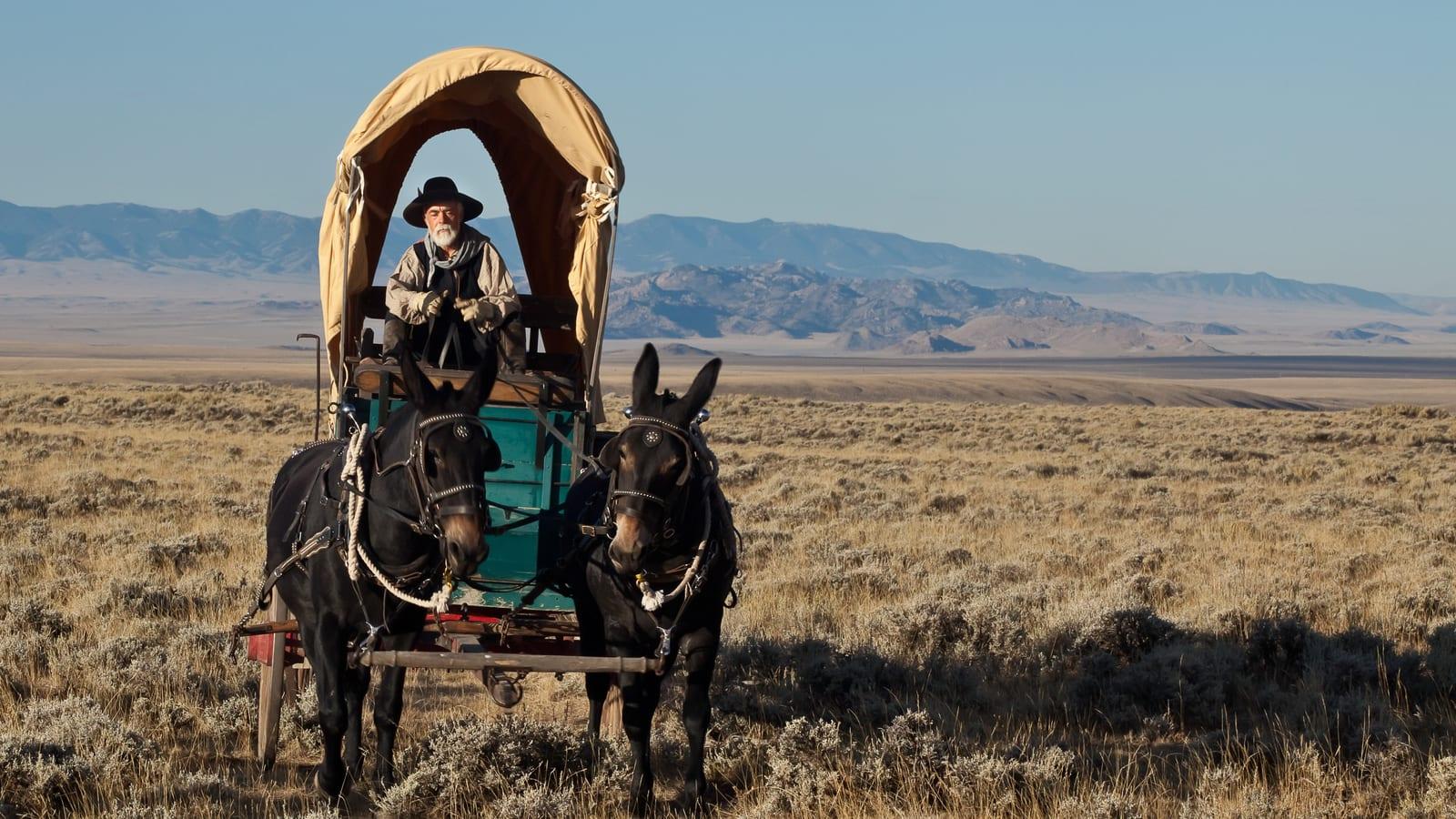
American Fossil Quarry Fossil Hunting Guide
Wyoming, United States
Fish Fossils, Plant Fossils, Insect Fossils
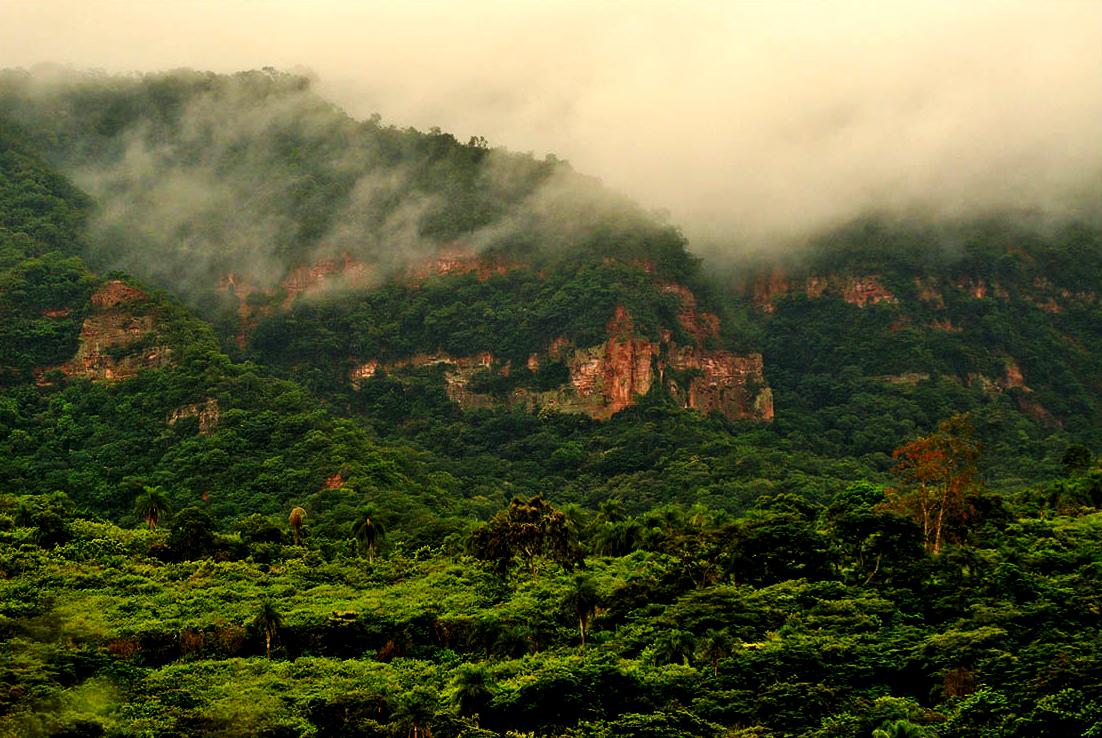
Araripe Geopark Fossil Guide
Ceará, Brazil
Pterosaurs, Fish, Insects, Early flowering plants
Beltinge Herne Bay Fossil Hunting Guide
United Kingdom
Beltinge Fish Bed, Shark teeth, Fish Vertebrae
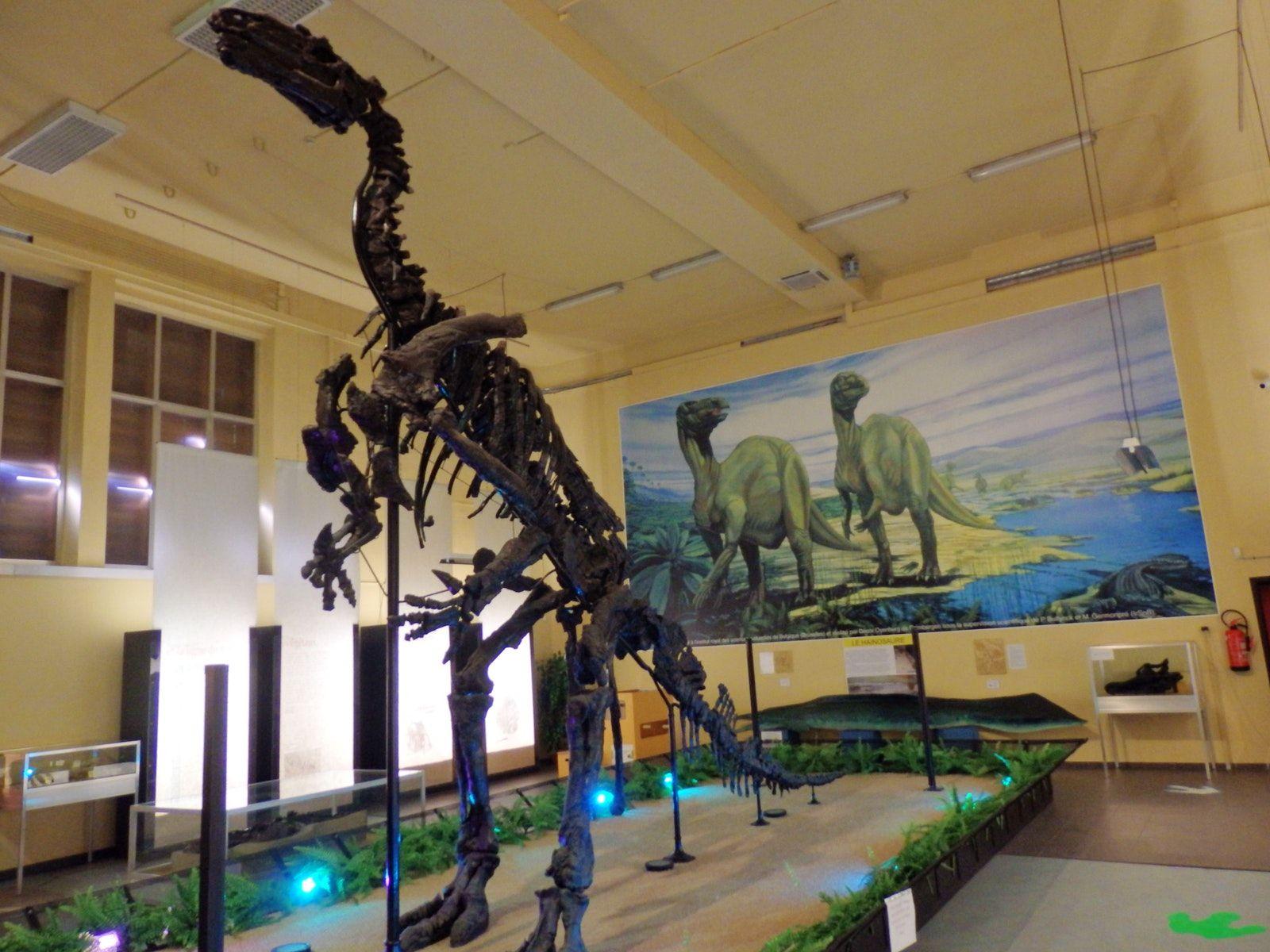
Bernissart Iguanodons (RBINS, Brussels) Fossil Hunting Guide
Hainaut, Belgium
Iguanodon bernissartensis (articulated skeletons), Mantellisaurus atherfieldensis, Cretaceous fish, Cretaceous turtles
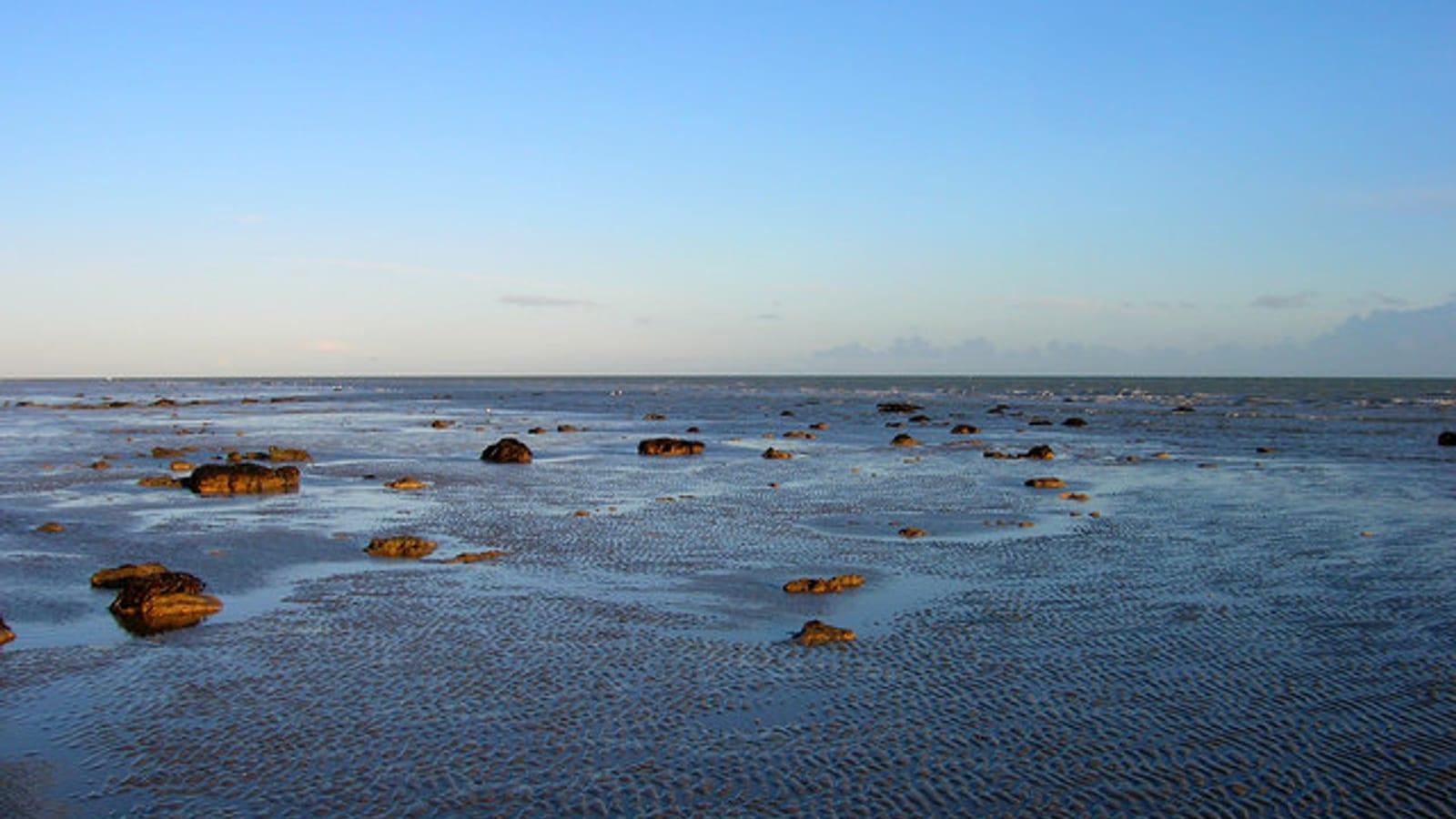
Bognor Regis Fossils — London Clay Foreshore Guide
western end of Bognor Regis
Sharks' teeth, Fish remains, Eocene insects, Molluscs
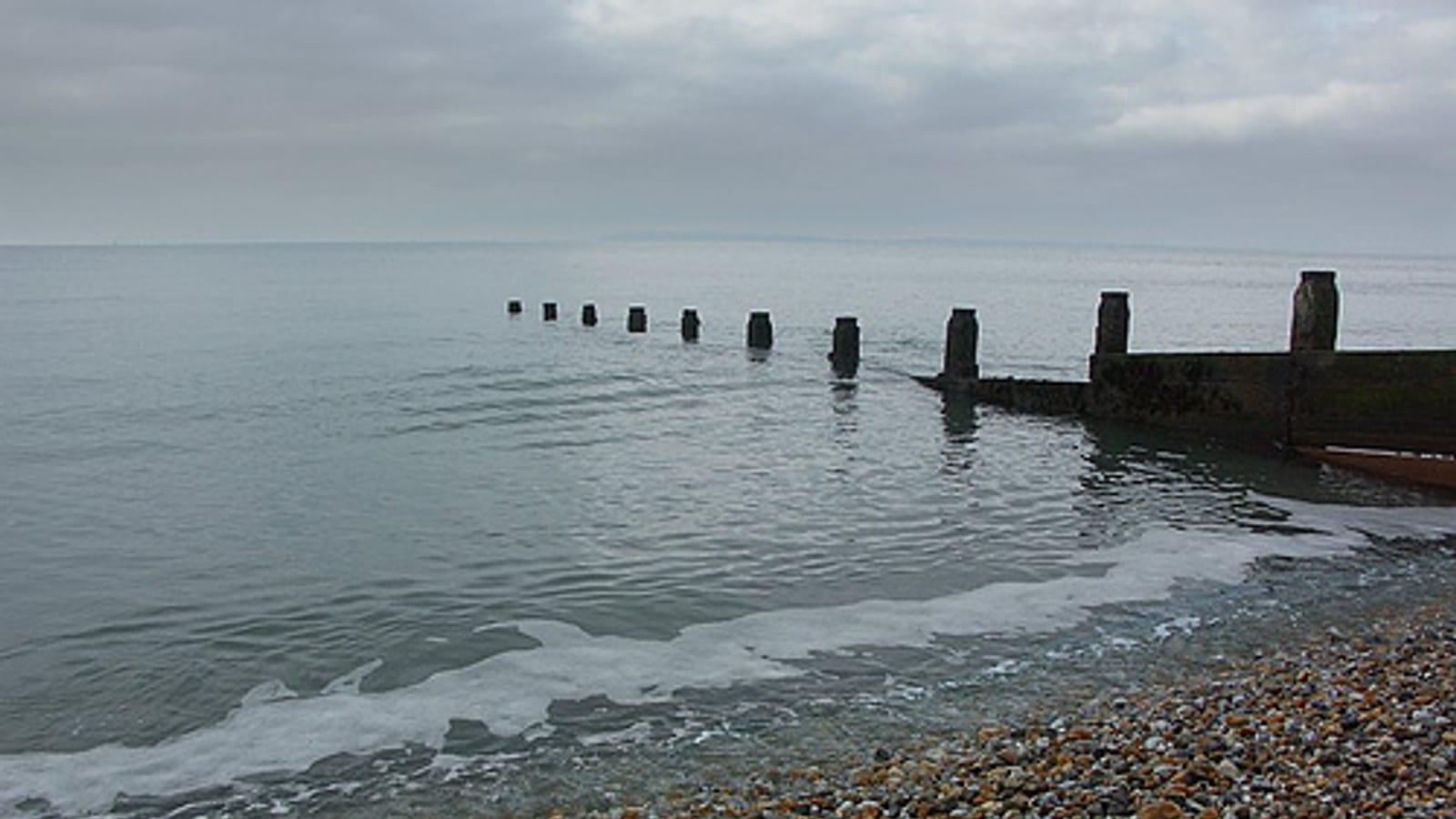
Bracklesham Bay Fossil Hunting Guide
Bracklesham Bay
Striatolamia macrota, foraminifera, Shark Teeth, Bivalves
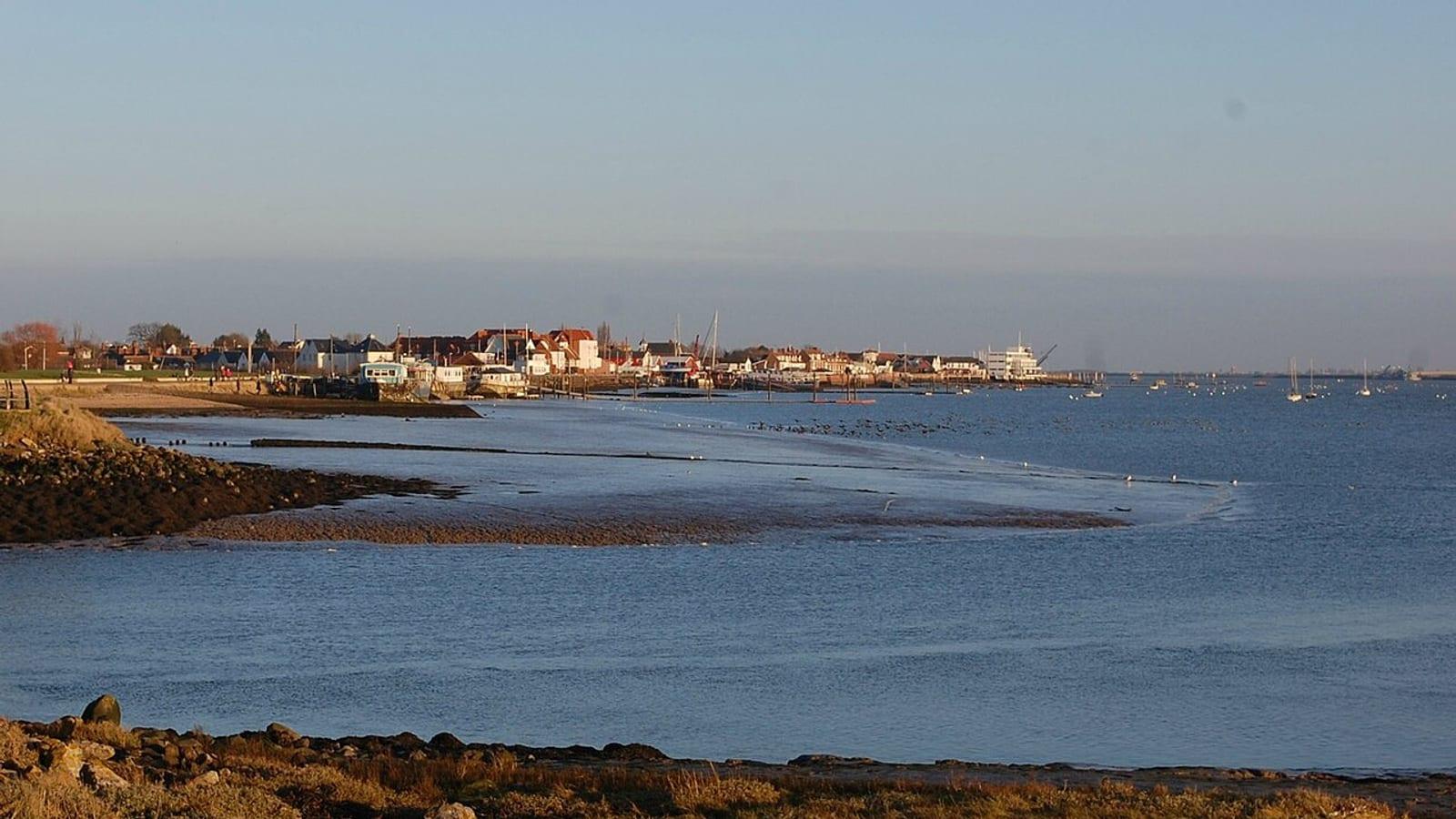
Burnham on Crouch Essex London Clay Fossil Hunting Guide
United Kingdom
Shark teeth, Ray teeth, Fish vertebrae, Crabs
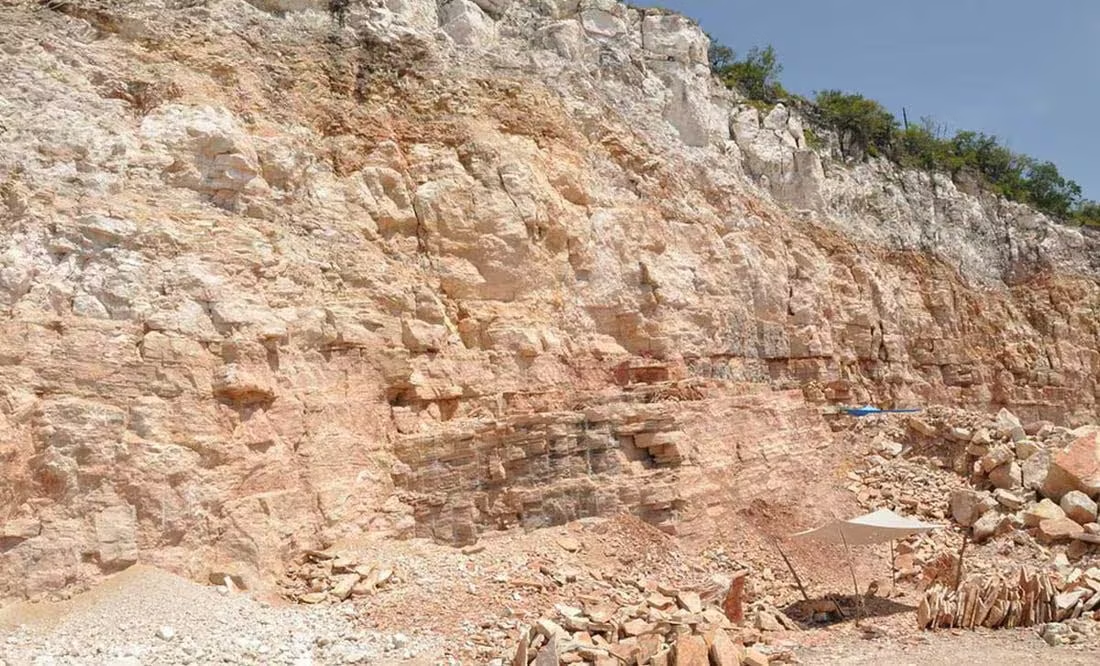
Cantera Tlayúa Fossil Quarry Guide
Puebla, Mexico
Teleost fish, Ammonites, Arthropods, Reptiles
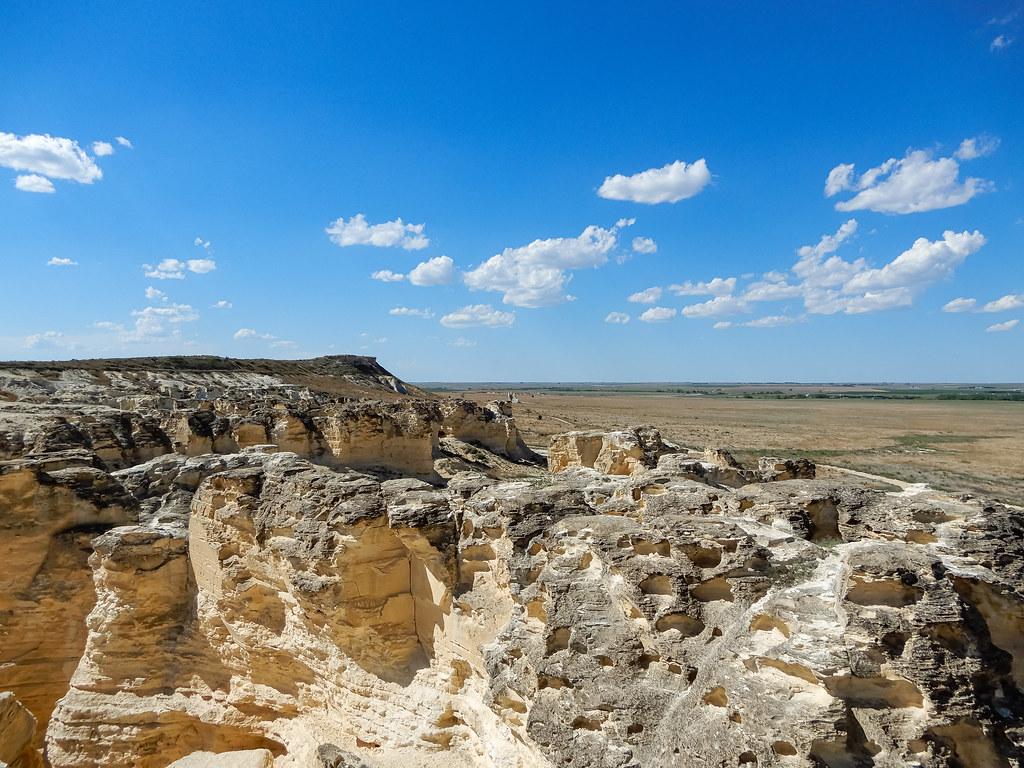
Castle Rock Badlands Fossil Hunting Guide
Kansas, United States
Inoceramus (giant clams), Foraminifera, Marine fish vertebrae, Shark teeth (rare)
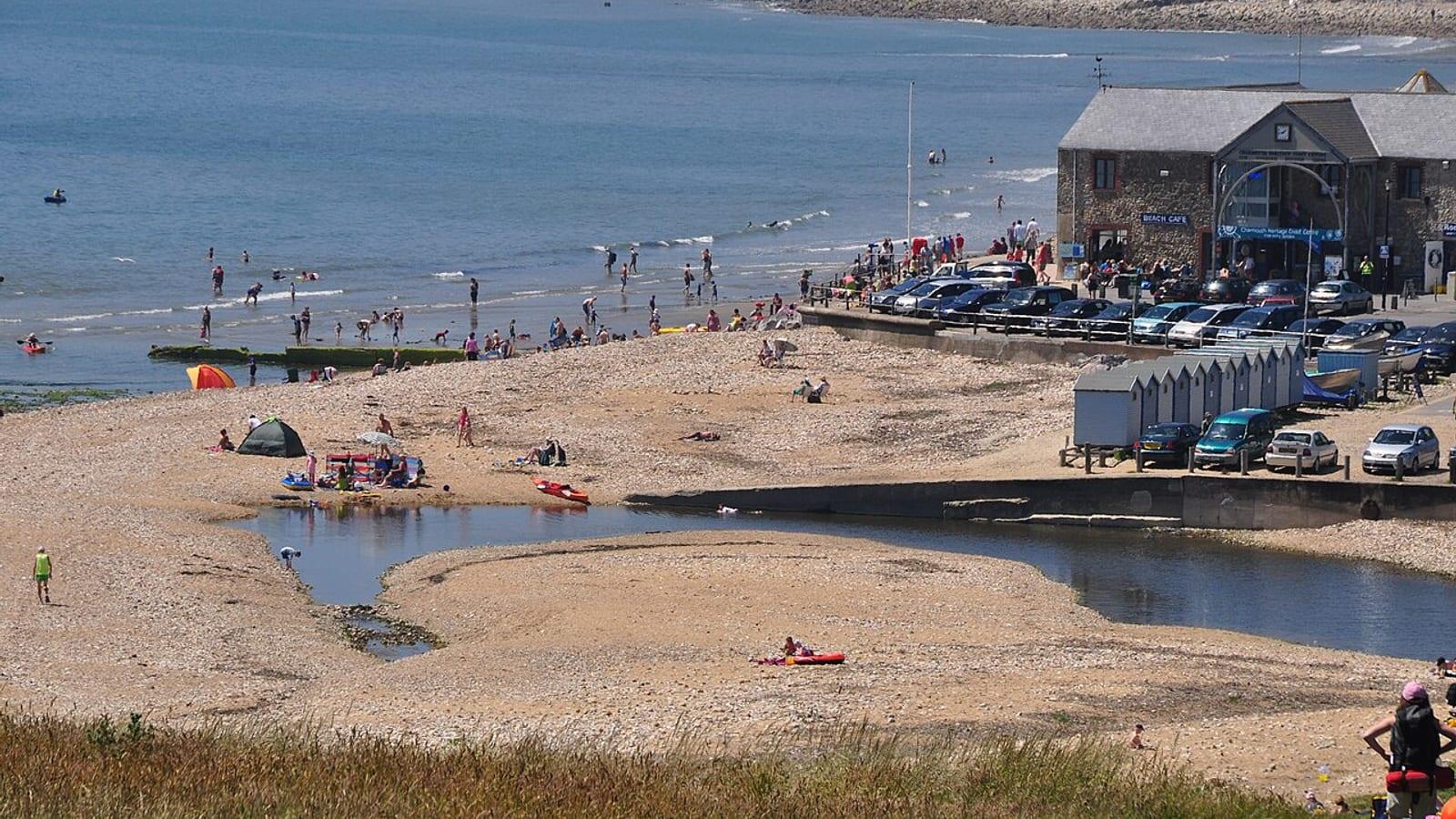
Charmouth Beach Fossil Hunting Guide
Charmouth
Ammonites, Belemnites, Bivalves, Crinoid
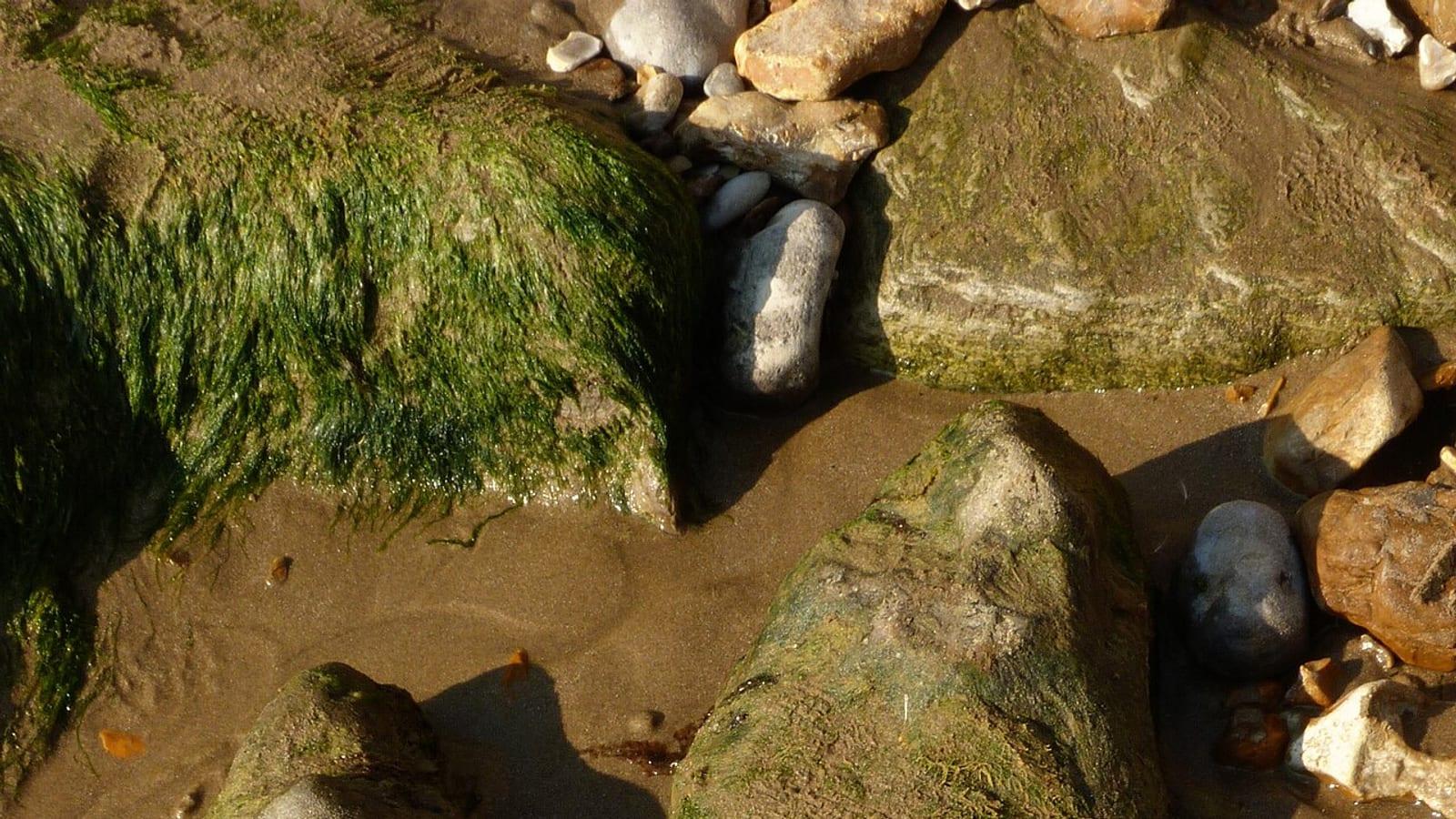
Compton Bay: Dinosaur Trackways
England, United Kingdom
Dinosaur footprints, Dinosaur bone fragments, Dinosaur teeth, Plant material
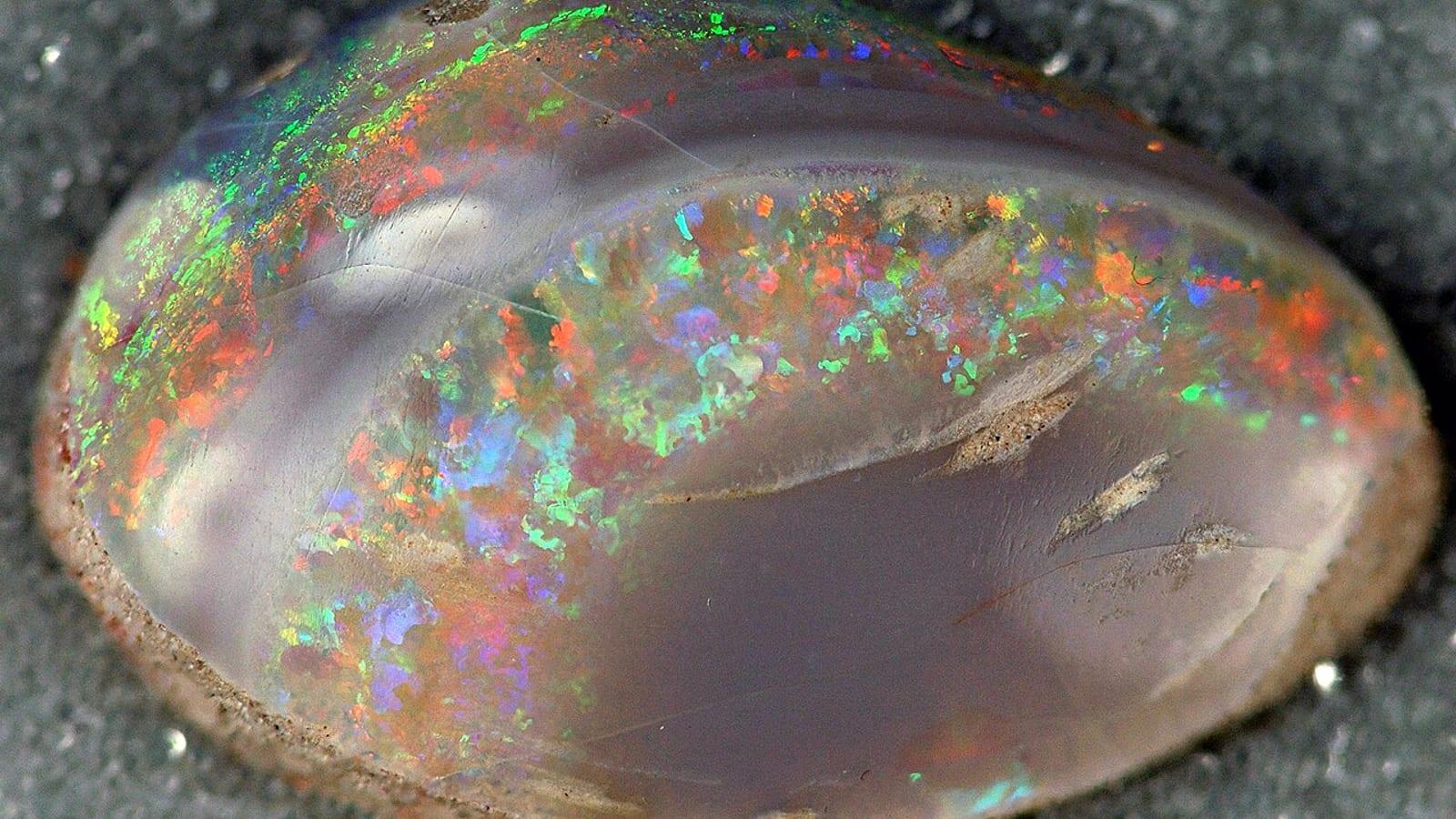
Coober Pedy Opal Fossils Eric Plesiosaur Fossil Hunting Guide
Australia
Bivalves and gastropods, Belemnites, Fish remains, marine reptiles
Cooden Beach Bexhill Fossil Hunting Guide
East Sussex TN39 4SG
Dinosaur bones and teeth, Crocodilian material, Turtle shell fragments, Fish remains
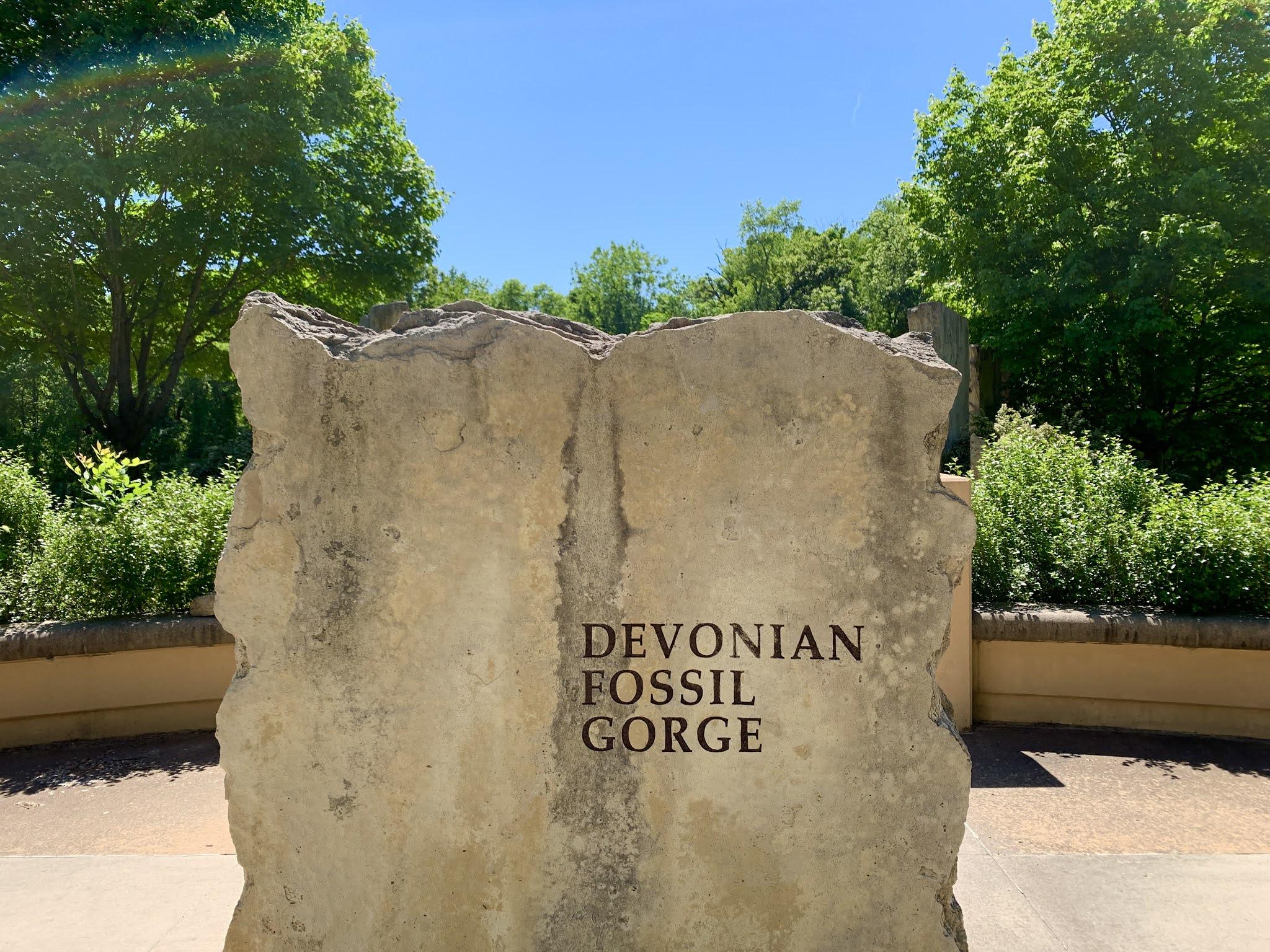
Devonian Fossil Gorge Fossil Hunting Guide
Iowa, United States
Crinoid columnals, Brachiopods, Corals (Hexagonaria), Corals (Favosites)
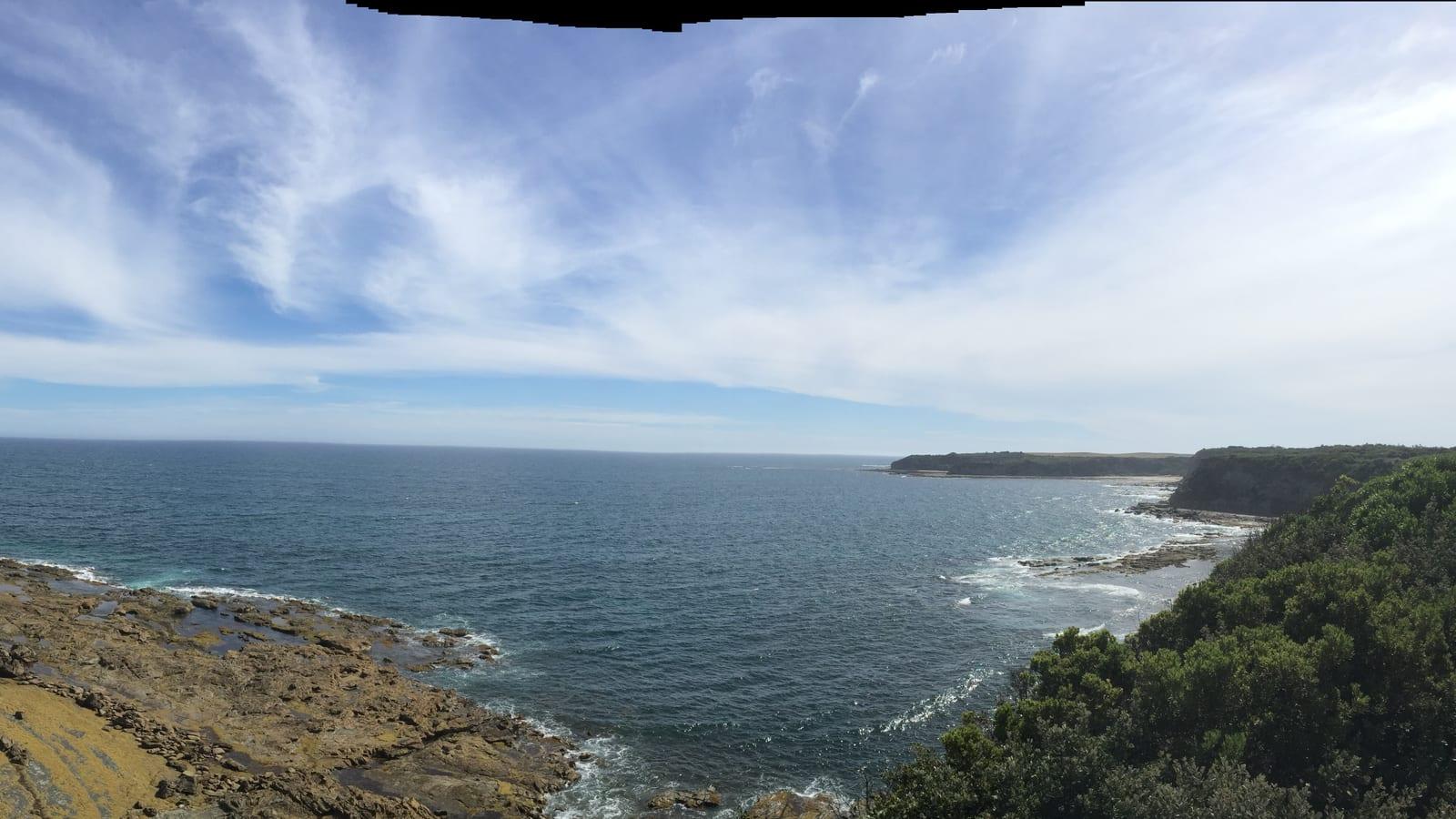
Eagles Nest Cape Paterson First Dinosaur Fossil Hunting Guide
Bunurong Marine and Coastal Park
Theropod dinosaur material, Ornithopod dinosaurs, Fish scales and teeth
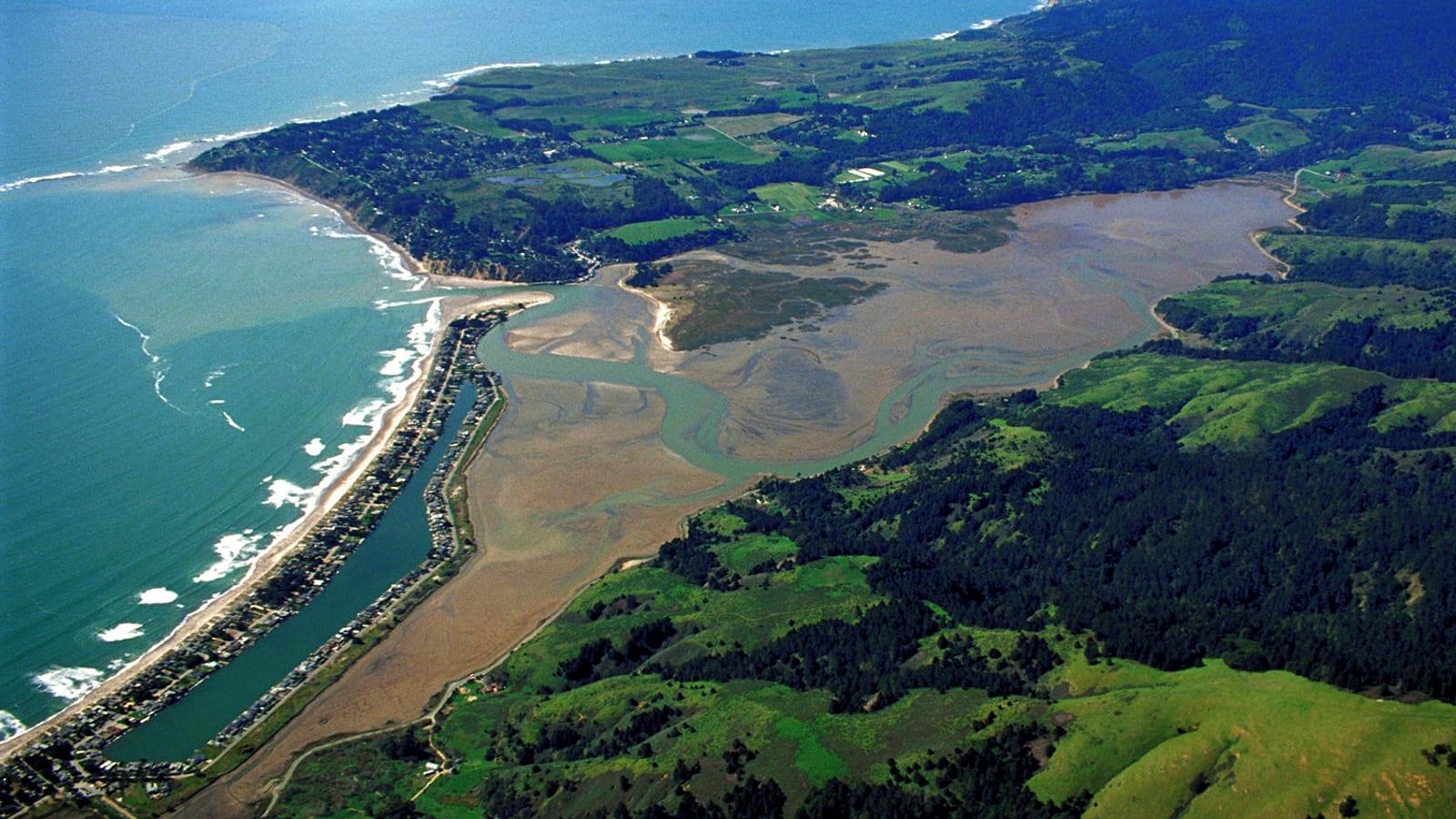
Find Fossils at Bolinas Lagoon Fossil Hunting Guide
California, United States
Fish Vertebrae, Marine Mammal Fragments, Diatoms
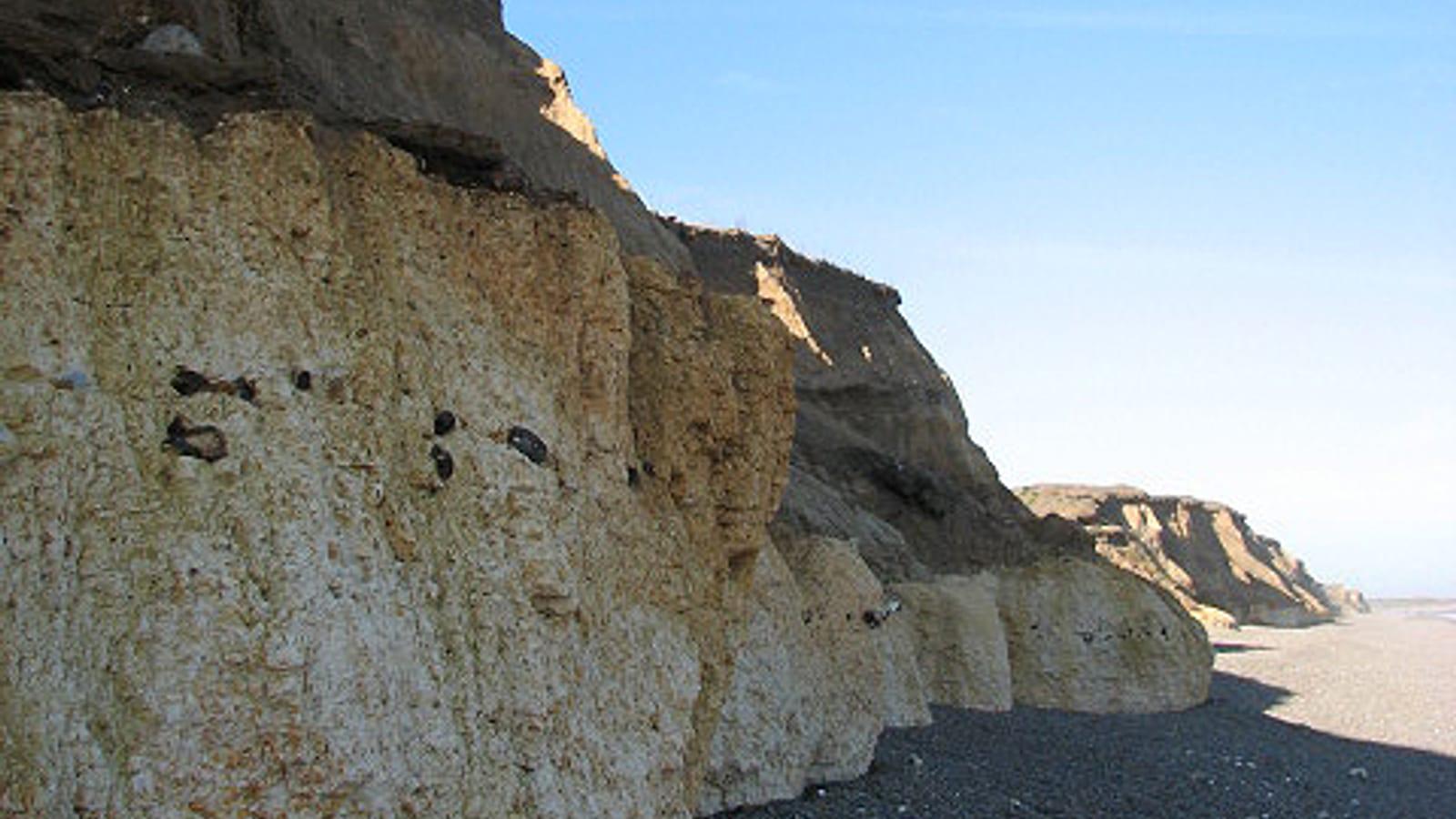
Find Fossils at Tidmoor Point Fossil Hunting Guide
England, United Kingdom
Pyritised and limonitised ammonites, Belemnites, Crustaceans, Marine reptile material
Flat Rocks Inverloch Dinosaur Dig Site Fossil Hunting Guide
Bass Coast
Polar dinosaurs, Early mammal teeth, Fish, Pterosaur
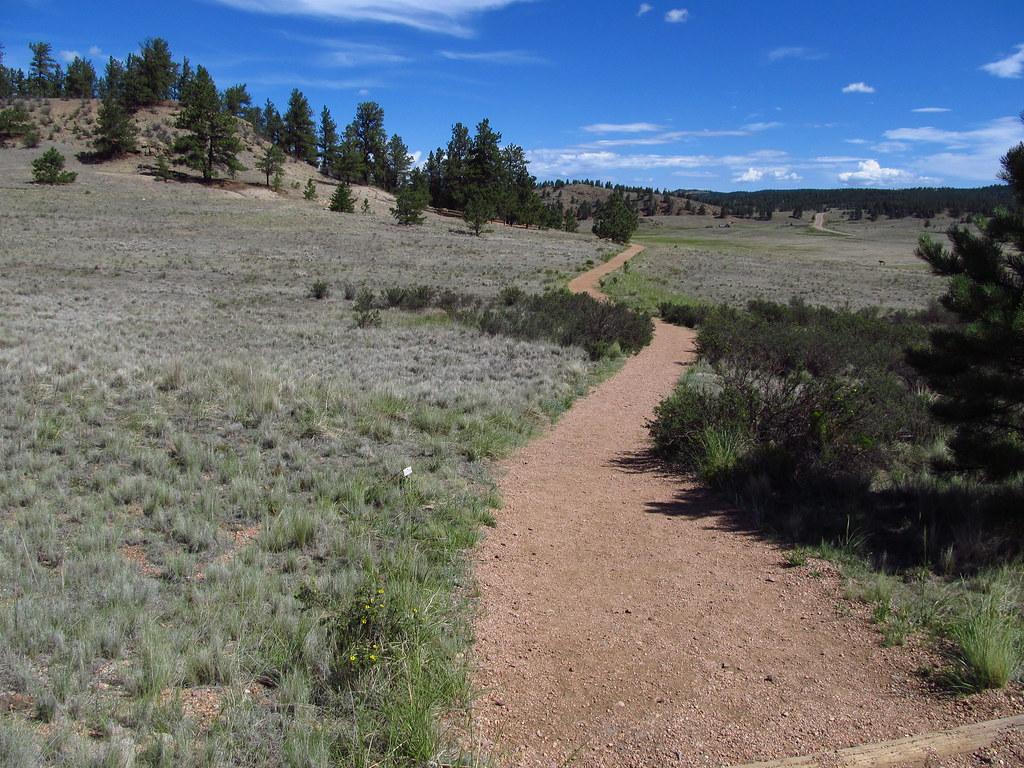
Florissant Fossil Beds National Monument Fossil Hunting Guide
Colorado, United States
Insects, Plant leaves, Petrified redwood stumps, Freshwater fish
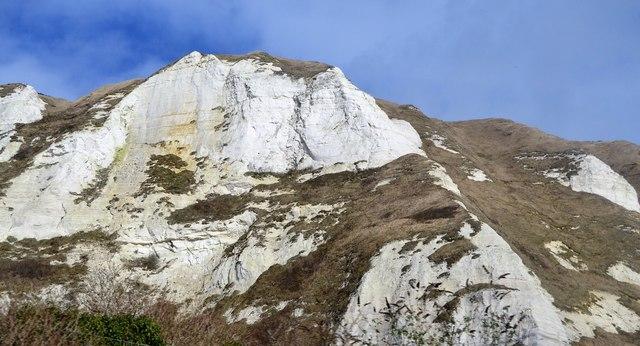
Folkestone Warren and Copt Point Fossil Hunting Guide
Kent, England
Ammonites, Crabs, Shark Teeth, Bivalves
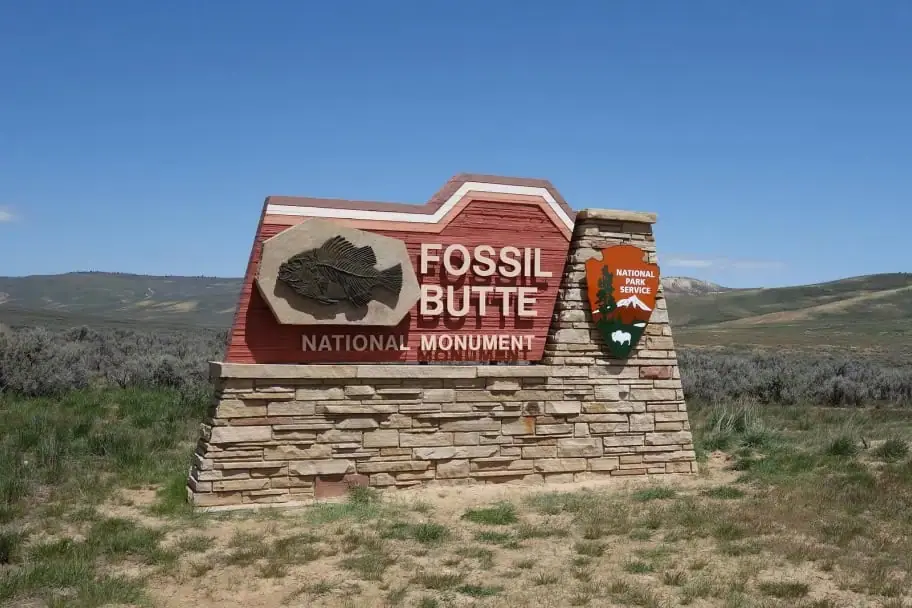
Fossil Butte National Monument Fossil Hunting Guide
Wyoming, United States
Fossil fish (Knightia), Fossil fish (Diplomystus), Fossil fish (Phareodus), Eocene plants
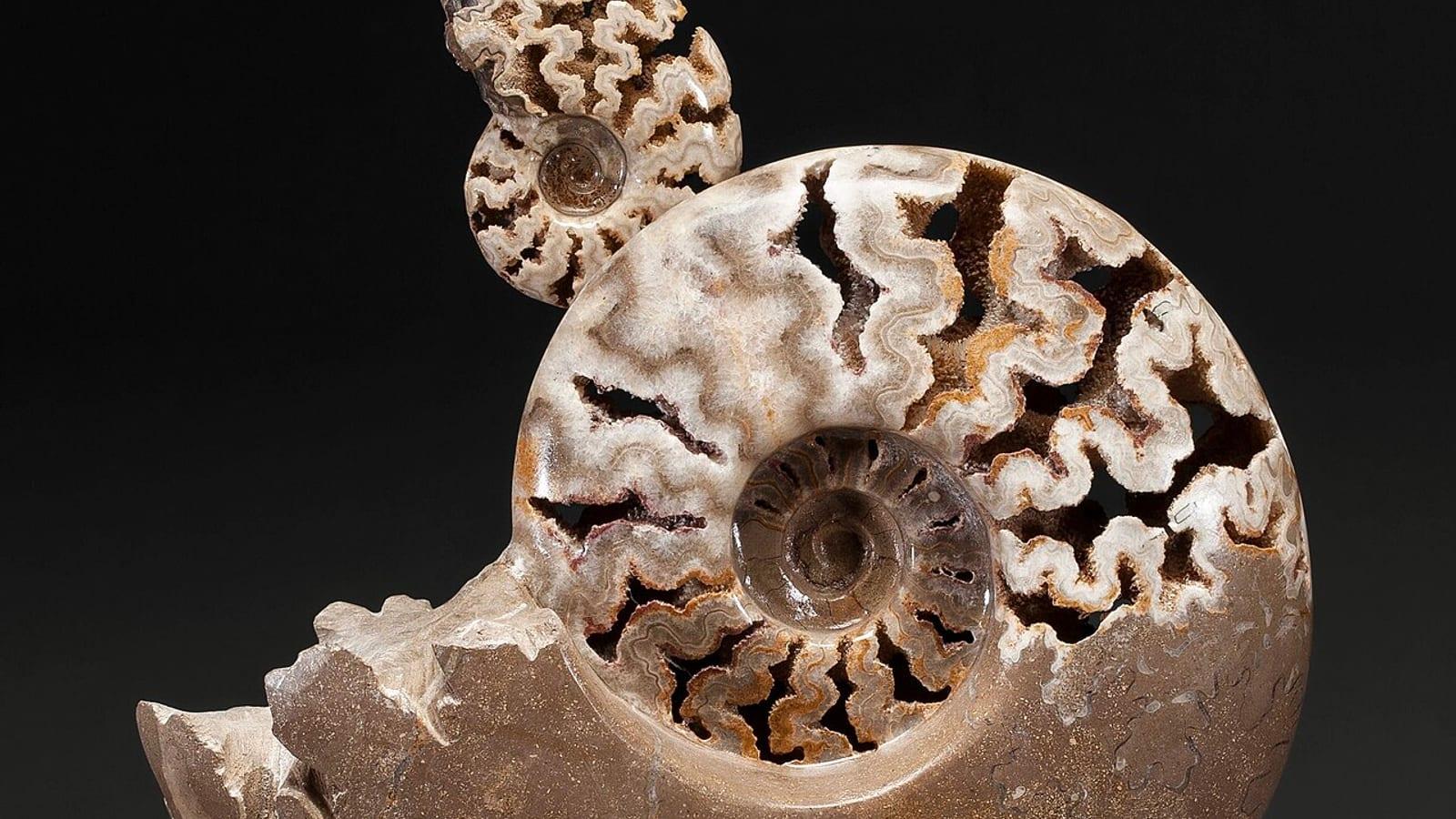
Fossiliensammelstelle Titting Free Fossil Hunting Guide
85125 Titting
Ammonites, Crinoid fragments, Belemnites and bivalves, Plant fossils
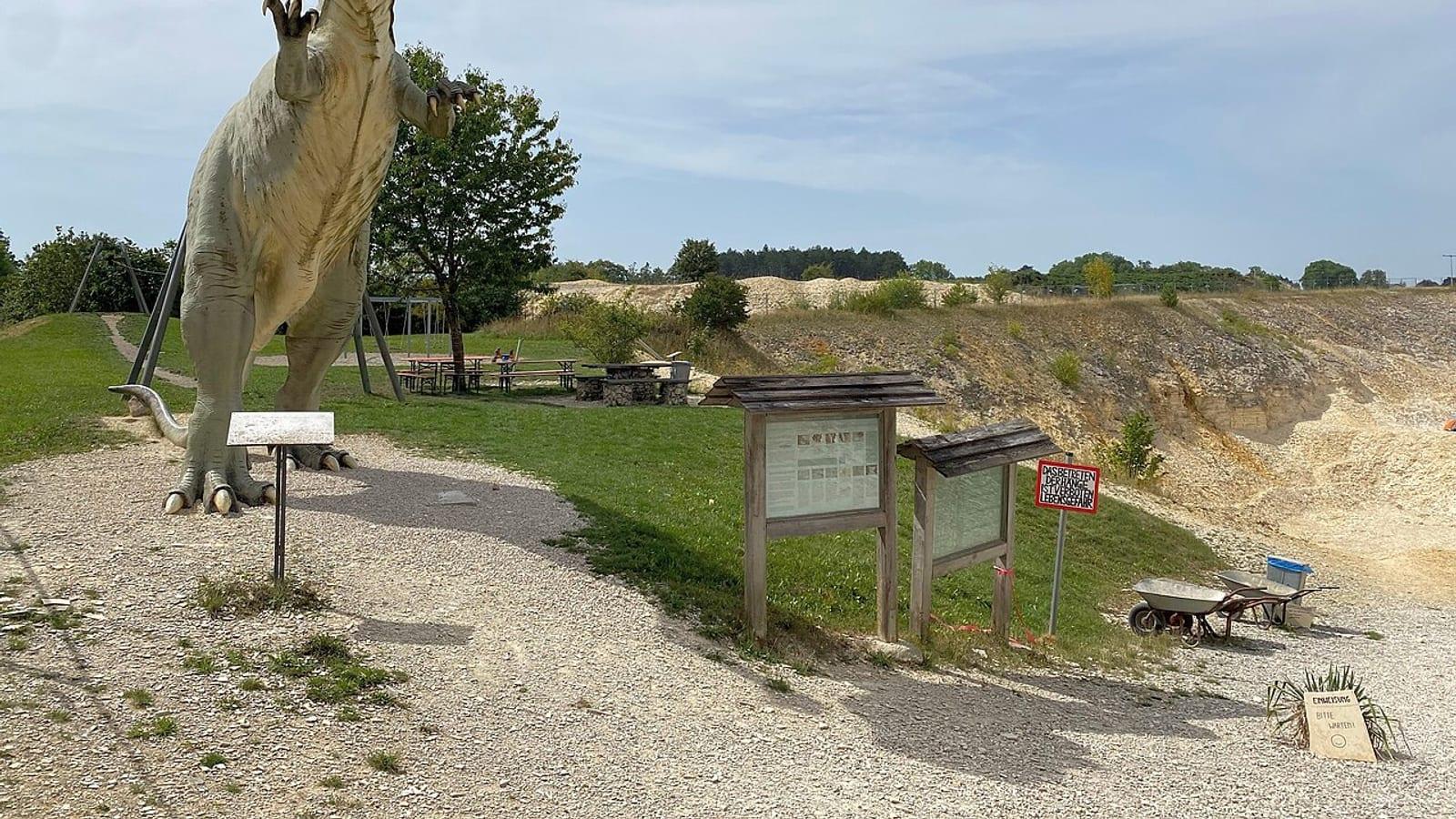
Fossiliensteinbruch Blumenberg Eichstatt Fossil Hunting Guide
Germany
Ammonites, Fish fossils, Shrimp, Crinoids and belemnites
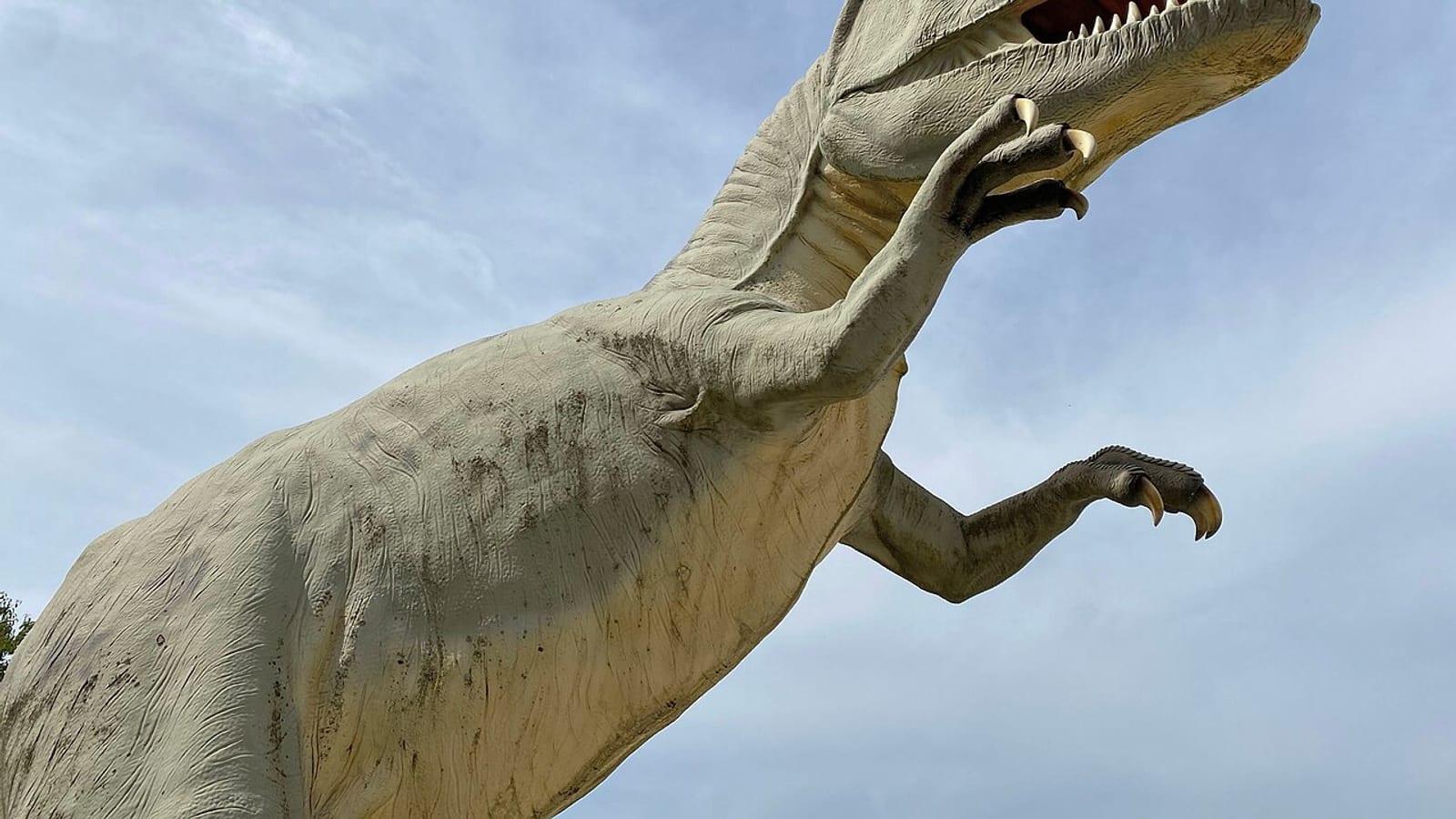
Fossiliensteinbruch Schamhaupten Fossil Hunting Guide
Germany
Ammonites, Crinoids, Fish fossils, Shrimp and belemnites
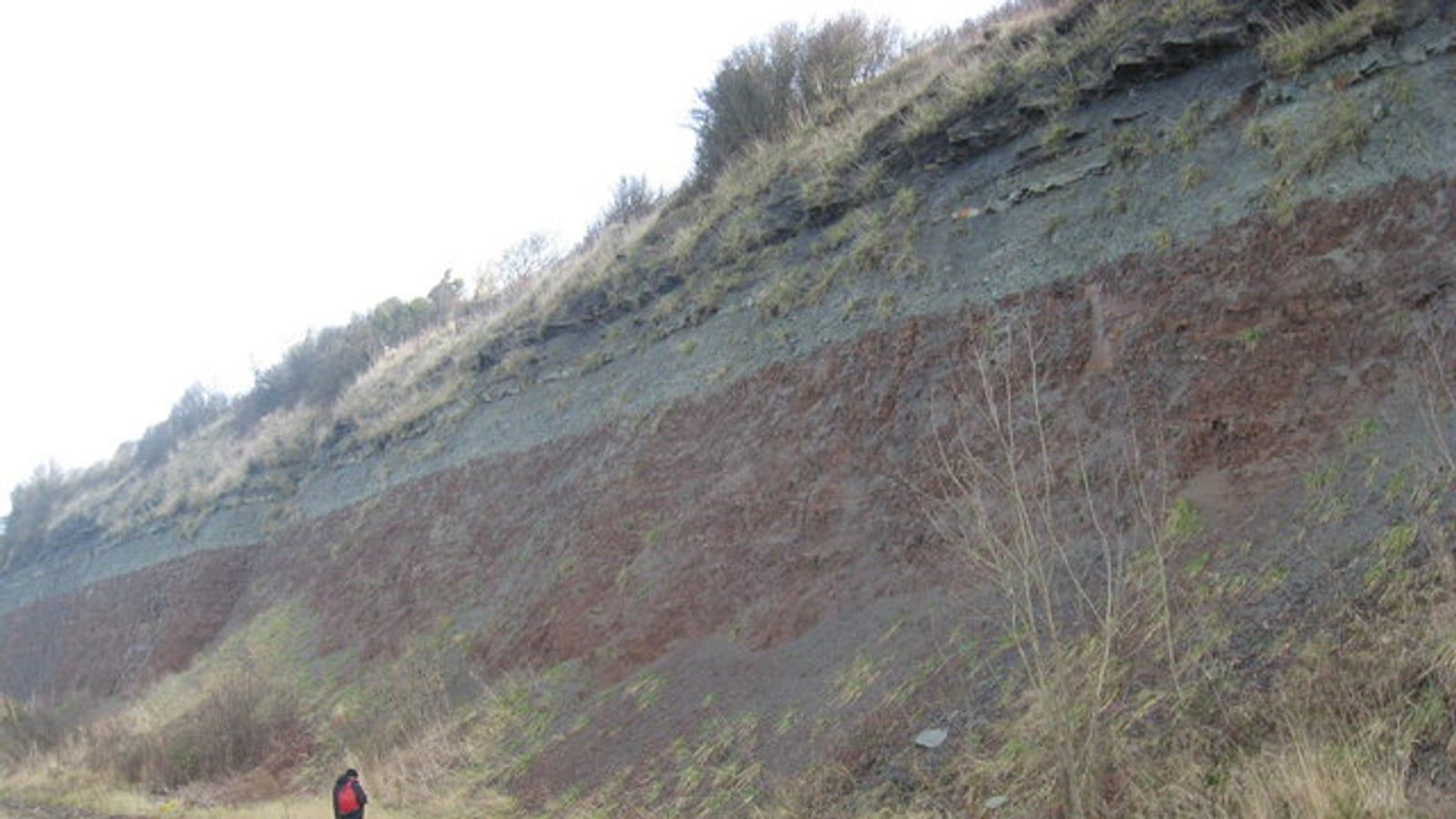
Fossils of Aust Cliff Fossil Hunting Guide
England, United Kingdom
Shark teeth, Fish scales and teeth, Reptile remains, The Blue Lias
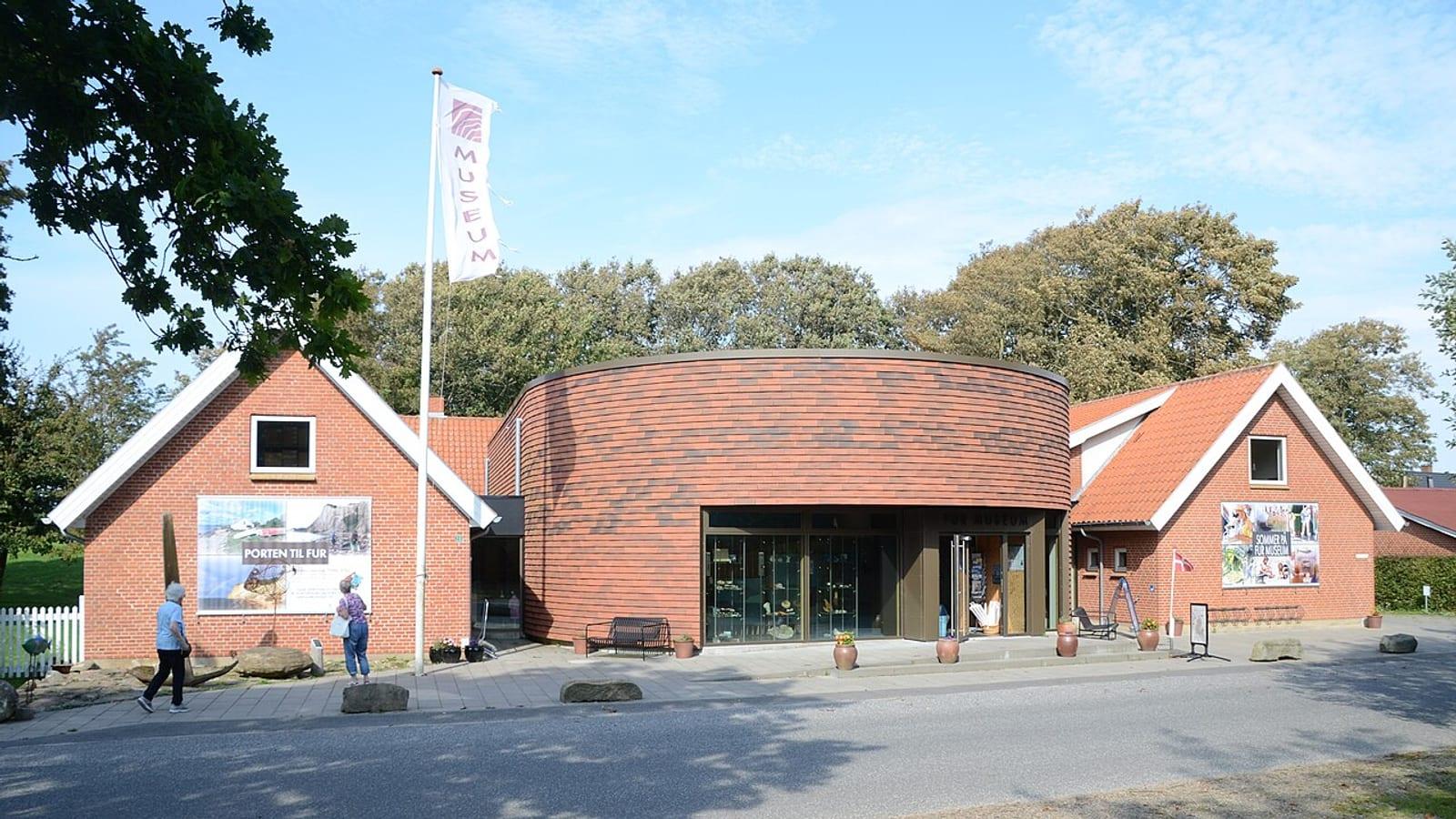
Fur Museum Dig Eocene Fish Insect Fossils Fossil Hunting Guide
7884 Fur
Fish, Insects, Plant fossils
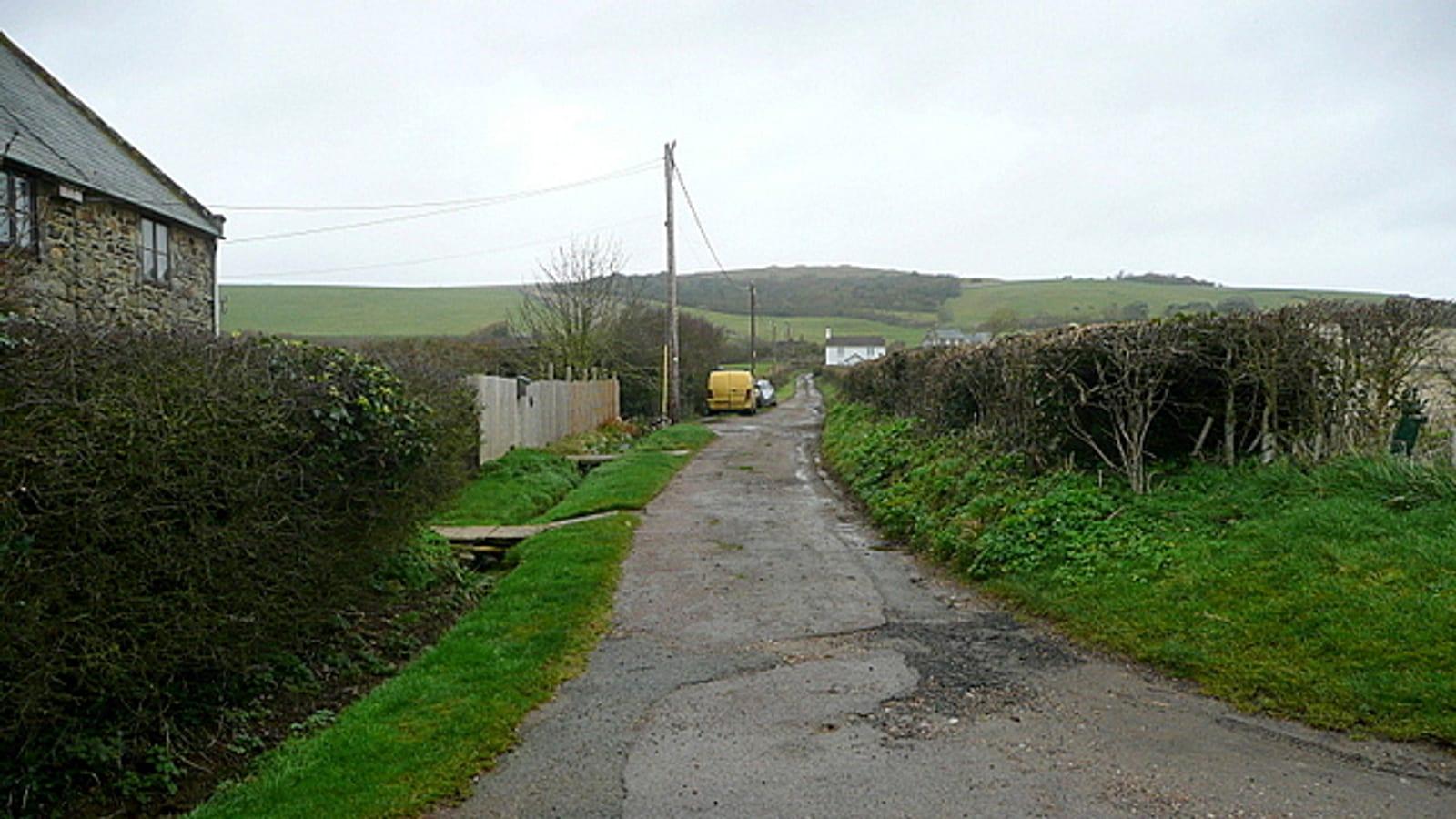
Hamstead Isle of Wight Fossil Hunting Guide
United Kingdom
Mollusc shells, Plant seeds and fragments, fish remains, Crocodile remains
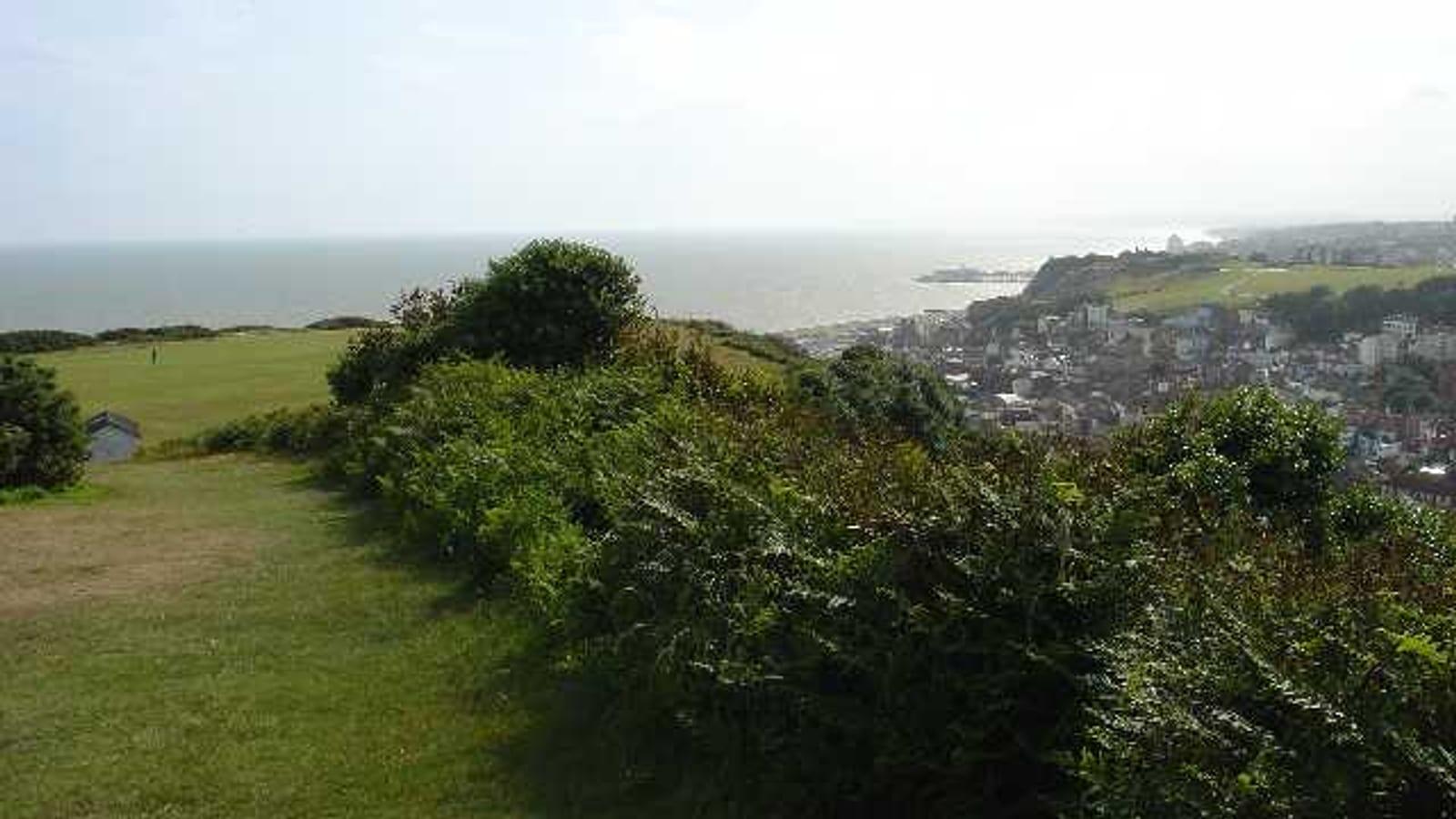
Hastings East Sussex Fossil Hunting Guide
Hastings
Dinosaur bones and teeth, Dinosaur footprints, Freshwater molluscs, Plant material
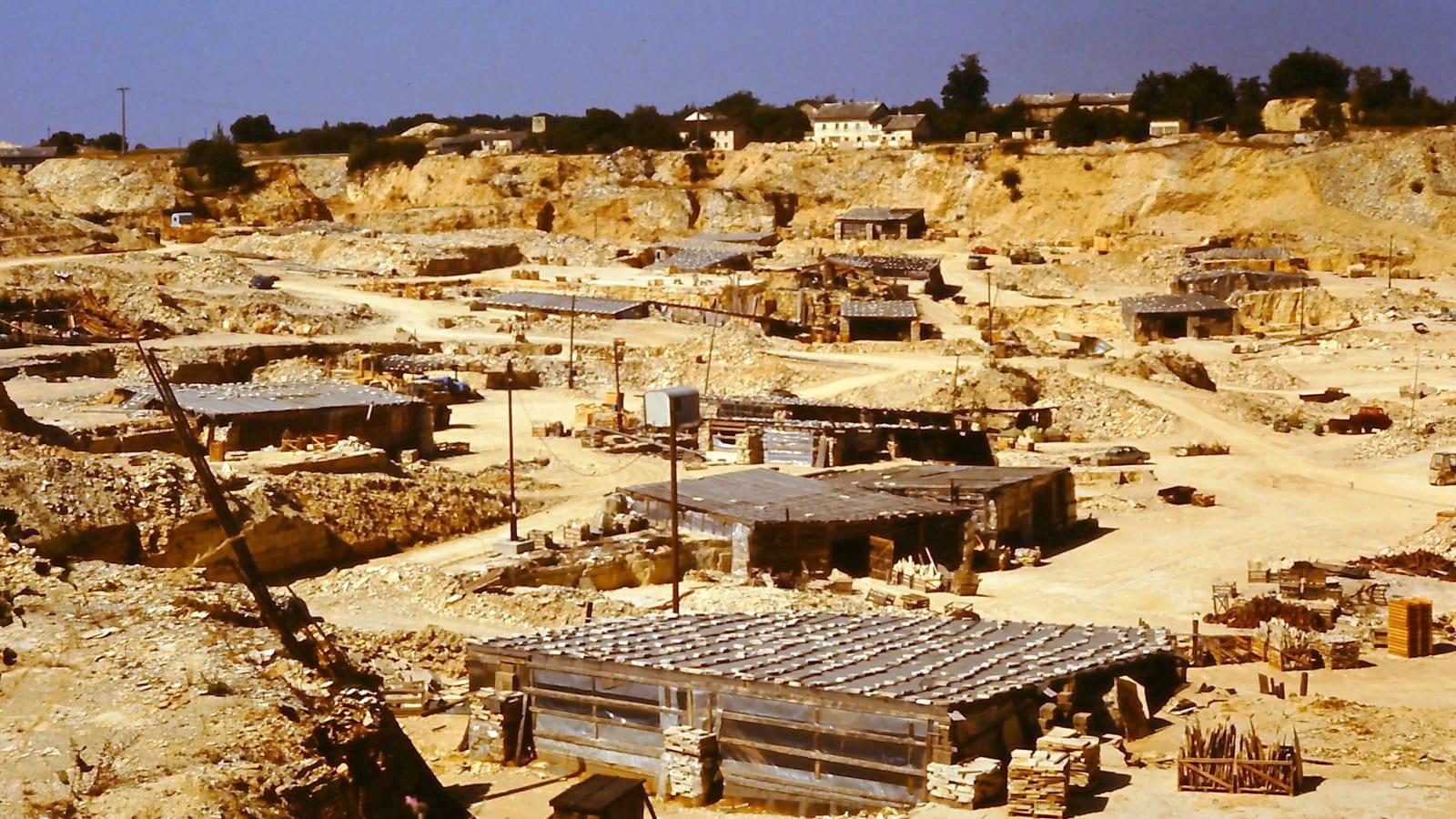
Hobbysteinbruch Solnhofen Fossil Hunting Guide
91807 Solnhofen
Ammonites, Fish fossils, Shrimp, Crinoids
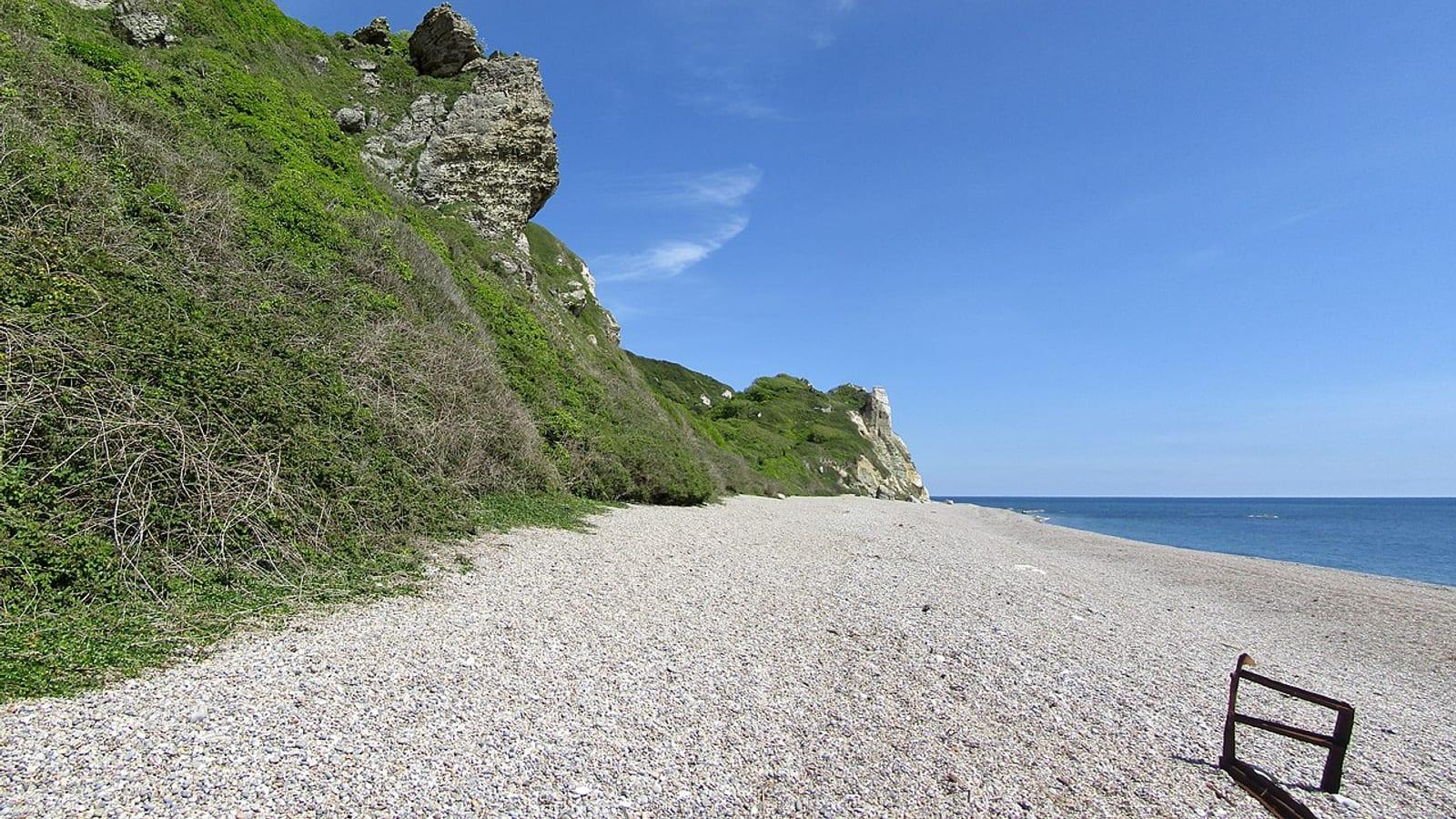
Hooken Cliff Beer Devon Fossil Hunting Guide
United Kingdom
Echinoids, Ammonites, Fish remains, Brachiopods
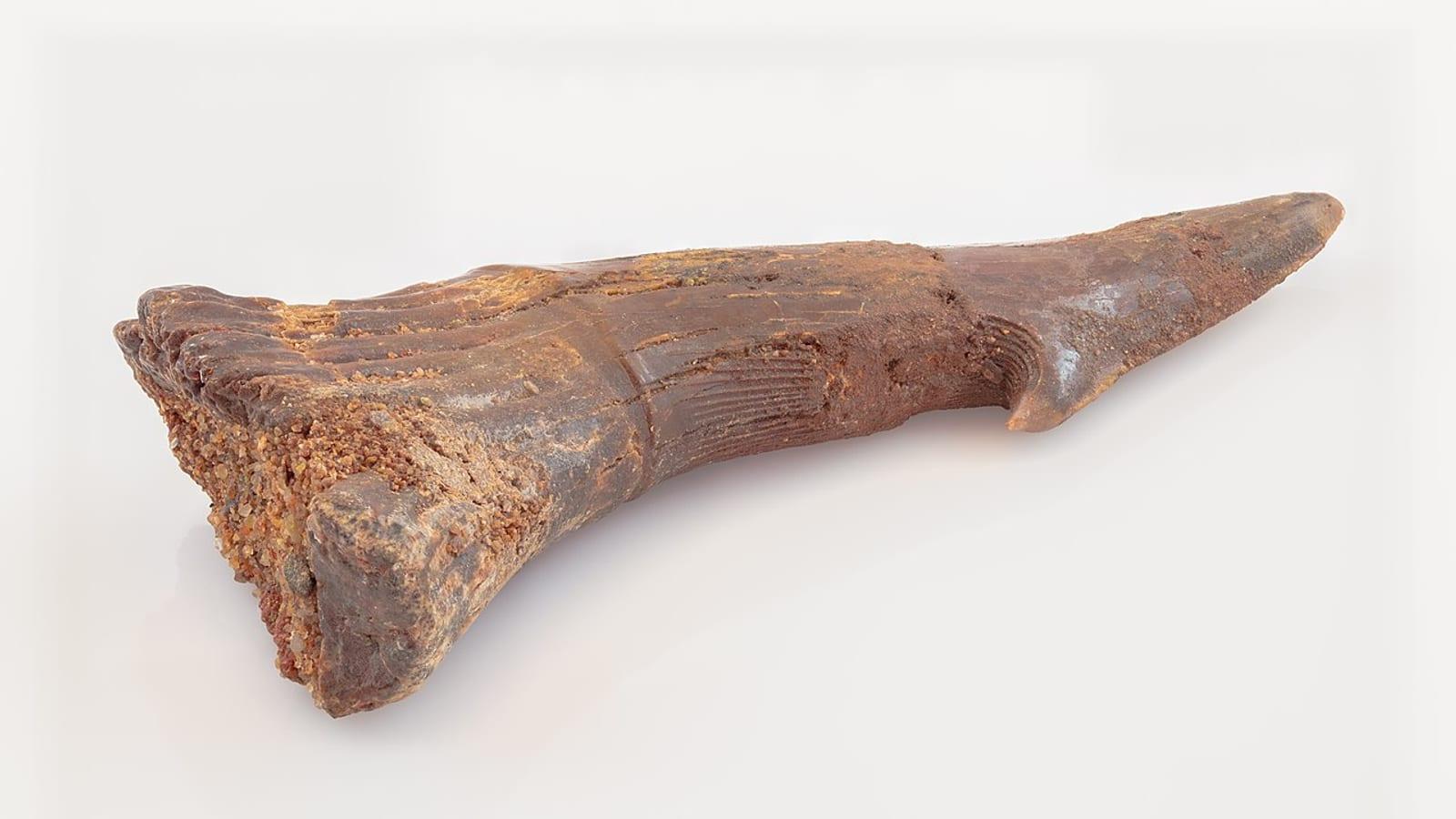
Kem Kem Dinosaur Fossil Beds Taouz Fossil Hunting Guide
Morocco
Spinosaurus aegyptiacus, Carcharodontosaurus saharicus, Fish fossils, Crocodyliform
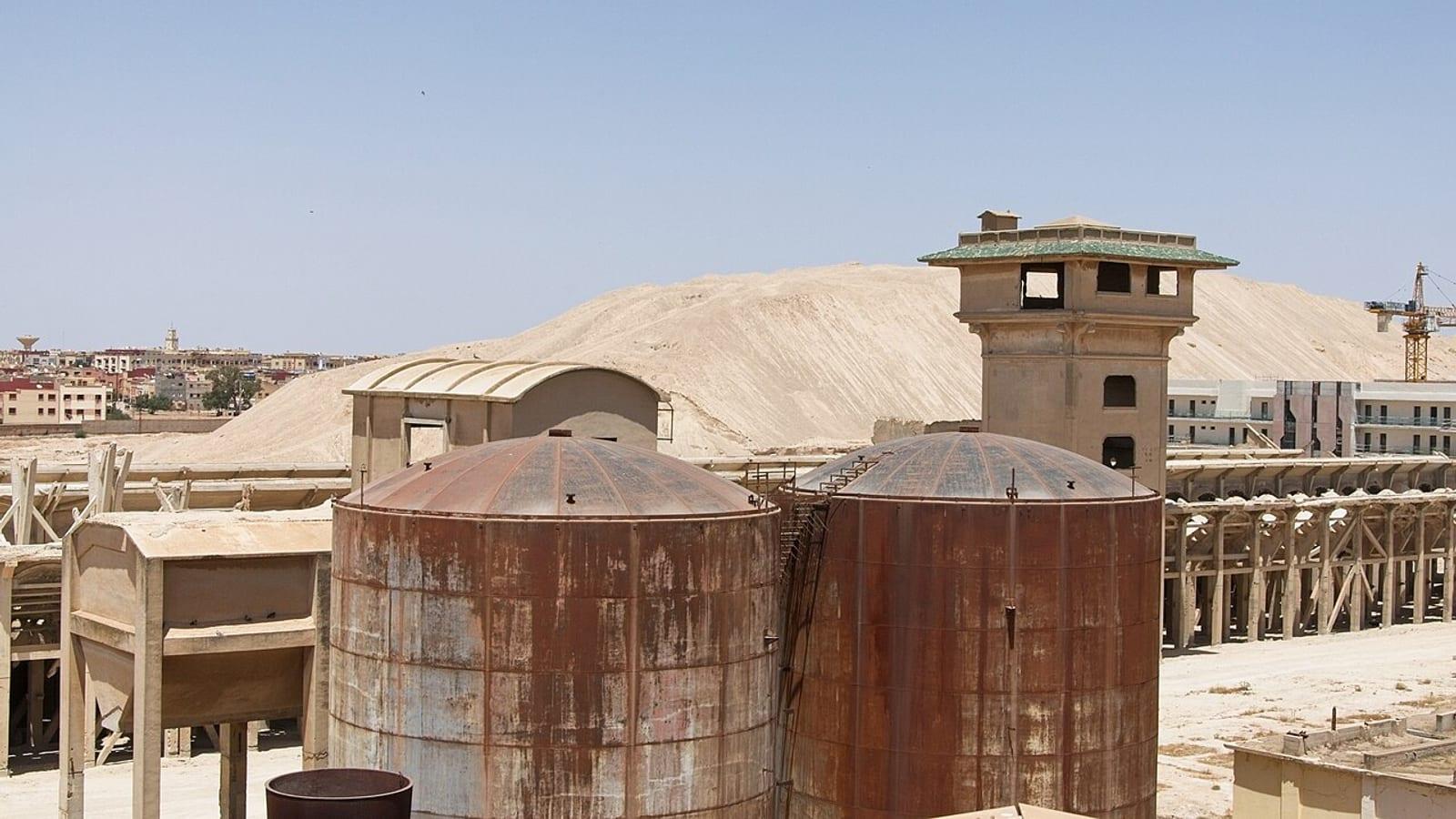
Khouribga Phosphate Shark Tooth Site Fossil Hunting Guide
Morocco
Shark teeth, Mosasaur teeth, Fish remains, Marine reptile bones
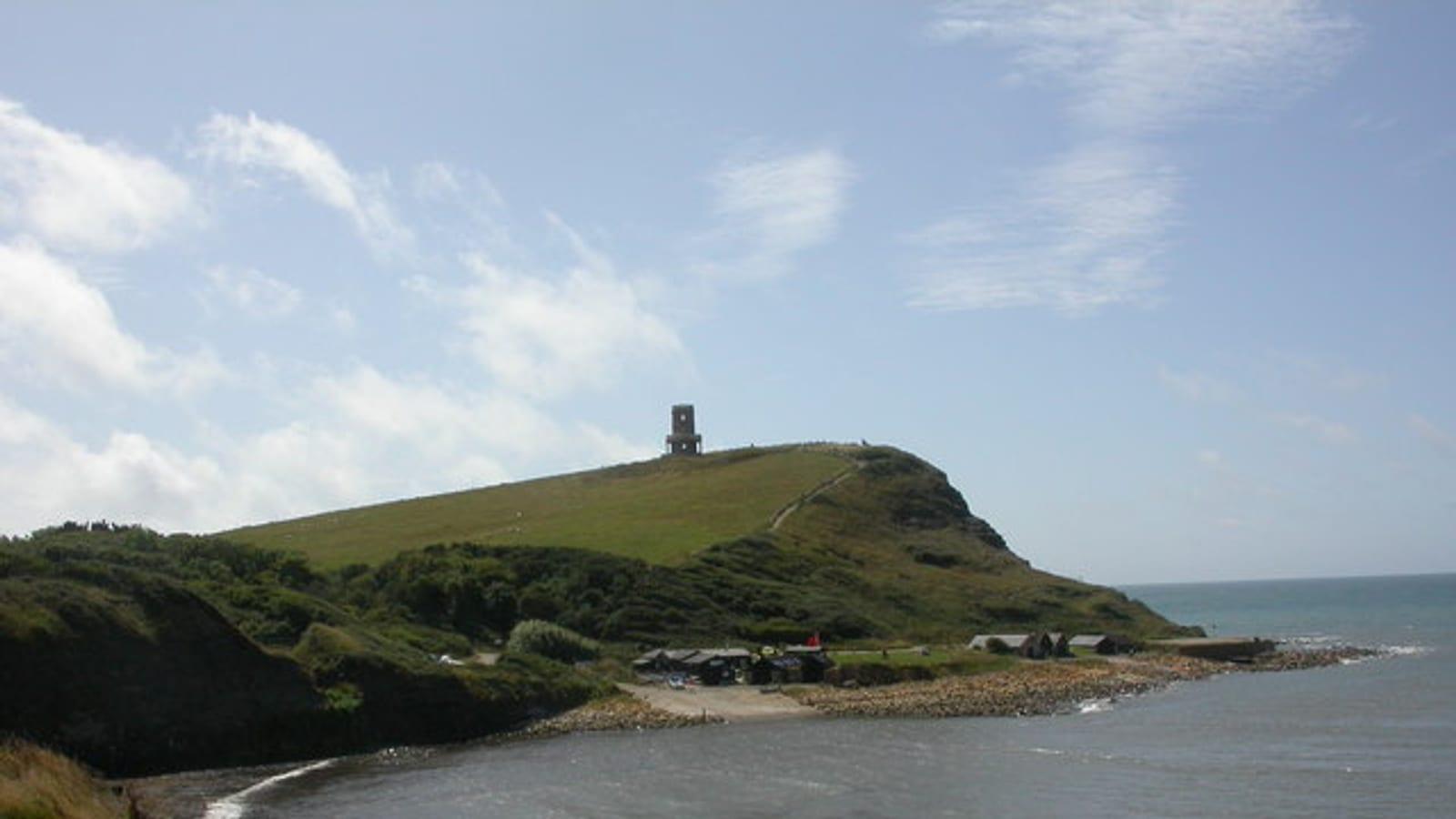
Kimmeridge Bay Fossil Hunting Guide
Wareham
Etches Collection Museum, Ammonites, Belemnites, Bivalves
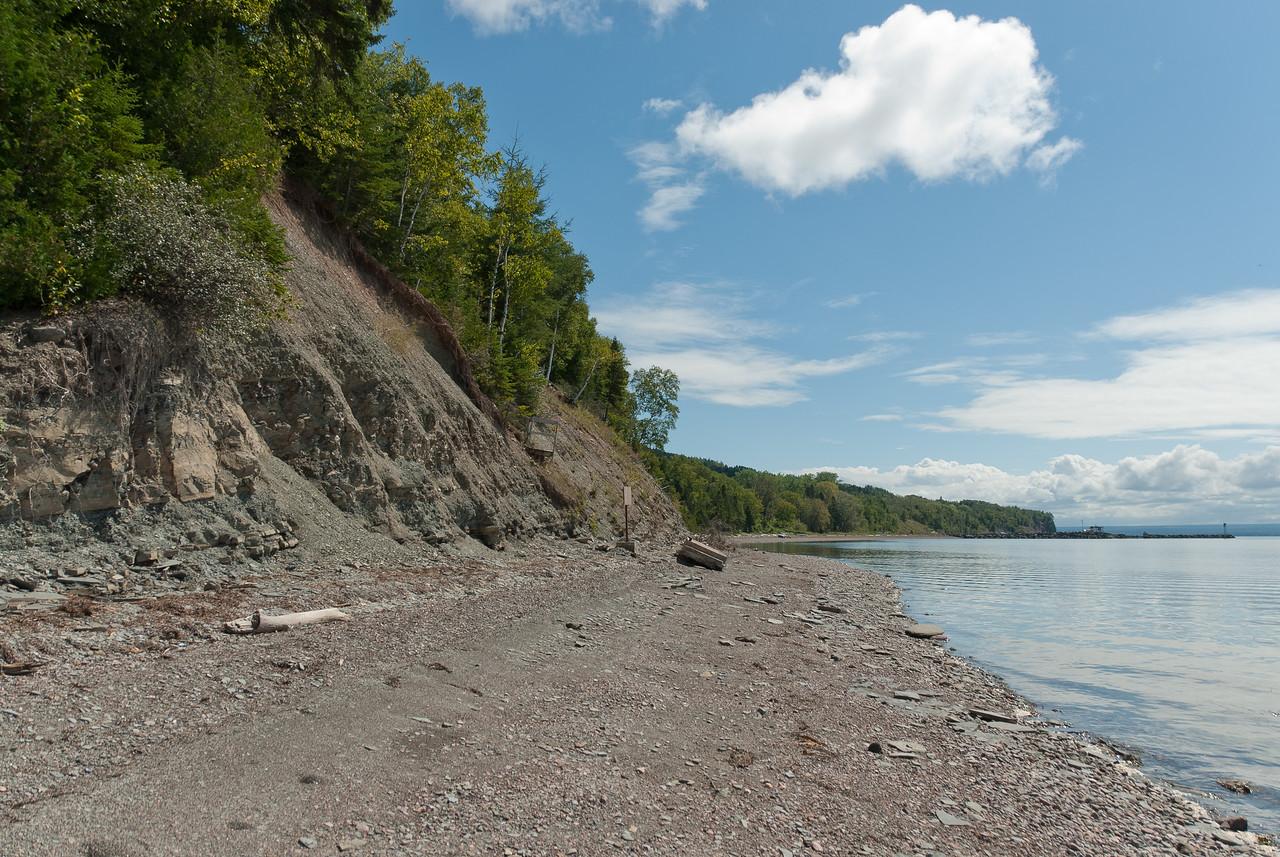
Miguasha National Park Fossil Guide
Quebec, Canada
Sarcopterygian fish, Placoderms, Acanthodians, Early tetrapod ancestors
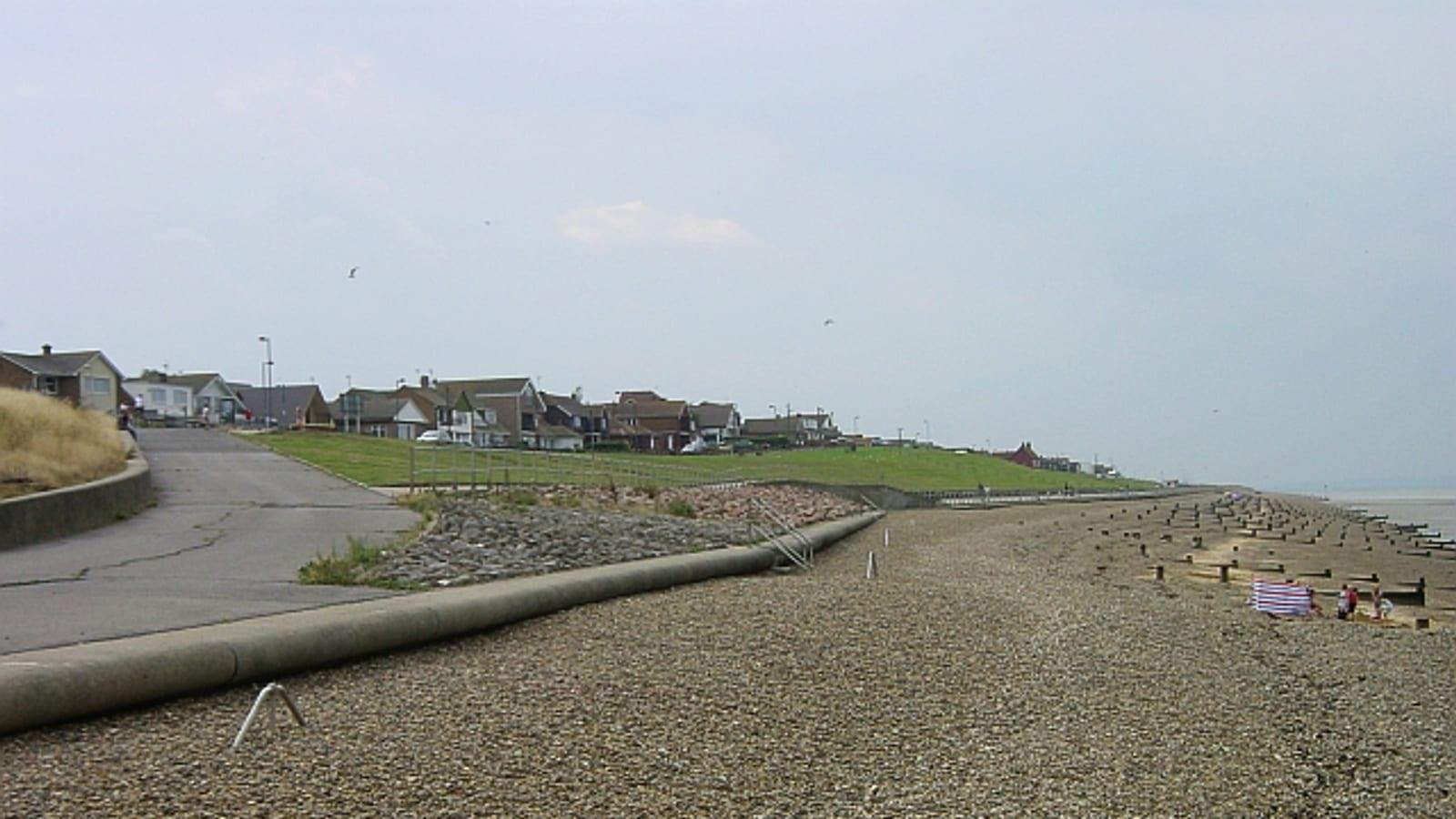
Minster Beach Isle of Sheppey Fossil Hunting Guide
United Kingdom
Plant remains, Nipa palm seeds, Shark Teeth, Fish Vertebrae
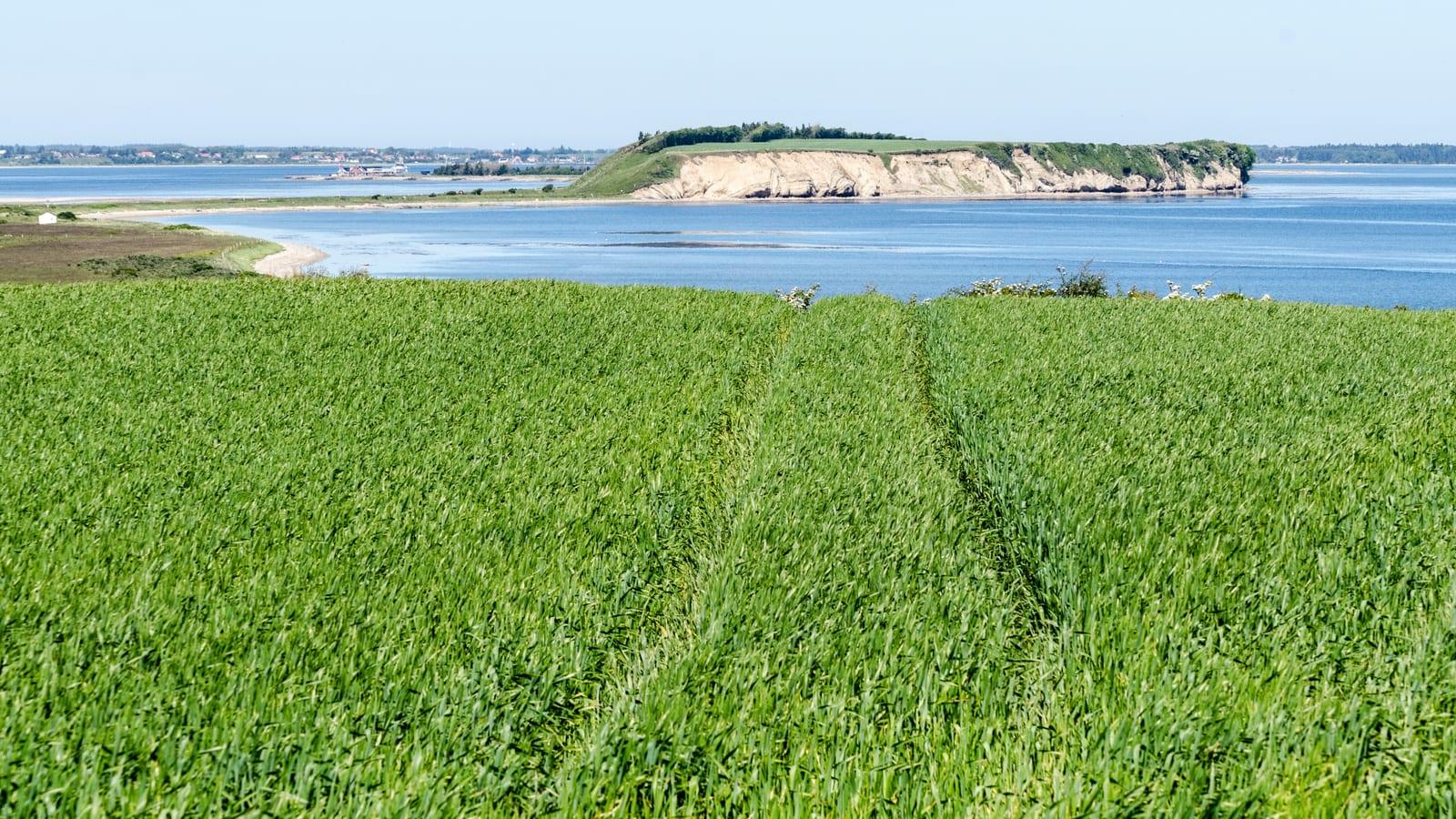
Mors Island Moler Museum Eocene Fossil Digging Fossil Hunting Guide
7900 Nykobing Mors
Fish, Insects, Plant fossils
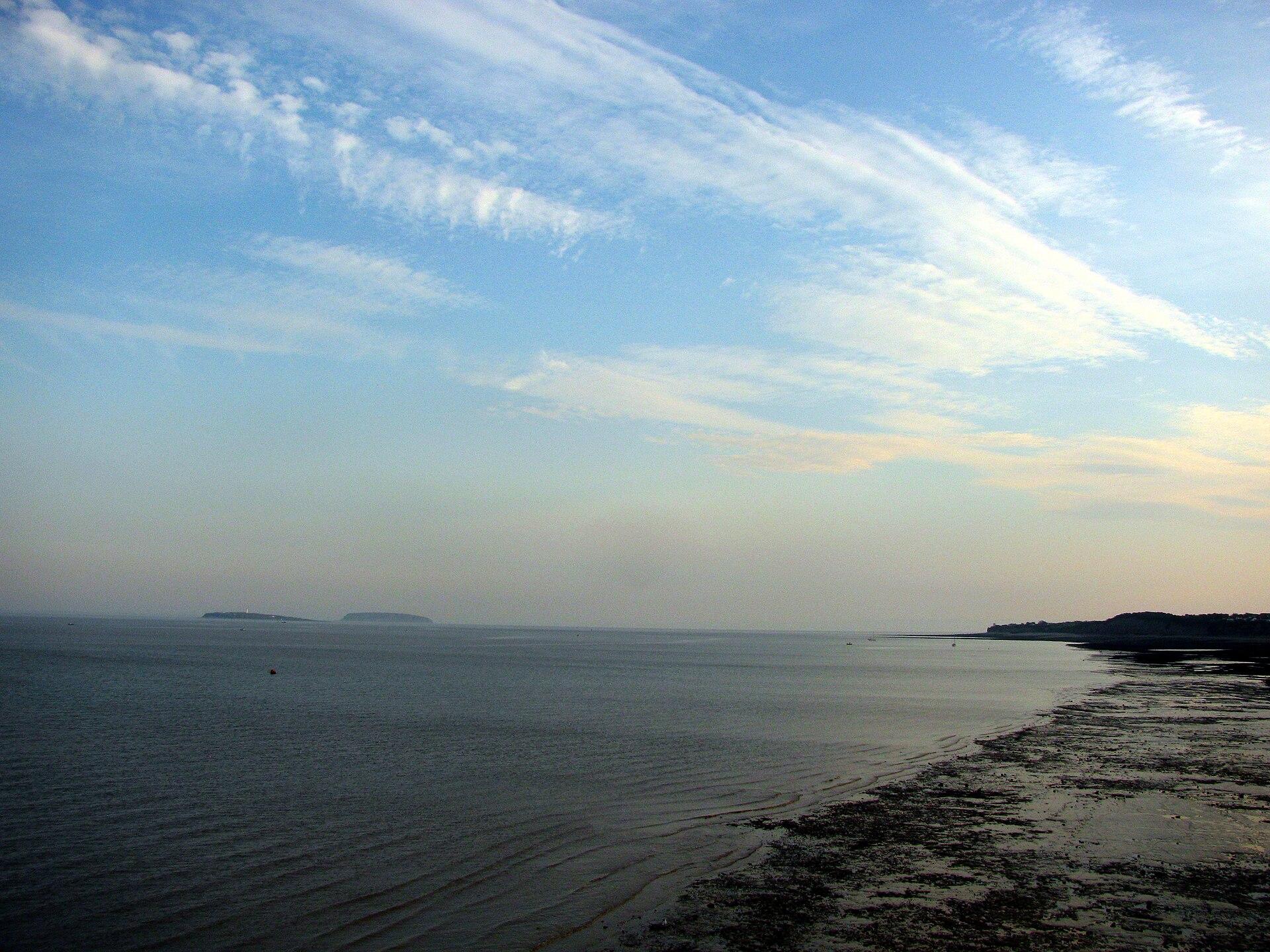
Penarth Beach Fossil Hunting Guide
South Wales, United Kingdom
Ammonites, Bivalves, Brachiopods, Gastropods
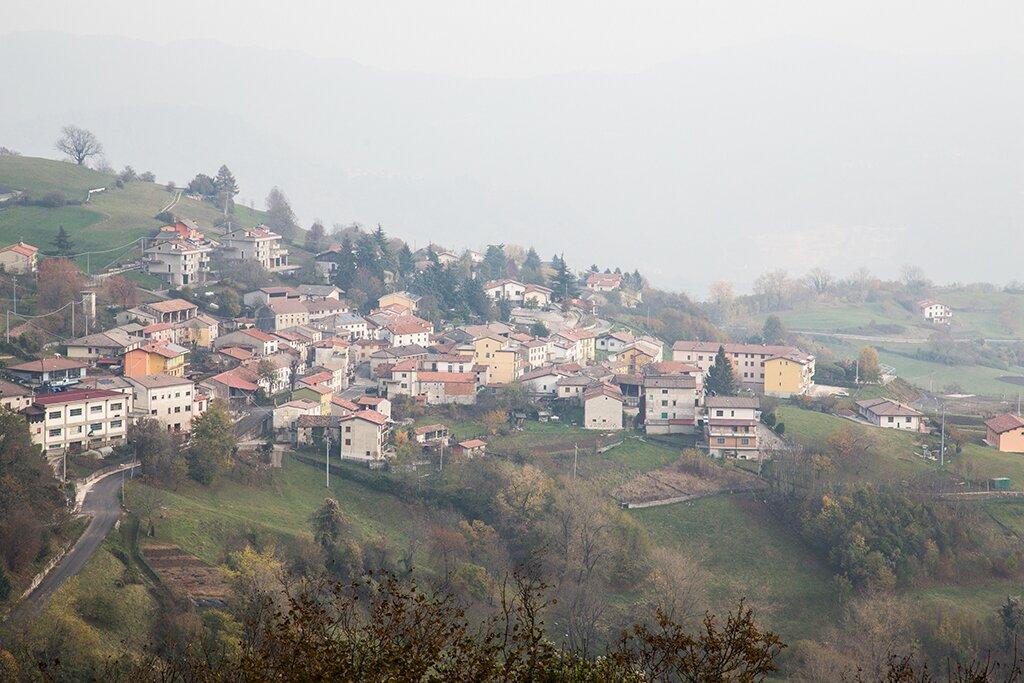
Pesciara di Bolca Fossil Quarry Guide
Veneto, Italy
Eocene fish, Crustaceans, Plants, Insects
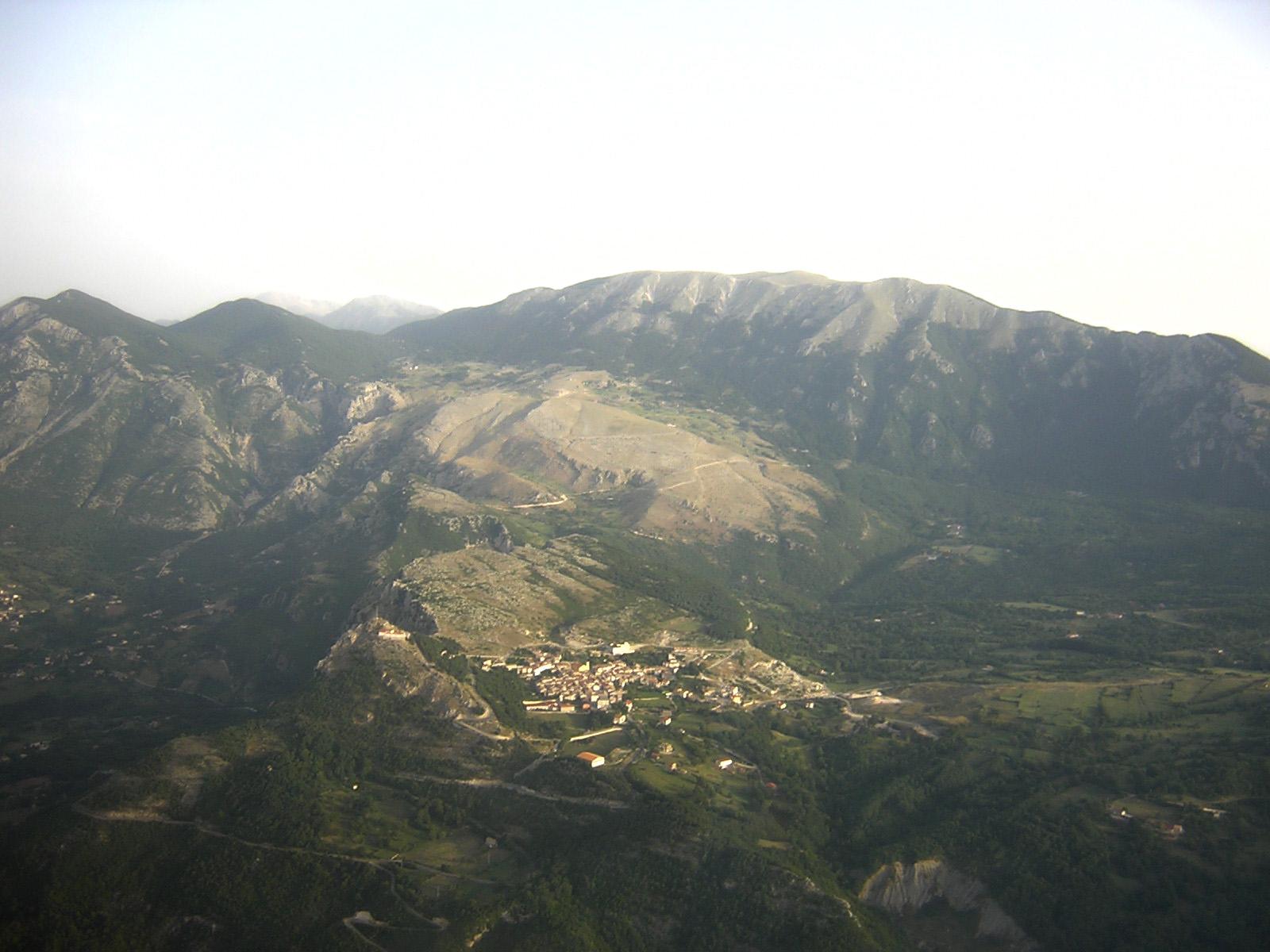
Pietraroja Plattenkalk Geosite Fossil Hunting Guide
Campania, Italy
Scipionyx samniticus (theropod), Notagogus parvus (fish), Belonostomus, Halecostome fish
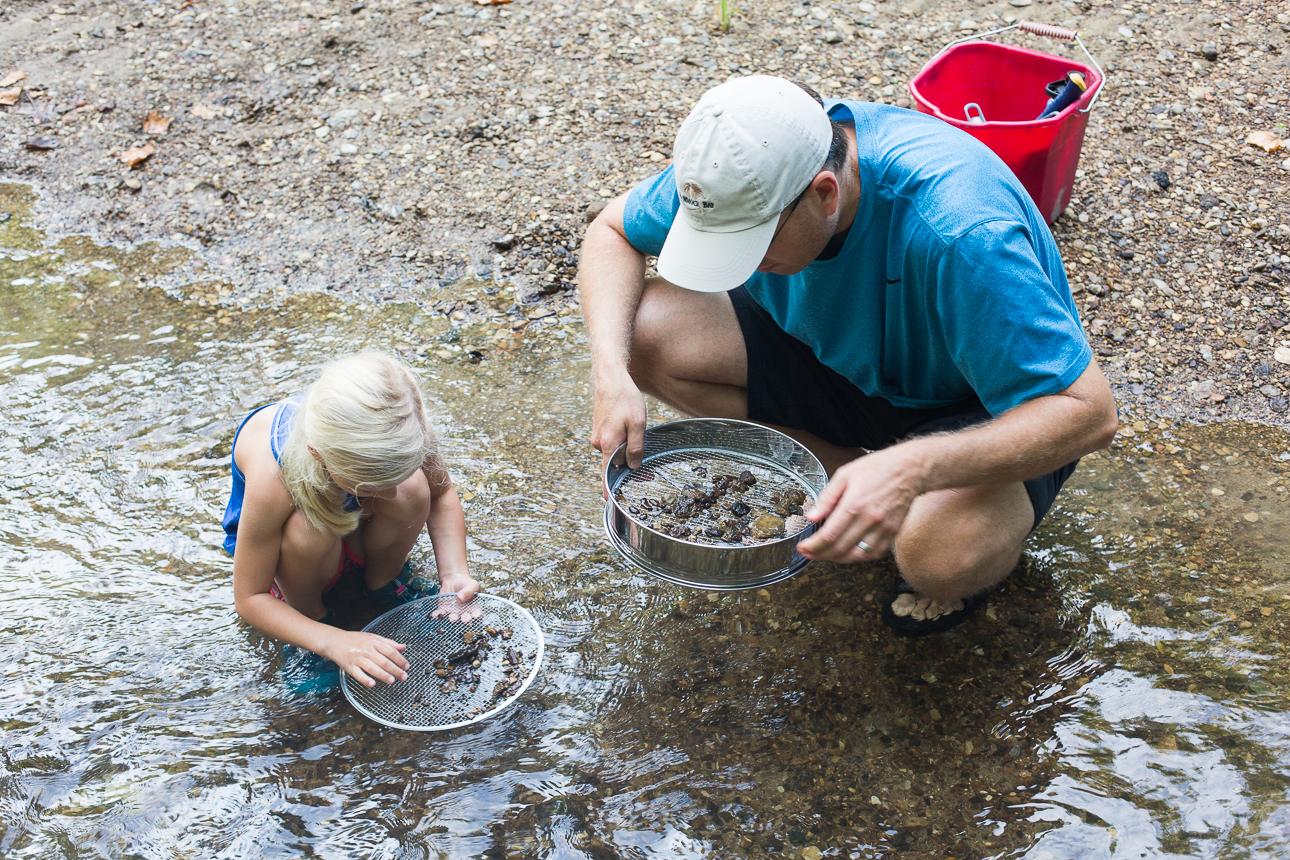
Post Oak Creek Fossil Hunting Guide
Texas, United States
Shark Teeth, Bivalves, Ammonites, Mosasaur teeth
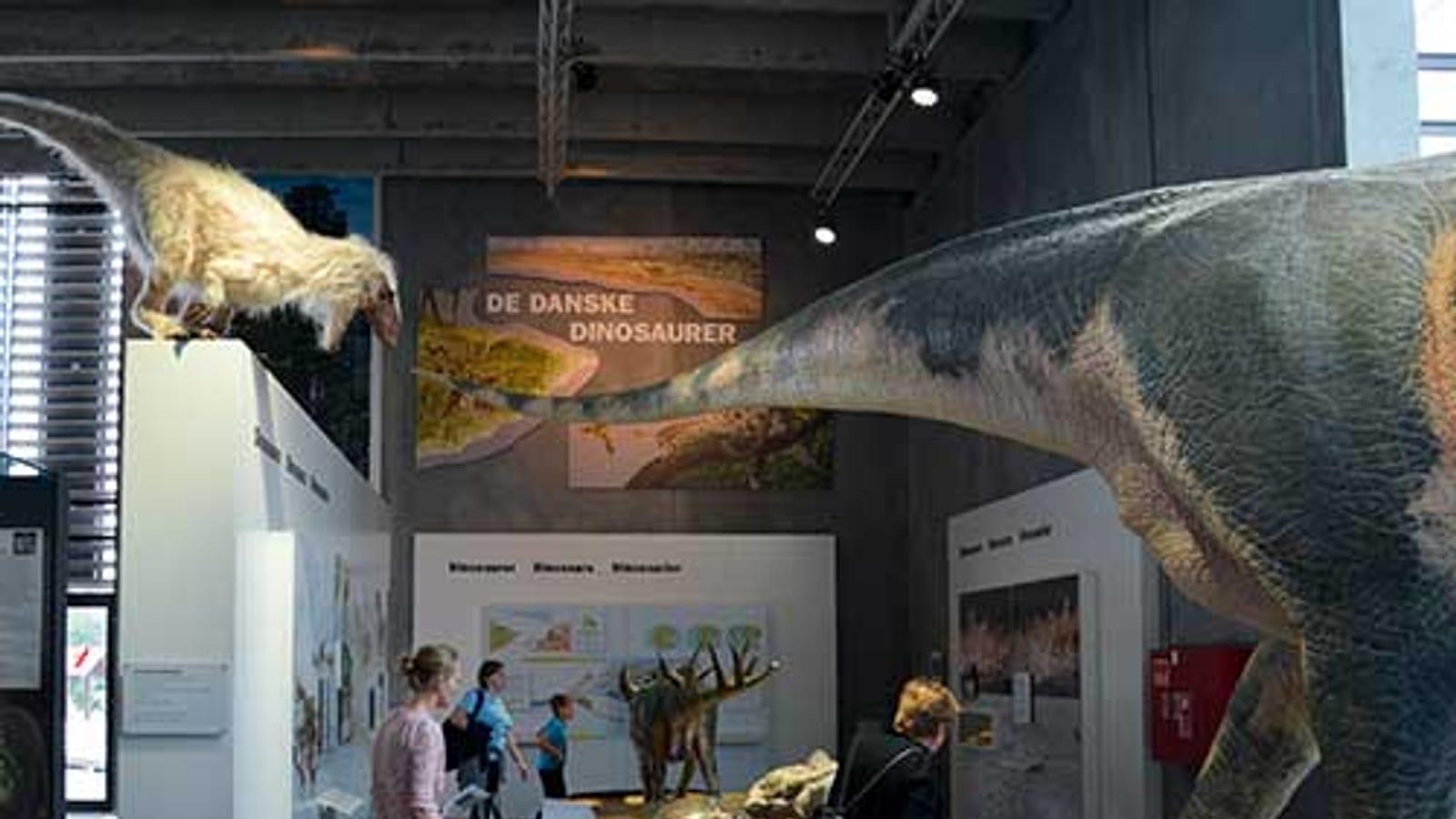
Robbedale Gravel Pit Fossil Hunting Guide
Denmark
Theropod dinosaur teeth, Ornithopod dinosaur teeth, Crocodyliform teeth, Fish teeth and scales
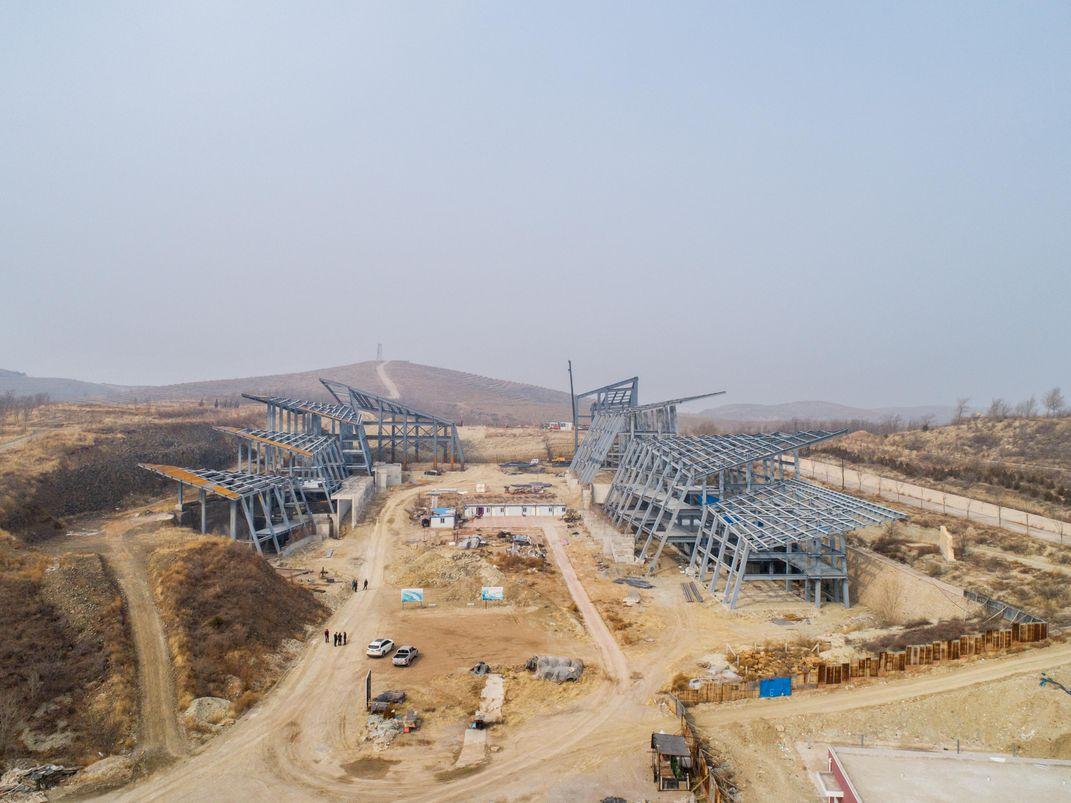
Sihetun Fossil Dig Site Guide
Liaoning, China
Feathered dinosaurs, Early birds, Pterosaurs, Early mammals
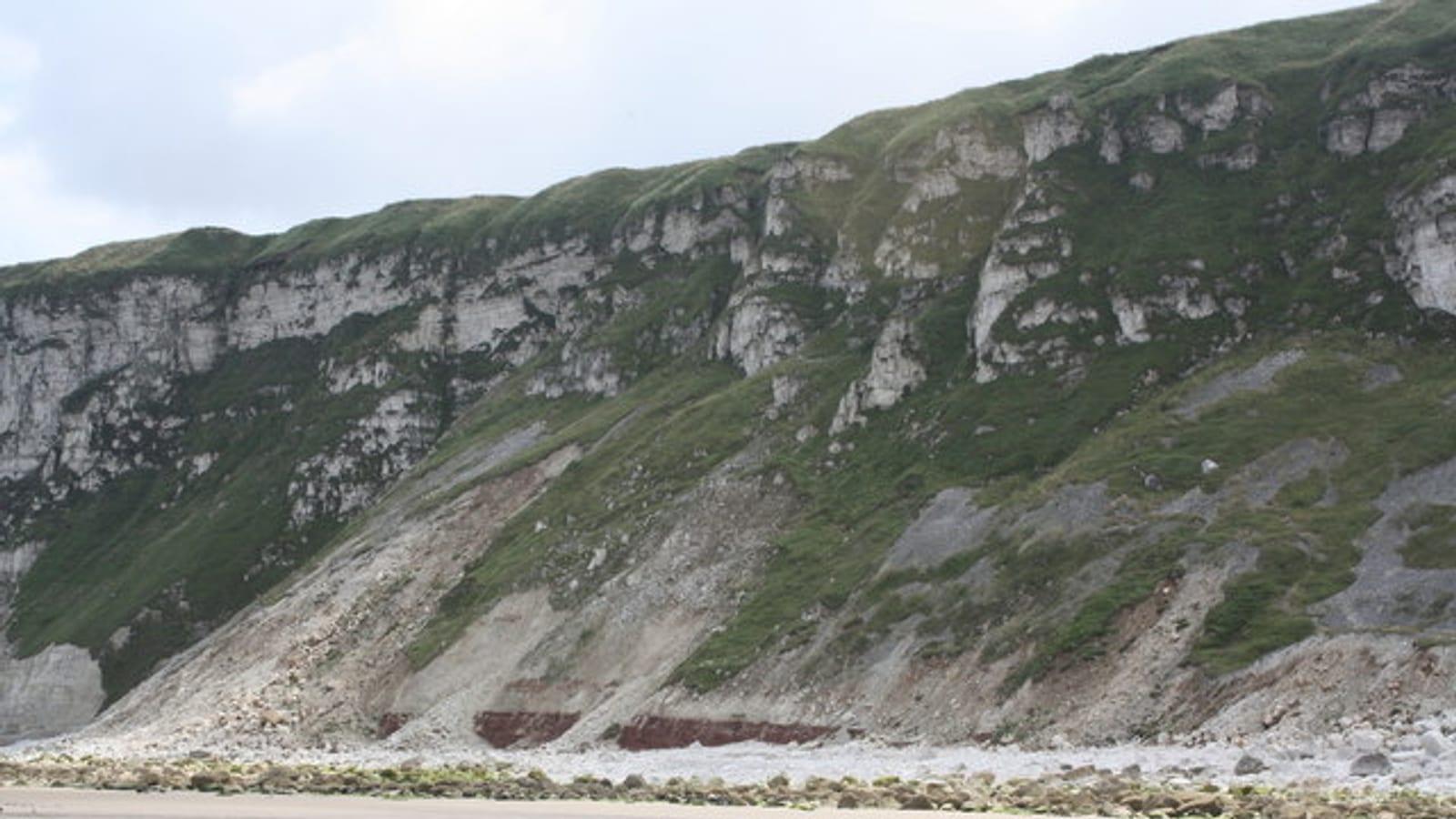
Speeton Cliffs Yorkshire Fossil Hunting Guide
United Kingdom
Ammonites, Belemnites, The Speeton Shrimp, Echinoids
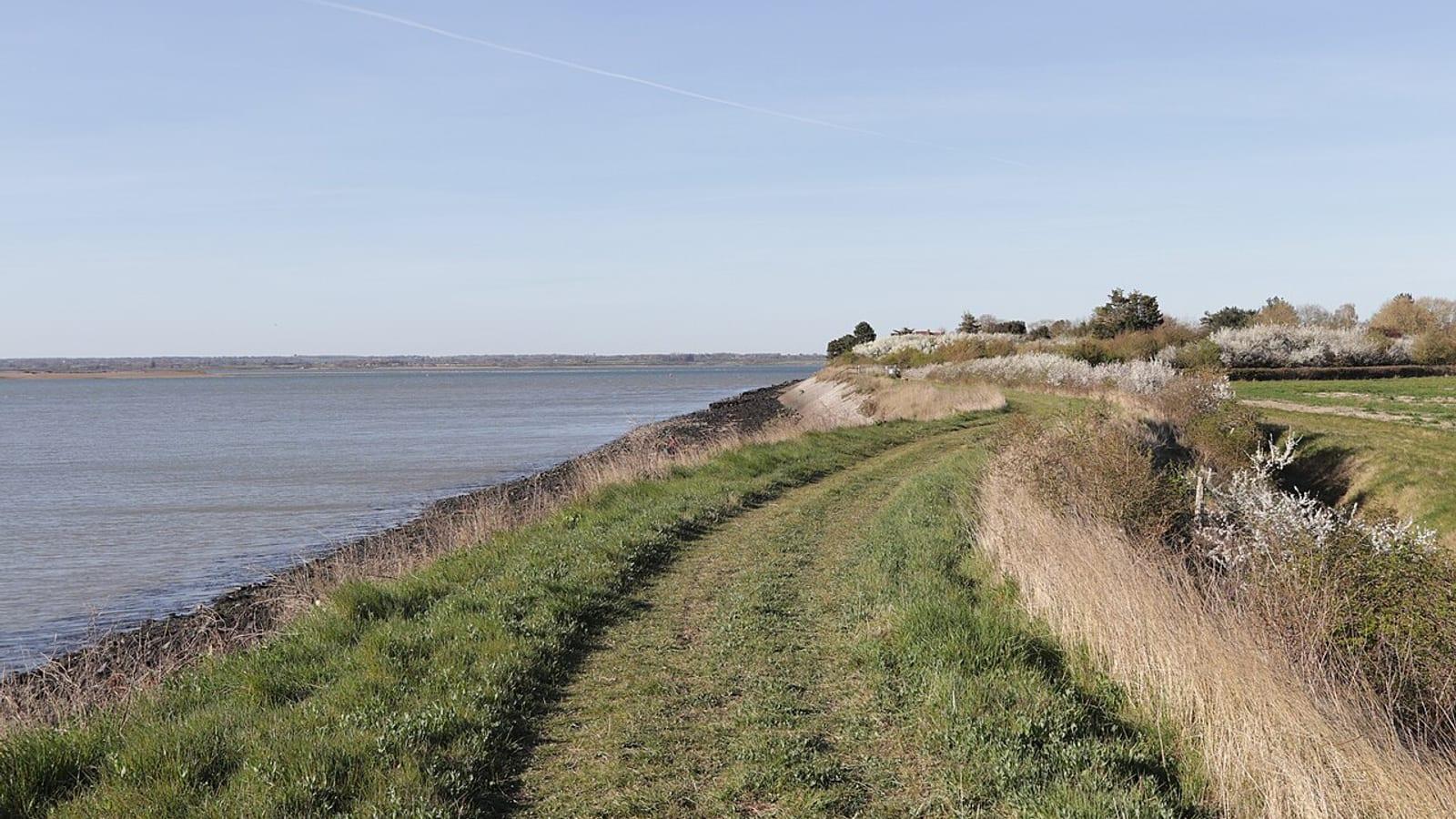
Stansgate Essex London Clay Fossil Hunting Guide
United Kingdom
Phosphatic nodules, Shark teeth, Fish remains, Crustaceans (lobsters and crabs)
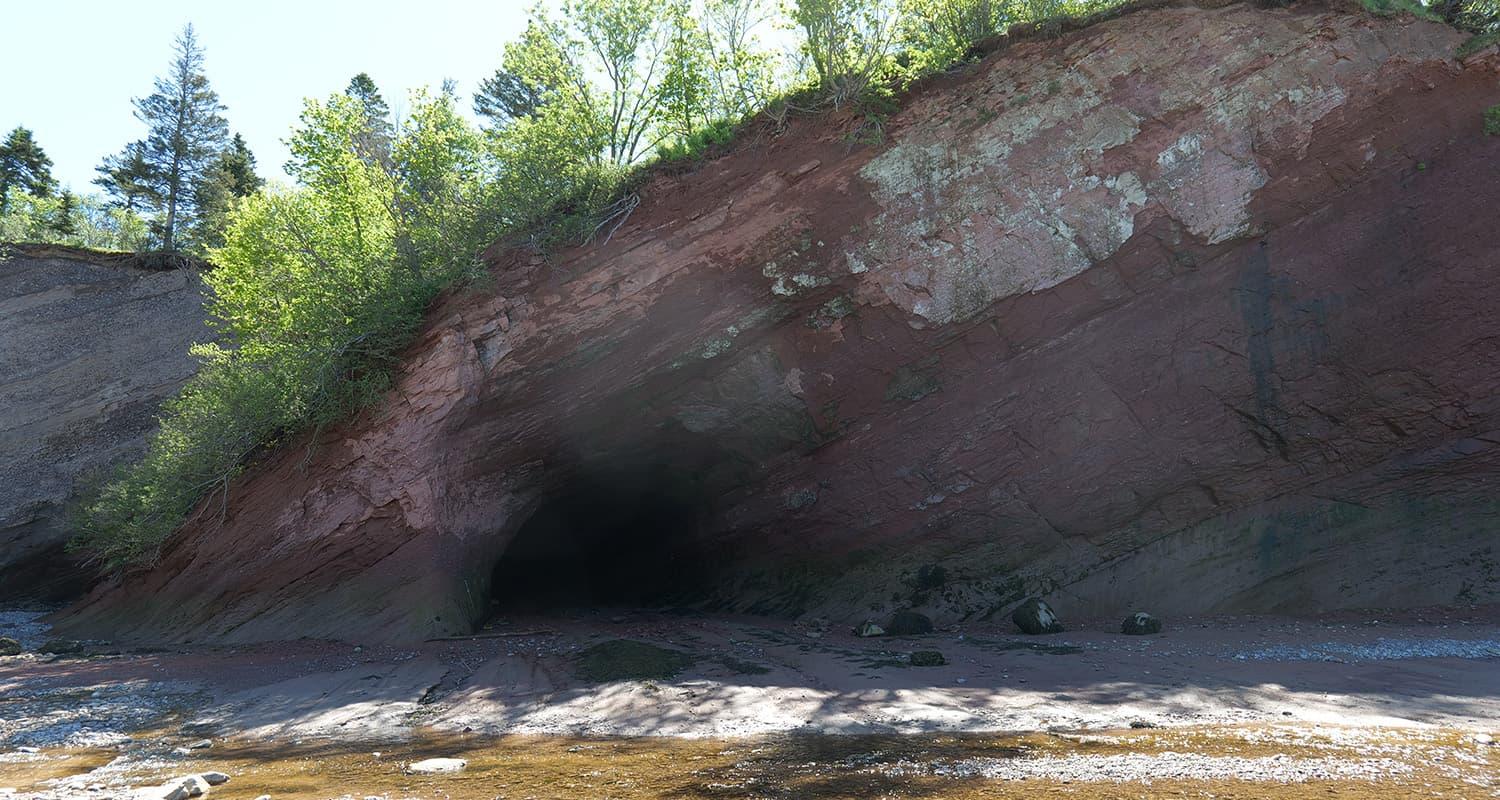
Stonehammer UNESCO Global Geopark Fossil Hunting Guide
New Brunswick, Canada
Paradoxides regina (trilobite), Carboniferous tetrapod trackways, Precambrian stromatolites, Silurian eurypterids

Stonerose Interpretive Center Fossil Hunting Guide
Washington, United States
Fossil Leaves, Insects, Fish
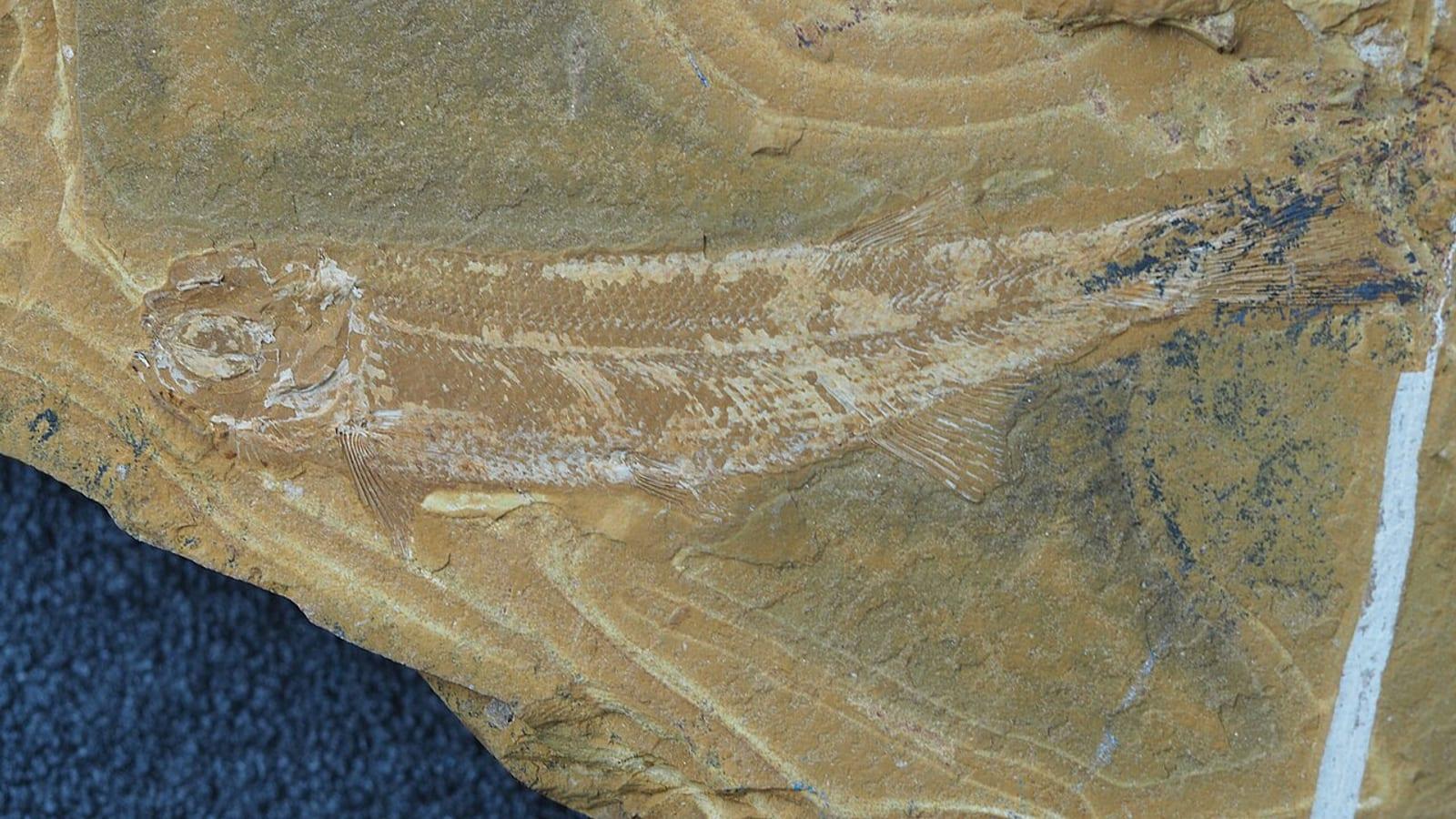
Talbragar Fossil Site Jurassic Fish Gulgong Fossil Hunting Guide
Australia
Fish, Plants, Wollemi Pine, Insects
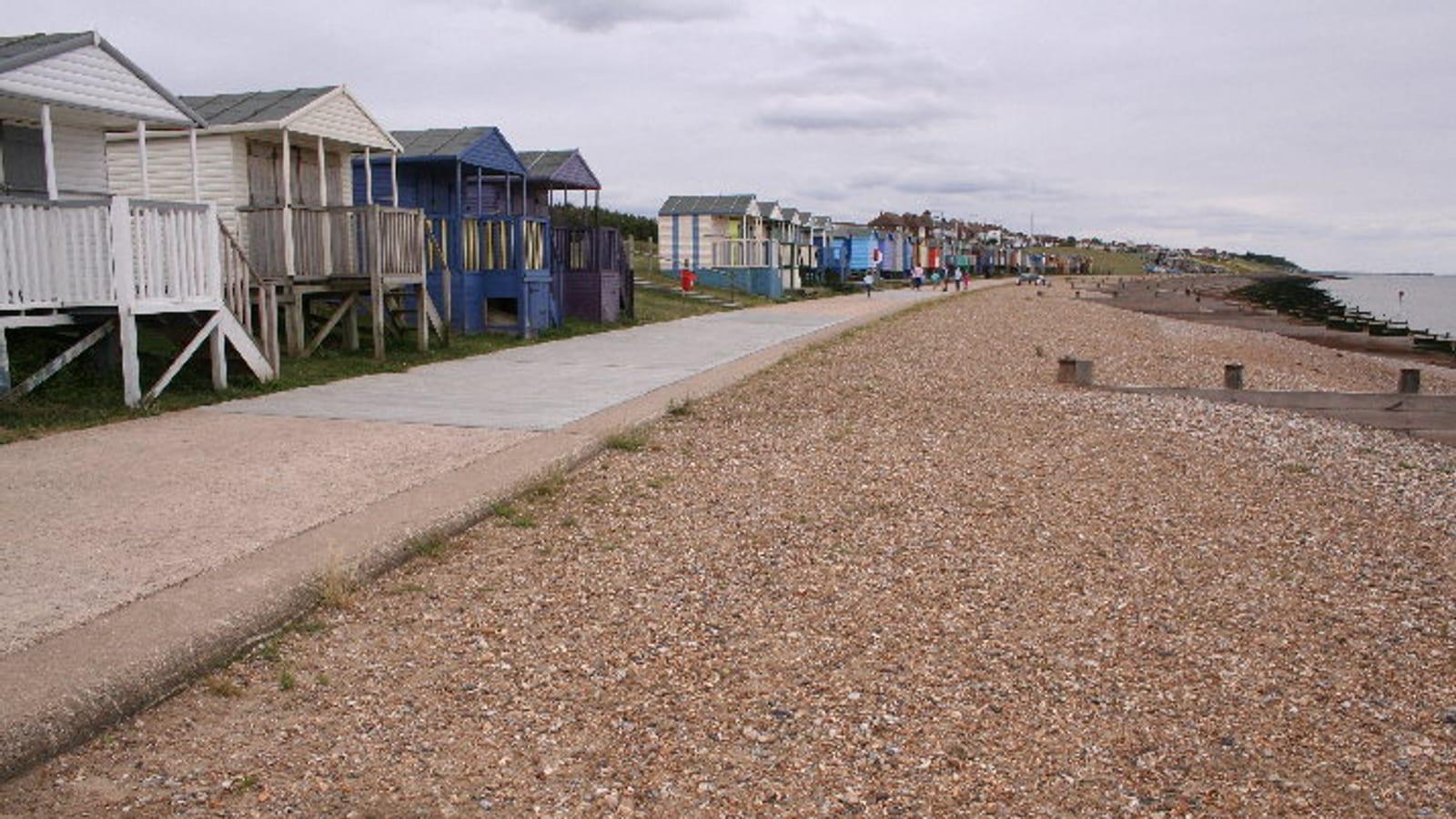
Tankerton Kent Fossil Hunting Guide
Tankerton
Fish remains, Shark Teeth, Fish Vertebrae
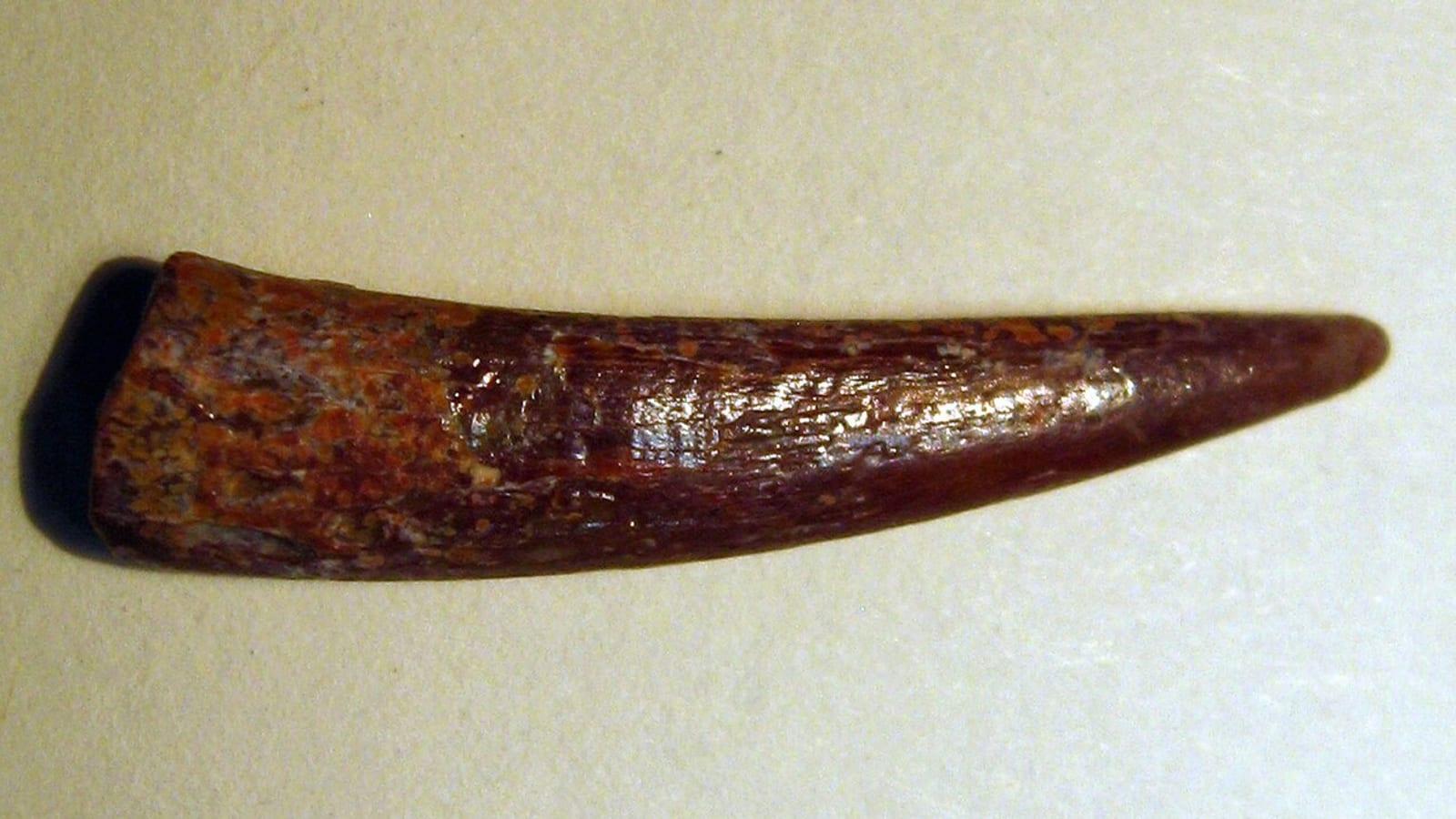
Taouz Cretaceous Fish Fossil Hunting Guide
Morocco
fish teeth, shark teeth, mosasaur remains, Fish teeth
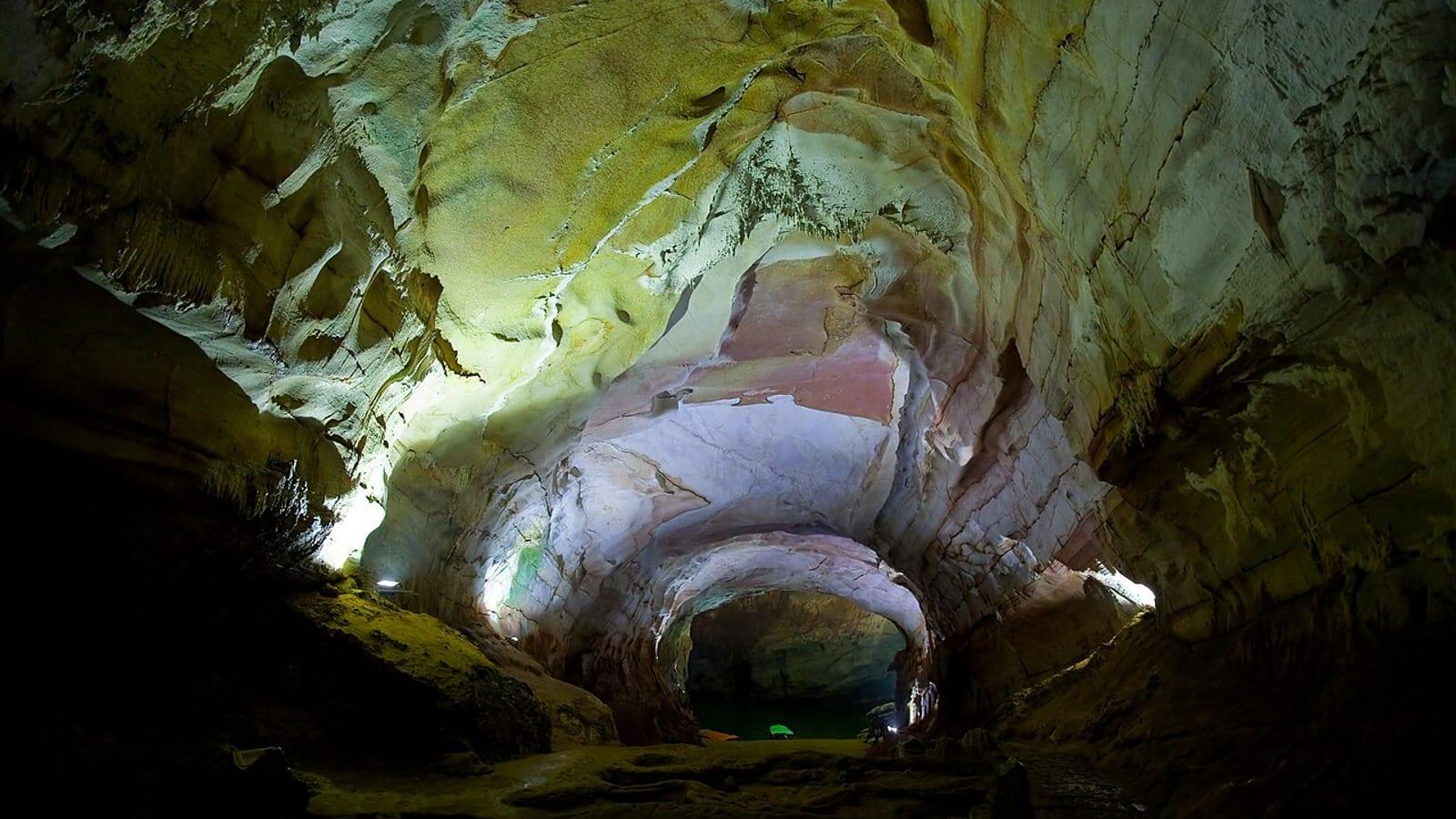
The Caves Inverloch Fossil Hunting Guide
Australia
Dinosaur bones and teeth, Early mammal teeth, Fish, Pterosaur
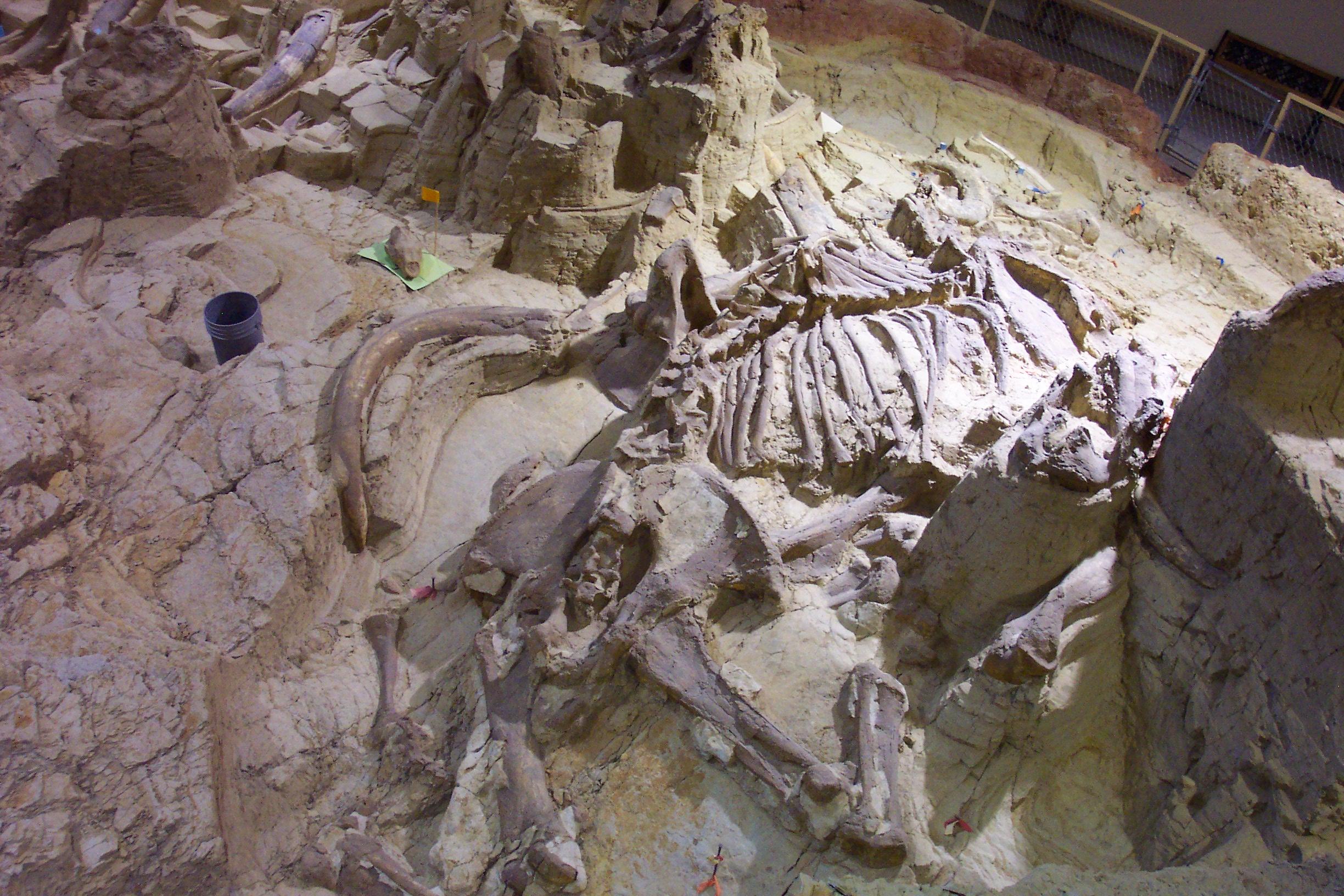
The Mammoth Site of Hot Springs Fossil Hunting Guide
South Dakota, United States
Columbian mammoth (Mammuthus columbi), Woolly mammoth (Mammuthus primigenius), Short-faced bear (Arctodus simus), Camel
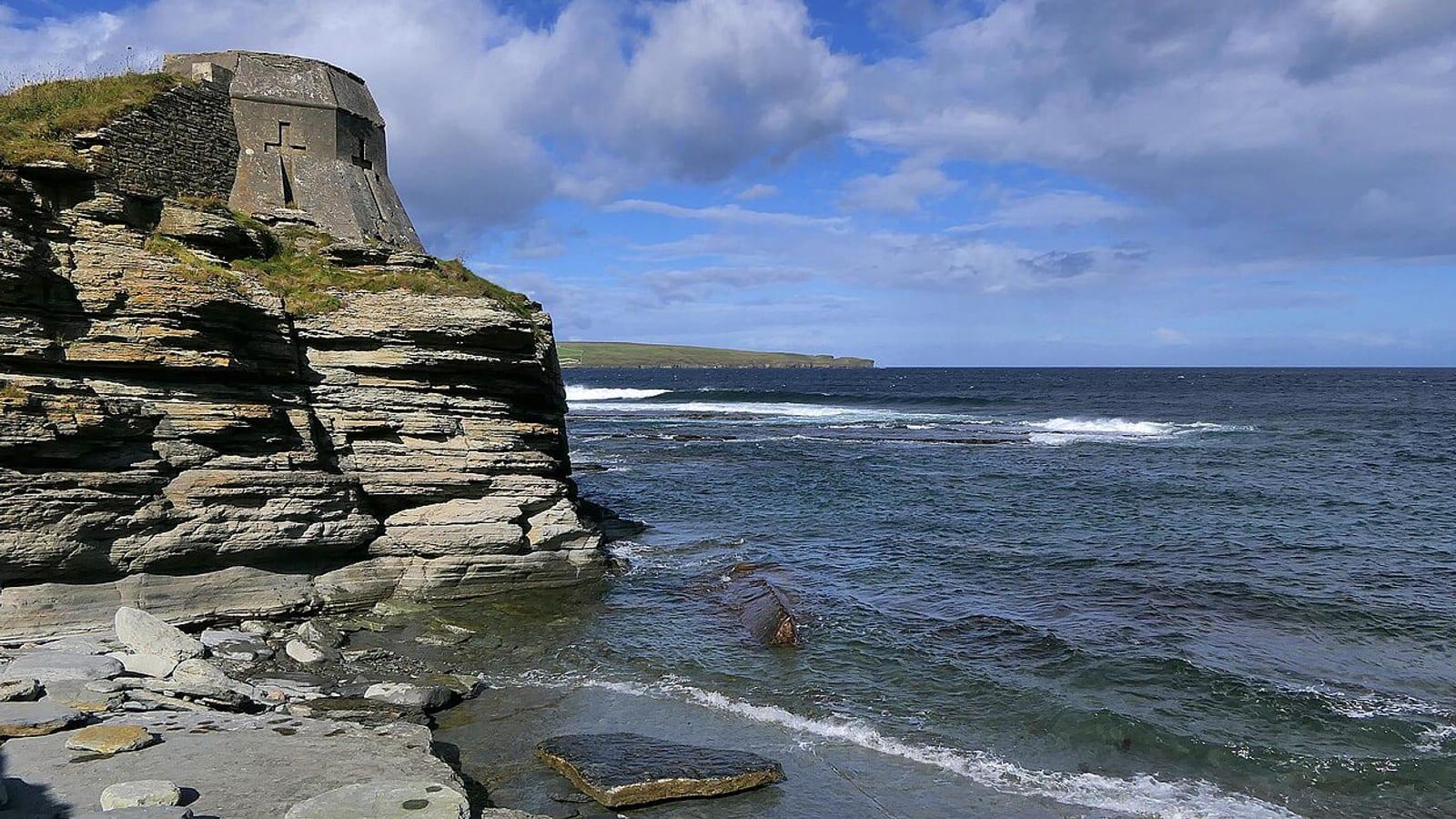
Thurso Fossil Hunting Guide
United Kingdom
Fish scales, Fish teeth, Complete fish, Fish bone fragments
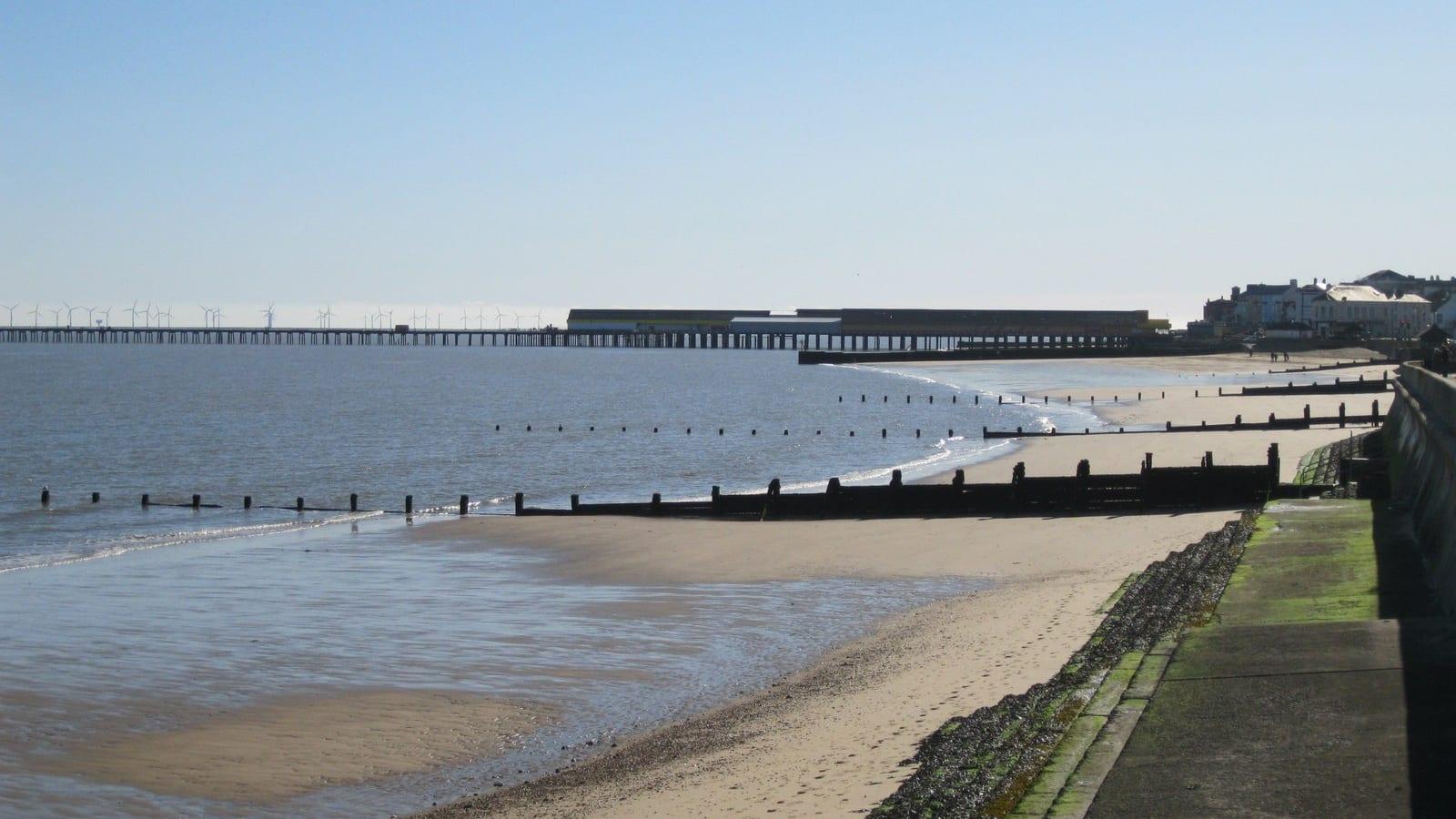
Walton-on-the-Naze Fossil Hunting Guide
England, United Kingdom
shark teeth, pyritised wood, fish bones and vertebrae, Junction Bed
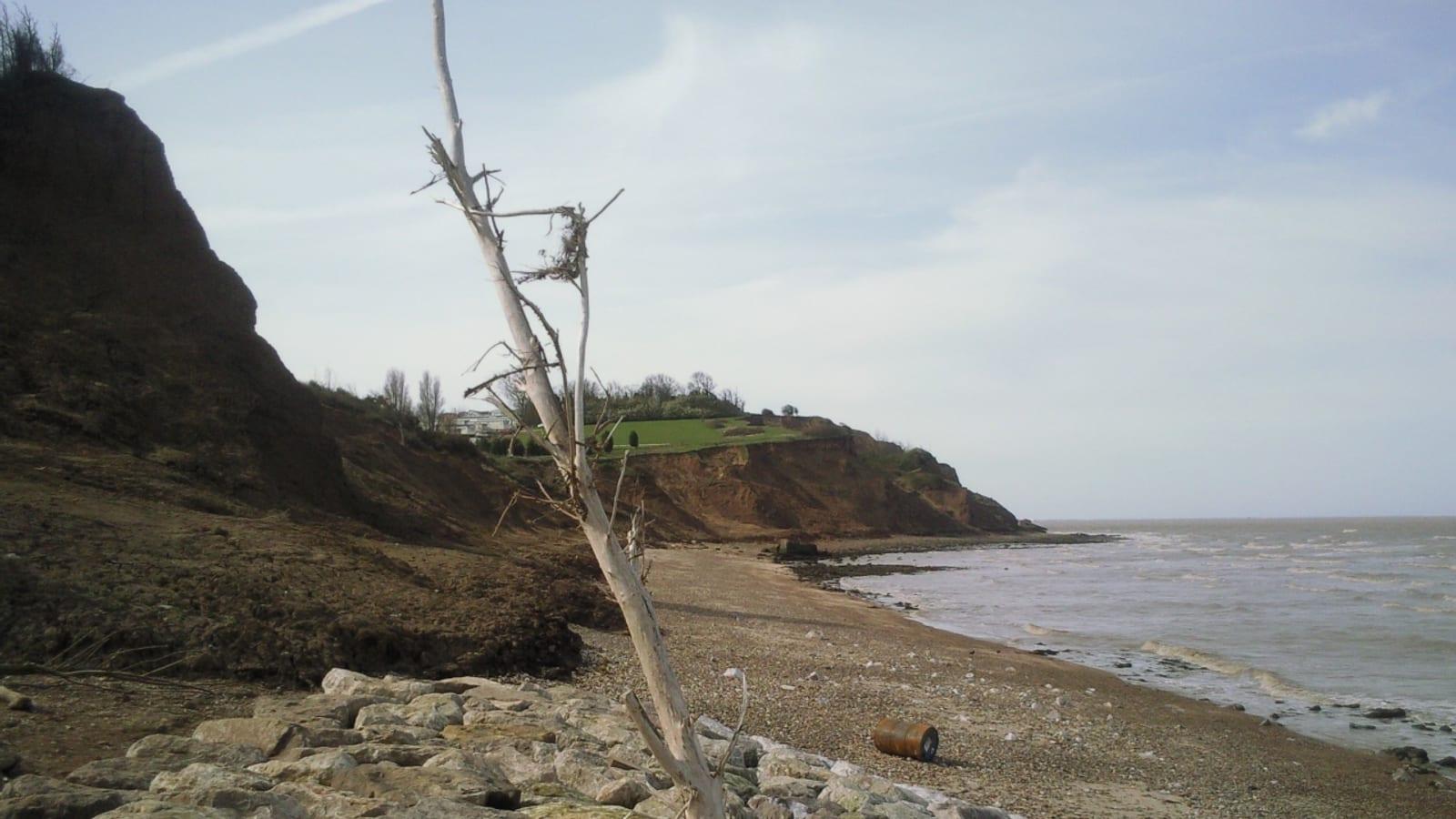
Warden Point Isle of Sheppey Fossil Hunting Guide
United Kingdom
Turtle shell fragments, Shark Teeth, Ray Teeth, Fish Vertebrae

Wheeler High School Fossil Beds Fossil Hunting Guide
Oregon, United States
Fossil Leaves, Fish, Insects
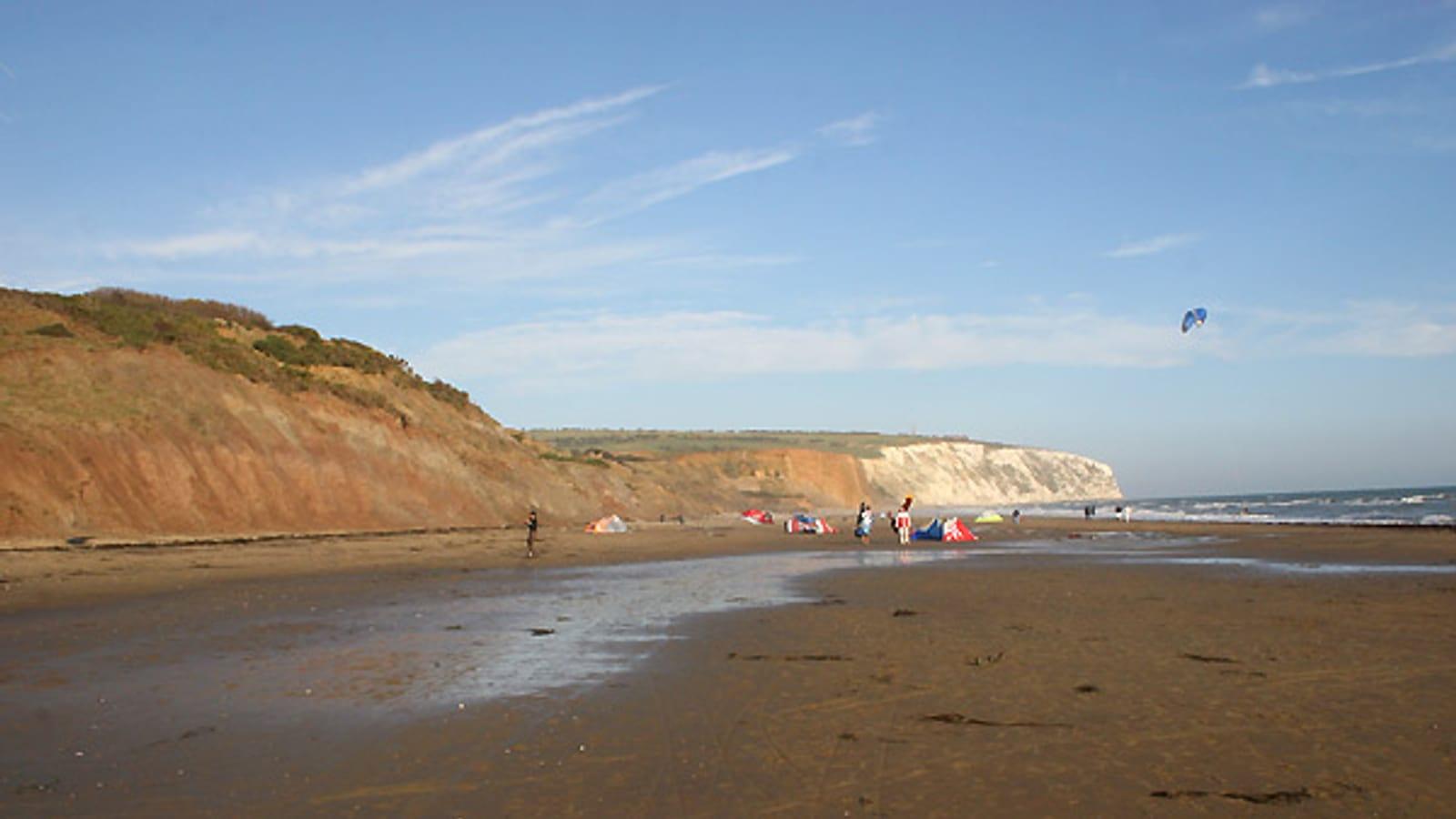
Yaverland Fossil Hunting Guide
Sandown
Dinosaur bone fragments, Dinosaur teeth, Dinosaur footprints, Fish remains
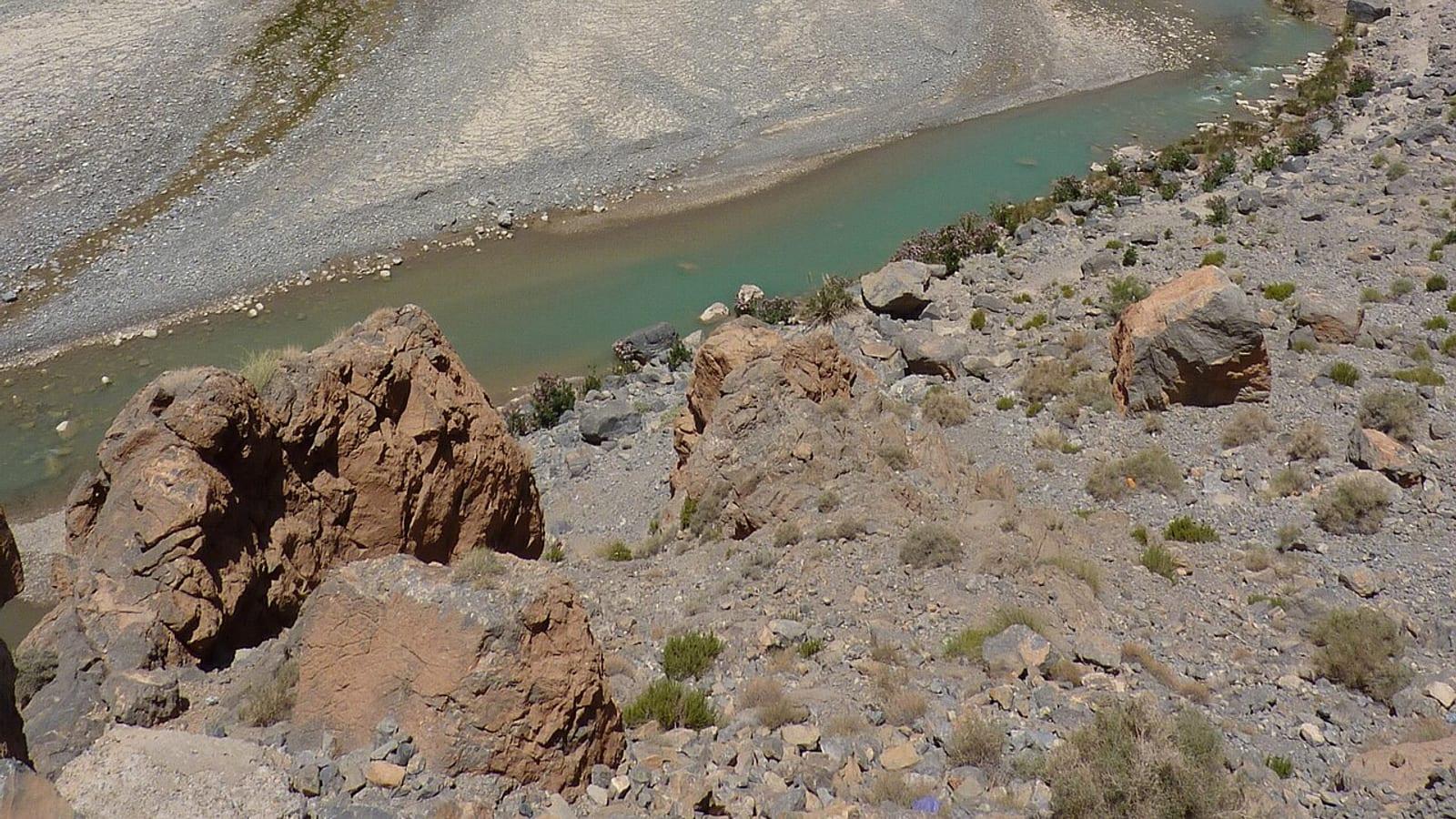
Ziz Gorge Echinoid Site Errachidia Fossil Hunting Guide
Morocco
Micraster echinoids, irregular echinoids, Bivalves, Rudist bivalve
Frequently asked questions
- Where can I find fossil fish?
- The Green River Formation in southwest Wyoming (Eocene, approximately 50 Ma) is the most accessible site for complete fossil fish that collectors can legally keep. Two commercial quarries near Kemmerer — American Fossil Quarry and Ulrich's Fossil Gallery — allow visitors to split limestone and keep whatever fish they find. The most common species is Knightia, a small herring-like fish typically 5 to 15 centimetres long; larger Diplomystus and Mioplosus also occur. Fossil Butte National Monument, adjacent to the commercial quarries, is the non-collecting counterpart where fish are viewable in situ. The Fur Formation in Denmark (Eocene, approximately 55 Ma) preserves complete fish in grey-green moler clay; the Fur Museum on Fur Island runs fee-based collecting day-trips. In the UK, the Eocene London Clay on the Isle of Sheppey produces fish teeth, ear bones (otoliths), and occasional vertebrae, though complete fish are rare.
- What is the most common fossil fish?
- Knightia eocaena from the Green River Formation in Wyoming is often described as the most abundant vertebrate fossil in the world — millions of specimens have been commercially recovered. It was a small schooling fish similar in lifestyle to modern herrings, typically 5 to 15 centimetres long. Its abundance reflects both its ecological dominance during its lifetime (approximately 48 to 52 million years ago) and the exceptional preservation conditions of the Green River lake system, where oxygen-poor bottom waters slowed decay and prevented scavenging. Complete Knightia specimens with clear scale impressions and fin rays are the most commonly sold fossil fish globally. Isolated shark teeth are more common across all fossil sites worldwide, but Knightia is remarkable for producing complete articulated skeletons in commercial volume.
- How are fish fossils preserved?
- Fish fossilize most readily as articulated impressions in fine-grained sediment when a carcass sinks to an anoxic (oxygen-poor) lake or sea floor. In these conditions bacterial decay slows, sediment covers the body before it disarticulates, and soft tissue gradually mineralizes or leaves a carbonaceous film. This process is most effective in stratified lake systems with permanently anoxic bottoms — which explains why the Green River Formation and the Jurassic Solnhofen lagoons of Bavaria produce such complete specimens. In higher-energy marine environments, fish are typically represented only by their hardest parts: teeth, otoliths (ear bones), and scales, which are dense enough to survive transport and dissolution. Complete articulated fish are a relatively rare outcome requiring unusual burial conditions, which is why they command premium prices from commercial collectors.