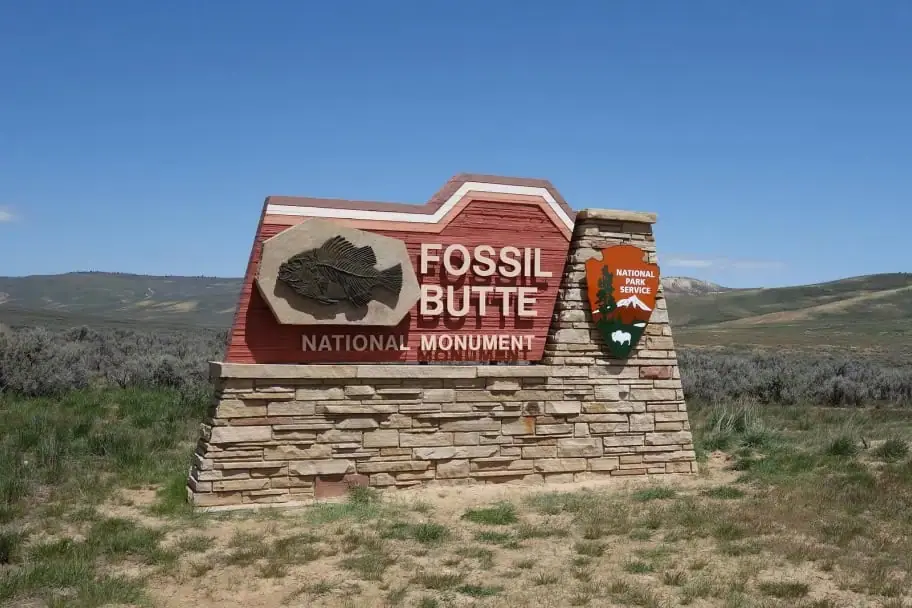
Fossil Butte National Monument Fossil Hunting Guide
Image: wanderlustphotosblog.com
Fossil Butte National Monument preserves the Eocene Fossil Lake deposits of southwestern Wyoming — "America's Aquarium in Stone" — with exquisitely preserved fish, crocodiles, turtles, birds, mammals, and plants of the Green River Formation. The monument itself is collecting- prohibited; visitors can dig fossils only at the adjacent commercial quarries (American Fossil Quarry, Ulrich's, others). Park-run quarry observation programs operate on Fridays and Saturdays in summer.
Fossil Butte National Monument is a small NPS unit in Lincoln County, southwestern Wyoming, 10 miles west of Kemmerer. It preserves the central portion of the Eocene Fossil Lake deposit — the smallest, southernmost, and most fossil-rich of the three lake basins of the Green River Formation, and the source of the famous flat-laminated limestone slabs that have produced more than a million fossil fish since the 1860s. Other classic finds include articulated crocodiles, soft-shelled and snapping turtles, miniature horses, bats, birds (some with stomach contents preserved), insects, leaves, and palm fronds. The National Park Service dubs it "America's Aquarium in Stone."
Collecting inside the monument boundary is prohibited under federal law. Visitors can observe park paleontologists at work at the on-monument quarry program (Fridays and Saturdays, 11 a.m. to 3 p.m. in summer) and tour the visitor centre's collections. Active commercial collecting at the same Fossil Butte Member level takes place at adjacent private quarries north of Kemmerer, where dig-for-pay operations like the American Fossil Quarry and Ulrich's Fossil Gallery let visitors keep what they find (covered on this site's existing American Fossil Quarry and Ulrich's pages).
This guide covers the monument visitor experience, the fauna and flora of Fossil Lake, and the on-monument quarry program.
Location and Directions
The monument visitor centre is at 864 Chicken Creek Road, about 10 miles west of Kemmerer, Wyoming, off US-30. From Salt Lake City, Utah, the drive is about 130 miles north on Interstate 80 and US-189. The visitor centre is open year-round (with reduced winter hours); the surrounding monument trails and overlook are open year-round, conditions permitting.
Visitor experience
The visitor centre houses more than 300 individual fossil specimens in interpretive exhibits, including some of the largest and most spectacular Green River fish, a juvenile crocodile, a miniature horse, and a slab of mortality-event fish-on-fish predation. The on-monument quarry, a small Fossil Butte Member exposure managed by park paleontologists, is open to visitors on Fridays and Saturdays from 11 a.m. to 3 p.m. during the summer season. Visitors can observe and ask questions while NPS paleontologists work the quarry; they may also handle small fossils set aside for educational use but may not take fossils home. Self-guided trails climb above the visitor centre to overlooks of the butte itself.
What Fossils You'll Find
Fossil Butte's fossils come from the Fossil Butte Member of the Green River Formation, deposited approximately 52 to 50 million years ago (early Eocene) in a small, shallow, subtropical lake that occupied a structural basin between modern Kemmerer and the Wyoming-Utah border. The lake's still, anoxic bottom waters preserved organic detail with extraordinary fidelity: fish are commonly preserved with scales, fins, and stomach contents intact; insects retain colour patterns; bird and bat feathers are visible; leaves are preserved in fall colour.
Fossil fish are by far the most abundant: Knightia, the small herring-like fish that is also the Wyoming state fossil, dominates the assemblage and is the species most visitors recognise from museum gift-shop slabs. Larger and rarer fish include Diplomystus dentatus (also herring-like, distinctive curved dorsal profile), Phareodus encaustus (a long-toothed predator), Mioplosus labracoides (a perch-like predator), Priscacara (a perch-like deep-bodied fish), and the much rarer paddlefish Crossopholis magnicaudatus and bowfin Cyclurus. The crocodile Borealosuchus and three turtle species are documented from the monument. Birds (including the small specialist Limnofregata azygosternon, the lake-grebe Presbyornis, and several others) preserve feathers and stomach contents. Bats — the genus Icaronycteris in particular — appear in a few slabs, the world's earliest fully articulated bat fossils. Tiny early mammals (including a primitive horse Protorohippus) have been recovered. Insects of more than 100 species, abundant leaves, ferns, palm fronds, and seeds from the surrounding shoreline forests complete the picture.
The fossils are concentrated in two laminated horizons: the lower "F-1" or "Eighteen-Inch Layer," dense in fish, and the upper "F-2" or "Sandwich Beds," which produces the larger and rarer specimens. The on-monument quarry works the upper F-2.
Fossil Butte has been dubbed "America's Aquarium in Stone" by the National Park Service. National Park Service, on the Fossil Lake deposits
Geologic History
The Green River Formation records the history of three connected subtropical lakes that occupied tectonic basins between the rising mountain ranges of the early Eocene Cordilleran foreland — Fossil Lake (smallest, in Wyoming), Lake Gosiute (in southwestern Wyoming), and Lake Uinta (in northeastern Utah and western Colorado). Fossil Lake was relatively short-lived, perhaps a few million years, but its high carbonate productivity and frequently anoxic bottom waters produced the laminated, organic-rich micritic limestones that are now the Fossil Butte Member. Lake stratification and seasonal blooms of calcareous algae produced annual couplets visible in the rock as the famous millimetre-scale laminae; mass-mortality horizons preserve the fish-rich beds.
The lake basin was uplifted with the Cordillera in the Eocene-Oligocene transition and the laminated limestones were stranded high in the modern Wyoming landscape. Modern erosion has exposed the Fossil Butte Member along the prominent flat-topped ridges around Kemmerer, with the namesake Fossil Butte protected within the monument boundary.
How Fossil Butte became a National Monument
Commercial quarrying of the laminated limestones for fossil fish began in the 1860s and intensified through the late 19th and early 20th centuries, with operations centred on the privately owned ridges north of Kemmerer. Concerns about the loss of scientific information led to long-running advocacy for federal protection of the central Fossil Butte ridge, and Congress established Fossil Butte National Monument on October 23, 1972. The federal status removed Fossil Butte itself from commercial extraction, while the adjacent privately held quarries (most famously the American Fossil Quarry, Ulrich's, and the Warfield Quarry north of Kemmerer) have continued to operate. Visitors today can combine a no-collect visit to the monument with a dig-and-keep visit to one of the commercial quarries within a single weekend.
Collecting Rules & Regulations
Is Fossil Collecting Allowed?
No, not within the monument. Collecting at the same Fossil Butte Member level is permitted at the adjacent commercial quarries.
Key Points:
- Fossils inside the monument boundary are protected by federal law; removal is prohibited.
- The visitor centre is open year-round.
- The on-monument quarry observation program runs Fridays and Saturdays 11 a.m. to 3 p.m. in summer.
- For dig-and-keep collecting at the same horizon, visit American Fossil Quarry, Ulrich's, or other Kemmerer-area pay-to-dig operations.
- The Fossil Lake fauna includes one of the world's most exquisitely preserved Eocene ecosystems.
Sources
Nearby sites
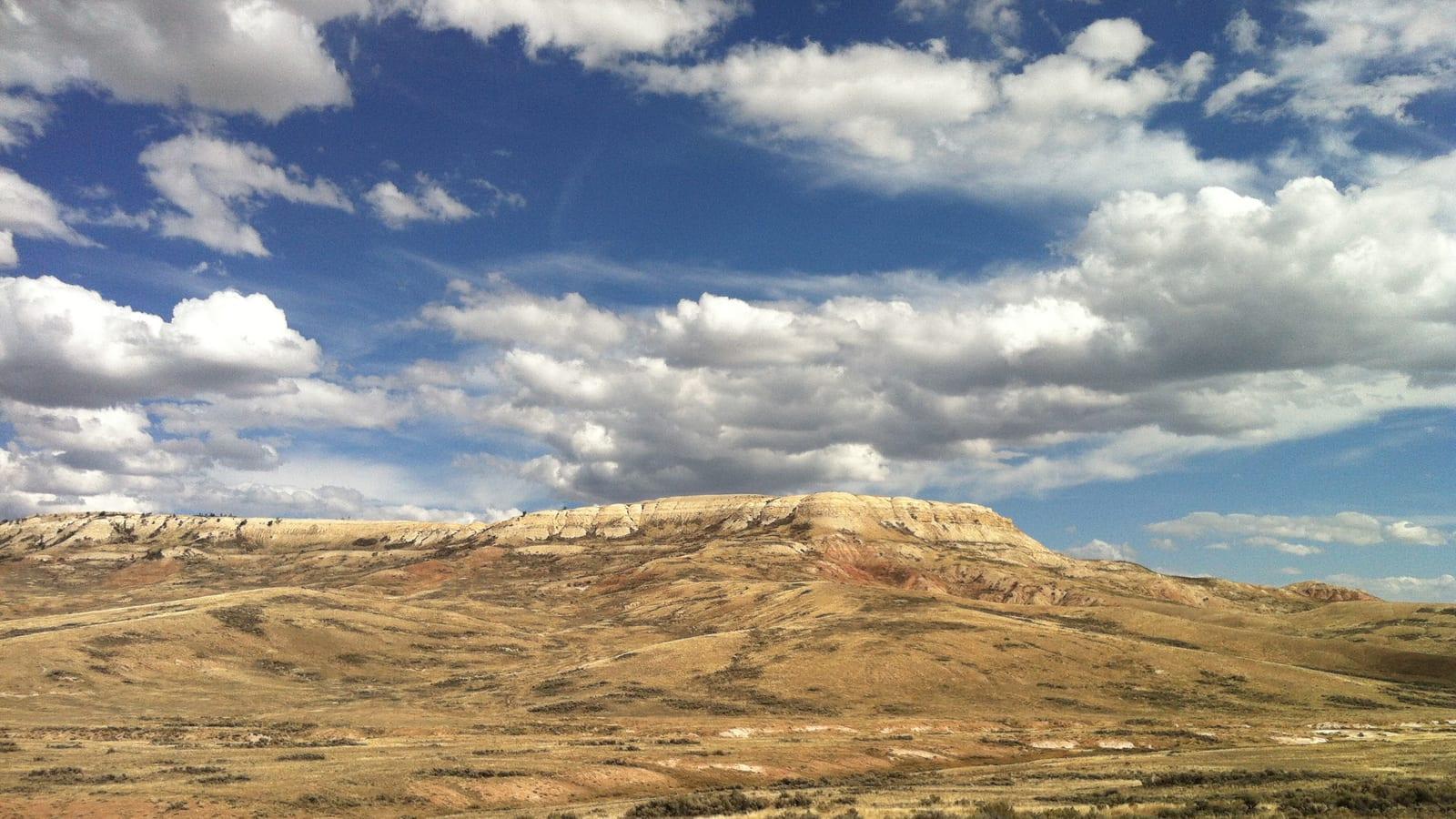 Ulrich's Fossil Gallery Fossil Hunting GuideN/A
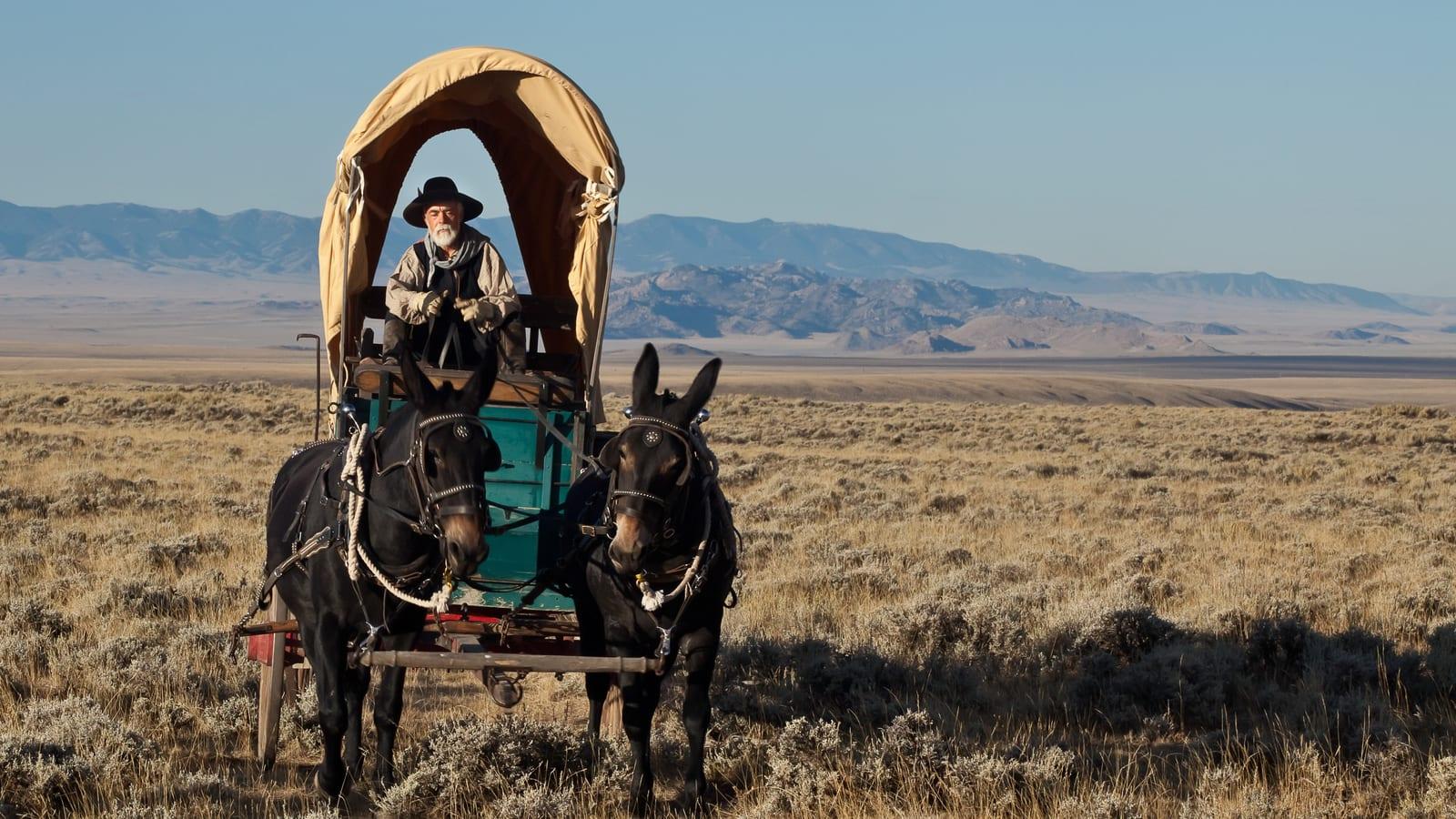 American Fossil Quarry Fossil Hunting GuideFish Fossils, Plant Fossils
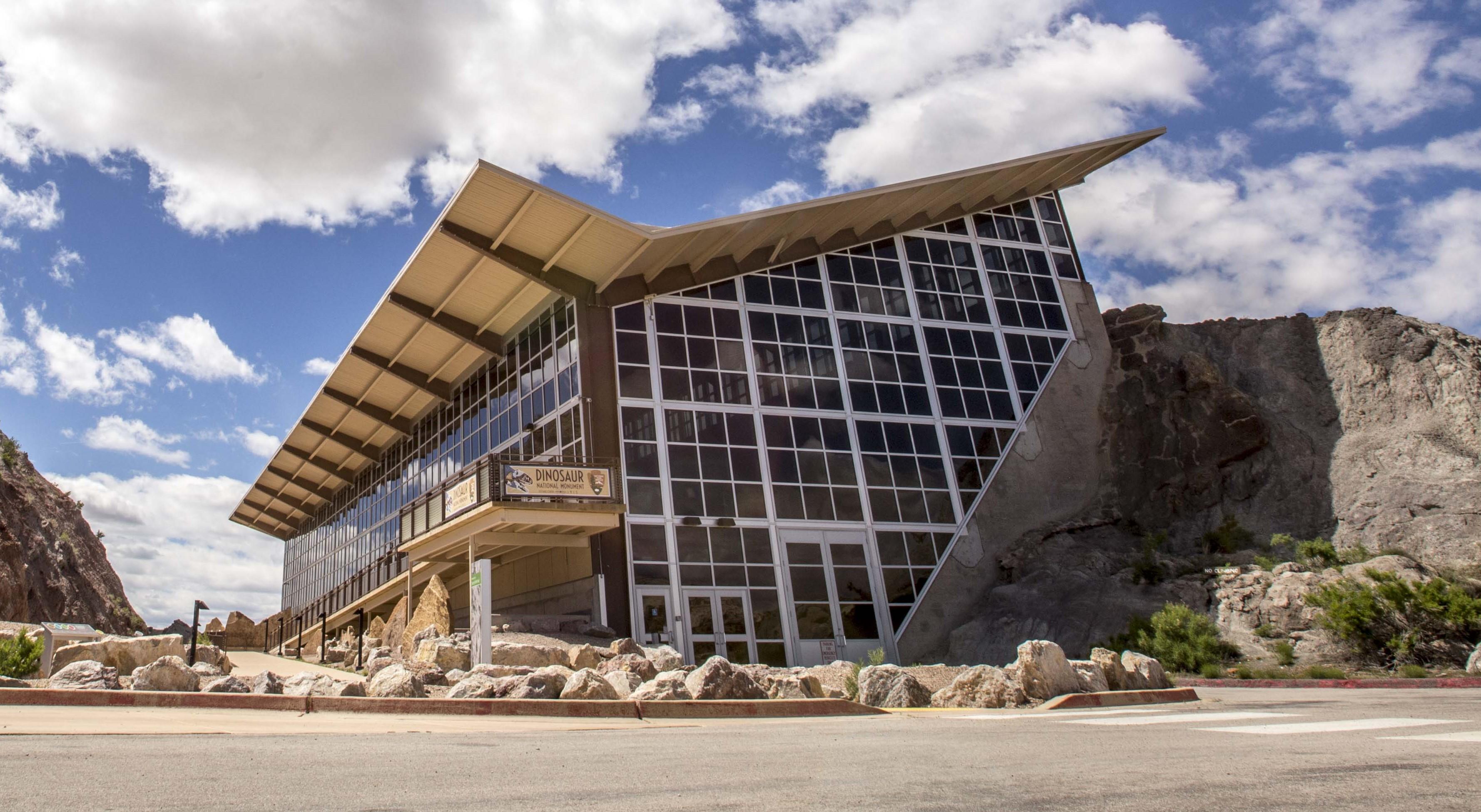 Dinosaur National Monument Quarry Exhibit Hall Fossil Hunting GuideAllosaurus fragilis, Apatosaurus louisae
 Cleveland-Lloyd Dinosaur Quarry Fossil Hunting GuideAllosaurus fragilis, Camarasaurus