Fossil type
Where to find dinosaurs
Dinosaur fossils — bones, teeth, and trackways — are heavily protected almost everywhere. Most sites in this directory offer in-situ viewing of trackways or commercial-quarry experiences rather than self-guided collection. The Cretaceous Kem Kem Beds of Morocco, Australia's Lark Quarry trackways, and the US Colorado Plateau are headline destinations.
48 fossil sites
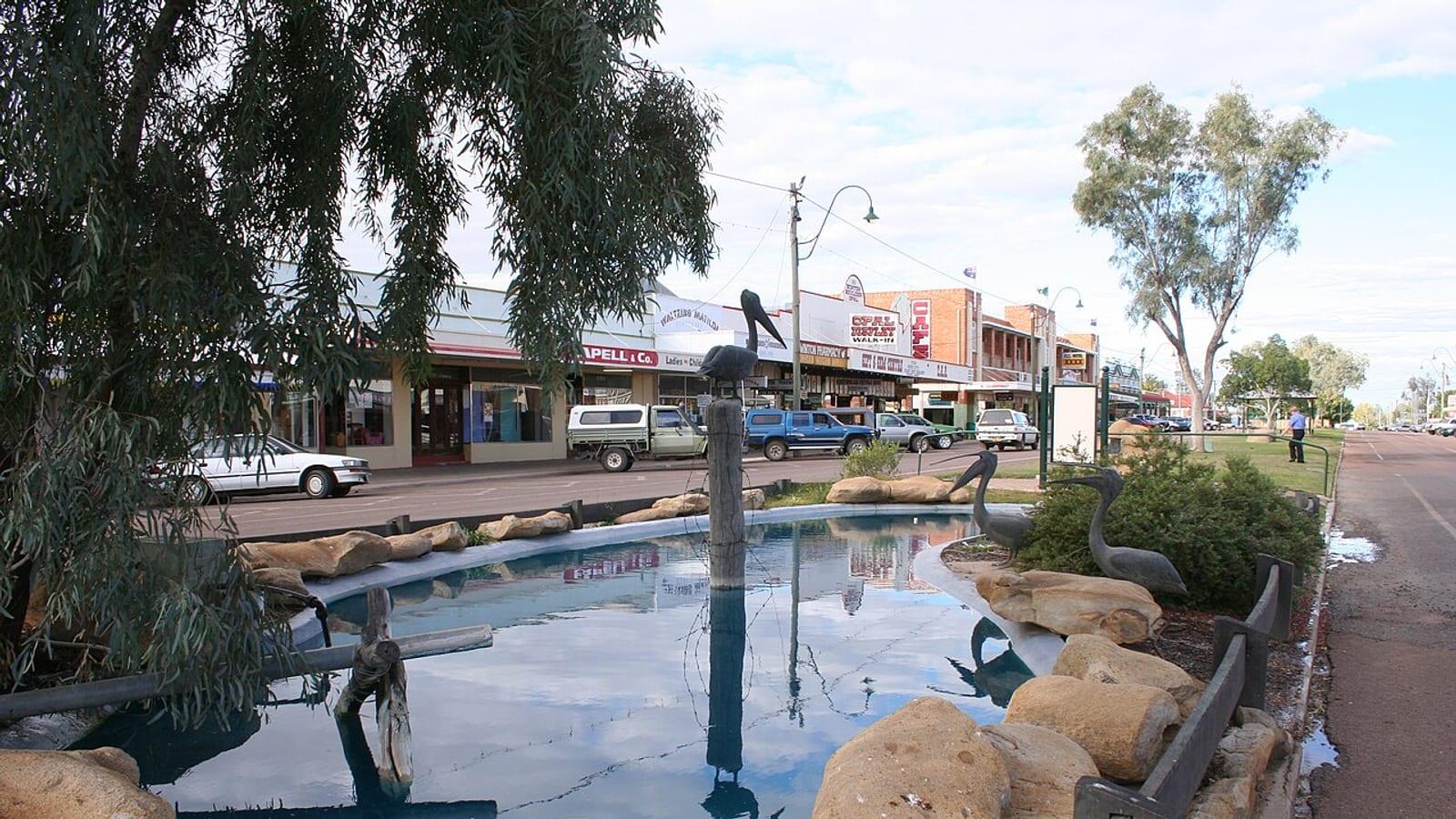
Australian Age of Dinosaurs Museum Winton Fossil Hunting Guide
Australia
Australian Age of Dinosaurs Museum, Diamantinasaurus matildae, Australovenator wintonensis, Savannasaurus elliottorum
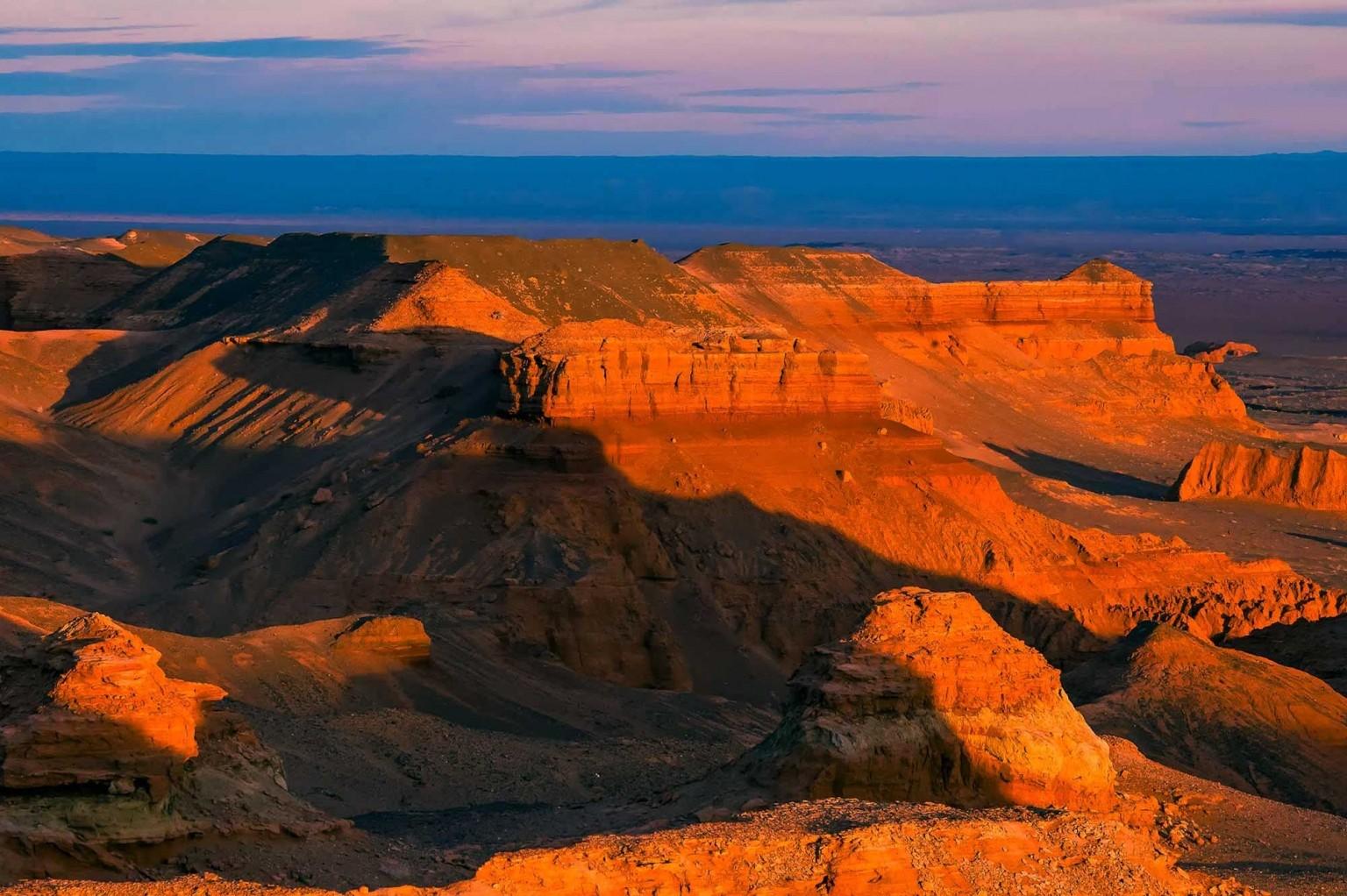
Bayanzag (Flaming Cliffs) Fossil Guide
Ömnögovi, Mongolia
Dinosaur eggs, Protoceratops, Velociraptor, Oviraptor
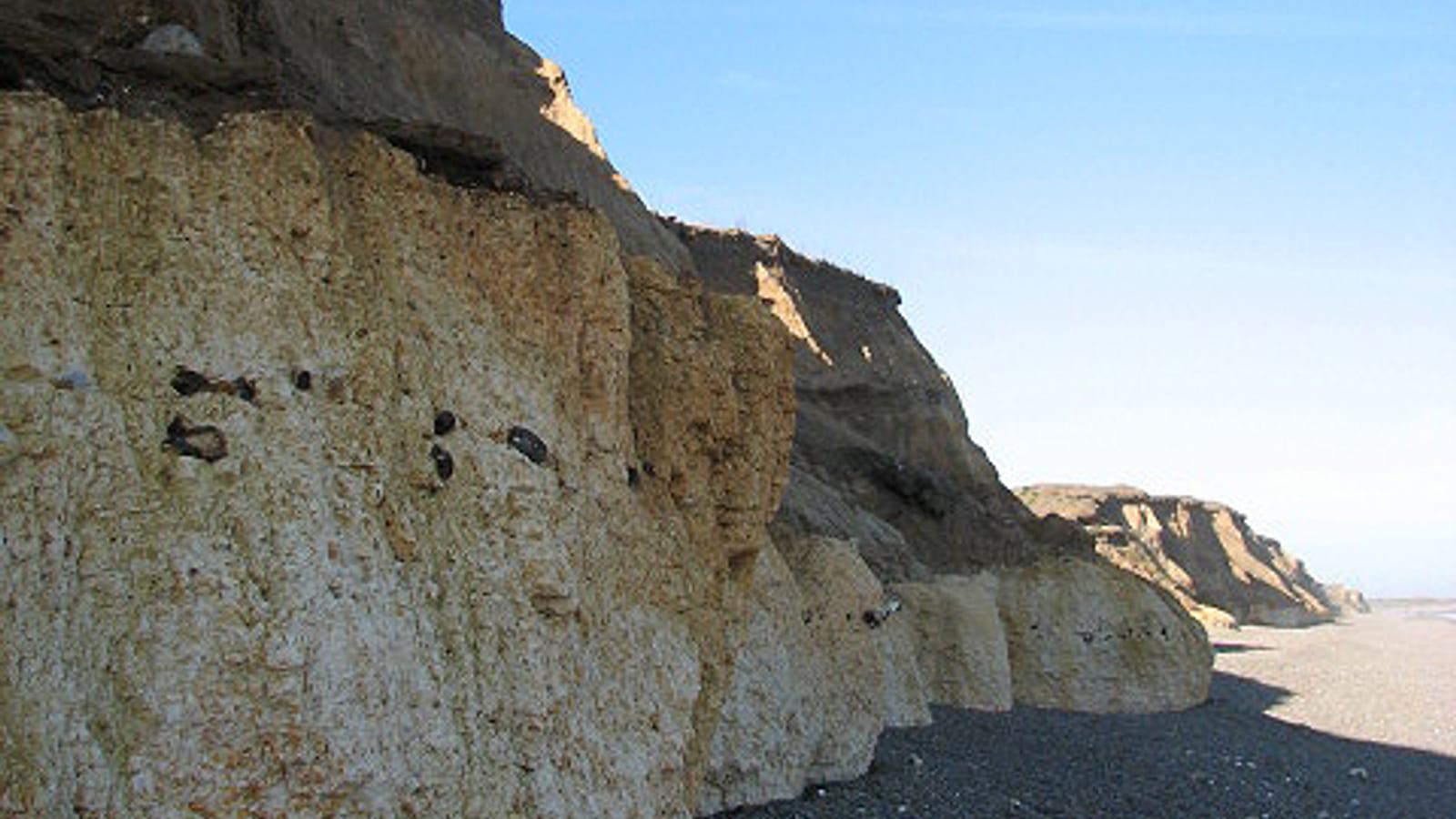
Brighstone Bay Fossil Hunting Guide
England, United Kingdom
plant debris bed, dinosaur teeth, Dinosaur bones, Crocodile remains
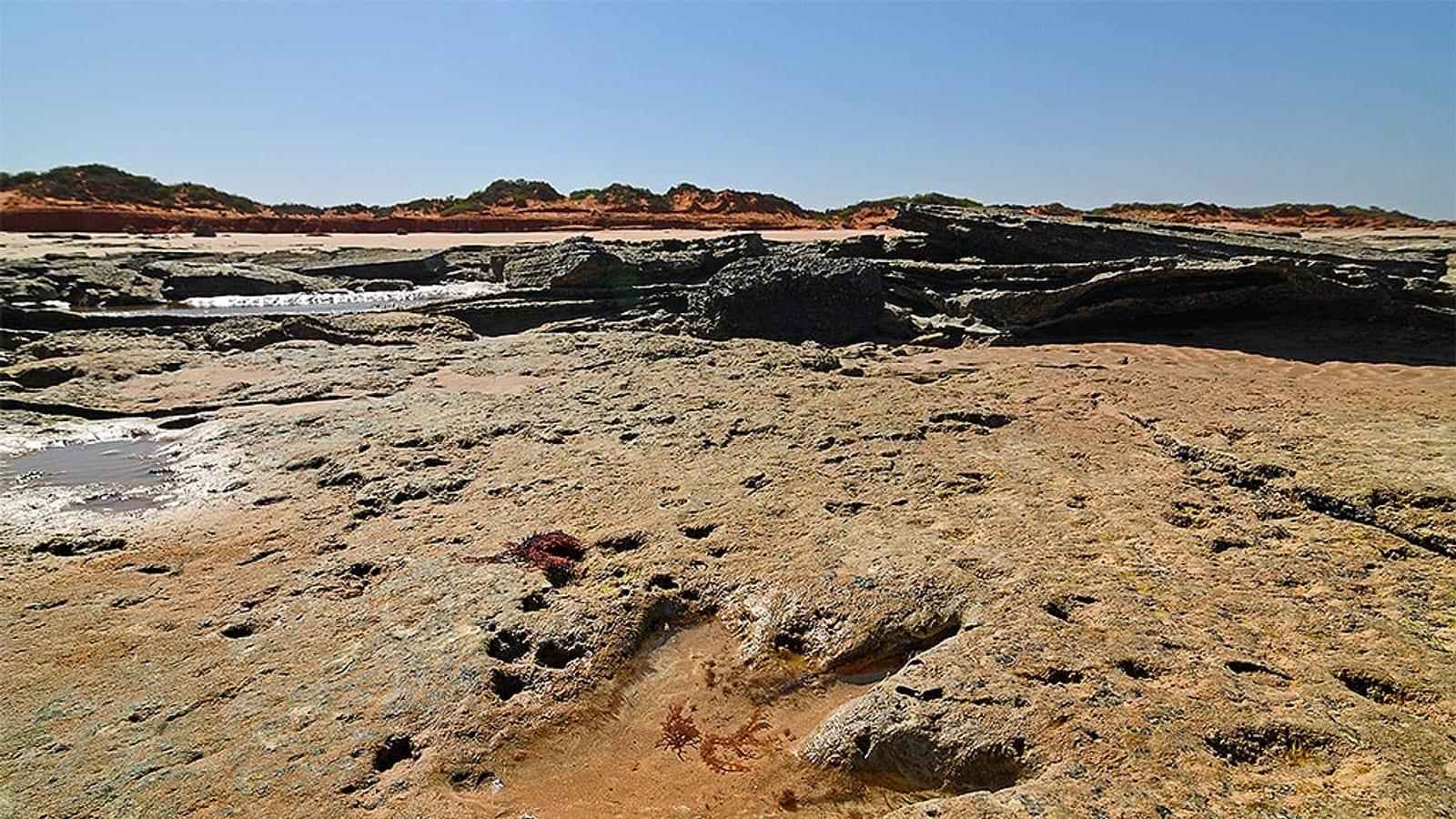
Broome Dinosaur Trackways Gantheaume Point
Broome
Sauropod tracks, Theropod tracks, Ornithopod tracks, Thyreophoran tracks
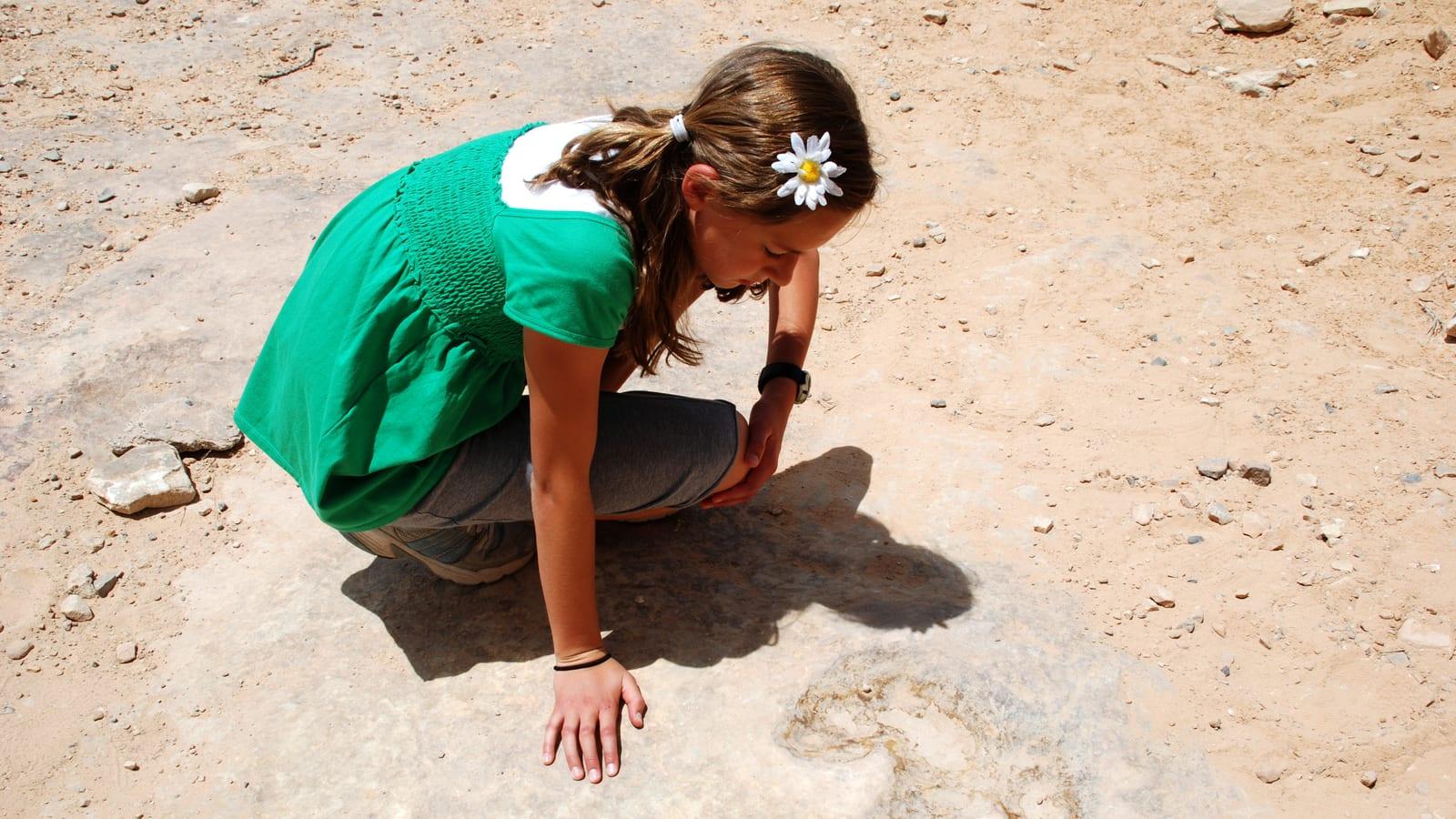
Cleveland-Lloyd Dinosaur Quarry Fossil Hunting Guide
Utah, United States
Allosaurus fragilis, Camarasaurus, Stegosaurus, Other taxa
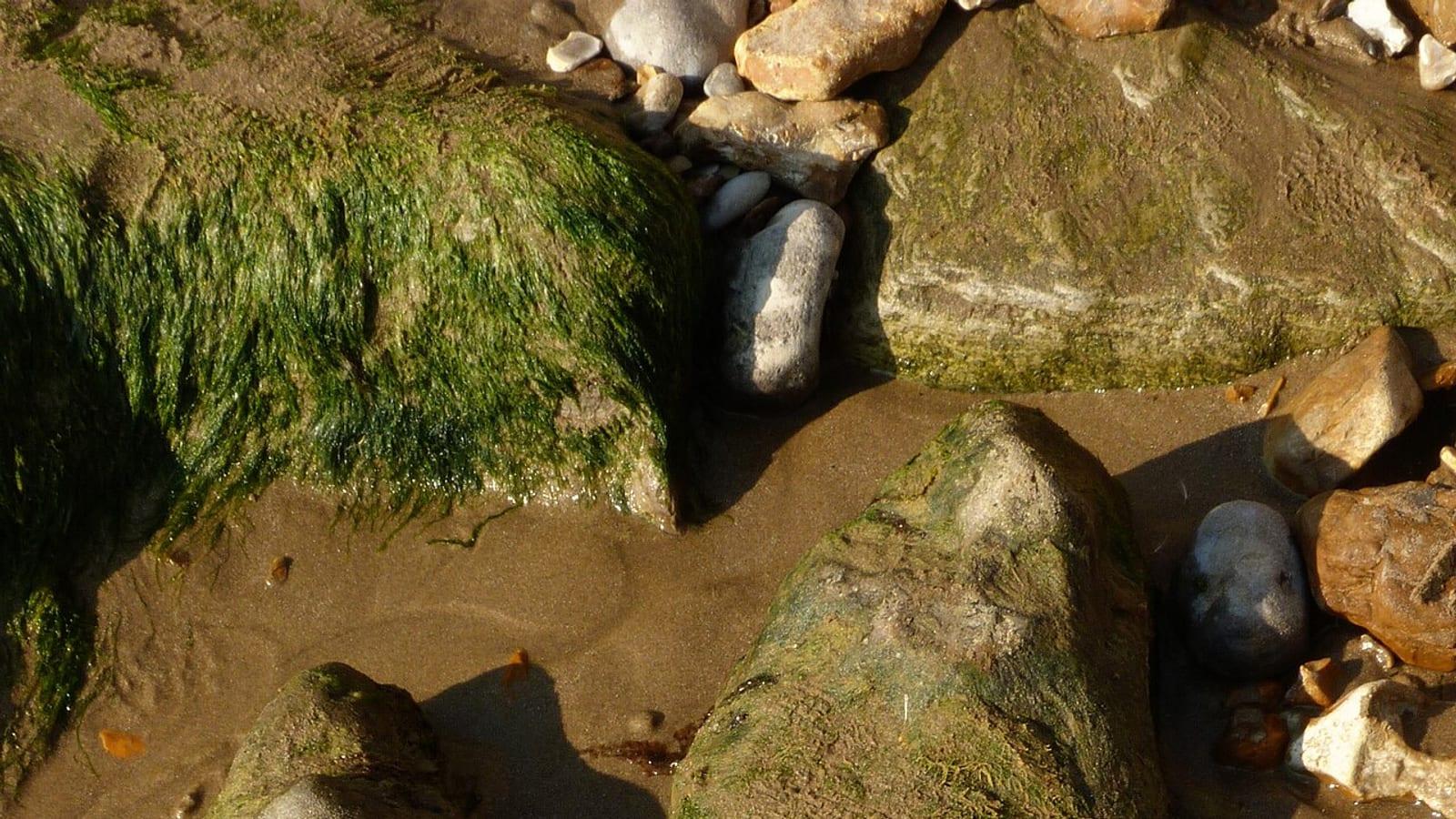
Compton Bay: Dinosaur Trackways
England, United Kingdom
Dinosaur footprints, Dinosaur bone fragments, Dinosaur teeth, Plant material
Cooden Beach Bexhill Fossil Hunting Guide
East Sussex TN39 4SG
Dinosaur bones and teeth, Crocodilian material, Turtle shell fragments, Fish remains
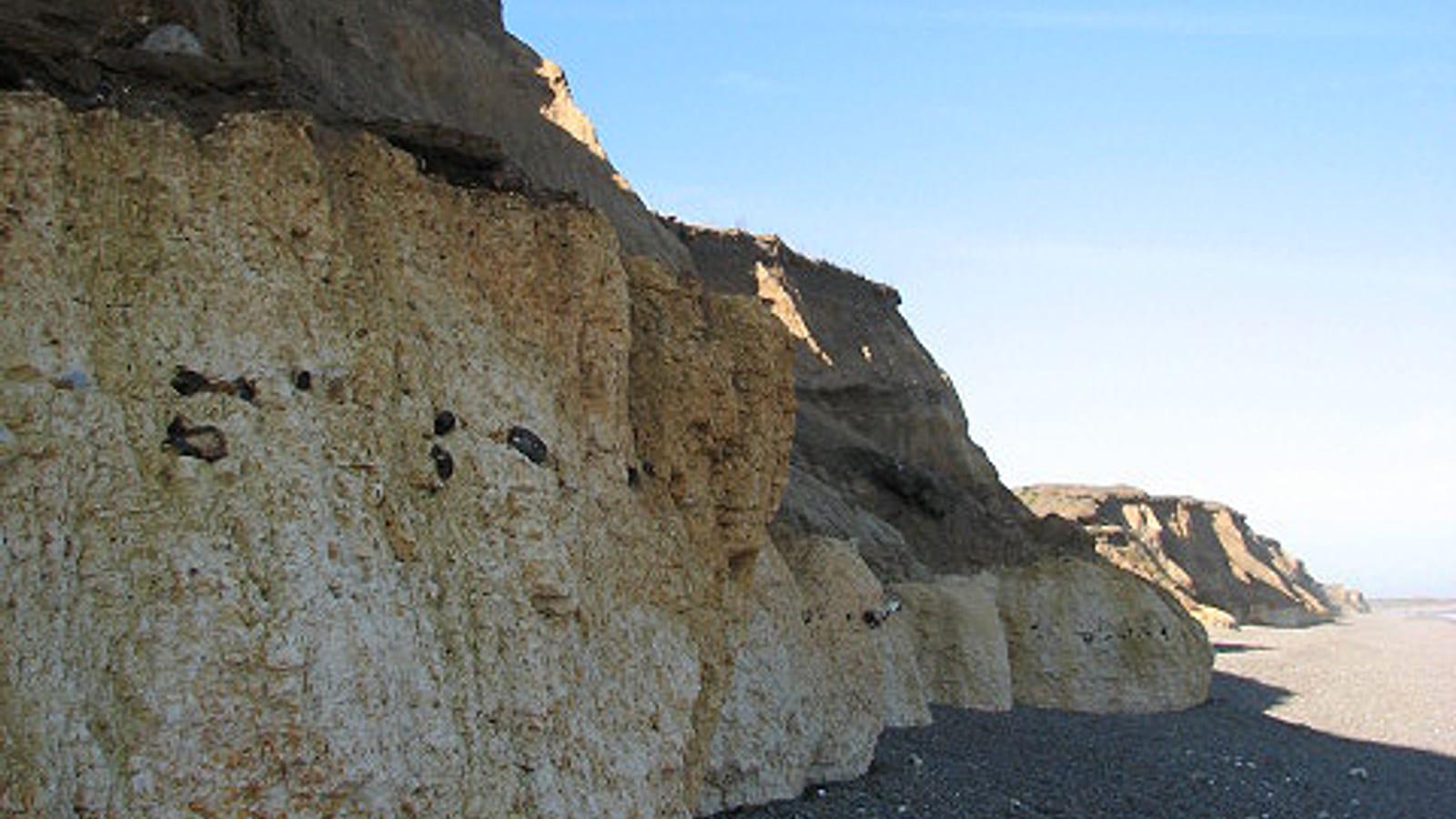
Dinosaur Footprints at Worth Matravers, Dorset: Dinosaur Trackways
England, United Kingdom
not permitted, Sauropod footprints, Theropod tracks, strictly prohibited
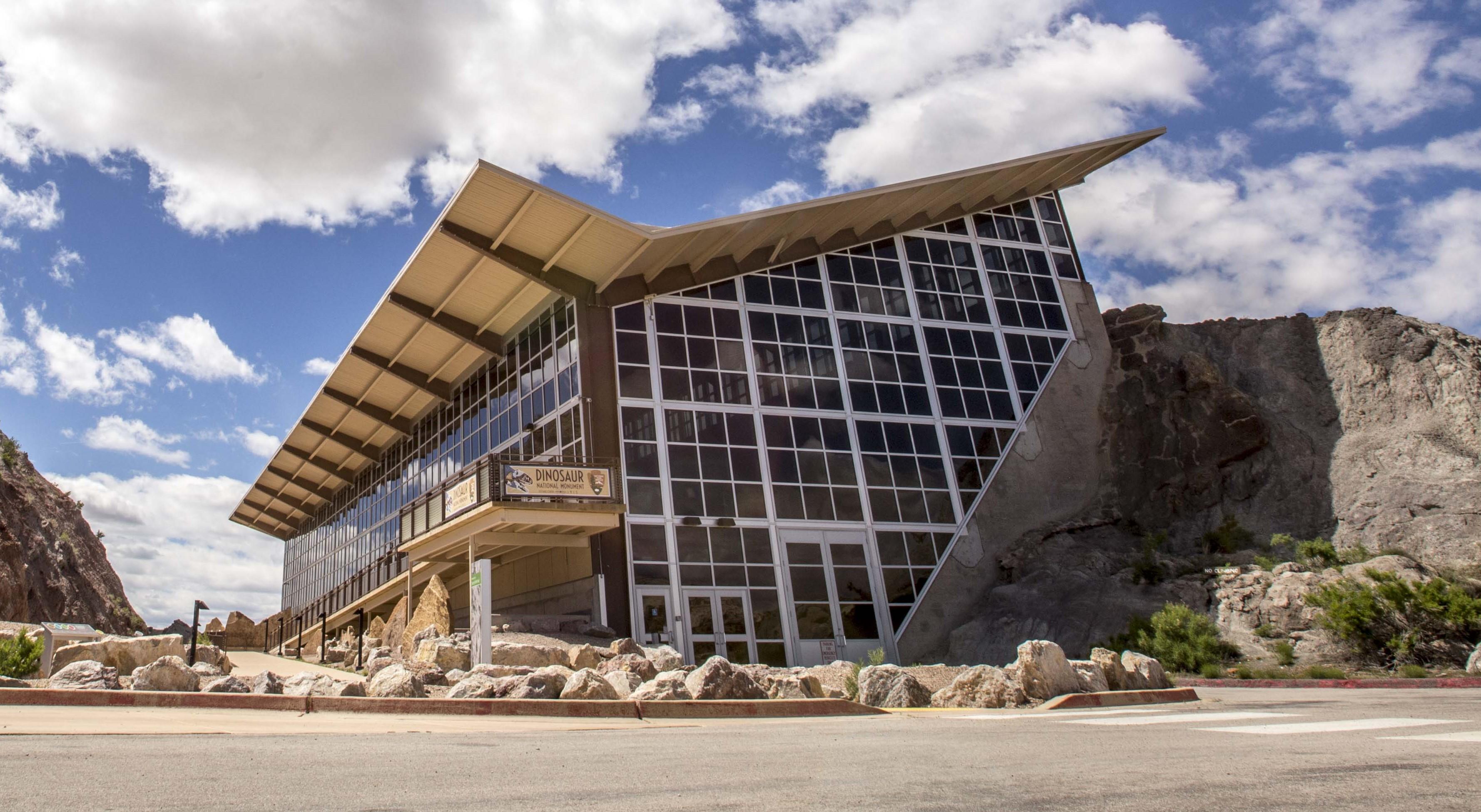
Dinosaur National Monument Quarry Exhibit Hall Fossil Hunting Guide
Utah, United States
Allosaurus fragilis, Apatosaurus louisae, Diplodocus longus, Camarasaurus lentus
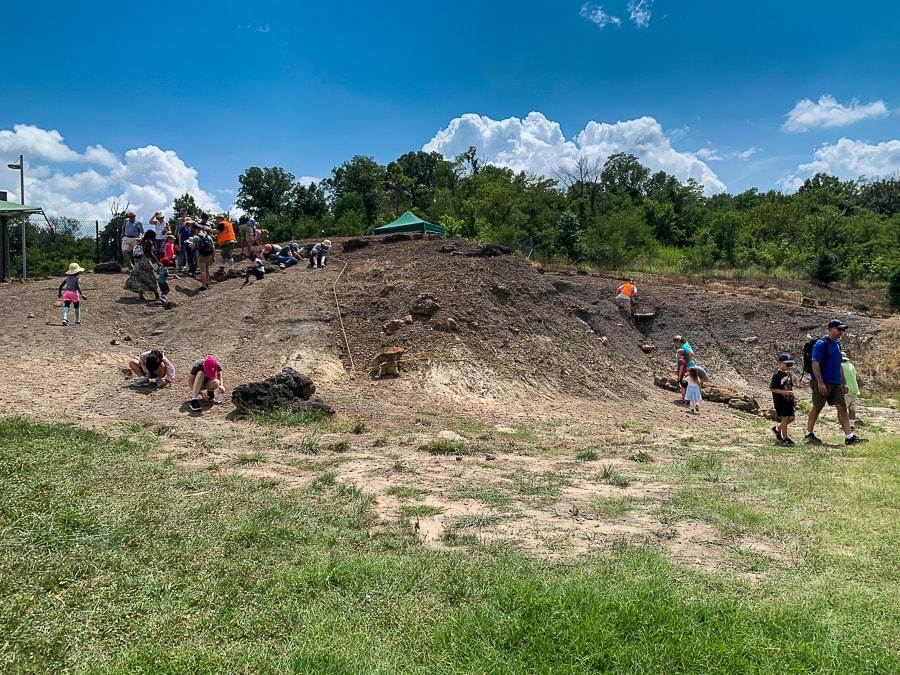
Dinosaur Park (Laurel, Maryland) Fossil Hunting Guide
Maryland, United States
Theropod teeth, Sauropod bone, Nodosaur material, Fossil wood
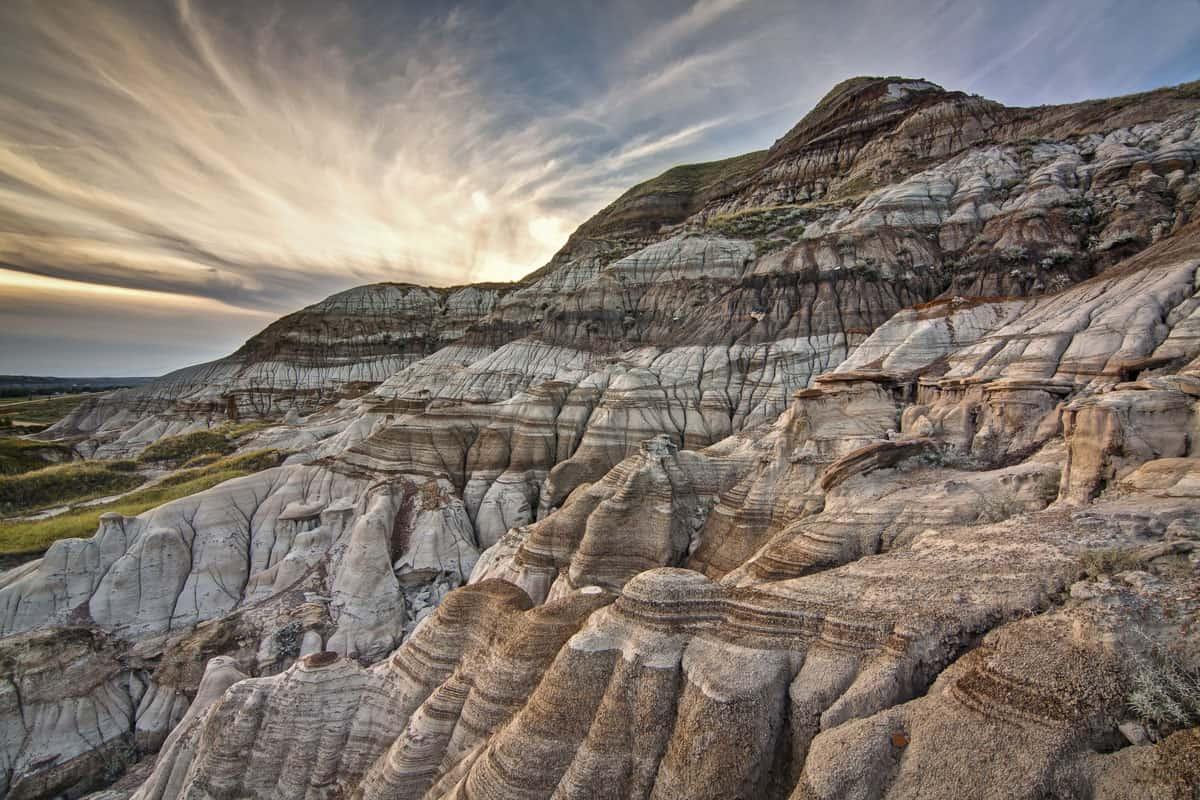
Dinosaur Provincial Park Fossil Hunting Guide
Alberta, Canada
Hadrosaurs, Ceratopsians, Tyrannosaurs, Ankylosaurs
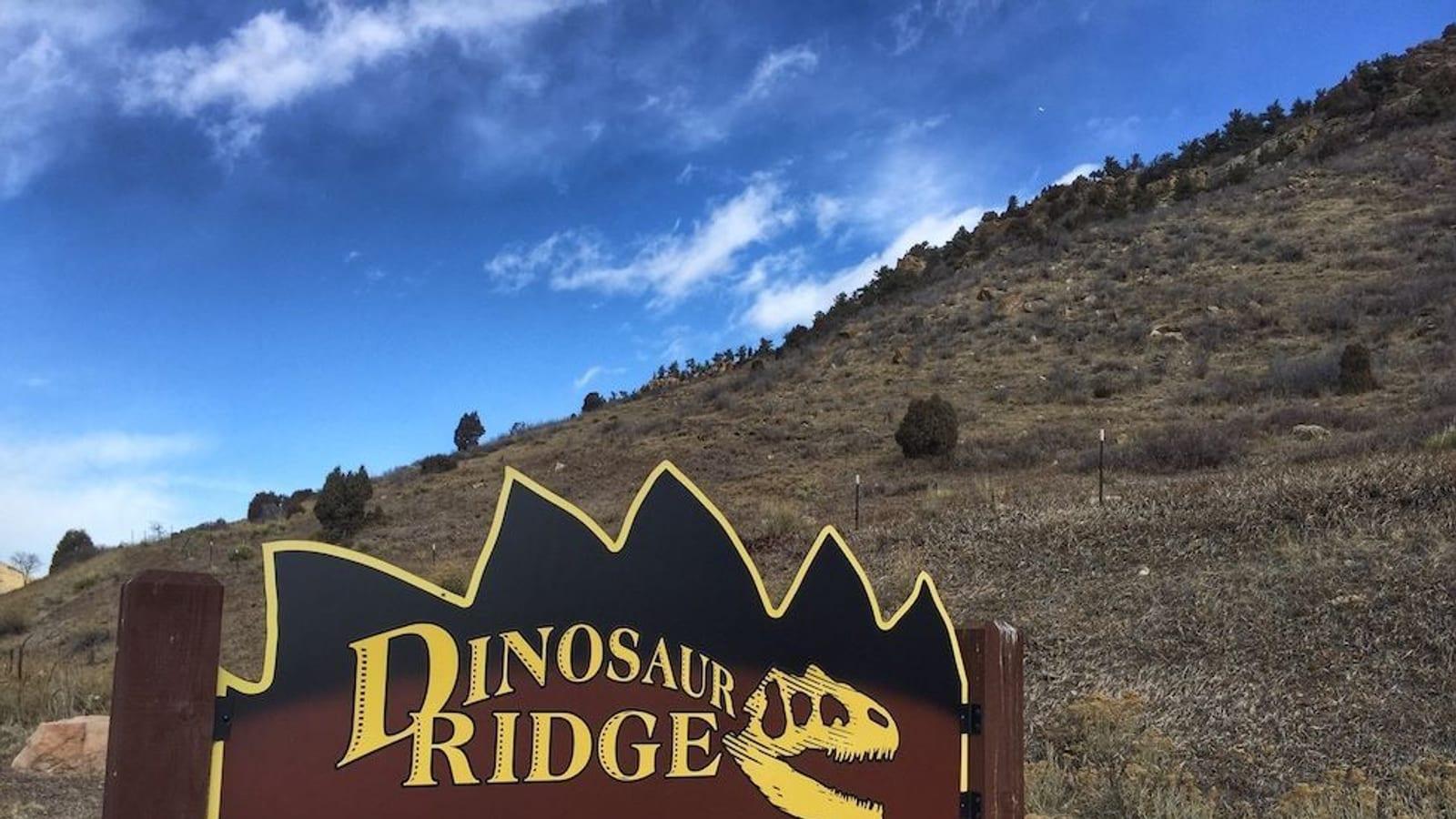
Dinosaur Ridge: Dinosaur Trackways
Colorado, United States
Dinosaur Tracks, Dinosaur Bones, Trace Fossils
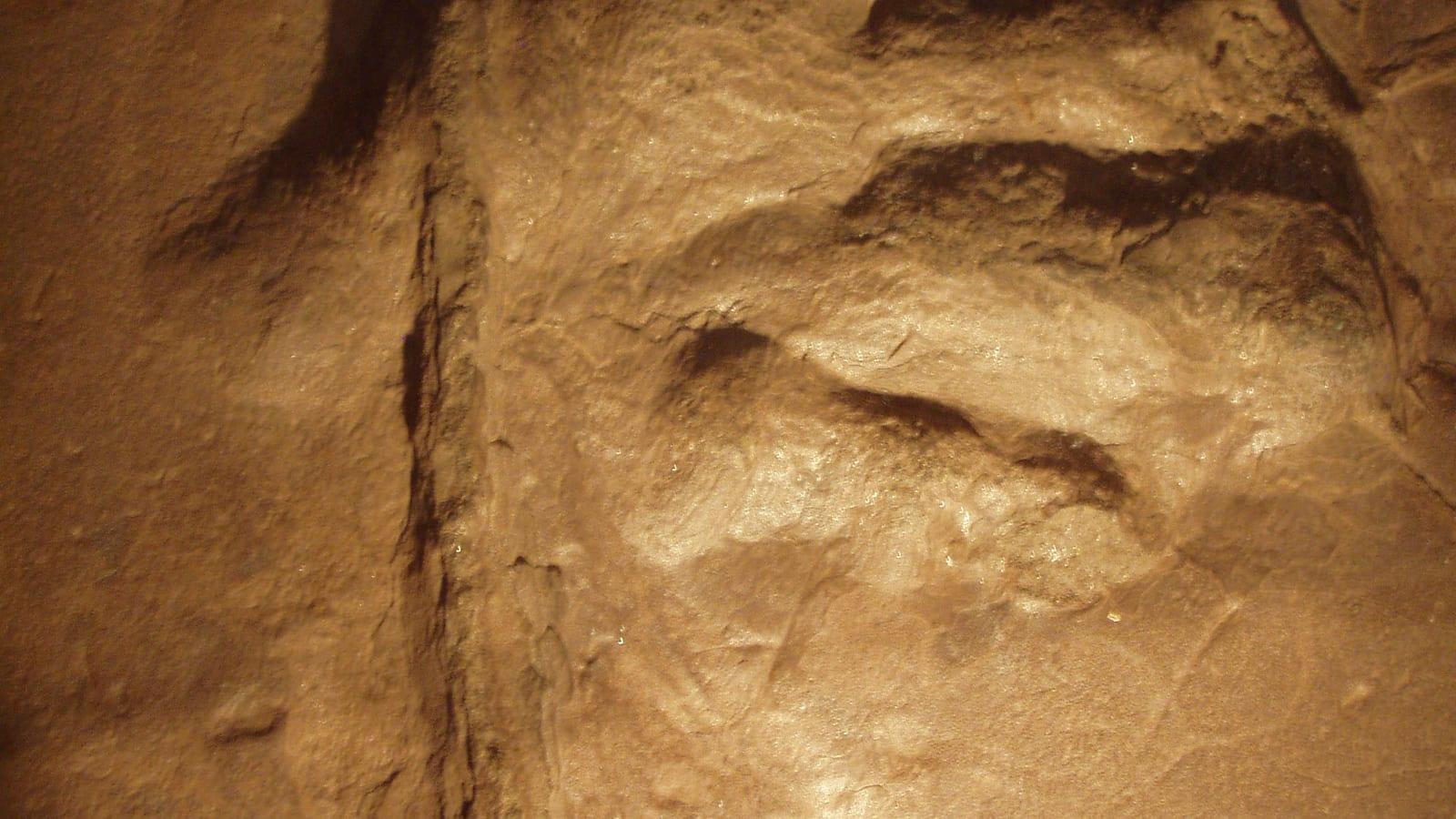
Dinosaur State Park Fossil Hunting Guide
Connecticut, United States
Dinosaur Tracks
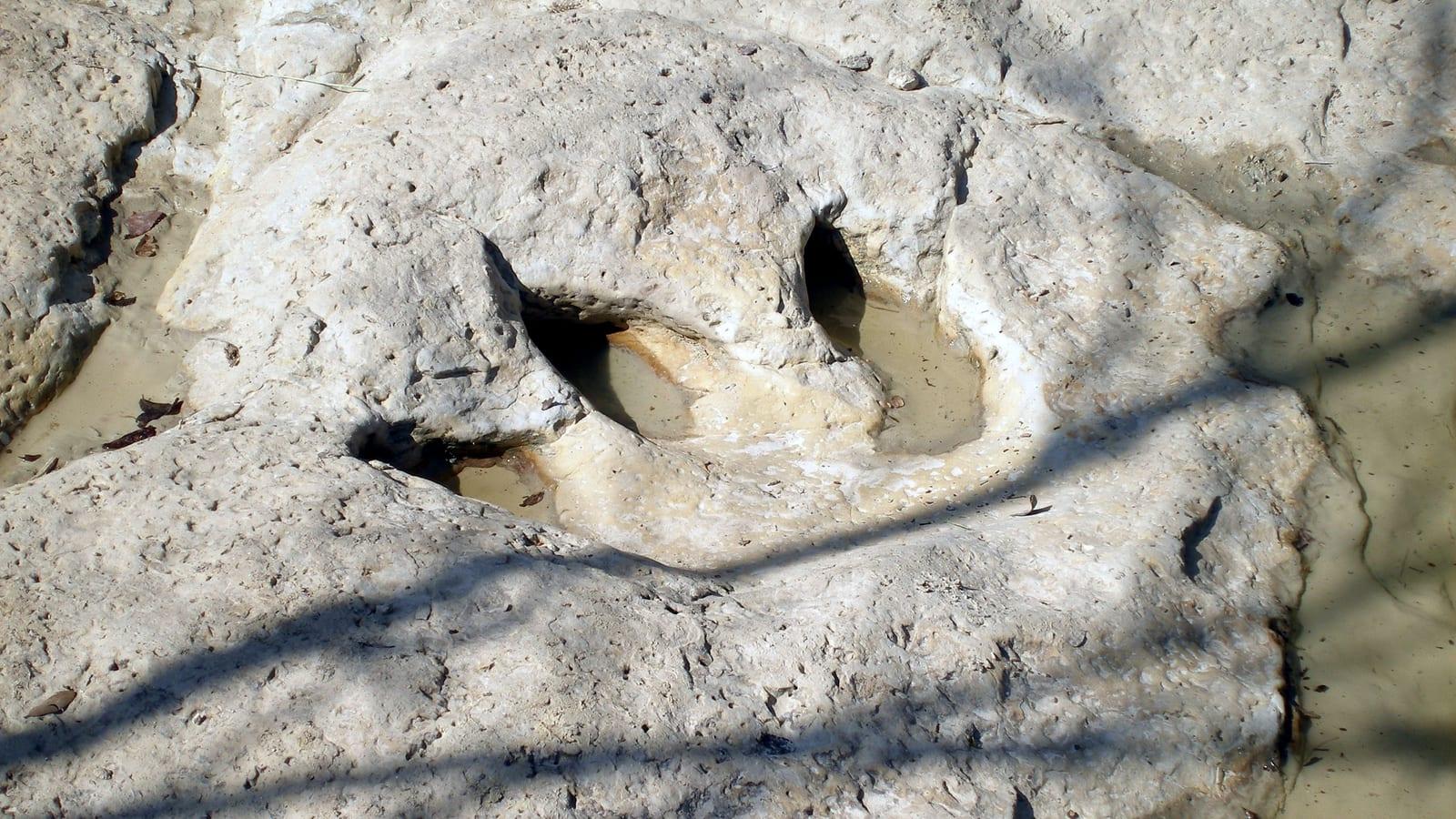
Dinosaur Valley State Park: Dinosaur Trackways
Texas, United States
Dinosaur Tracks, Trace Fossils
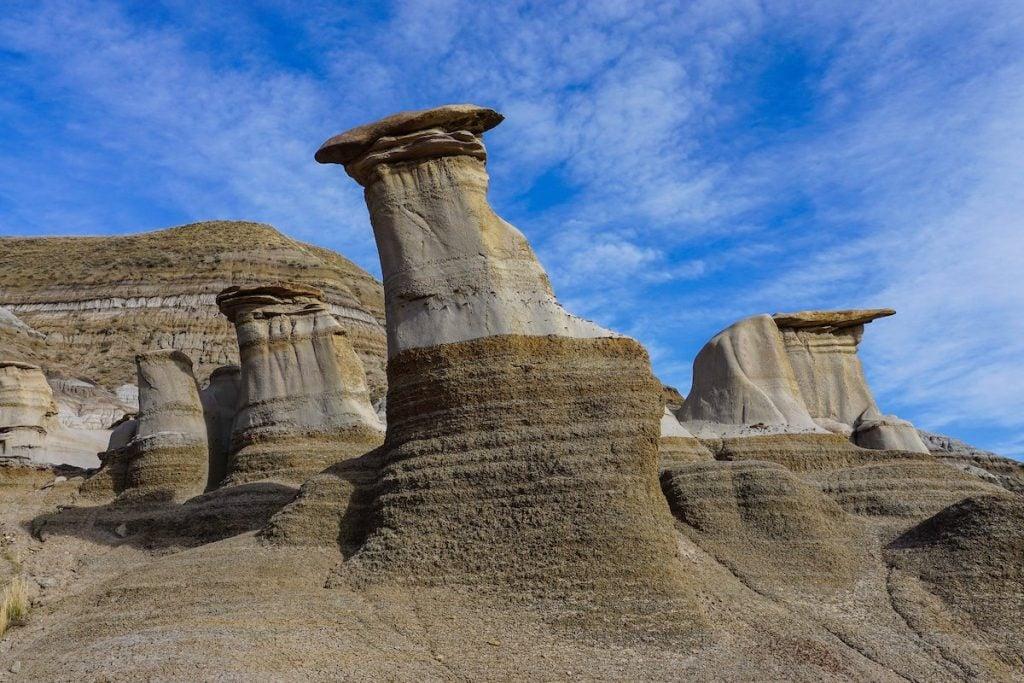
Drumheller Hoodoos Fossil Hunting Guide
Alberta, Canada
Hadrosaur bone, Dinosaur tooth fragments, Fossil plants, Fossil wood
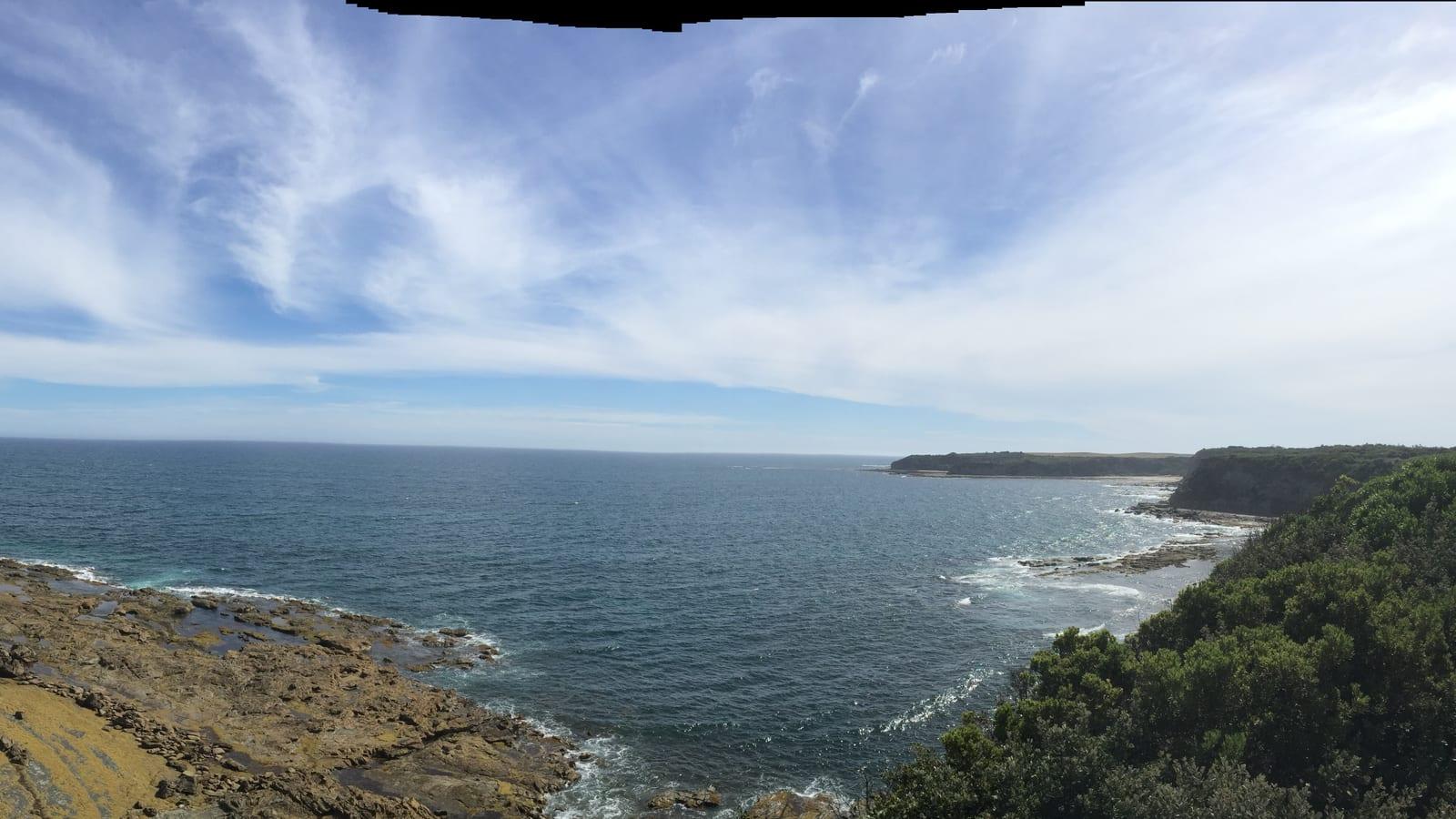
Eagles Nest Cape Paterson First Dinosaur Fossil Hunting Guide
Bunurong Marine and Coastal Park
Theropod dinosaur material, Ornithopod dinosaurs, Fish scales and teeth
Flat Rocks Inverloch Dinosaur Dig Site Fossil Hunting Guide
Bass Coast
Polar dinosaurs, Early mammal teeth, Fish, Pterosaur
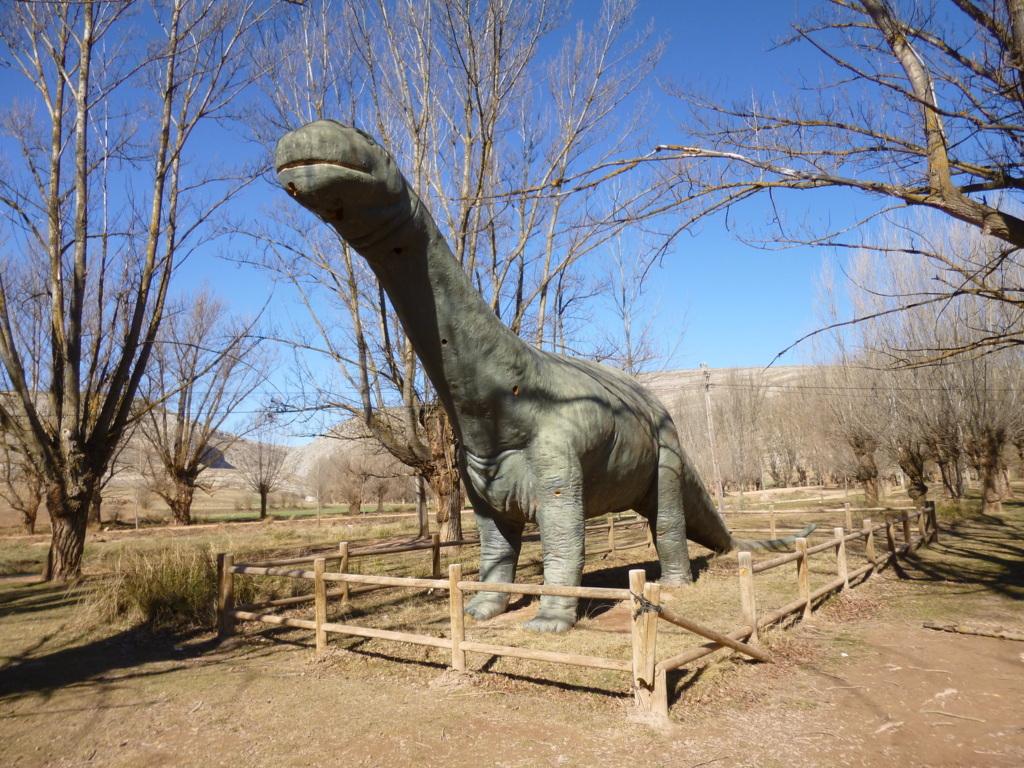
Galve Dinosaur Trail Fossil Hunting Guide
Teruel, Aragón, Spain
Sauropod trackways, Theropod footprints, Ornithopod footprints, Aragosaurus ischiaticus body fossils
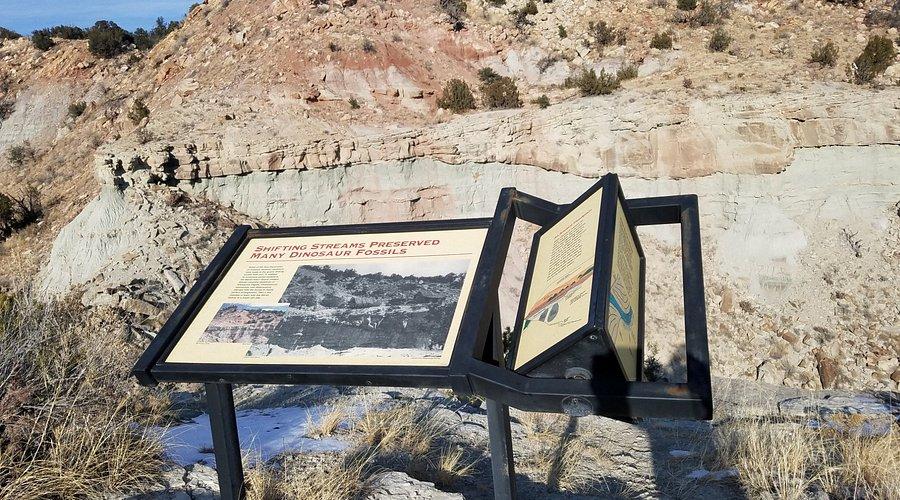
Garden Park Fossil Area Fossil Hunting Guide
Colorado, United States
Allosaurus fragilis (type), Stegosaurus stenops (type), Diplodocus longus, Ceratosaurus nasicornis (type)
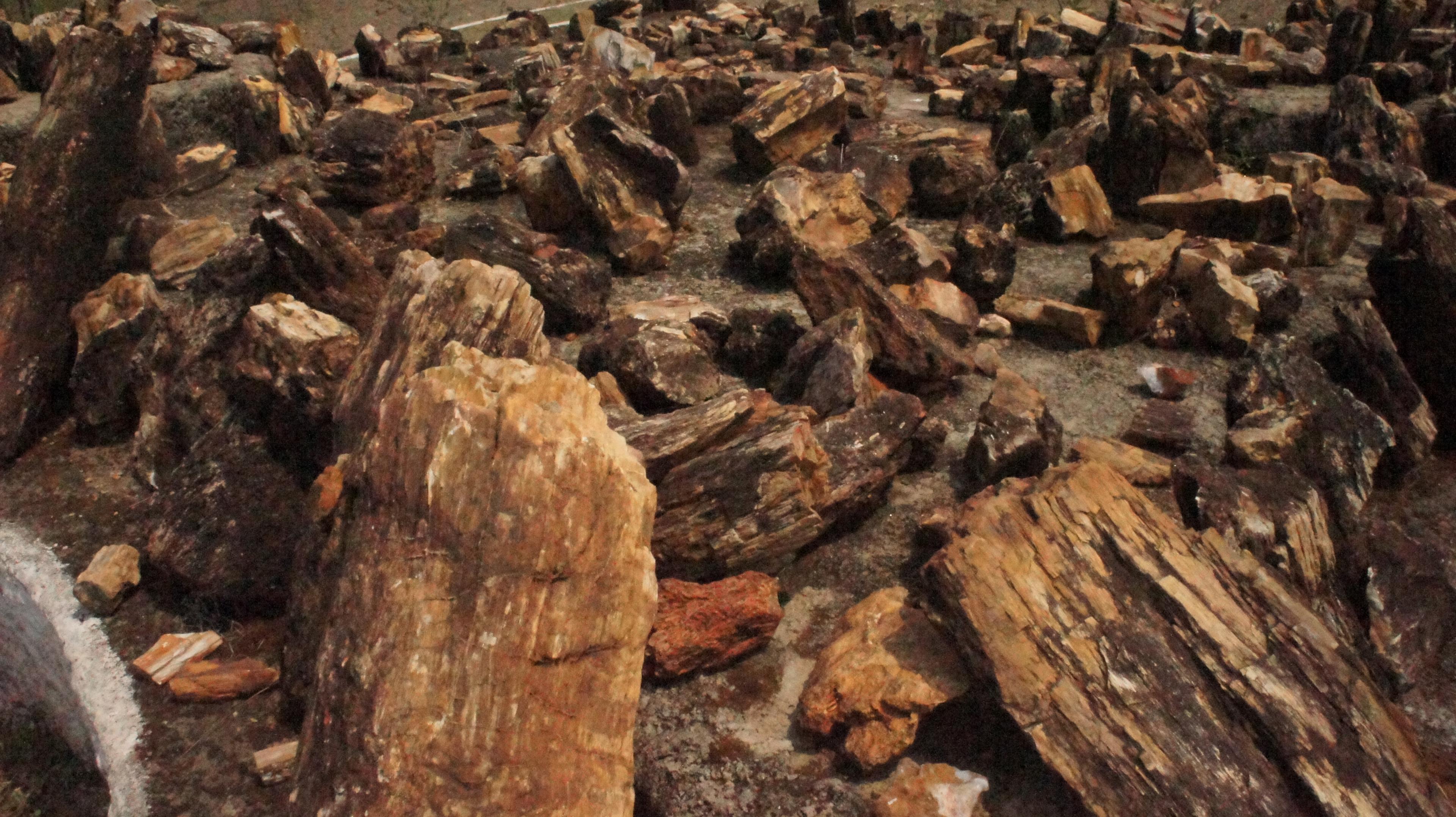
Ghughua National Fossil Park Fossil Hunting Guide
Madhya Pradesh, India
Petrified Wood, Seeds and Fruits, Dinosaur Eggs, Plants
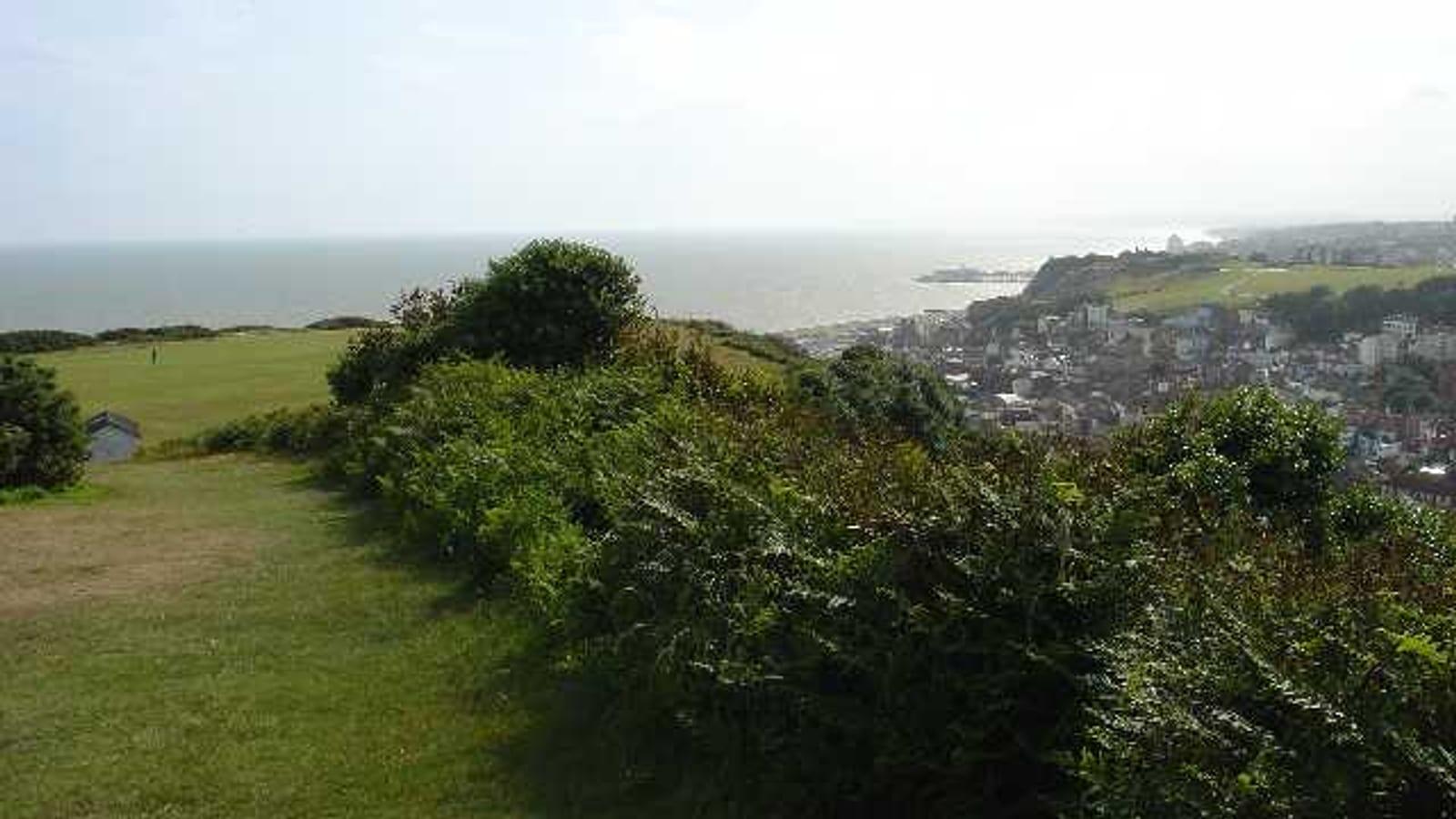
Hastings East Sussex Fossil Hunting Guide
Hastings
Dinosaur bones and teeth, Dinosaur footprints, Freshwater molluscs, Plant material
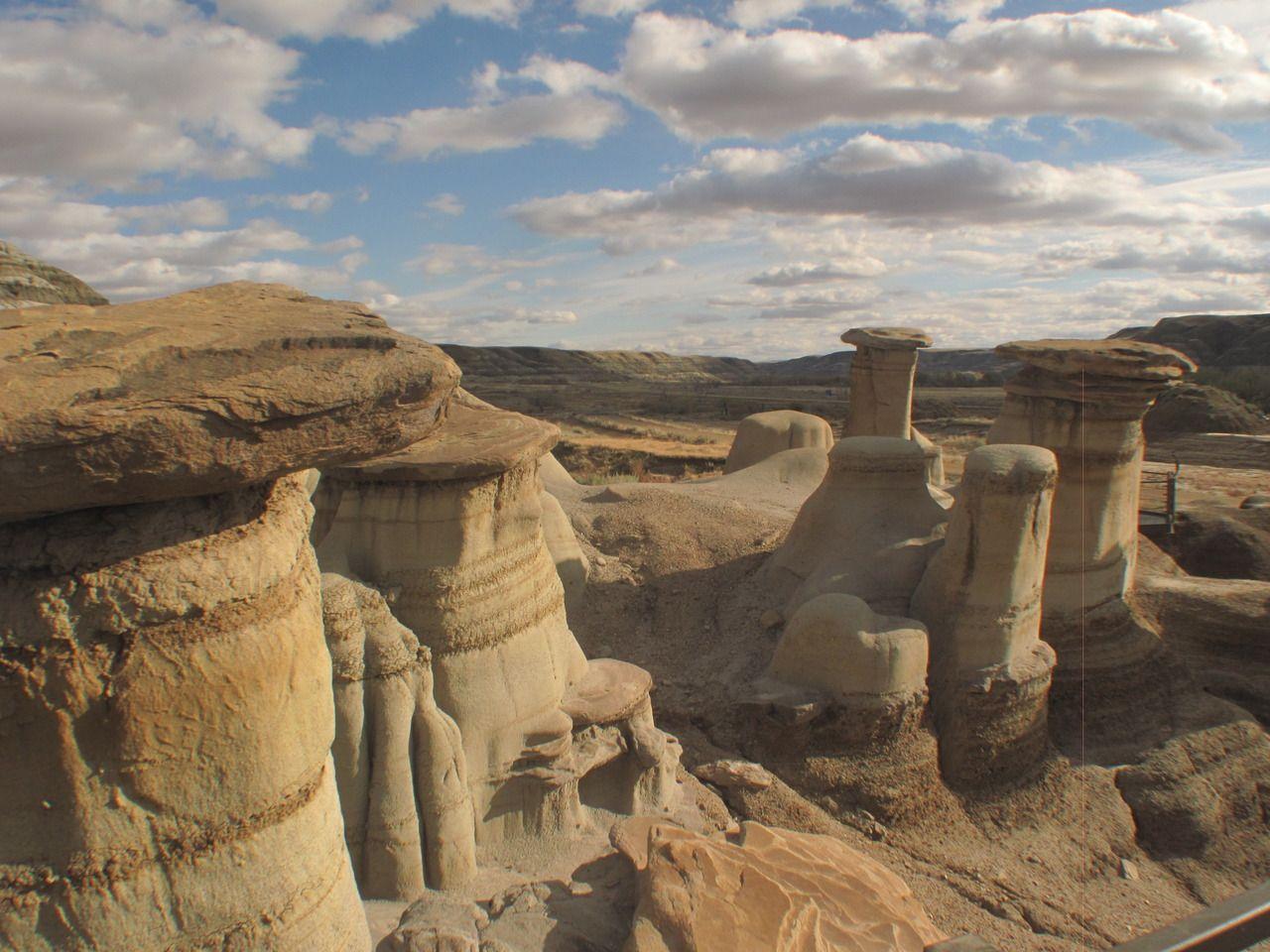
Horseshoe Canyon (Drumheller) Fossil Hunting Guide
Alberta, Canada
Hadrosaur bone, Theropod material, Fossil plants, Fossil wood
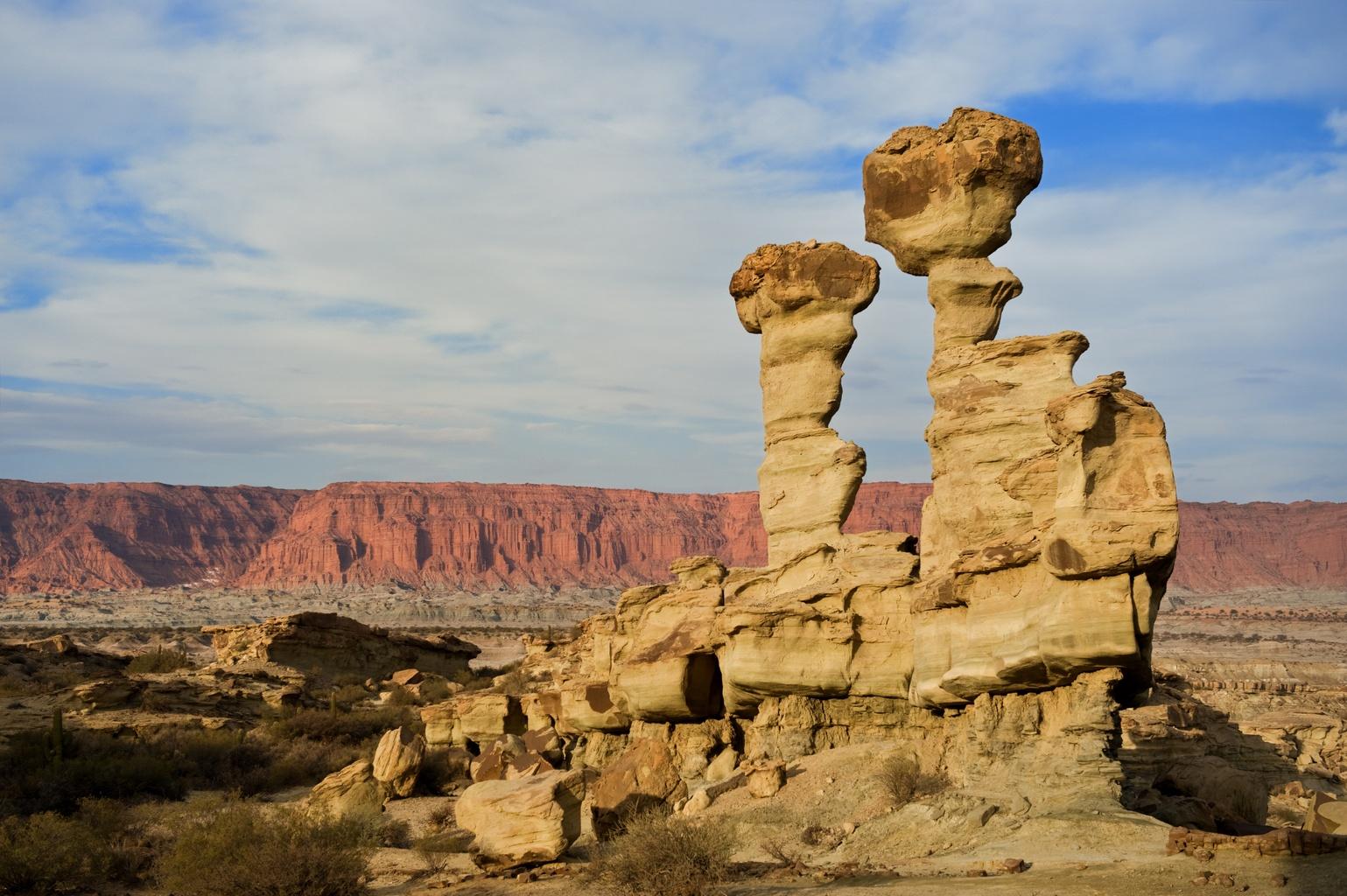
Ischigualasto Provincial Park Fossil Guide
San Juan, Argentina
Early dinosaurs, Eoraptor, Herrerasaurus, Rhynchosaurs
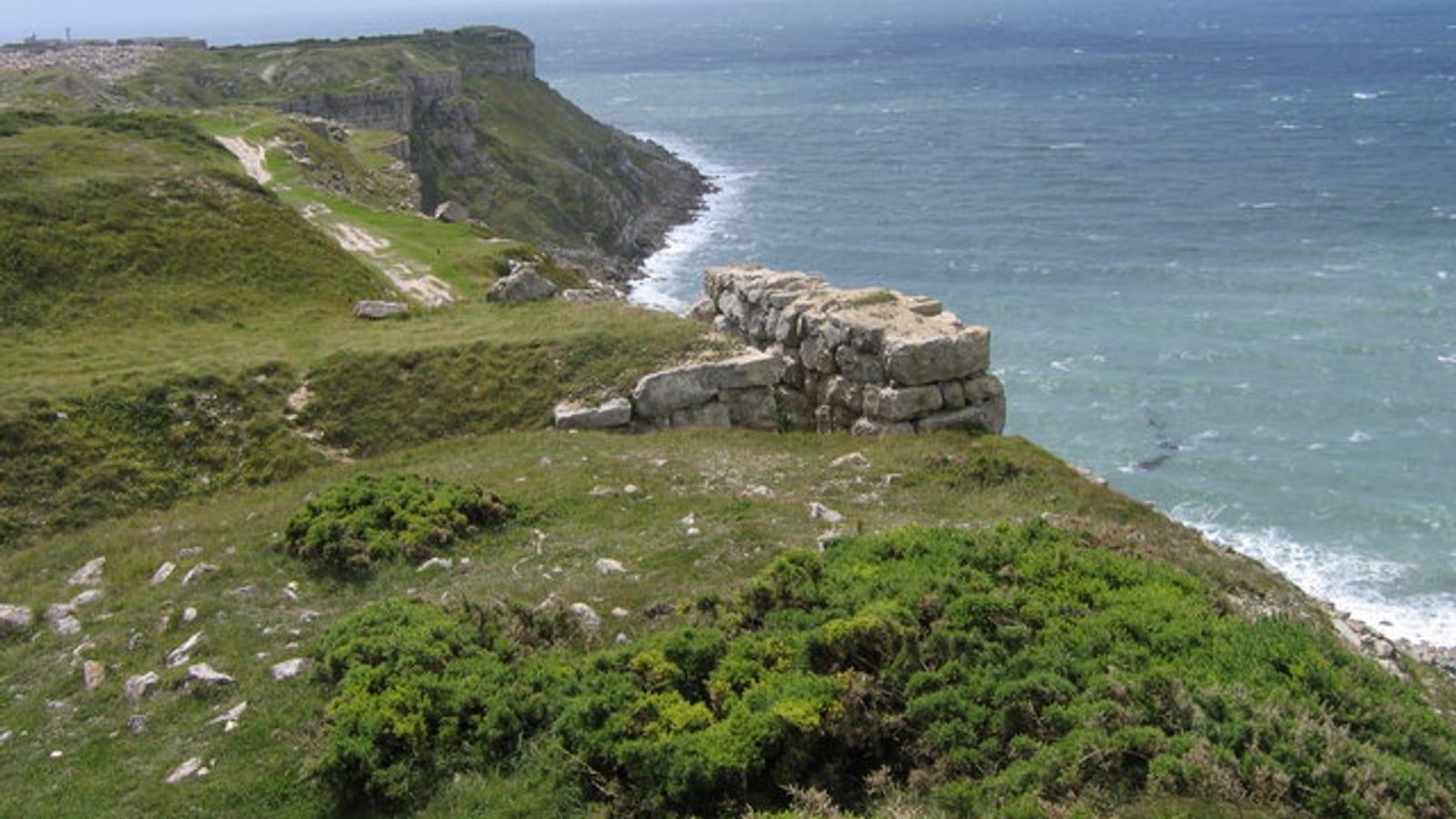
Isle of Portland: Dinosaur Trackways
United Kingdom
Ammonites, Bivalves, Dinosaur footprints, Marine reptile remains
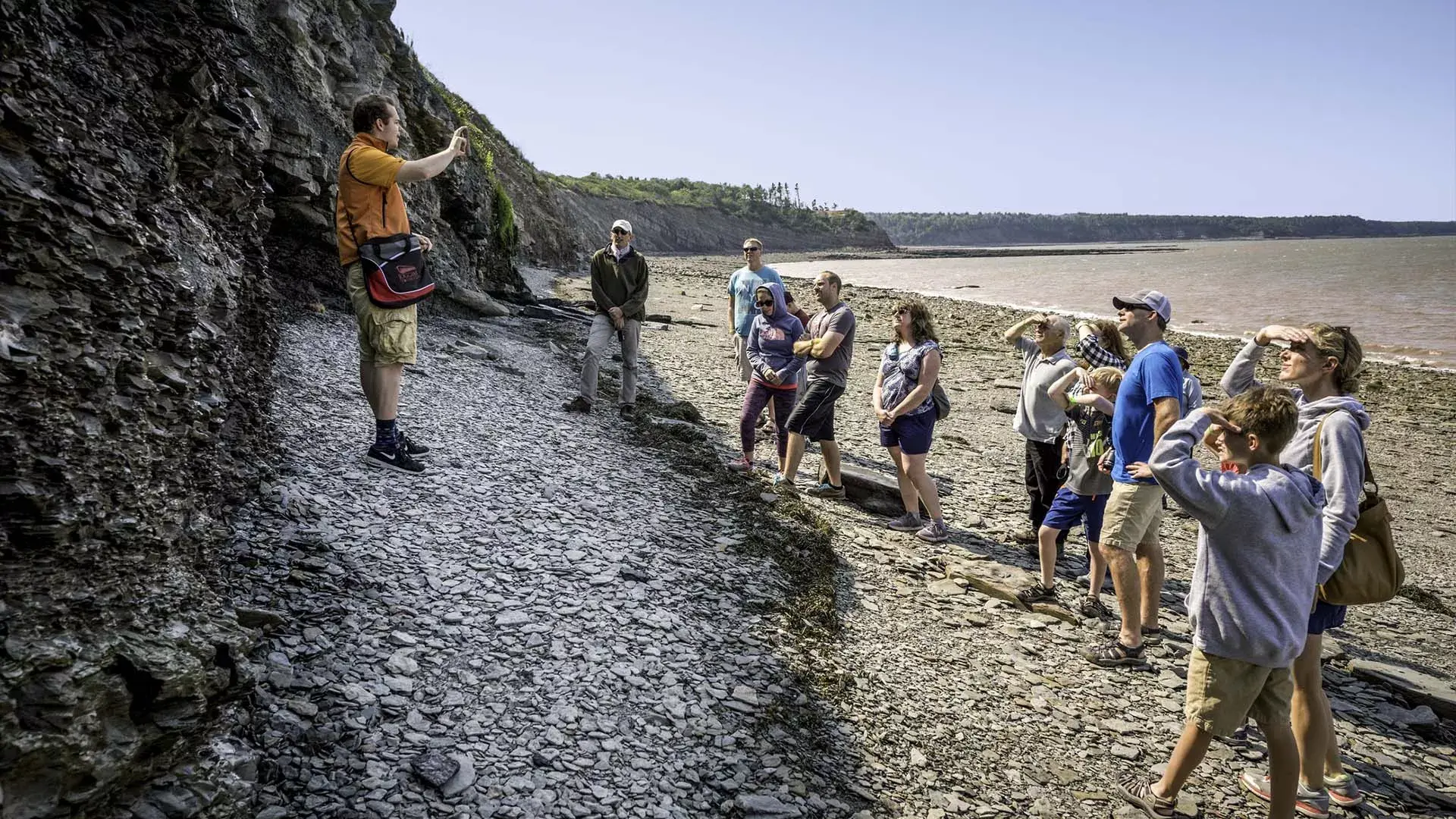
Joggins Fossil Cliffs Fossil Hunting Guide
Nova Scotia, Canada
Lycopsid trees, Plant fossils, Tetrapod trackways, Early reptiles
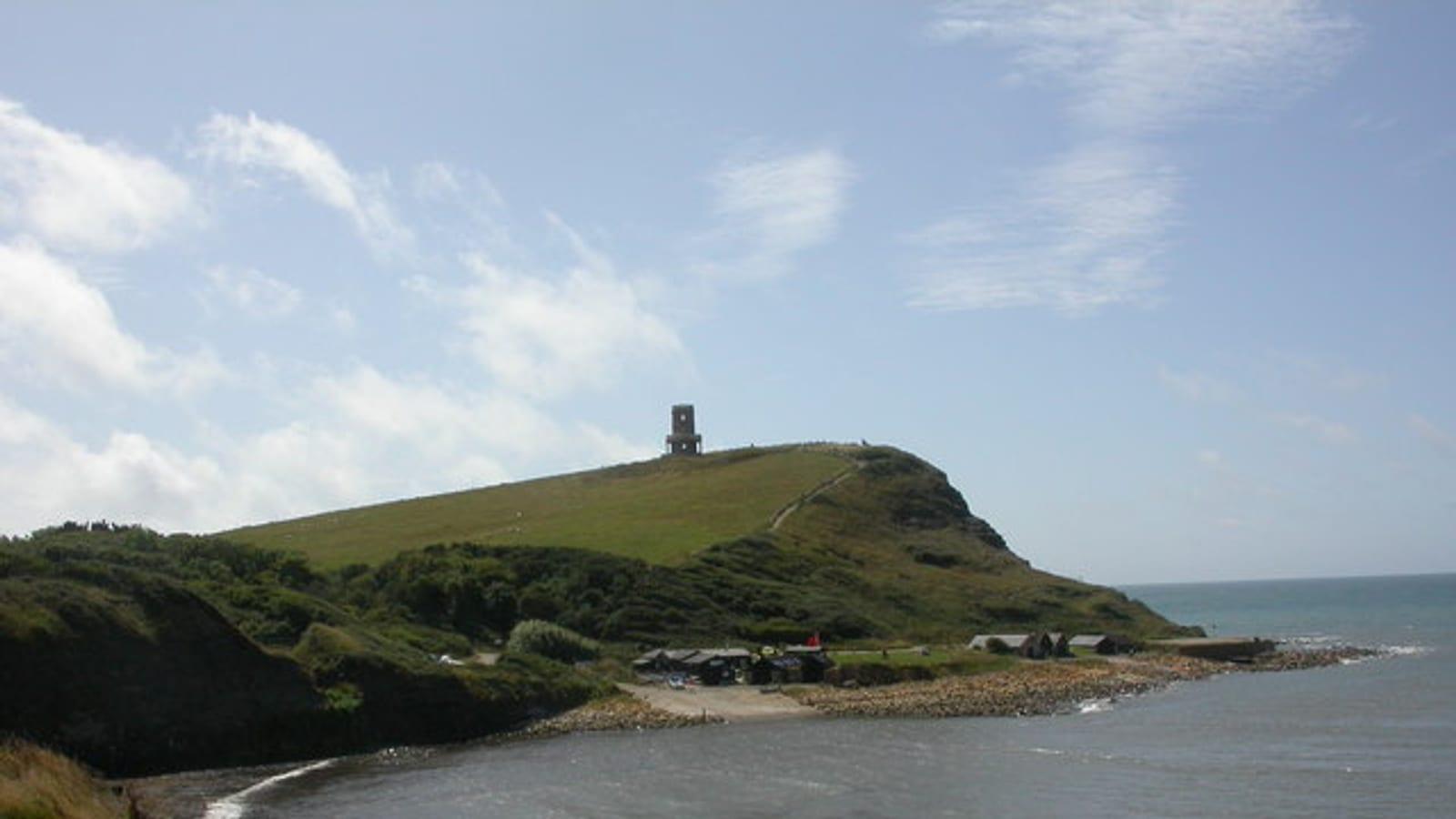
Kimmeridge Bay Fossil Hunting Guide
Wareham
Etches Collection Museum, Ammonites, Belemnites, Bivalves
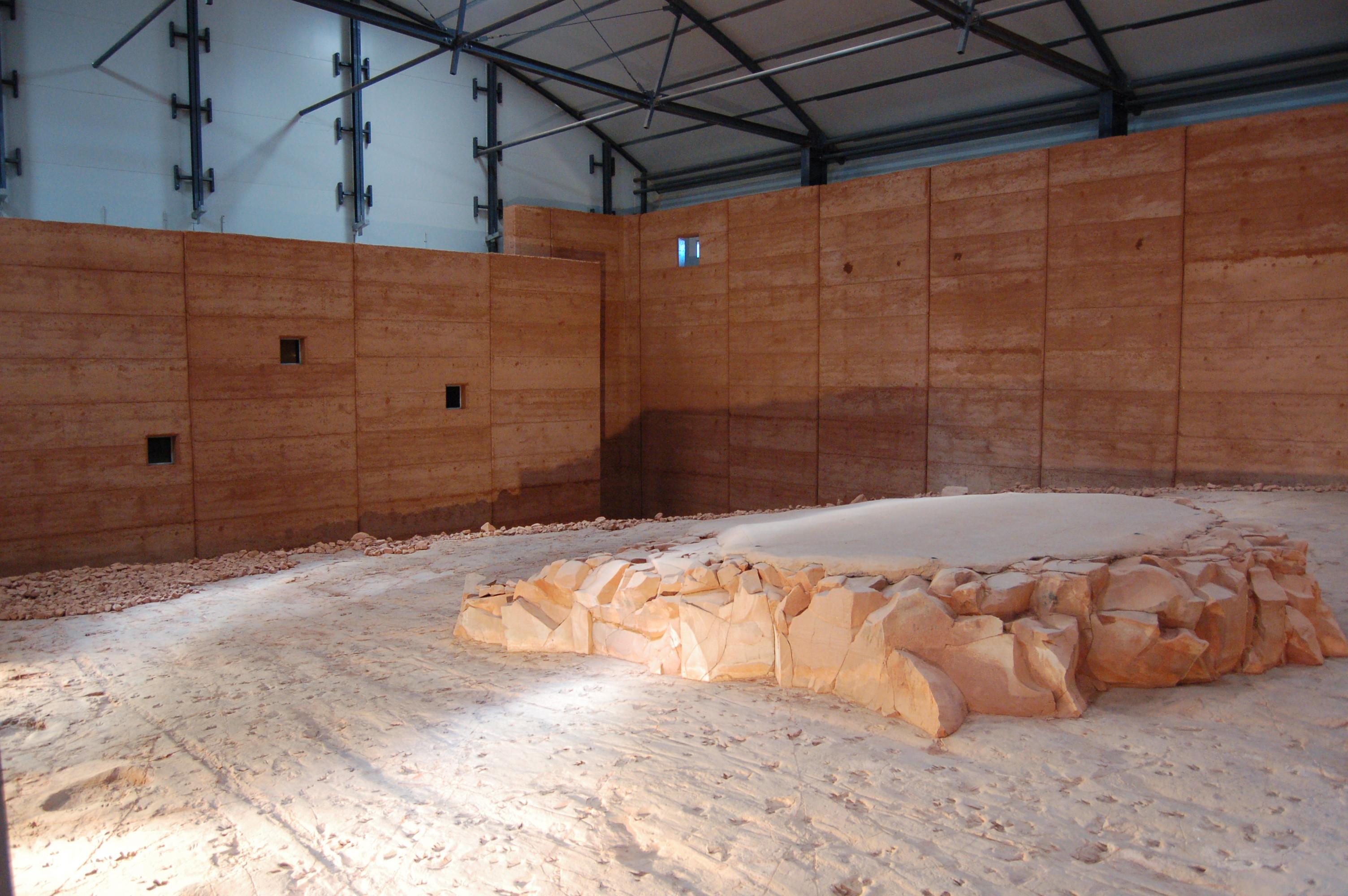
Lark Quarry Dinosaur Trackways Fossil Hunting Guide
Queensland, Australia
Theropod footprints, Small ornithopod prints, Small theropod prints, Crocodyliform tracks
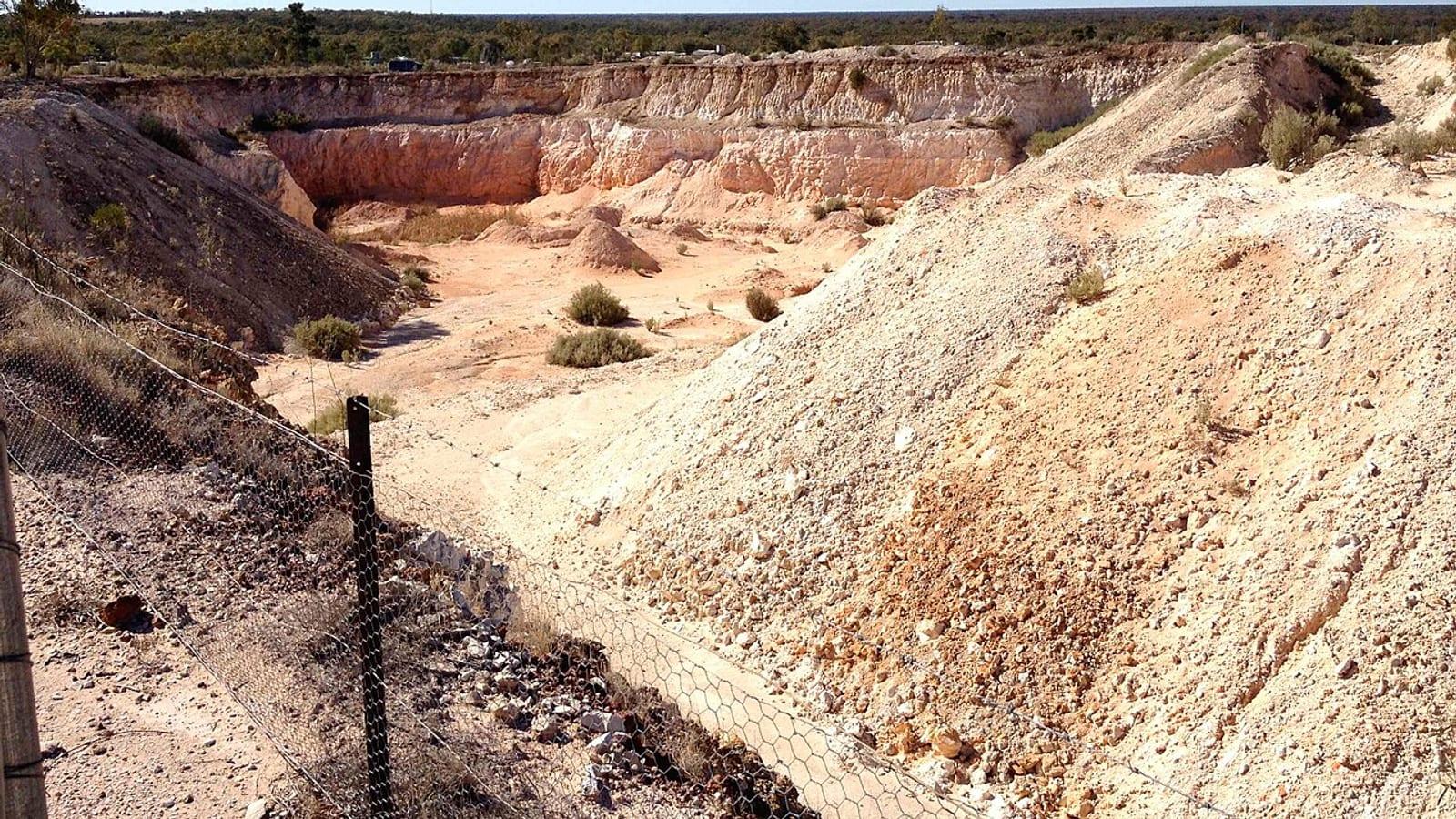
Lightning Ridge Opalised Dinosaur Fossils Fossil Hunting Guide
Lightning Ridge NSW 2834.The site is known for opalised vertebrate fossils recovered from the Griman Creek Formation and Finch Clay Member
Opalised dinosaur bones, Opalised mammals
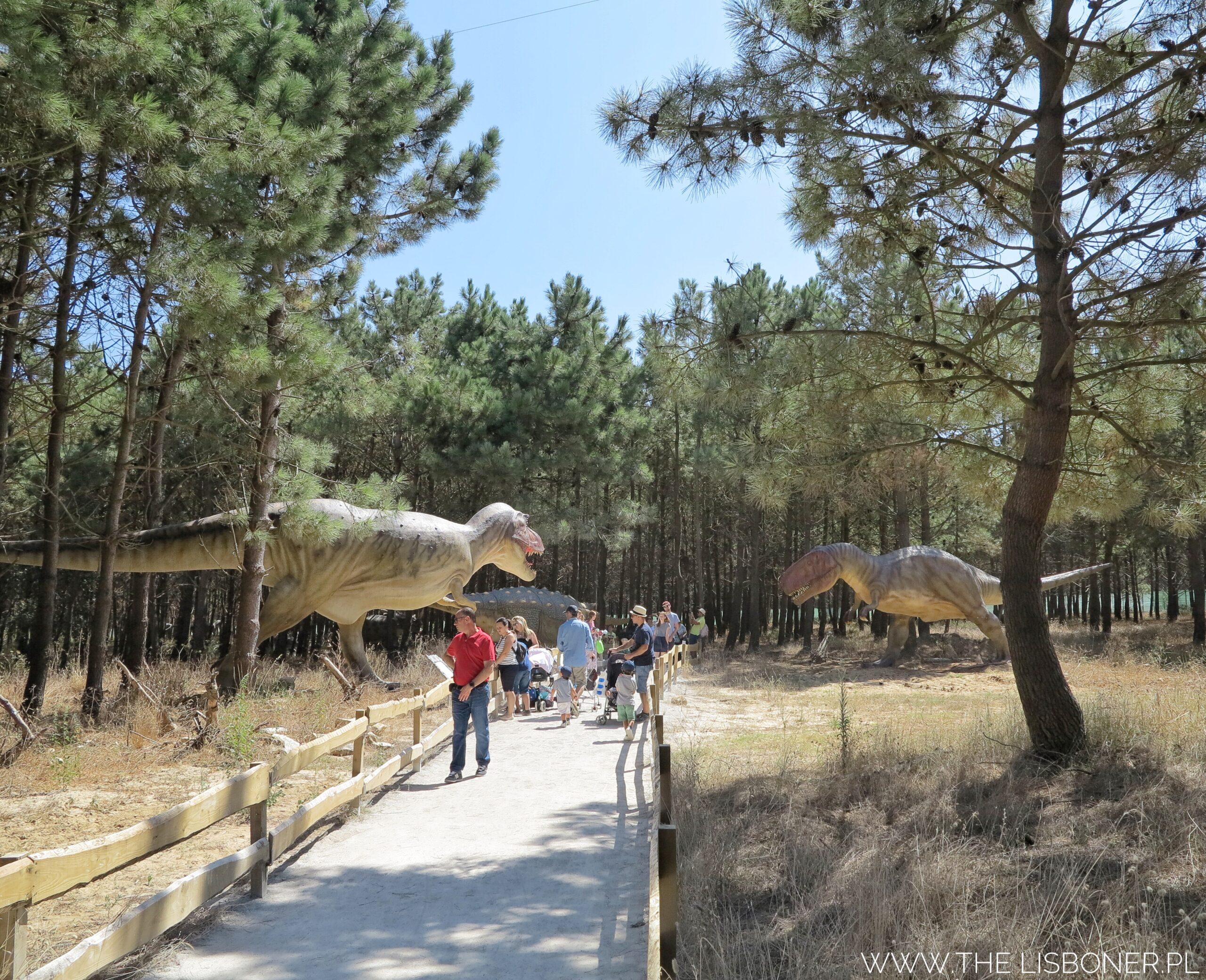
Lourinhã Jurassic Dinosaur Coast Fossil Hunting Guide
Lourinhã, Oeste, Portugal
Dinosaur eggs and embryos, Sauropod bone (Lusotitan, Dinheirosaurus), Theropod bone (Lourinhanosaurus, Allosaurus europaeus), Stegosaur bone (Miragaia)

Paleorrota Geopark Fossil Hunting Guide
Rio Grande do Sul, Brazil
Staurikosaurus pricei (early dinosaur), Hyperodapedon (rhynchosaur), Dinodontosaurus (dicynodont), Exaeretodon (cynodont)
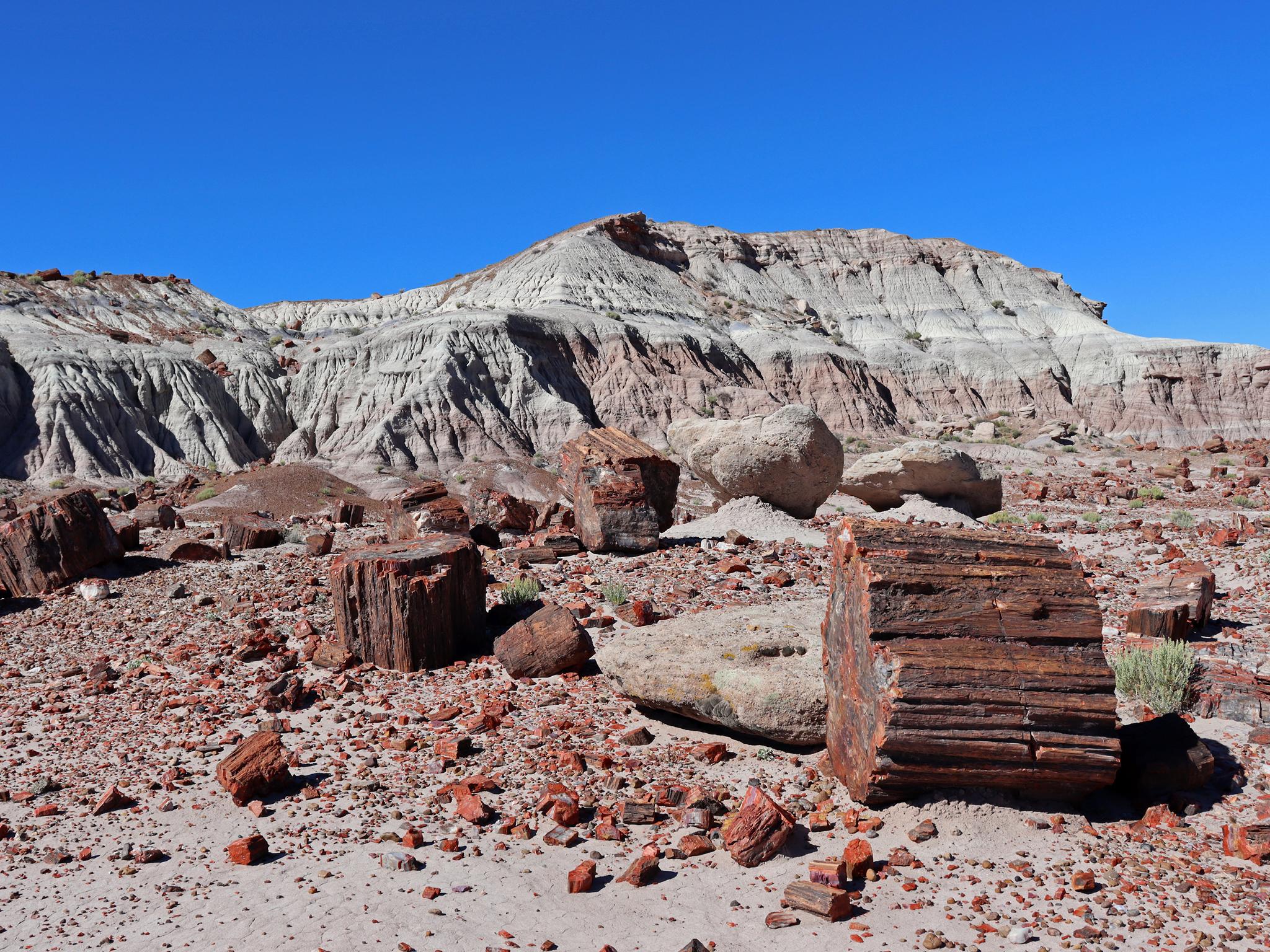
Petrified Forest National Park Fossil Hunting Guide
Arizona, United States
Petrified Araucarioxylon logs, Phytosaurs, Aetosaurs, Coelophysis-grade dinosaurs
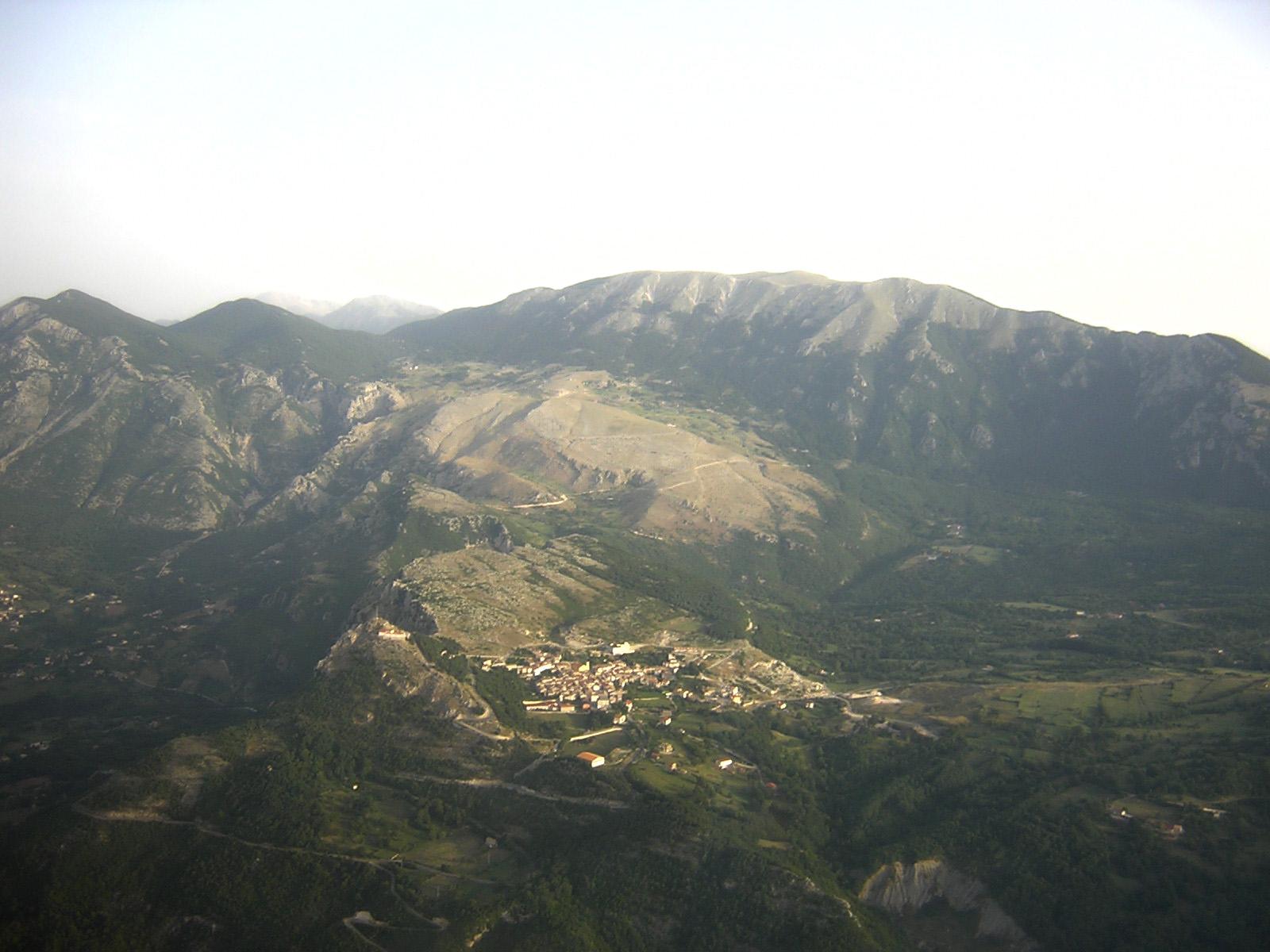
Pietraroja Plattenkalk Geosite Fossil Hunting Guide
Campania, Italy
Scipionyx samniticus (theropod), Notagogus parvus (fish), Belonostomus, Halecostome fish
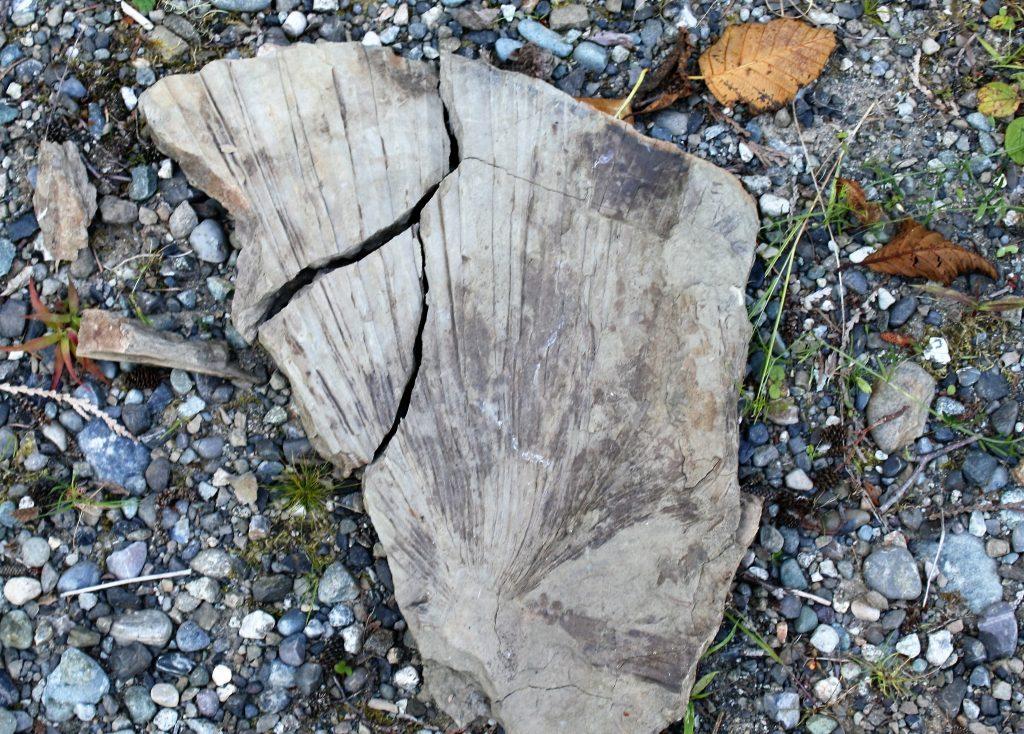
Racehorse Creek Chuckanut Fossil Fields Hunting Guide
Washington, United States
Fossil palm fronds (Sabalites), Tree fern fronds (Cyathea pinnata), Fossil leaves, Gastornis trackways (protected)
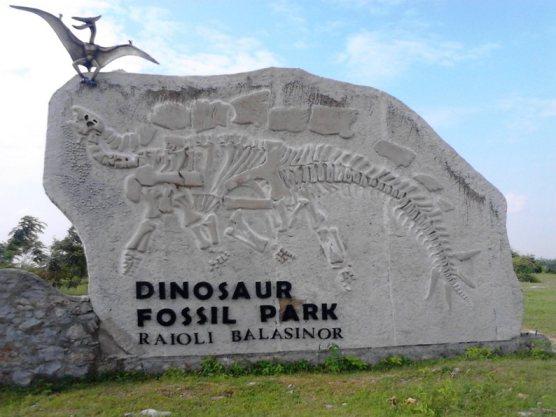
Raiyoli (Balasinor) Dinosaur Fossil Park
Gujarat, India
Dinosaur Eggs, Dinosaur Bones, Dinosaurs, Rajasaurus narmadensis
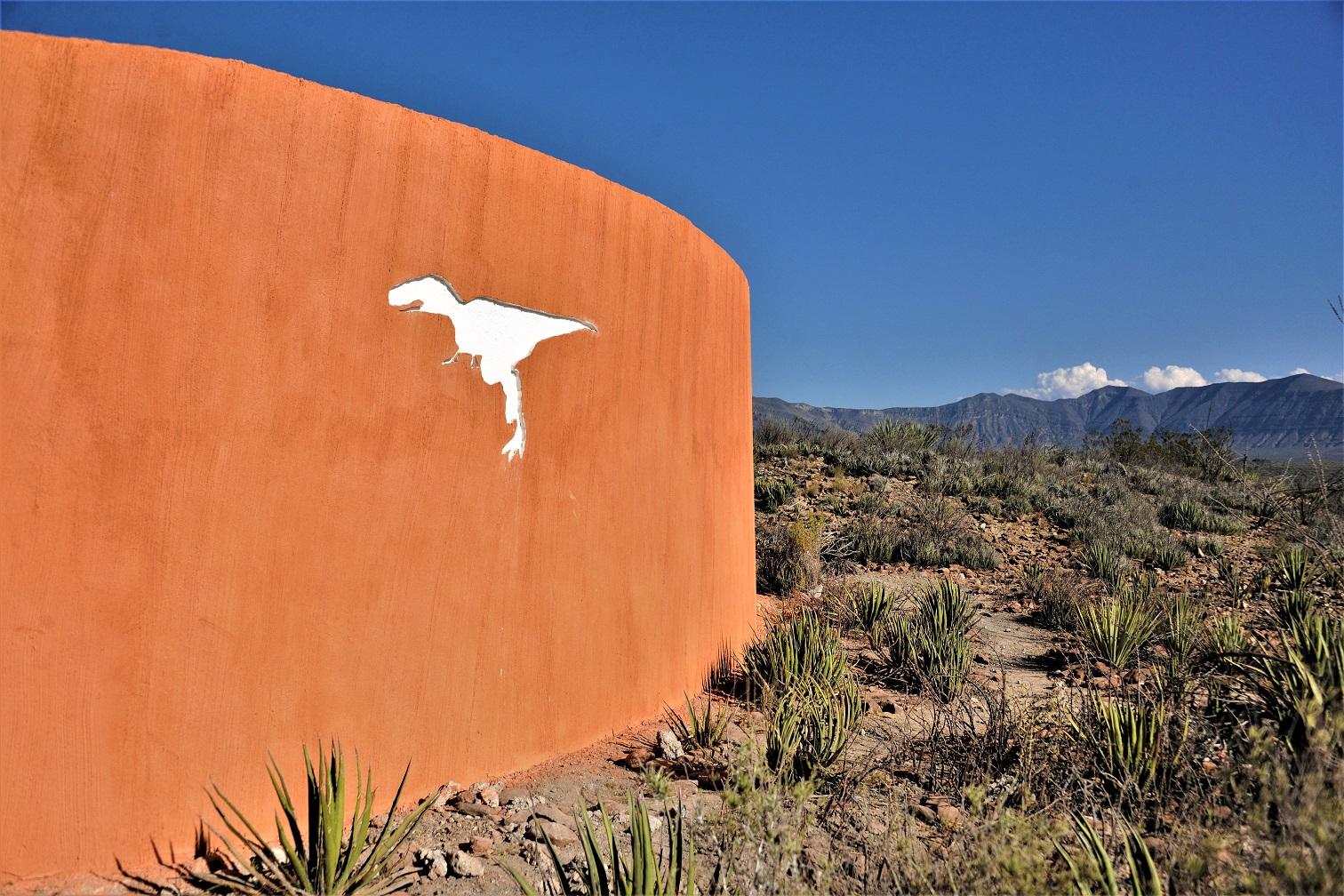
Rincón Colorado Paleontological Zone Fossil Hunting Guide
Coahuila, Mexico
Velafrons coahuilensis (hadrosaur, type), Coahuilaceratops magnacuerna, Las Águilas trackway hadrosaur prints, Turtles
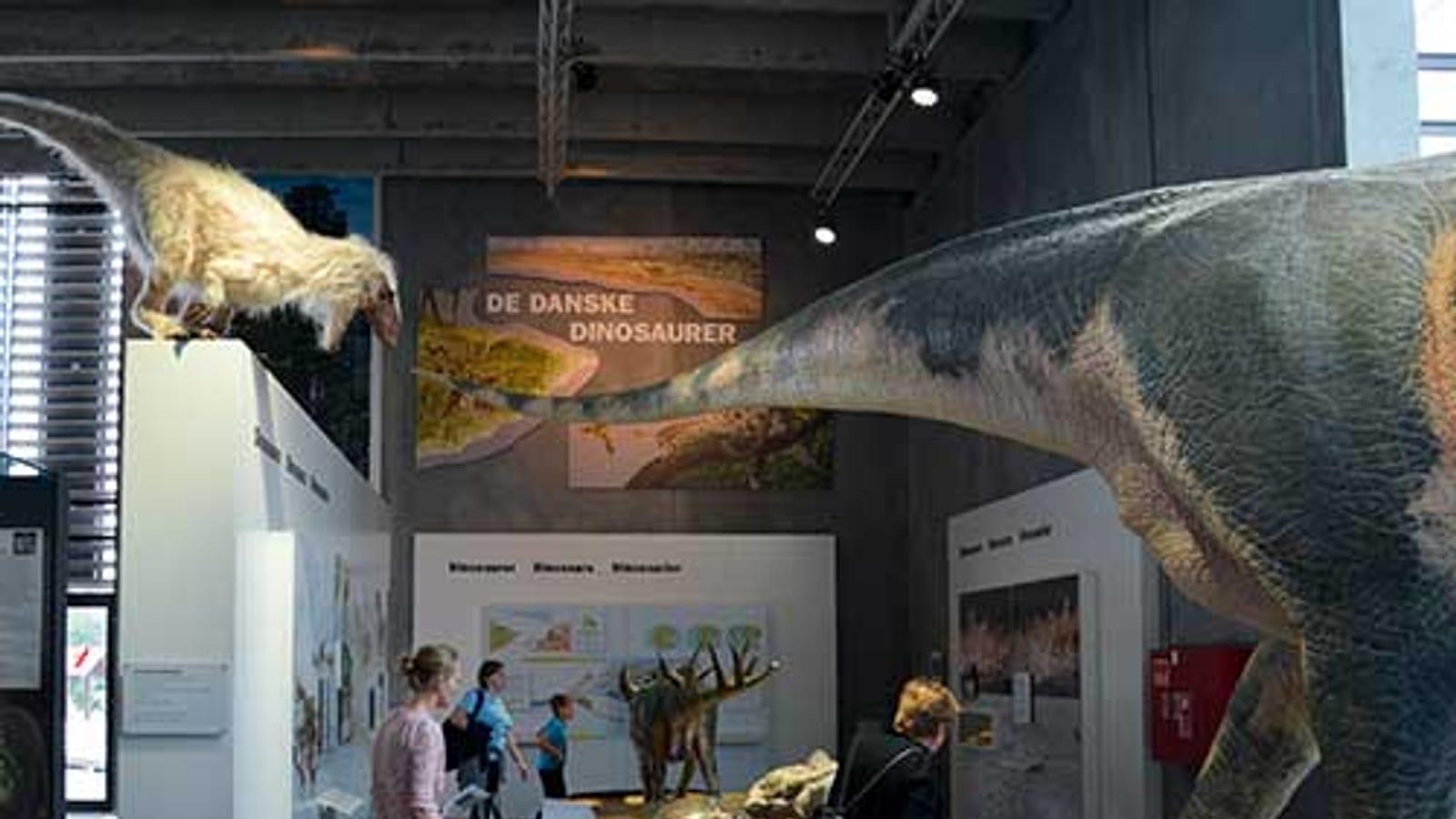
Robbedale Gravel Pit Fossil Hunting Guide
Denmark
Theropod dinosaur teeth, Ornithopod dinosaur teeth, Crocodyliform teeth, Fish teeth and scales

Salas de los Infantes Dinosaur Sites Fossil Hunting Guide
Burgos, Castile and León, Spain
Demandasaurus darwini (sauropod), Europatitan eastwoodi, Iniestapodus burgensis (theropod track), Stegosaurid spines and plates
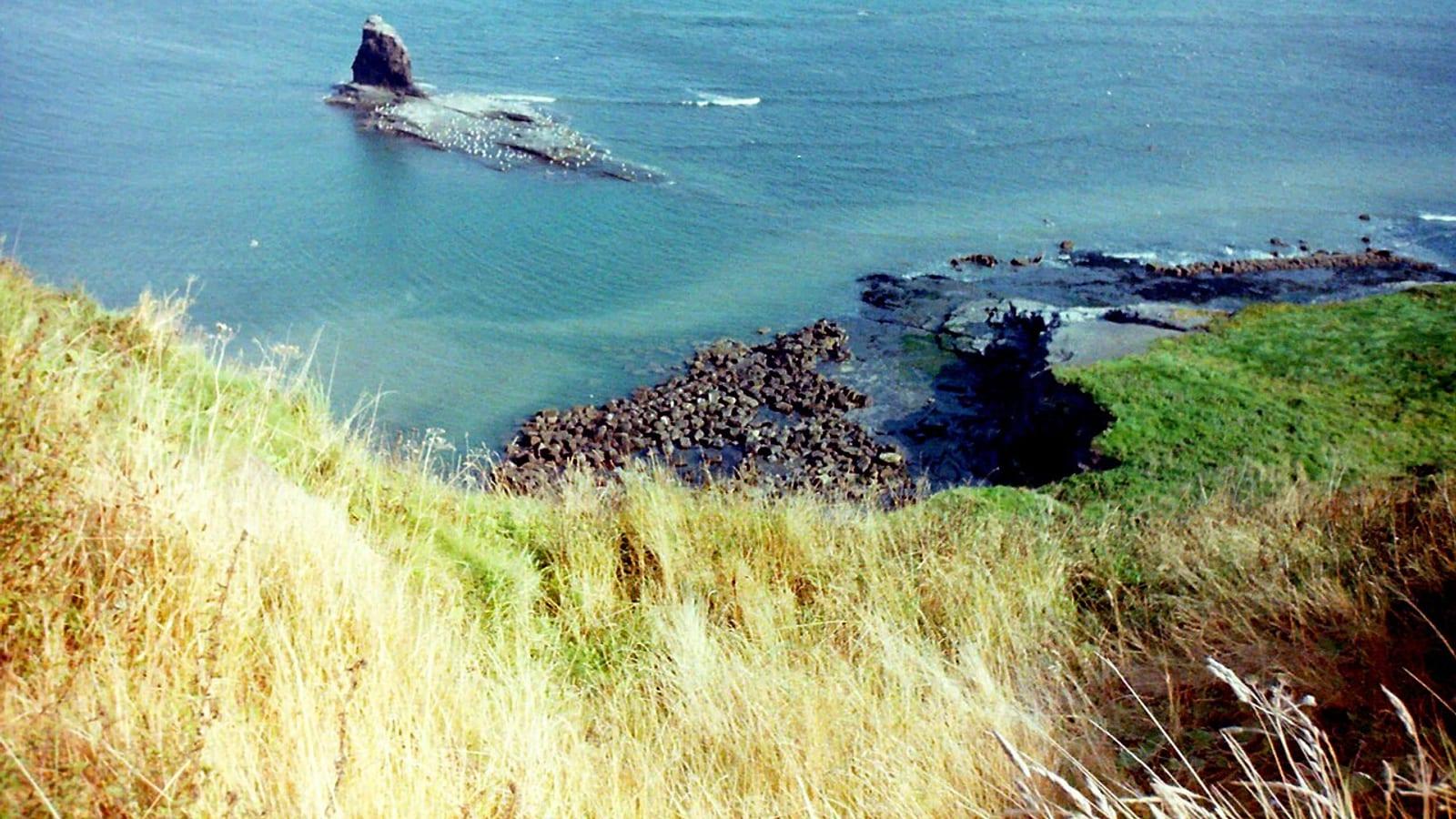
Saltwick Bay Fossil Hunting Guide
United Kingdom
Ammonites, Belemnites, Dinosaur footprints, Plant fossils
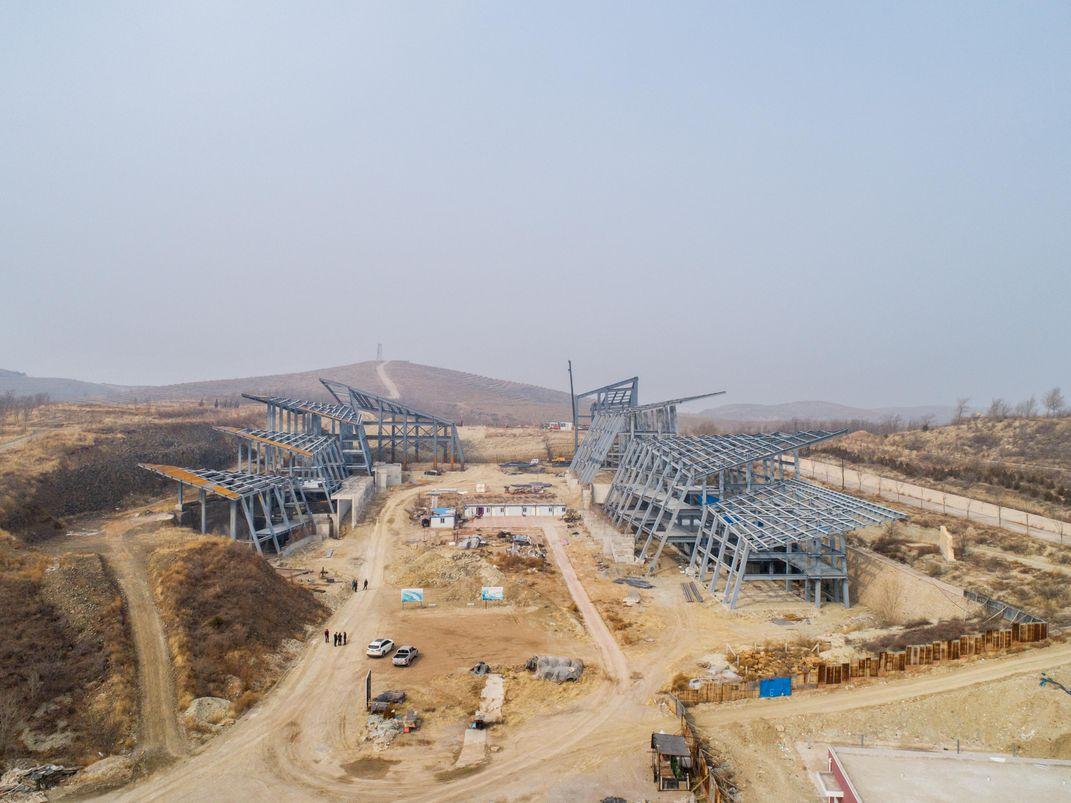
Sihetun Fossil Dig Site Guide
Liaoning, China
Feathered dinosaurs, Early birds, Pterosaurs, Early mammals
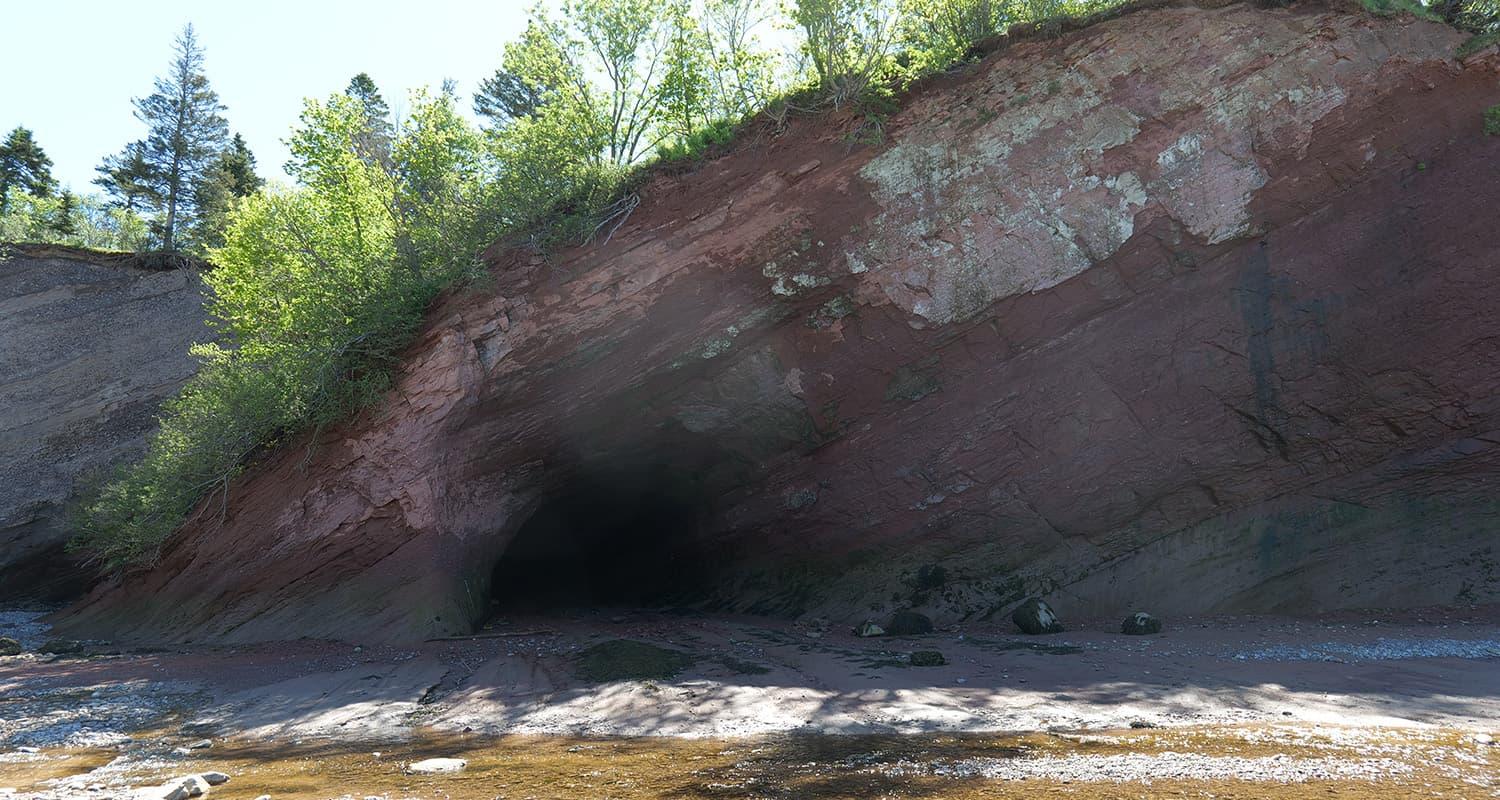
Stonehammer UNESCO Global Geopark Fossil Hunting Guide
New Brunswick, Canada
Paradoxides regina (trilobite), Carboniferous tetrapod trackways, Precambrian stromatolites, Silurian eurypterids
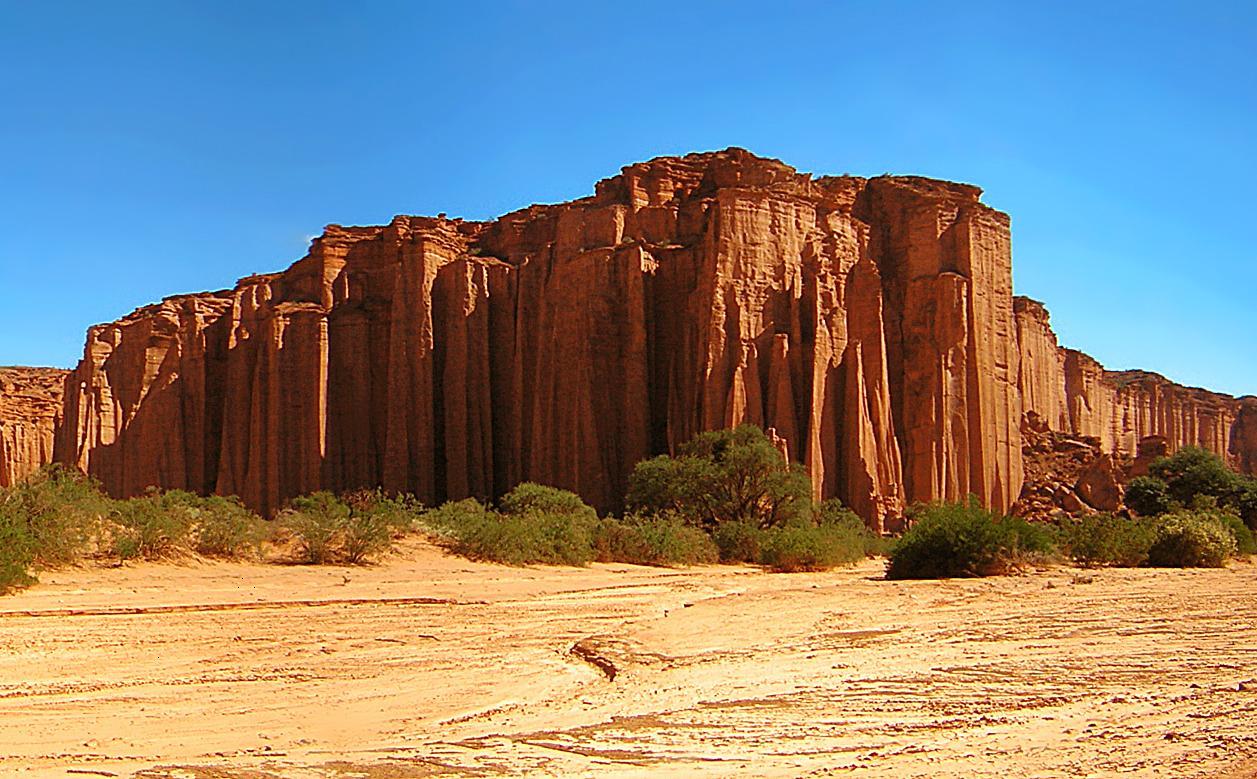
Talampaya National Park Fossil Hunting Guide
La Rioja, Argentina
Dicynodonts (Dinodontosaurus), Cynodonts (Massetognathus), Rhynchosaurs (Hyperodapedon), Early dinosaurs (Eoraptor, Herrerasaurus relatives)
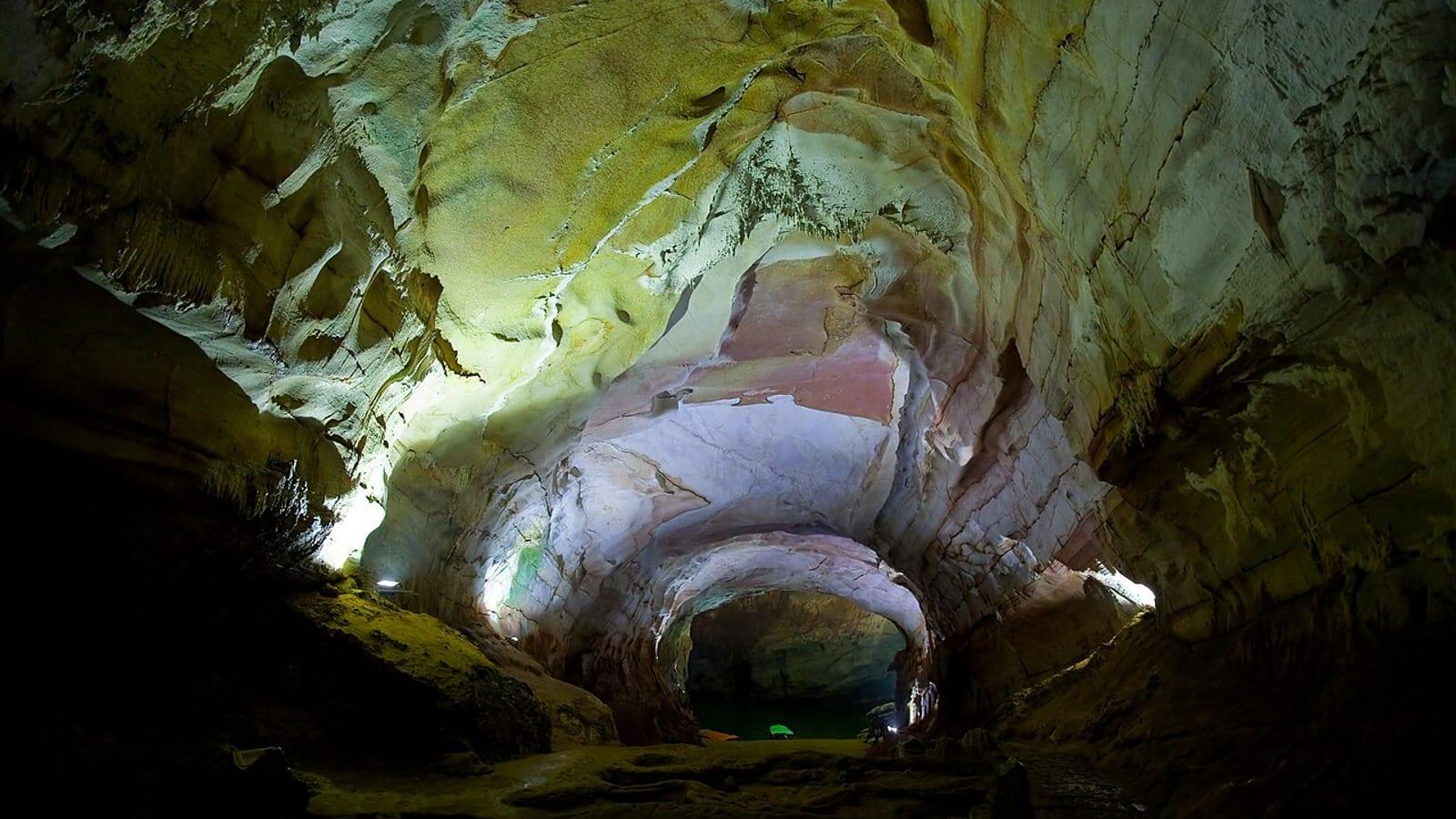
The Caves Inverloch Fossil Hunting Guide
Australia
Dinosaur bones and teeth, Early mammal teeth, Fish, Pterosaur
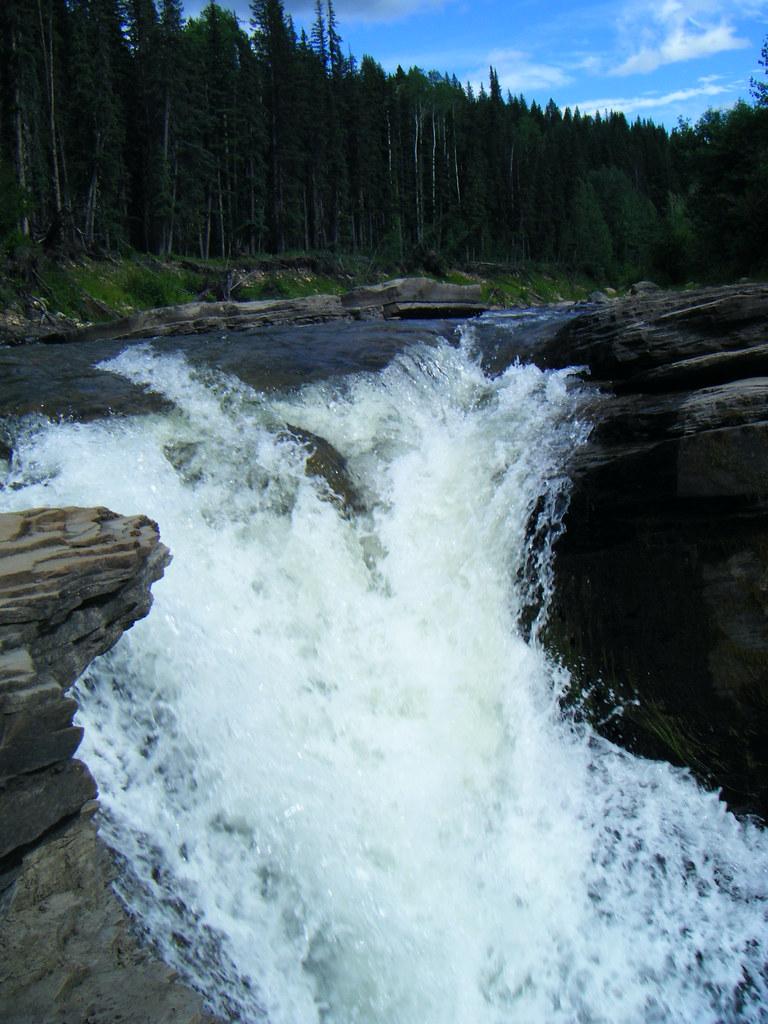
Tumbler Ridge UNESCO Global Geopark Fossil Hunting Guide
British Columbia, Canada
Tyrannosaurid trackways, Ankylosaur footprints, Theropod footprints, Hadrosaur footprints

Vale dos Dinossauros (Sousa Basin) Fossil Hunting Guide
Paraíba, Brazil
Sauropod trackways, Theropod footprints, Iguanodontian footprints, Stegosaurid prints
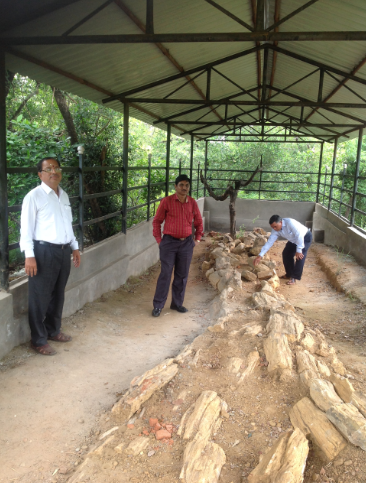
Wadadham Fossil Park Fossil Hunting Guide
Maharashtra, India
Dinosaur Bones, Dinosaurs, Sauropod remains, Plants
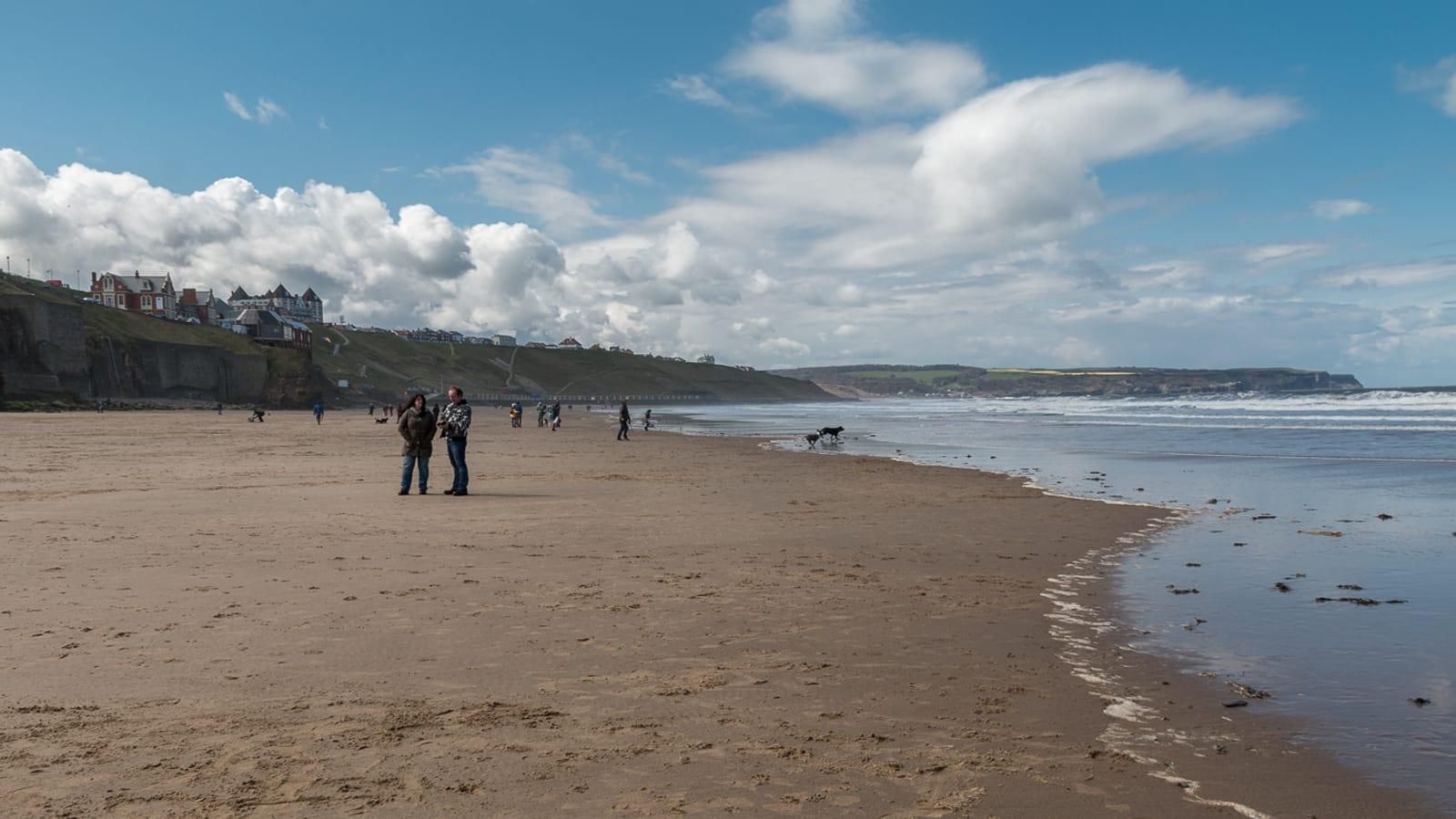
Whitby Yorkshire Fossil Hunting Guide
United Kingdom
Ammonites, Belemnites, Dinosaur Footprints, Ichthyosaur
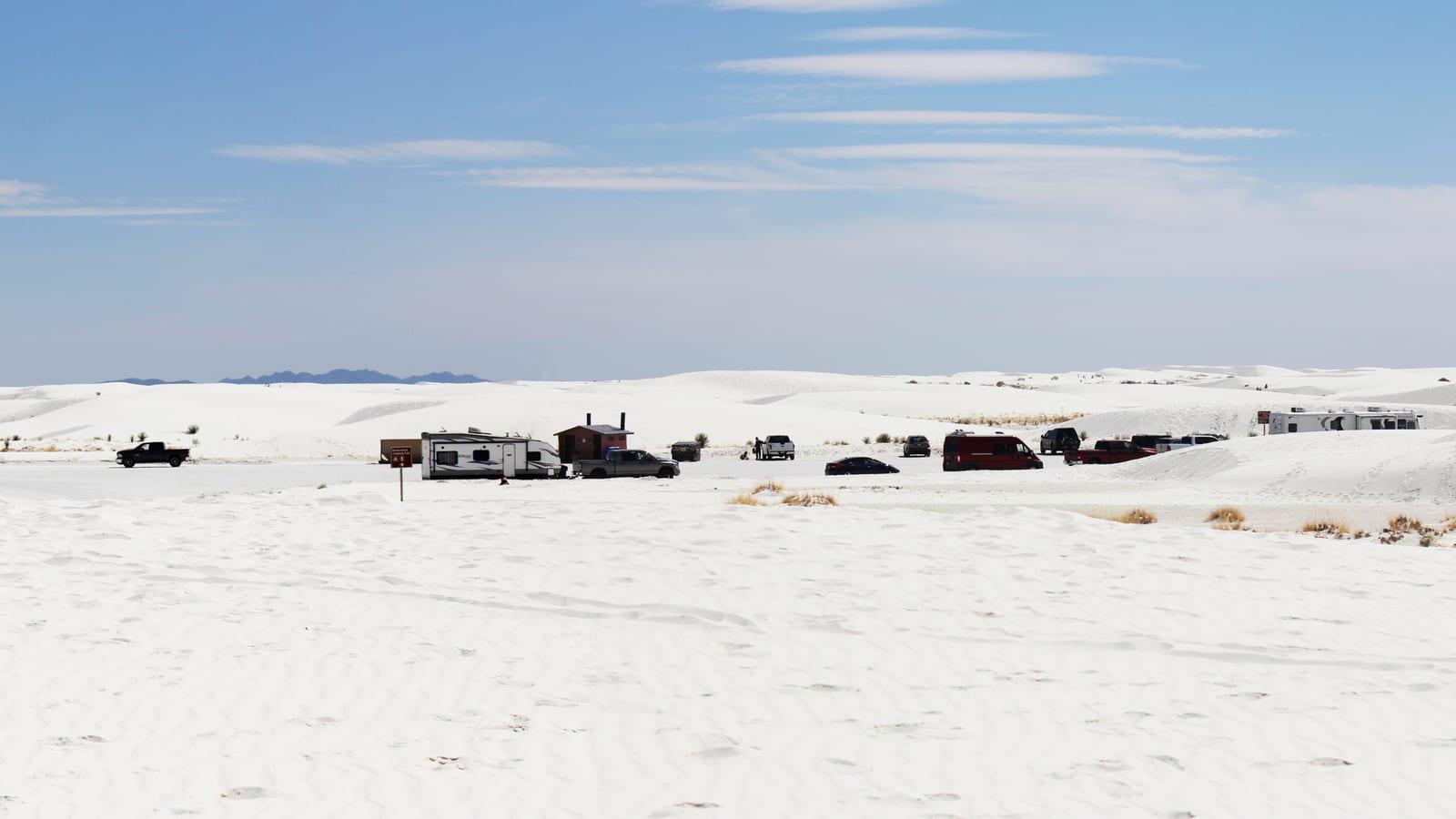
White Sands National Park Fossil Hunting Guide
New Mexico, United States
Human footprints, Smaller vertebrate tracks
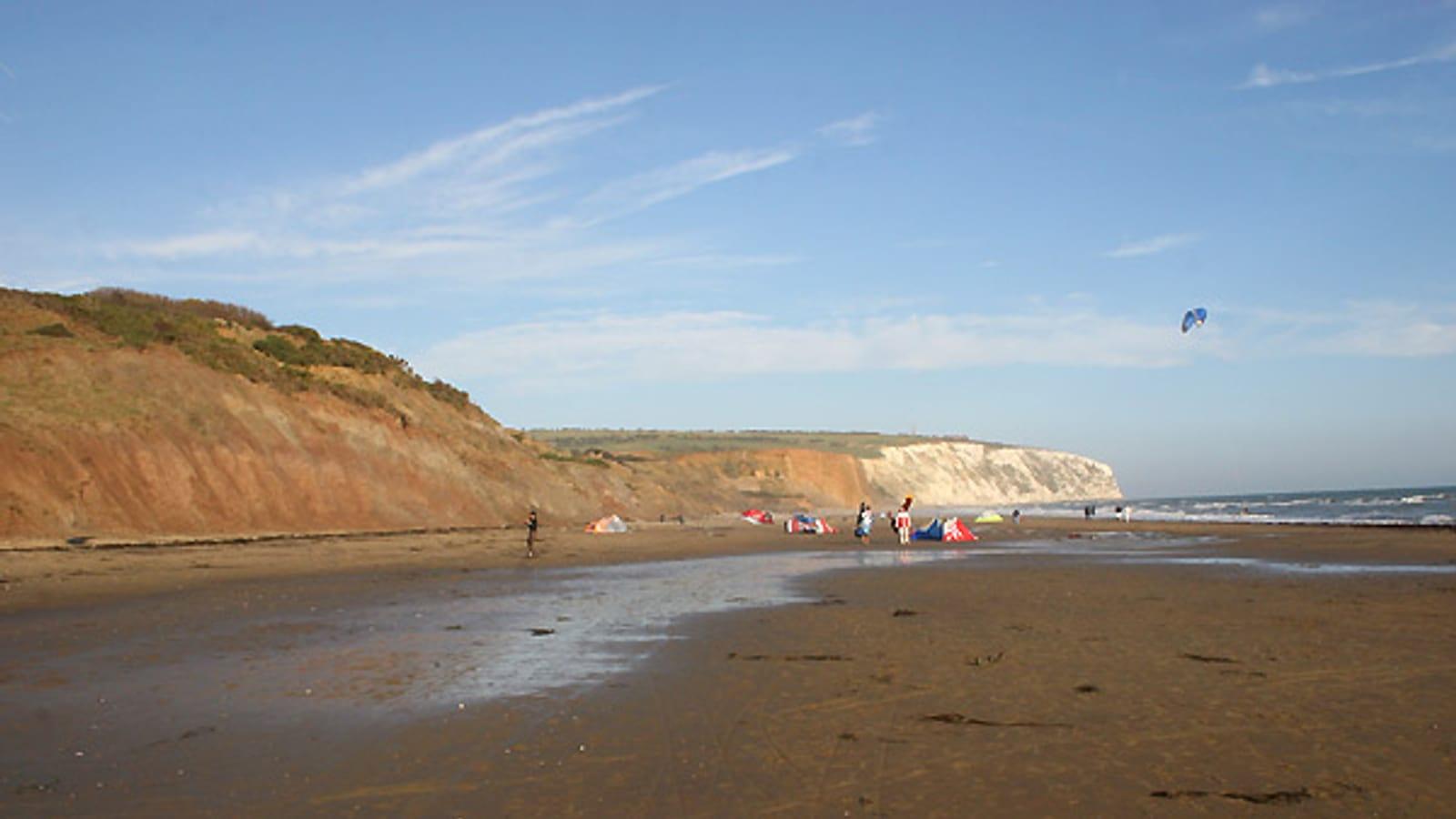
Yaverland Fossil Hunting Guide
Sandown
Dinosaur bone fragments, Dinosaur teeth, Dinosaur footprints, Fish remains
Frequently asked questions
- Can I collect dinosaur fossils on public land?
- In the United States, the Paleontological Resources Preservation Act (PRPA) of 2009 prohibits collecting vertebrate fossils — including dinosaur bones and teeth — on federal land (BLM, National Forests, and National Parks) without a scientific permit. Since most of the well-known dinosaur quarry country in Wyoming, Montana, Colorado, and Utah is federal land, self-guided collection is not legal there. Legal options include licensed commercial dig programs (the Wyoming Dinosaur Center near Thermopolis runs public dig programs in the Jurassic Morrison Formation), state-managed land with appropriate state permits, or private land with owner permission where ownership of fossils is typically retained by the landowner. In the UK, most dinosaur material comes from the Isle of Wight cliffs, where surface collecting from foreshore scree is permitted, though exportation of significant specimens requires a licence under the Export of Objects of Cultural Interest Act.
- Where can I see dinosaur fossils in the field?
- Several sites allow public viewing of dinosaur material without requiring excavation access. Dinosaur Valley State Park in Glen Rose, Texas preserves Early Cretaceous sauropod and theropod trackways directly in the Paluxy River limestone — the tracks are among the most extensive in the world and visible at normal water levels. Dinosaur National Monument on the Utah-Colorado border has a glass-walled Quarry Exhibit Hall built over a sandstone wall containing over 1,500 embedded Jurassic dinosaur bones, viewable up close. Cleveland-Lloyd Dinosaur Quarry in Emery County, Utah is a free BLM site where a visitor walkway looks directly into a Jurassic Allosaurus-dominated bone bed. Dinosaur Ridge in Morrison, Colorado is a free roadside interpretive trail past Jurassic Morrison Formation bone exposures and Cretaceous ornithopod trackways.
- What is the most common dinosaur fossil found?
- Isolated teeth are the most frequently recovered dinosaur fossil, because many dinosaurs continuously replaced their teeth throughout life (a process called polyphyodonty). At commercial Morrison Formation quarries in Wyoming and Colorado, Allosaurus teeth are relatively common finds. Complete or nearly-complete dinosaur skeletons are extremely rare globally — most museum mounts combine material from multiple individuals or include reconstructed elements. The famous T. rex specimen known as Stan (BHI 3033), one of the most complete T. rex skeletons ever found, required over 30,000 man-hours of preparation before it could be exhibited. At trackway sites such as Dinosaur Valley, theropod footprints are abundant because tracks fossilize wherever an animal walked across suitable sediment, making them far more common than skeletal material.