Fossil type
Where to find bivalves
Bivalves — clams, oysters, mussels — appear in marine sediments of every period from the Cambrian onward. They're particularly common in the Mesozoic chalks and the Cenozoic of the US Atlantic coast.
73 fossil sites
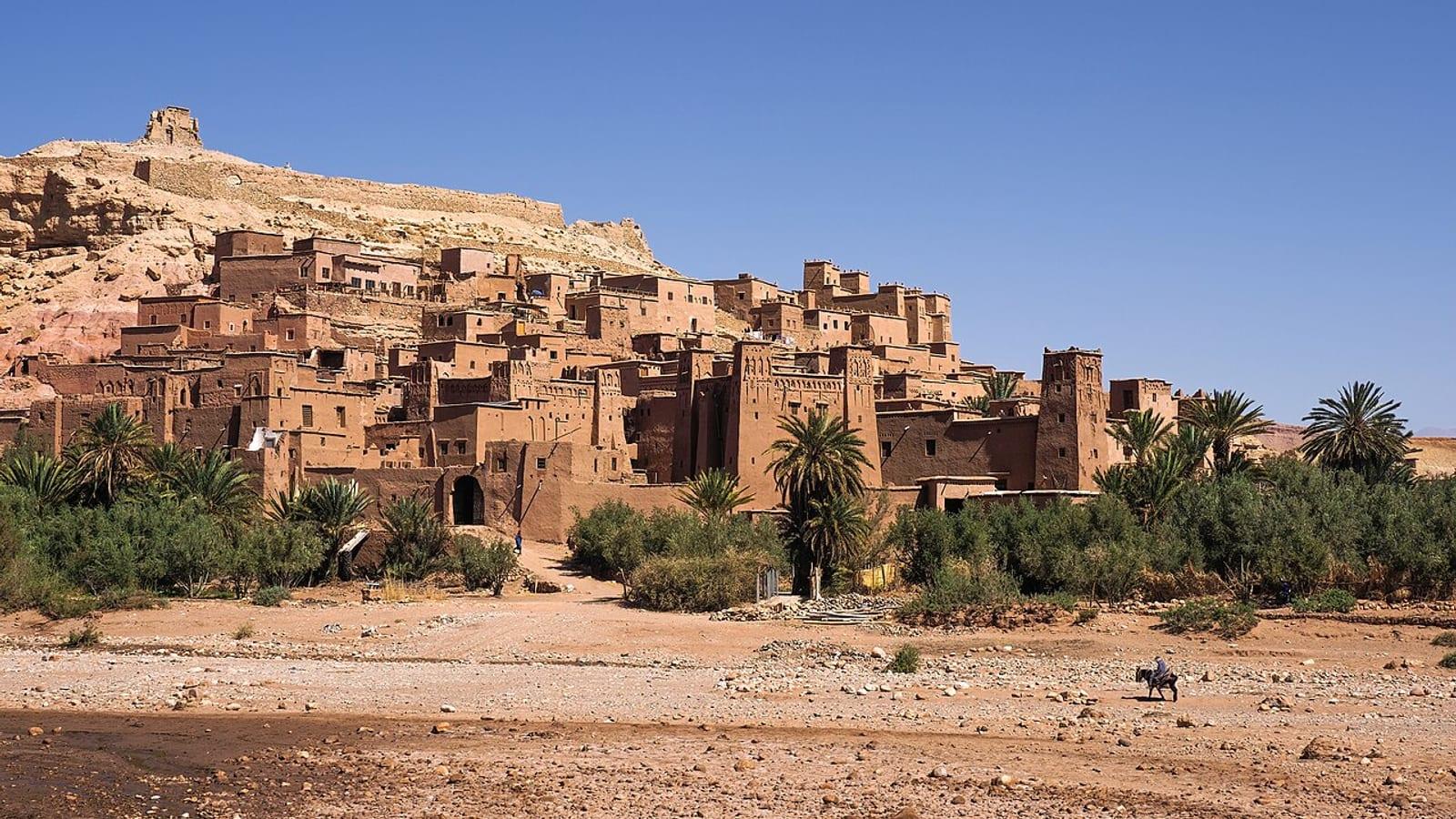
Ait Benhaddou Echinoid Site Ouarzazate Fossil Hunting Guide
Morocco
Cretaceous echinoids, Brachiopods, Gastropods, bivalves and coral fragments
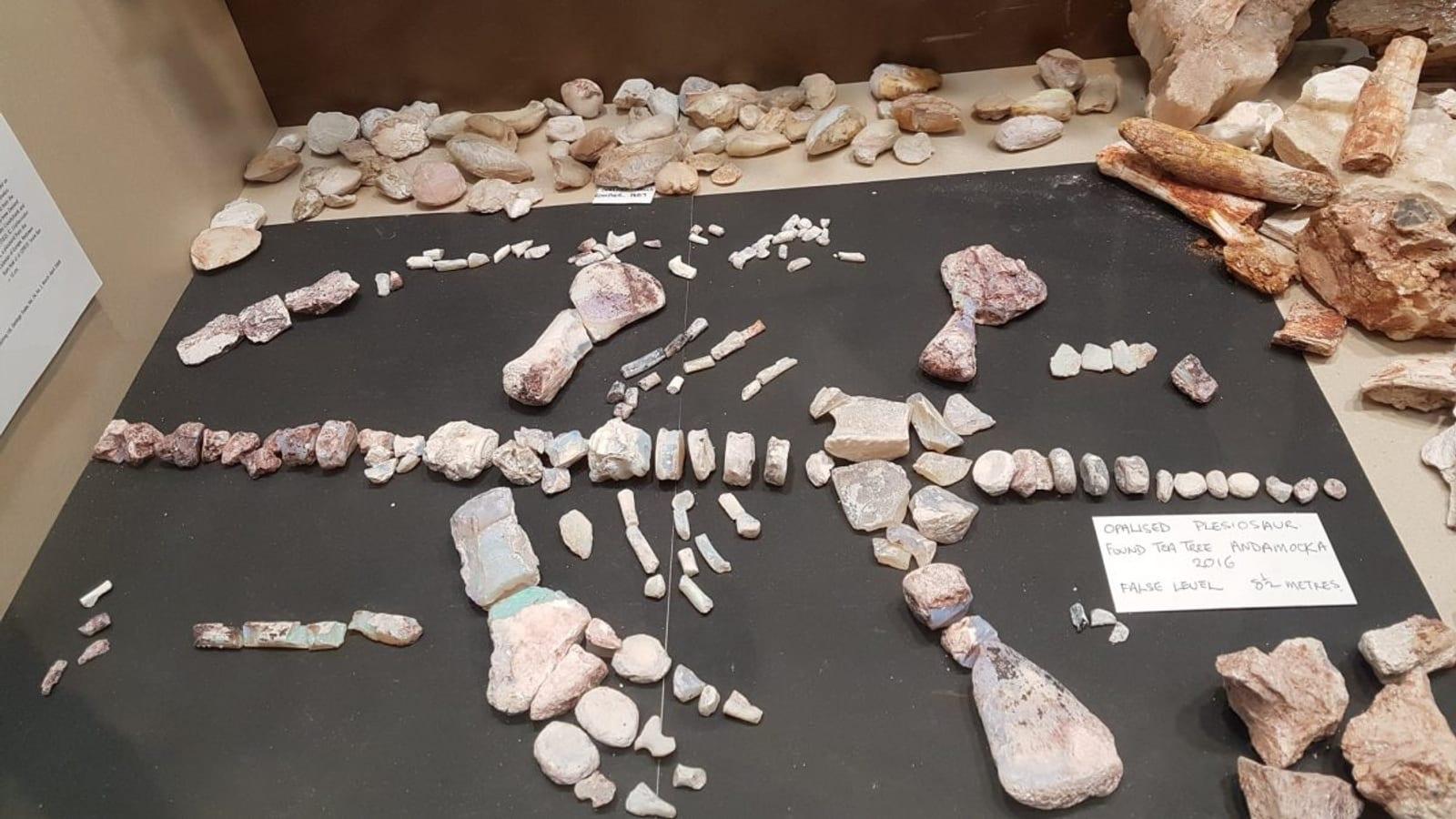
Andamooka Opal Fossils Fossicking Fossil Hunting Guide
Australia
Addyman Plesiosaur, Opallionectes andamookaensis, Kakuru kujani, Opalised bivalves
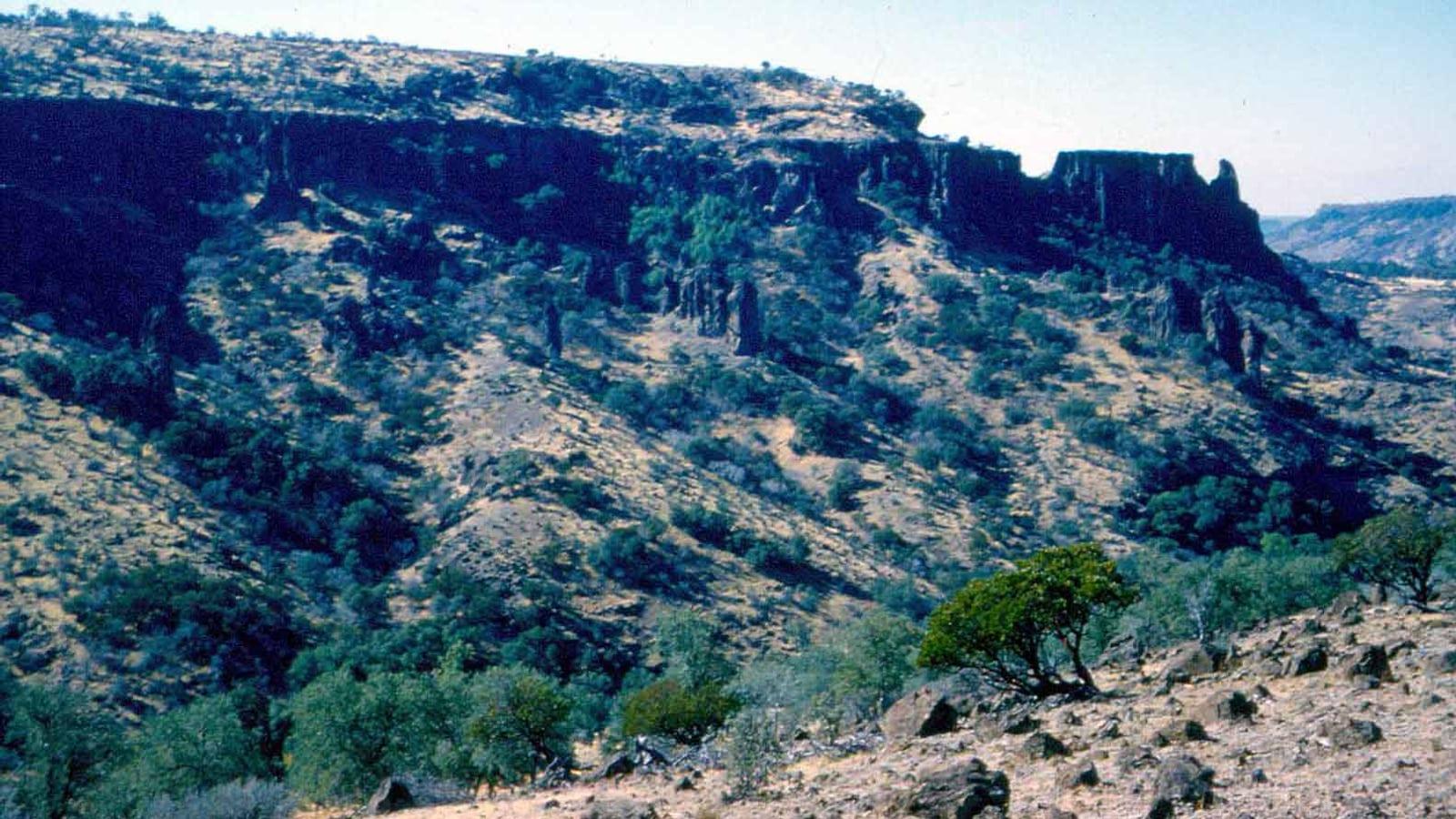
Antelope Creek Fossil Hunting Guide
California, United States
Ammonites, Bivalves, Mollusks
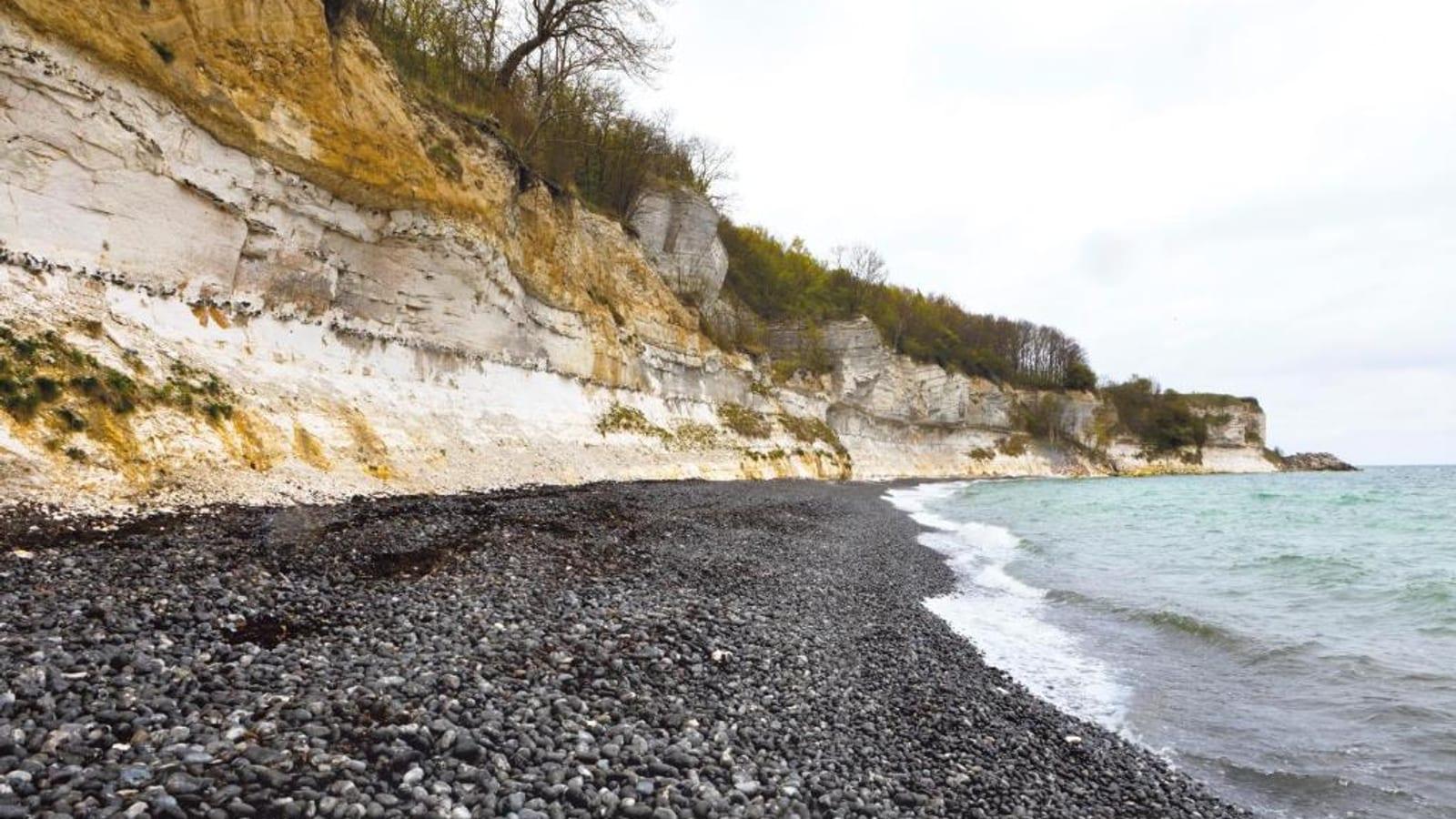
Baggy Point Fossil Hunting Guide
England, United Kingdom
Brachiopods, Bivalves, Gastropods, Crinoids
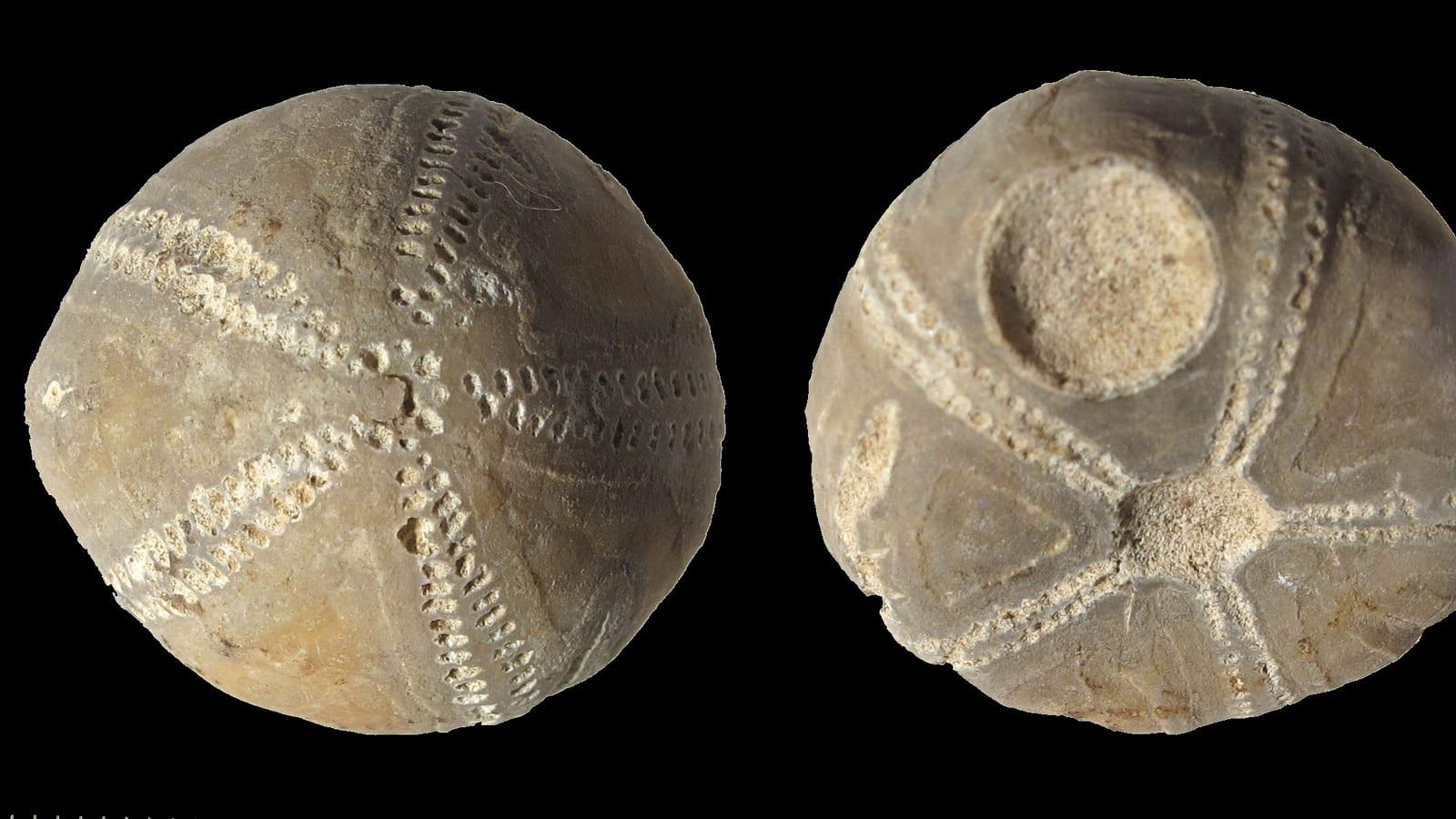
Bakrit Starfish Echinoid Site Ifrane Fossil Hunting Guide
500 to 1
starfish and echinoid fossils, Starfish, Echinoids, Brachiopods
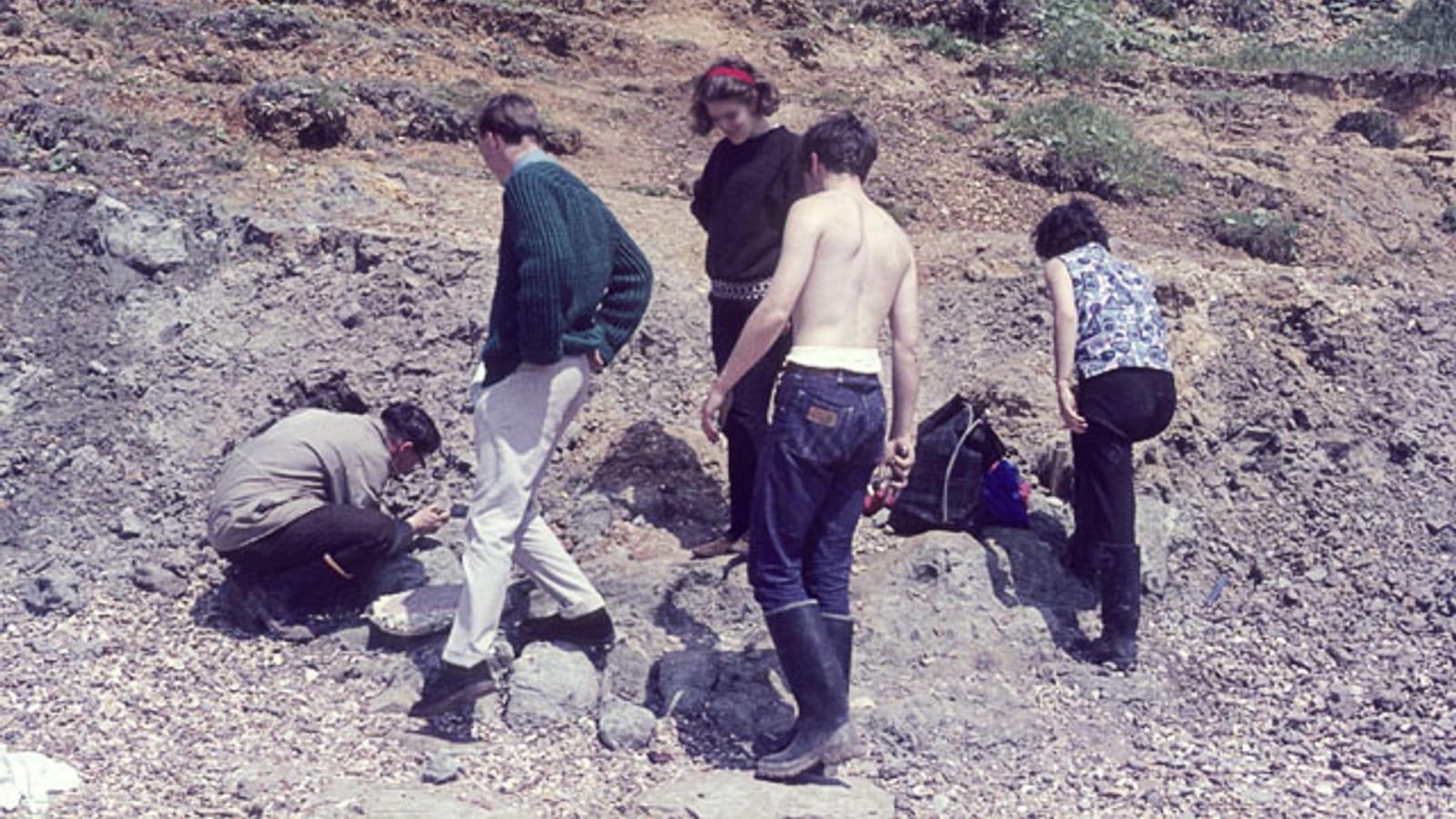
Barton on Sea Fossil Hunting Guide
England, United Kingdom
Gastropods, Shark Teeth, Bivalves
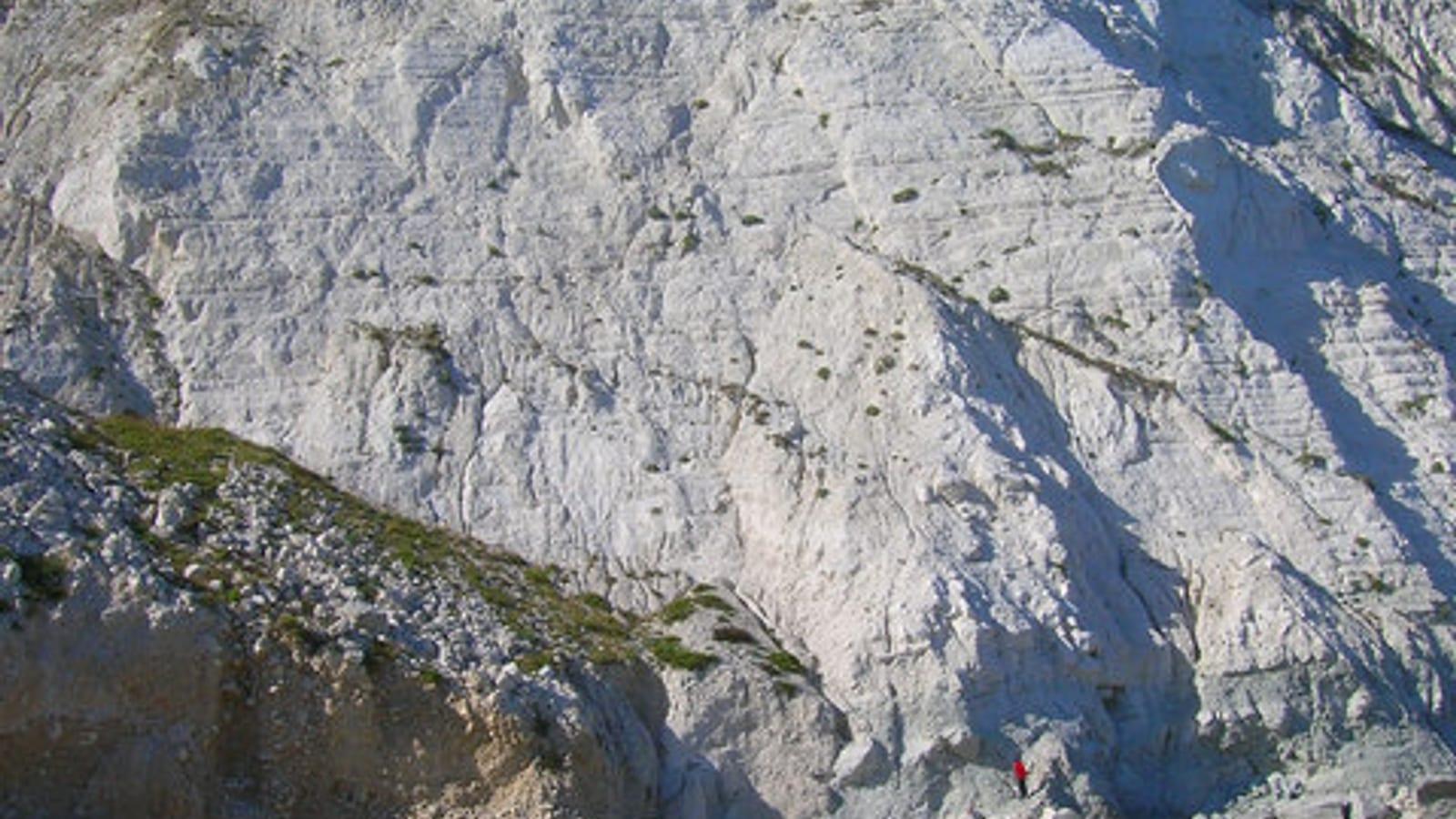
Beachy Head Fossil Hunting Guide
England, United Kingdom
Echinoids (sea urchins), Flint sponges, Bivalves, Brachiopods
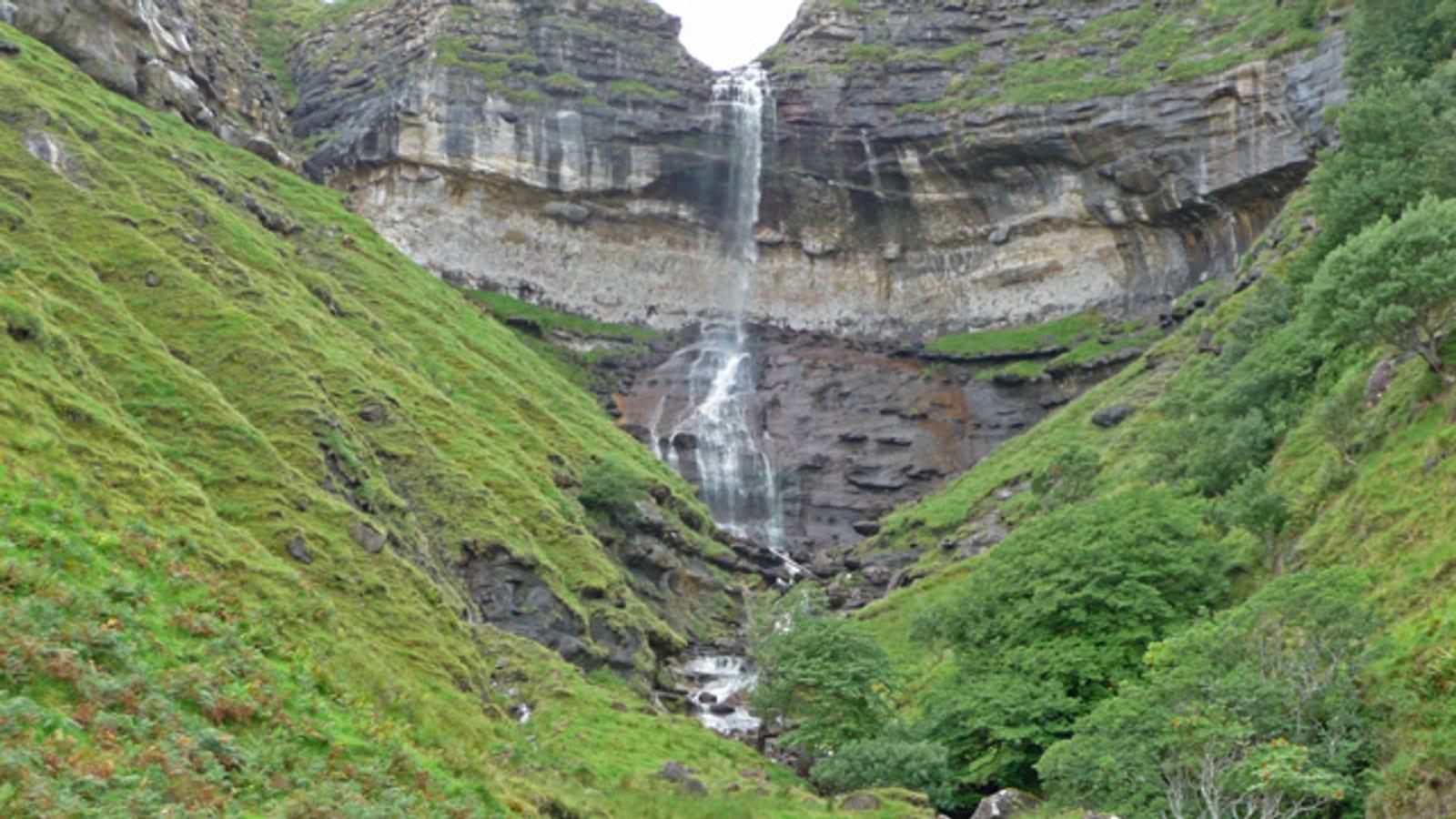
Bearreraig Bay Isle of Skye Fossil Hunting Guide
United Kingdom
ammonites, Tmetoceras, bivalves, brachiopods
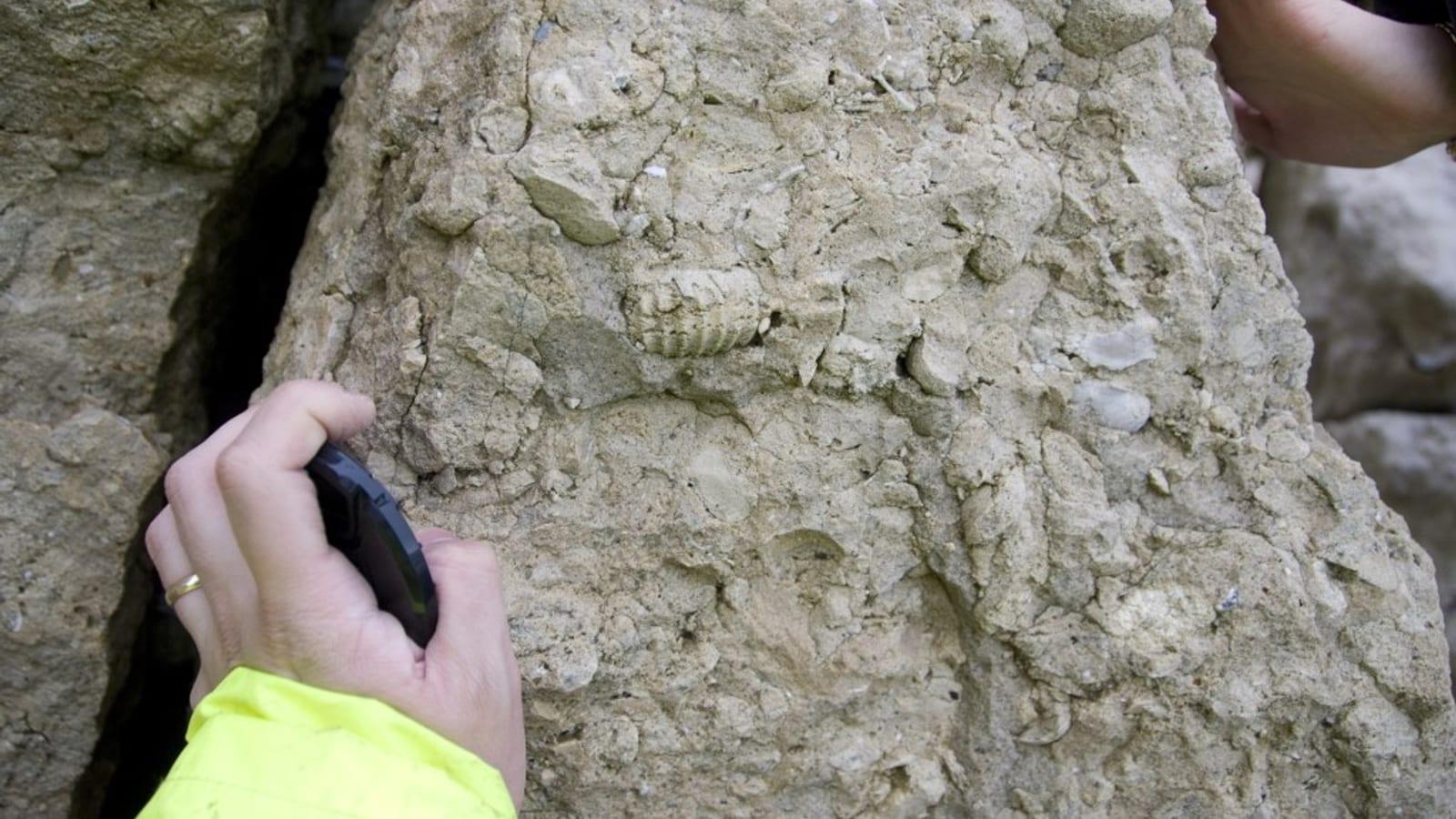
Beer Head Fossil Hunting Guide
England, United Kingdom
Ammonites, Echinoids, Brachiopods, Bivalves
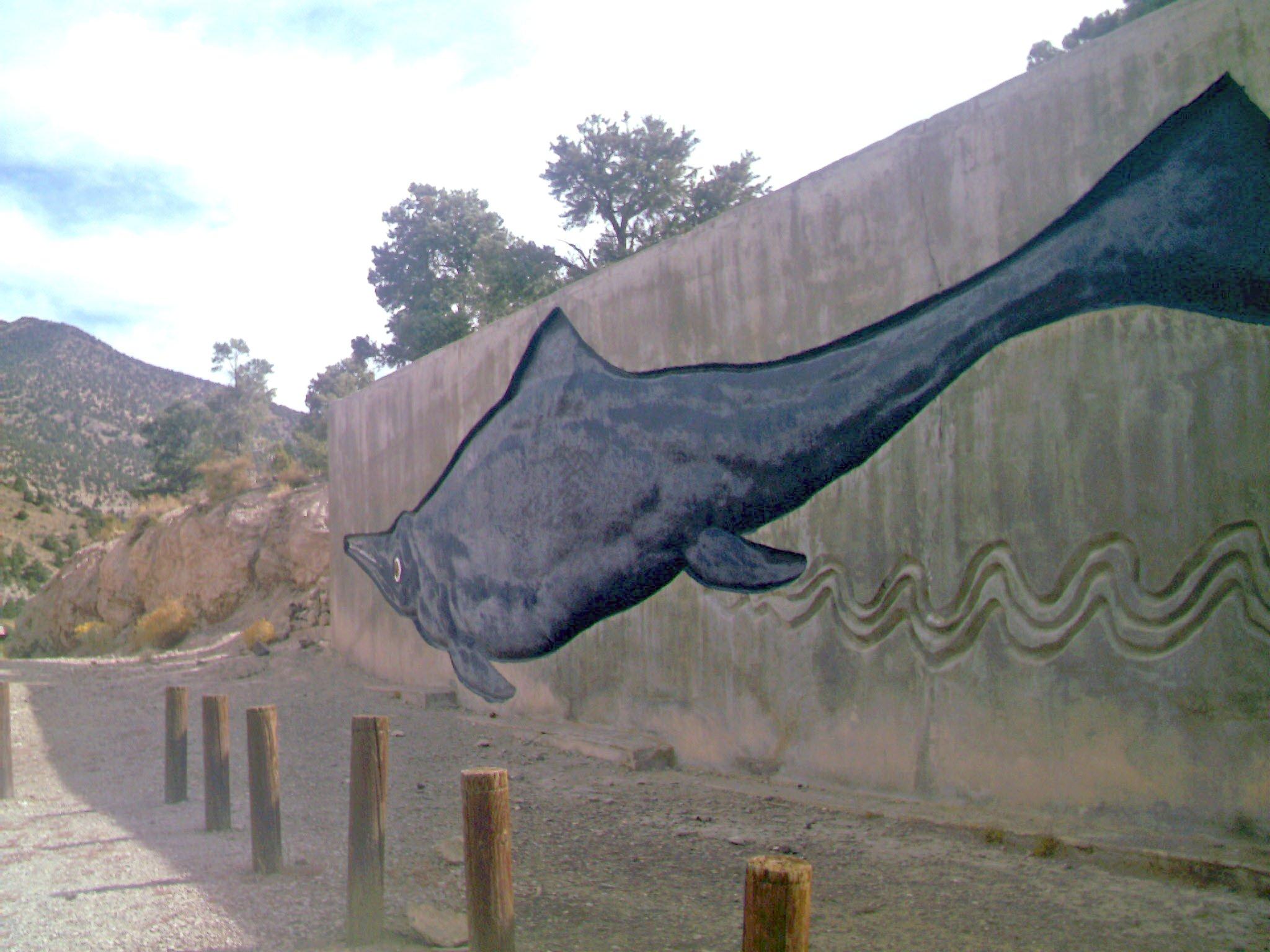
Berlin-Ichthyosaur State Park Fossil Hunting Guide
Nevada, United States
Shonisaurus popularis (giant ichthyosaur), Ammonites, Bivalves
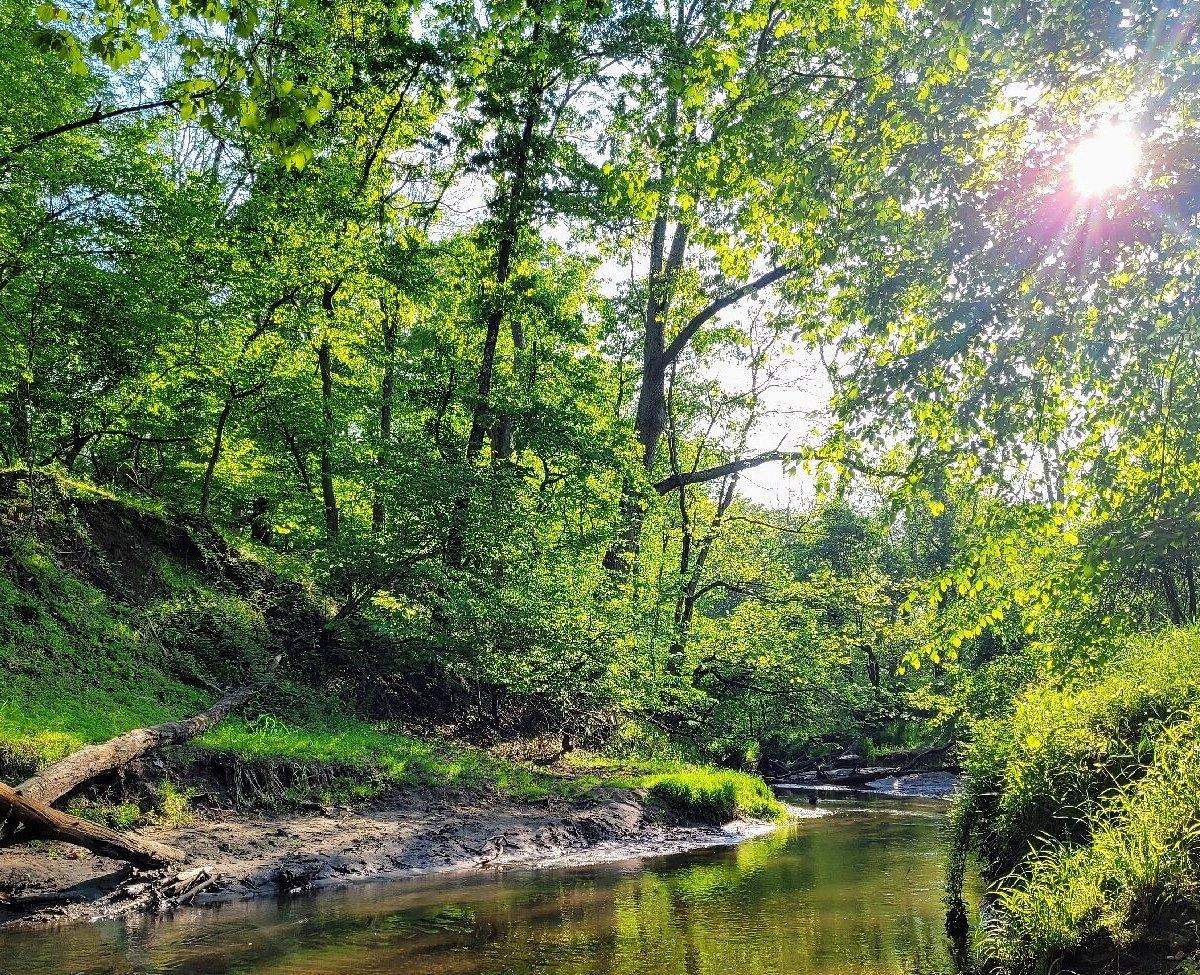
Big Brook Preserve Fossil Hunting Guide
New Jersey, United States
Shark Teeth, Belemnites, Exogyra oysters, Crocodile teeth
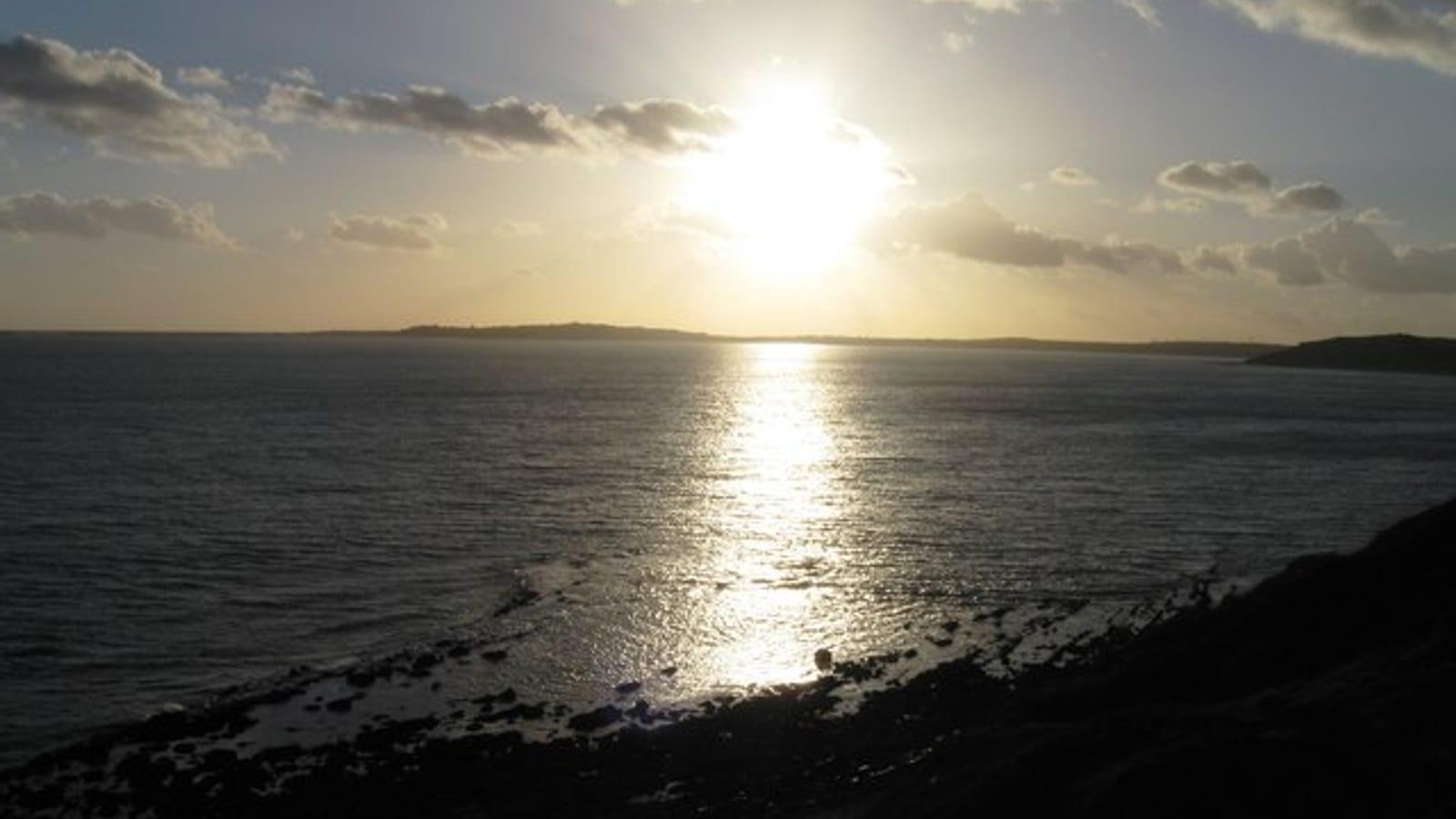
Black Head Osmington Fossil Hunting Guide
near Weymouth
Ammonites, Belemnites, Bivalves, Marine reptile fragments
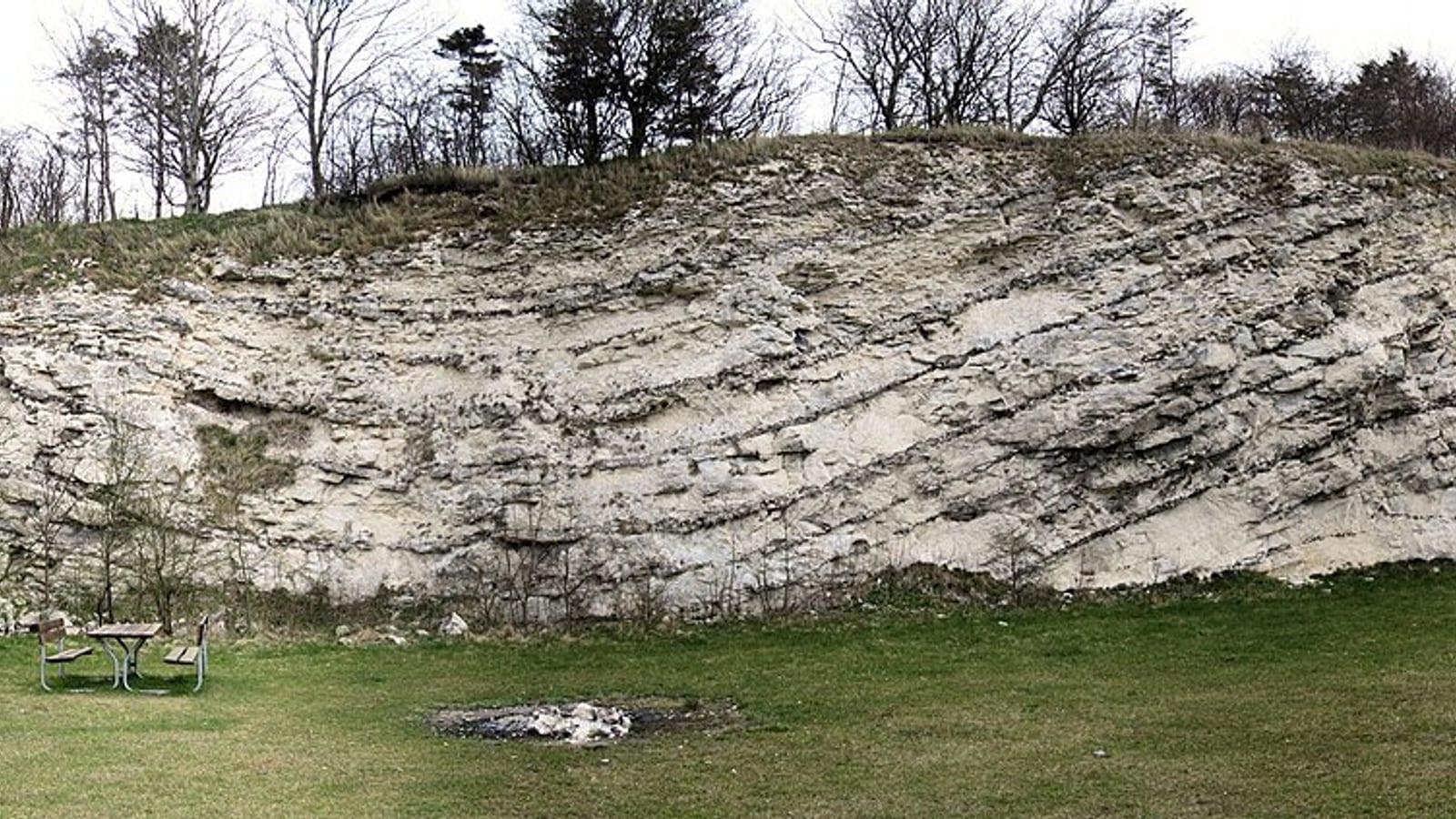
Boesdal Beach Stevns Klint Fossil Hunting Guide
Denmark
Belemnites, Sea urchin, Brachiopod, bryozoan
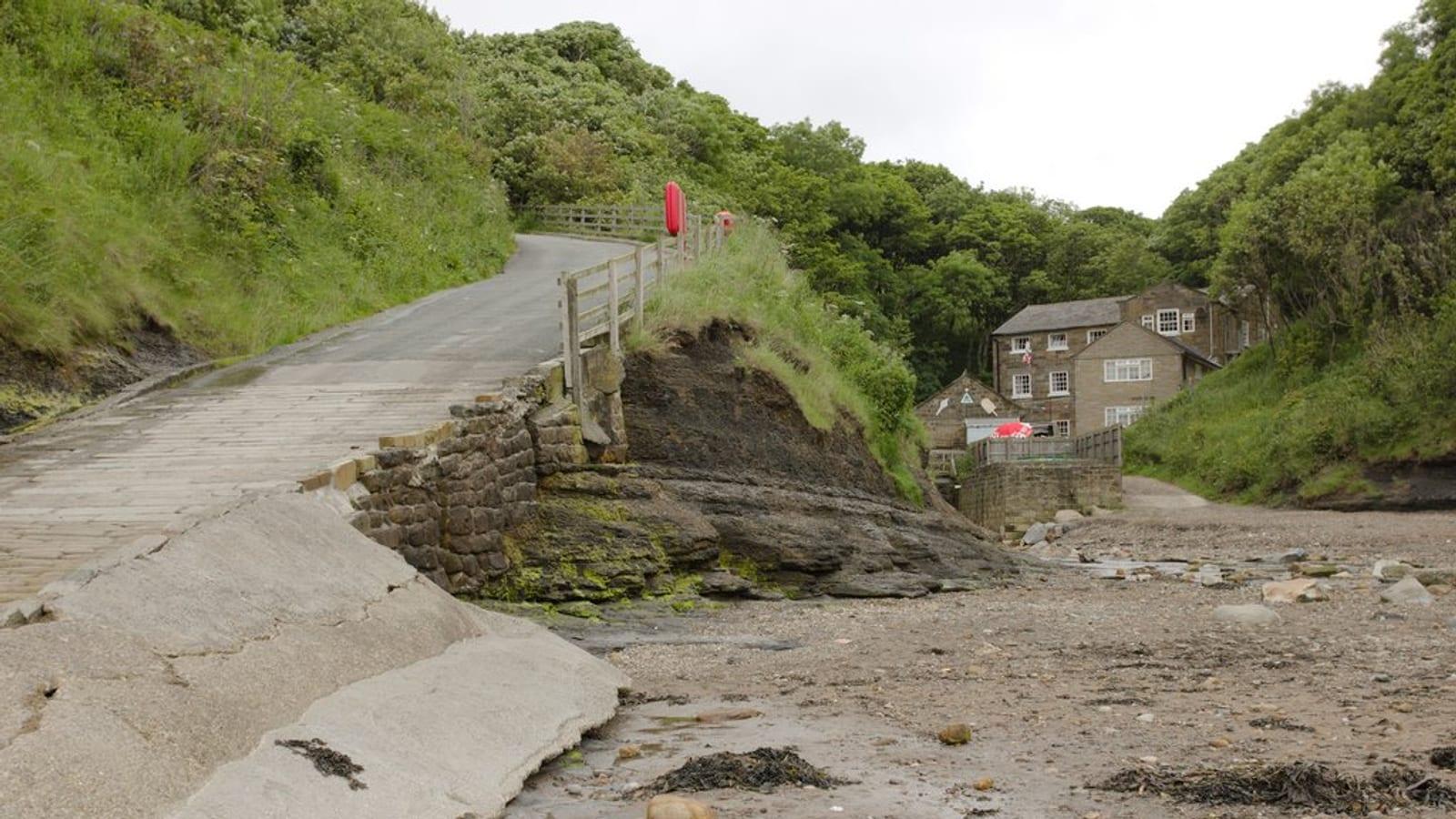
Boggle Hole Fossil Hunting Guide
near Whitby
Trace fossils, Ammonites, Bivalves, Belemnites
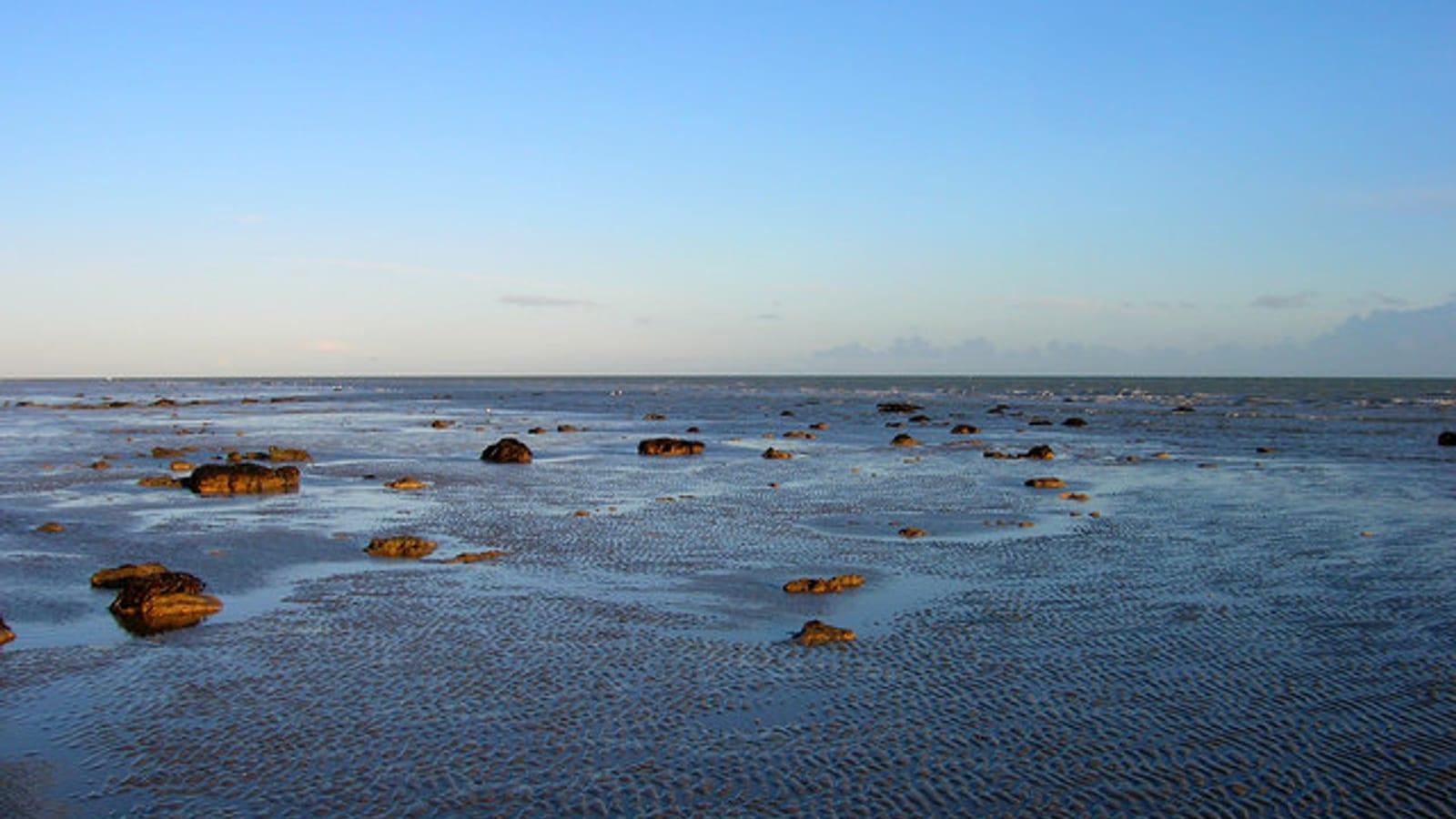
Bognor Regis Fossils — London Clay Foreshore Guide
western end of Bognor Regis
Sharks' teeth, Fish remains, Eocene insects, Molluscs
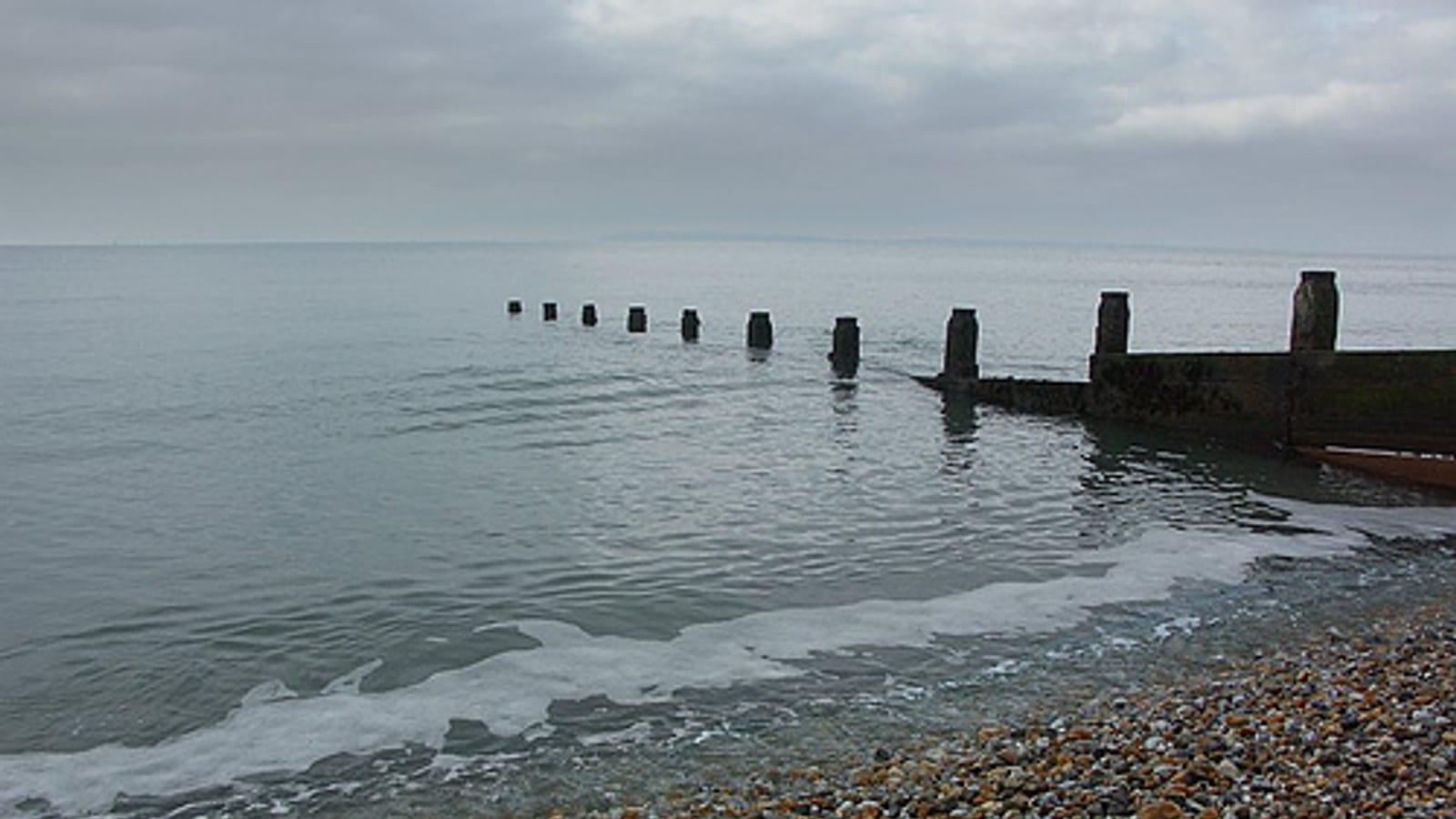
Bracklesham Bay Fossil Hunting Guide
Bracklesham Bay
Striatolamia macrota, foraminifera, Shark Teeth, Bivalves
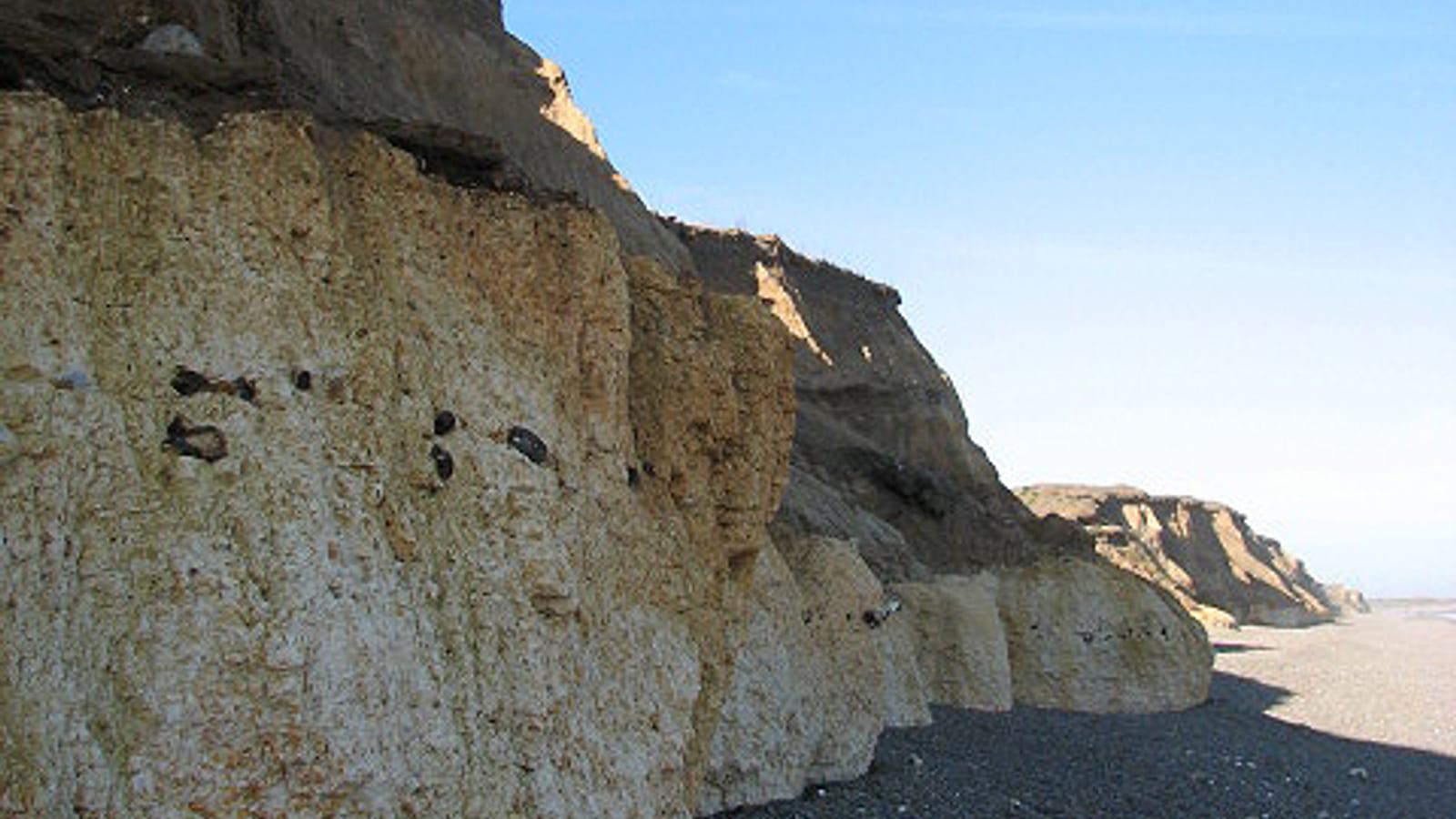
Brighstone Bay Fossil Hunting Guide
England, United Kingdom
plant debris bed, dinosaur teeth, Dinosaur bones, Crocodile remains
Cabrillo National Monument Fossil Hunting Guide
California, United States
Trace Fossils, Inoceramid Bivalves, Shark Teeth
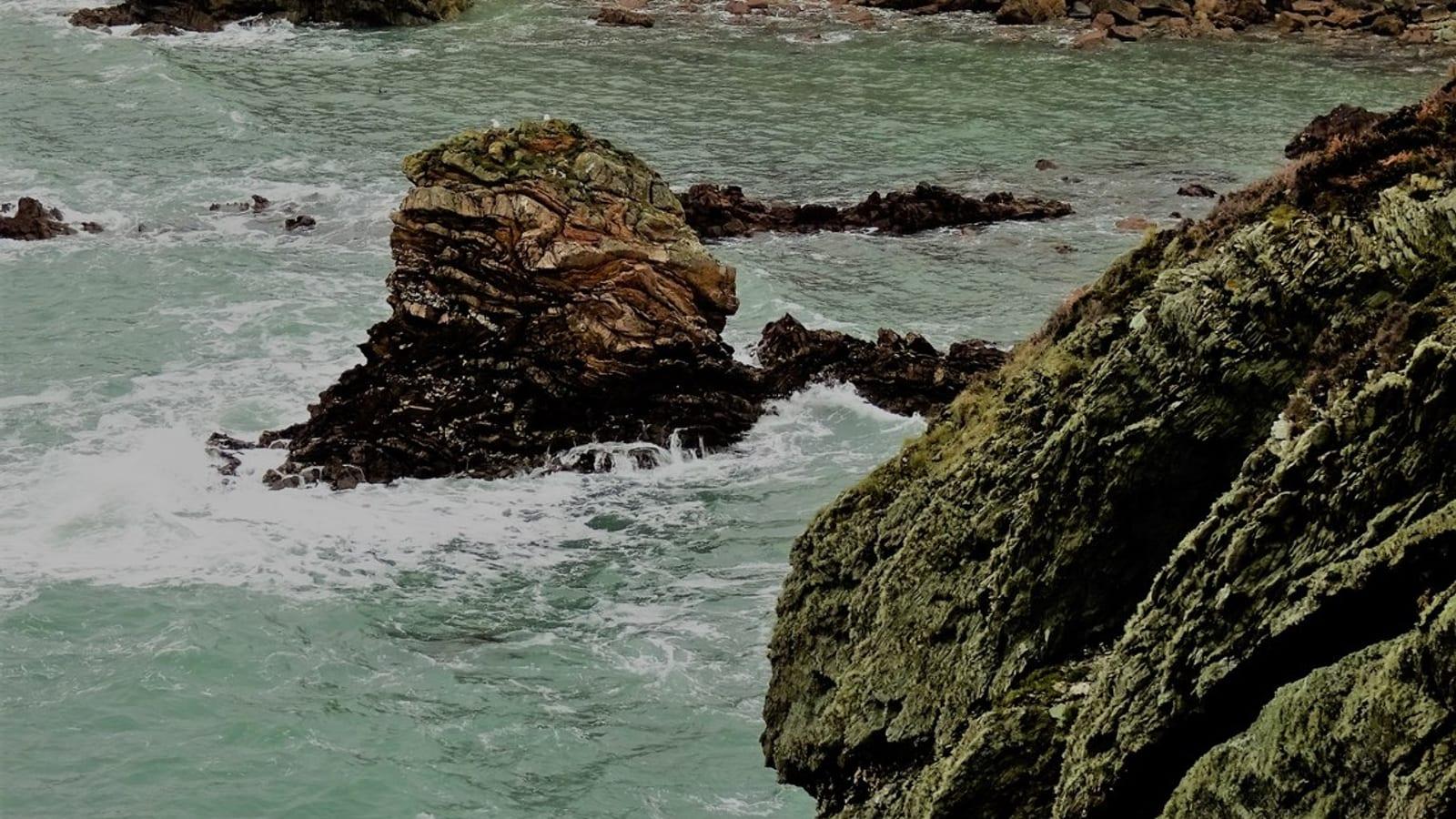
Caim Anglesey Carboniferous Corals Fossil Hunting Guide
United Kingdom
Corals, Brachiopods, Bivalves
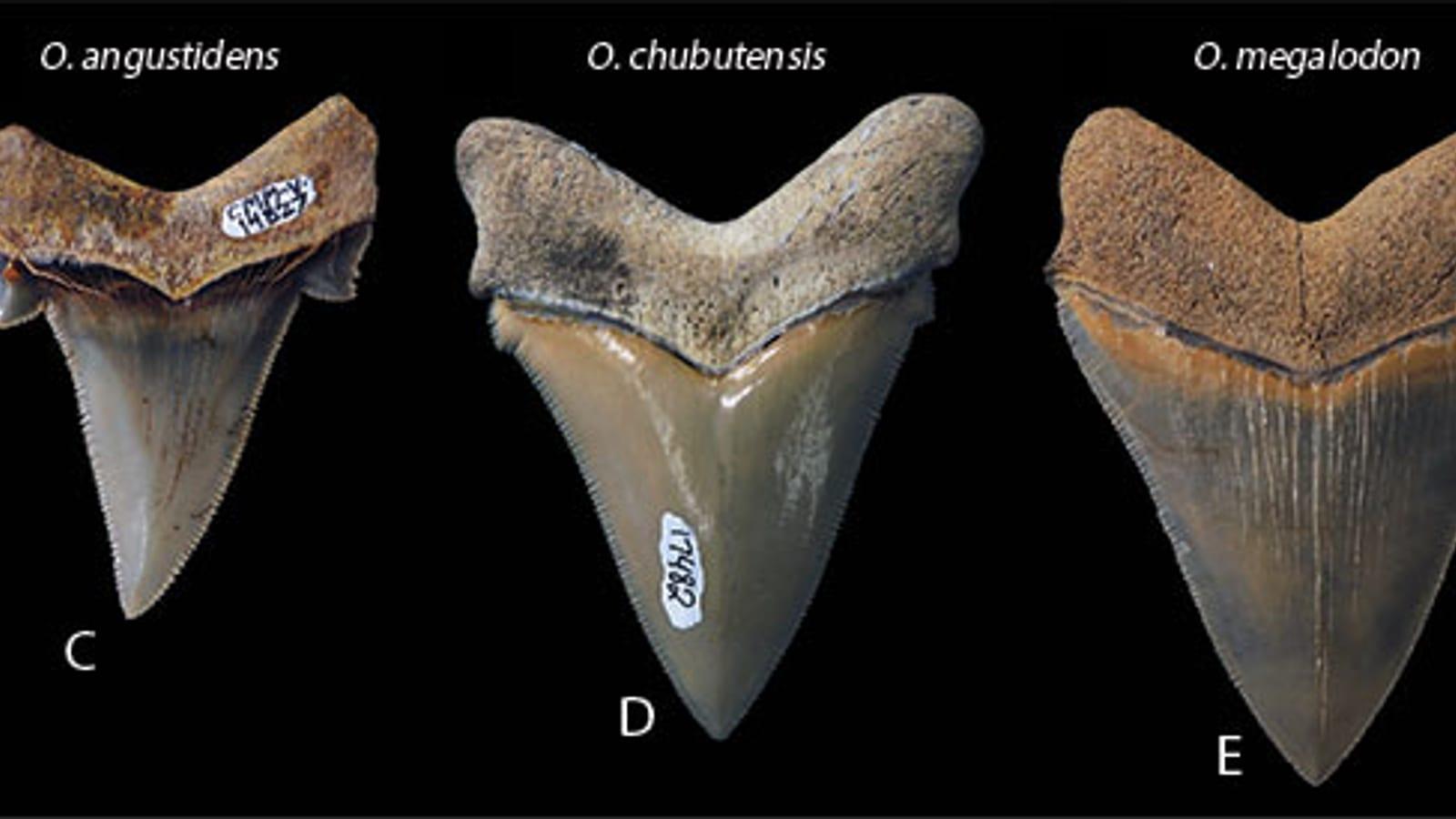
Calvert Cliffs Fossil Hunting Guide
Maryland, United States
Shark Teeth, Bivalves, Megalodon, Whale Teeth
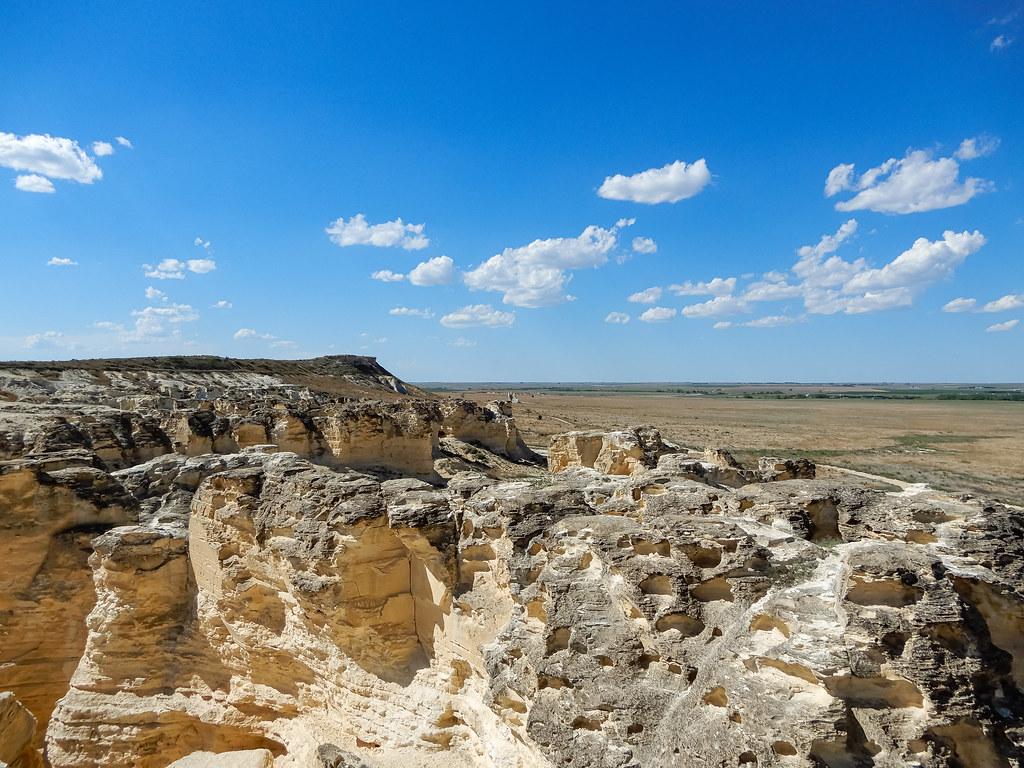
Castle Rock Badlands Fossil Hunting Guide
Kansas, United States
Inoceramus (giant clams), Foraminifera, Marine fish vertebrae, Shark teeth (rare)
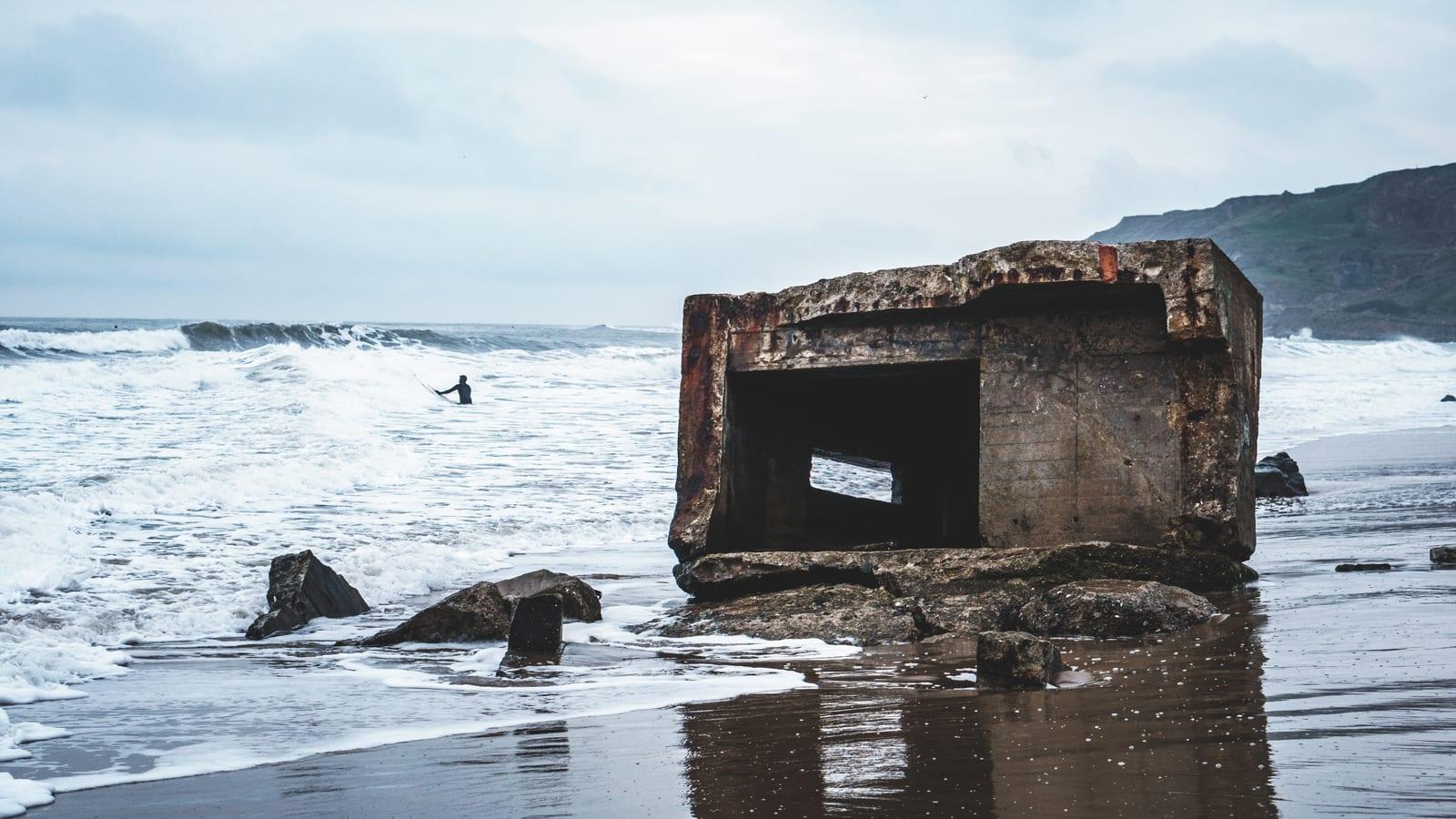
Cayton Bay Yorkshire Fossil Hunting Guide
United Kingdom
Ammonites, Bivalves, Gastropods, Brachiopods
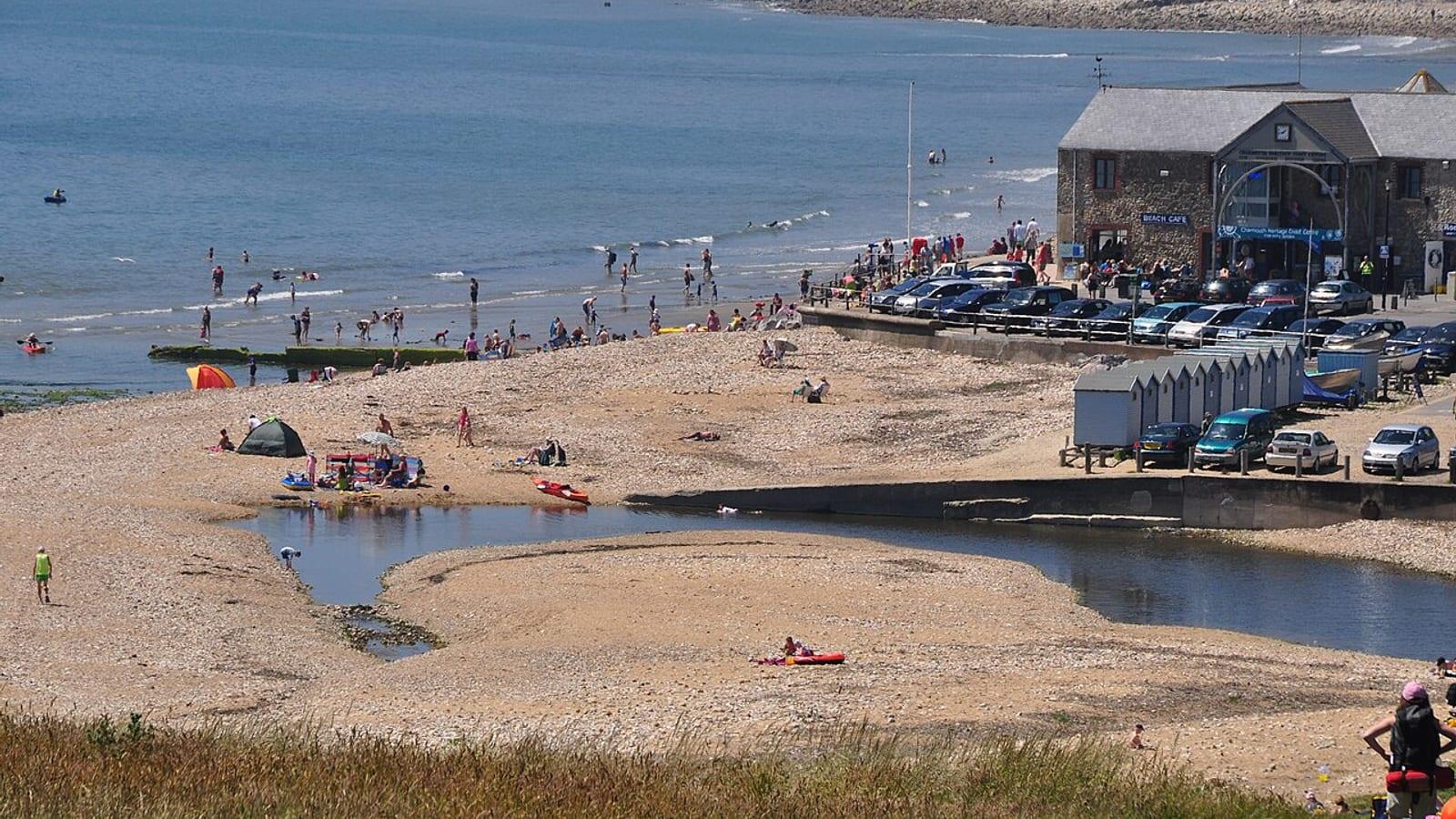
Charmouth Beach Fossil Hunting Guide
Charmouth
Ammonites, Belemnites, Bivalves, Crinoid
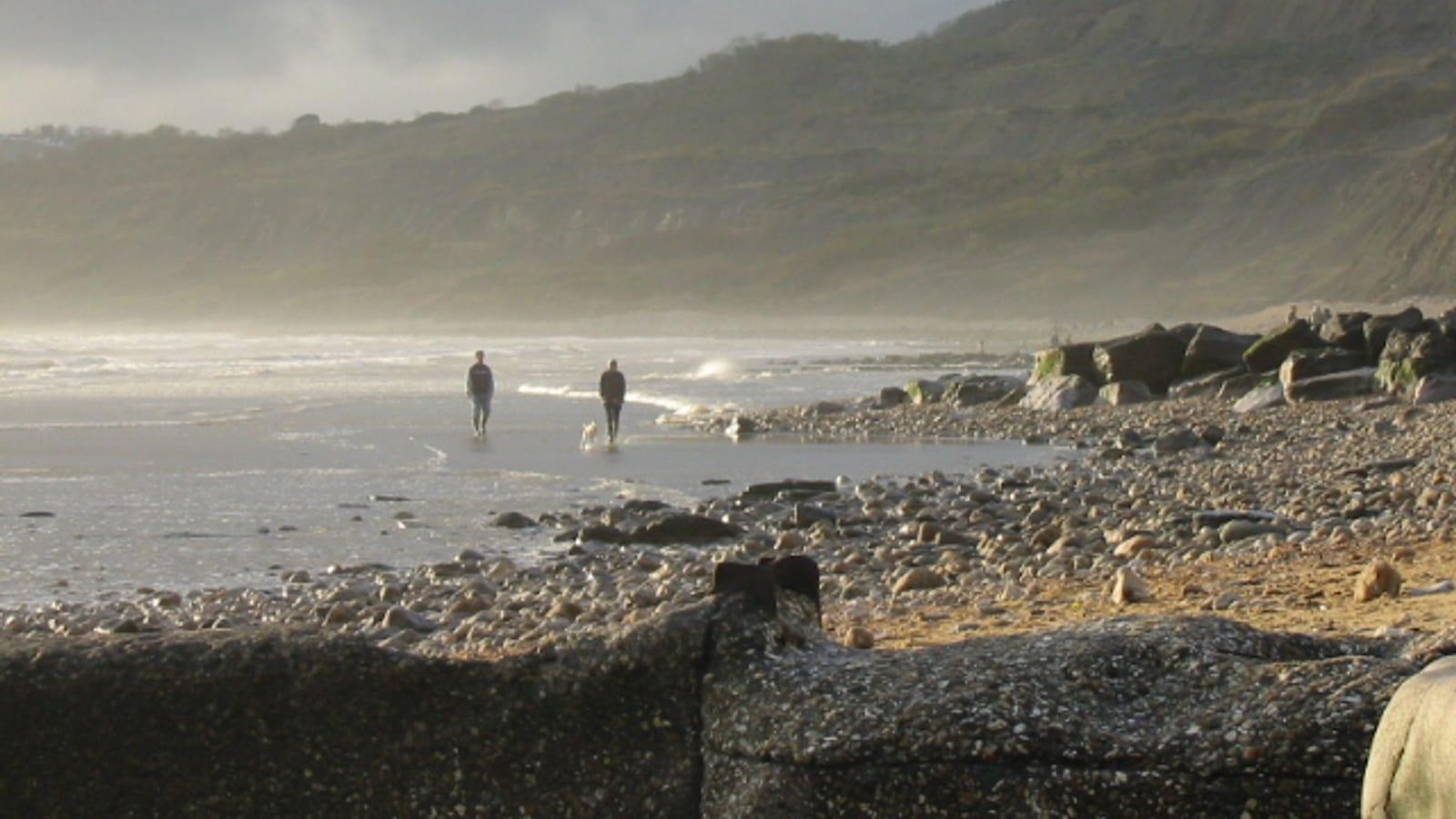
Charmouth Fossil Hunting Guide
Charmouth
Ammonites, Belemnites, Bivalves, Ichthyosaur
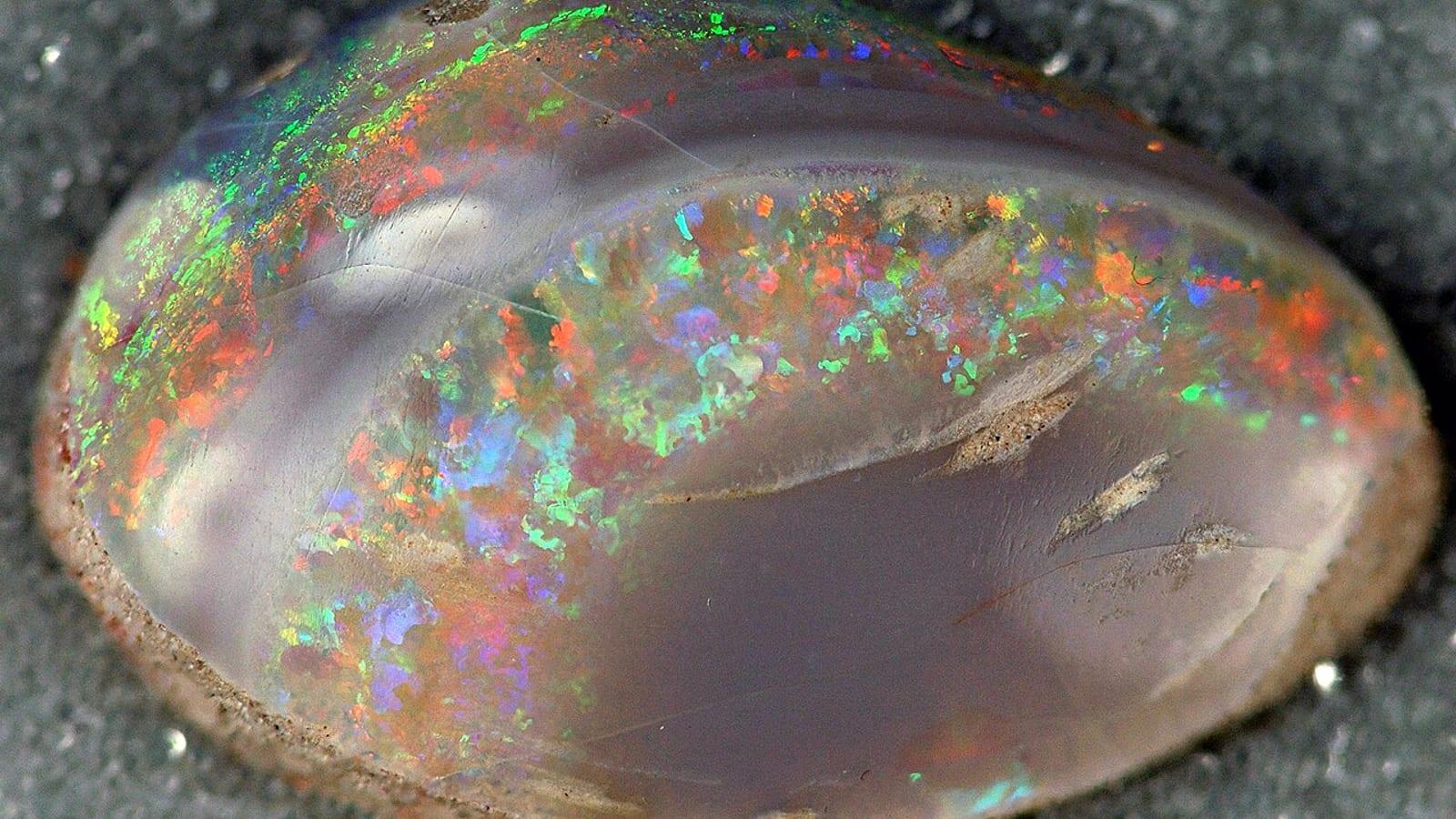
Coober Pedy Opal Fossils Eric Plesiosaur Fossil Hunting Guide
Australia
Bivalves and gastropods, Belemnites, Fish remains, marine reptiles
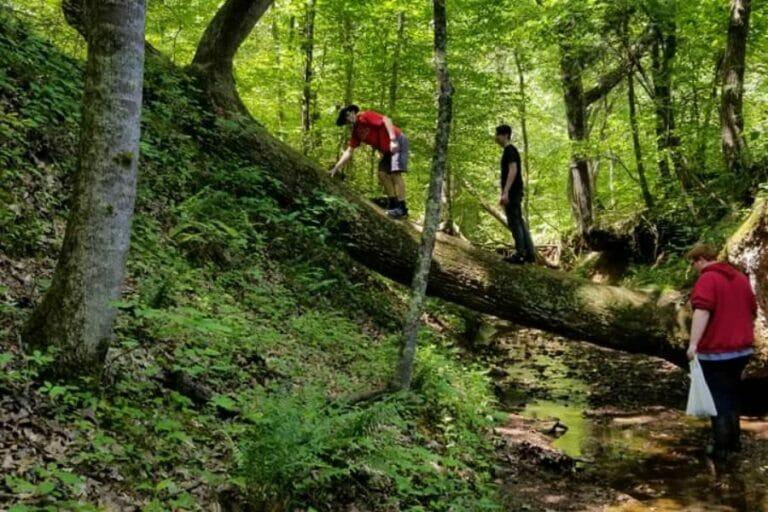
Coon Creek Science Center Fossil Dig Guide
Tennessee, United States
Crabs, Bivalves, Gastropods, Ammonites
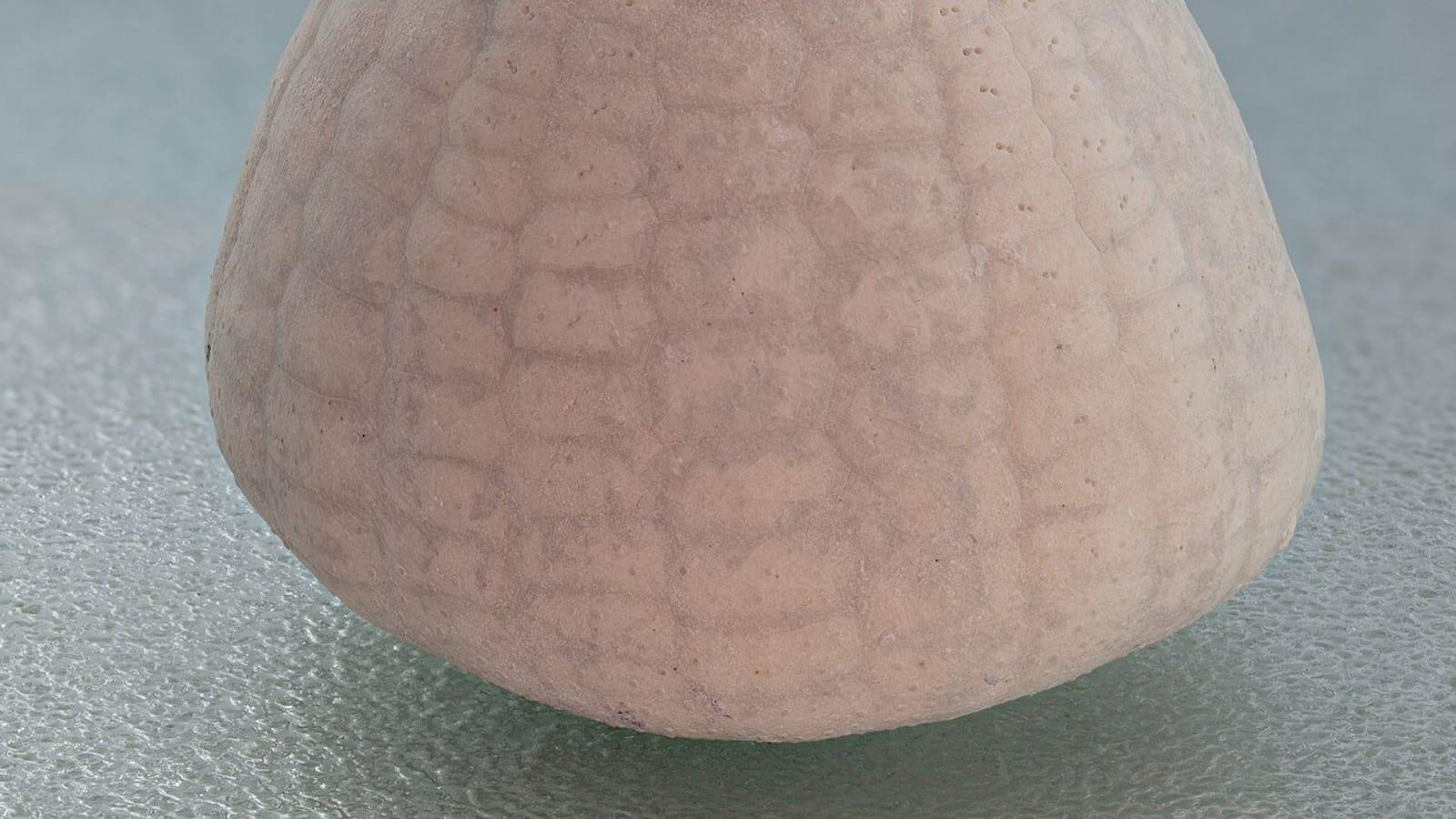
Dalbyover Quarry Fossil Hunting Guide
Denmark
Bryozoans, Sea urchins, Brachiopods, bivalves
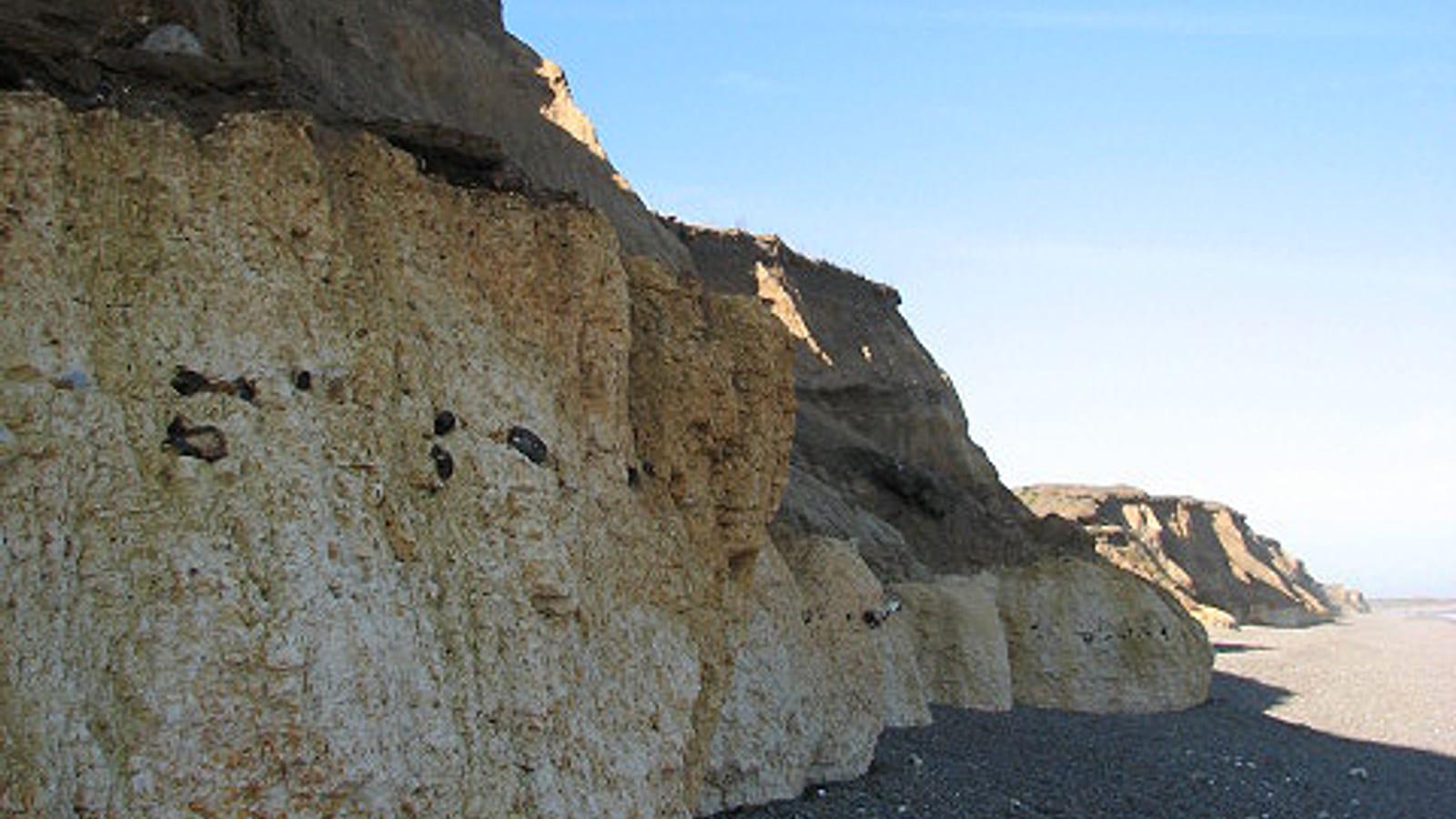
Dinosaur Footprints at Worth Matravers, Dorset: Dinosaur Trackways
England, United Kingdom
not permitted, Sauropod footprints, Theropod tracks, strictly prohibited
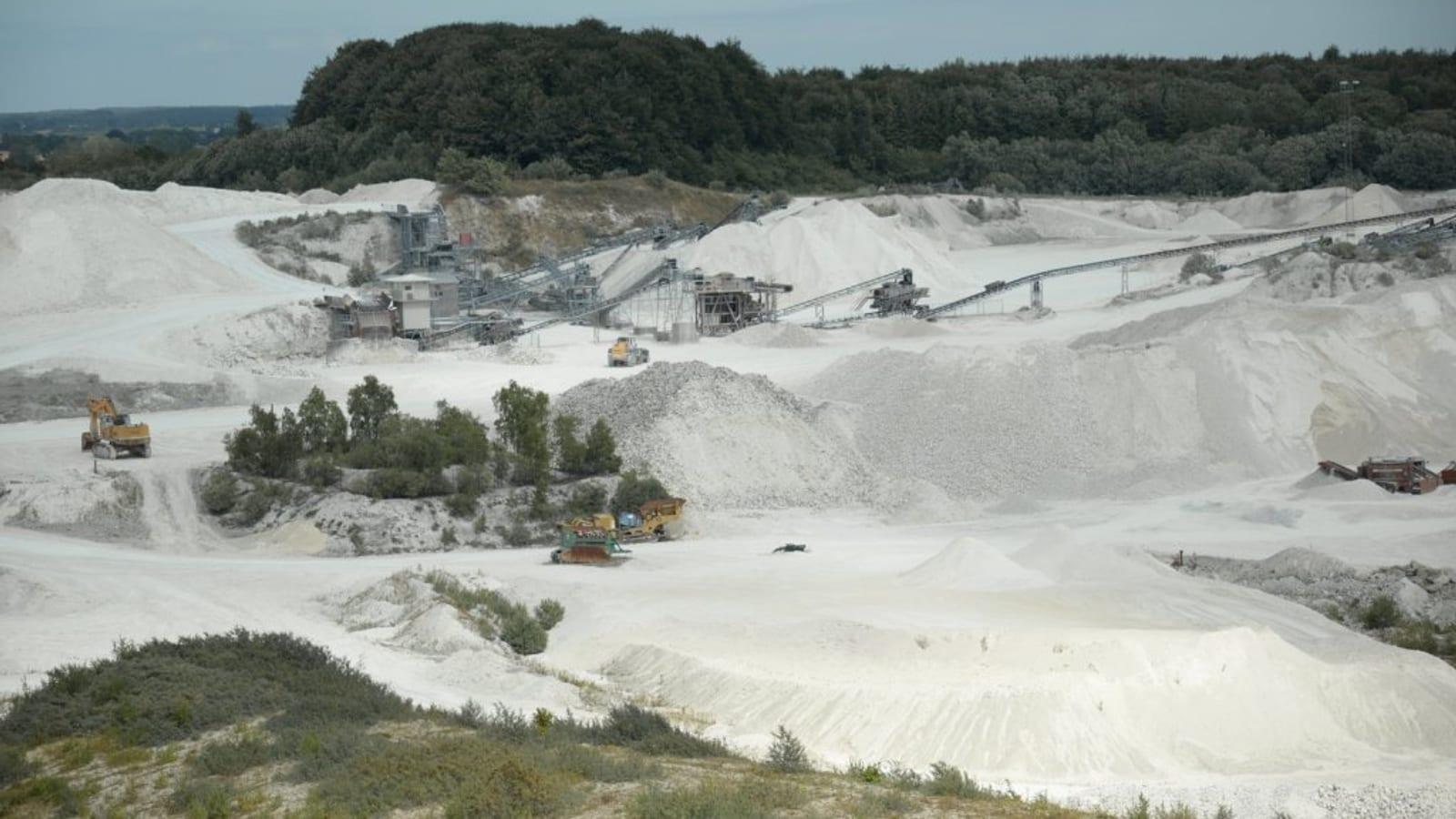
Faxe Quarry South Area Fossil Hunting Guide
Denmark
Corals, Crabs, Bryozoans, Bivalves
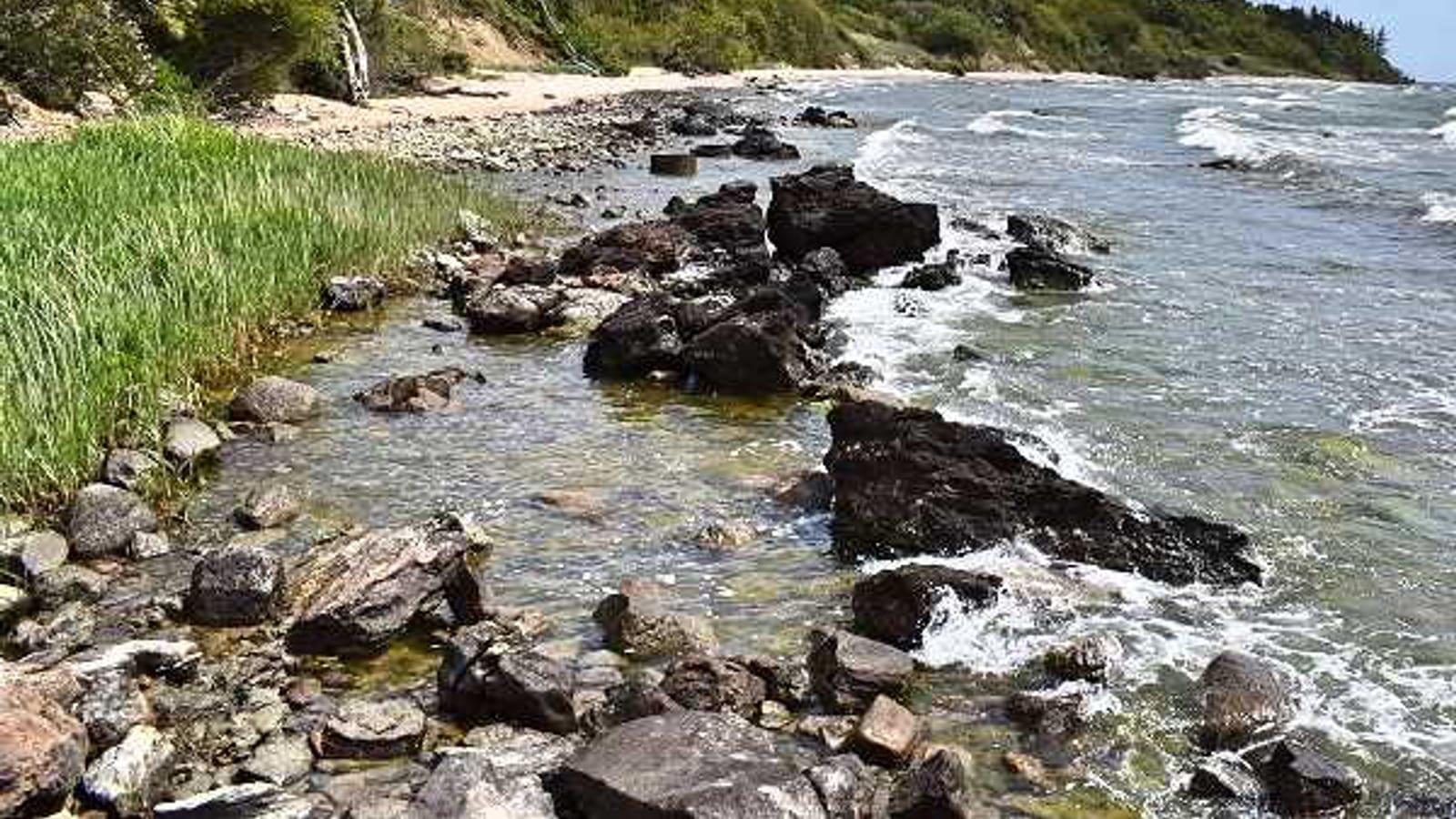
Find Campanian Fossils at Arnager Beach Bornholm Fossil Hunting Guide
Denmark
Sponges, Ammonites, Echinoids, Brachiopods
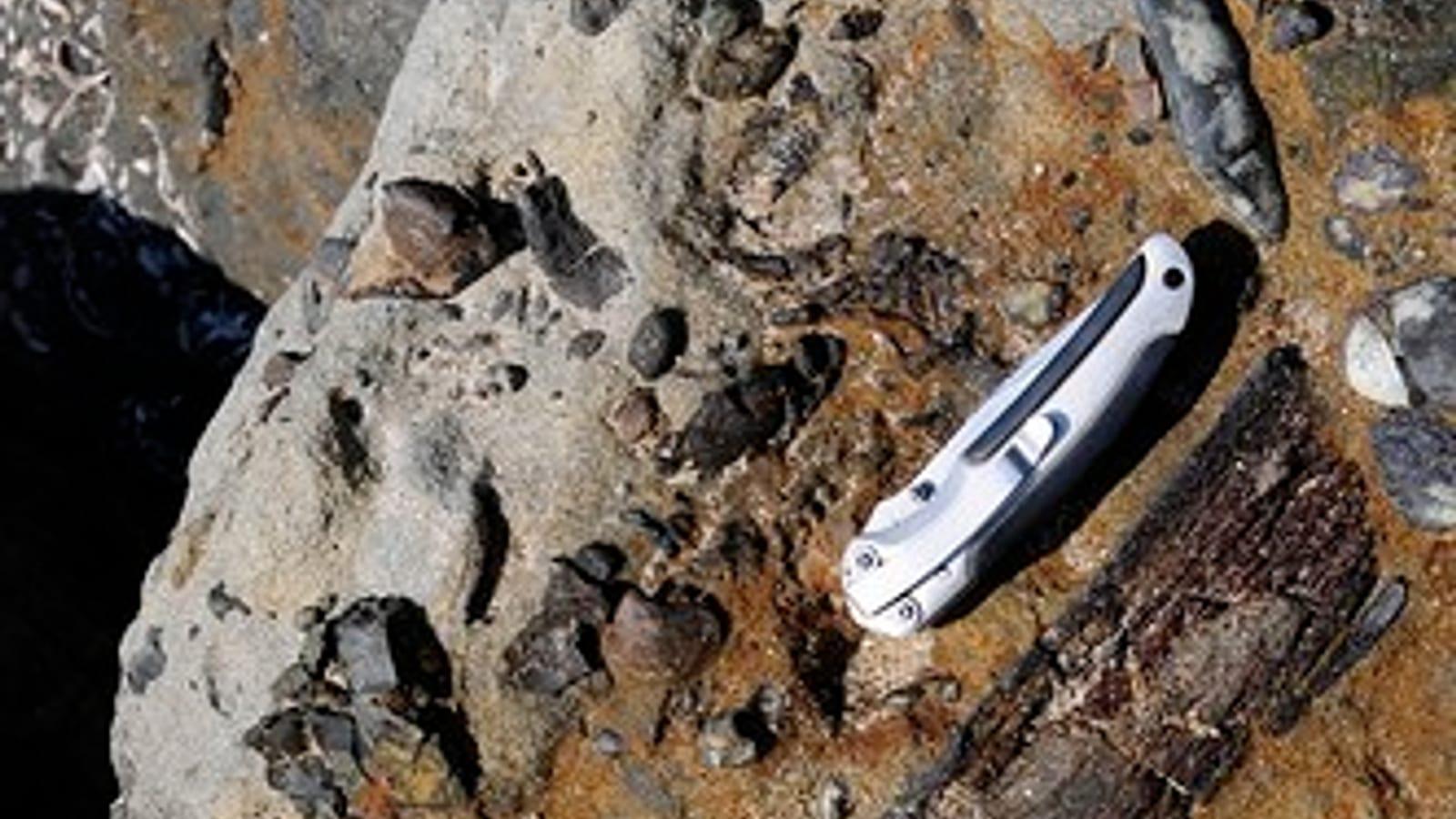
Find Fossils on Capitola Beach Fossil Hunting Guide
California, United States
Shark Teeth, Bivalves, Gastropods
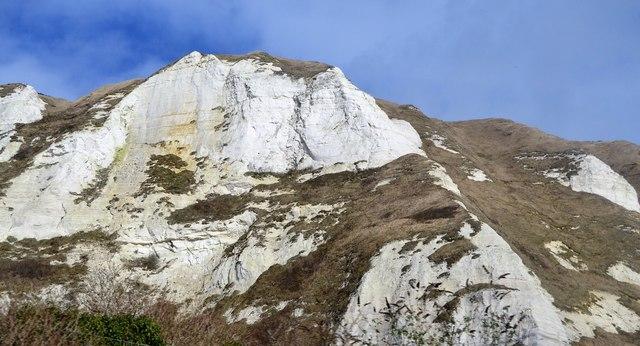
Folkestone Warren and Copt Point Fossil Hunting Guide
Kent, England
Ammonites, Crabs, Shark Teeth, Bivalves
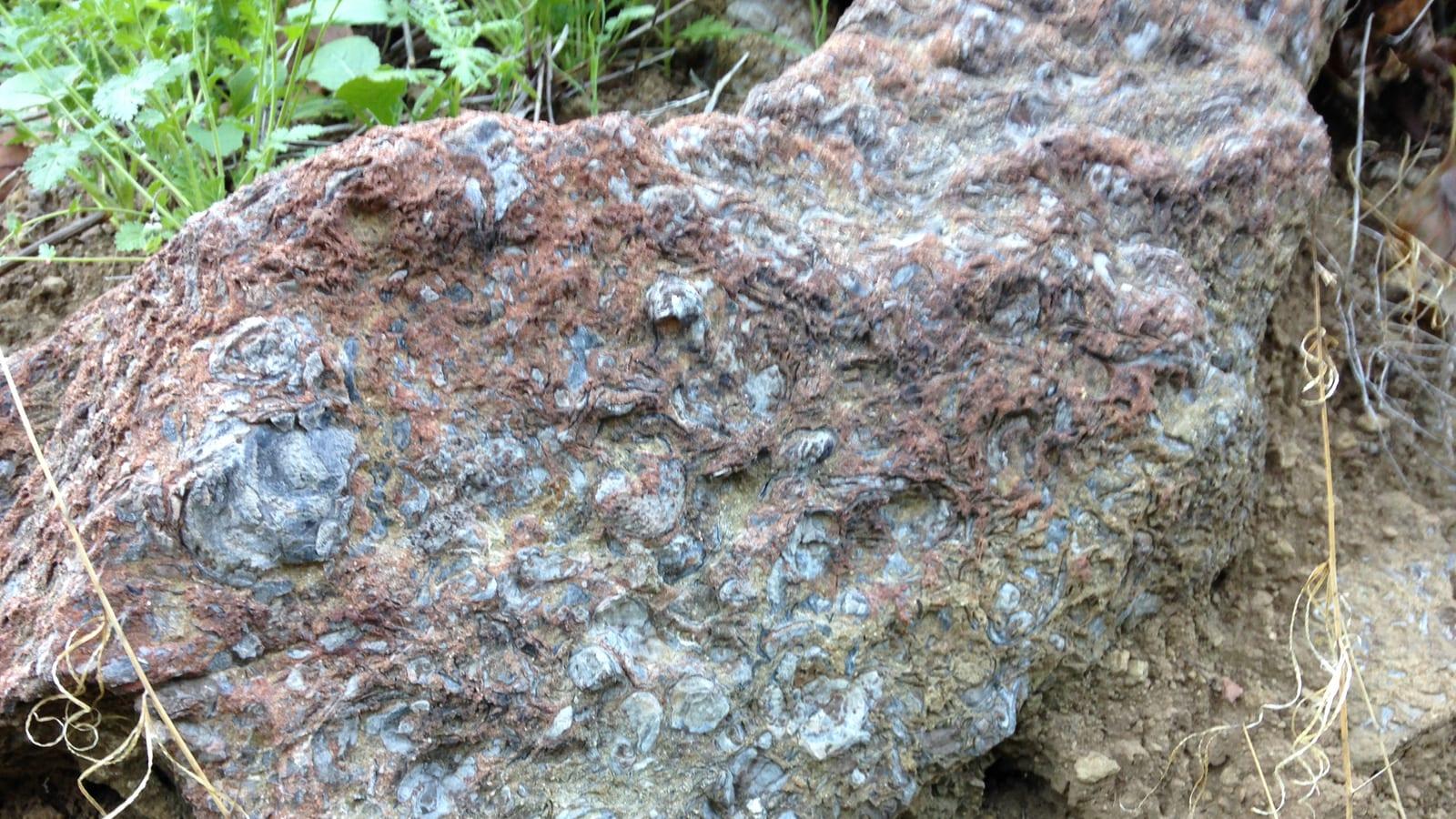
Fossil Hunting Near Ojai in the Los Padres National Forest
California, United States
Bivalves, Oysters (Ostrea idriaensis), Turritella (gastropods)
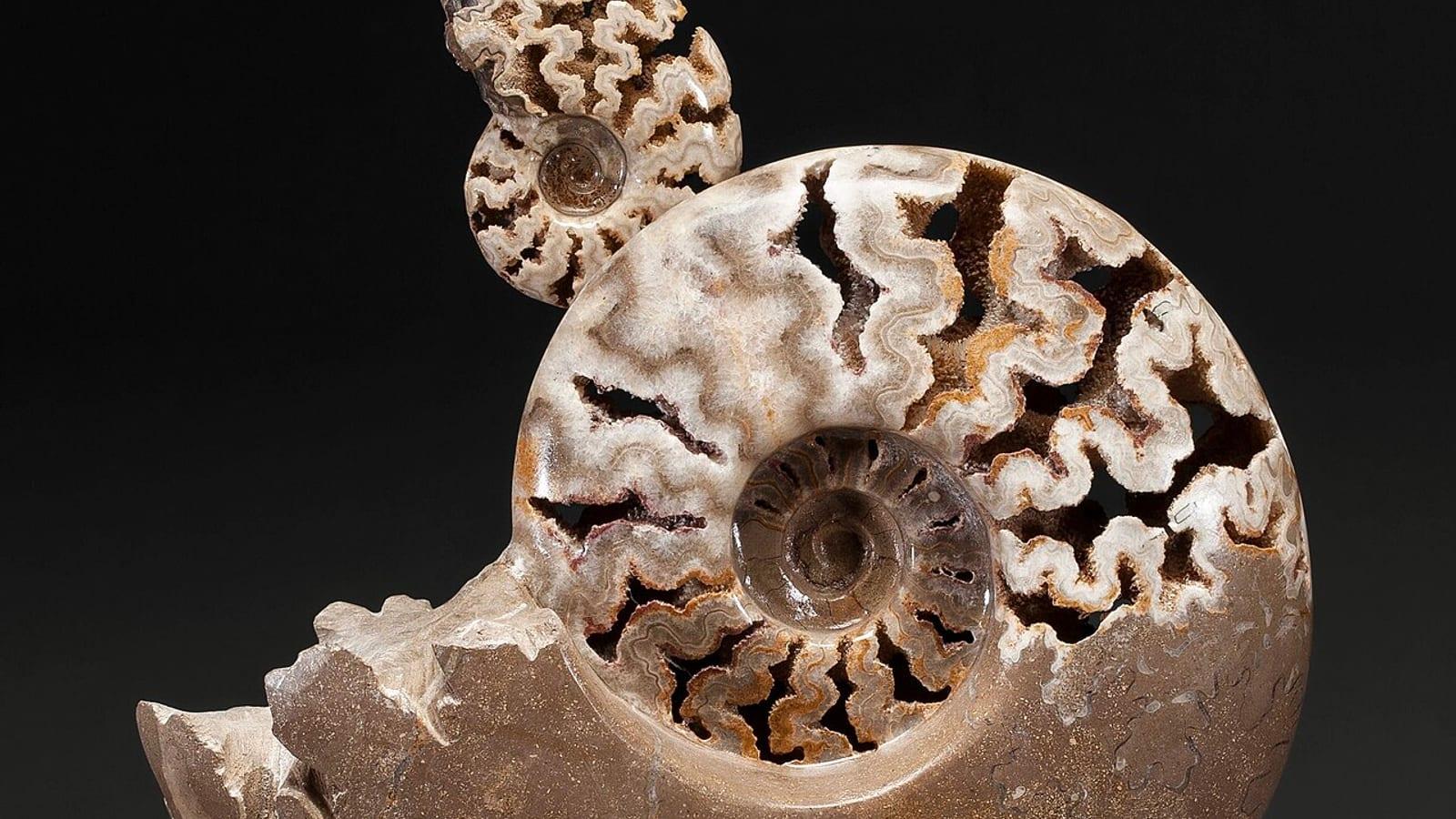
Fossiliensammelstelle Titting Free Fossil Hunting Guide
85125 Titting
Ammonites, Crinoid fragments, Belemnites and bivalves, Plant fossils
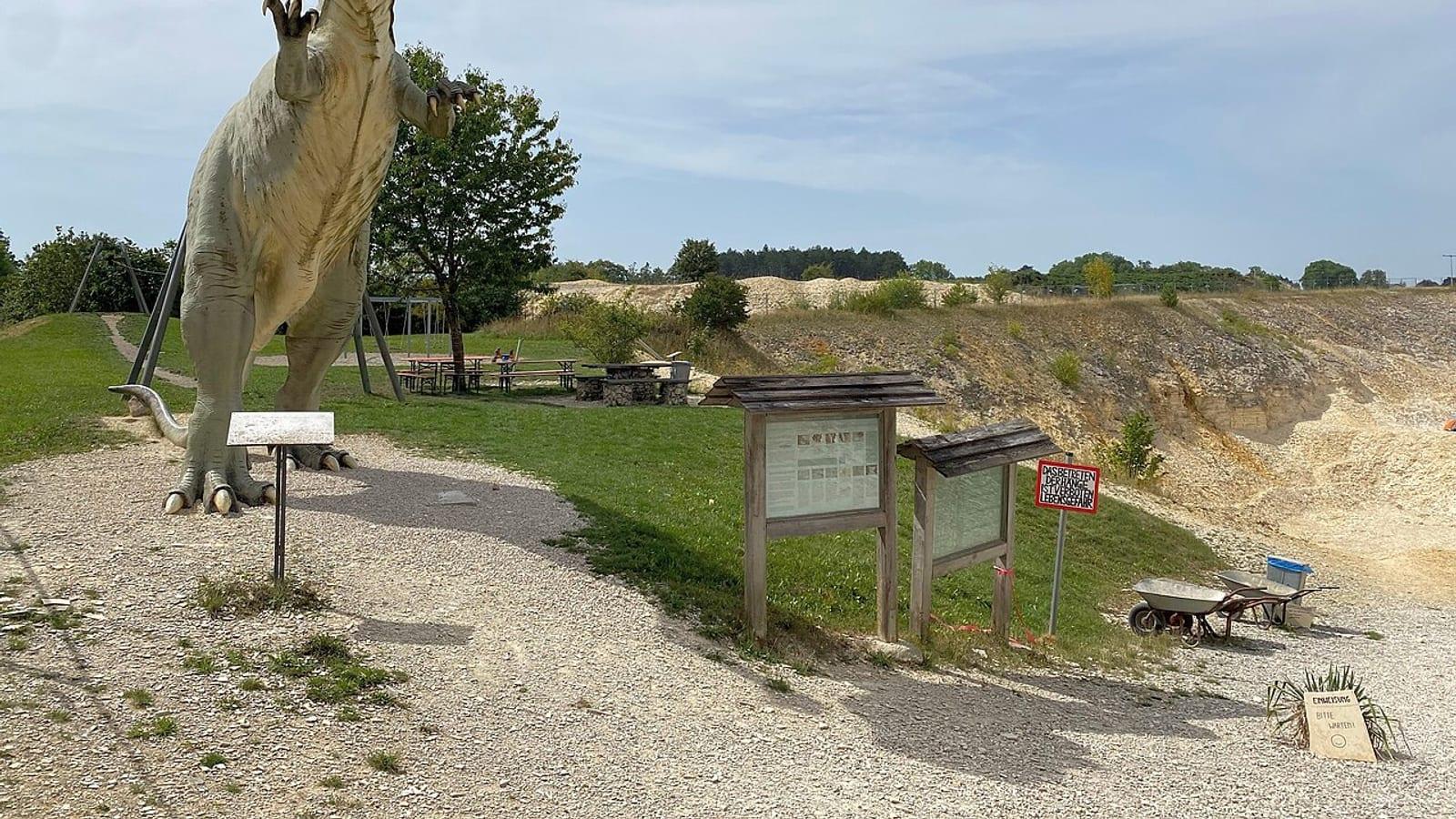
Fossiliensteinbruch Blumenberg Eichstatt Fossil Hunting Guide
Germany
Ammonites, Fish fossils, Shrimp, Crinoids and belemnites
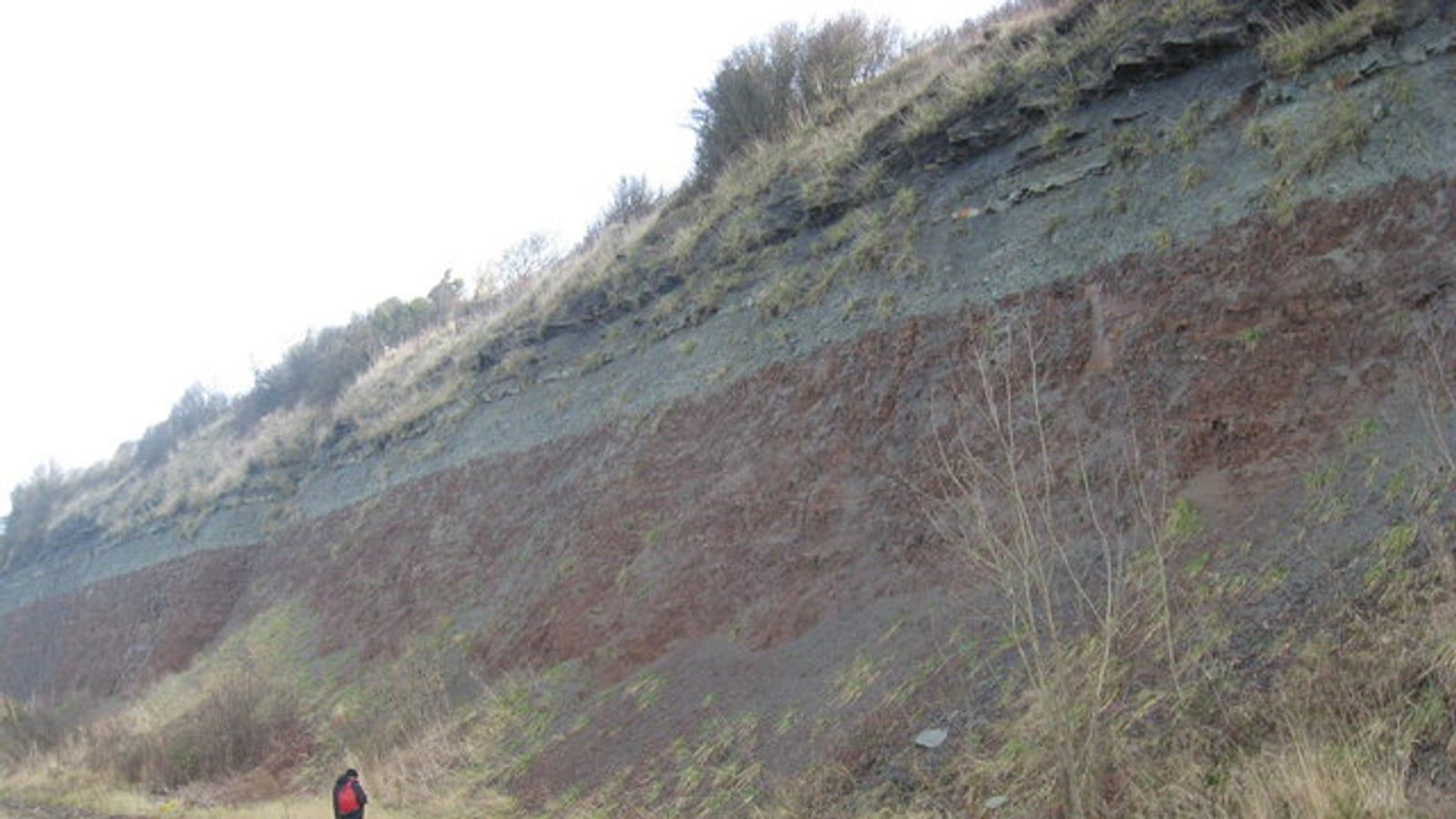
Fossils of Aust Cliff Fossil Hunting Guide
England, United Kingdom
Shark teeth, Fish scales and teeth, Reptile remains, The Blue Lias
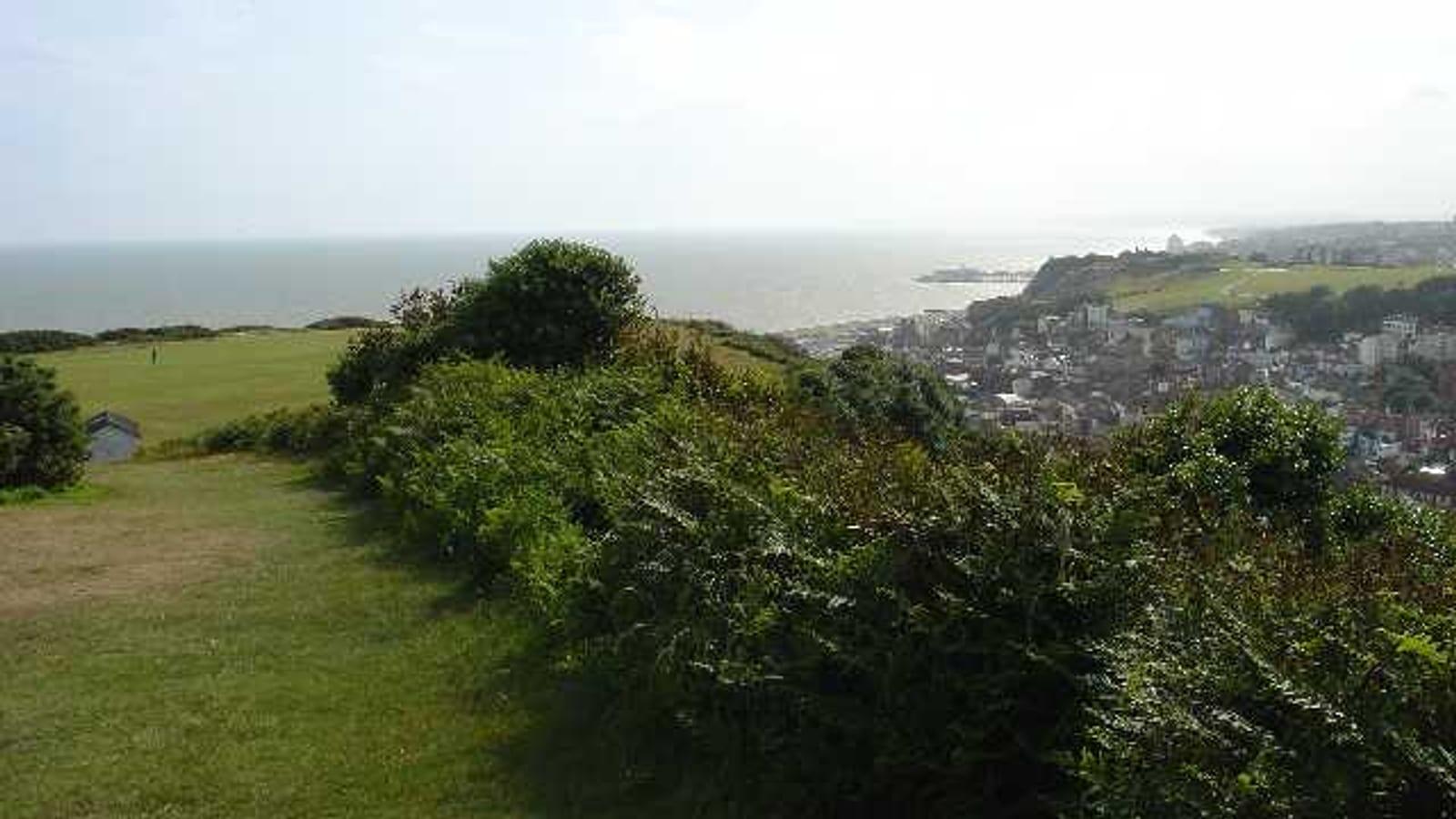
Hastings East Sussex Fossil Hunting Guide
Hastings
Dinosaur bones and teeth, Dinosaur footprints, Freshwater molluscs, Plant material
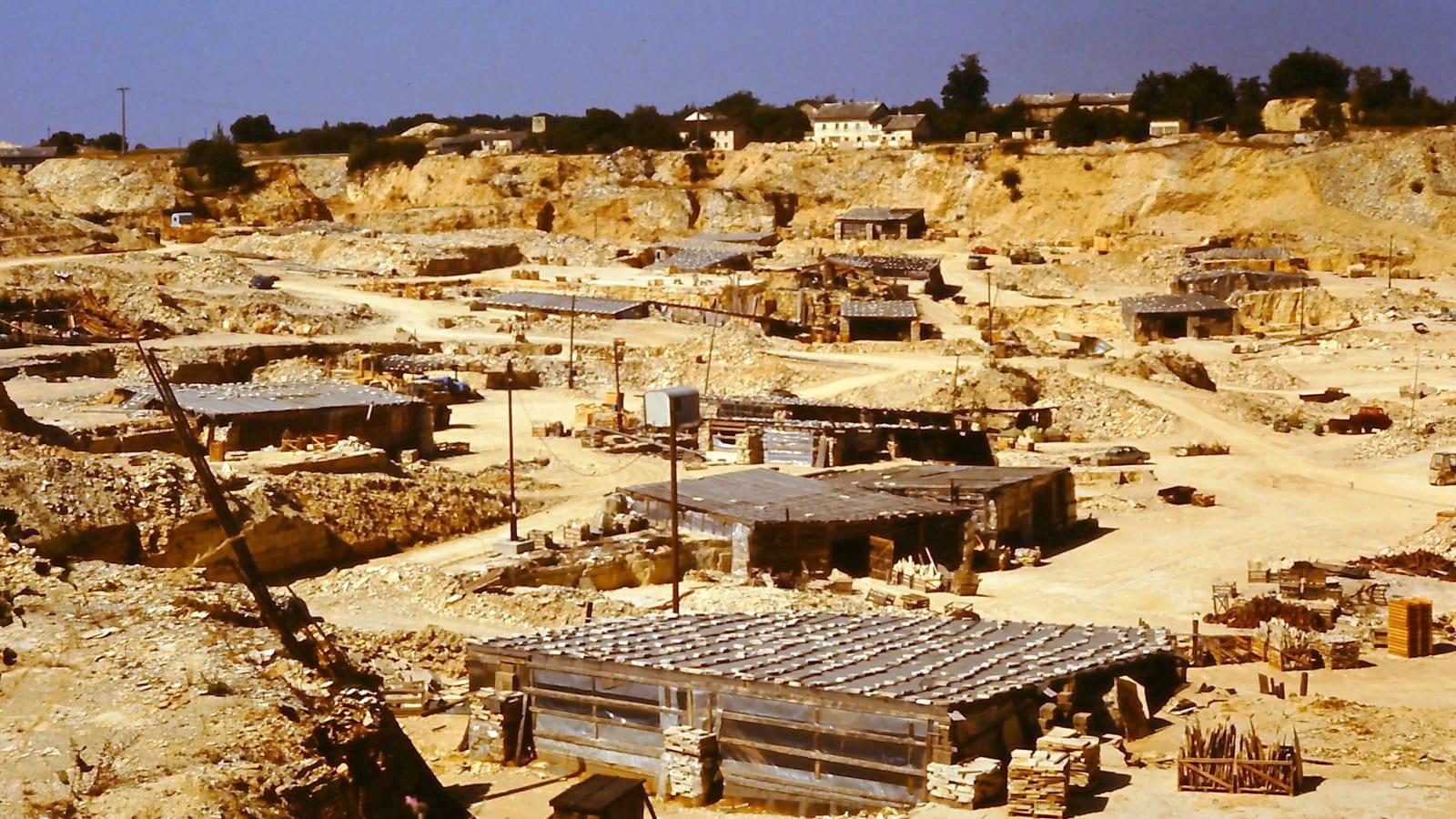
Hobbysteinbruch Solnhofen Fossil Hunting Guide
91807 Solnhofen
Ammonites, Fish fossils, Shrimp, Crinoids
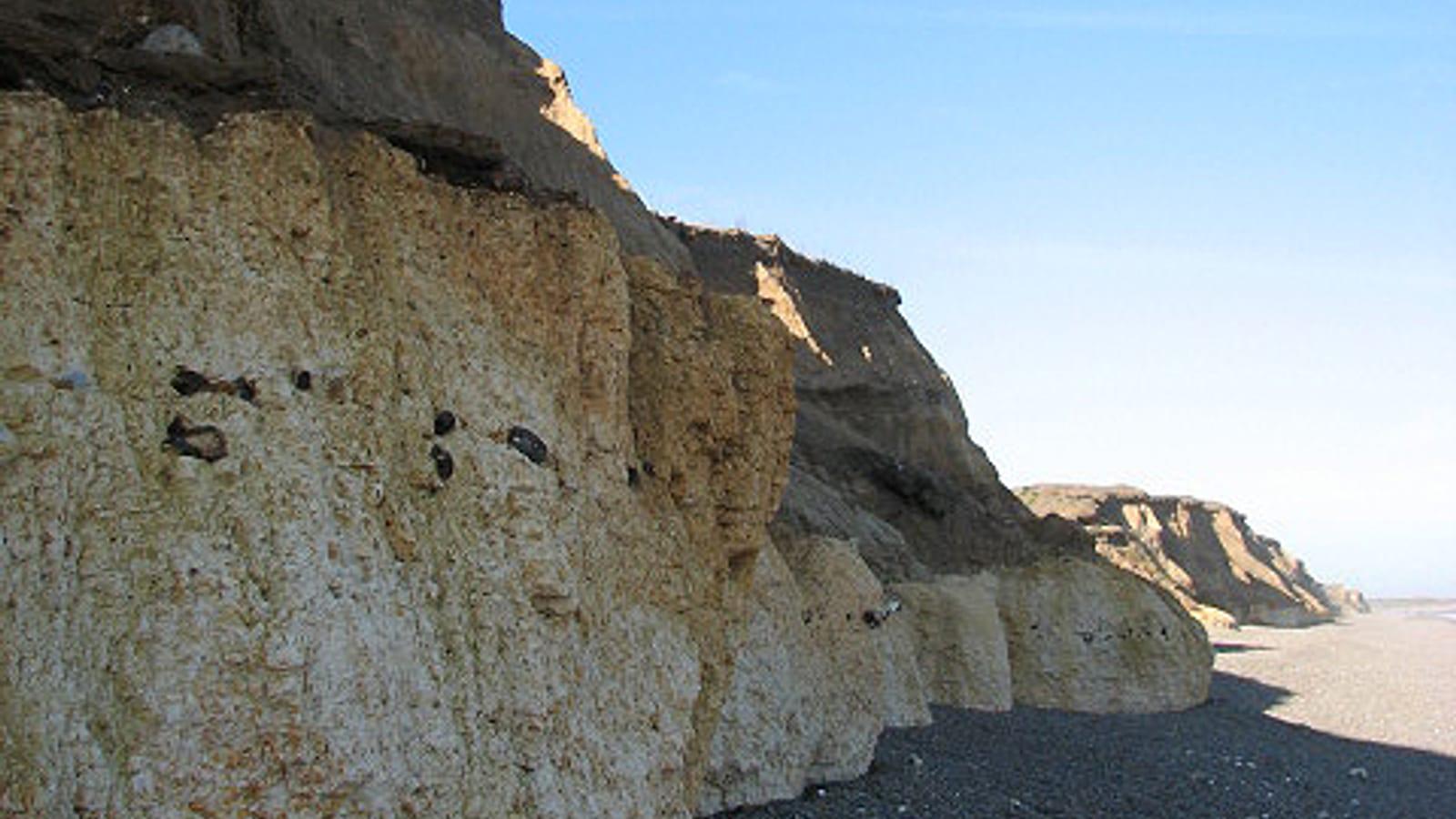
Ilminster Fossil Hunting Guide
England, United Kingdom
Ammonites, Belemnites, brachiopods, bivalves
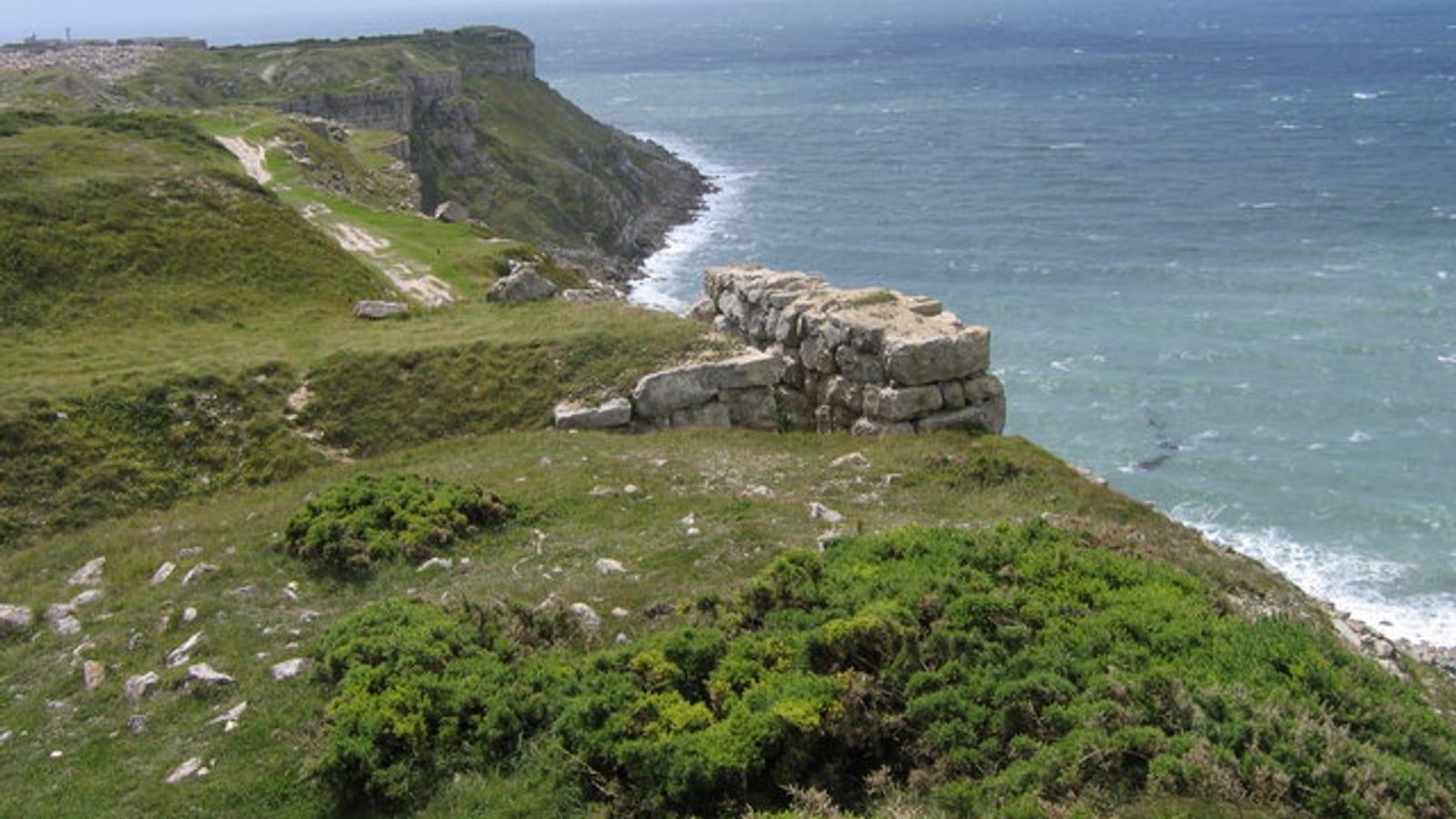
Isle of Portland: Dinosaur Trackways
United Kingdom
Ammonites, Bivalves, Dinosaur footprints, Marine reptile remains
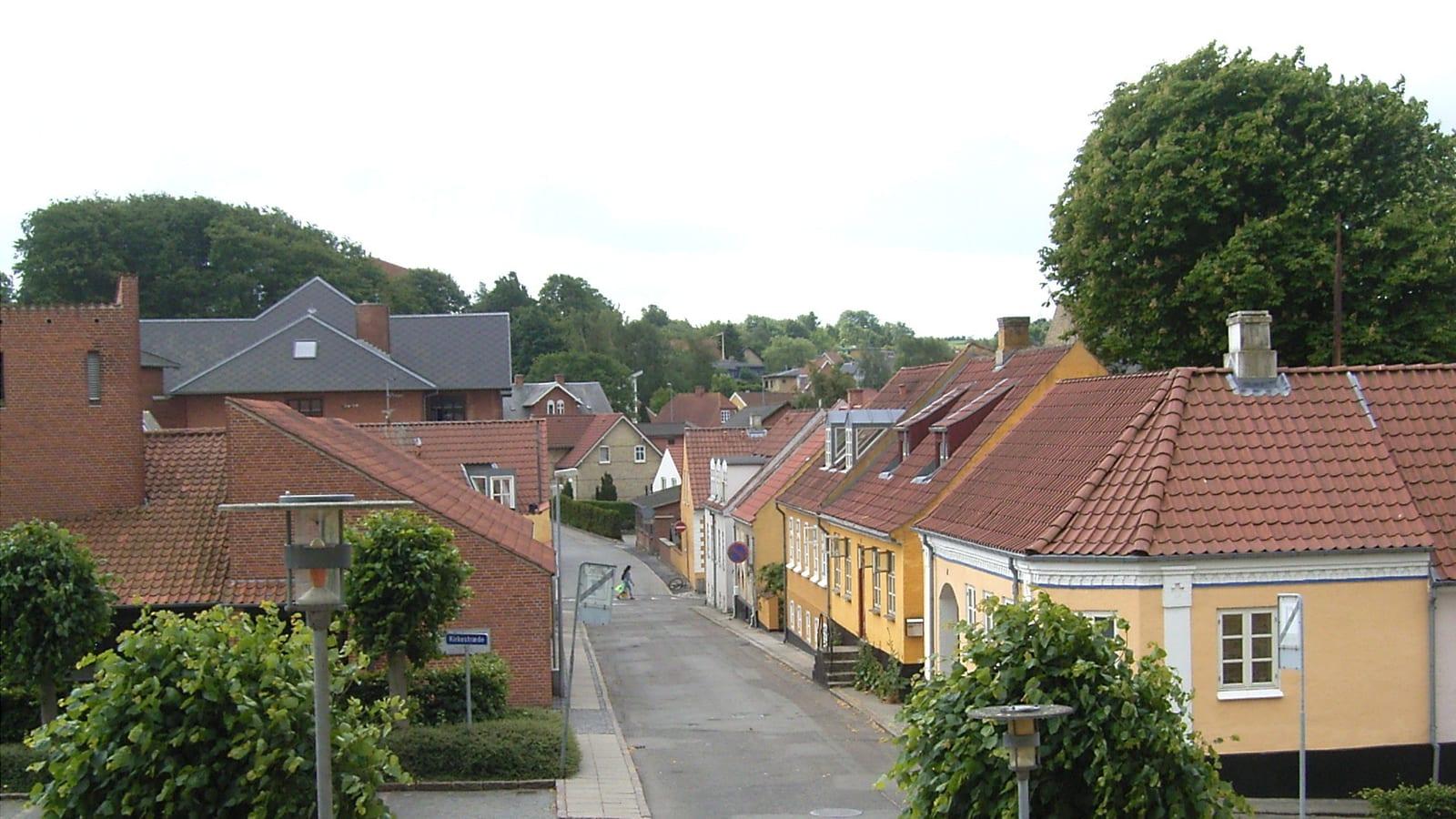
Katbjerg Odde Mariager Fjord Fossil Hunting Guide
Denmark
Bryozoans, Sea urchins, Brachiopods, bivalves
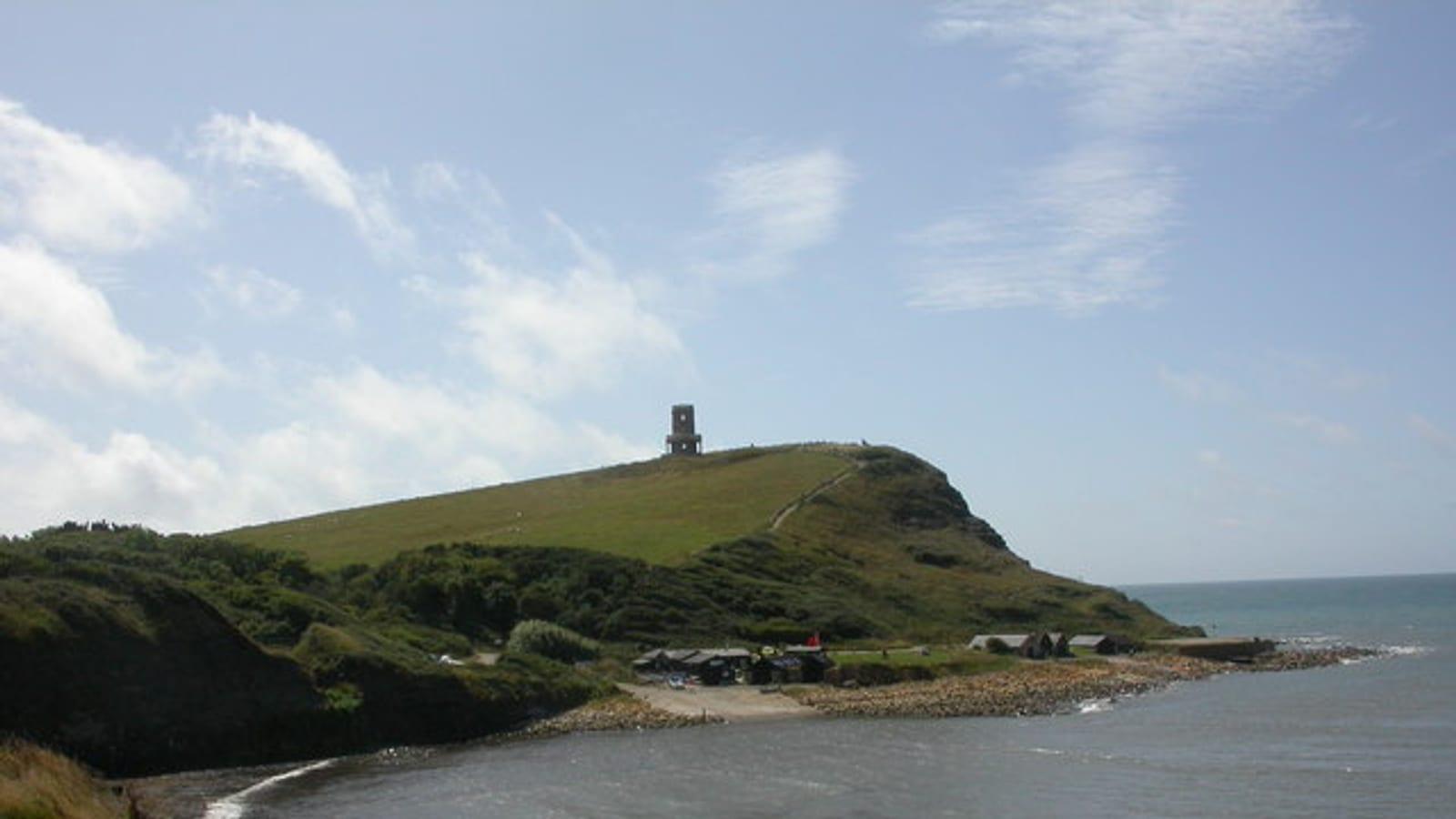
Kimmeridge Bay Fossil Hunting Guide
Wareham
Etches Collection Museum, Ammonites, Belemnites, Bivalves
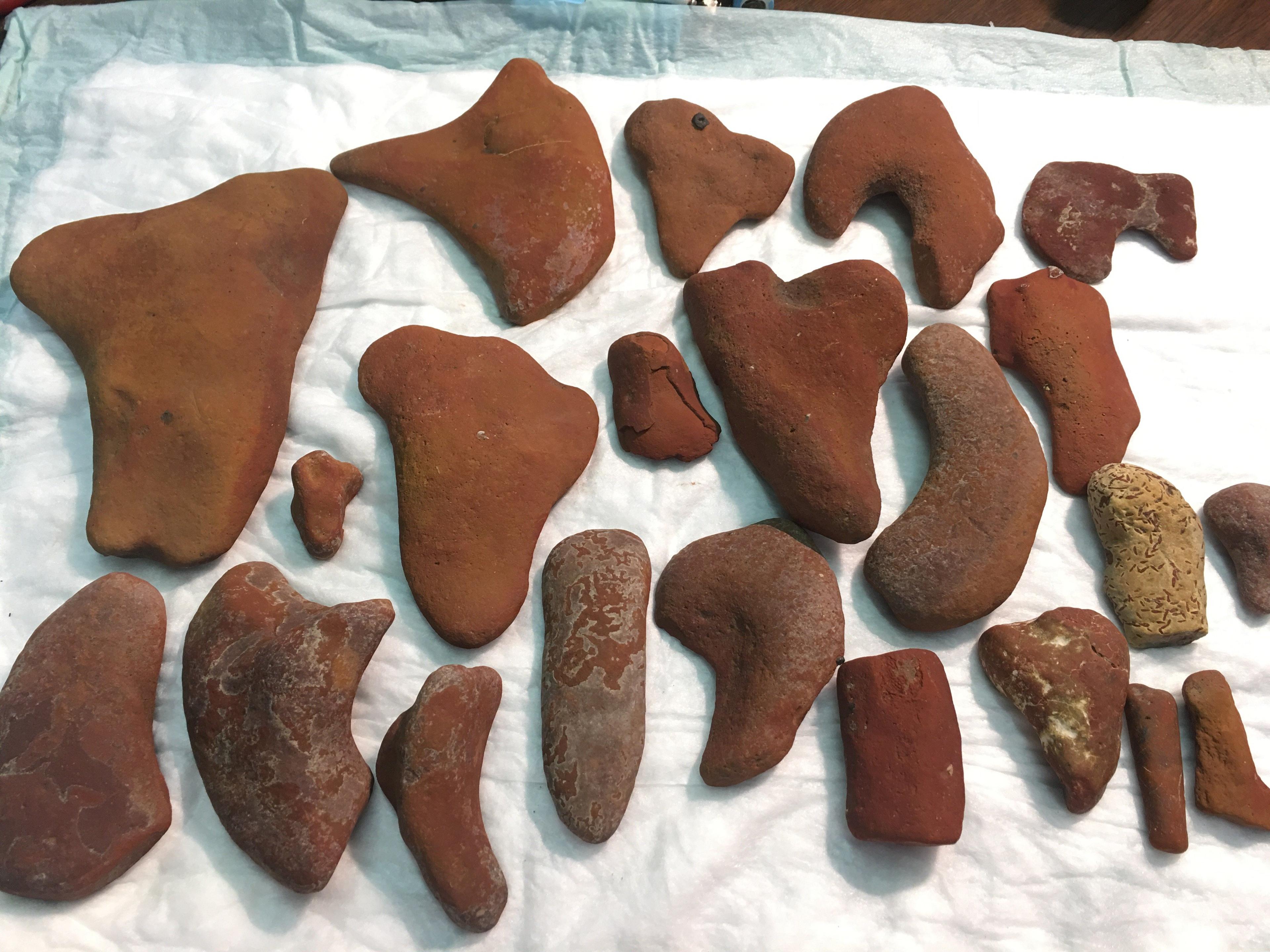
Ladonia Fossil Park (North Sulphur River) Guide
Texas, United States
Mosasaur teeth, Shark Teeth, Ammonites, Bivalves
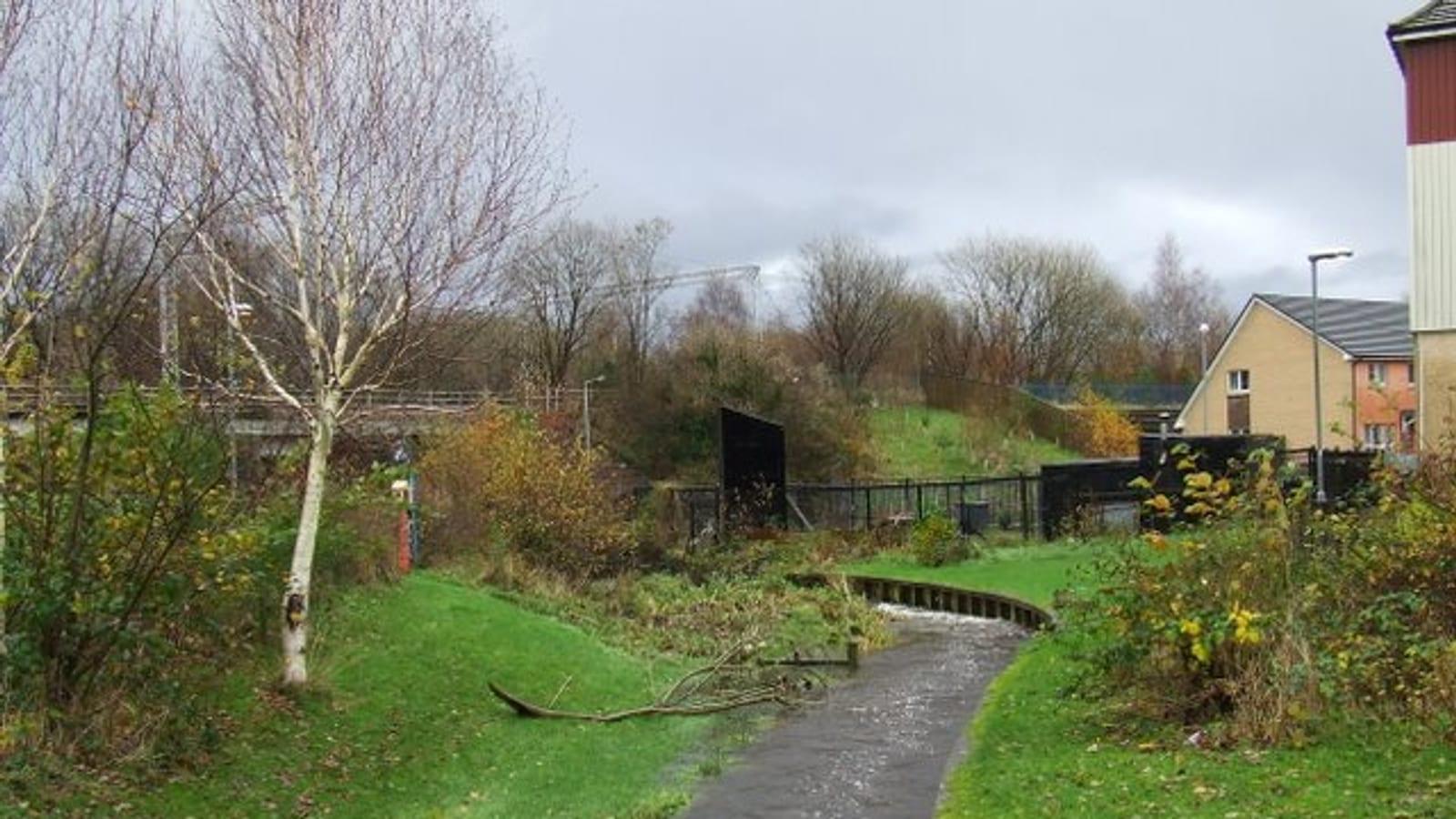
Lady Burn Fossil Hunting Guide
near Drummuck
Starfish, Trilobites, Brachiopods and bivalves, Orthocones and cephalopods
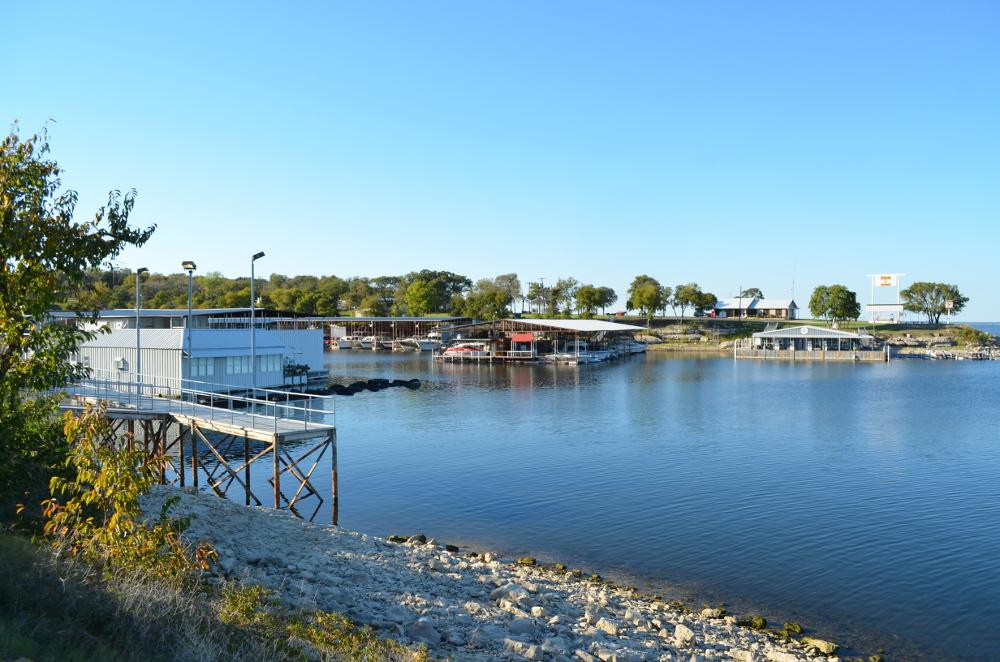
Lake Texoma (Eisenhower State Park) Fossil Hunting Guide
Texas, United States
Ammonites, Echinoids, Heart urchins, Oysters
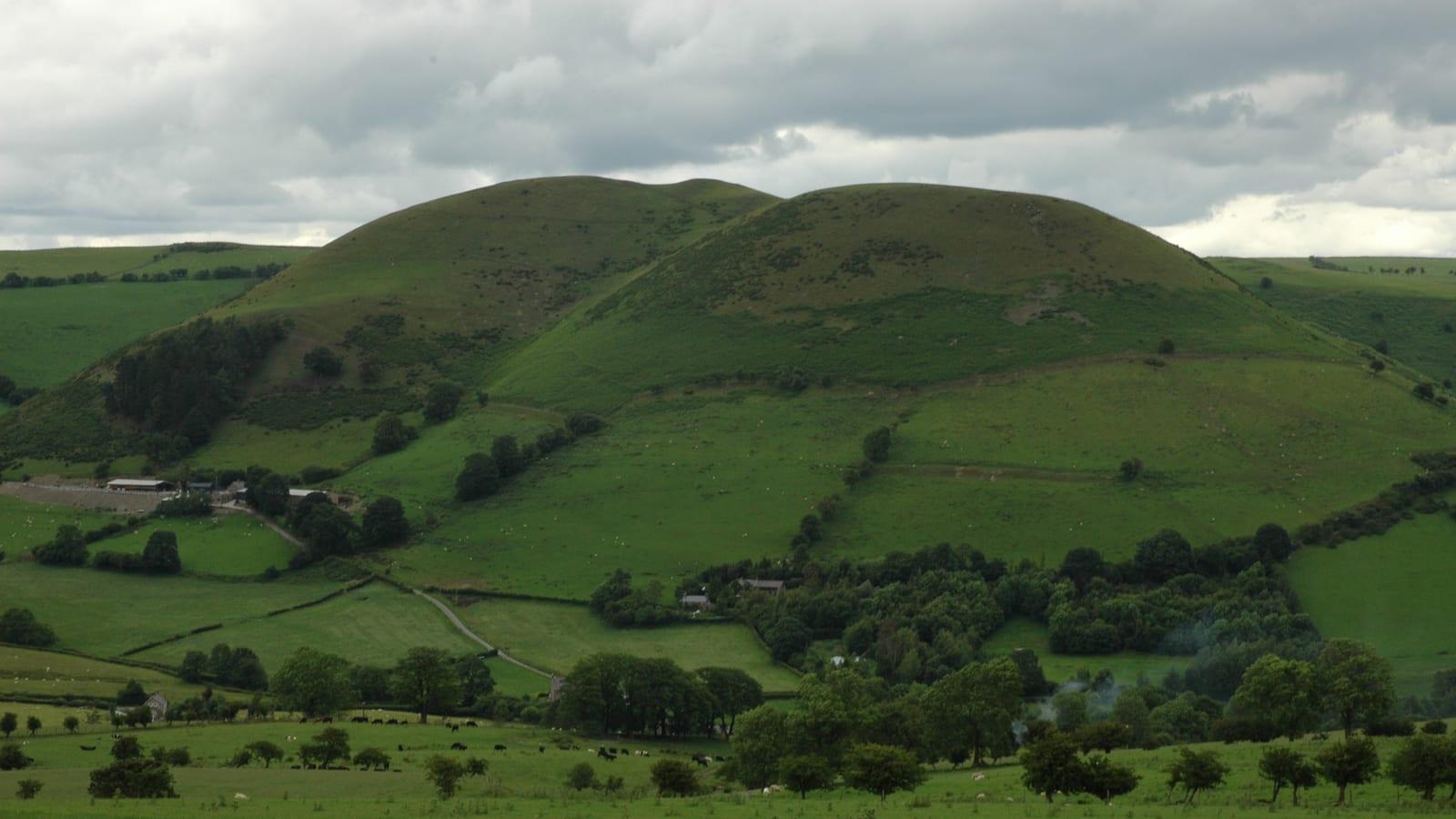
Lavernock Fossil Hunting Guide
Wales, United Kingdom
Ammonites, Brachiopods, Bivalves, Marine Reptiles
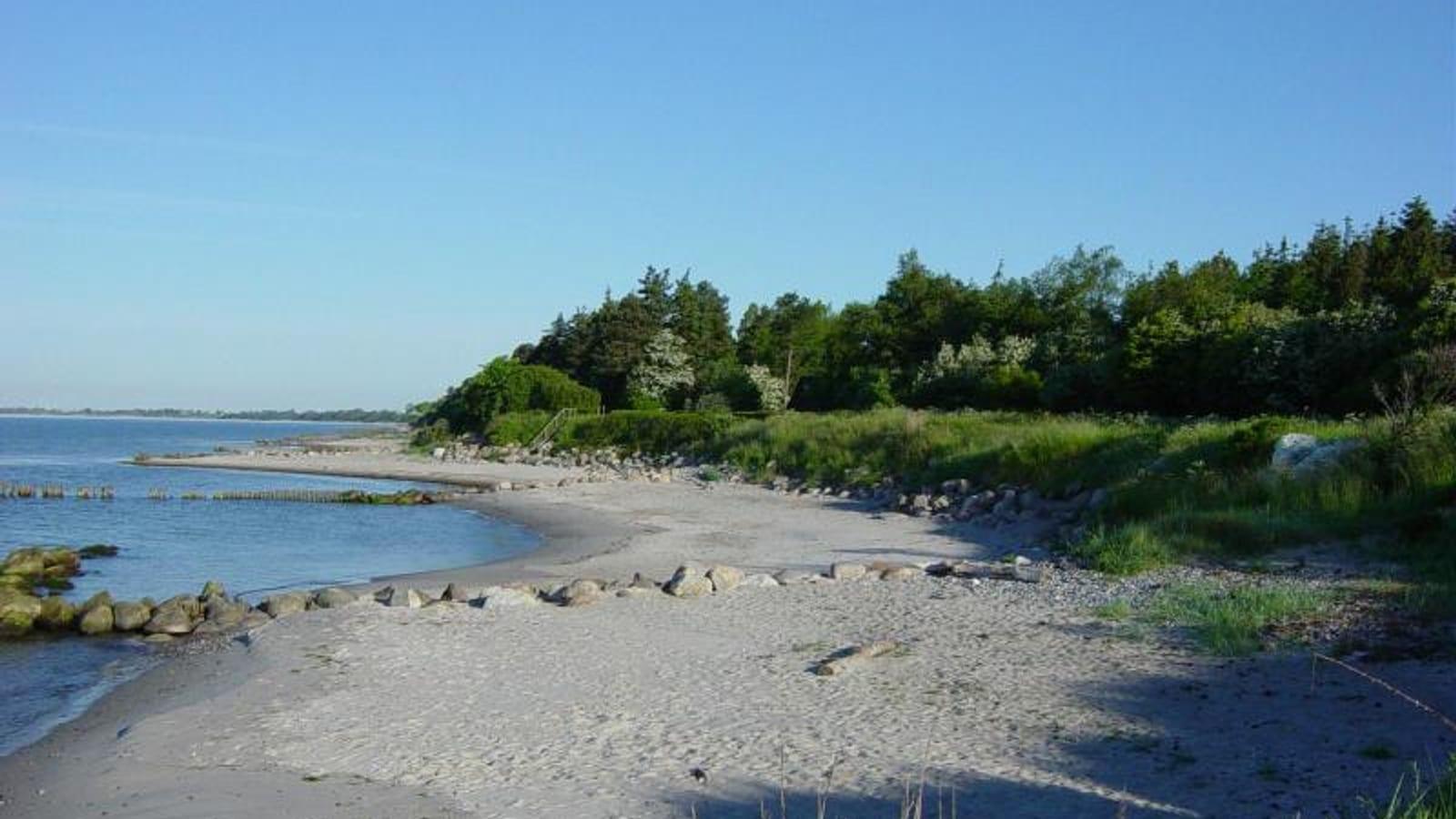
Liselund Park Mons Klint Beach Access Fossil Hunting Guide
4791 Borre
Belemnites, Sea urchin, Brachiopod, Bryozoan
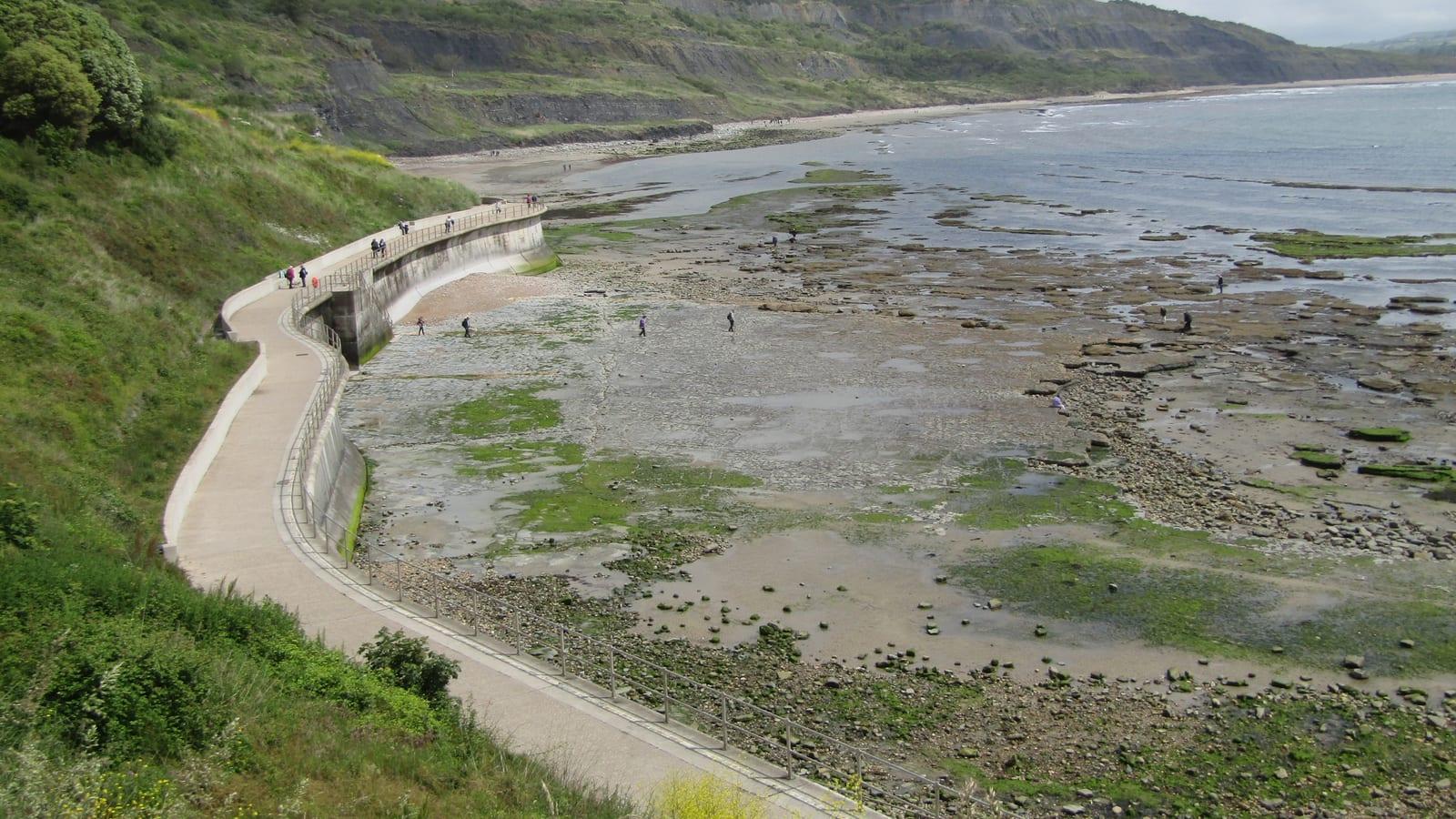
Lyme Regis Church Cliffs Fossil Hunting Guide
United Kingdom
Ammonites, Belemnites, Bivalves, Crinoids
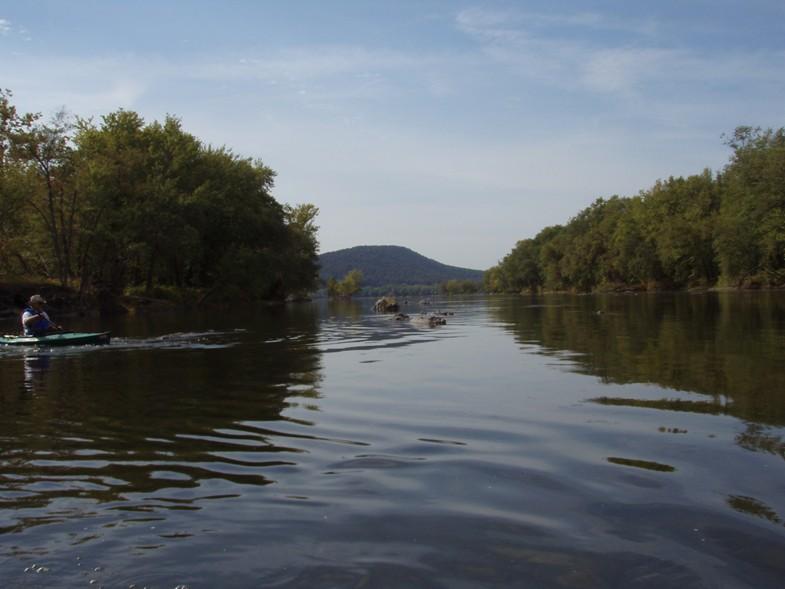
Mahantango Creek (Snyder County) Fossil Hunting Guide
Pennsylvania, United States
Brachiopods, Trilobites, Corals, Cephalopods
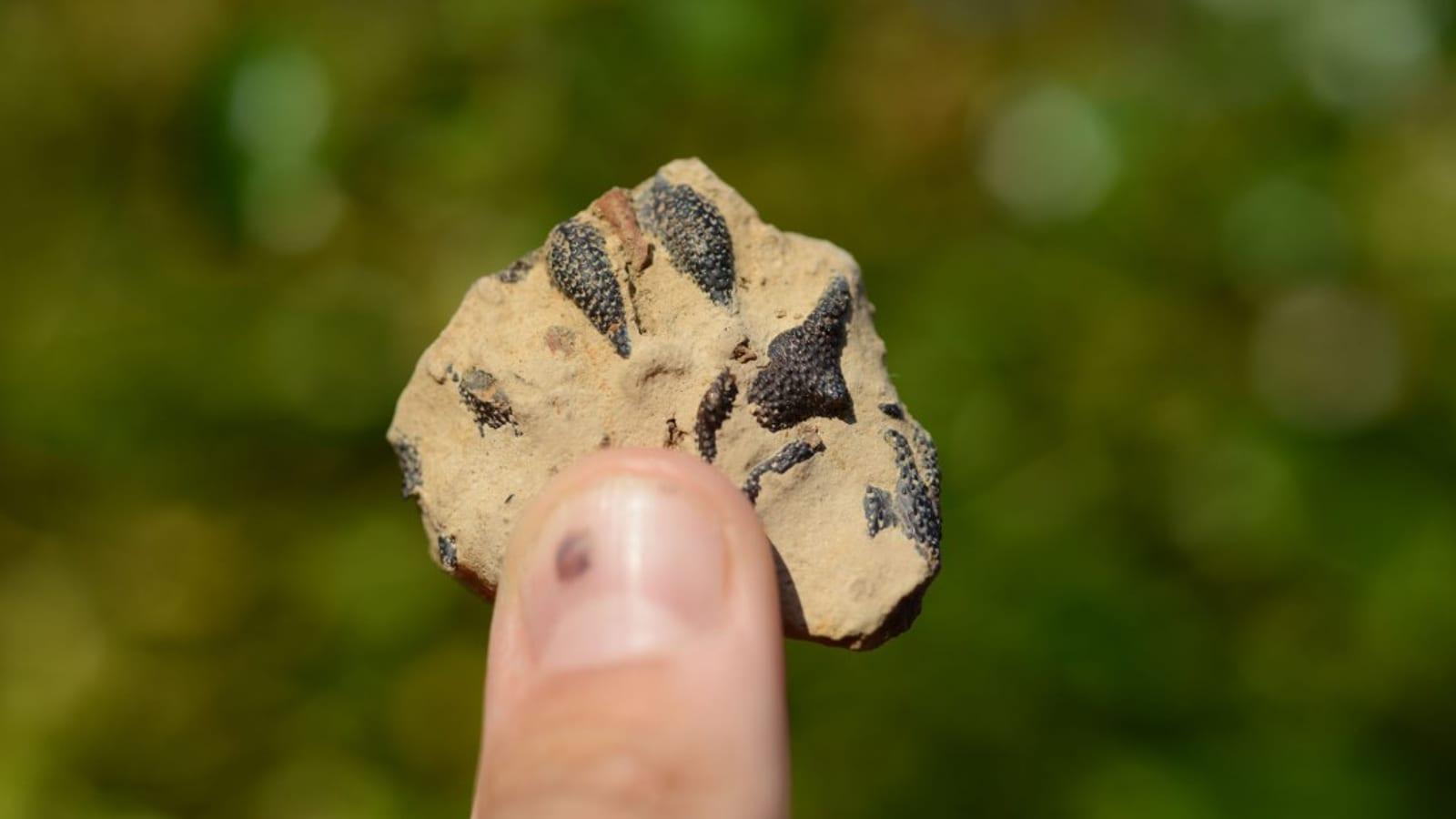
Maylandsea Fossil Hunting Guide
England, United Kingdom
Shark Teeth, Bivalves
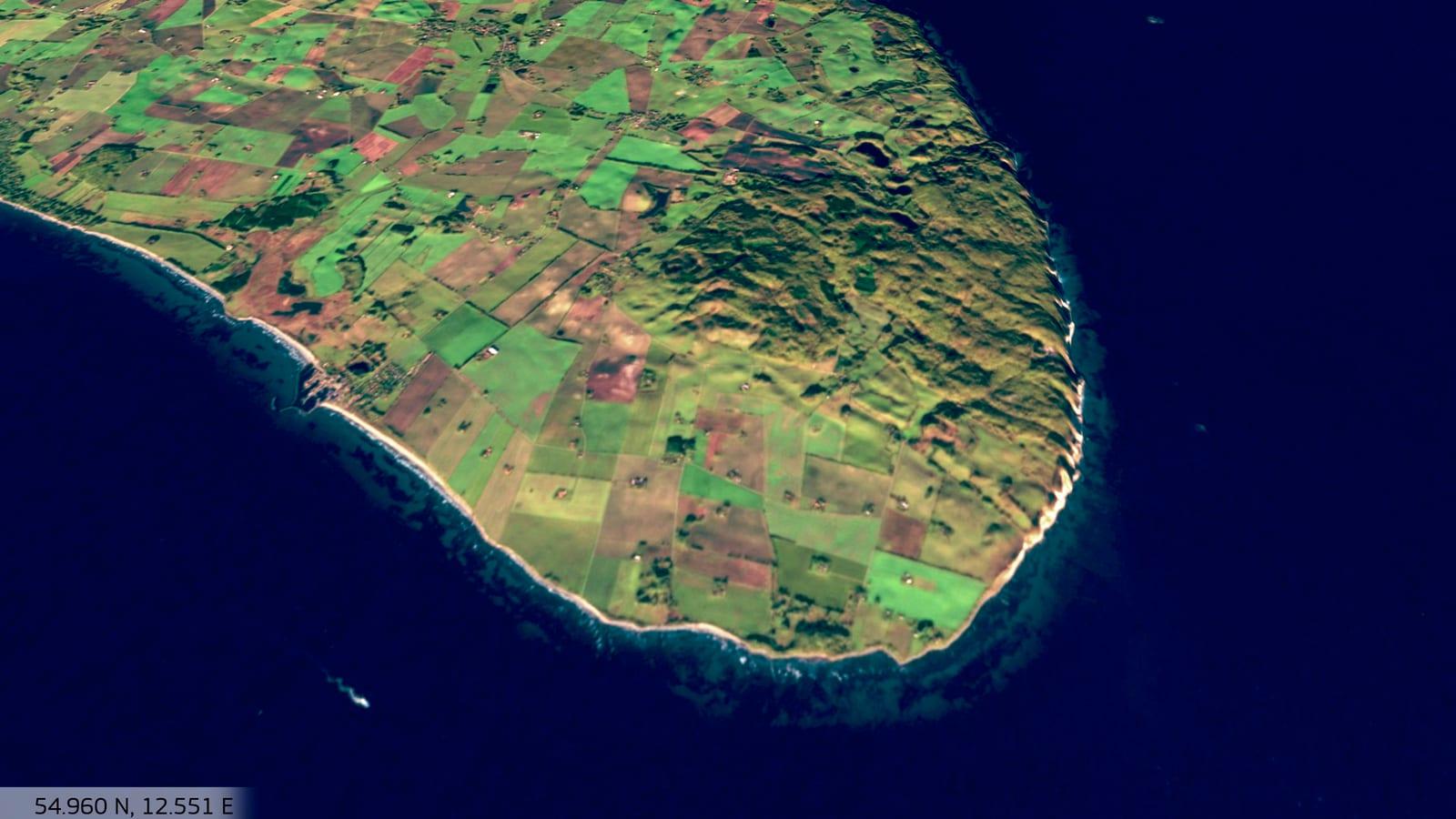
Mons Klint Beach Fossil Hunting Guide
Denmark
Møns Klint, Belemnites, Sea urchin, Brachiopods
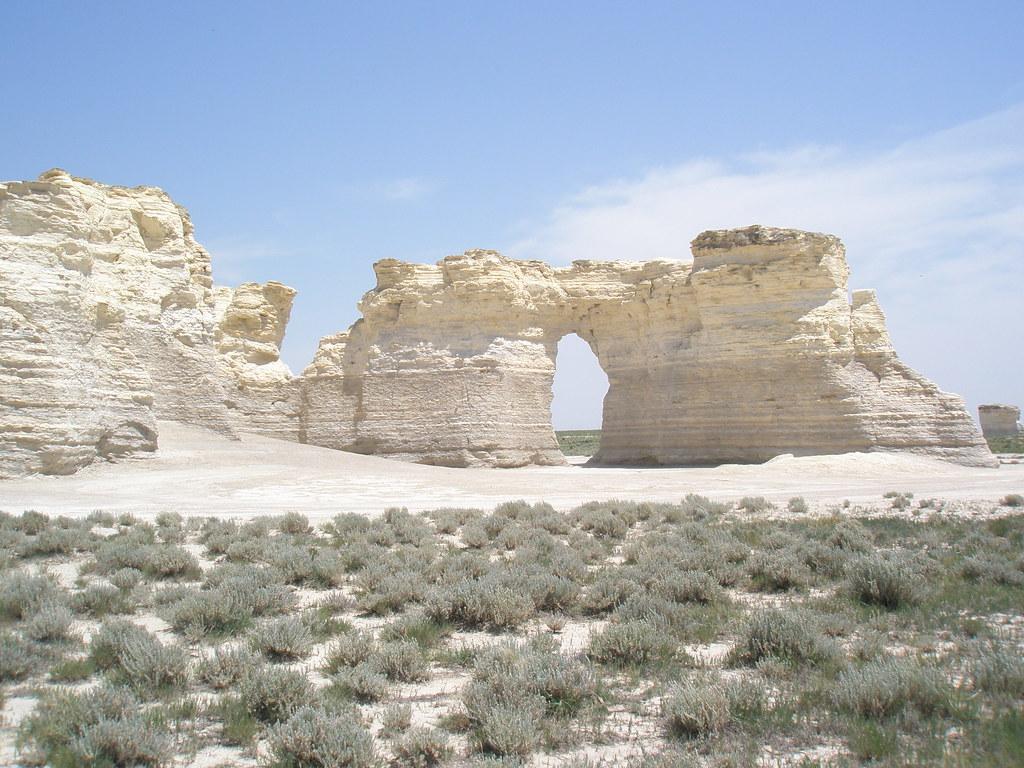
Monument Rocks (Chalk Pyramids) Fossil Guide
Kansas, United States
Mosasaurs, Giant clams (Inoceramus), Pterosaurs, Hesperornis
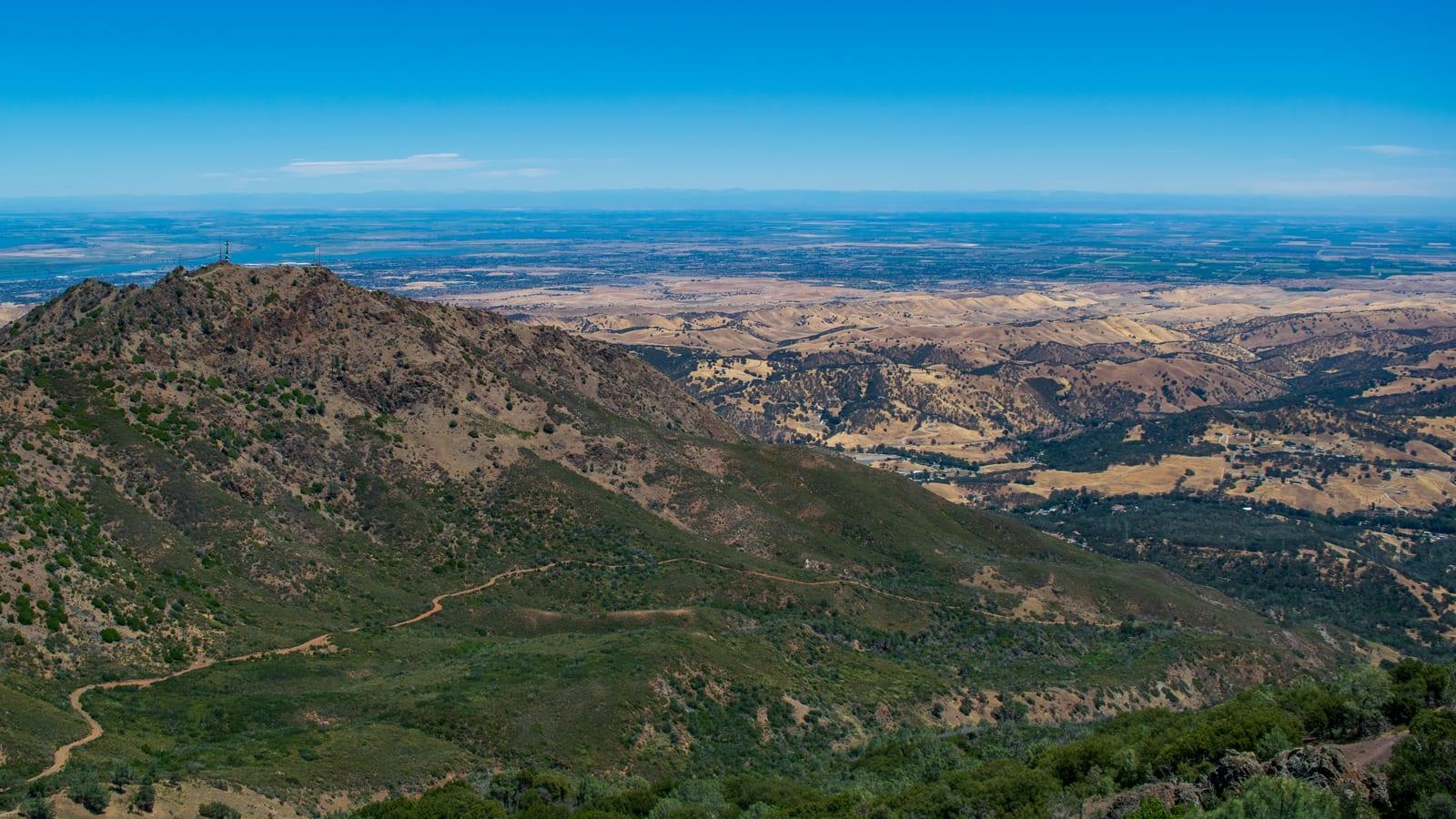
Mt. Diablo Fossil Hunting Guide
California, United States
Clams, Pectens, Other shallow-marine invertebrates
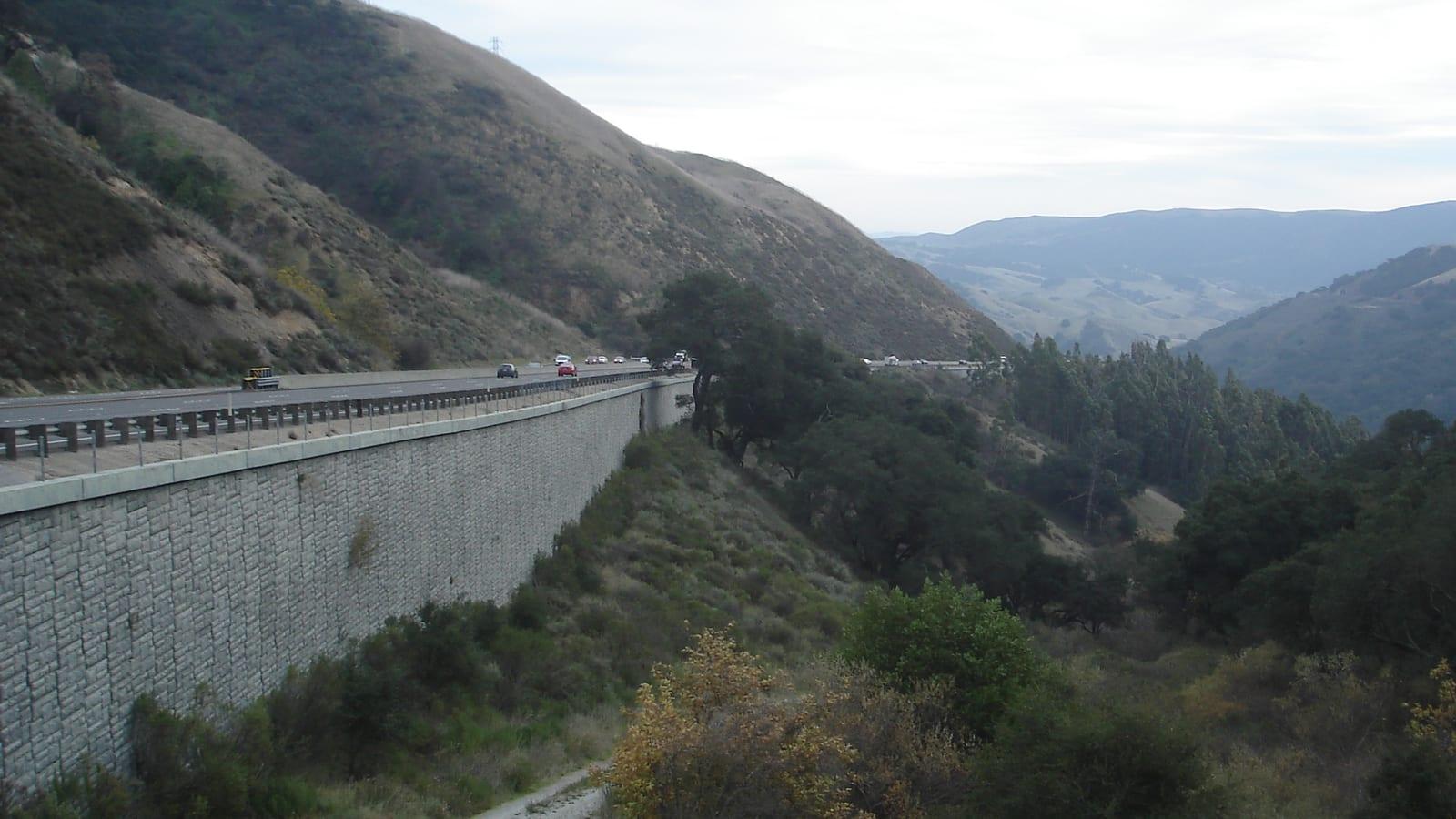
Oyster Fossils at Santa Margarita Ranch, San Luis Obispo County
California, United States
Oysters (Crassostrea titan), Bivalves, Sand dollars (Astrodapsis), Echinoids
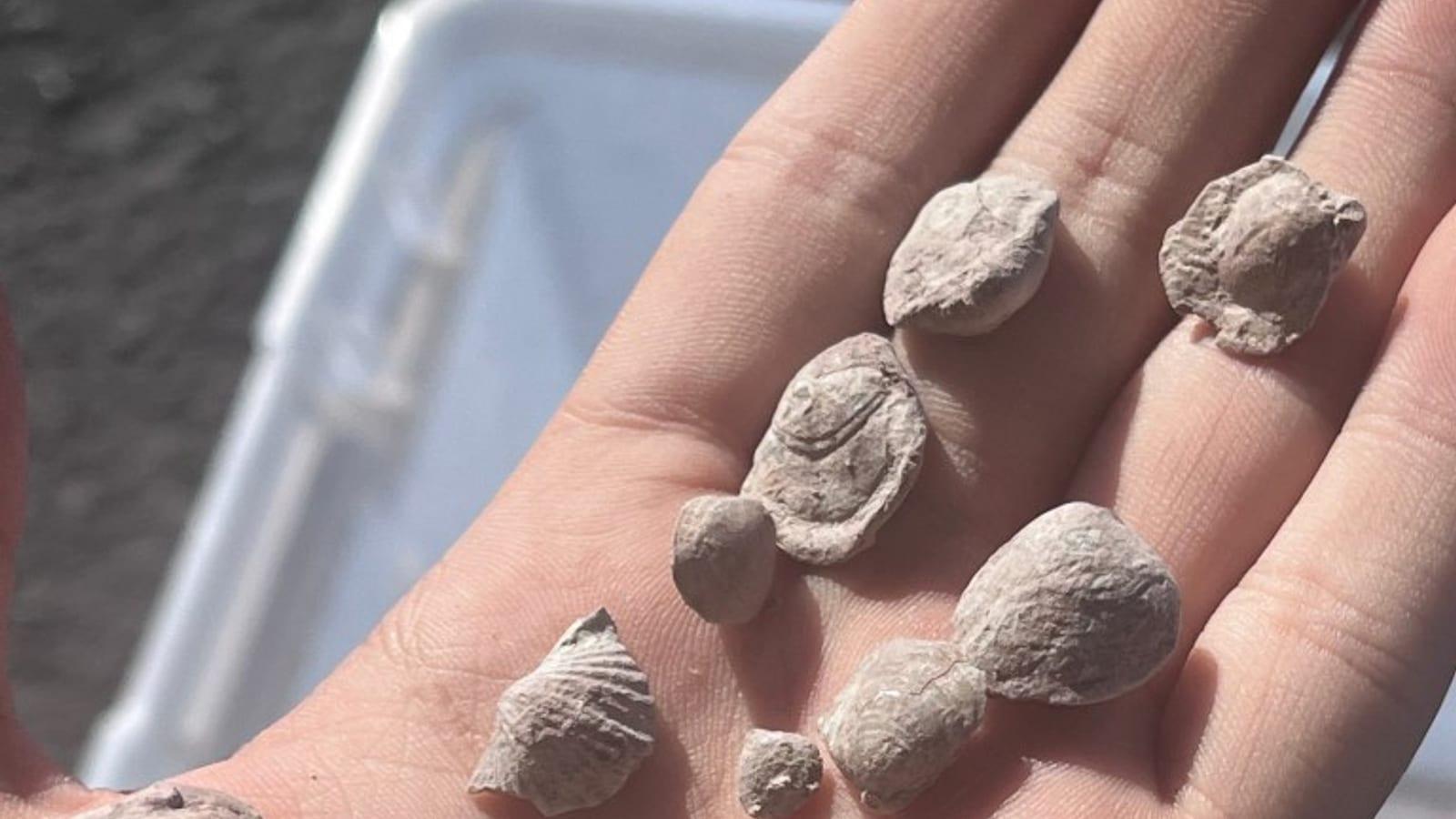
Paleo Site Monument in Arizona Fossil Hunting Guide
Arizona, United States
Brachiopods, Bivalves, Gastropods, Crinoids
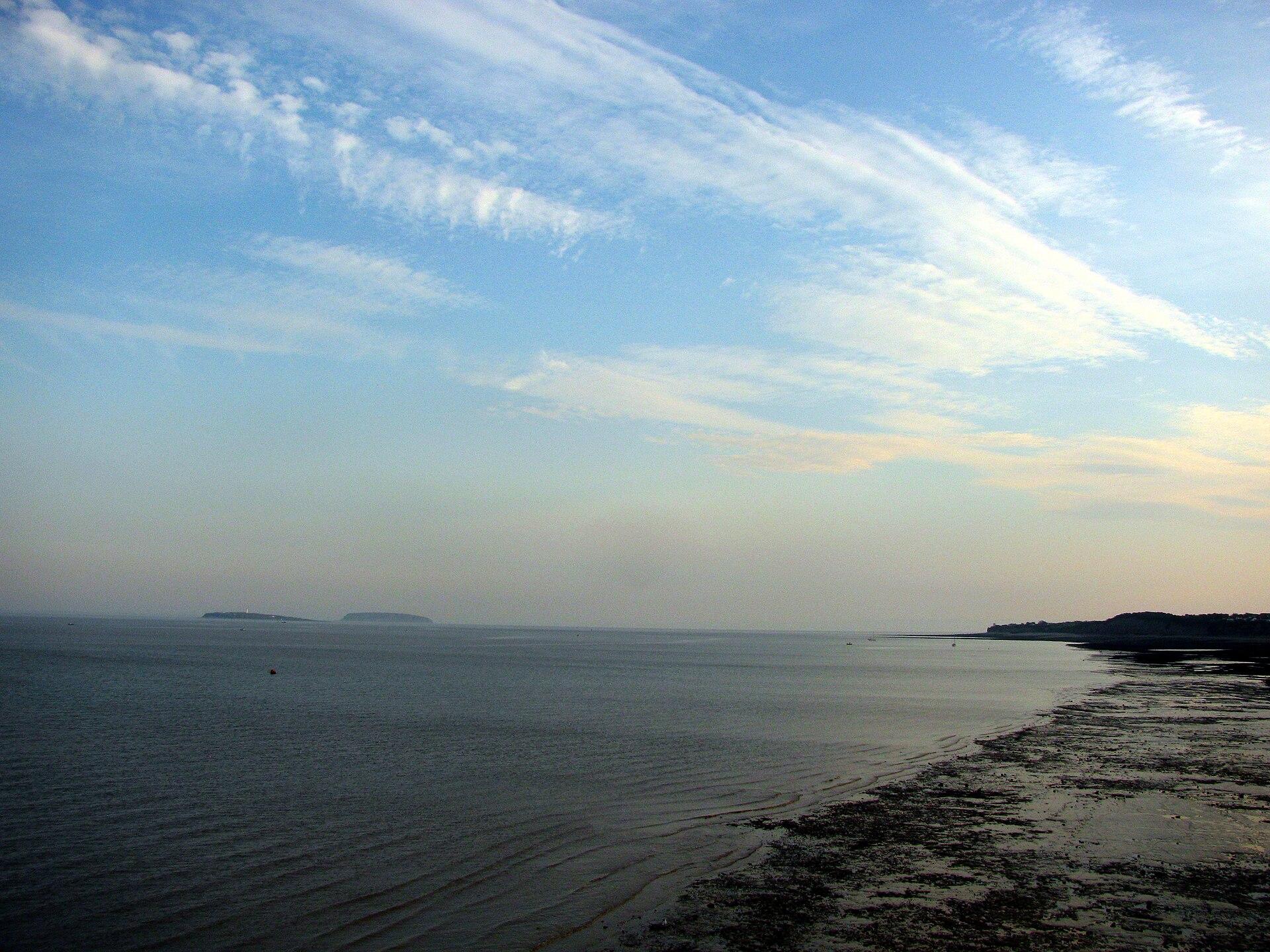
Penarth Beach Fossil Hunting Guide
South Wales, United Kingdom
Ammonites, Bivalves, Brachiopods, Gastropods
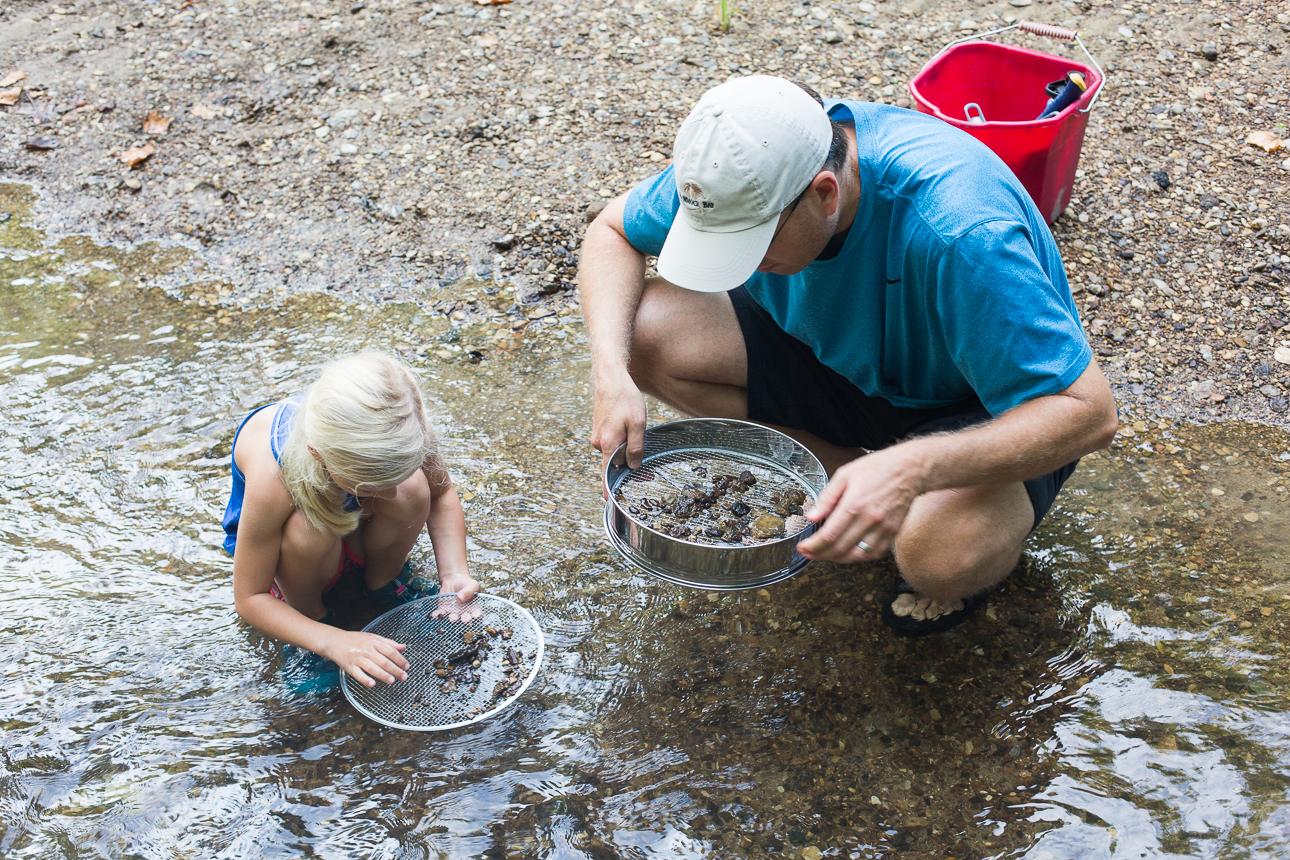
Post Oak Creek Fossil Hunting Guide
Texas, United States
Shark Teeth, Bivalves, Ammonites, Mosasaur teeth
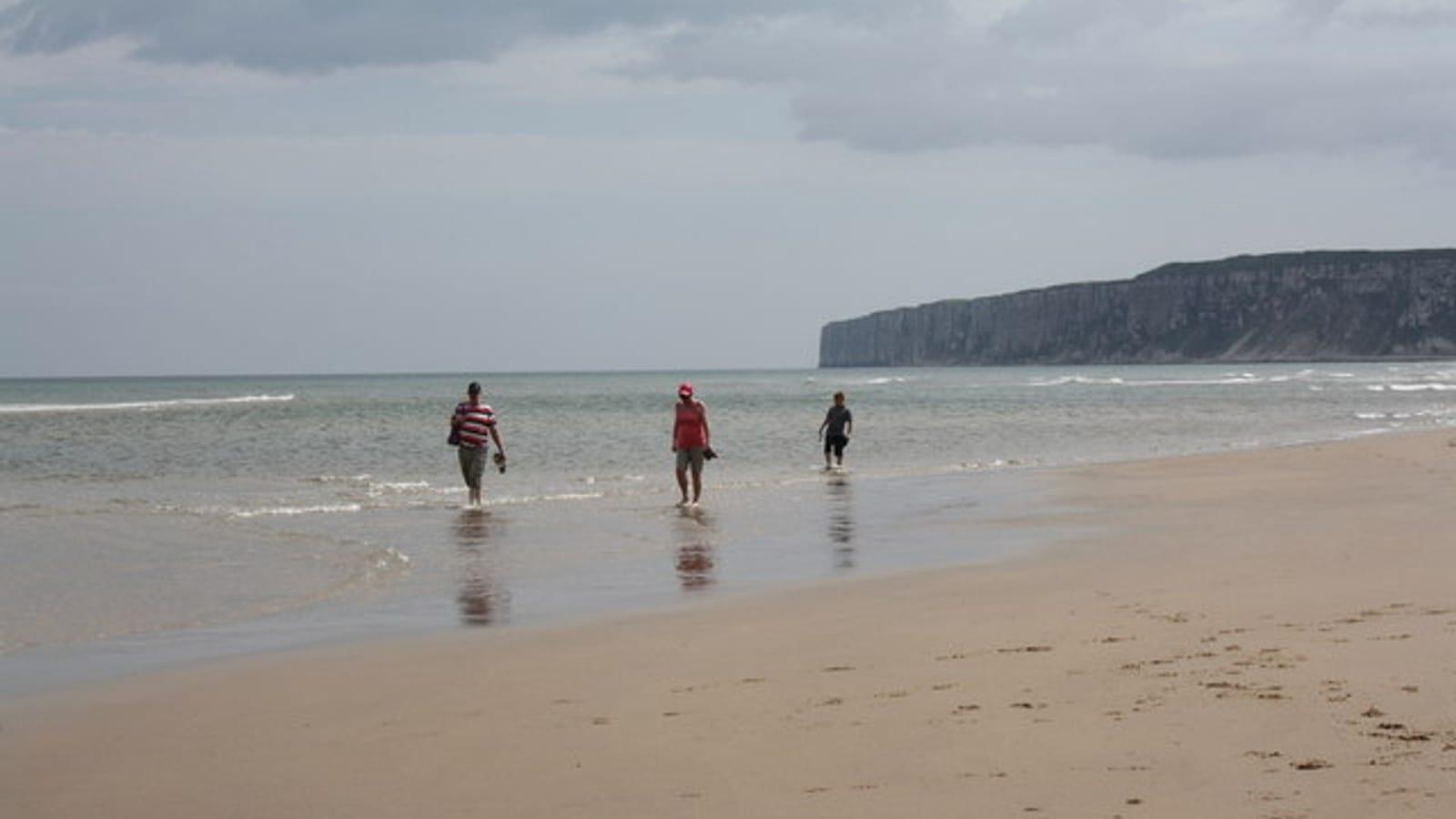
Reighton Sands Yorkshire Fossil Hunting Guide
near Reighton
Erratic boulders, Kimmeridge Clay, Ammonites, Belemnites
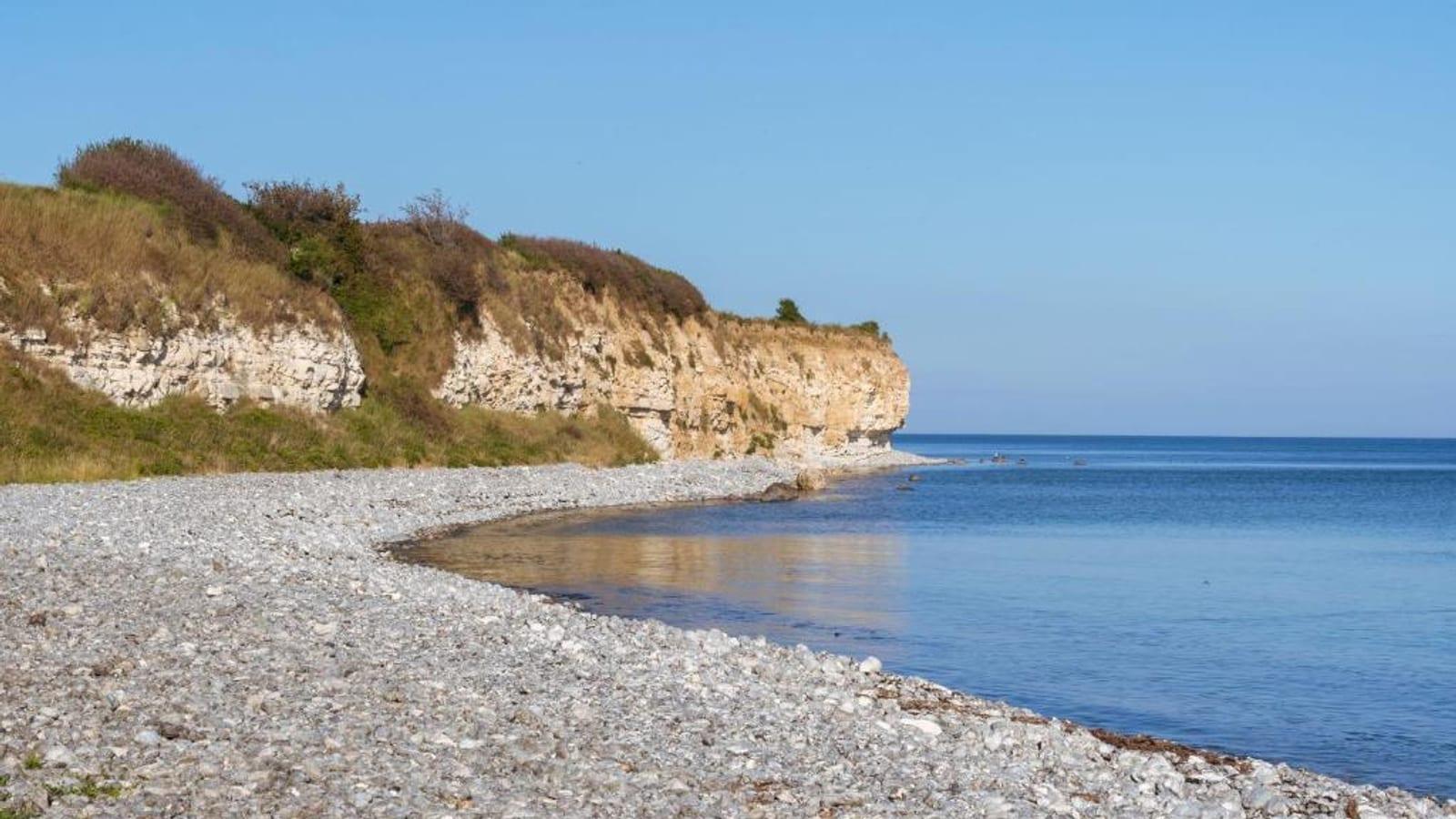
Rødvig Beach Fossil Hunting Guide
Zealand, Denmark
Belemnites, Sea Urchins, Brachiopods, Bryozoans
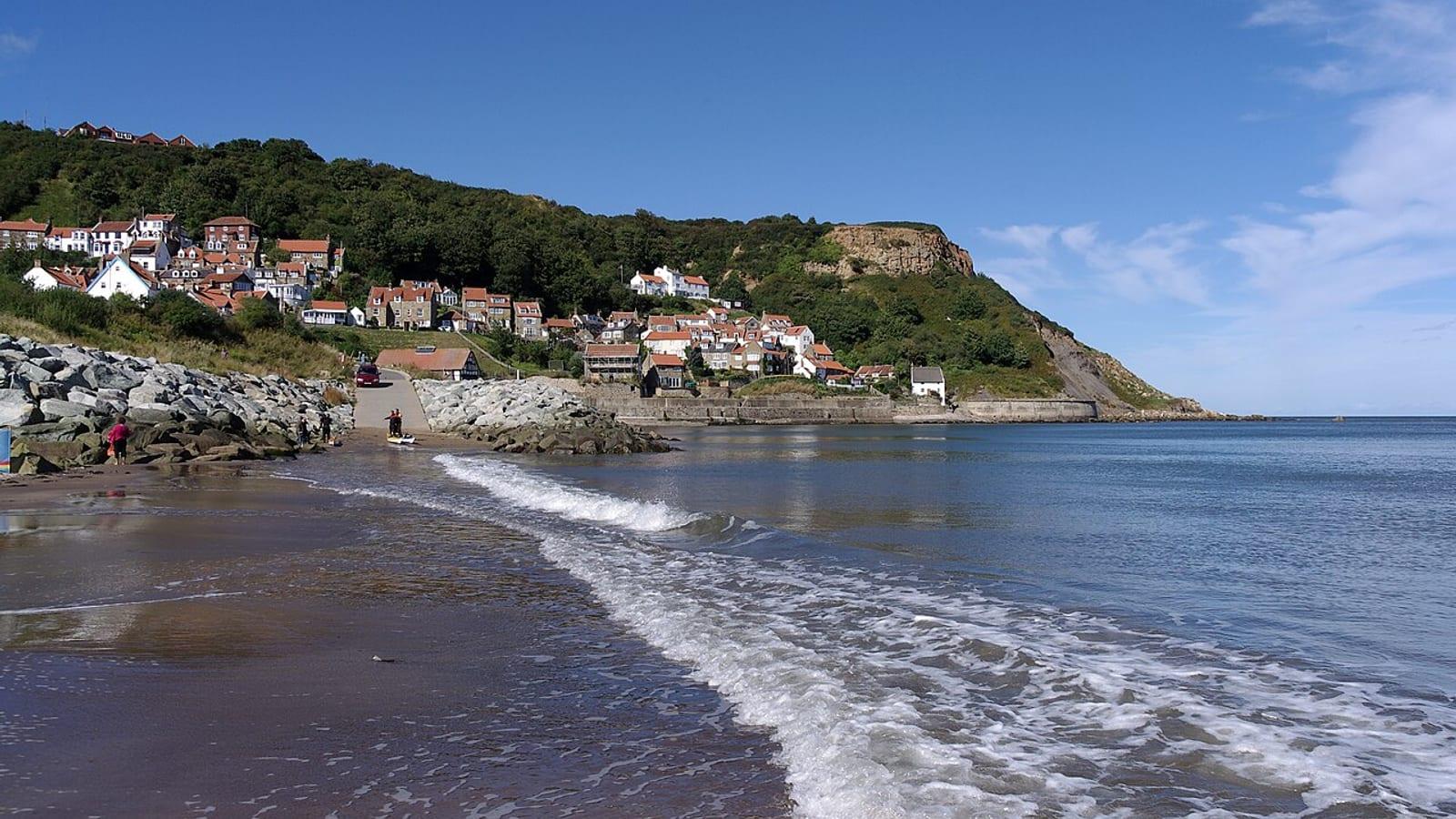
Runswick Bay Yorkshire Fossil Hunting Guide
United Kingdom
Ammonites, Jet, Bivalves, Belemnite guards
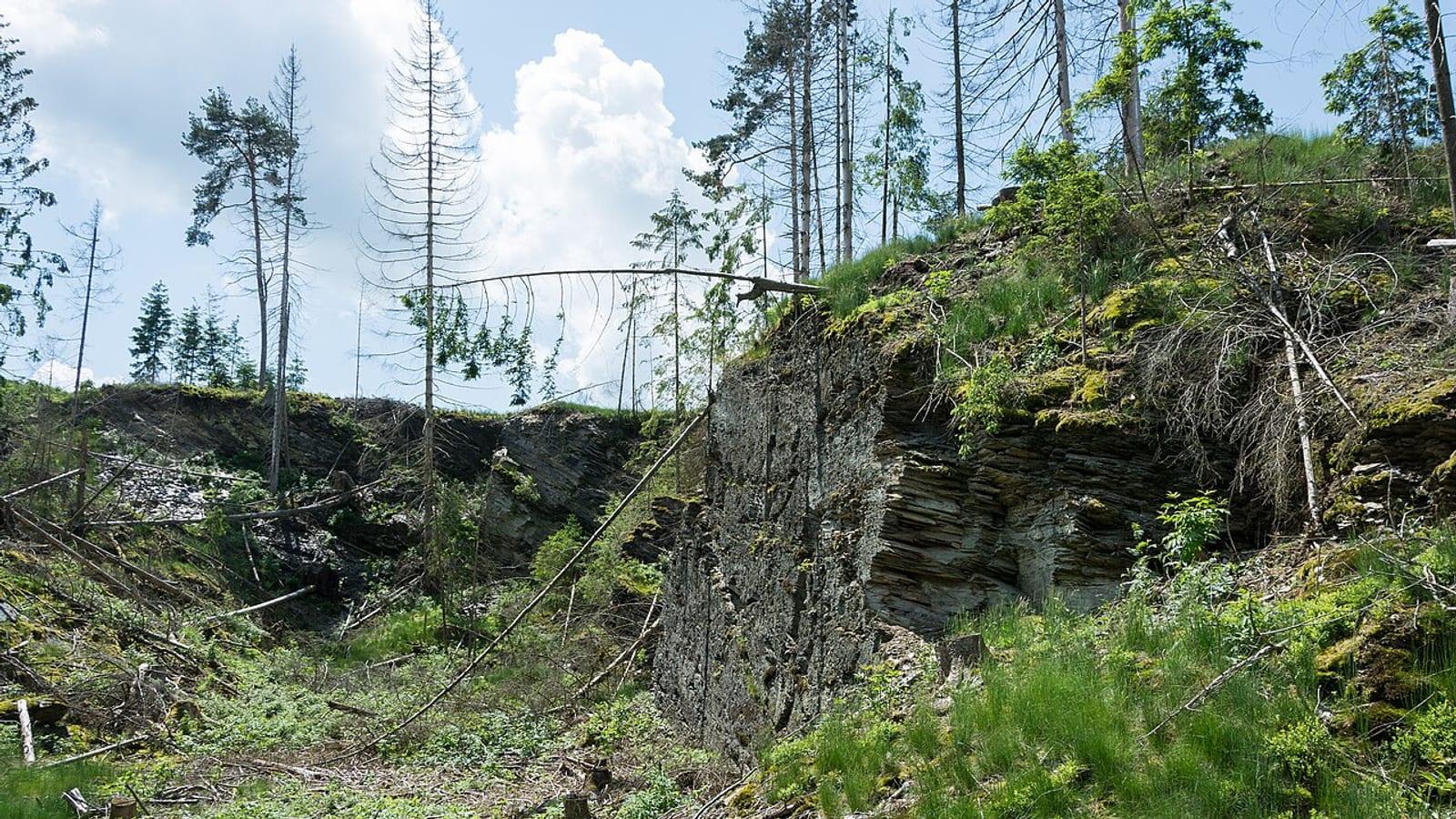
Schieferbruch Kromer Ohmden Posidonia Shale Fossil Hunting Guide
73099 Ohmden
Ammonites, Belemnites, Bivalves, Crinoid fragments
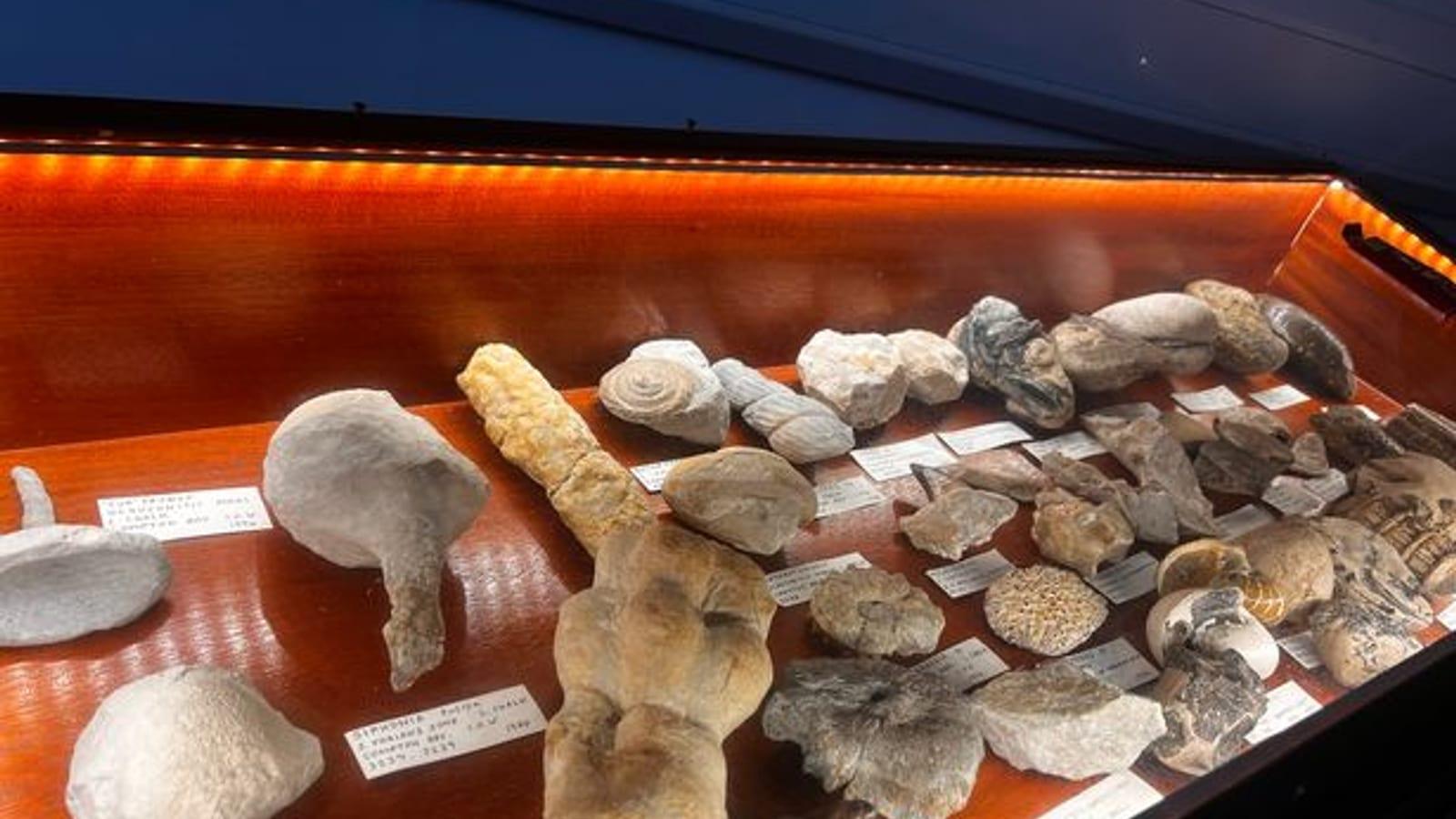
Seaton Fossil Hunting Guide
England, United Kingdom
Ammonites, Echinoids, Brachiopods, Bivalves
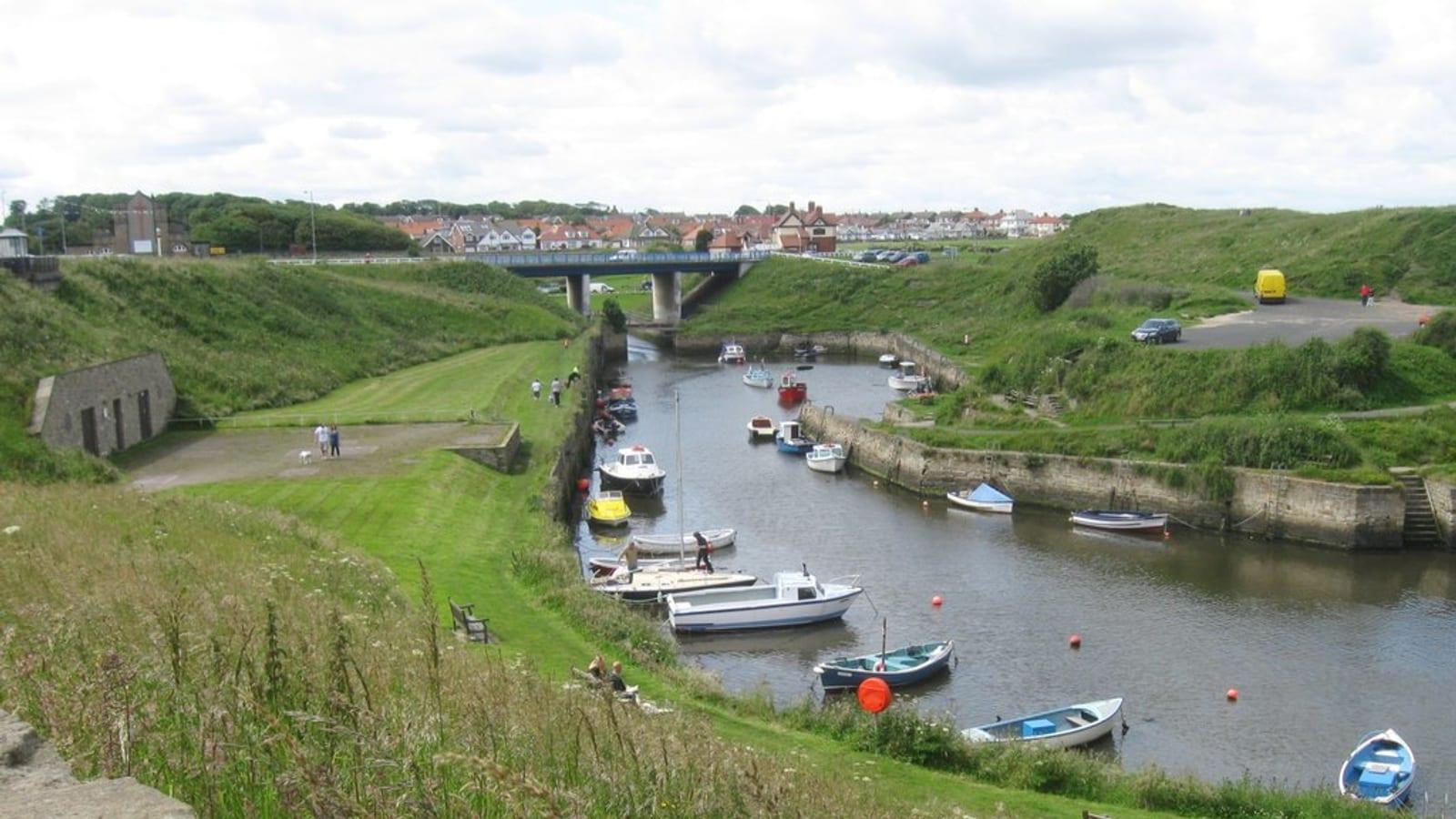
Seaton Sluice Northumberland Fossil Hunting Guide
Seaton Sluice
Plant remains, Coal, Corals, Bivalves
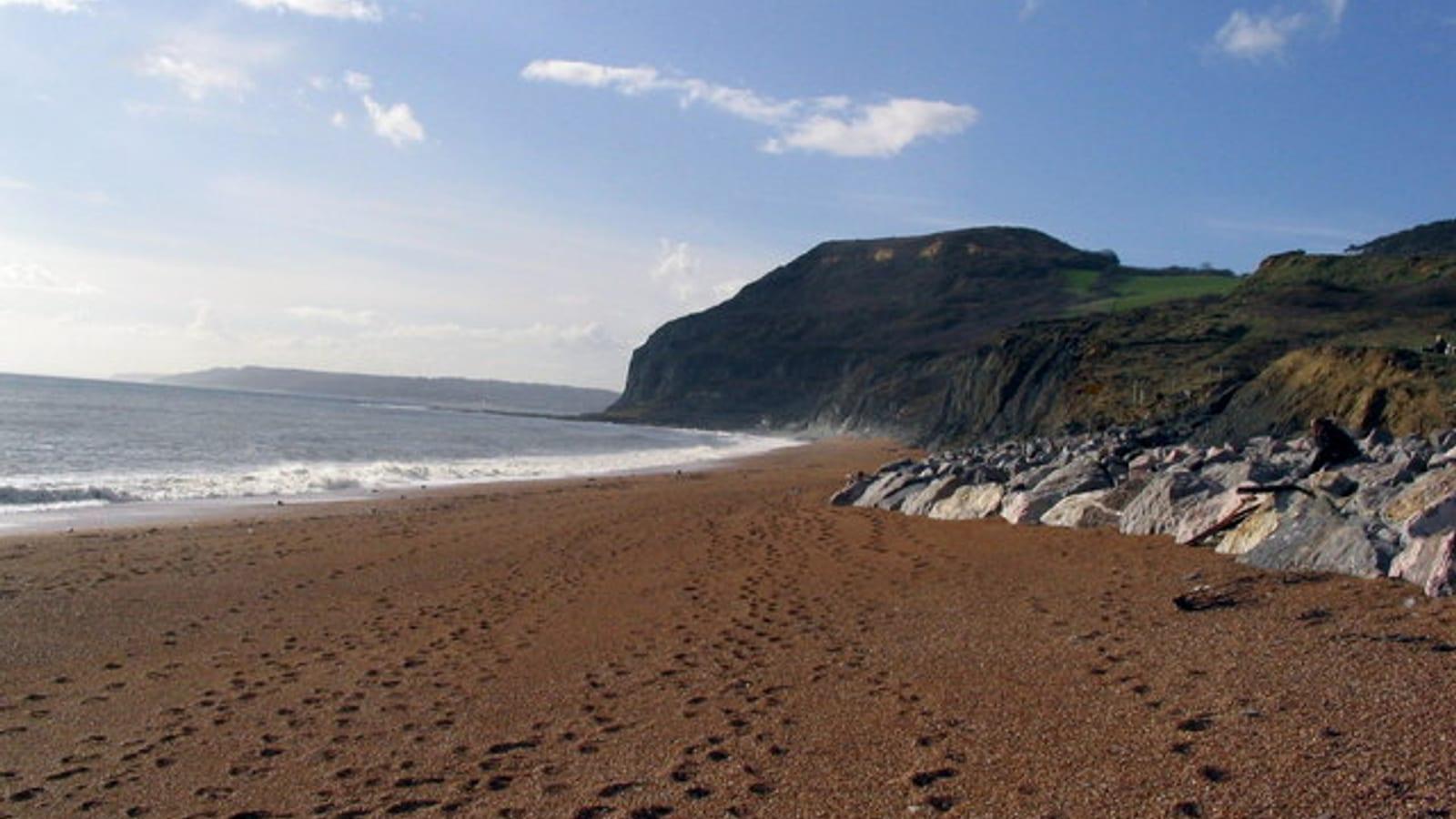
Seatown and Golden Cap Fossil Hunting Guide
England, United Kingdom
Ammonites, Androgynoceras, Amaltheus, Tropideroceras
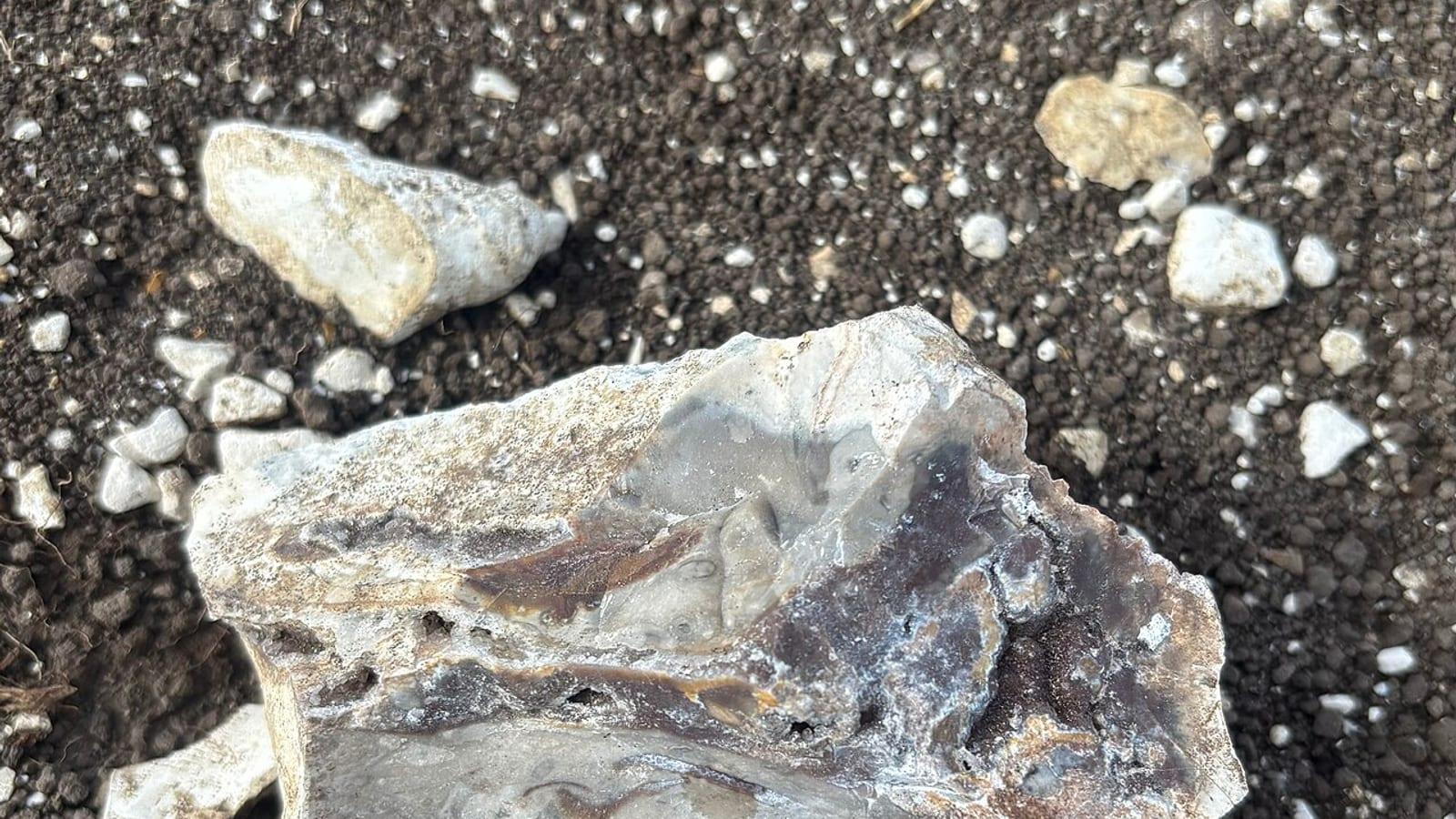
Seven Sisters Fossil Hunting Guide
England, United Kingdom
Echinoids, Shark Teeth, Brachiopods, Bivalves
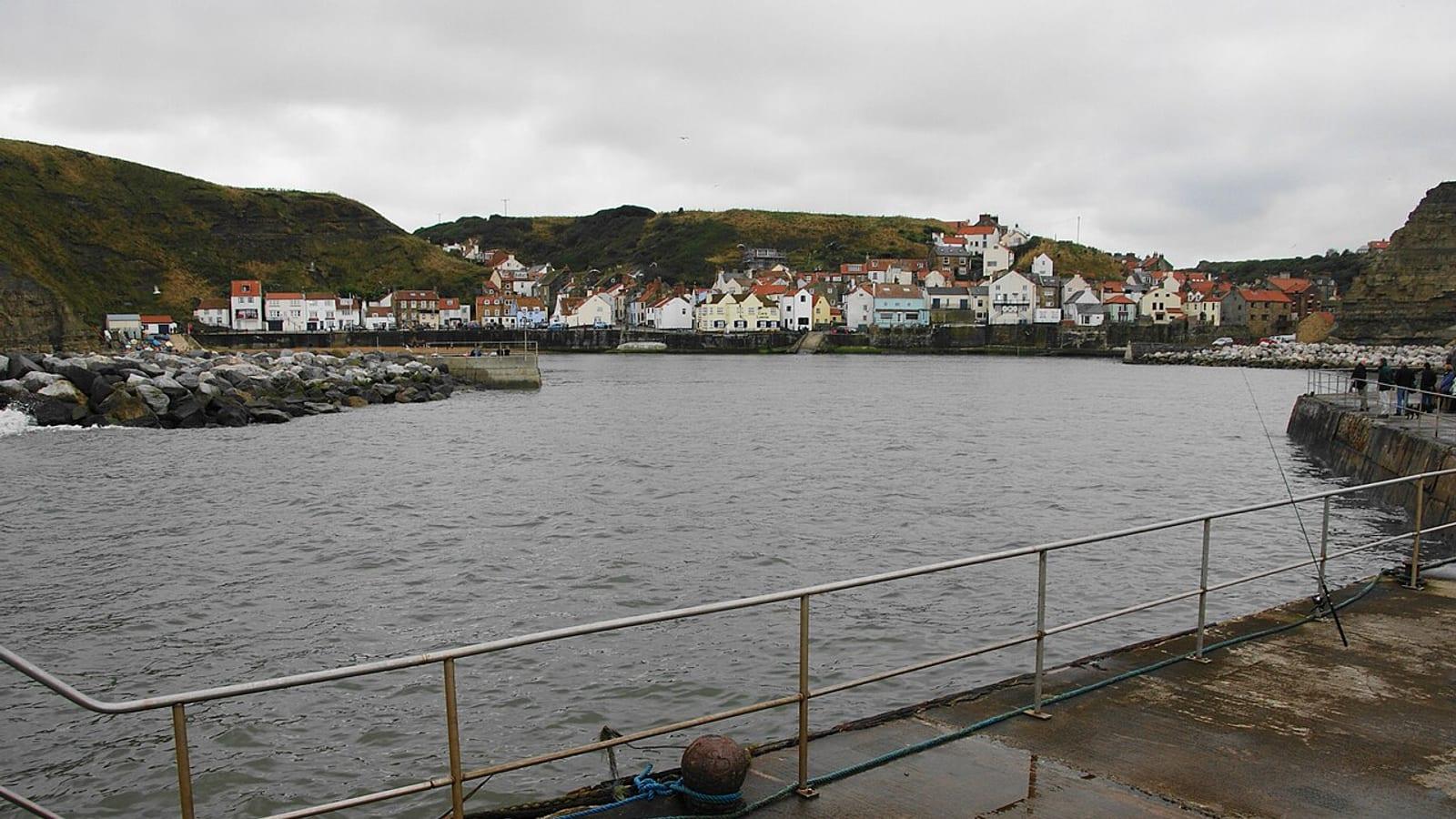
Staithes Yorkshire Guide Fossil Hunting Guide
United Kingdom
Ammonites, Bivalves and brachiopods, Trace fossils, Ichthyosaur and plesiosaur remains
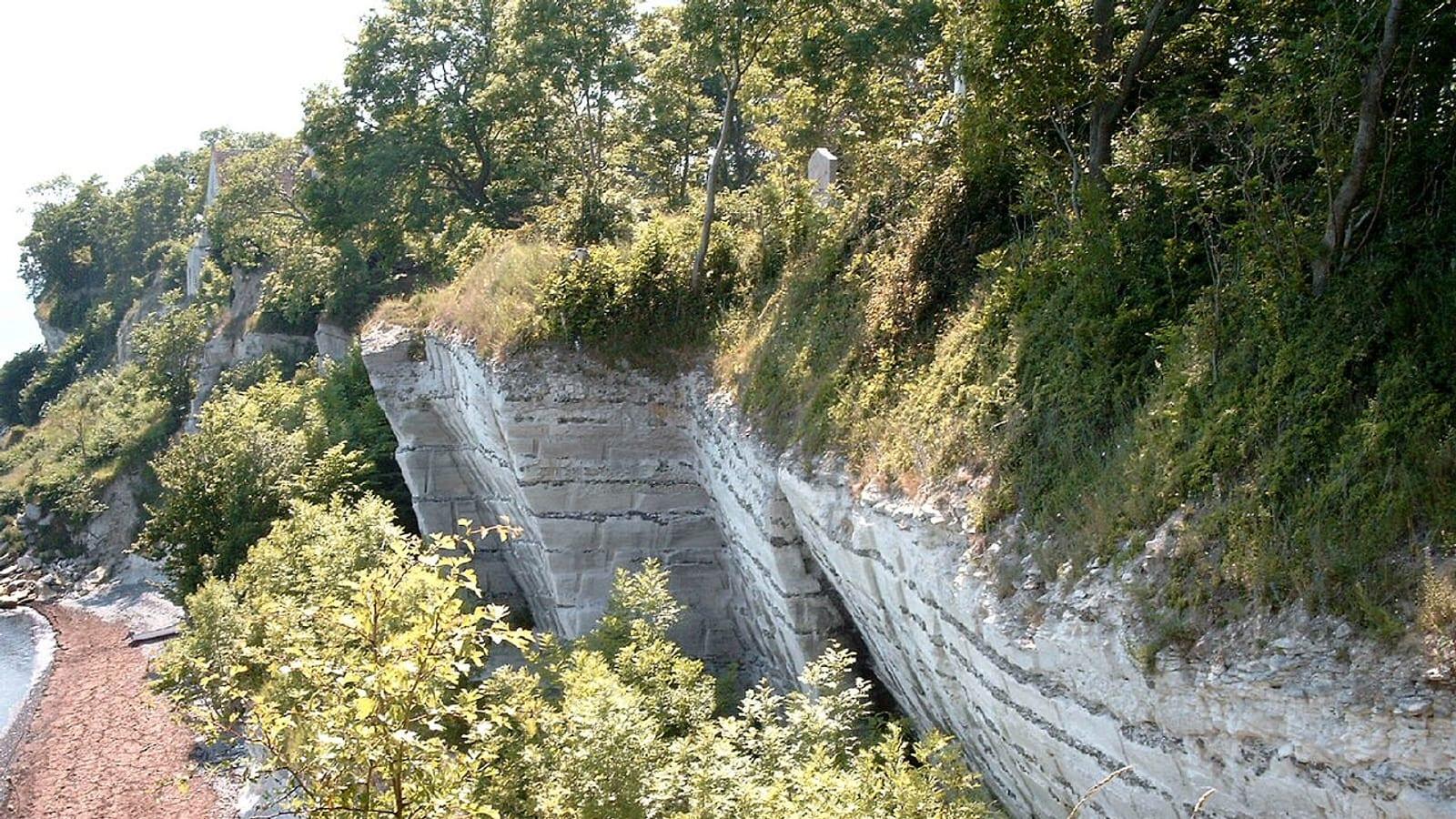
Stevns Klint Hoejerup k pg Boundary Fossils Fossil Hunting Guide
4660 Store Heddinge
Højerup Church, Belemnites, Sea urchin, Bryozoan
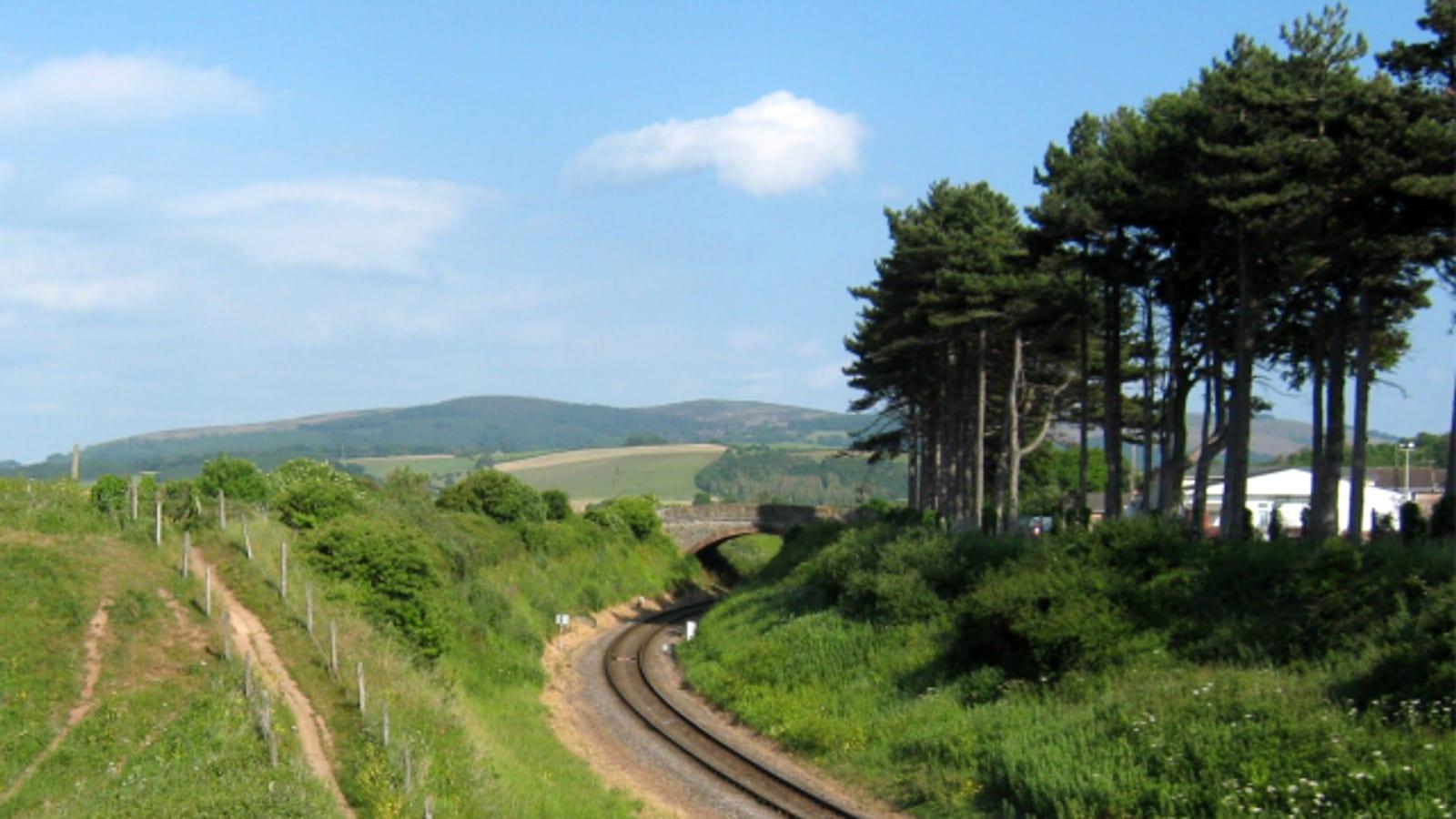
Watchet Somerset Fossil Hunting Guide
United Kingdom
Ammonites, Bivalves, Ichthyosaur
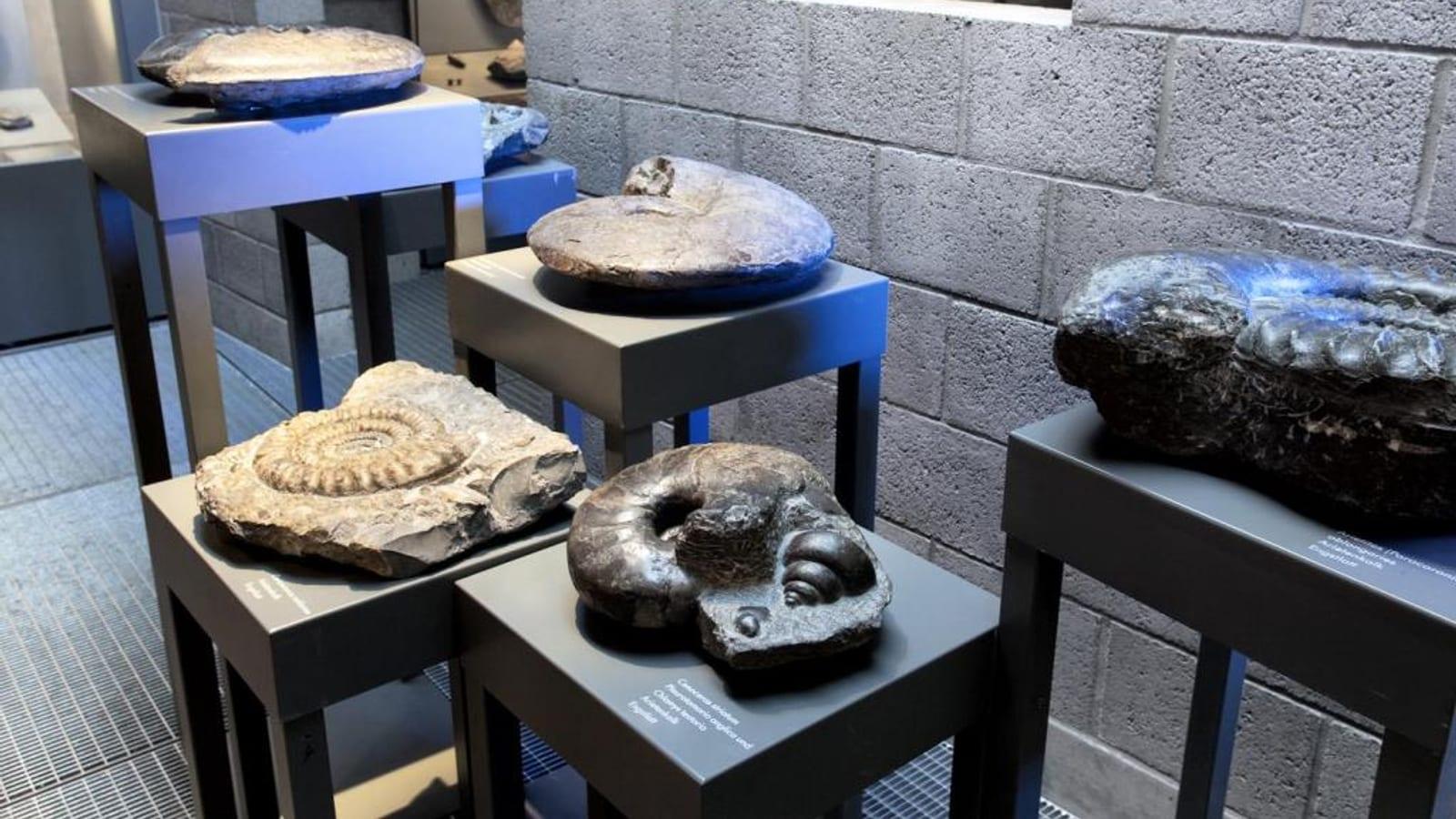
Werkforum Dotternhausen Fossil Hunting Guide
Baden-Württemberg, Germany
Ammonites, Belemnites, Bivalves, Marine Reptiles
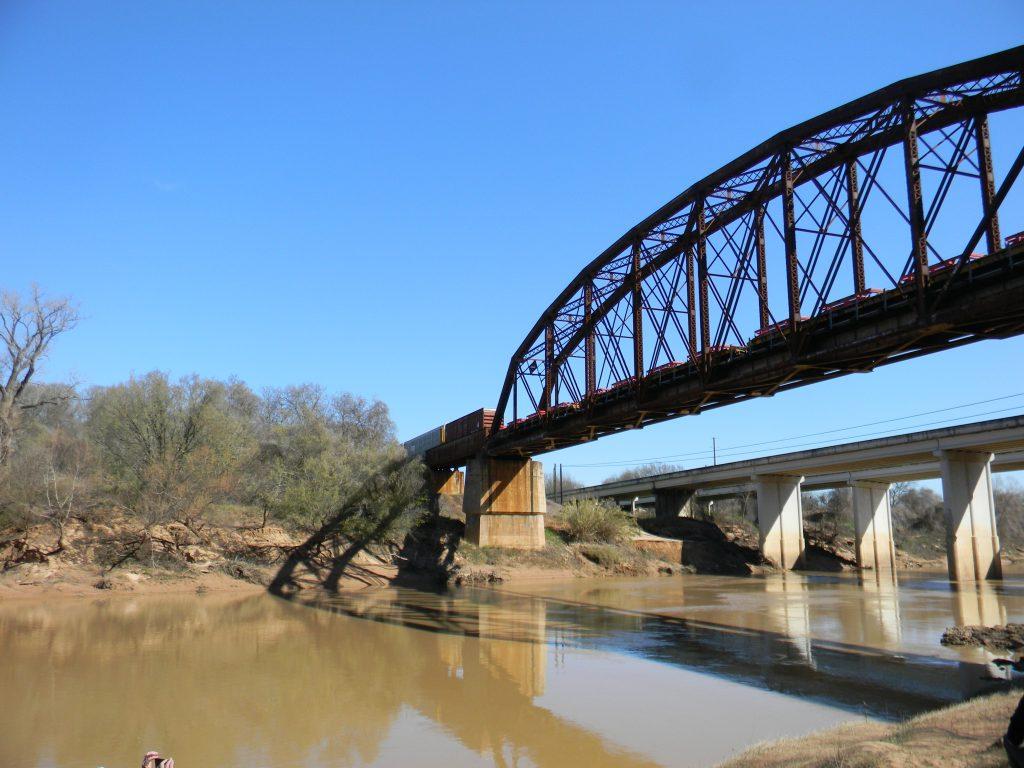
Whiskey Bridge (Stone City Bluff) Fossil Guide
Texas, United States
Gastropods, Bivalves, Shark Teeth, Crabs
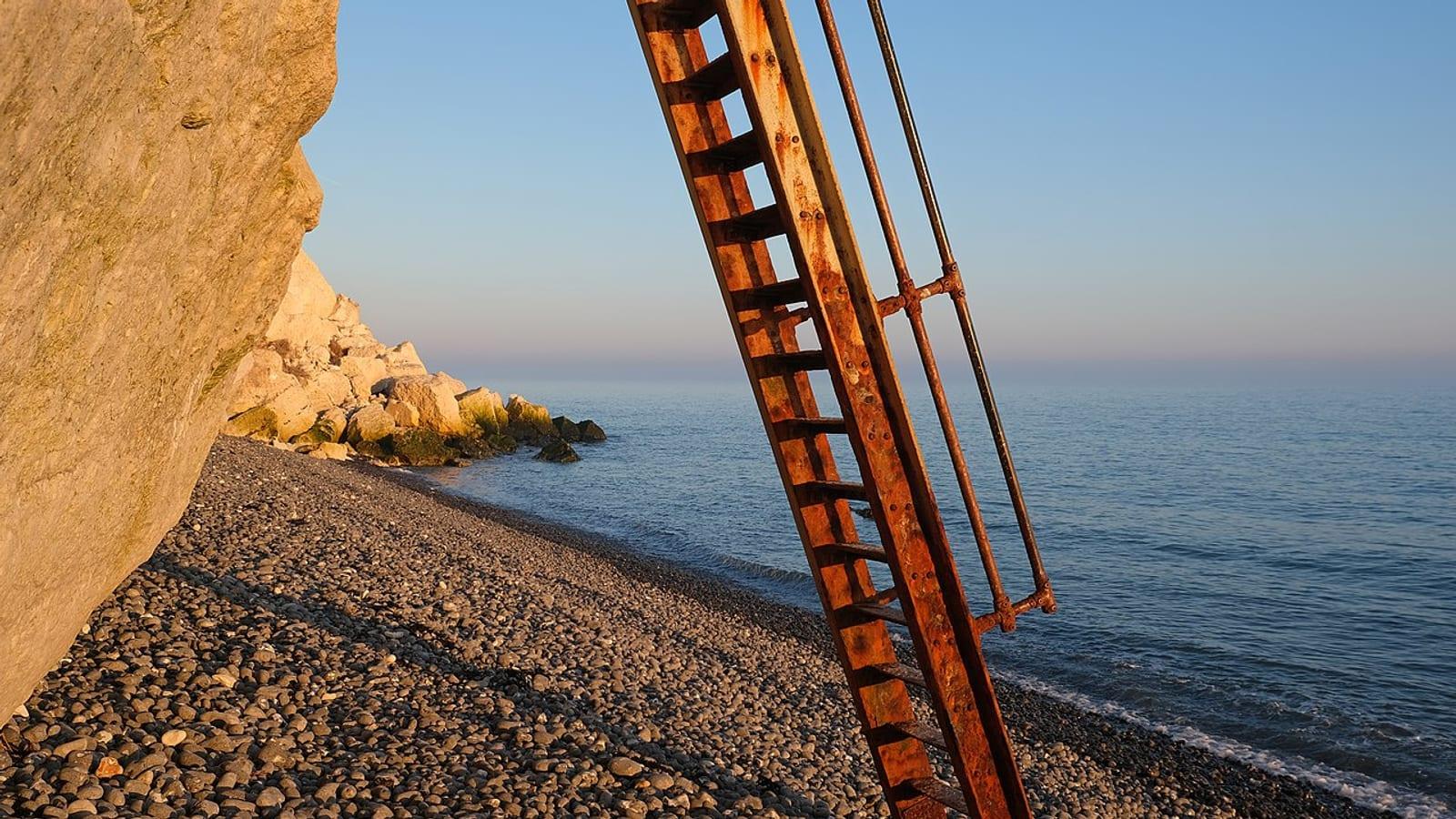
White Cliffs Opal Fossicking Fossil Hunting Guide
Australia
Bivalve shells, Belemnites, Ammonites, NSW Fossicking Licence
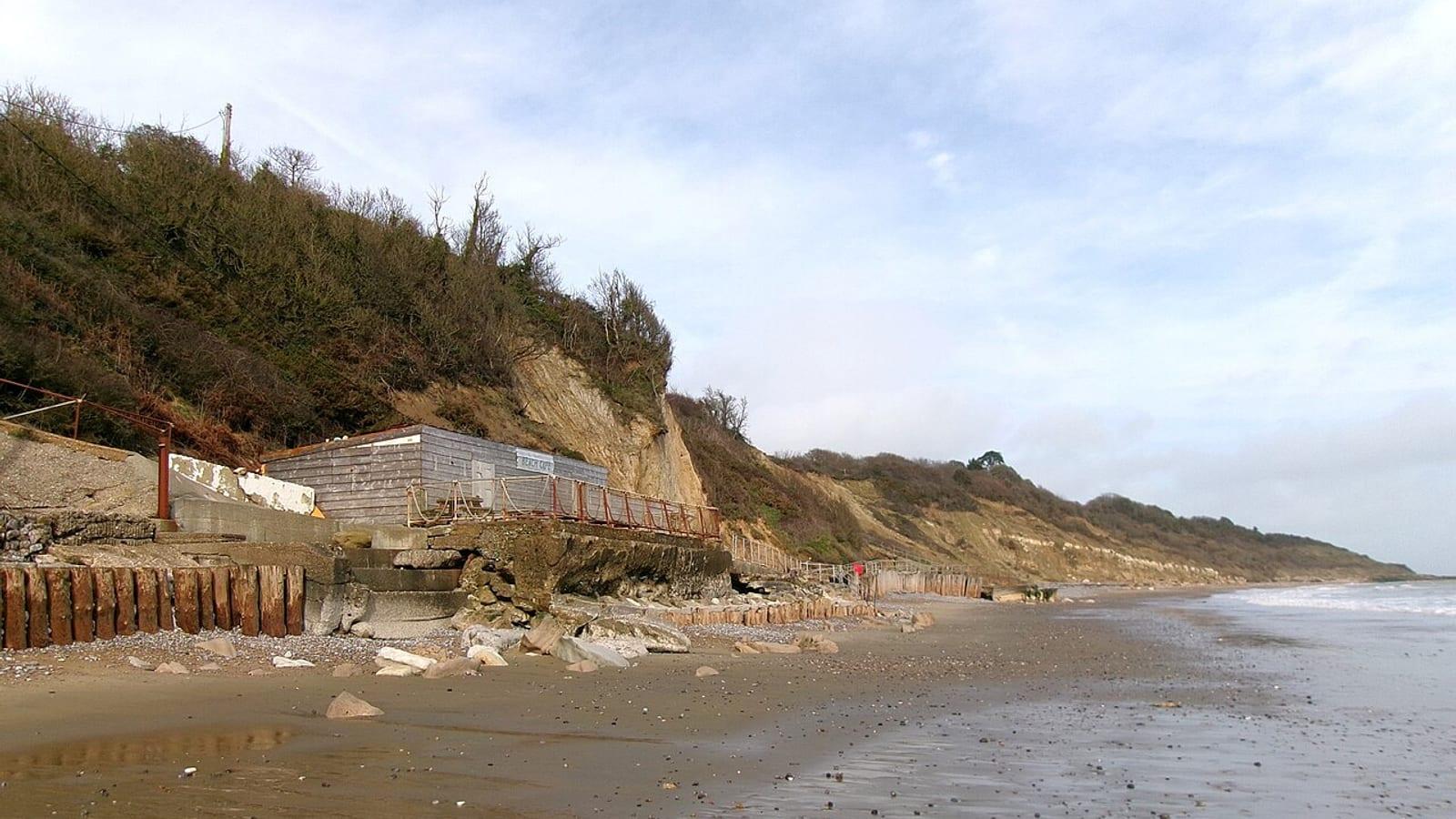
Whitecliff Bay Isle of Wight Fossil Hunting Guide
United Kingdom
shark teeth, turtle remains, bird bones, bivalves and gastropods
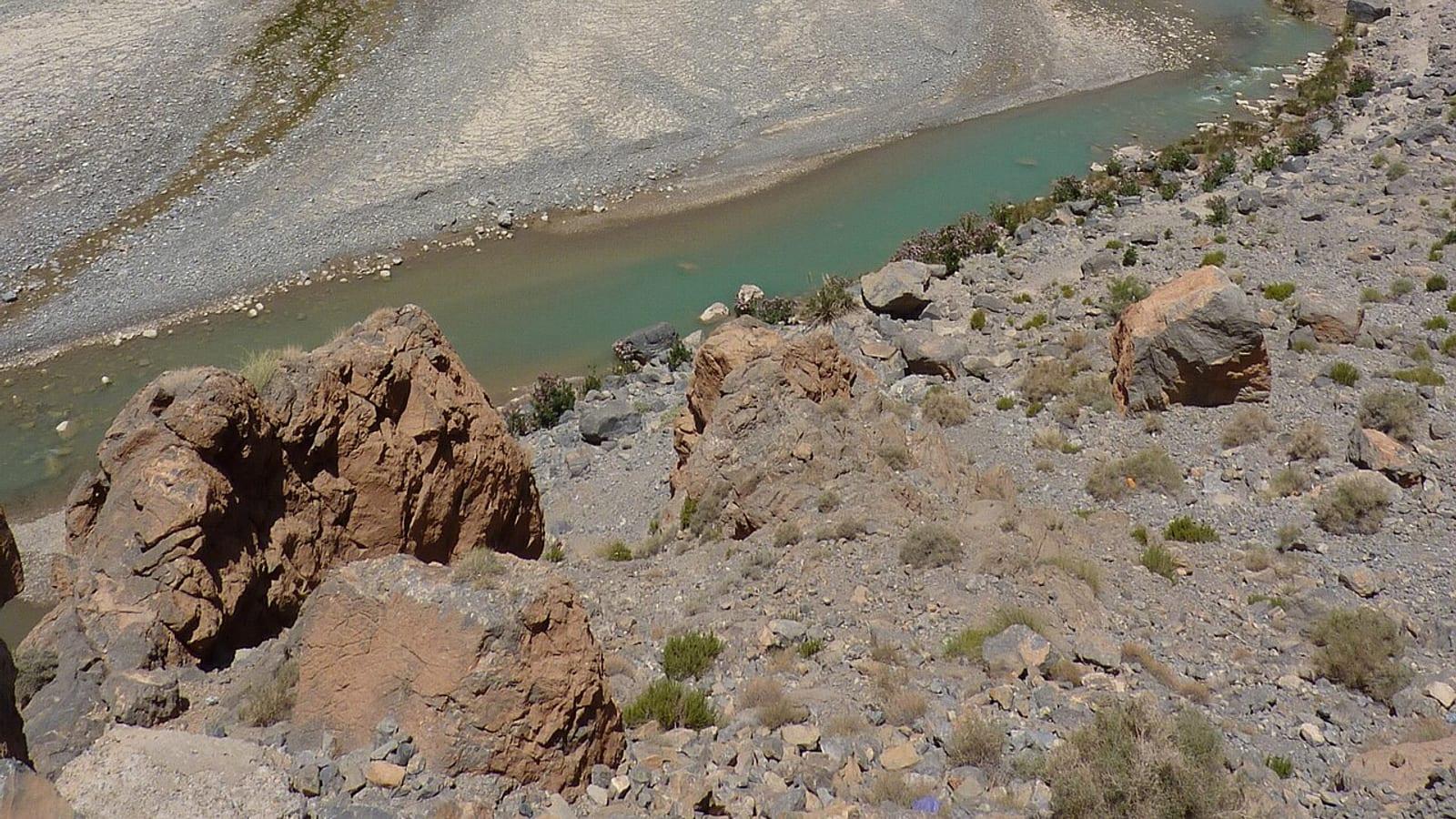
Ziz Gorge Echinoid Site Errachidia Fossil Hunting Guide
Morocco
Micraster echinoids, irregular echinoids, Bivalves, Rudist bivalve
Frequently asked questions
- How do I identify a fossil bivalve?
- Fossil bivalves are identified by their two-valved shell with a hinge along one edge and a free opening along the opposite curved margin. Unlike brachiopods, bivalves are symmetric about the plane that separates left valve from right valve — the two valves mirror each other. Each valve is asymmetric from hinge to margin. The hinge typically shows interlocking teeth, visible in well-preserved specimens. Growth lines — concentric rings parallel to the shell margin — are usually visible on the exterior surface. Common groups in the fossil record include oysters (Cretaceous and younger), Inoceramus (a large Cretaceous clam with distinctive concentric ribbing), Gryphaea (a strongly curved Jurassic oyster common on the UK Jurassic Coast), and trigoniid clams with bold triangular ribs. Gryphaea's strongly hooked lower valve and small flat upper valve make it one of the most immediately recognizable bivalves in any collection.
- Where can I find fossil bivalves?
- Bivalves occur in marine sediments of every period from the Cambrian onward and are consistently findable at many sites. Gryphaea (the 'devil's toenail') is a common find in Lower Jurassic exposures on the Jurassic Coast, including Charmouth Beach and Lyme Regis. Inoceramus fragments — large flat pieces with concentric ridging — are common in Cretaceous chalks at sites including the Isle of Wight cliffs and Flamborough Head in Yorkshire. On the US Atlantic coast, the Miocene Chesapeake Group at Calvert Cliffs in Maryland produces abundant bivalves alongside shark teeth. Carboniferous limestones at Caesar Creek, Ohio, and Mineral Wells, Texas, both yield Paleozoic bivalves as part of the broader invertebrate assemblage.
- Are bivalves still alive today?
- Yes — bivalves are one of the most successful living animal groups, with approximately 9,200 described species including clams, mussels, oysters, scallops, and giant clams. The group has existed since the Cambrian (approximately 510 Ma) and survived all five major mass extinctions. The Cretaceous-Paleogene mass extinction (66 Ma) eliminated many previously dominant bivalve groups, including the giant Inoceramus and the unusual rudist reef-builders that formed extensive Late Cretaceous reefs in tropical seas. The modern fauna, which includes numerous families with Cretaceous origins, represents their subsequent recovery. Present-day reef environments are dominated by scleractinian corals and molluscs rather than the rudist-dominated systems of the Late Cretaceous.