Fossil type
Where to find crinoids
Crinoids — 'sea lilies' — are stalked echinoderms still living today, but at their Carboniferous peak they covered shallow sea floors in dense meadows. Their preserved stem segments are among the most common Carboniferous fossils. Mineral Wells Fossil Park (Texas) is the canonical North American site.
51 fossil sites
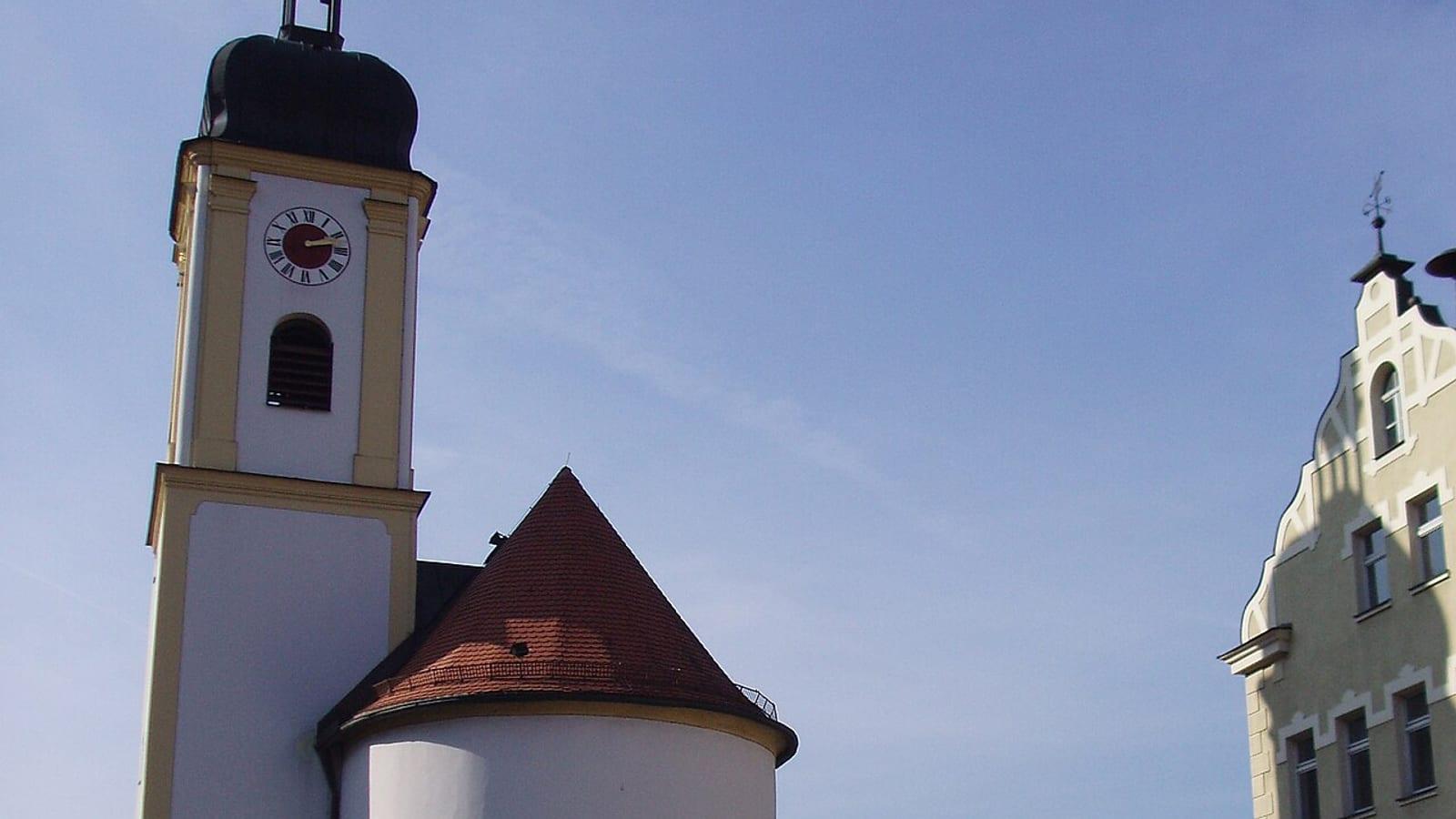
Altmannstein Schamhaupten Archaeopteryx Fossil Hunting Guide
Germany
Archaeopteryx, Ammonites, Fish, Crinoids
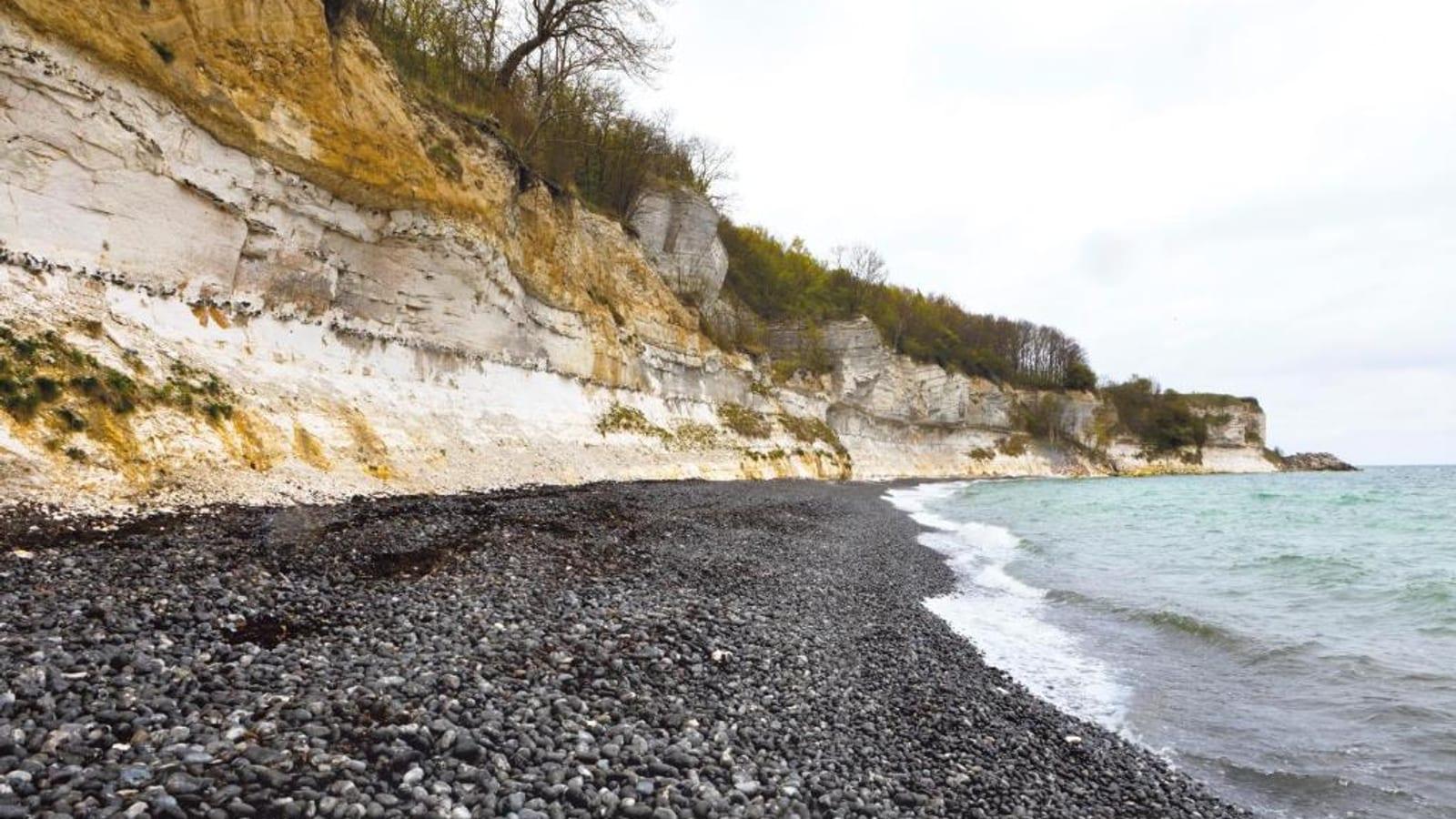
Baggy Point Fossil Hunting Guide
England, United Kingdom
Brachiopods, Bivalves, Gastropods, Crinoids
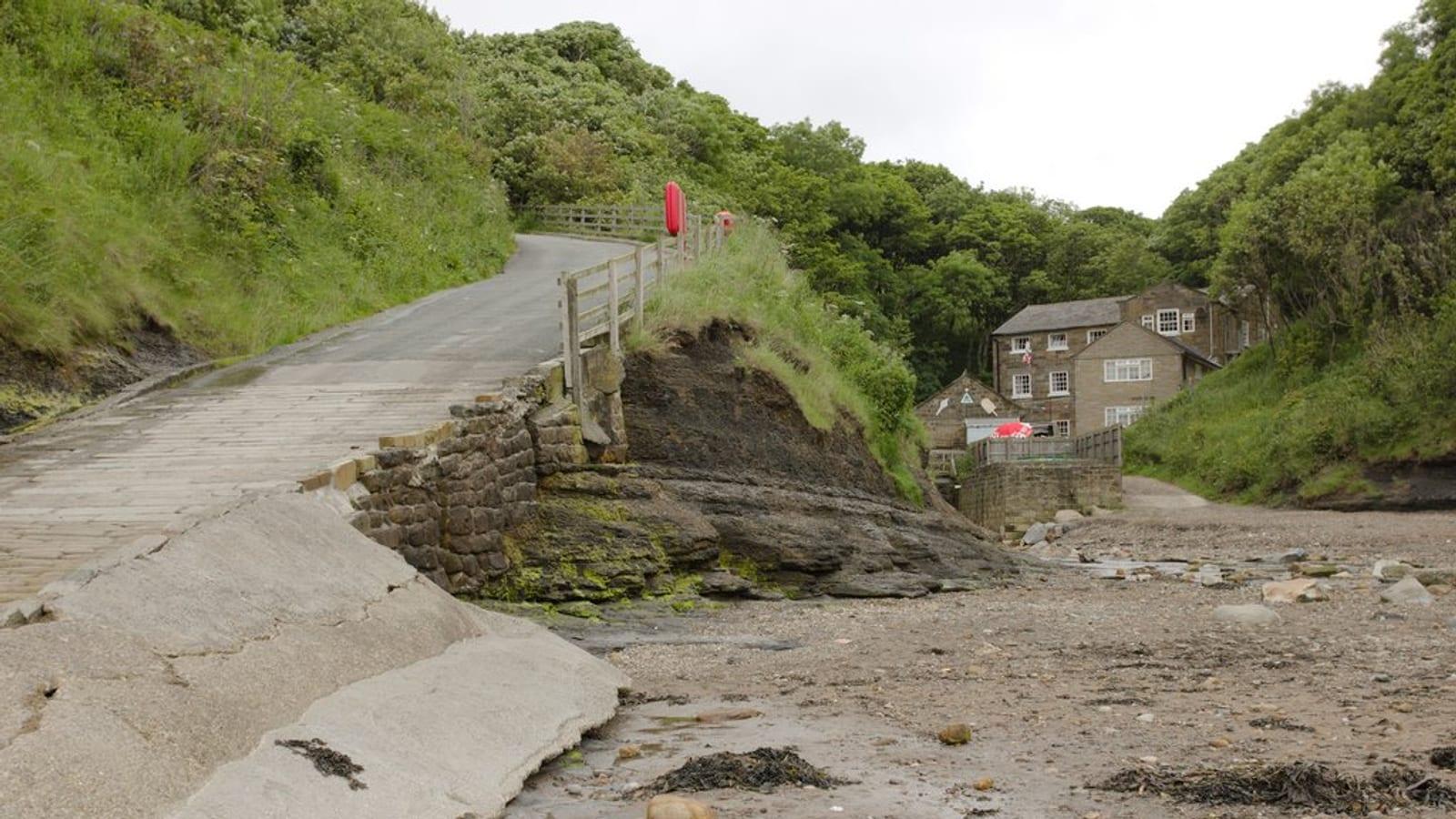
Boggle Hole Fossil Hunting Guide
near Whitby
Trace fossils, Ammonites, Bivalves, Belemnites
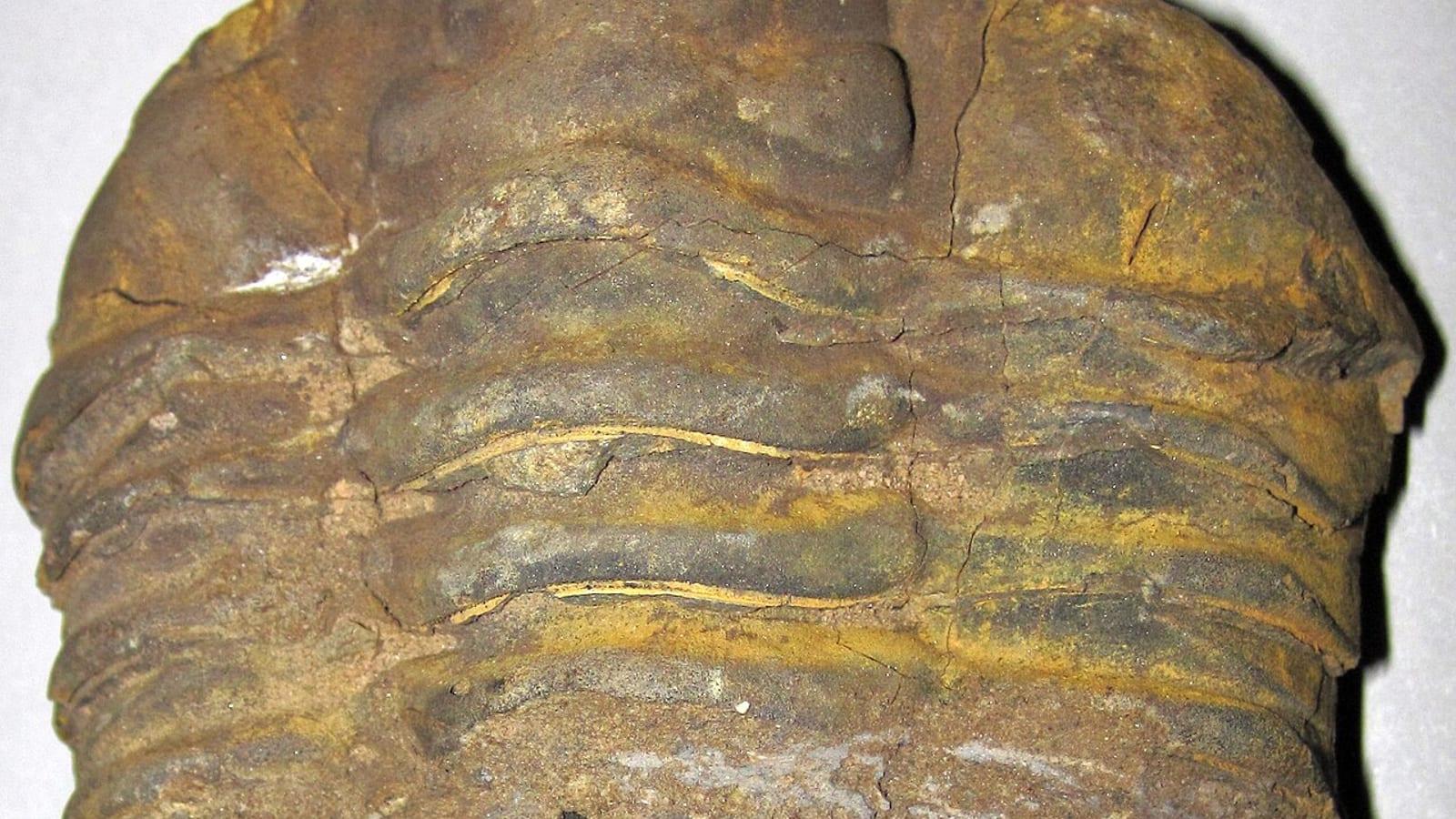
Bou Dib Fossil Site North Jbel Isoumour Alnif Fossil Hunting Guide
Morocco
Bou Dib, Phacops, Brachiopods, Crinoid columnals
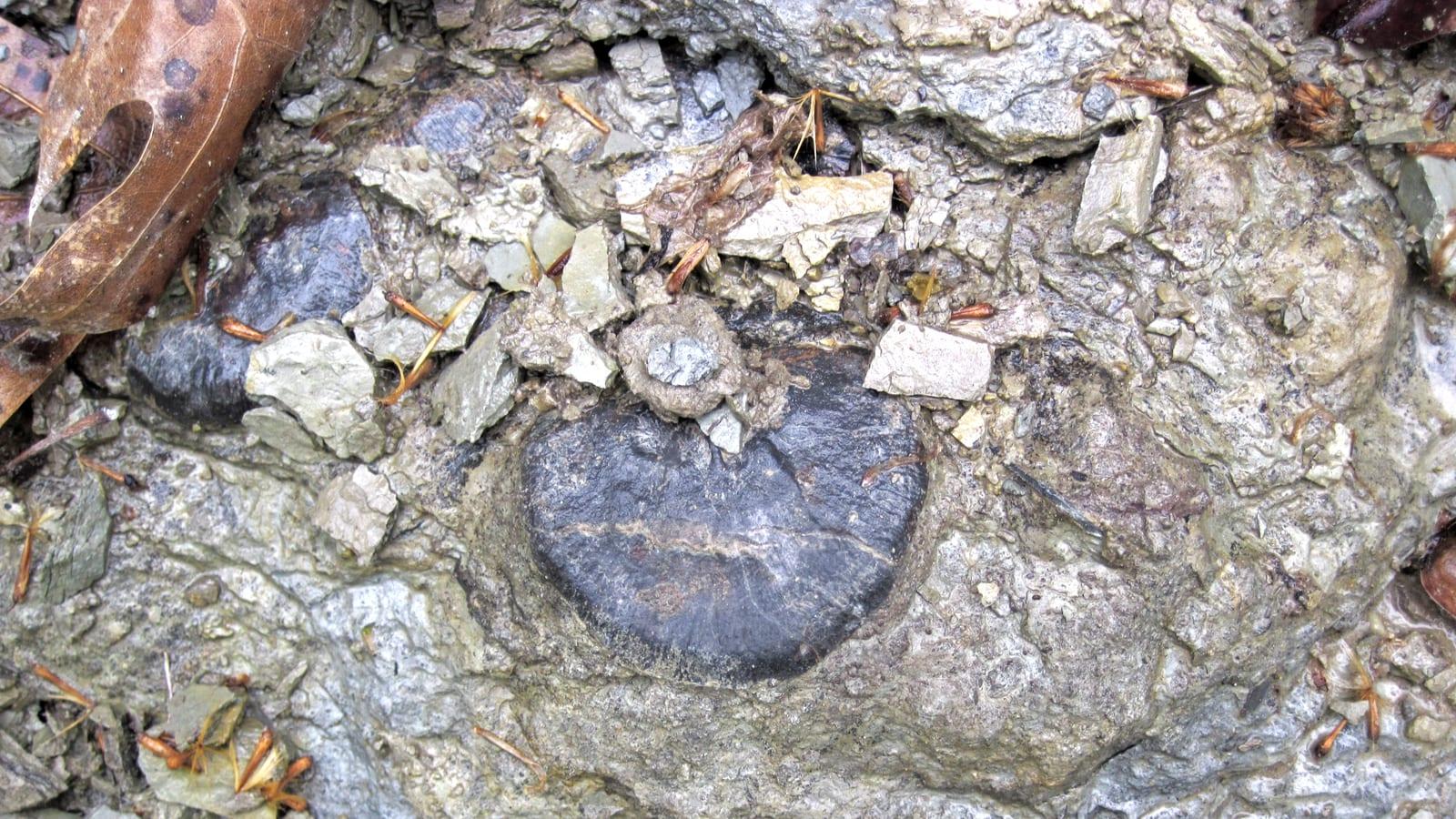
Caesar Creek State Park Fossil Hunting Guide
Ohio, United States
Trilobites, Brachiopods, Crinoids, Corals
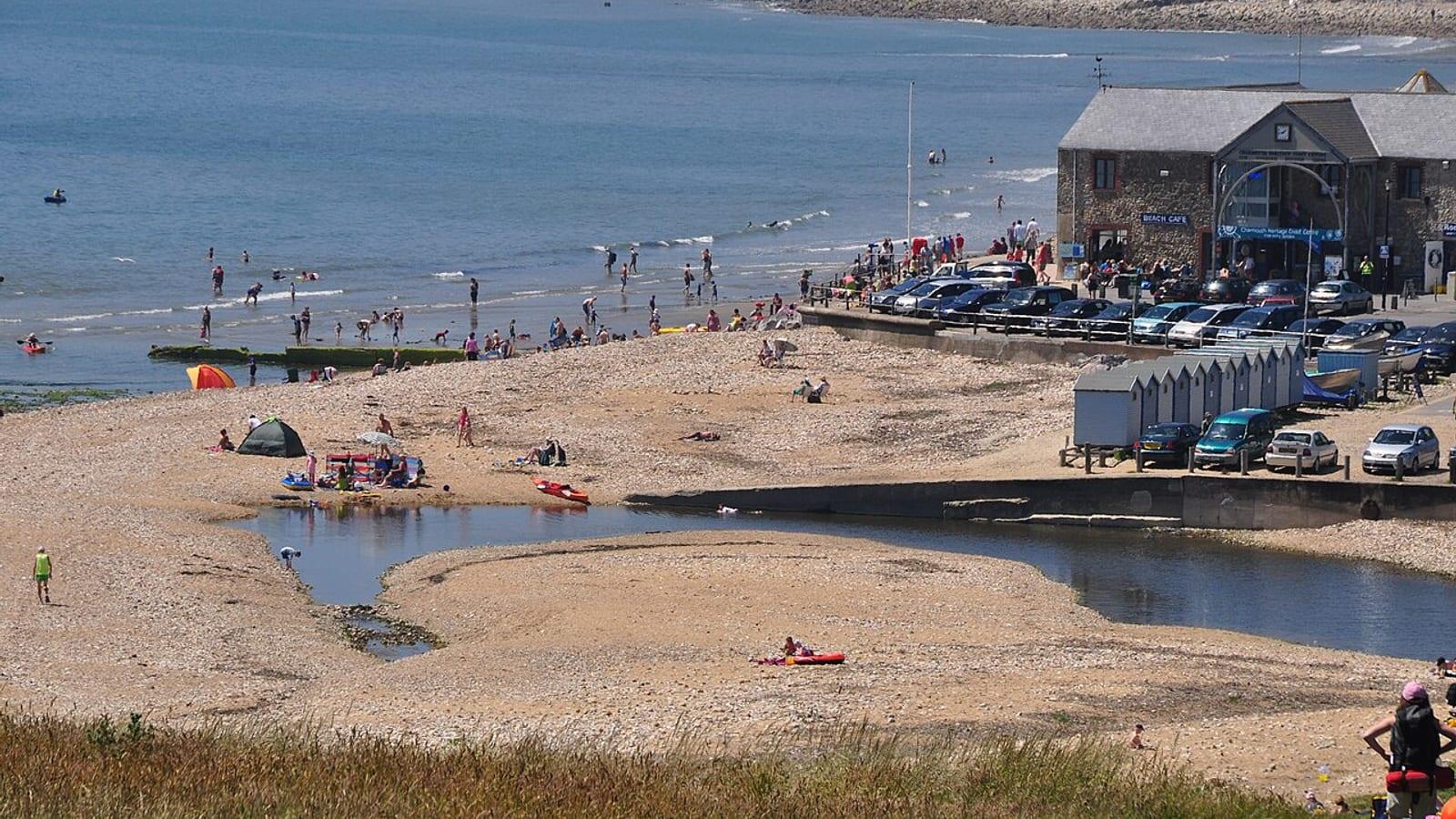
Charmouth Beach Fossil Hunting Guide
Charmouth
Ammonites, Belemnites, Bivalves, Crinoid
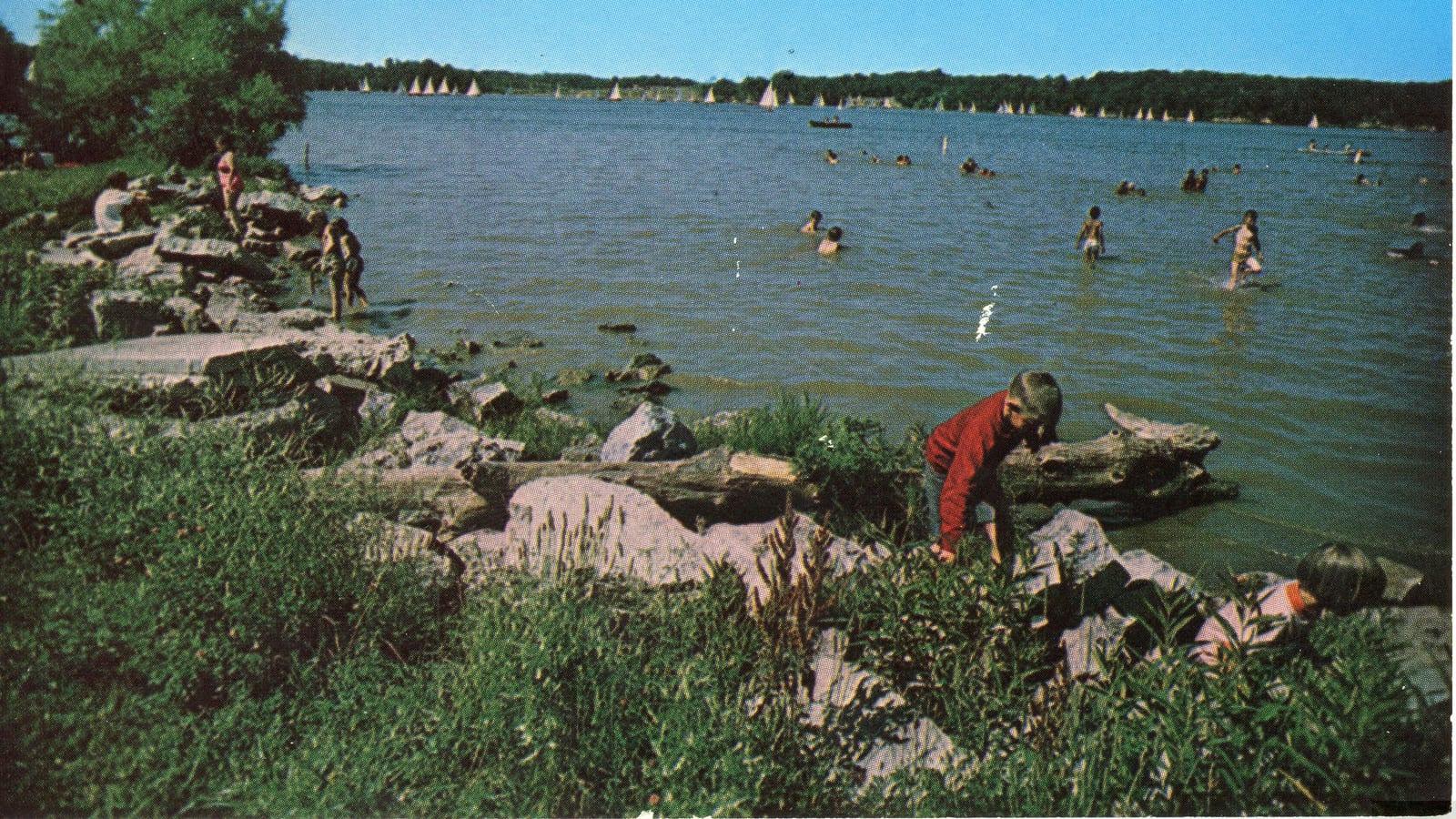
Cowan Lake State Park Fossil Hunting Guide
Ohio, United States
Brachiopods, Crinoids, Corals, Horn Corals
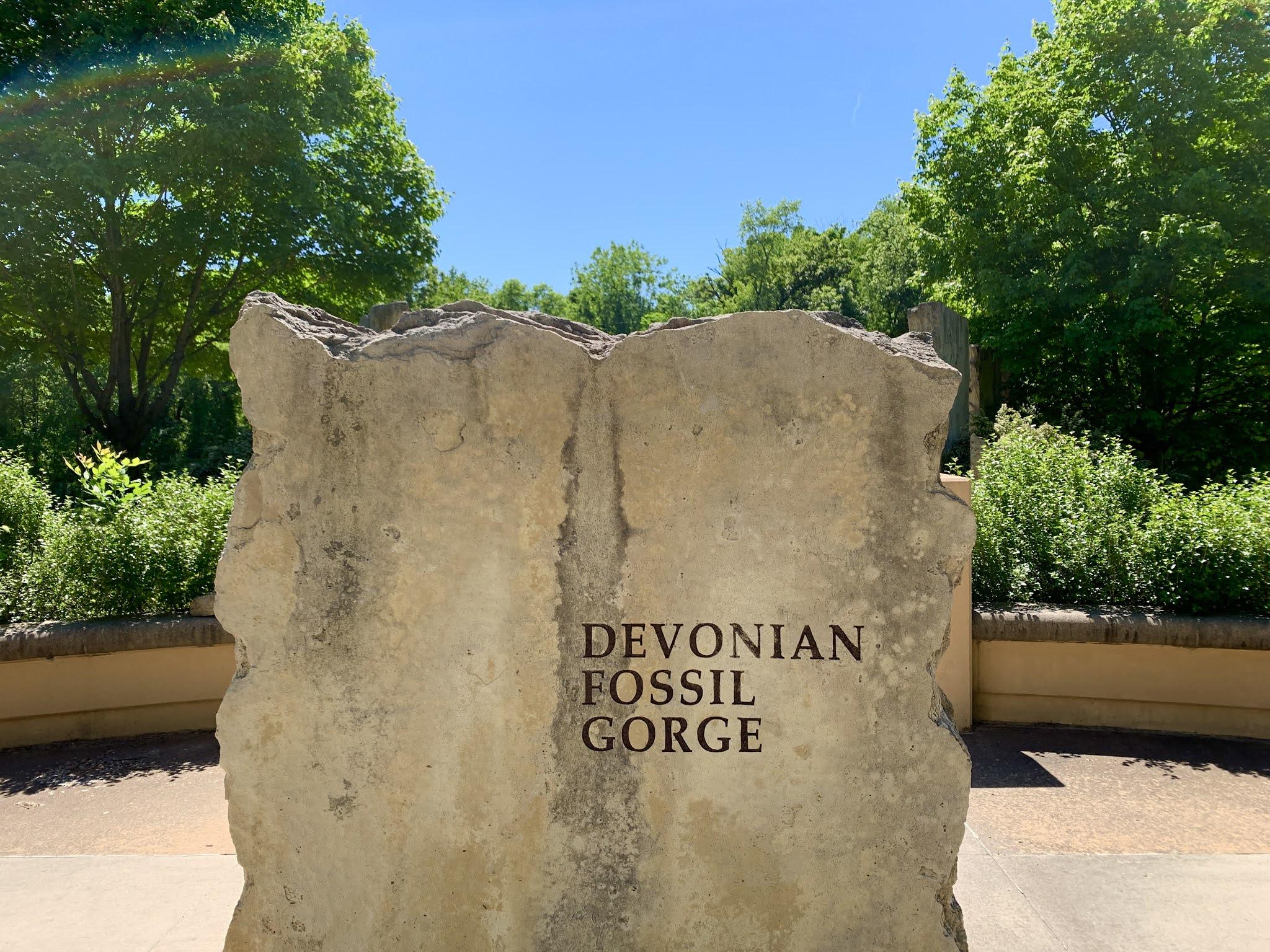
Devonian Fossil Gorge Fossil Hunting Guide
Iowa, United States
Crinoid columnals, Brachiopods, Corals (Hexagonaria), Corals (Favosites)
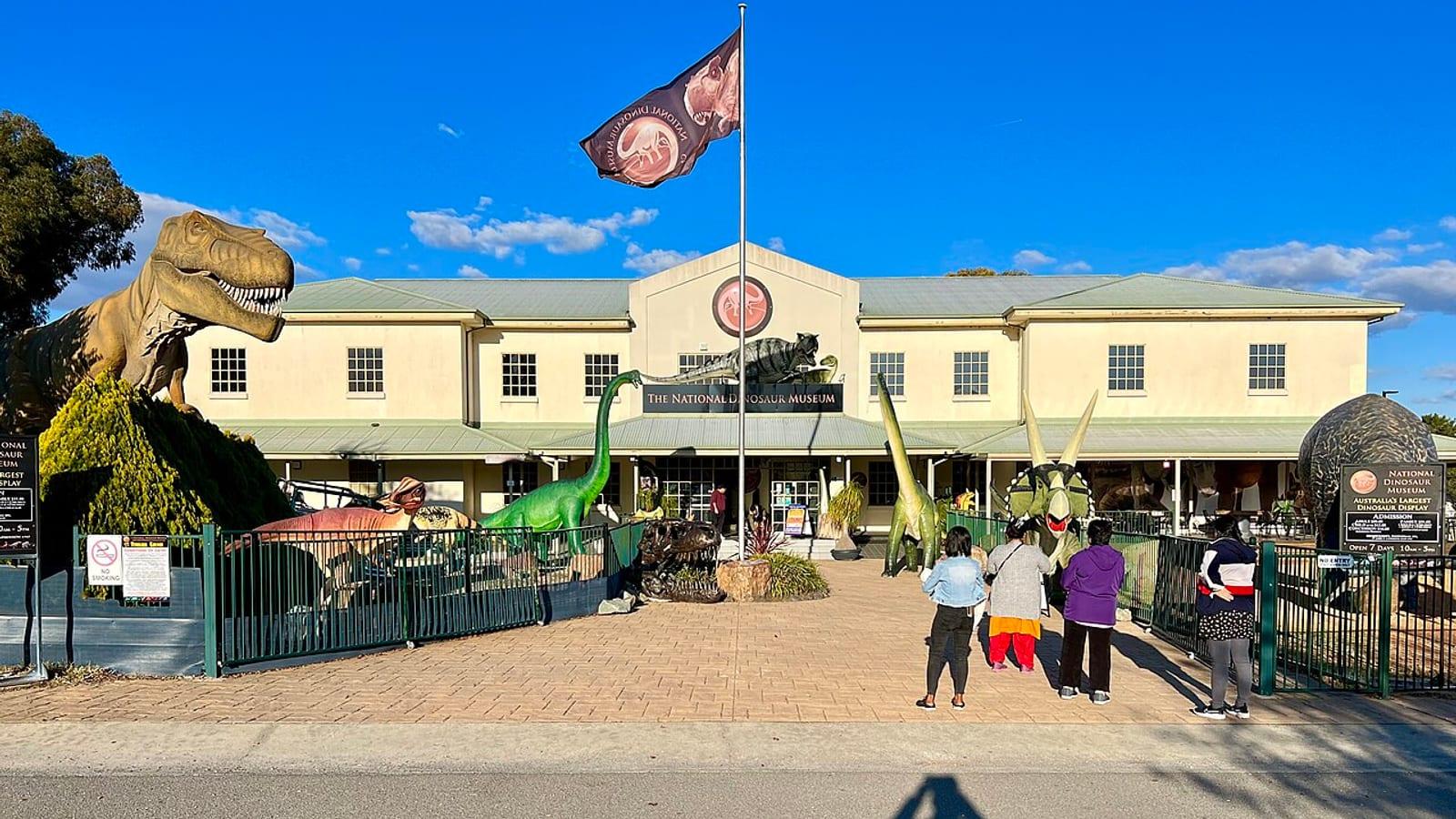
Dinosaur Museum Altmuehltal Fossil Park Fossil Hunting Guide
93326 Denkendorf
Ammonites, Crinoid fragments
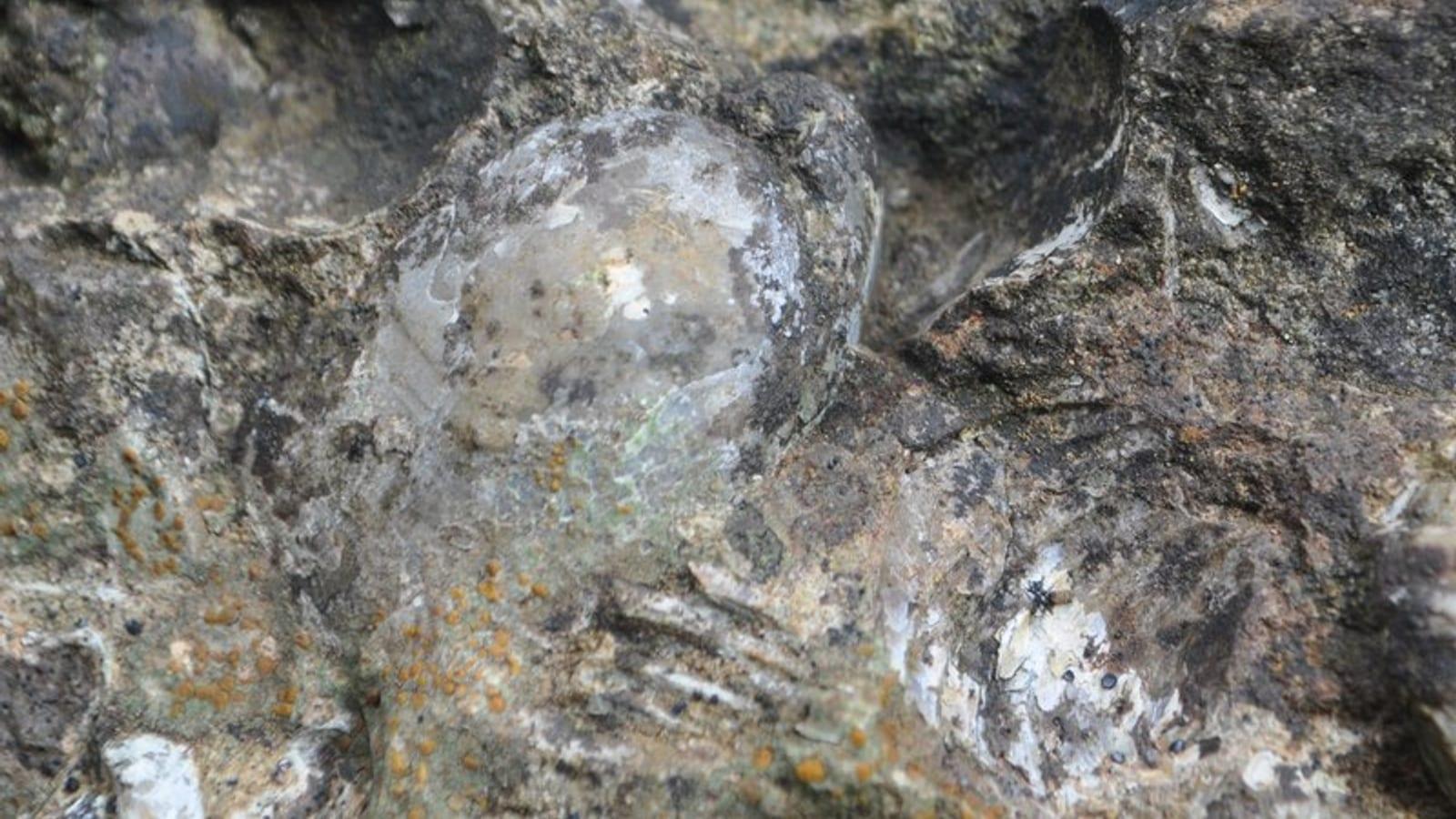
East Fork State Park Fossil Hunting Guide
Ohio, United States
Trilobites, Brachiopods, Crinoids, Corals
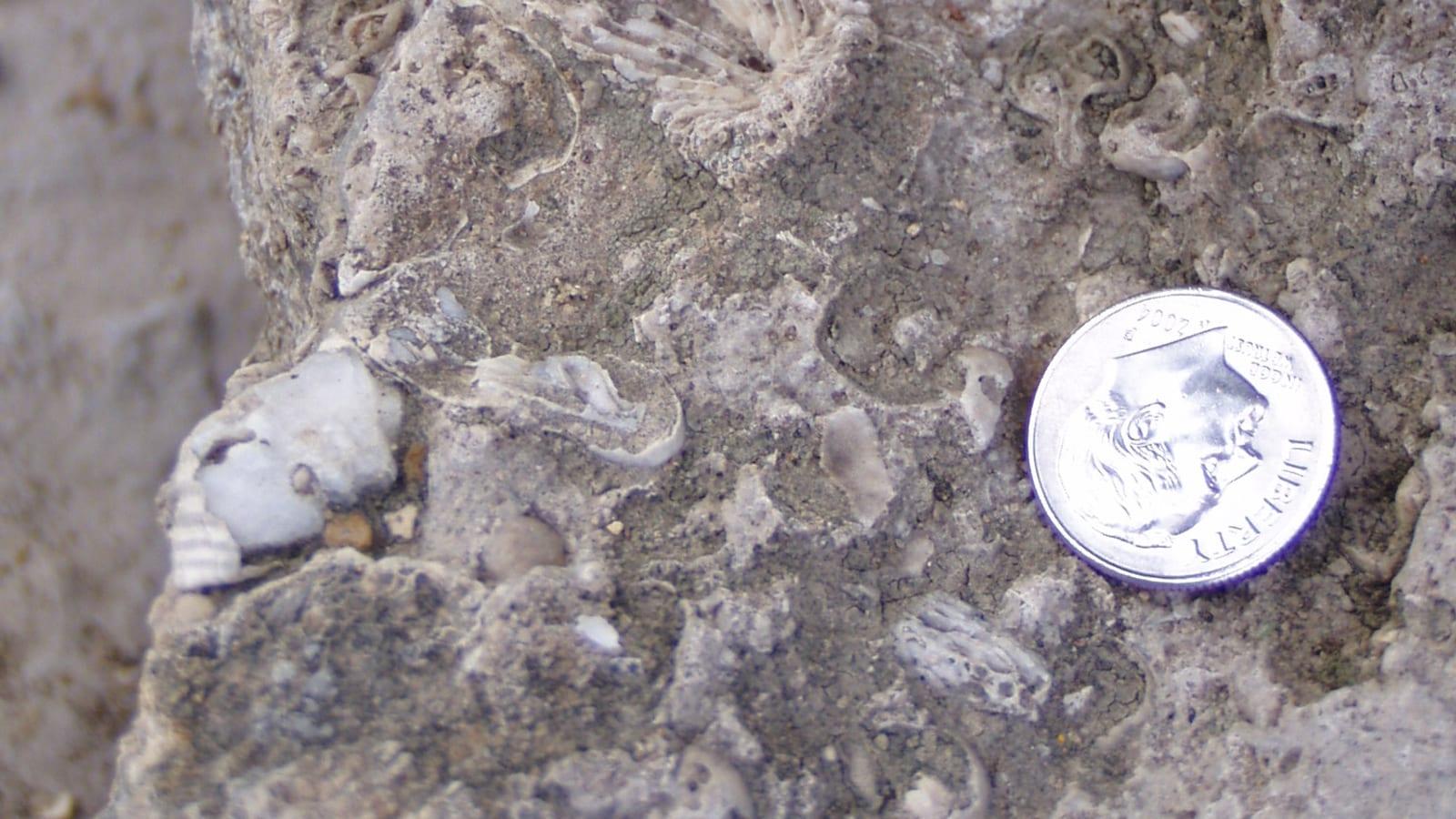
Falls of the Ohio State Park Fossil Hunting Guide
Indiana, United States
Brachiopods, Crinoids, Corals, Bryozoans
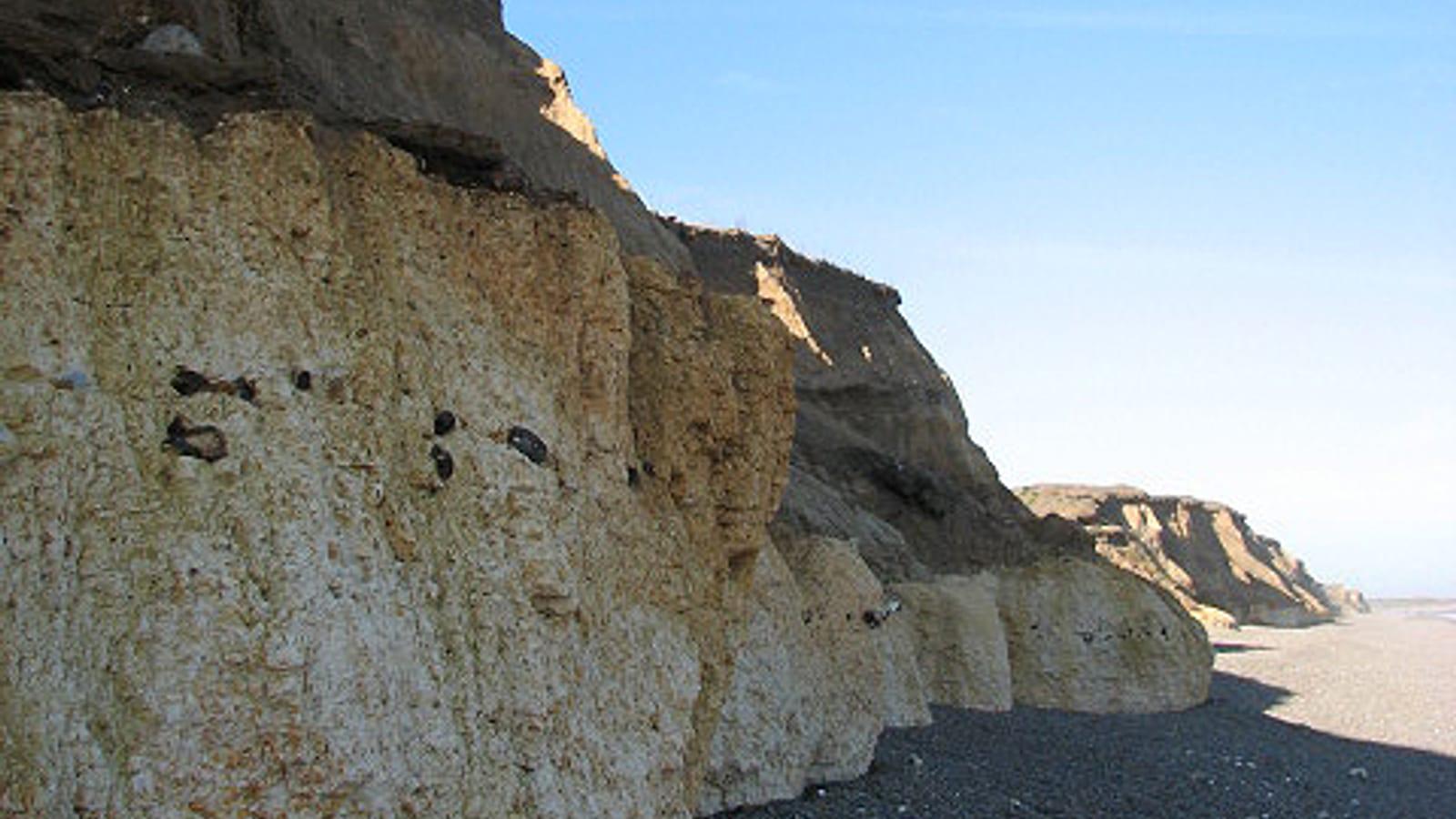
Find Fossils at Tidmoor Point Fossil Hunting Guide
England, United Kingdom
Pyritised and limonitised ammonites, Belemnites, Crustaceans, Marine reptile material
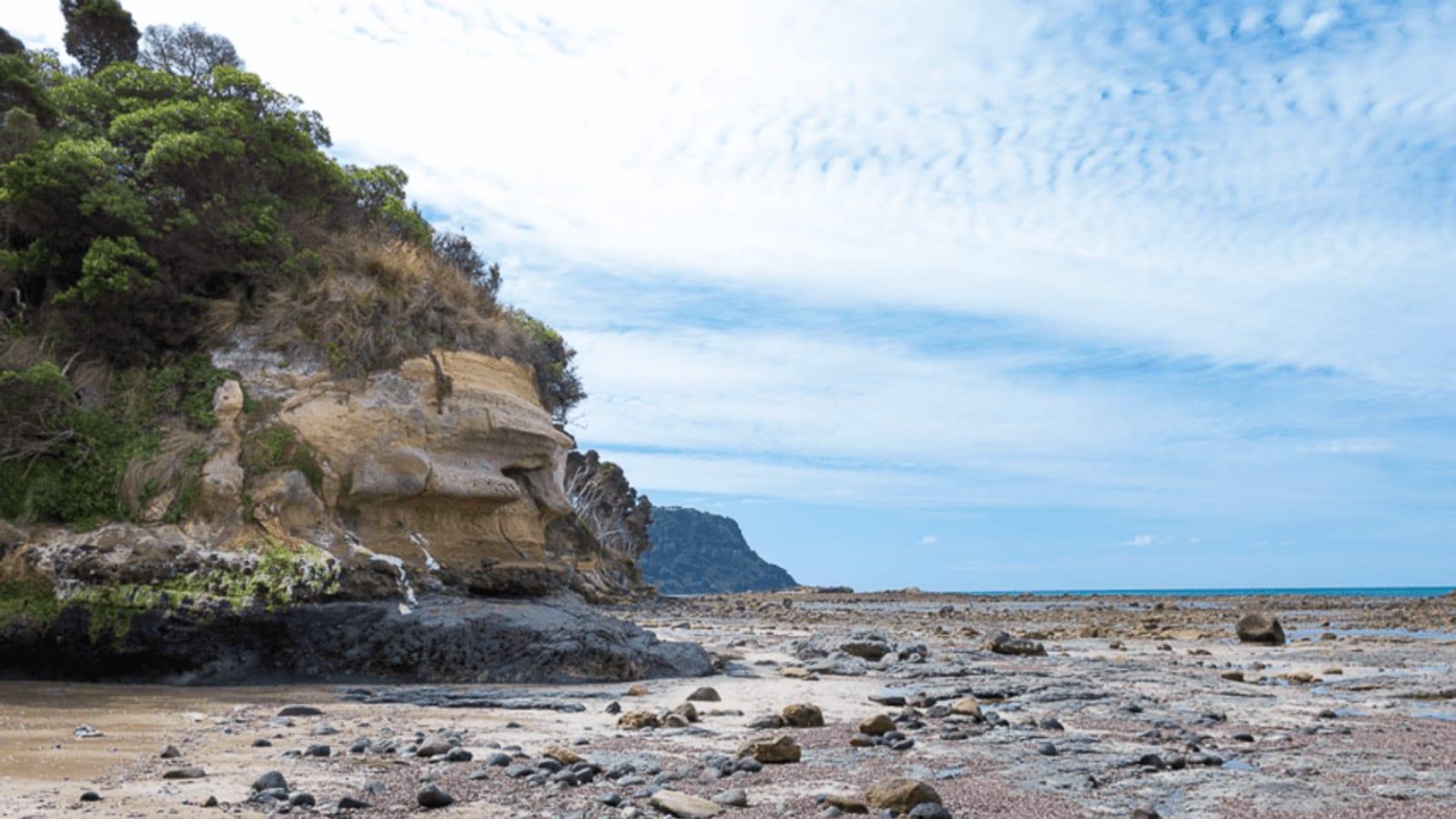
Fossil Bluff Wynyard Fossil Hunting Guide
Tasmania, Australia
Brachiopods, Crinoids, Bryozoans
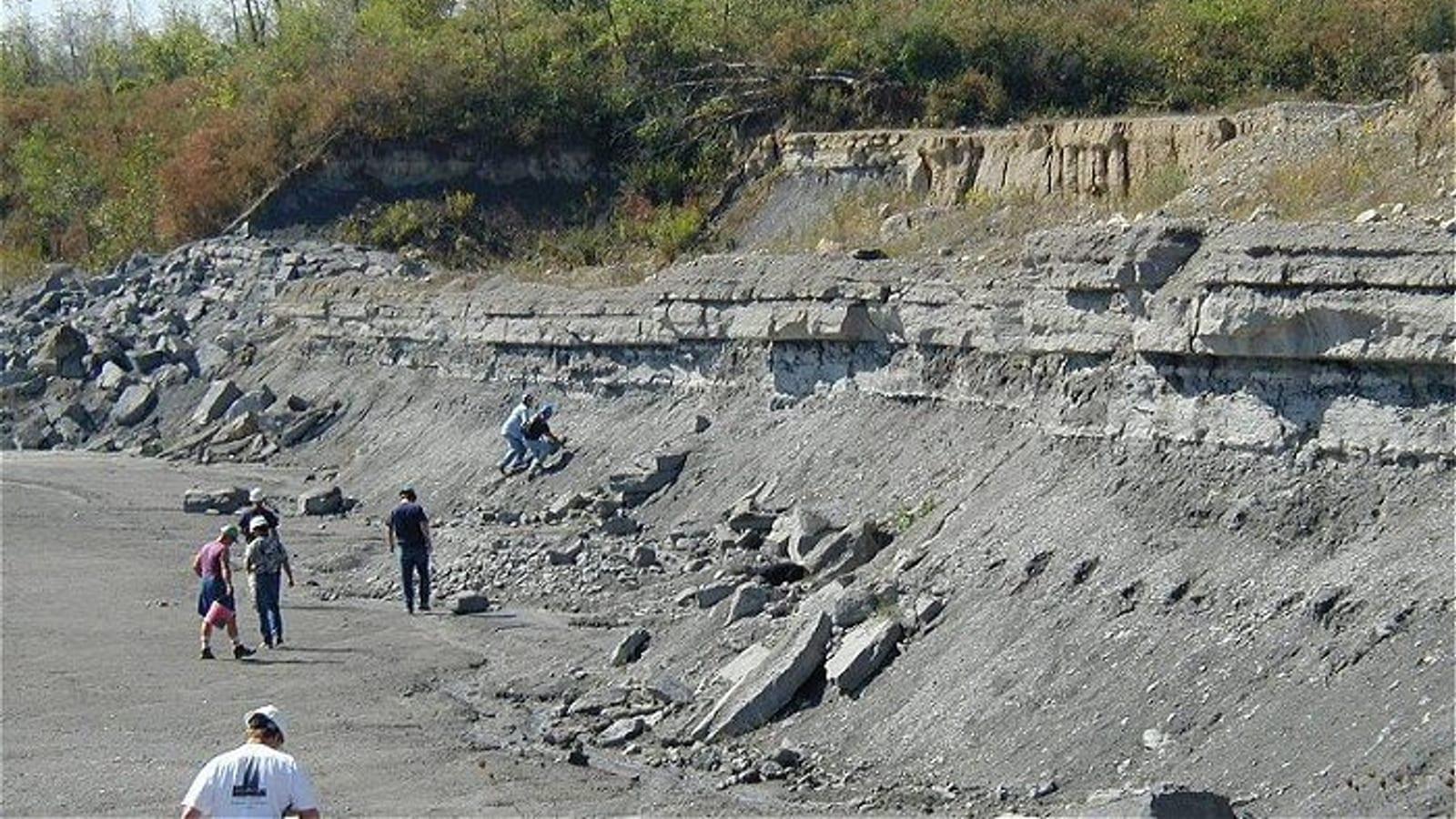
Fossil Park Fossil Hunting Guide
Ohio, United States
Trilobites, Brachiopods, Crinoids, Corals
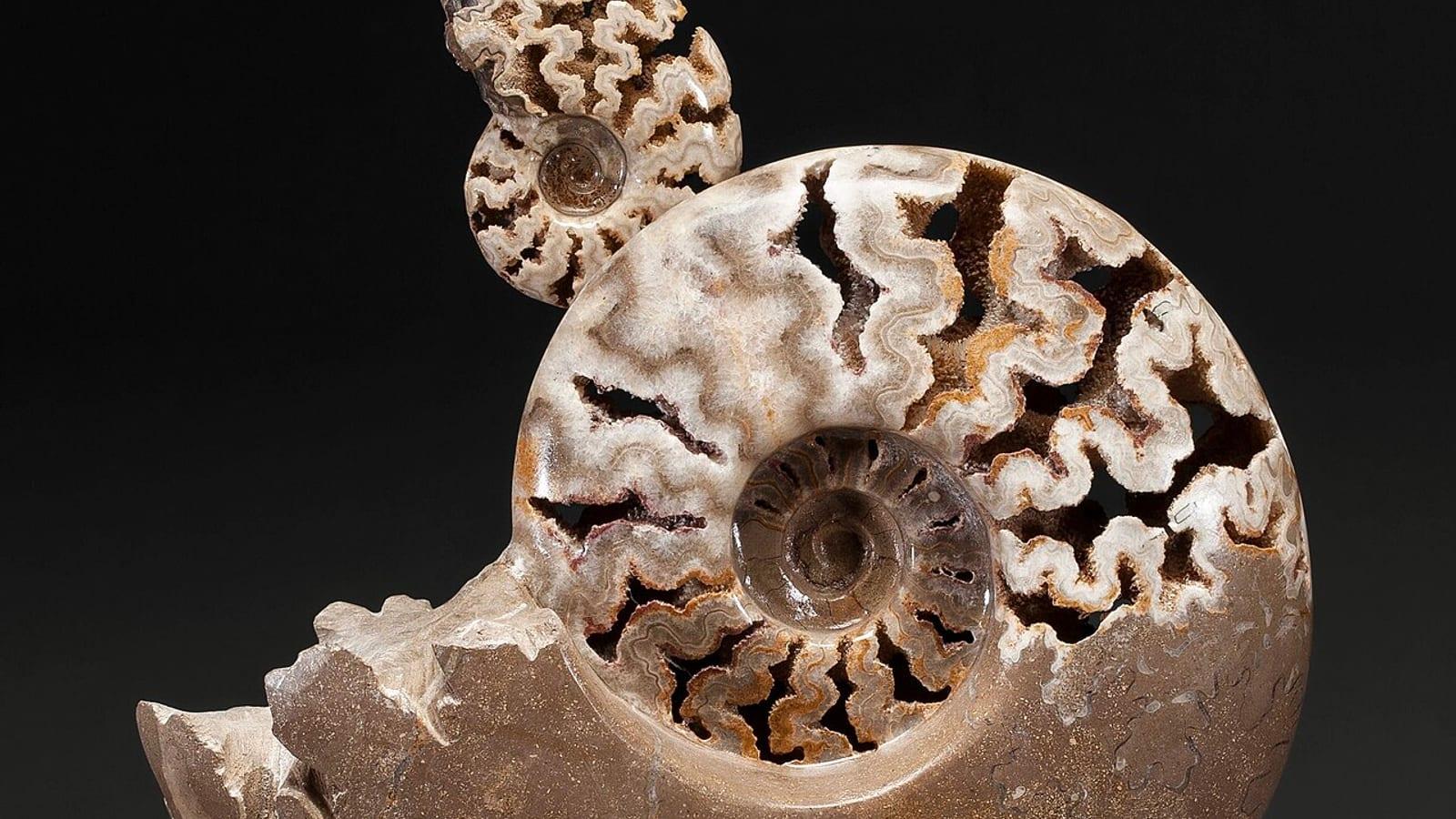
Fossiliensammelstelle Titting Free Fossil Hunting Guide
85125 Titting
Ammonites, Crinoid fragments, Belemnites and bivalves, Plant fossils
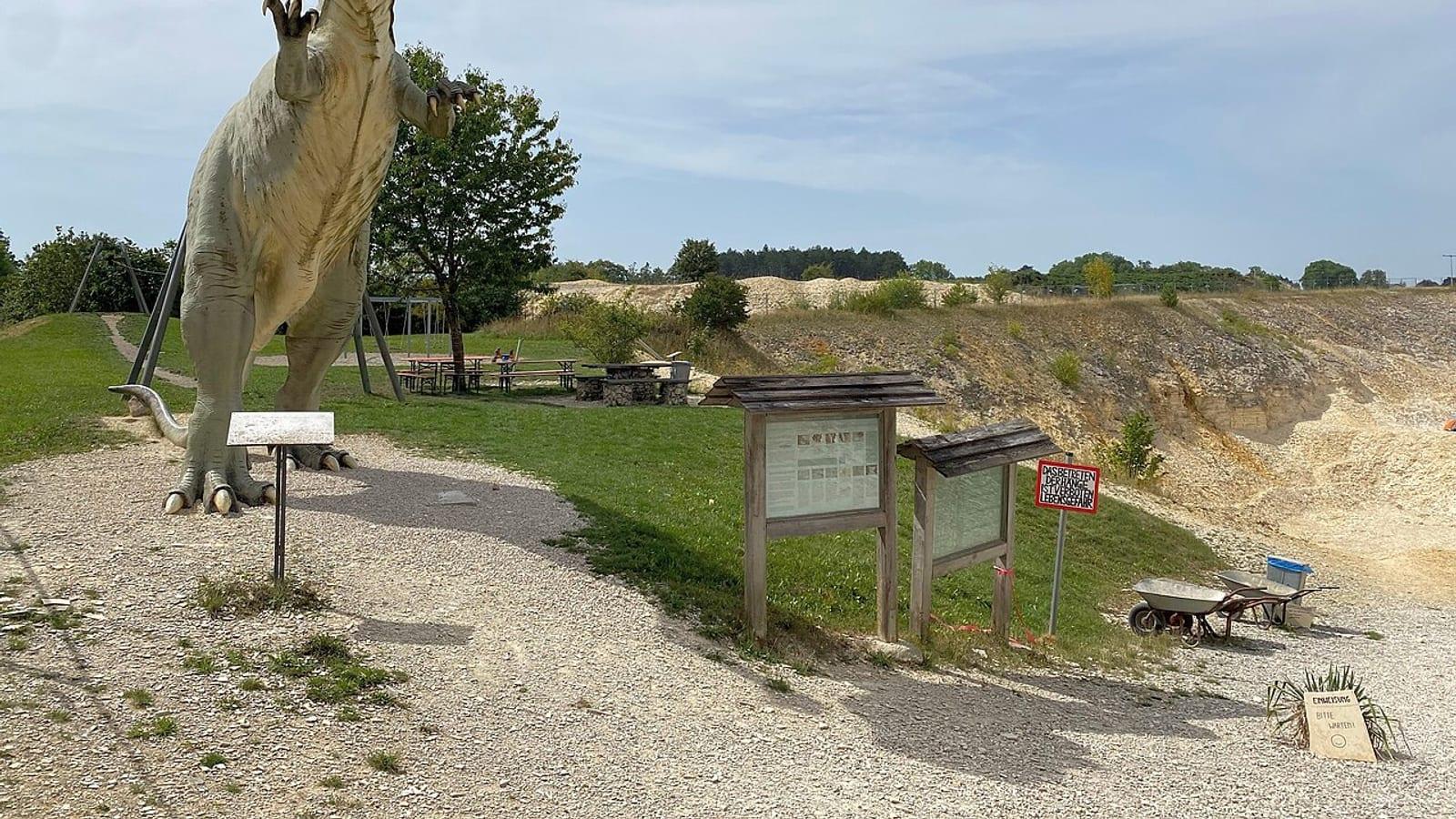
Fossiliensteinbruch Blumenberg Eichstatt Fossil Hunting Guide
Germany
Ammonites, Fish fossils, Shrimp, Crinoids and belemnites
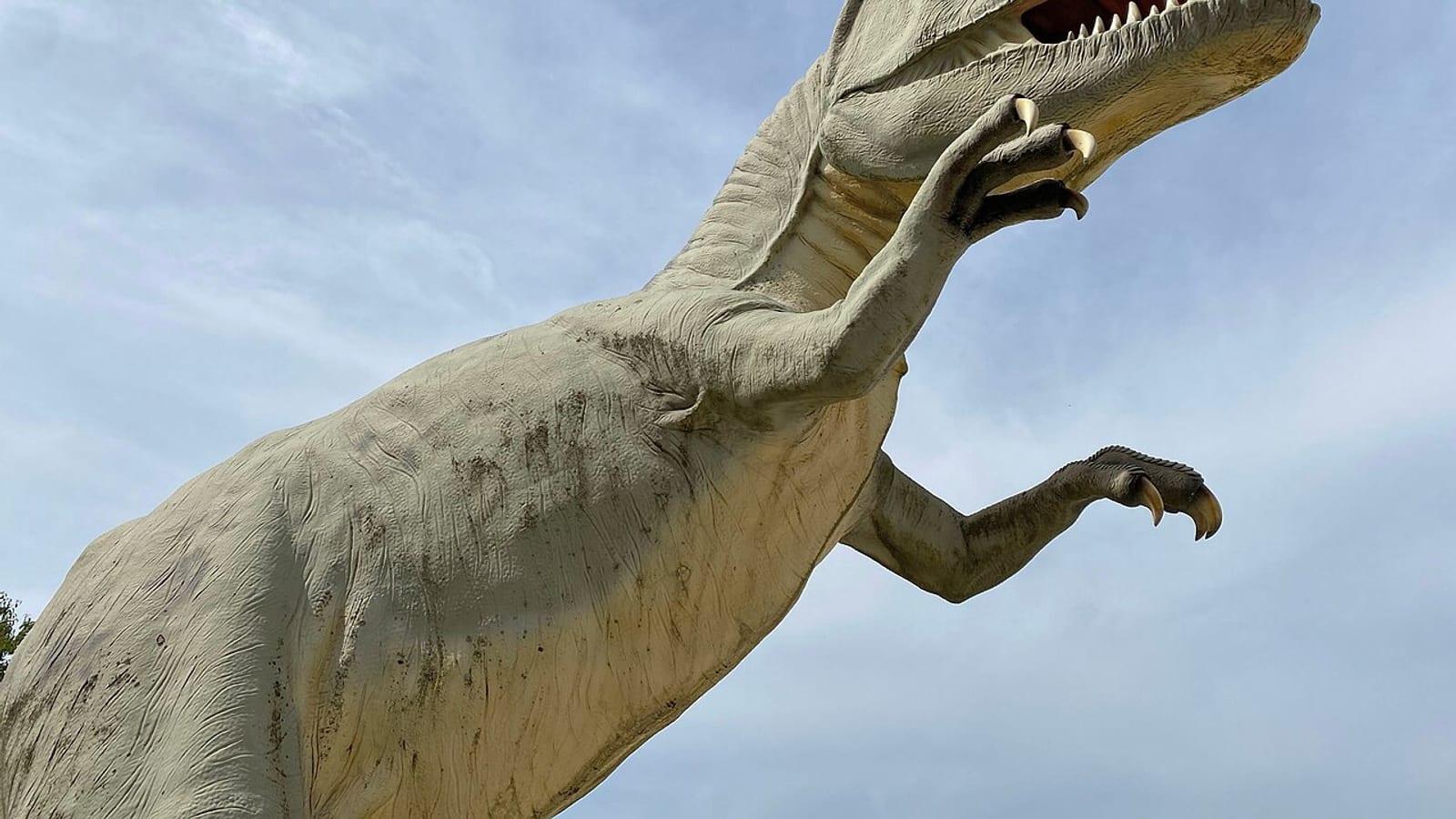
Fossiliensteinbruch Schamhaupten Fossil Hunting Guide
Germany
Ammonites, Crinoids, Fish fossils, Shrimp and belemnites
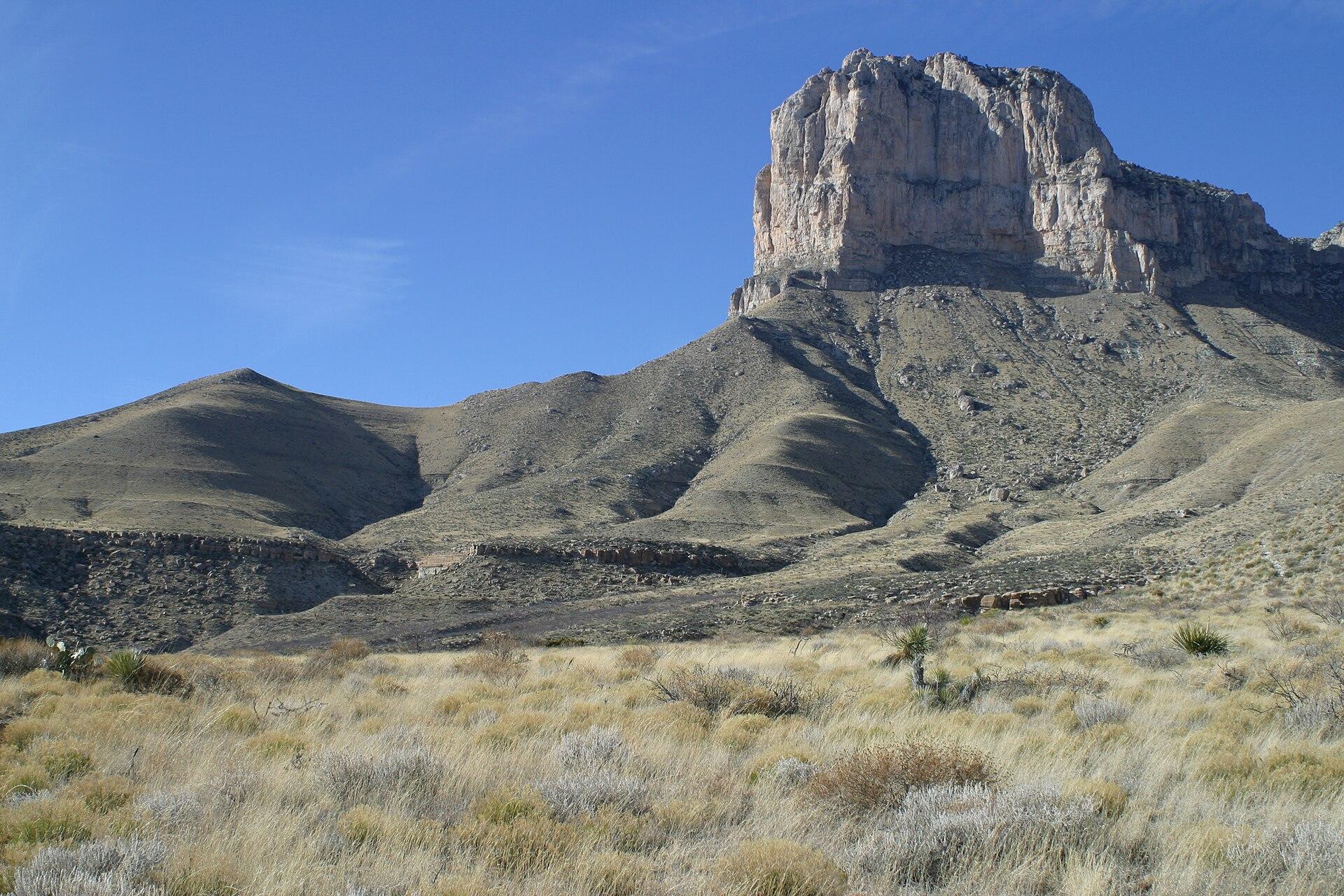
Guadalupe Mountains National Park Fossil Reef Guide
Texas, United States
Brachiopods, Crinoids, Ammonoids, Nautiloids
Guelb el Mharch Mud Volcano Fossil Site Rissani Fossil Hunting Guide
Morocco
Guelb el Mharch, Tabulate corals, Rugose corals, Brachiopods
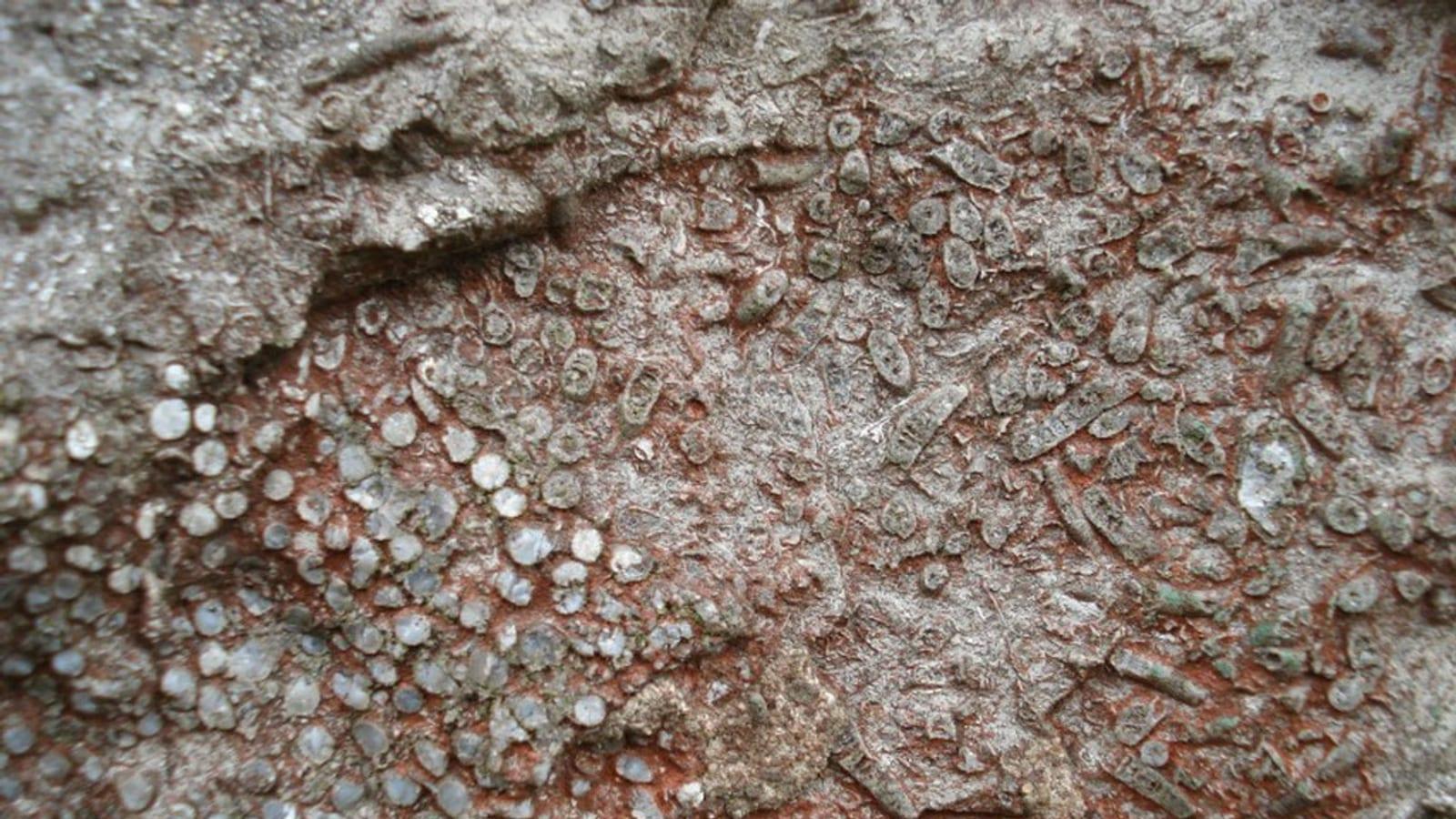
Halkyn Mountain Fossil Hunting Guide
Wales, United Kingdom
Brachiopods, Crinoids, Corals, Bryozoans
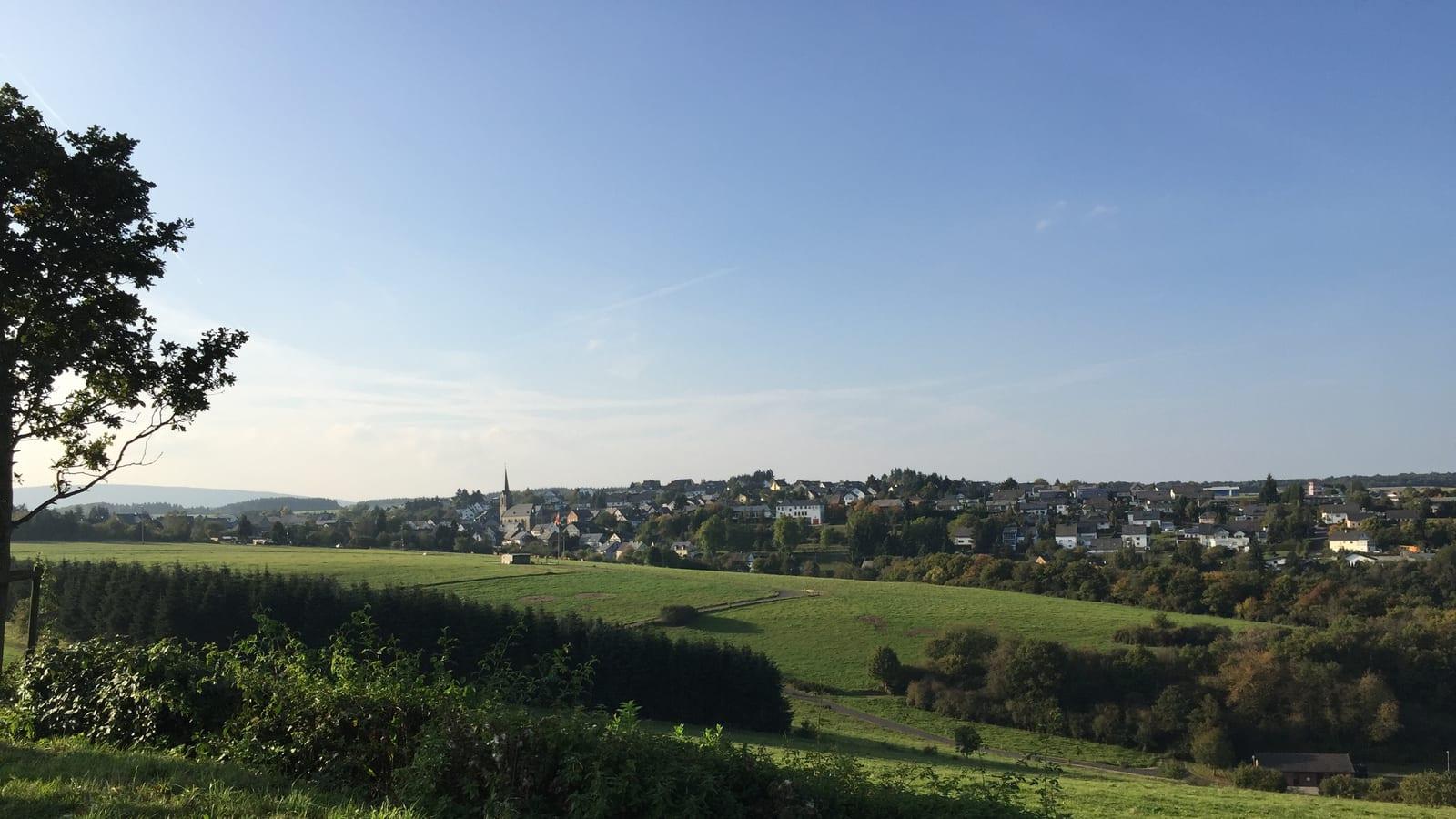
Herrenberg Mine Bundenbach Underground Fossil Hunting Guide
55568 Bundenbach
Devonian marine fossils, Crinoids
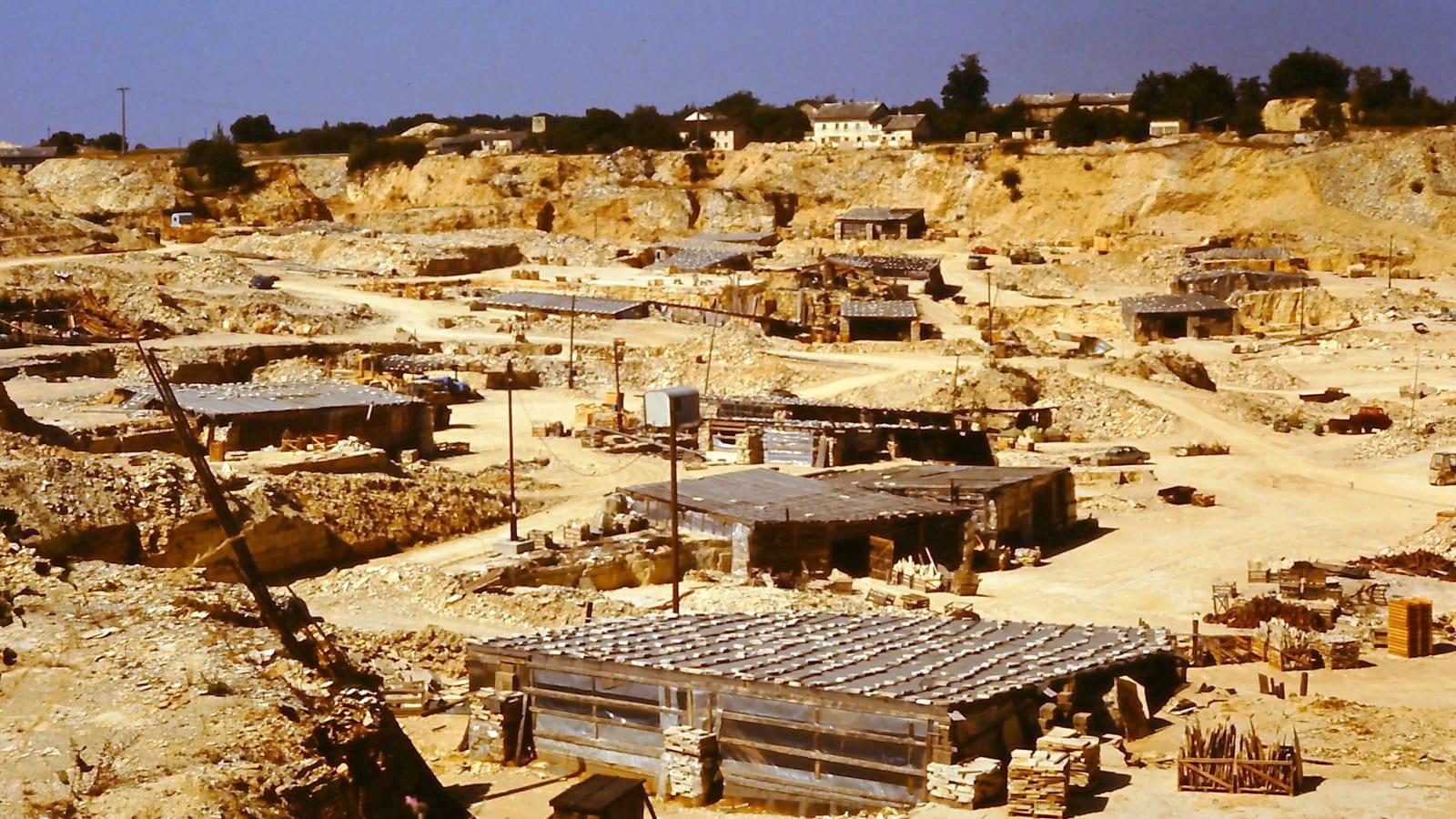
Hobbysteinbruch Solnhofen Fossil Hunting Guide
91807 Solnhofen
Ammonites, Fish fossils, Shrimp, Crinoids
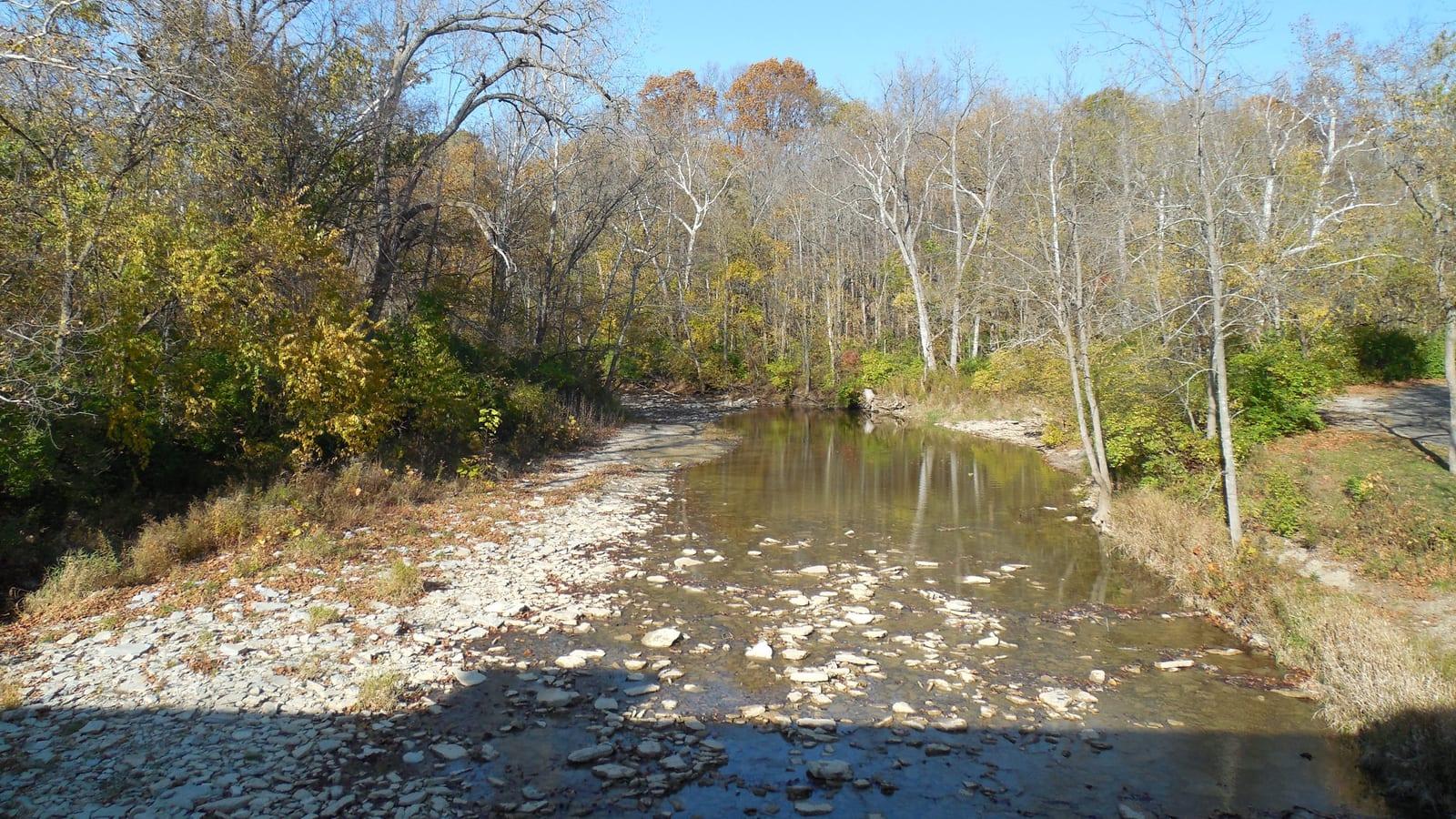
Hueston Woods State Park Fossil Hunting Guide
Ohio, United States
Trilobites, Brachiopods, Crinoids, Corals
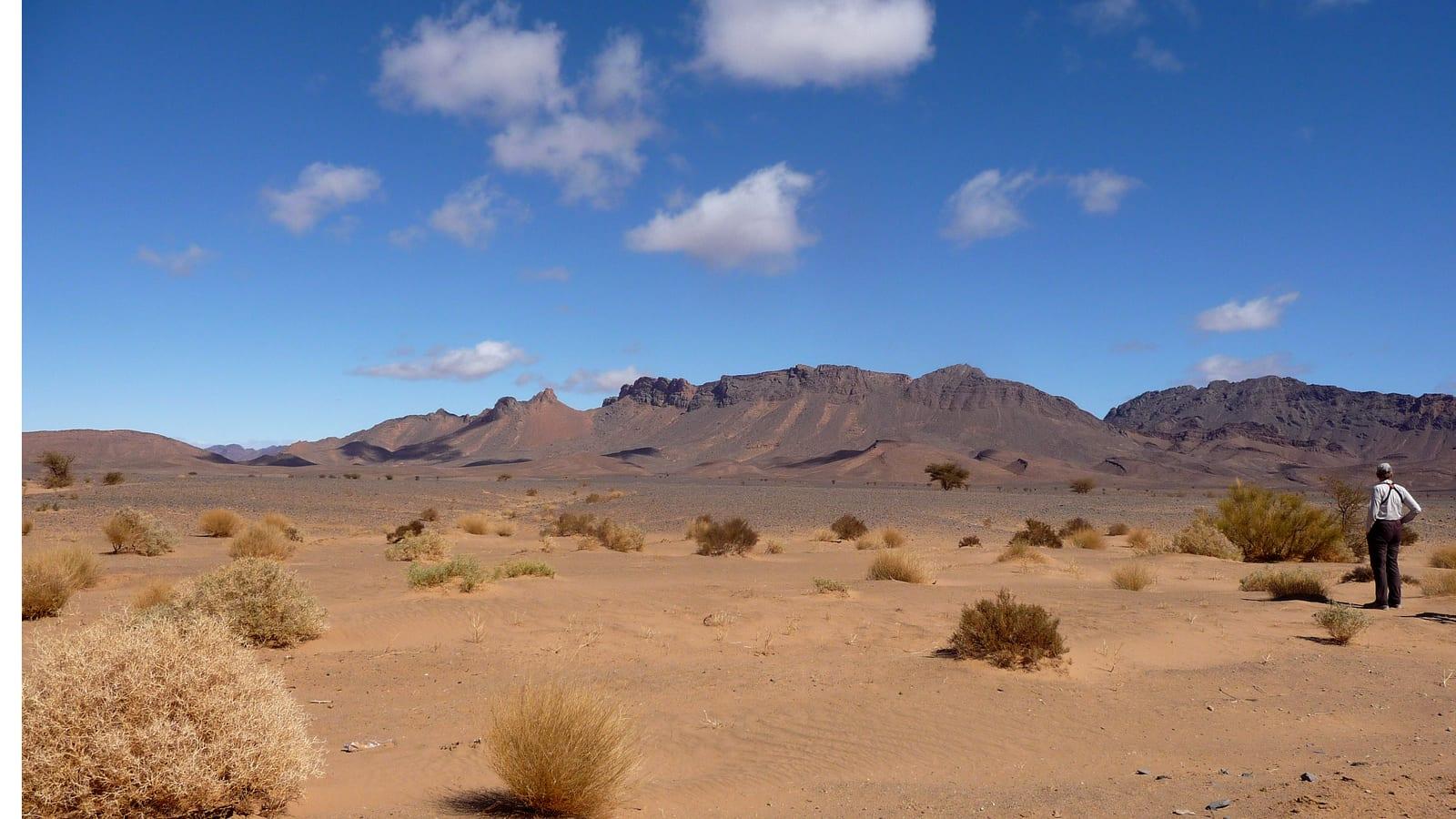
Jbel el Mrakib Devonian Reef Site Rissani Fossil Hunting Guide
Morocco
Jbel El Mrakib Devonian Reef Site, Coral reef fossils, Stromatoporoids, Brachiopods
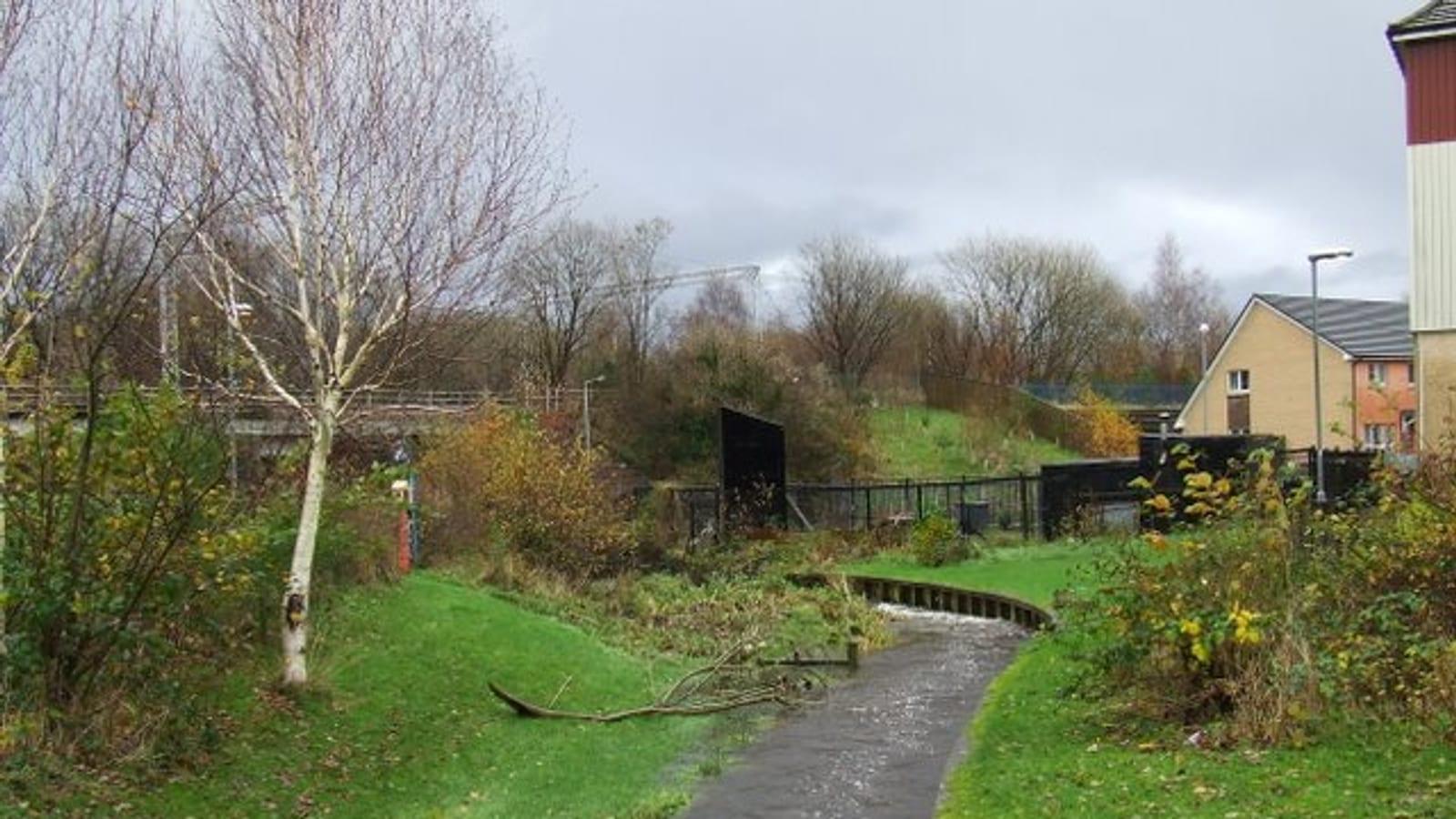
Lady Burn Fossil Hunting Guide
near Drummuck
Starfish, Trilobites, Brachiopods and bivalves, Orthocones and cephalopods
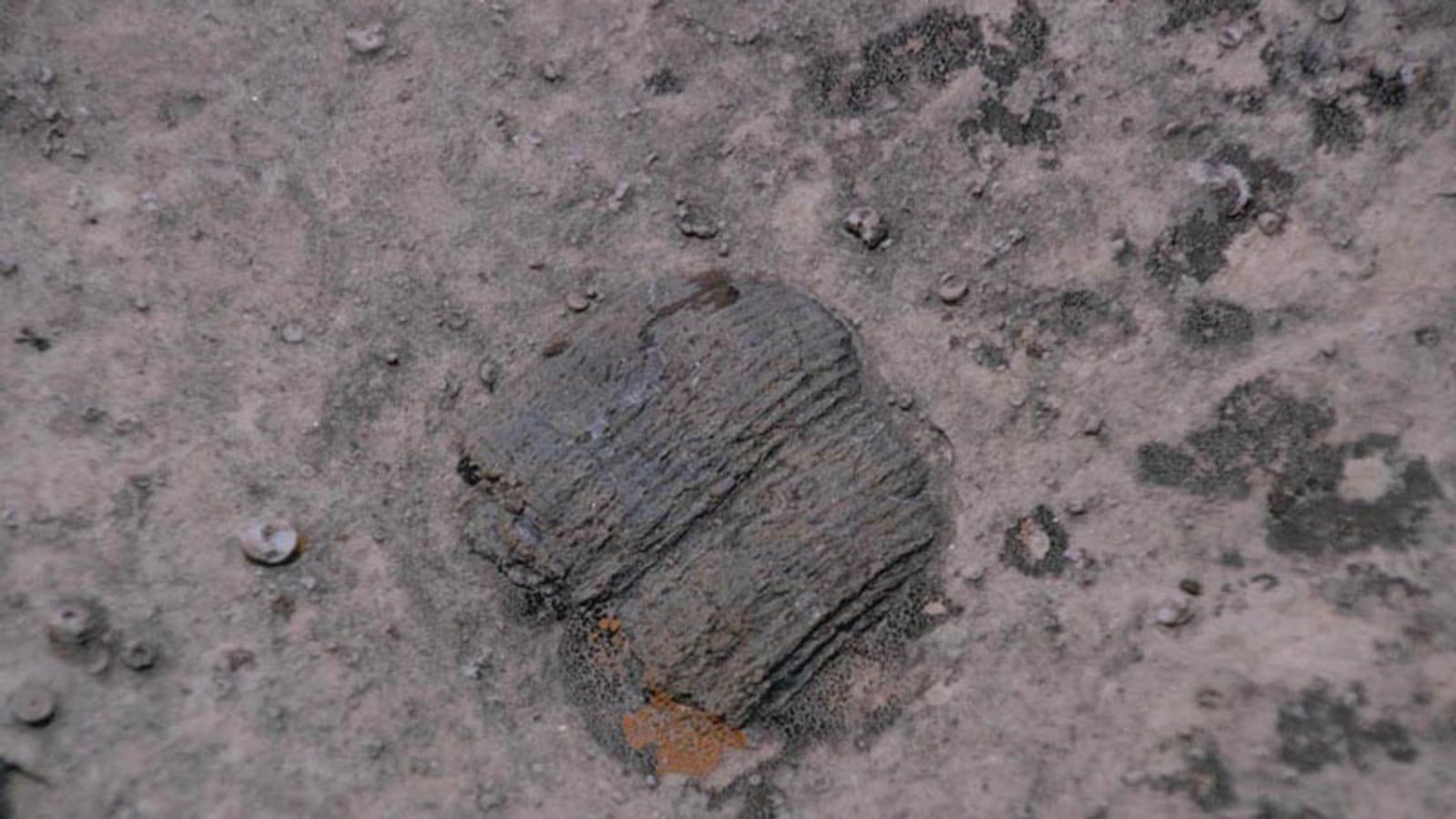
Lost River Fossil Hunting Guide
West Virginia, United States
Trilobites, Brachiopods, Crinoids, Corals
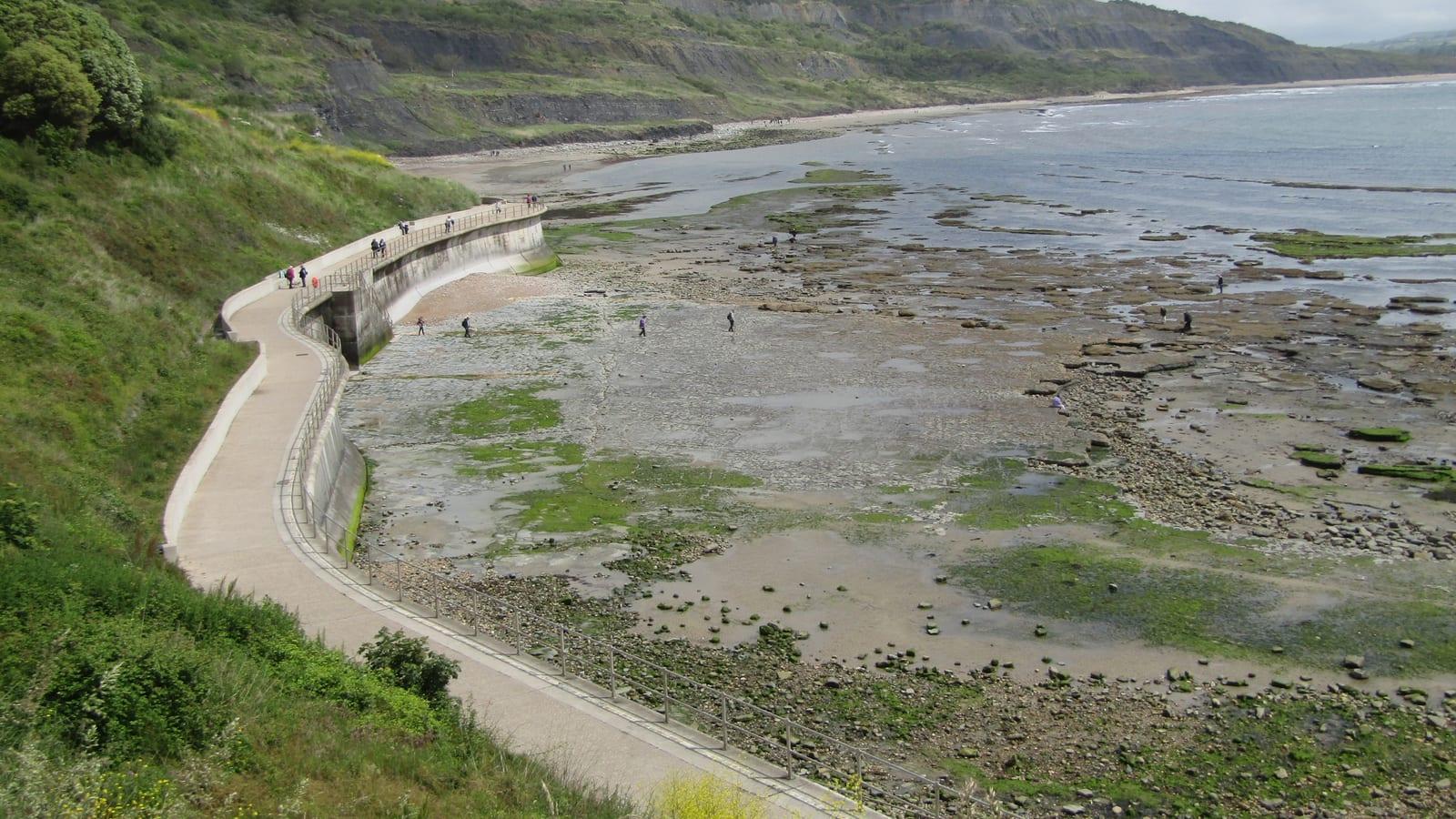
Lyme Regis Church Cliffs Fossil Hunting Guide
United Kingdom
Ammonites, Belemnites, Bivalves, Crinoids
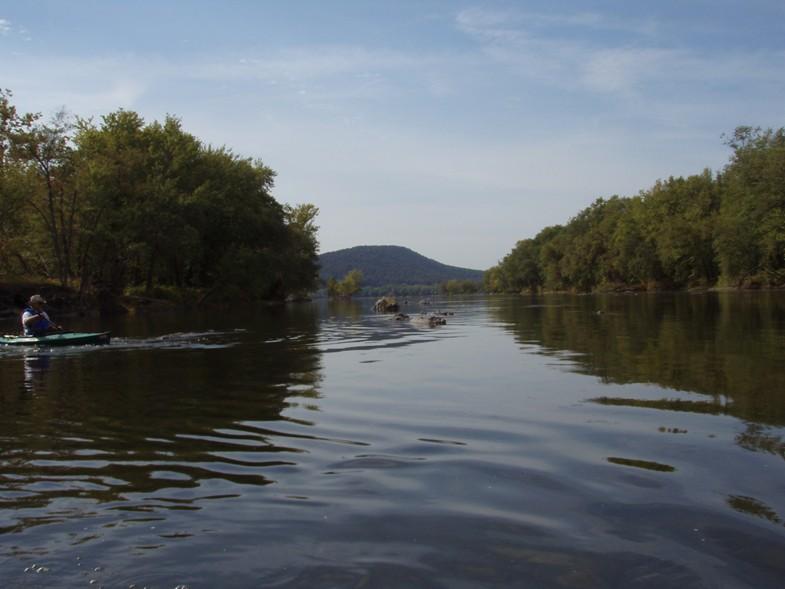
Mahantango Creek (Snyder County) Fossil Hunting Guide
Pennsylvania, United States
Brachiopods, Trilobites, Corals, Cephalopods
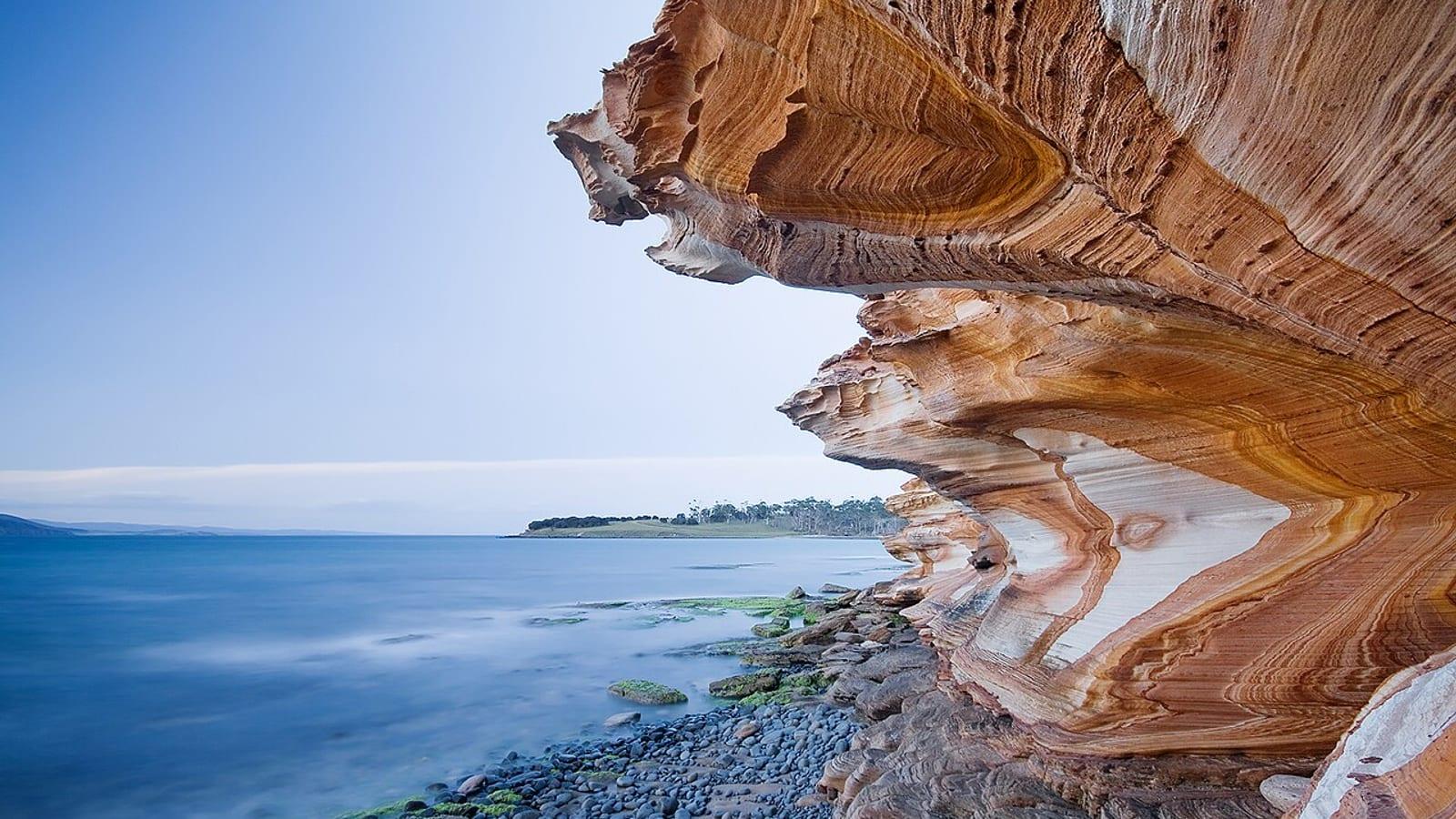
Maria Island Fossil Cliffs Fossil Hunting Guide
Australia
brachiopod shells, bryozoans, crinoids
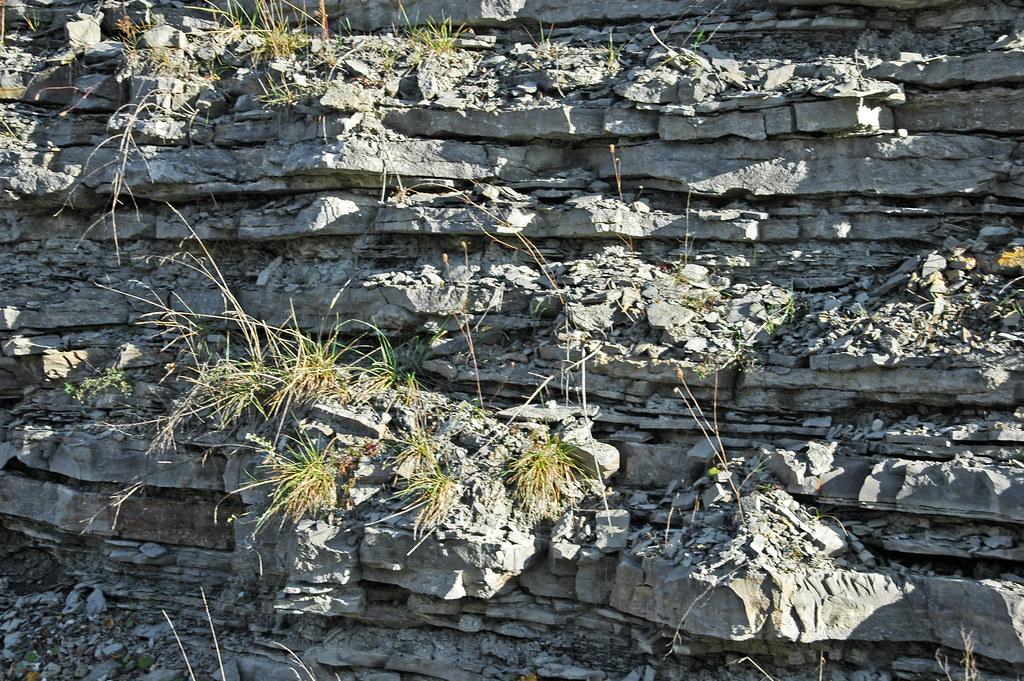
Maysville Ordovician Roadcut Fossil Hunting Guide
Kentucky, United States
Brachiopods, Trilobites, Bryozoans, Cephalopods
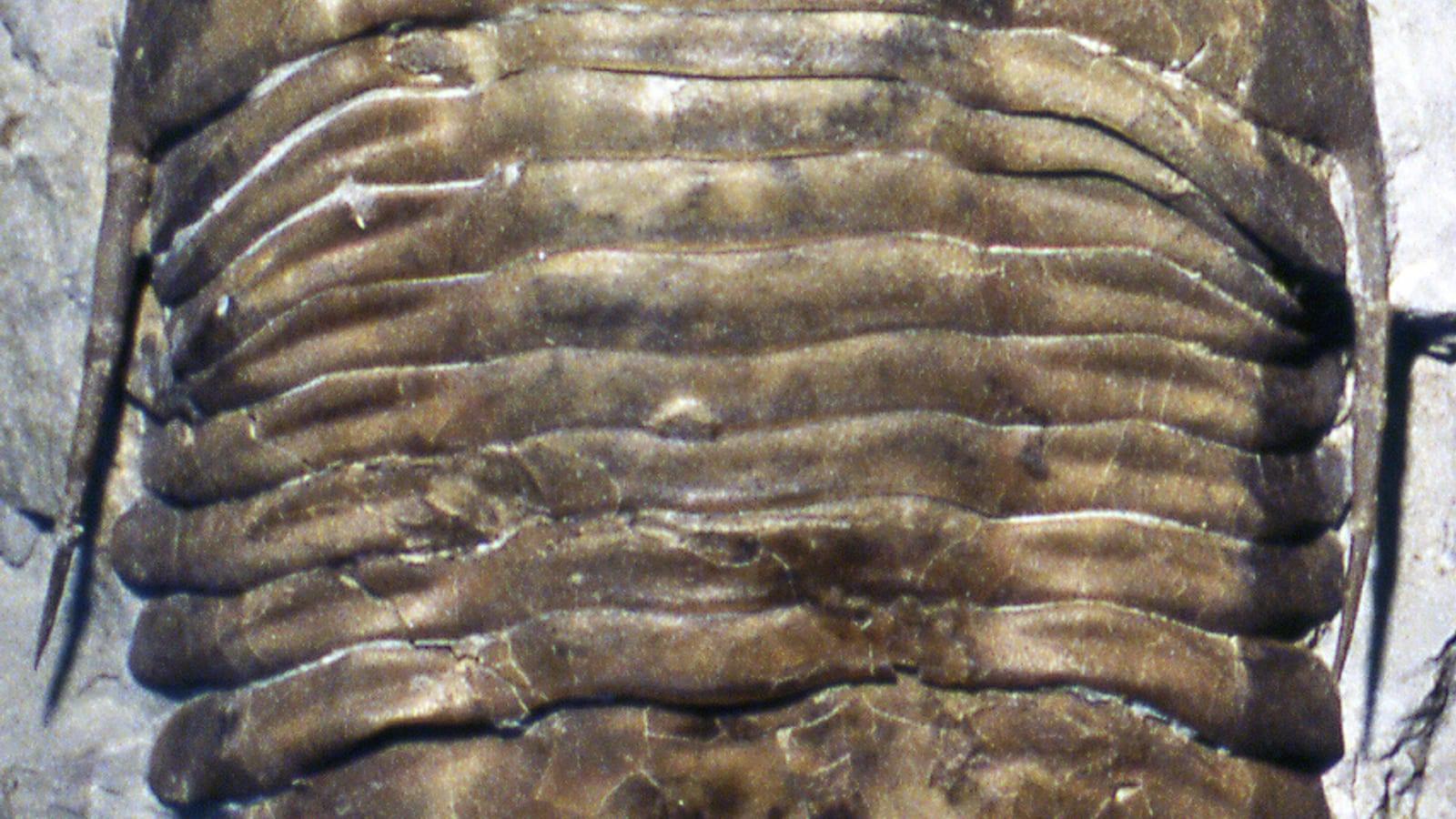
Merzouga Desert Phacops Collecting Area Fossil Hunting Guide
Morocco
Phacops trilobites, Merzouga Desert Phacops Collecting Area, Phacops, Enrolled trilobites
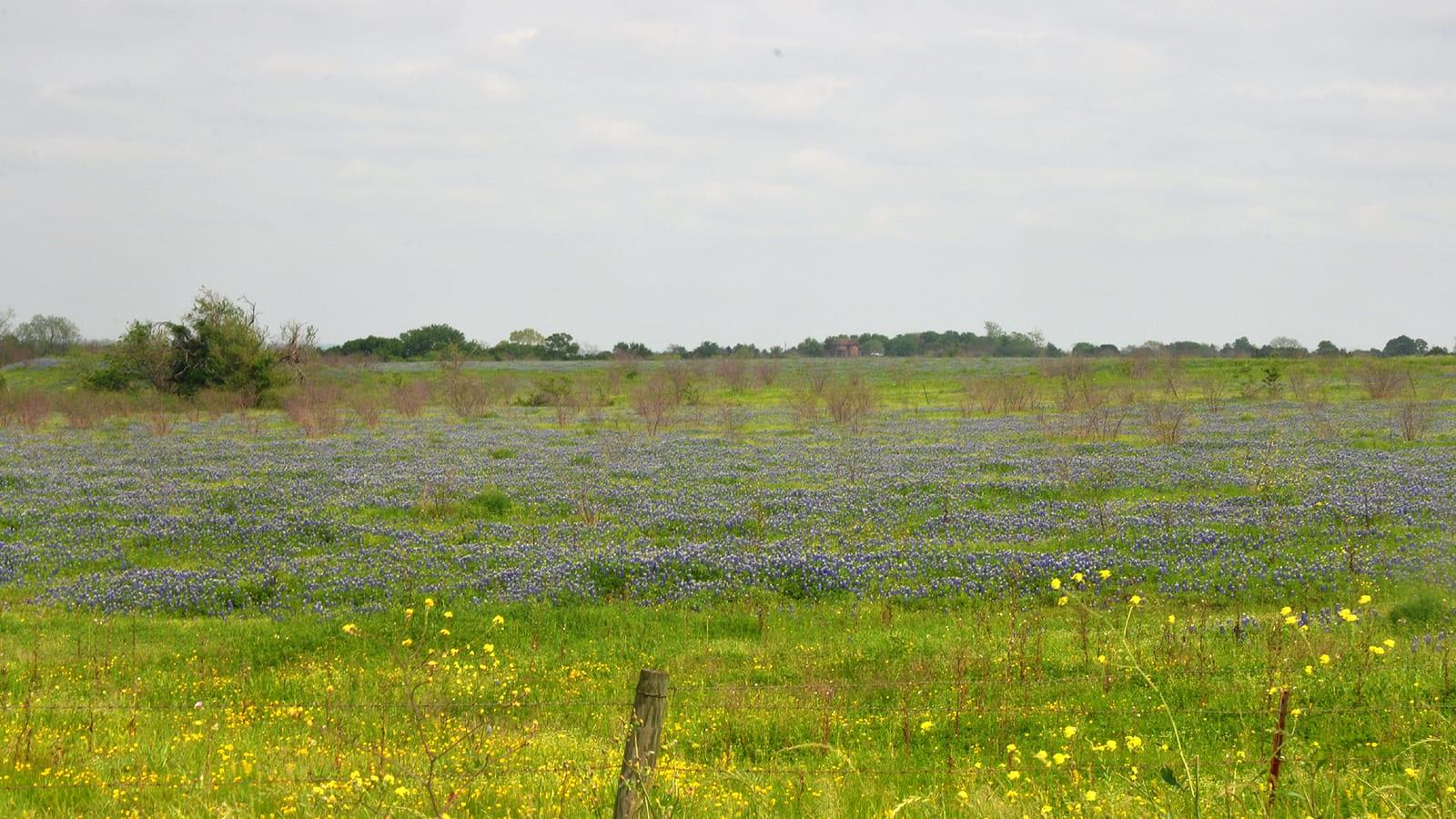
Mineral Wells Fossil Park Fossil Hunting Guide
Texas, United States
Shark Teeth, Trilobites, Echinoids, Brachiopods
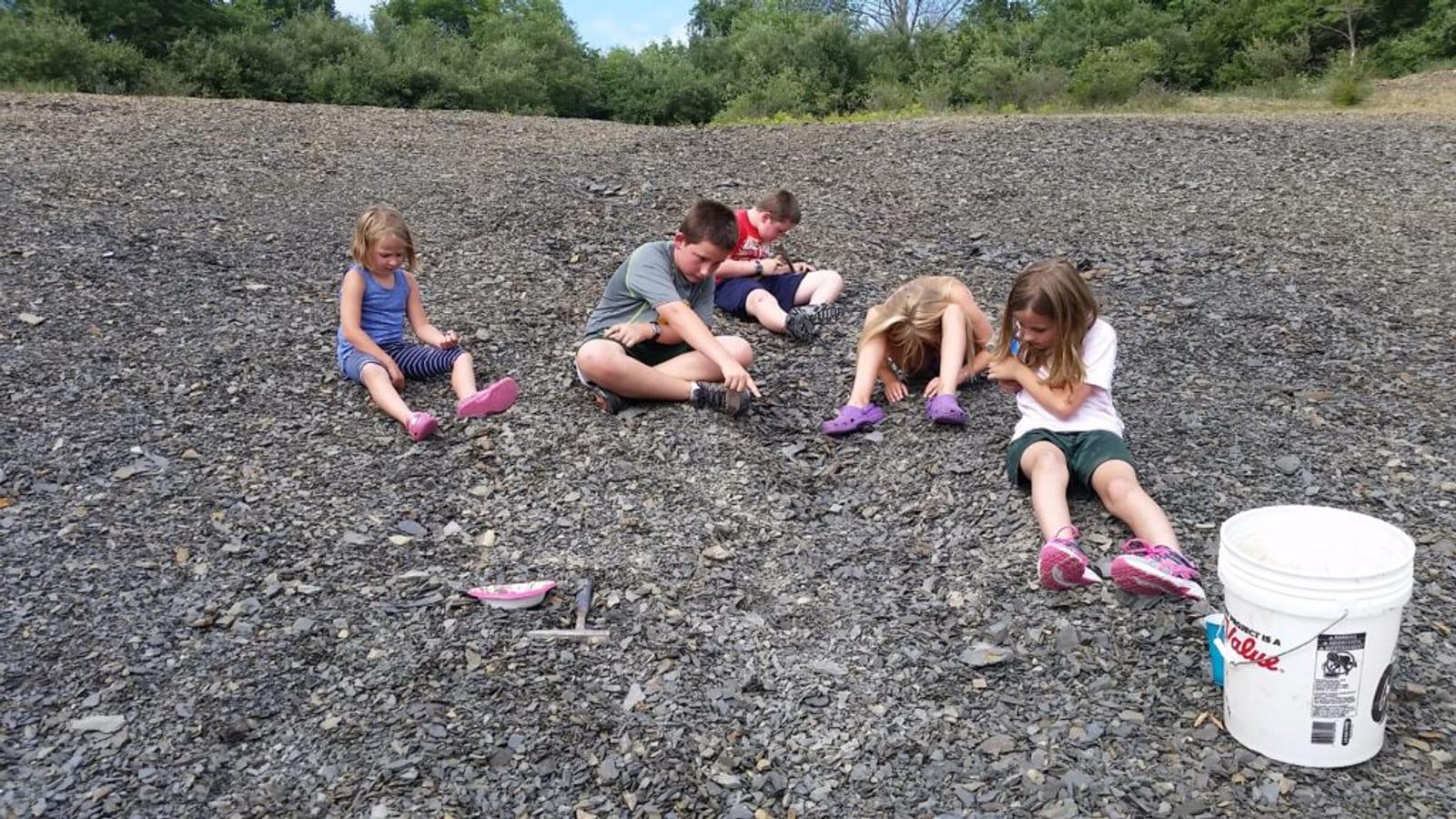
Montour Preserve Fossil Pit Fossil Hunting Guide
Pennsylvania, United States
Trilobites, Brachiopods, Gastropods, Crinoids
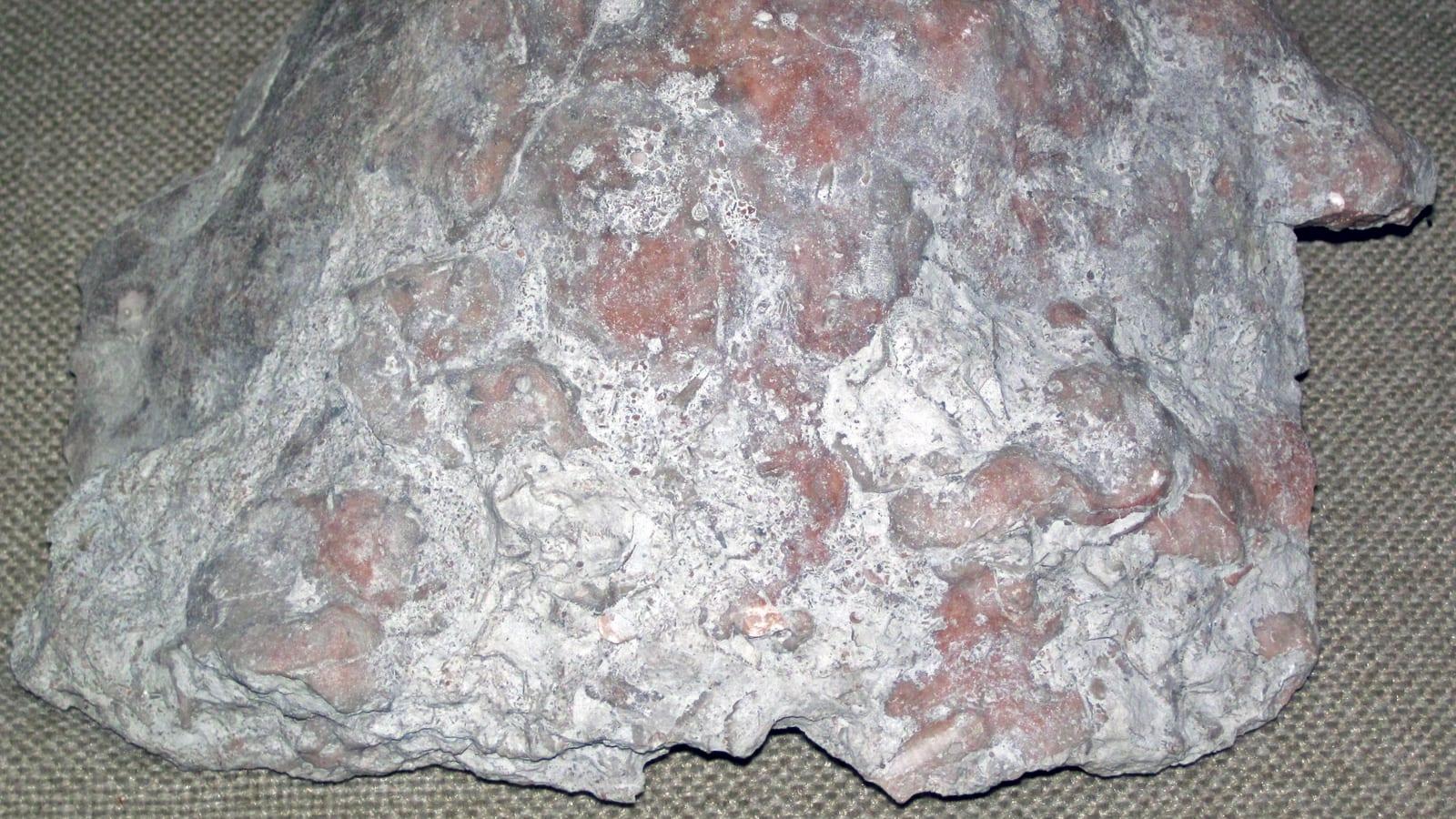
Oakes Quarry Park Fossil Hunting Guide
Ohio, United States
Brachiopods, Crinoids, Corals, Bryozoans
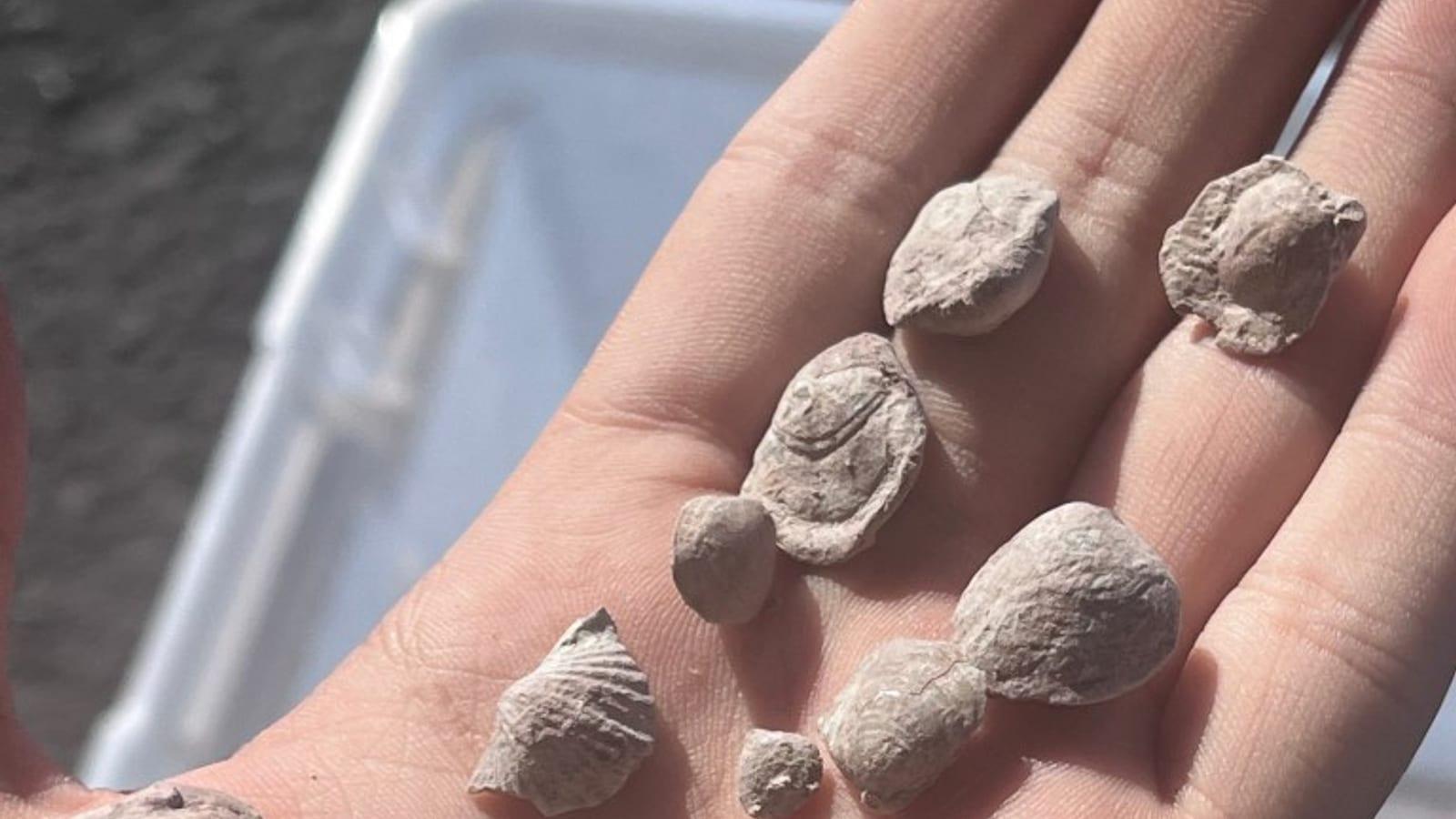
Paleo Site Monument in Arizona Fossil Hunting Guide
Arizona, United States
Brachiopods, Bivalves, Gastropods, Crinoids
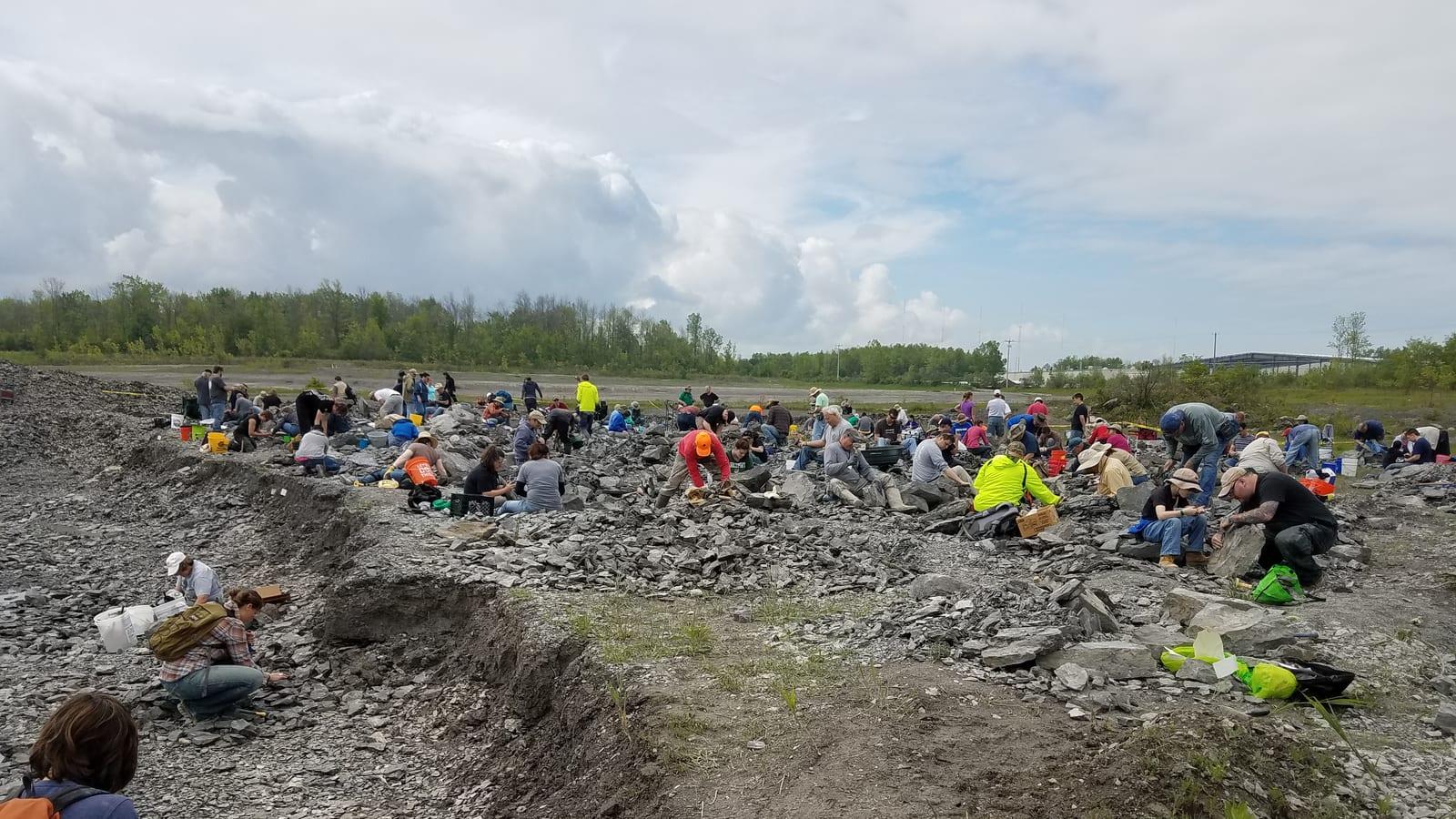
Penn Dixie Fossil Park & Nature Reserve Fossil Hunting Guide
New York, United States
Trilobites, Brachiopods, Crinoids, Bryozoans
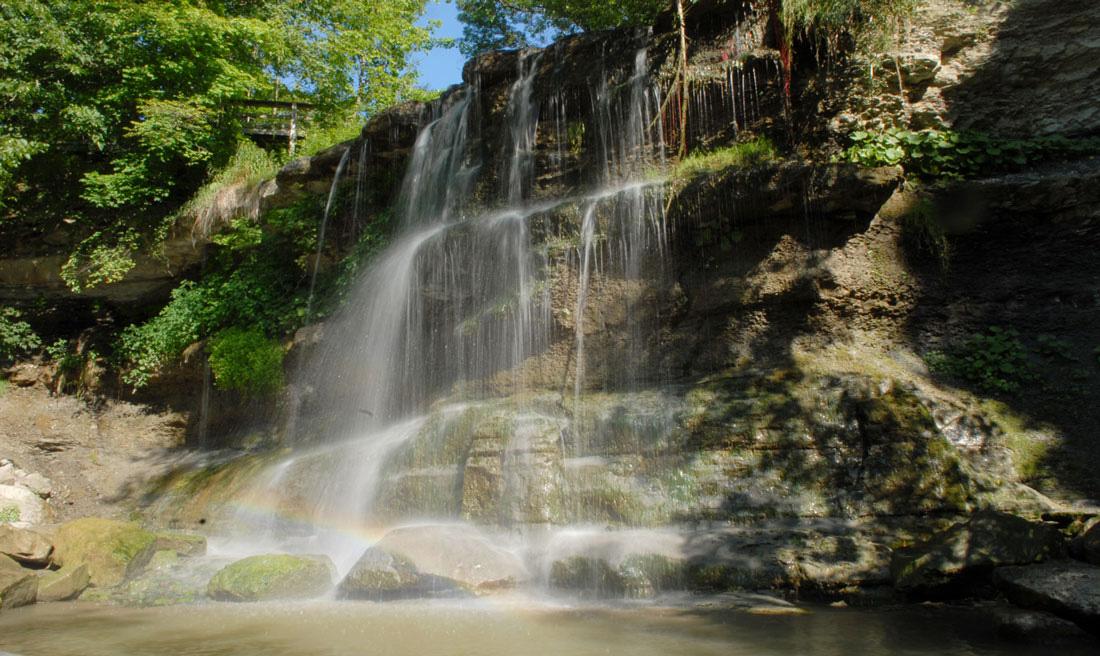
Rock Glen Conservation Area Fossil Guide
Ontario, Canada
Brachiopods, Horn corals, Crinoids, Phacops trilobites
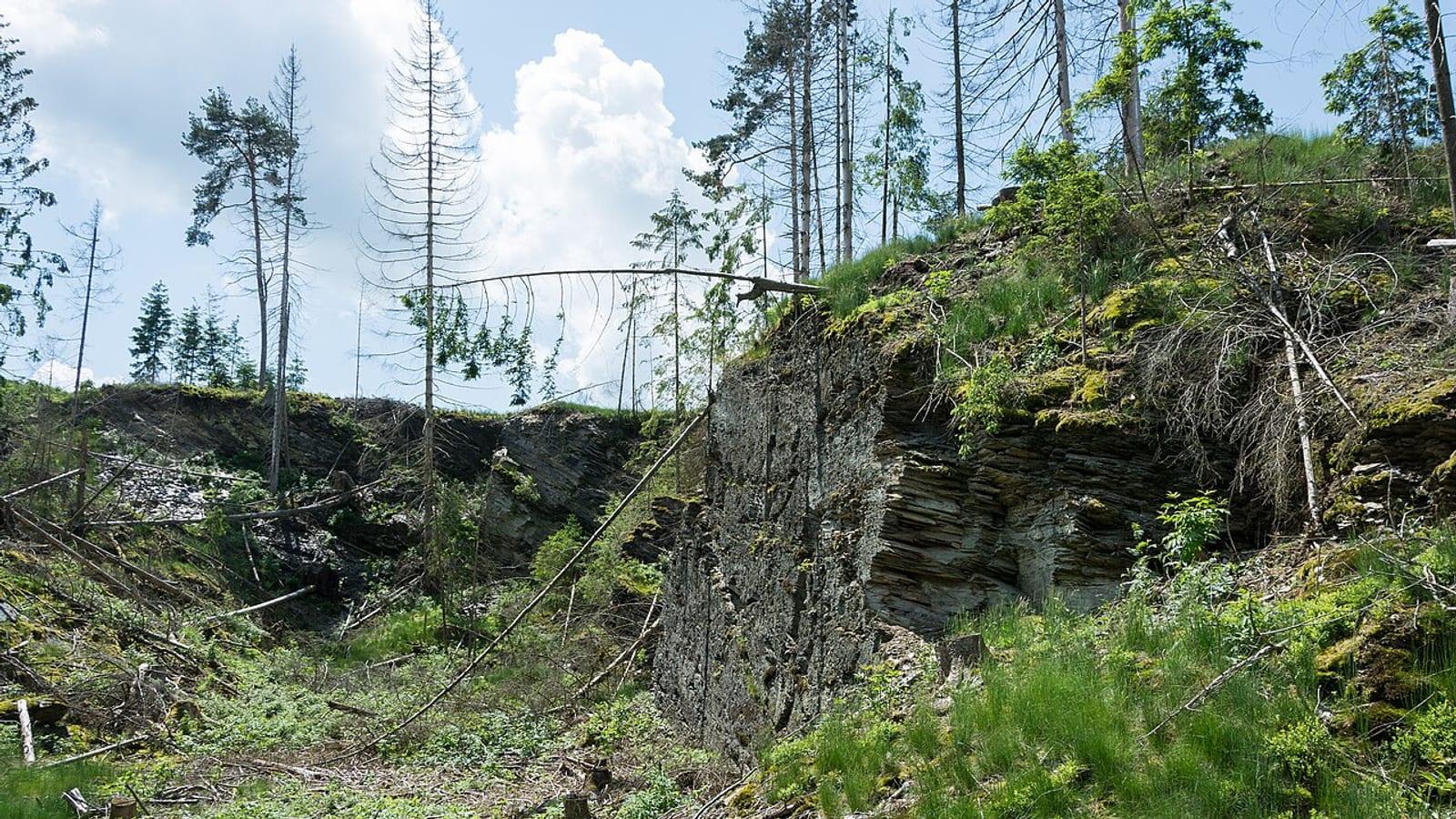
Schieferbruch Kromer Ohmden Posidonia Shale Fossil Hunting Guide
73099 Ohmden
Ammonites, Belemnites, Bivalves, Crinoid fragments
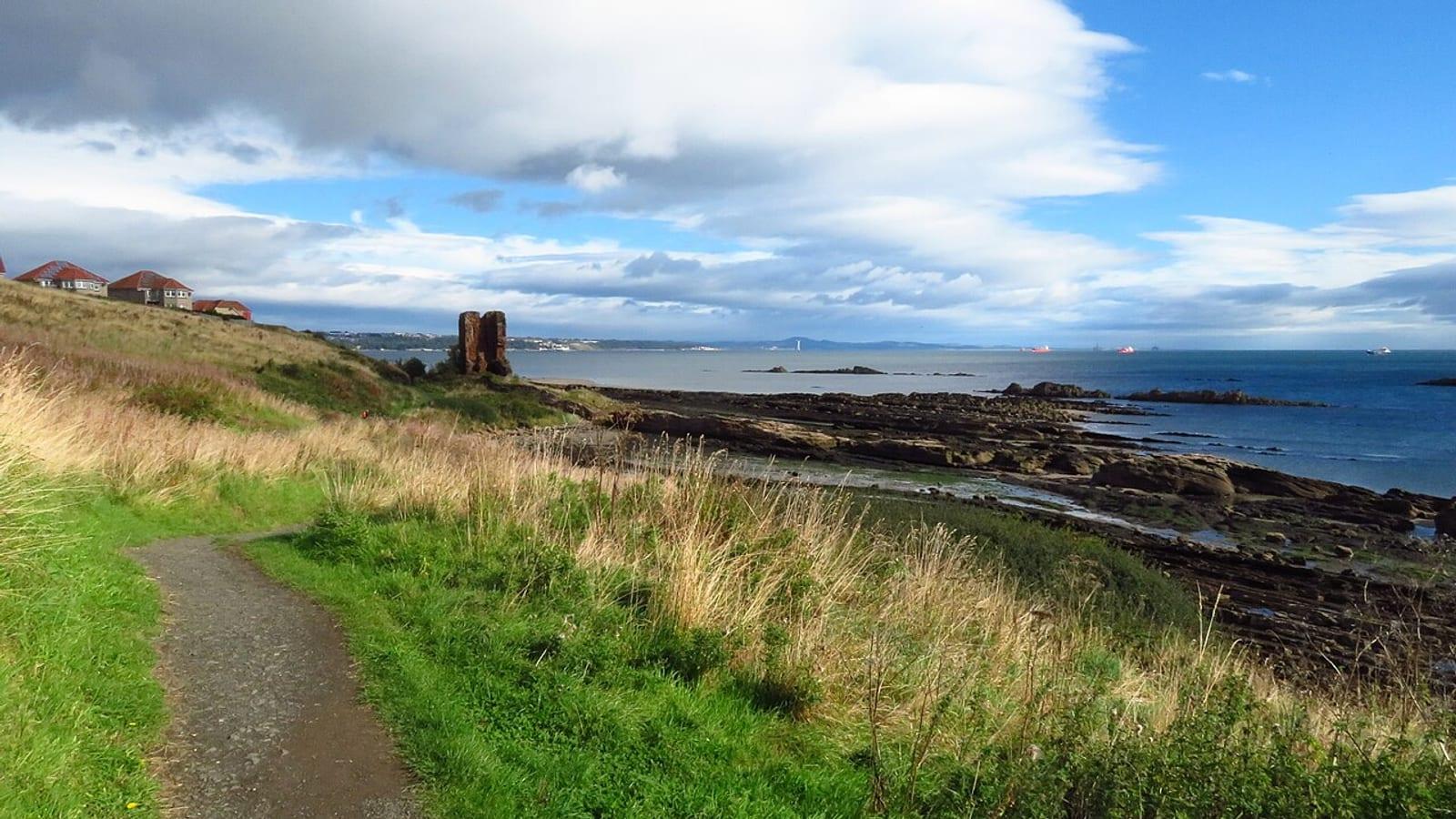
Seafield Tower Fossil Hunting Guide
United Kingdom
Crinoid stems, Bryozoans, Rugose and tabulate corals, Brachiopod shells
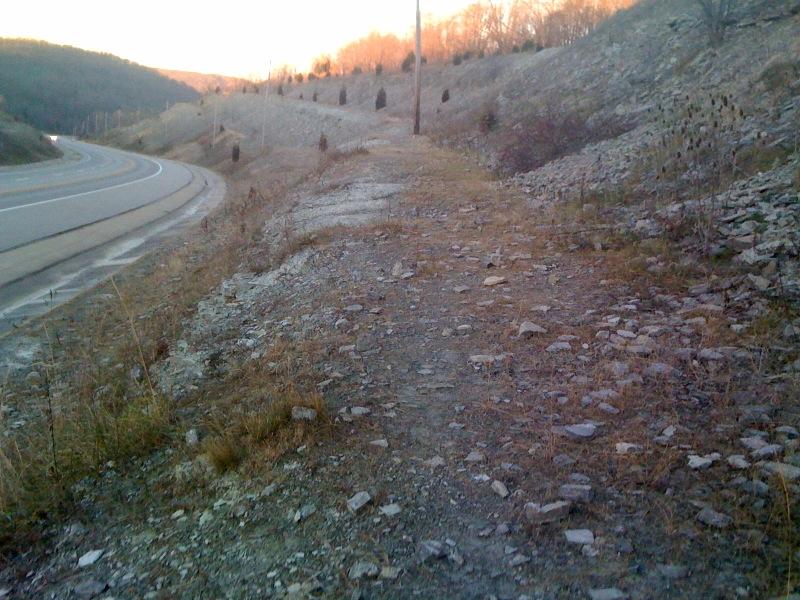
St. Leon Roadcut Fossil Hunting Guide
Indiana, United States
Brachiopods, Bryozoans, Crinoids, Horn corals
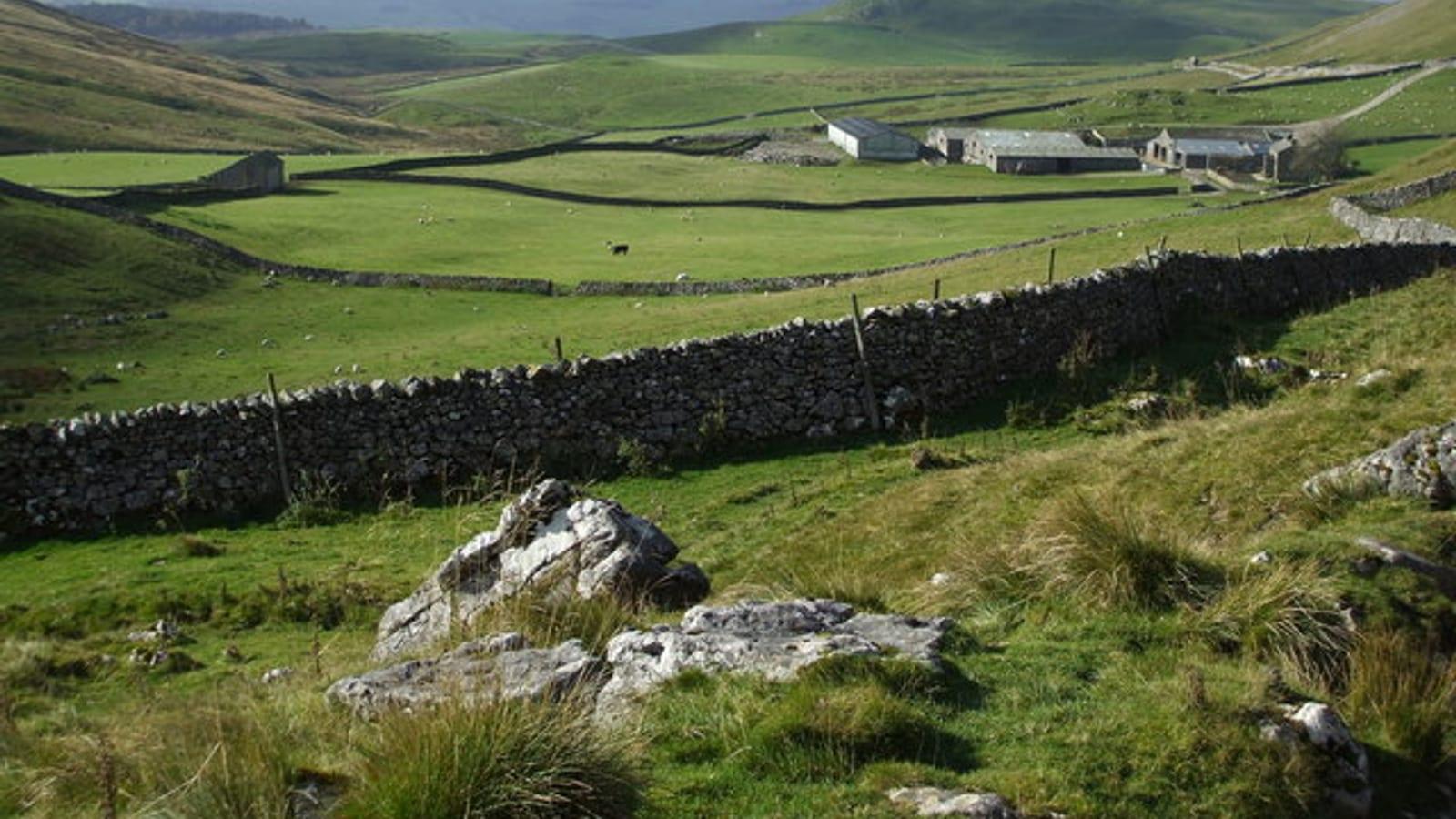
Stockdale Silurian Yorkshire Dales Fossil Hunting Guide
United Kingdom
Graptolites, Brachiopods, Trilobites, Crinoid columnals
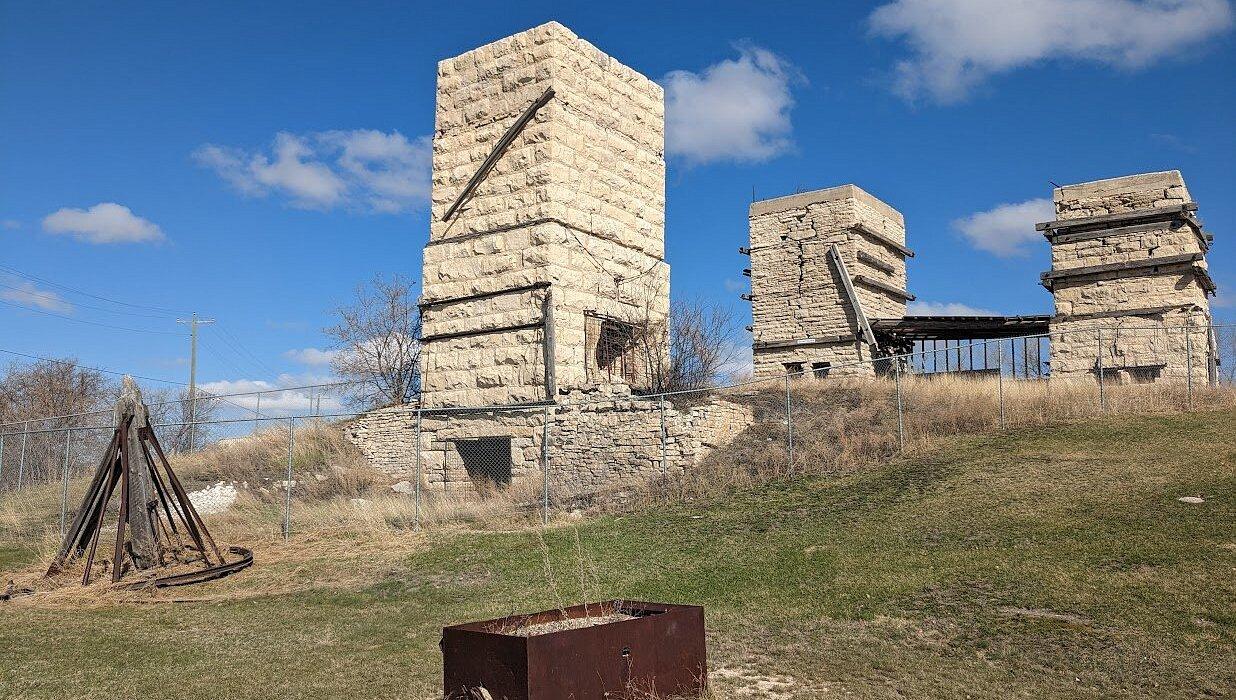
Stonewall Quarry Park Manitoba Fossil Hunting Guide
Manitoba, Canada
Cephalopods, Brachiopods, Trilobites, Crinoids
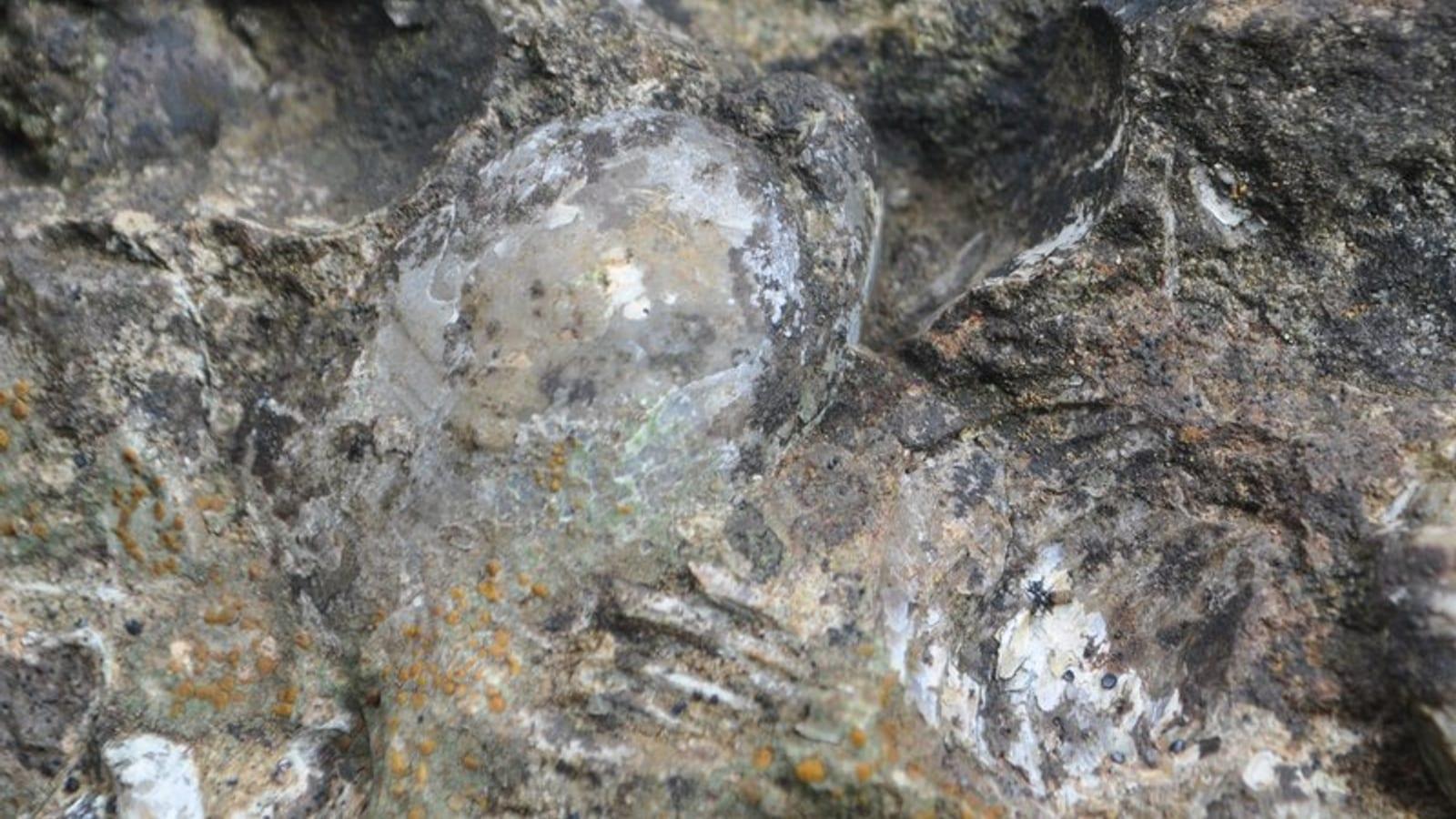
Timahdite Brachiopod Collecting Site Fossil Hunting Guide
Morocco
brachiopods, Spiriferid brachiopods, Terebratulid brachiopods, Crinoid columnals
Trammel Fossil Park Fossil Hunting Guide
Ohio, United States
Trilobites, Brachiopods, Crinoids, Corals
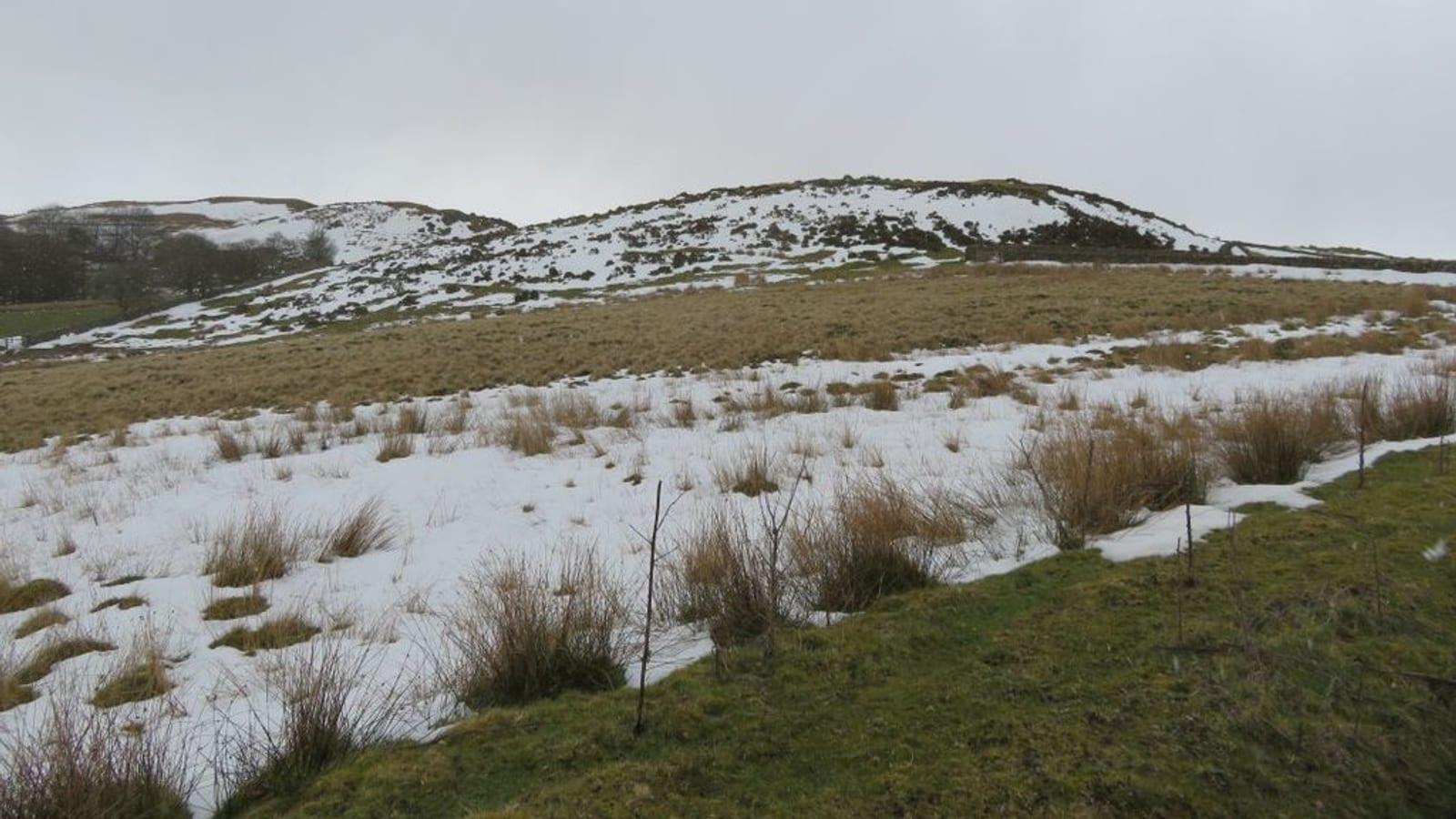
Upper Gilwern Hill Wales Fossil Hunting Guide
United Kingdom
Brachiopods, Solitary corals, Crinoid columnals, Bryozoans
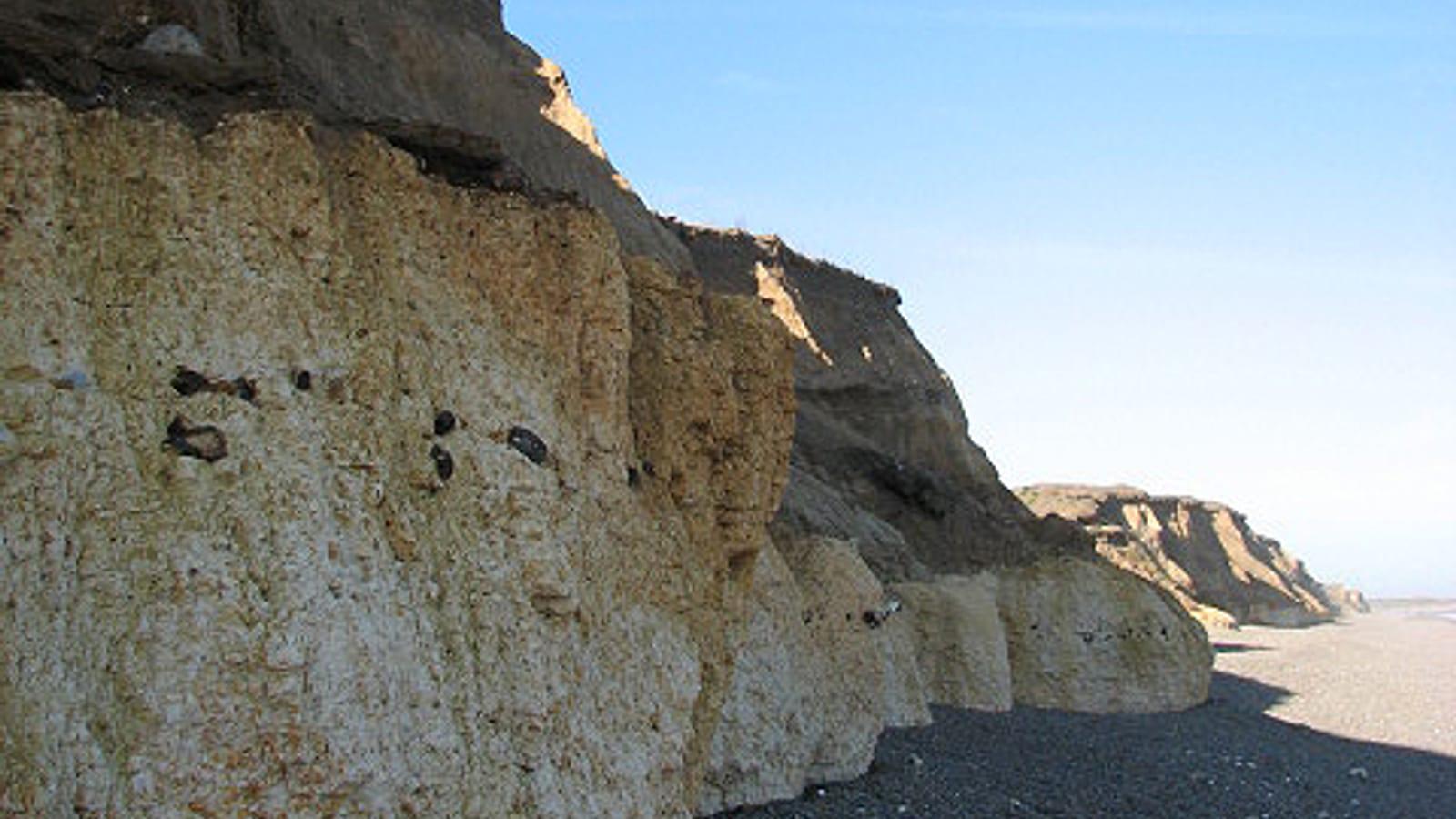
Vinnels Fossil Hunting Guide
England, United Kingdom
Brachiopods, Trilobites, Crinoids, Corals
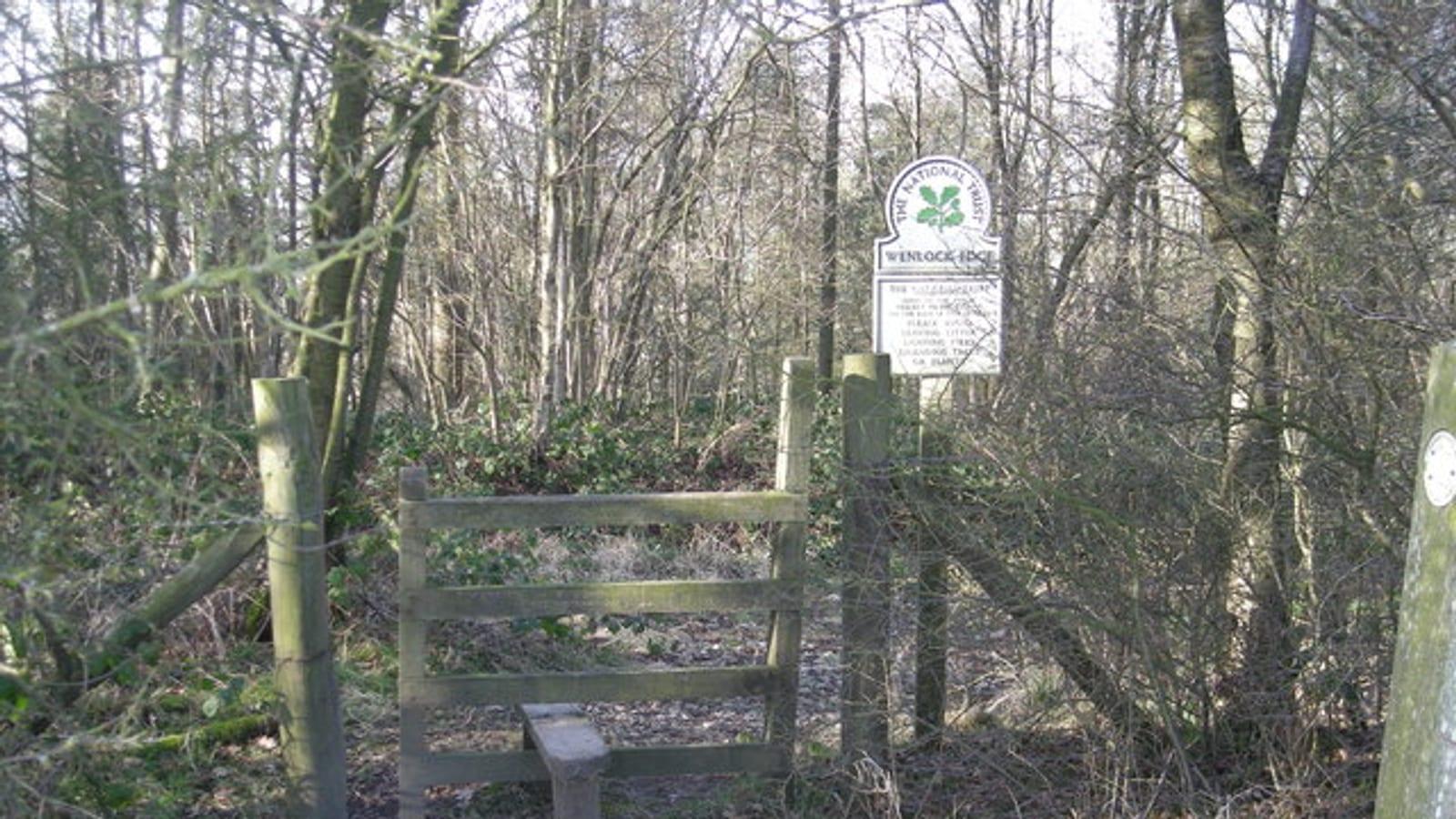
Wenlock Edge Presthope Shropshire Fossil Hunting Guide
United Kingdom
Crinoids, Corals, Brachiopods
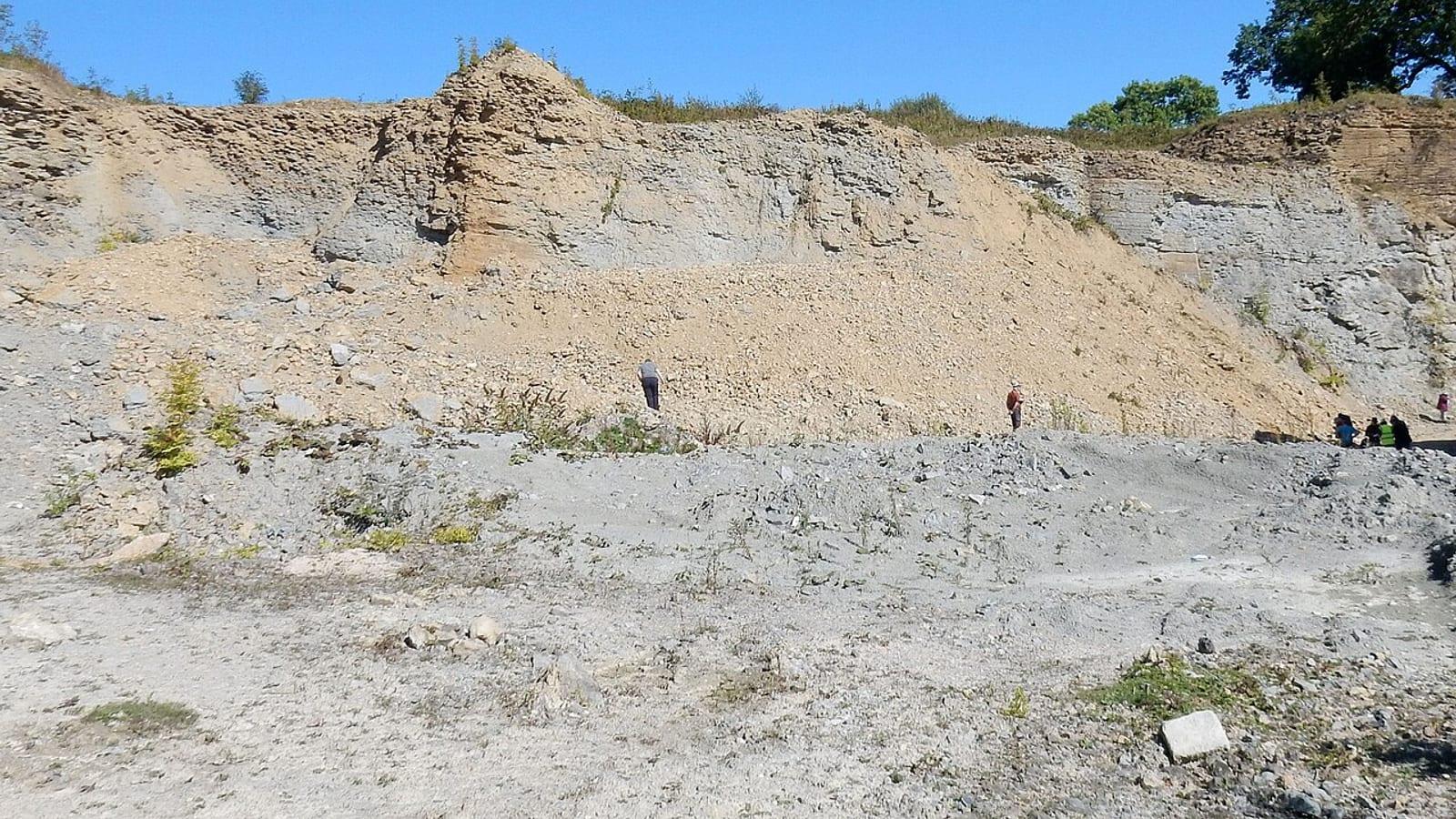
Wenlock Quarry Much Wenlock Shropshire Fossil Hunting Guide
United Kingdom
Corals, Brachiopods, Crinoids, Trilobites
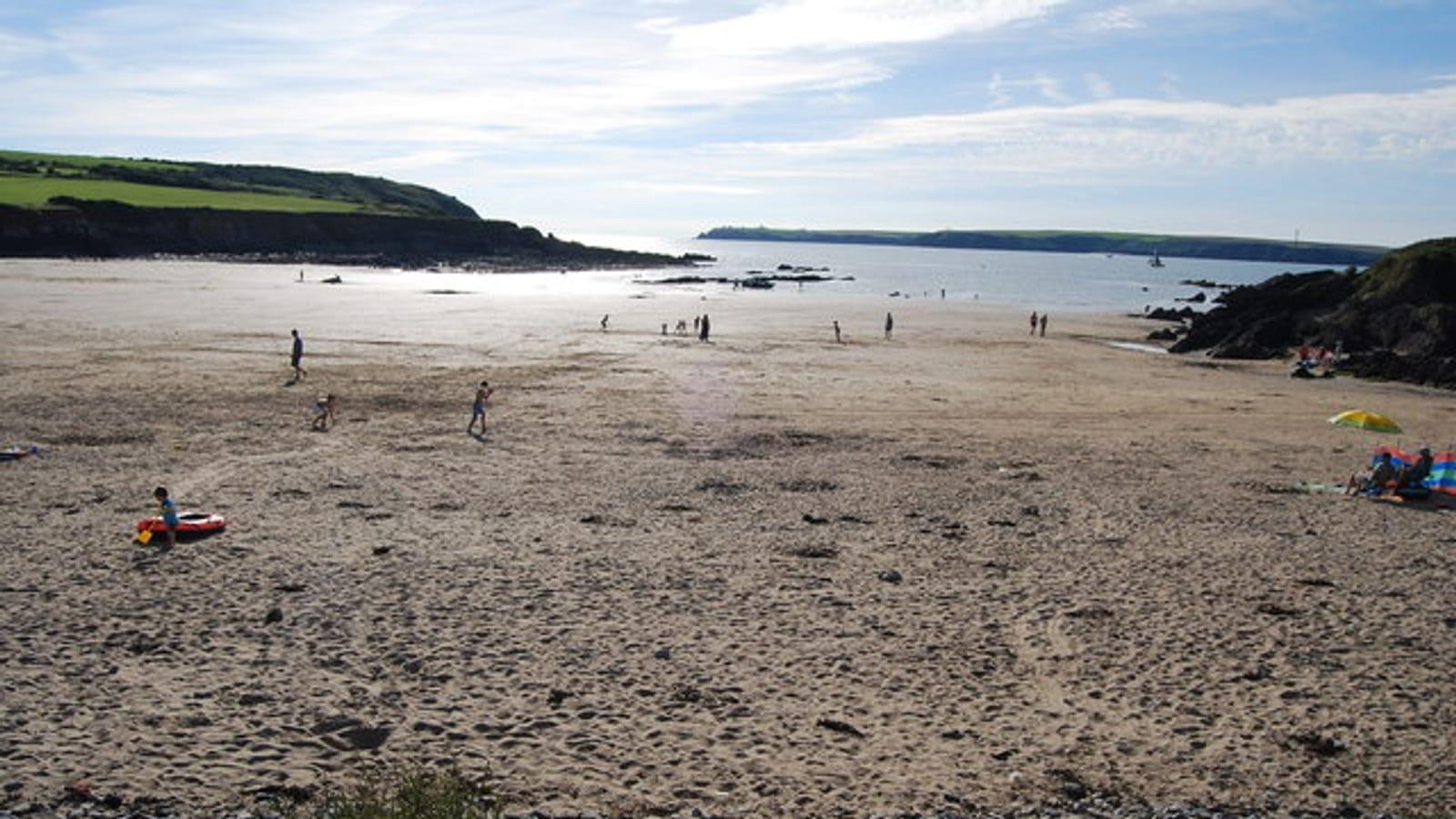
West Angle Bay Fossil Hunting Guide
United Kingdom
Crinoid ossicles, Bryozoa, Corals, Brachiopods
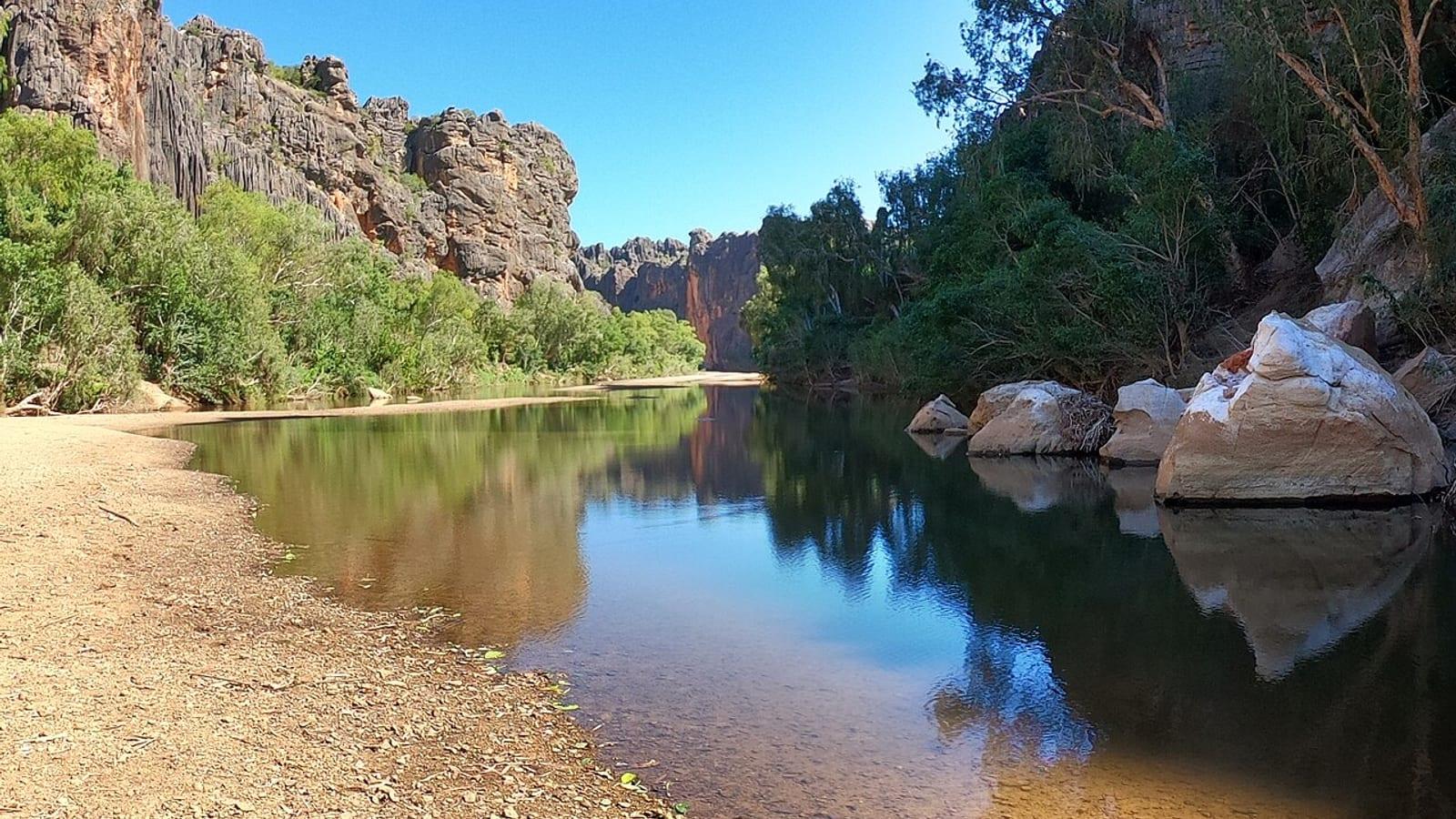
Windjana Gorge Geikie Gorge Kimberley Fossil Hunting Guide
Australia
corals, stromatoporoids, brachiopods, crinoid
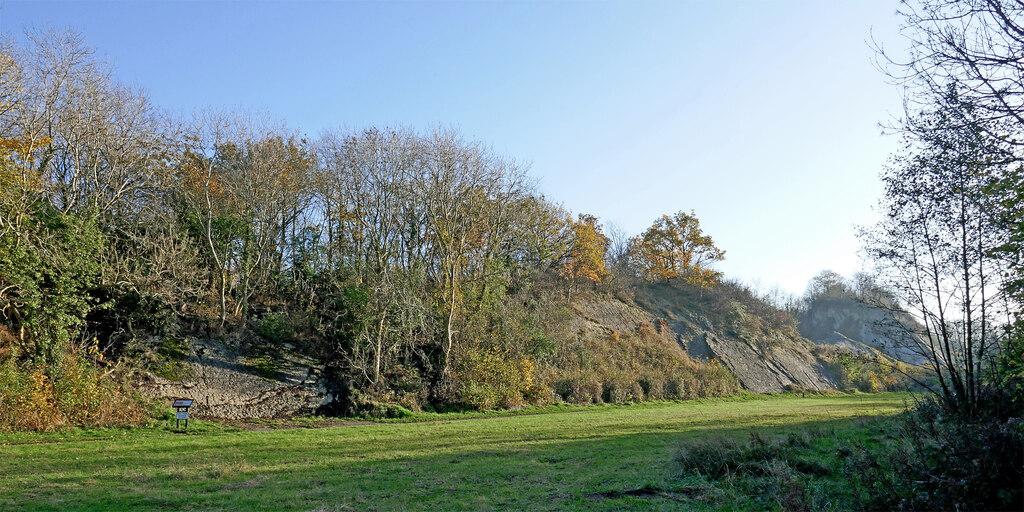
Wren's Nest National Nature Reserve Fossil Guide
England, United Kingdom
Trilobites, Calymene (Dudley Bug), Brachiopods, Crinoids
Frequently asked questions
- What do crinoid fossils look like?
- Complete crinoid fossils are uncommon. Most crinoid material you will find consists of isolated stem ossicles — the disc-shaped segments that made up the long stalk anchoring the animal to the seafloor. These range from 3 to 15 mm across and typically have a five-petalled star pattern on their faces and a central hole (the lumen) where the stalk nerves and water-vascular tissue ran. Ossicles are so common in Carboniferous limestone that they are sometimes called 'St Cuthbert's beads' in the UK. Complete crowns — the feeding arms and calyx (head) — are far rarer because they disarticulate rapidly after death. The best-preserved complete crinoids come from Carboniferous sites in Crawfordsville, Indiana, and from Jurassic limestone quarries in Germany.
- Where can I find crinoid fossils?
- Crinoid stem ossicles are among the most common fossils in any Carboniferous limestone. Mineral Wells Fossil Park in Palo Pinto County, Texas (Pennsylvanian, free) produces abundant crinoid stems alongside brachiopods and corals. Caesar Creek State Park in Ohio (Ordovician, Army Corps spillway) yields crinoid material alongside trilobites and brachiopods. In the UK, Carboniferous limestone exposures in the Peak District, the Mendips, and South Wales regularly produce crinoid ossicles. Complete or near-complete crinoid crowns, which require exceptional preservation, are commercial rarities sold by specialist fossil dealers — they are not realistic field finds at most accessible public sites.
- Are crinoids extinct?
- No — crinoids are still alive today. Approximately 600 living species exist, divided between stalked sea lilies (which anchor to the seafloor) and free-moving feather stars (comatulids). Living stalked crinoids were long thought to be restricted to deep water, but they have since been documented in shallow tropical settings in Papua New Guinea and other locations. The fossil record for crinoids extends from the Ordovician (approximately 480 Ma) to the present, with peak diversity in the Carboniferous when dense meadows of crinoids covered shallow sea floors globally. The end-Permian mass extinction severely reduced crinoid diversity, and the modern fauna represents a recovery from that event over the subsequent 250 million years.