Country
Fossil hunting in Denmark
Denmark's fossil sites split into two distinct stories: the chalk-and-flint of Stevns Klint and Møns Klint (Late Cretaceous to Paleogene, including the K-Pg boundary itself), and the Eocene fish and insect beds of Fur Island in the north.
The K-Pg boundary at Stevns Klint is a UNESCO World Heritage Site. The thin clay layer marking the asteroid impact 66 million years ago is visible in the cliff face — collectors can sift the beach for sea urchins and bryozoans from both sides of the extinction event.
Fur Island (Mors), in the Limfjord, exposes the Fur Formation: Eocene mo-clay (moler) preserving exceptionally complete fish and insect fossils. The Fur Museum offers commercial collecting day-trips that include preparation training.
Top picks: Stevns Klint Højerup (K-Pg boundary, free); Møns Klint (Late Cretaceous chalk, free); Fur Museum dig (Eocene fish and insects, fee); Faxe Quarry (Paleocene corals, free with permission).
16 fossil sites
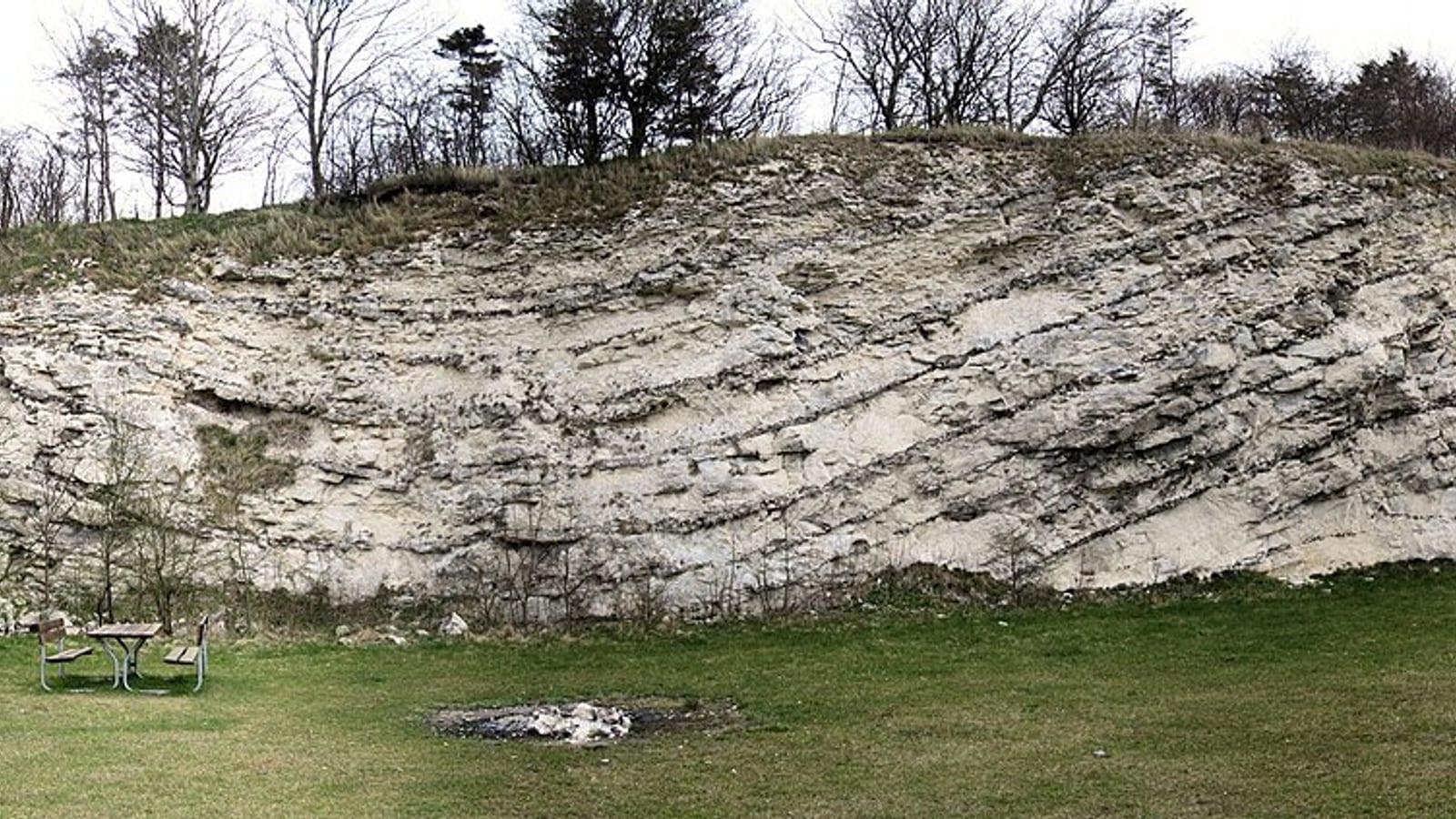
Boesdal Beach Stevns Klint Fossil Hunting Guide
Denmark
Belemnites, Sea urchin, Brachiopod, bryozoan
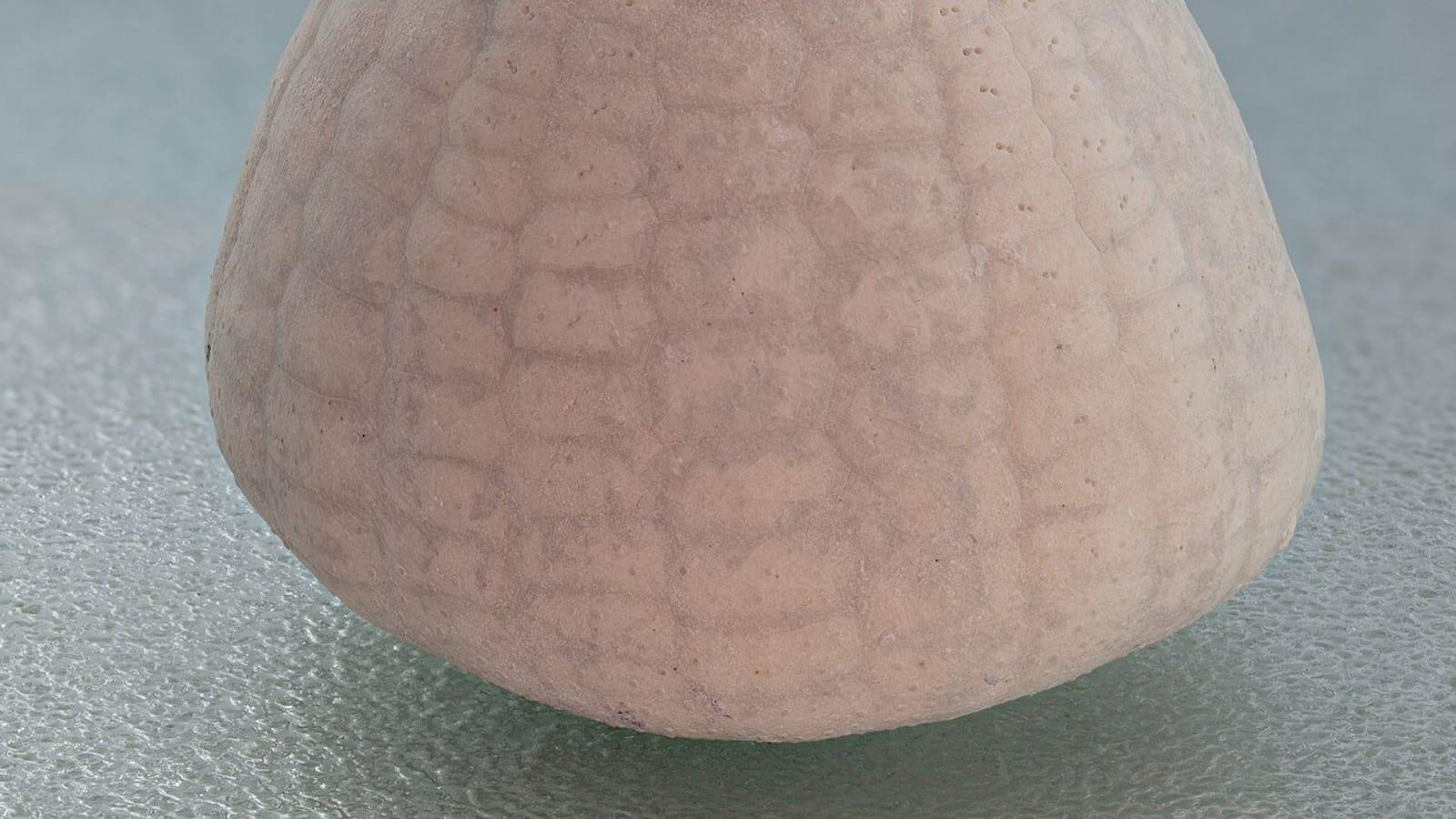
Dalbyover Quarry Fossil Hunting Guide
Denmark
Bryozoans, Sea urchins, Brachiopods, bivalves
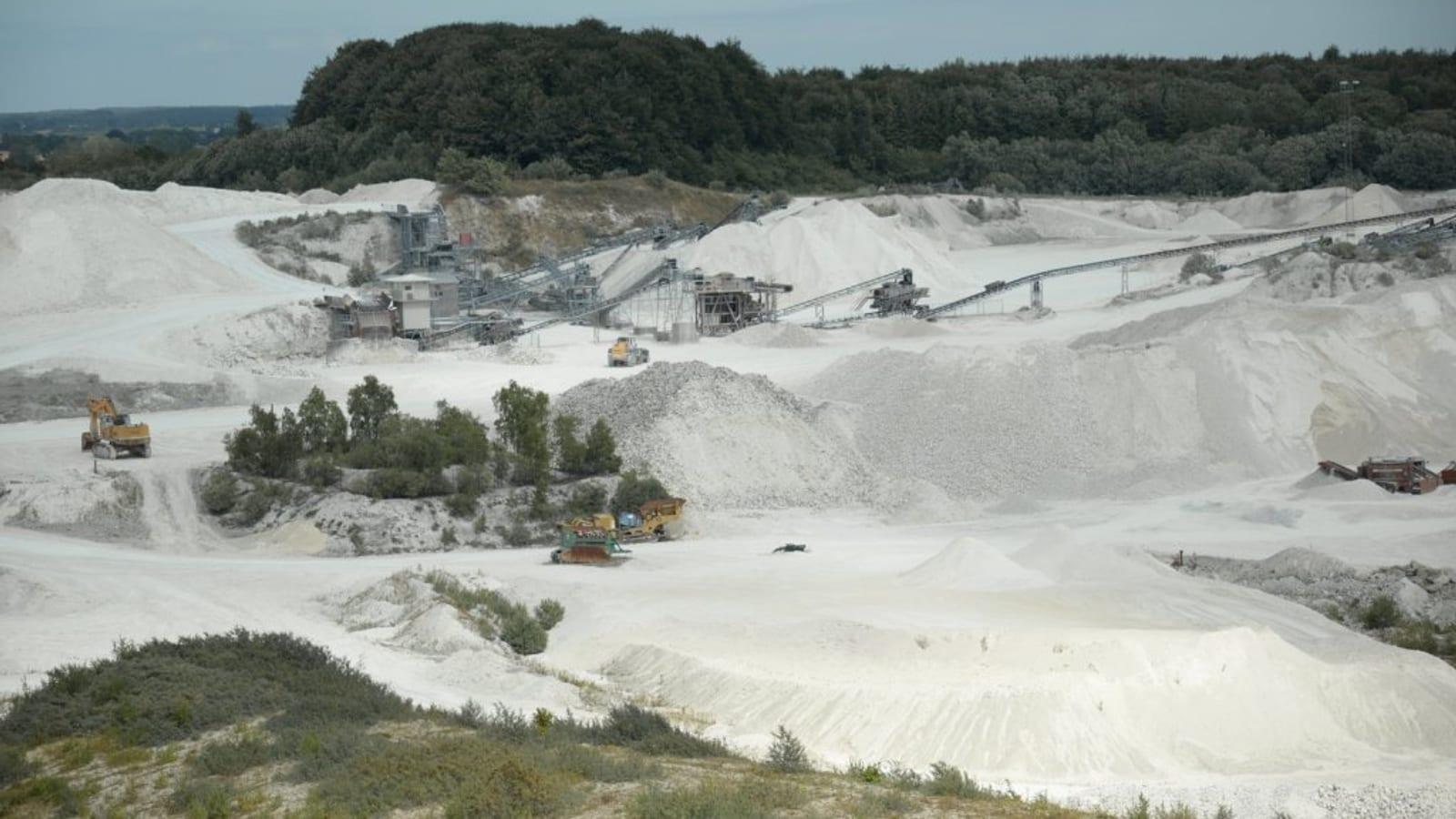
Faxe Quarry South Area Fossil Hunting Guide
Denmark
Corals, Crabs, Bryozoans, Bivalves
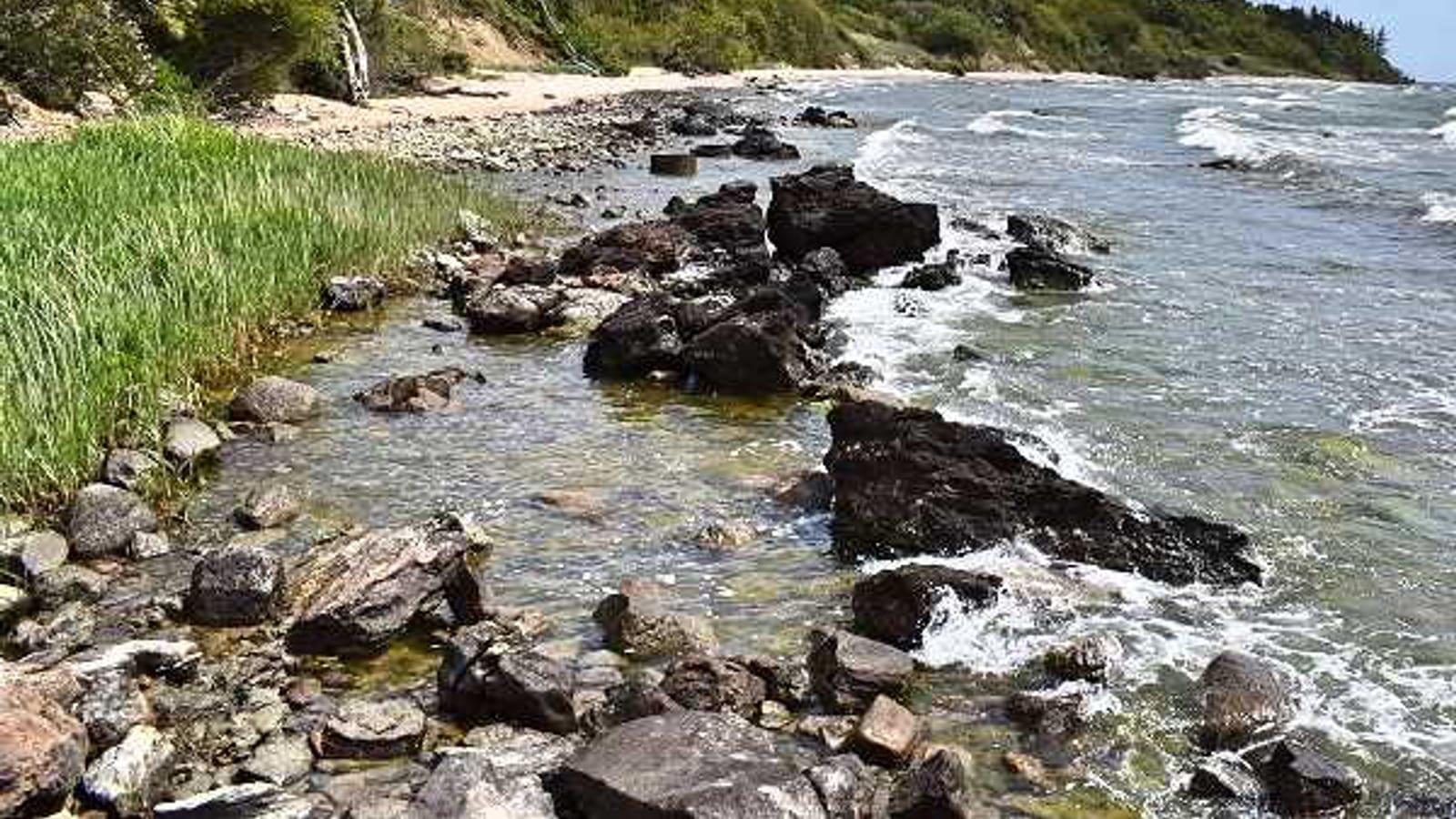
Find Campanian Fossils at Arnager Beach Bornholm Fossil Hunting Guide
Denmark
Sponges, Ammonites, Echinoids, Brachiopods
Fur Island Knudeklinterne Fossil Hunting Guide
Denmark
N/A
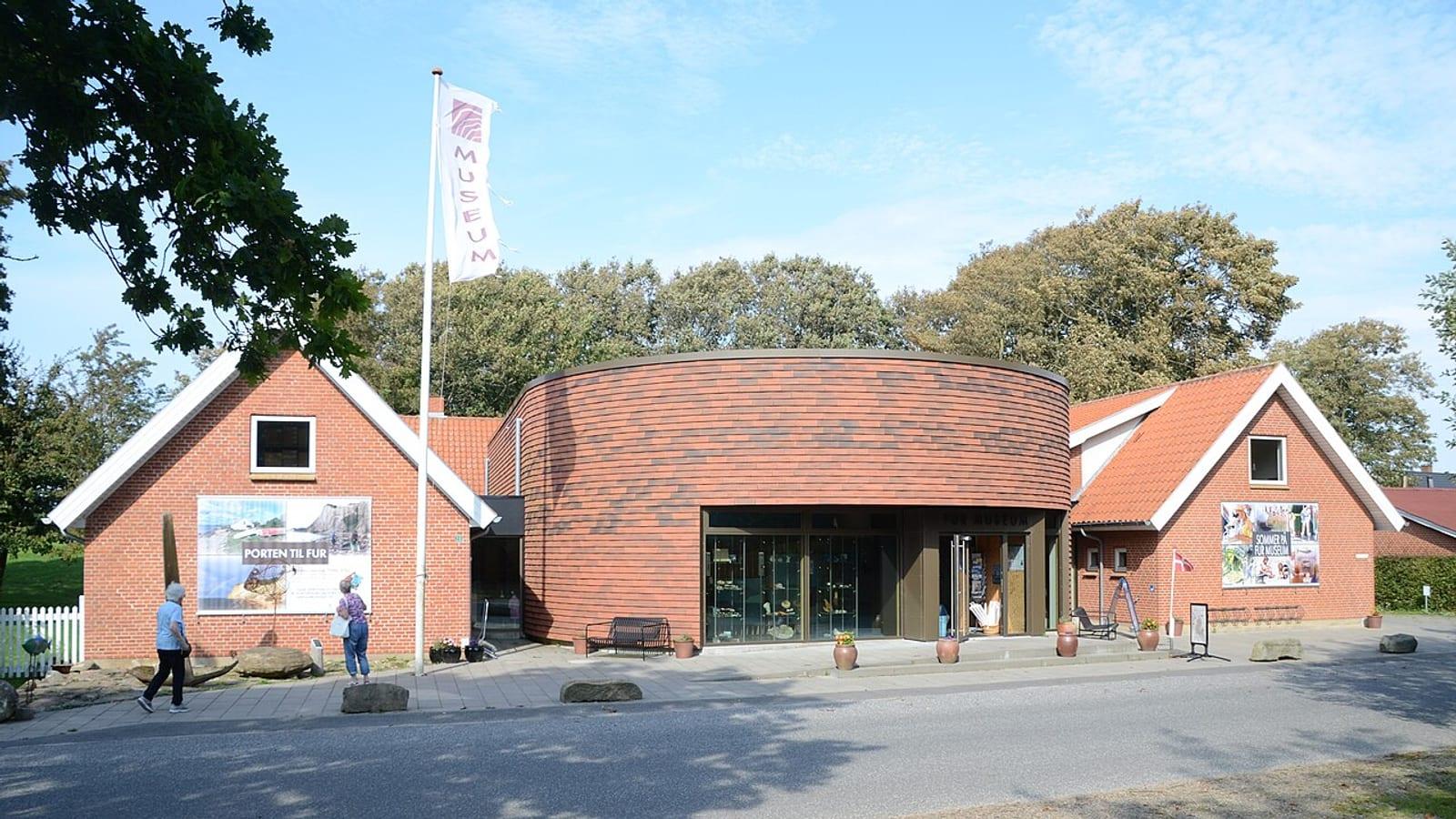
Fur Museum Dig Eocene Fish Insect Fossils Fossil Hunting Guide
7884 Fur
Fish, Insects, Plant fossils
Gram Clay Pit - Fish Fossils Found in Fossil Hunting Guide
Denmark
Shark Teeth, Megalodon
Katbjerg Odde Mariager Fjord Fossil Hunting Guide
Denmark
Bryozoans, Sea urchins, Brachiopods, bivalves
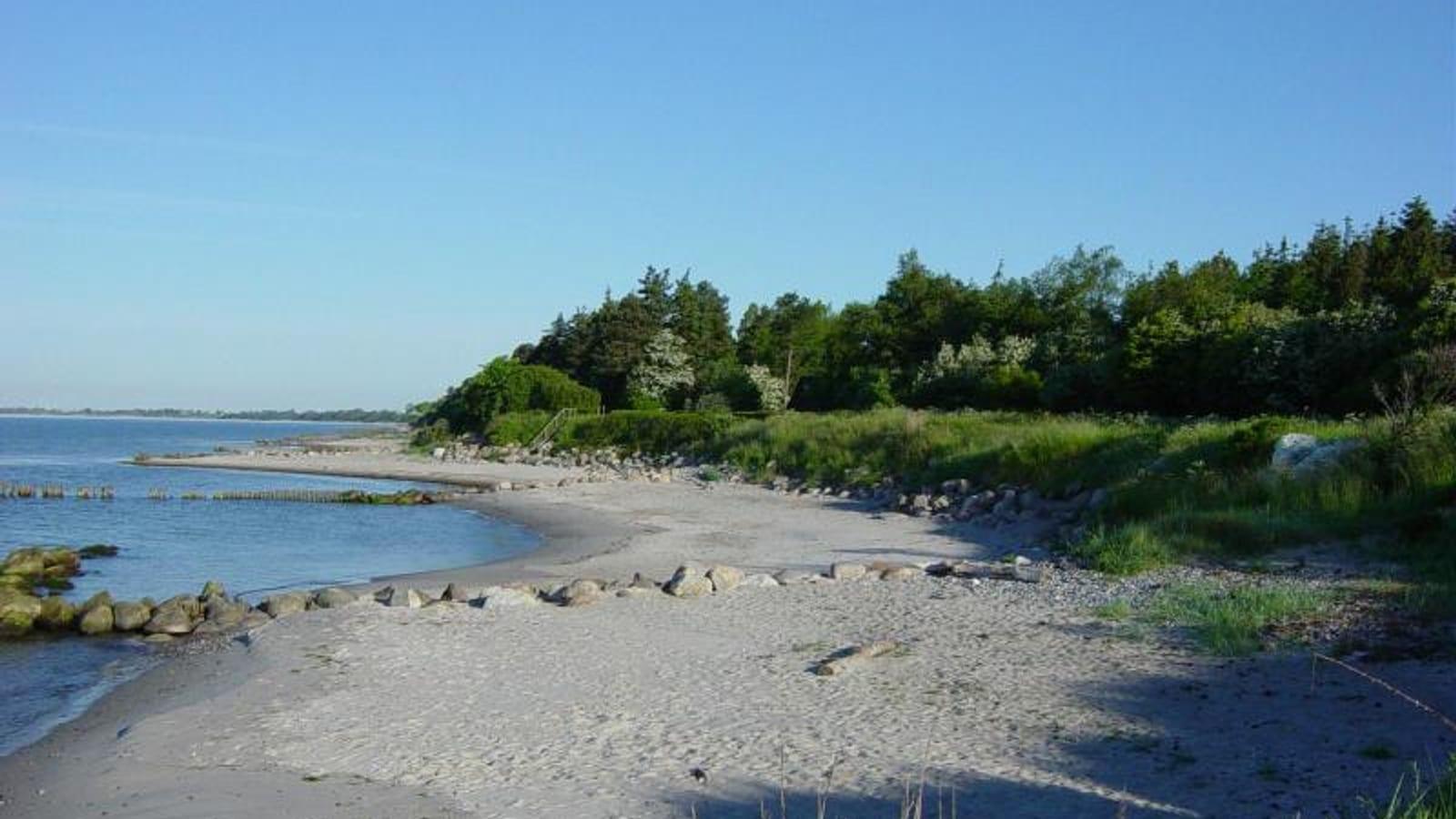
Liselund Park Mons Klint Beach Access Fossil Hunting Guide
4791 Borre
Belemnites, Sea urchin, Brachiopod, Bryozoan
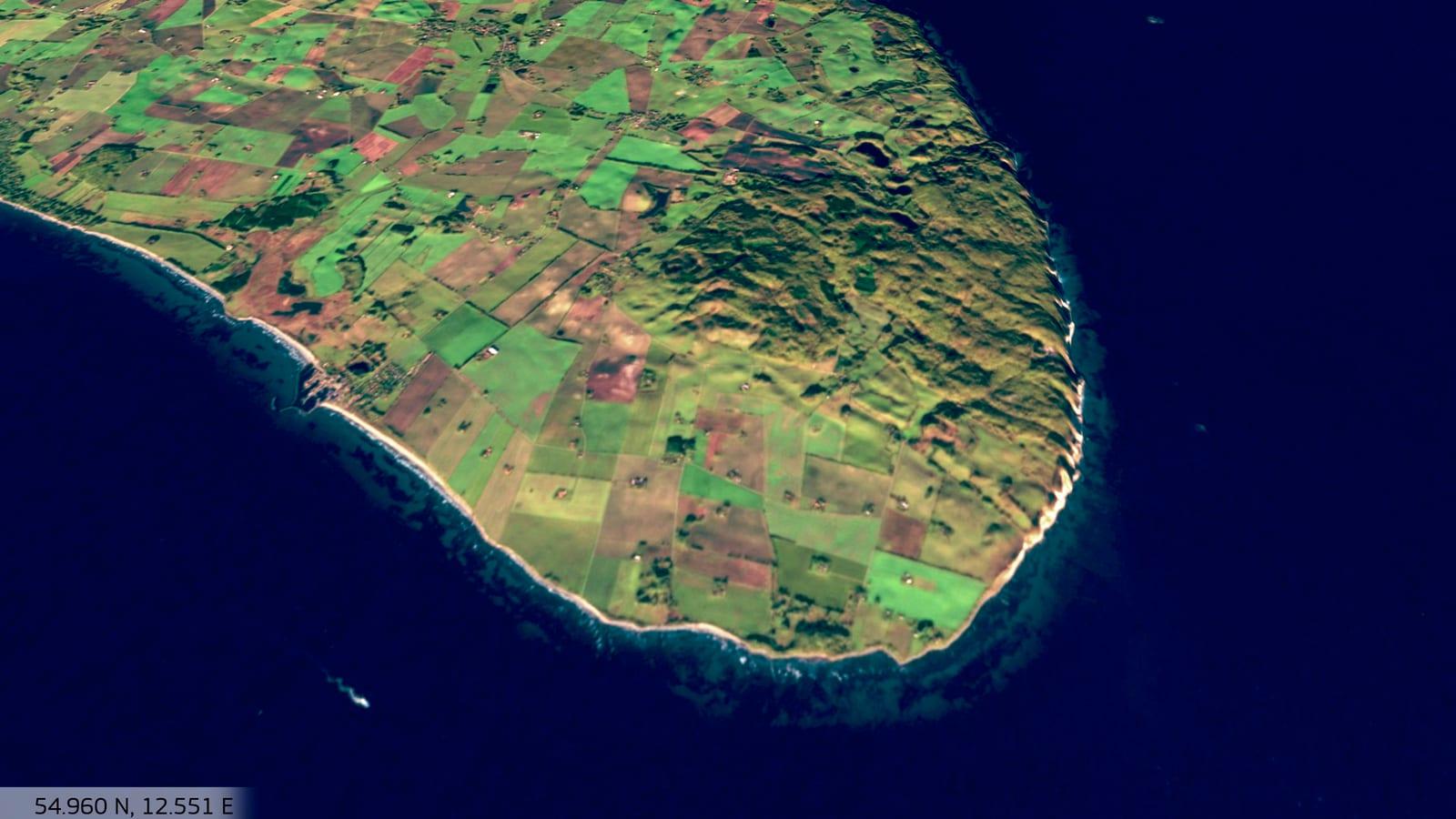
Mons Klint Beach Fossil Hunting Guide
Denmark
Møns Klint, Belemnites, Sea urchin, Brachiopods
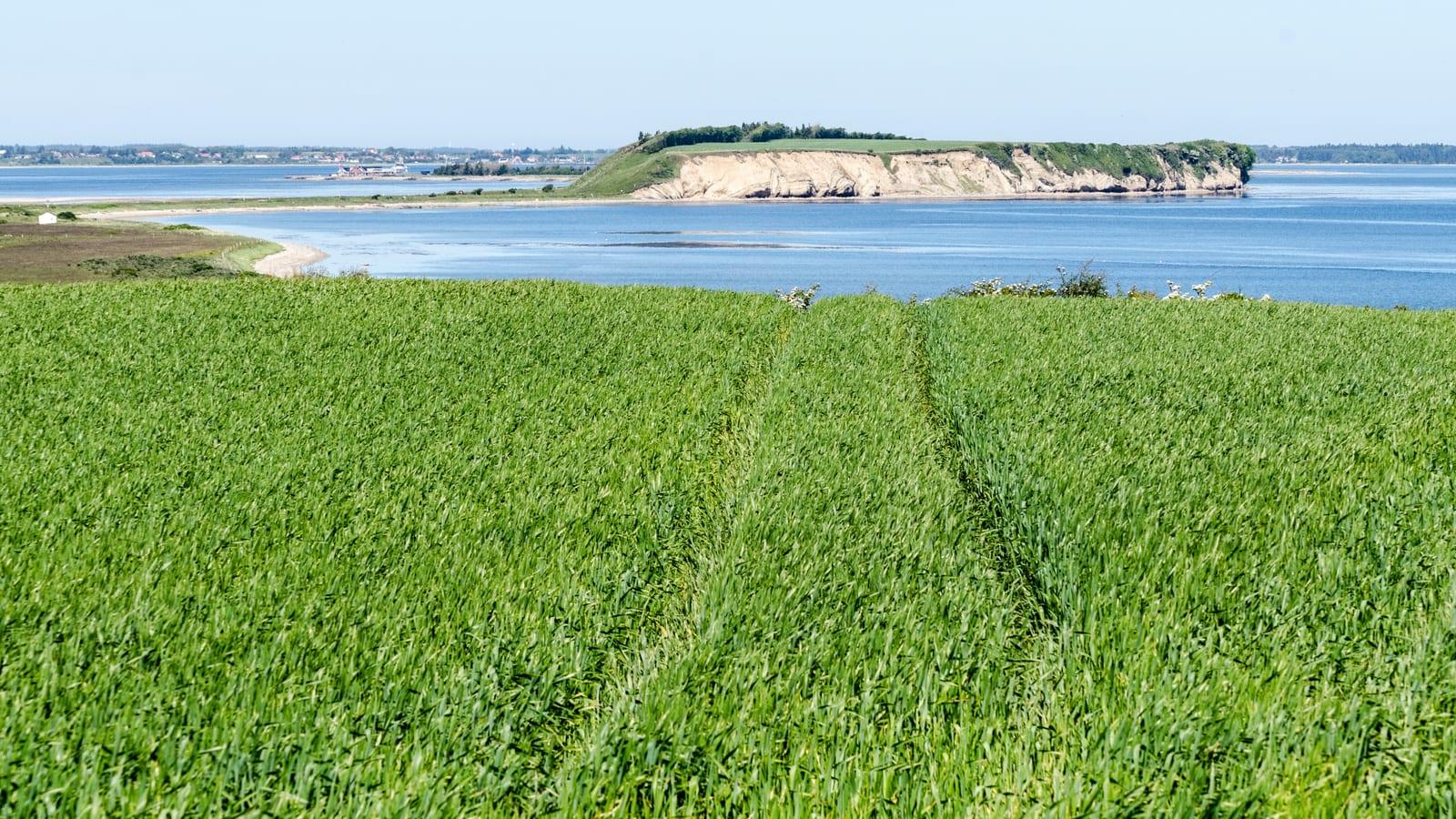
Mors Island Moler Museum Eocene Fossil Digging Fossil Hunting Guide
7900 Nykobing Mors
Fish, Insects, Plant fossils
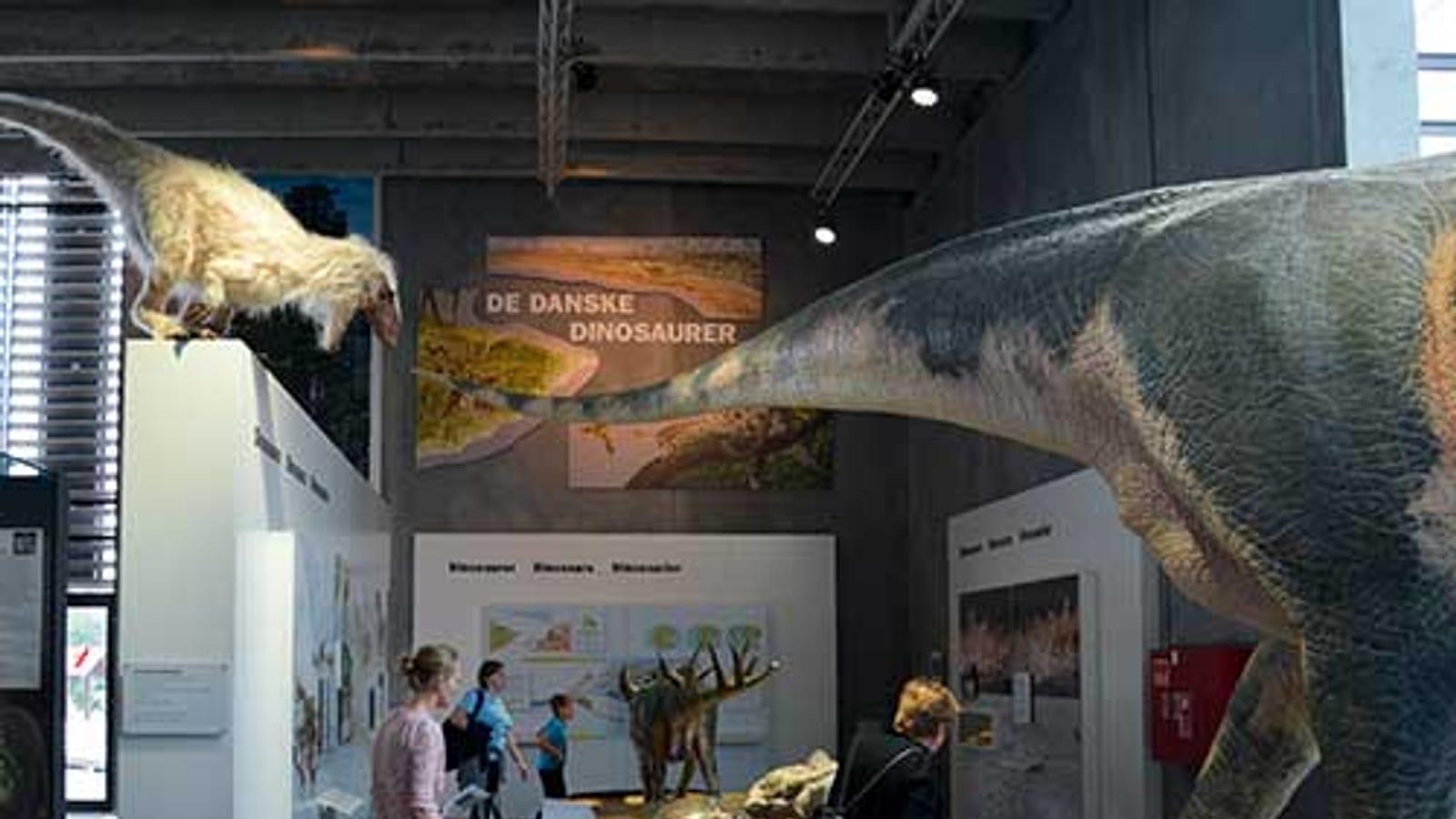
Robbedale Gravel Pit Fossil Hunting Guide
Denmark
Theropod dinosaur teeth, Ornithopod dinosaur teeth, Crocodyliform teeth, Fish teeth and scales
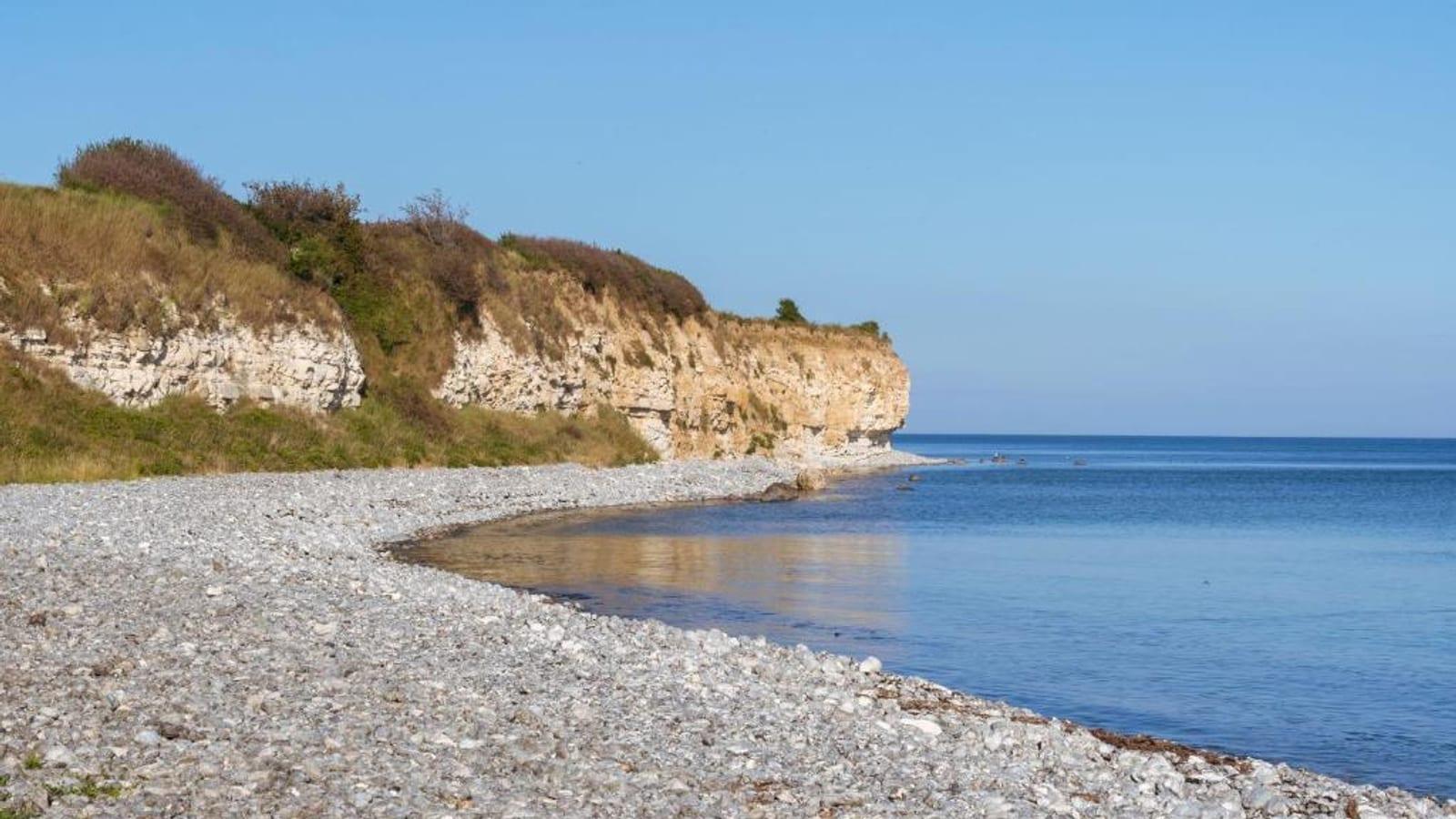
Rødvig Beach Fossil Hunting Guide
Zealand, Denmark
Belemnites, Sea Urchins, Brachiopods, Bryozoans
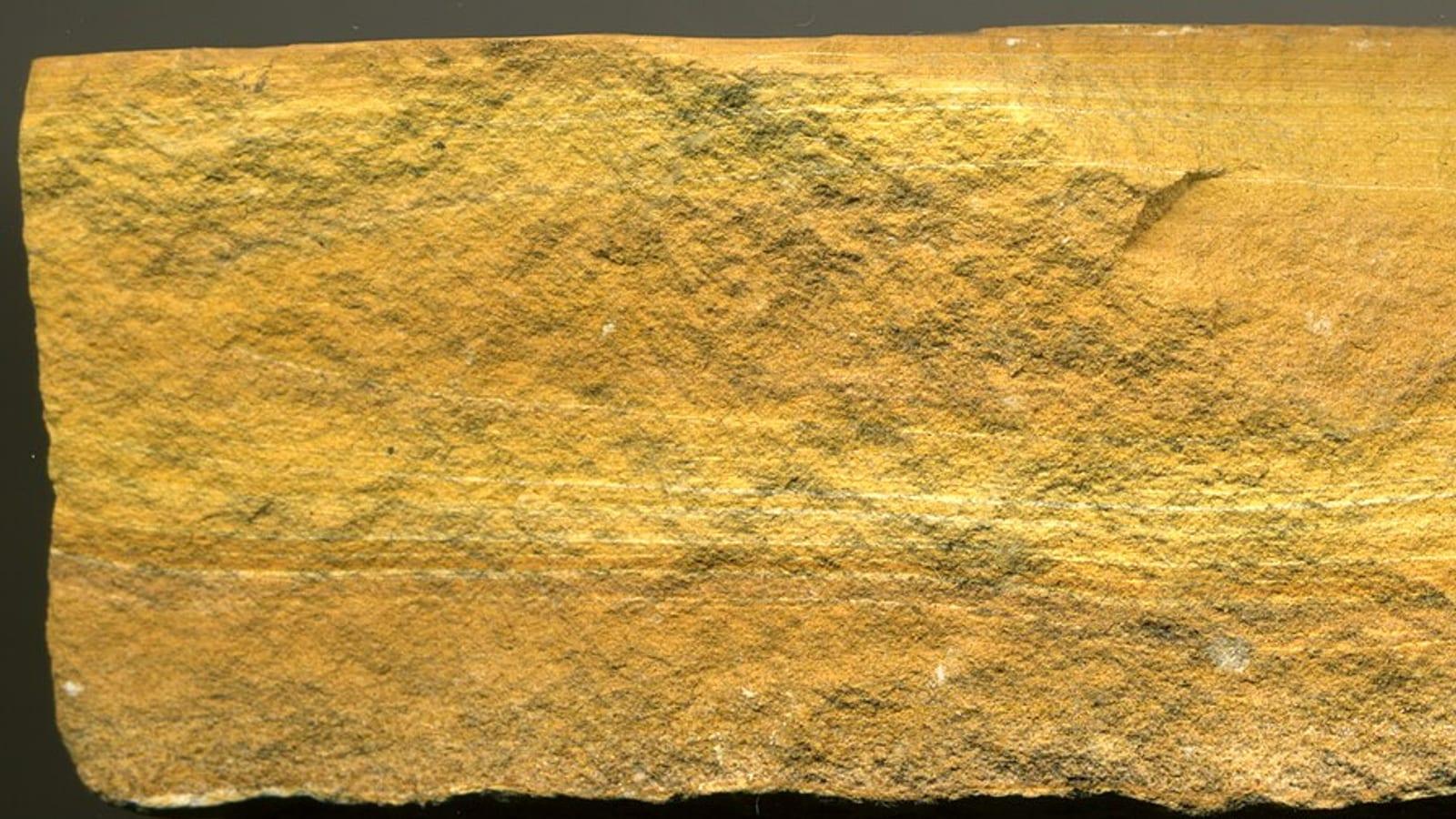
Stendalgraven Quarry Fur Island Fossil Hunting Guide
Denmark
N/A
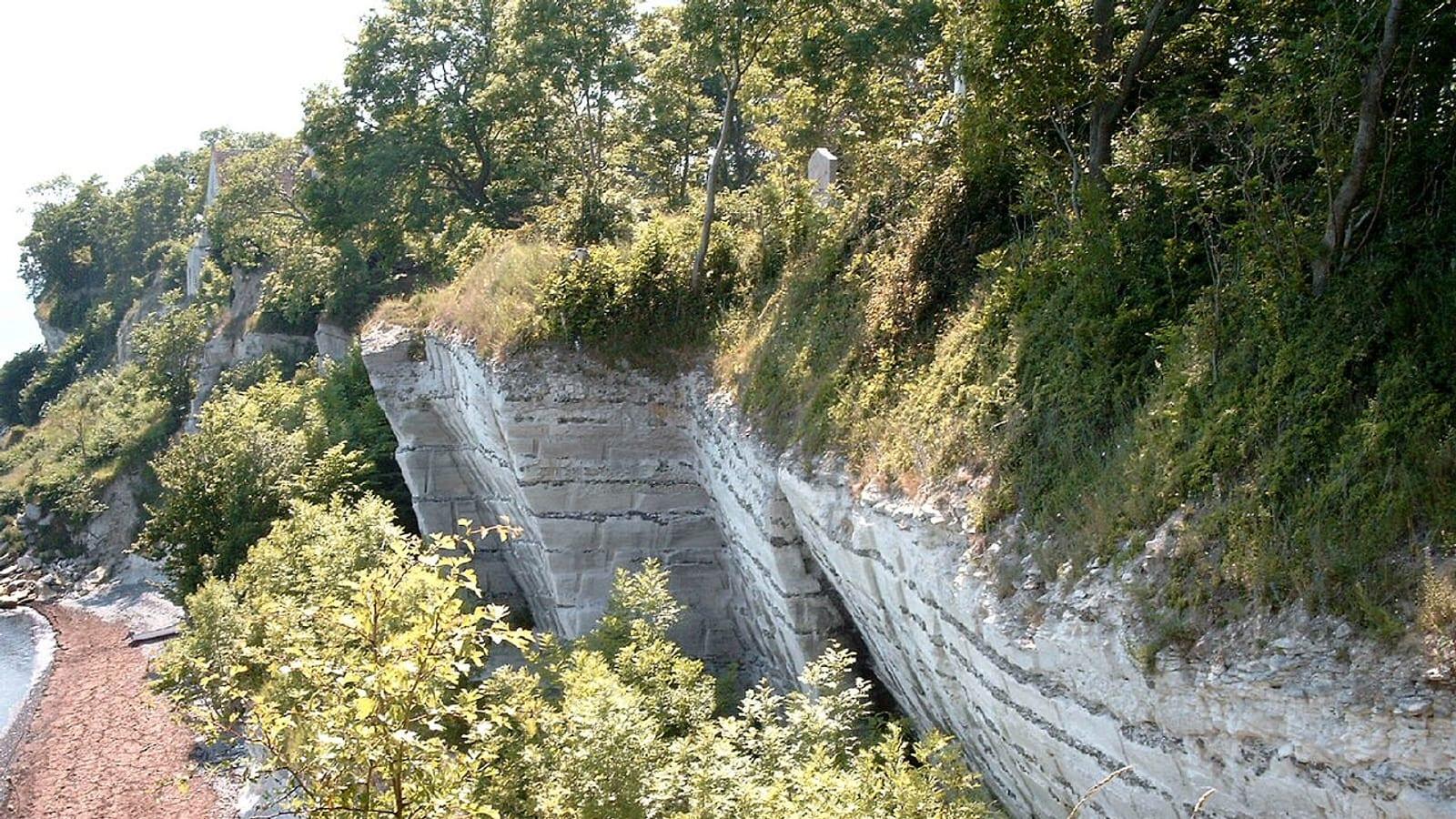
Stevns Klint Hoejerup k pg Boundary Fossils Fossil Hunting Guide
4660 Store Heddinge
Højerup Church, Belemnites, Sea urchin, Bryozoan
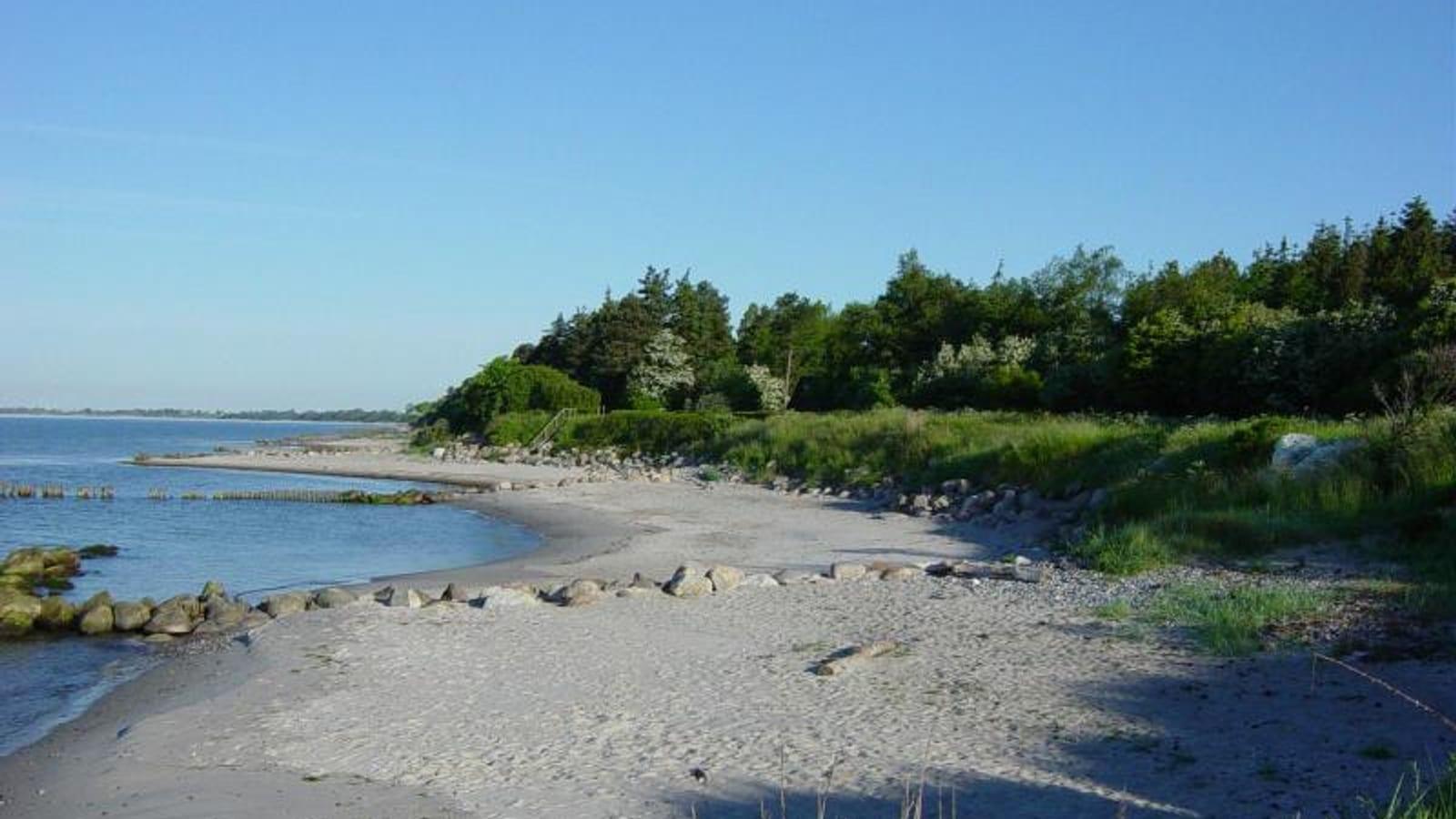
Store Klint Mons Klint Tallest Cliffs Fossils Fossil Hunting Guide
Denmark
Belemnites, Sea urchin, Brachiopods, Bryozoan