State
Fossil sites in Florida
Florida's fossil sites cluster around two geological settings: the phosphate-rich Miocene beds of the Peace River basin in the state's interior, and the Pleistocene marine sands along its coasts. Both produce abundant shark teeth — including megalodon — alongside the bones of Ice Age megafauna.
The Peace River between Fort Meade and Arcadia is the state's most productive free vertebrate fossil site. Collectors wade the river gravel bars at low water to screen for shark teeth, ray plates, horse teeth, mammoth molars, and Pleistocene ground sloth claws. A freshwater collecting permit from the Florida Fish and Wildlife Conservation Commission is required.
Venice Beach and the nearby Caspersen Beach are the easiest shark-tooth sites in the state — no permit required, just a mesh scoop and patience in the surf. The teeth erode from offshore Miocene phosphate beds and accumulate in the shoreface sand after storms. Late summer through winter produces the best conditions.
The Bone Valley formation in Polk and Hillsborough counties represents the phosphate-mining region where commercial fossil recovery is permitted on certain parcels. Guided fossil digs in this area produce Miocene shark teeth, dugong ribs, and marine mammal teeth from ancient sea-floor deposits.
7 fossil sites
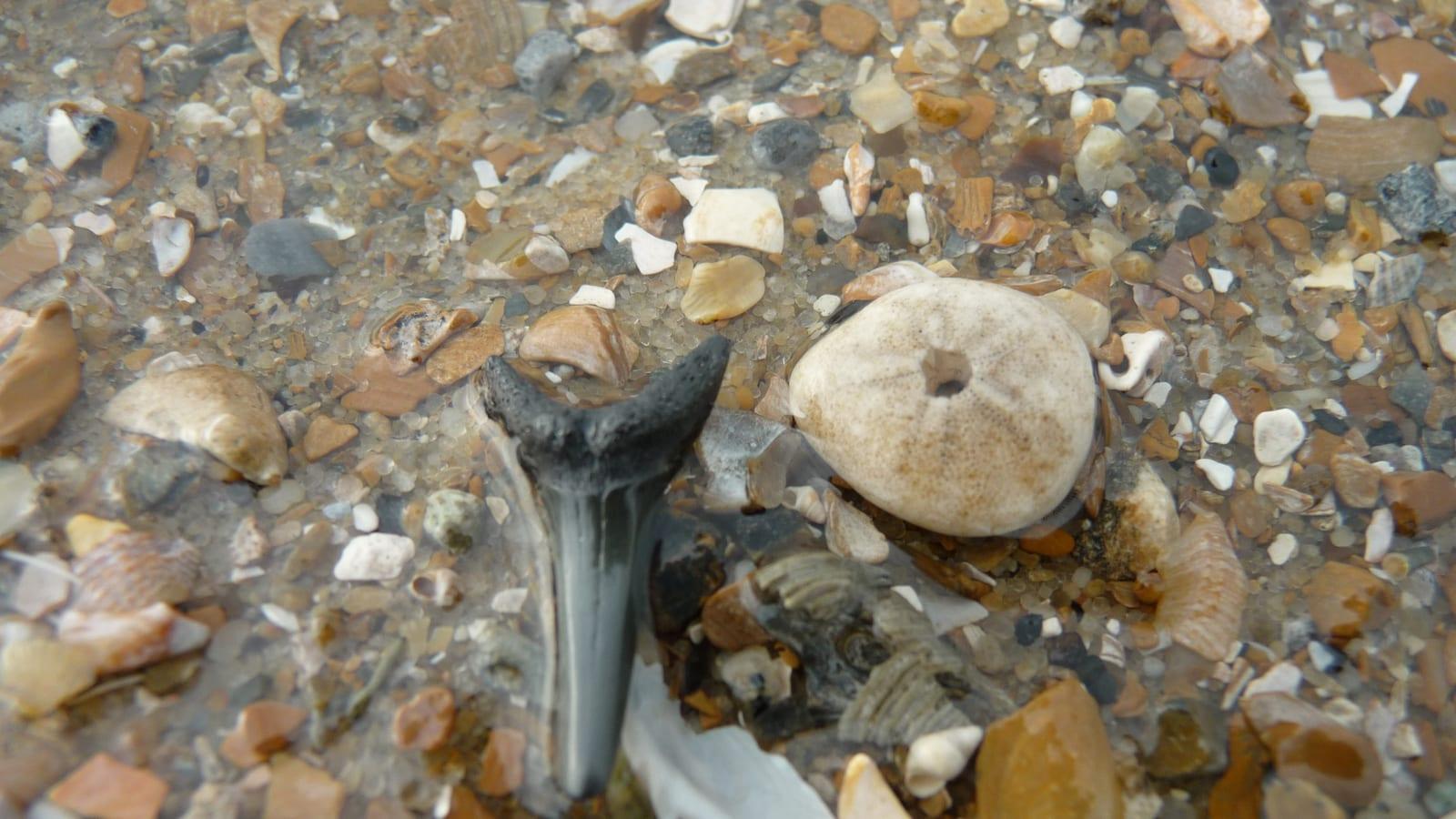
Bone Valley Fossil Hunting Guide
Florida, United States
Shark Teeth
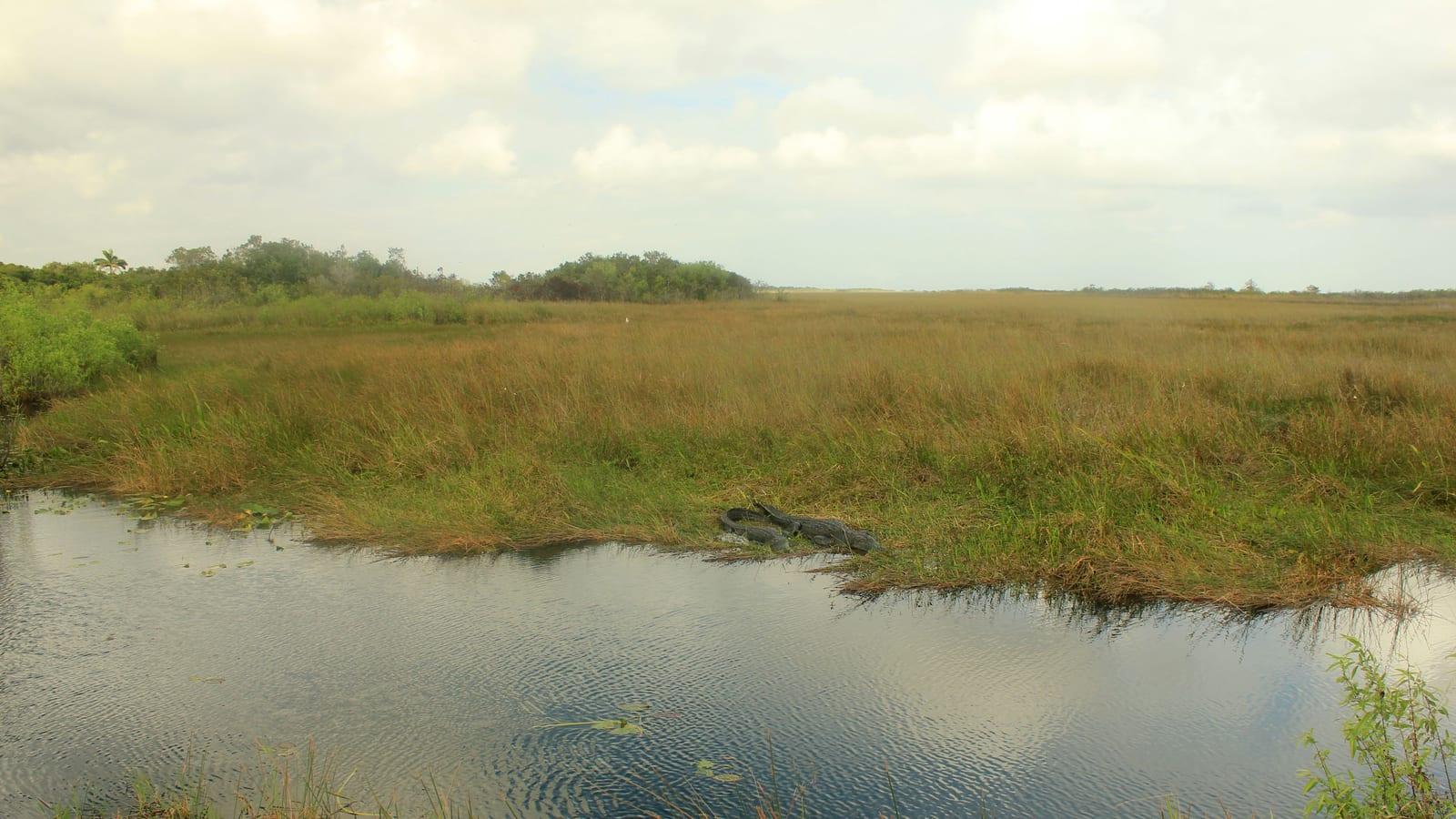
Casey Key Fossil Hunting Guide
Florida, United States
Shark Teeth, Mollusks
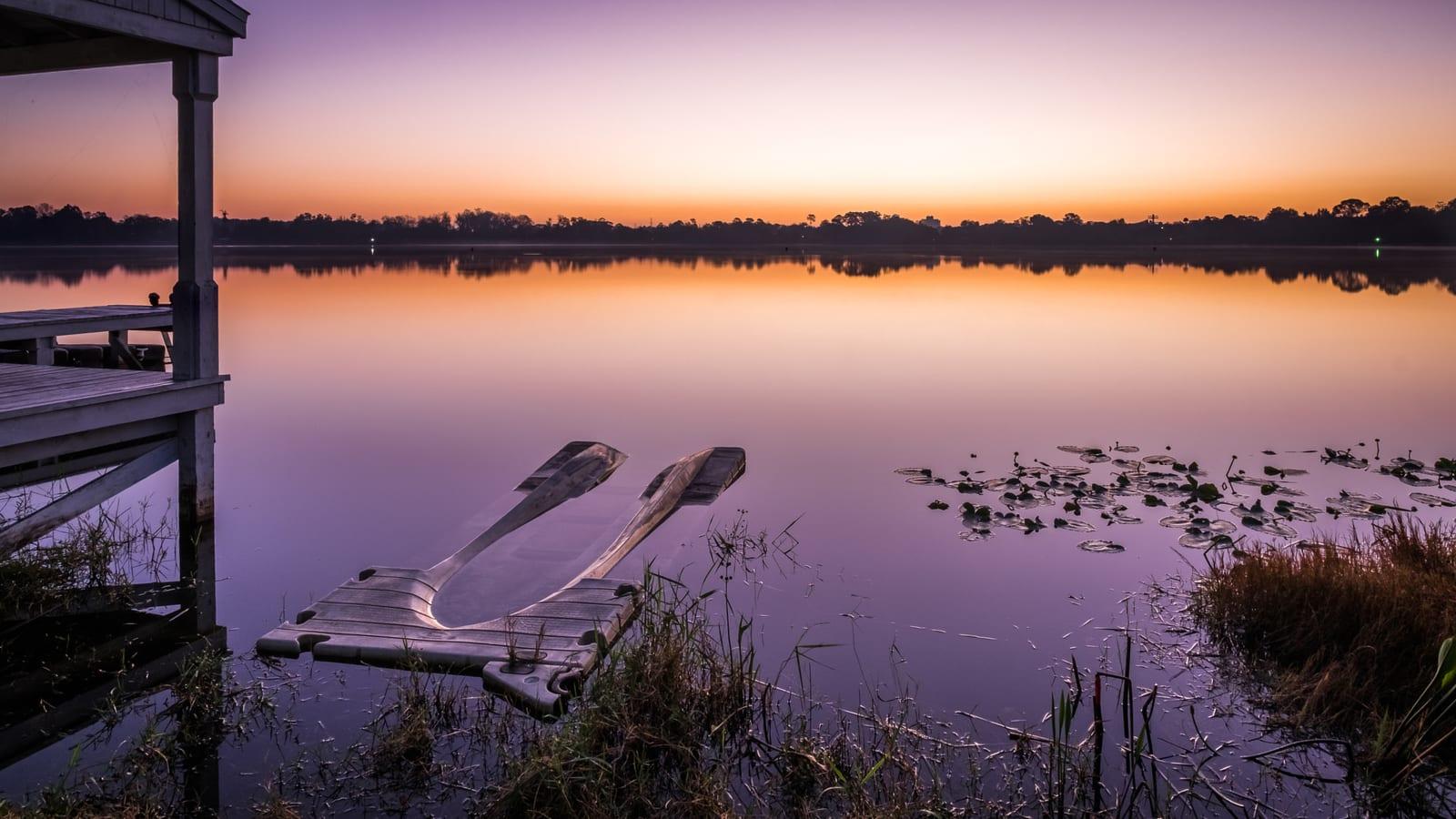
Caspersen Beach Fossil Hunting Guide
Florida, United States
Shark Teeth, Mollusks
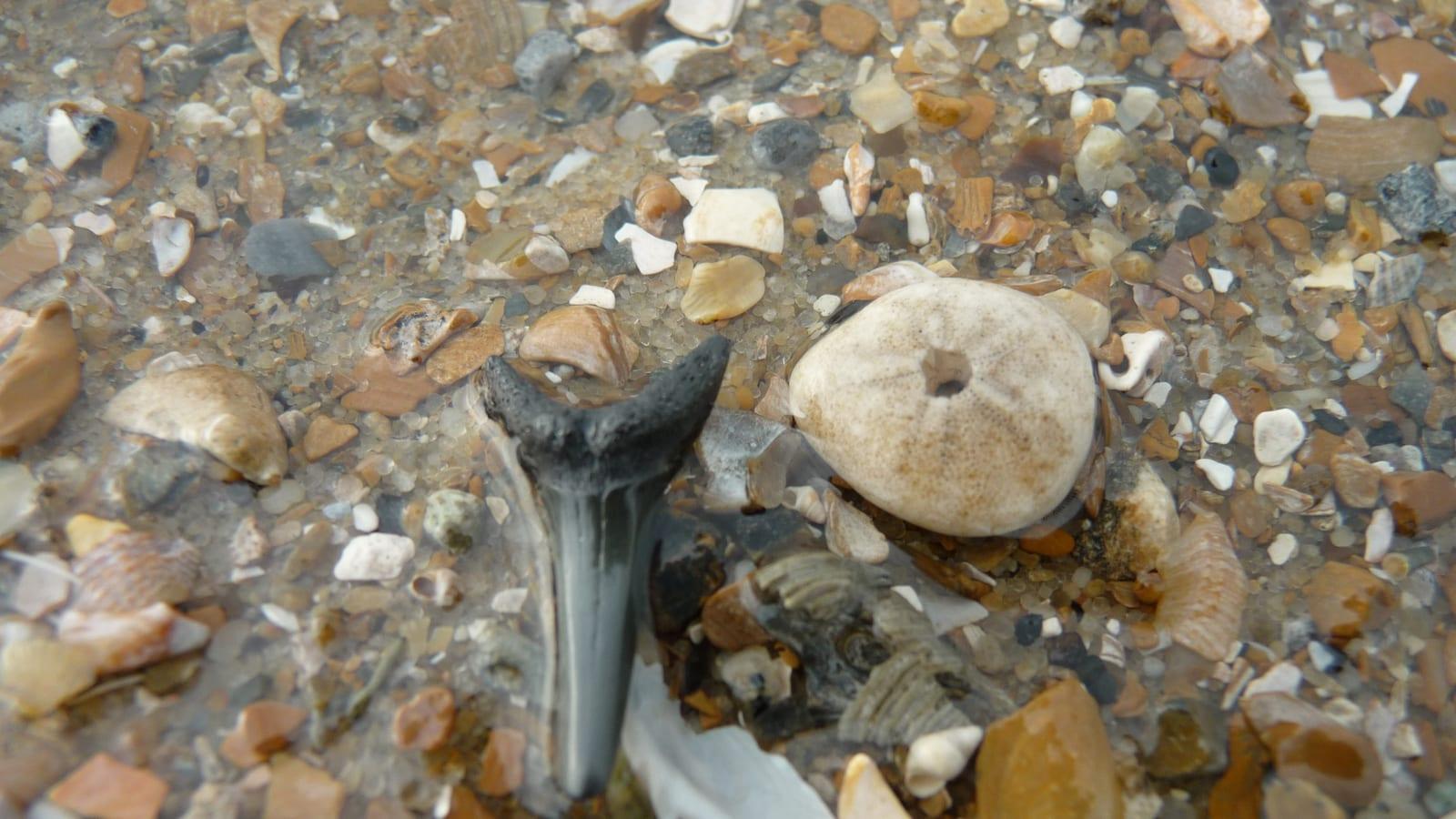
Englewood Beach Fossil Hunting Guide
Florida, United States
Shark Teeth, Ray Teeth, Mollusks
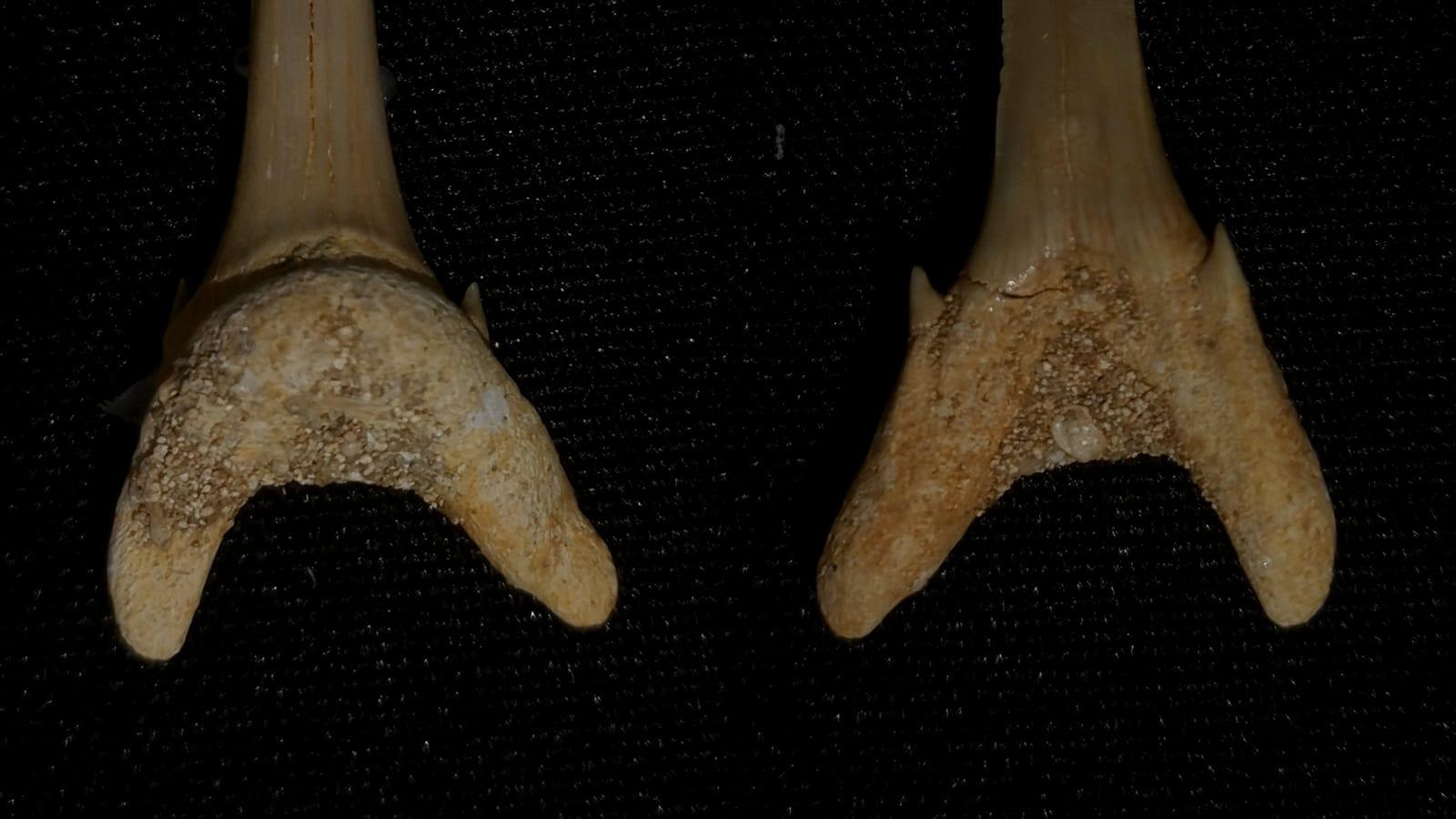
Fort Clinch State Park Fossil Hunting Guide
Florida, United States
Shark Teeth, Mollusks
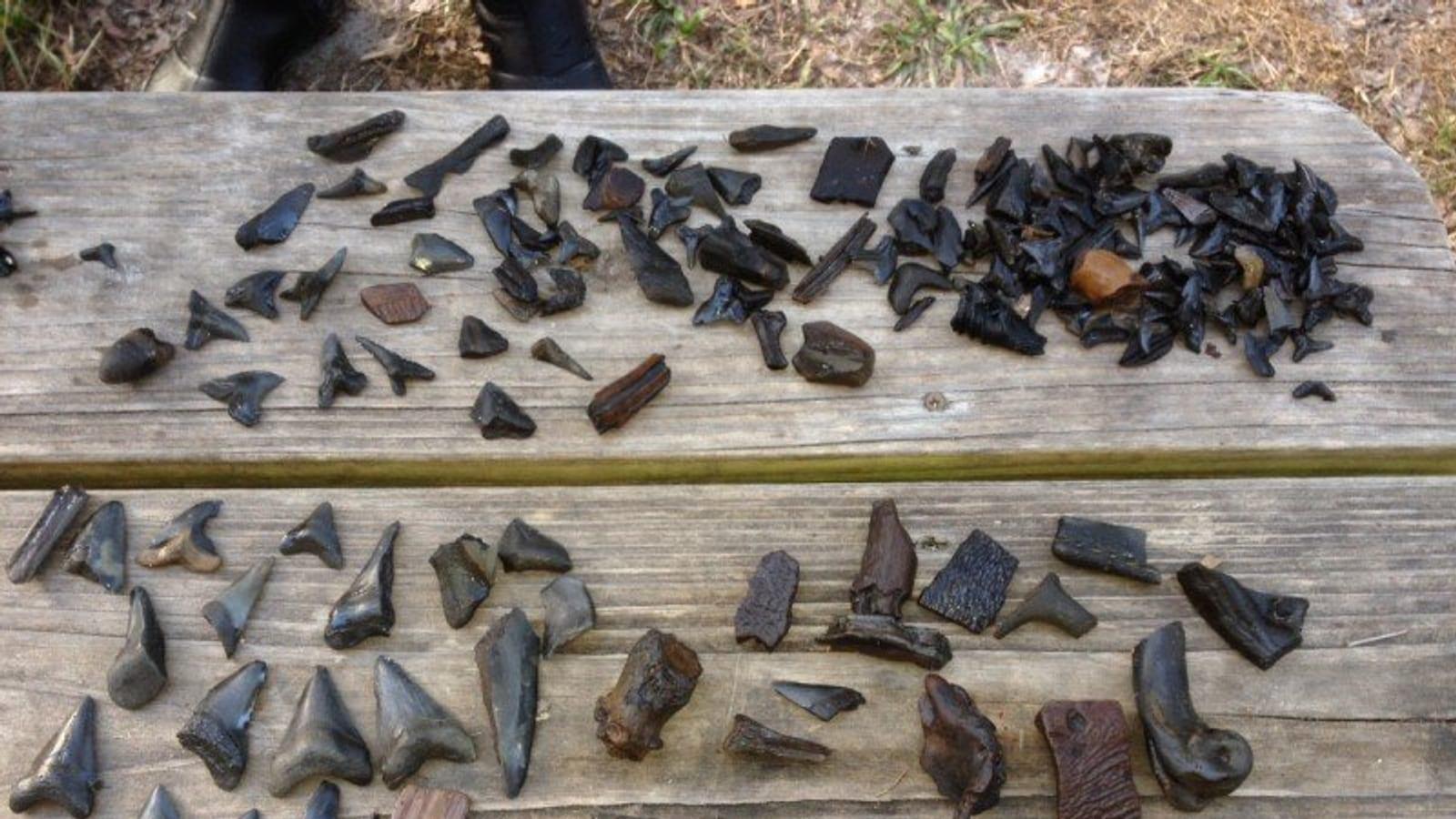
Peace River Fossil Hunting Guide
Florida, United States
Shark Teeth, Ray Teeth, Megalodon, Mammoth
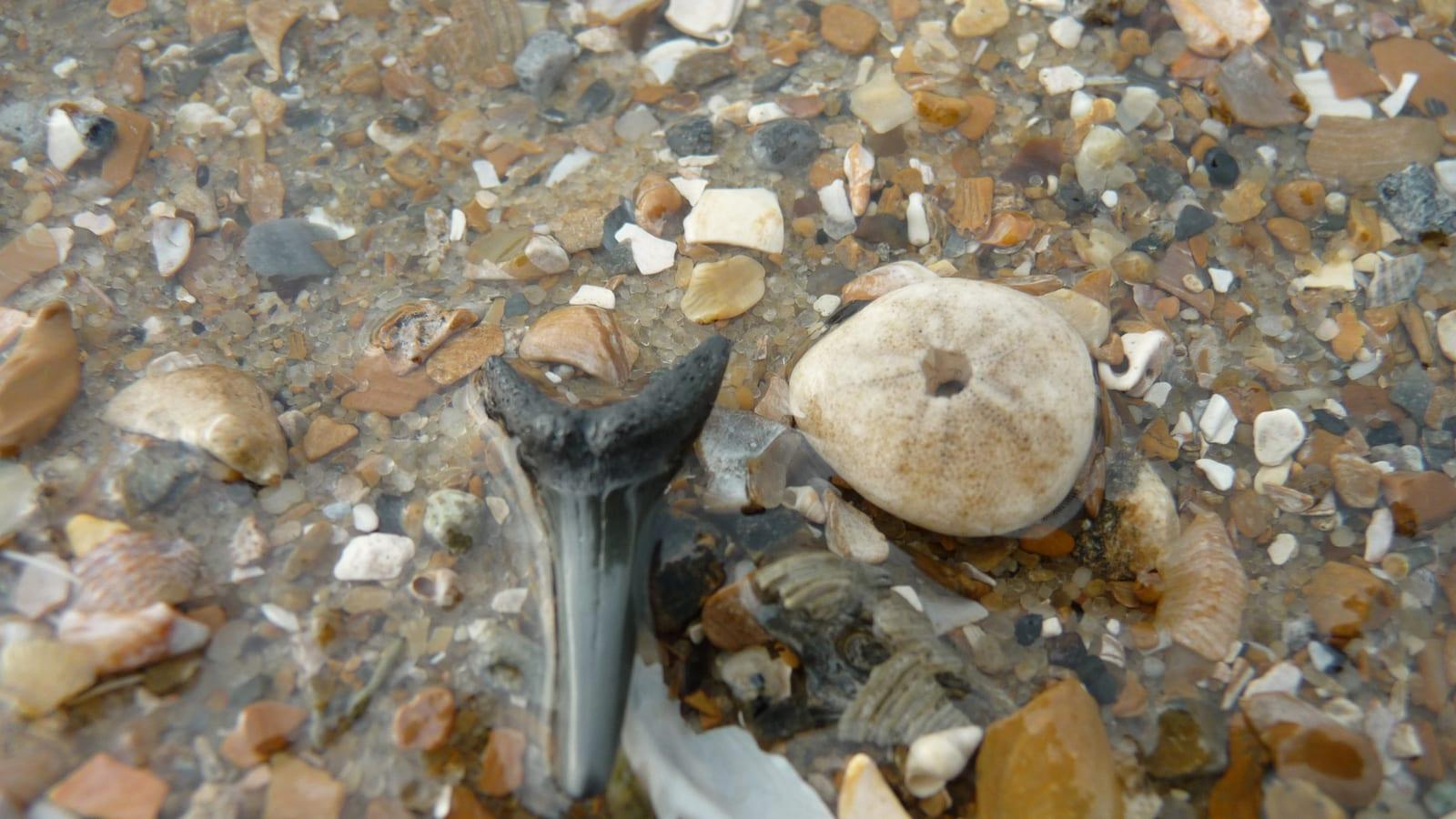
Venice Beach Fossil Hunting Guide
Florida, United States
Shark Teeth, Ray Teeth, Megalodon