Fossil type
Where to find graptolites
Graptolites are extinct colonial hemichordates that drifted in Paleozoic oceans. They preserve as flattened carbonaceous compressions in dark shales — visually like pencil marks on rock. The Welsh Borderlands and the Yukon's Ogilvie Mountains are textbook collecting areas.
6 fossil sites
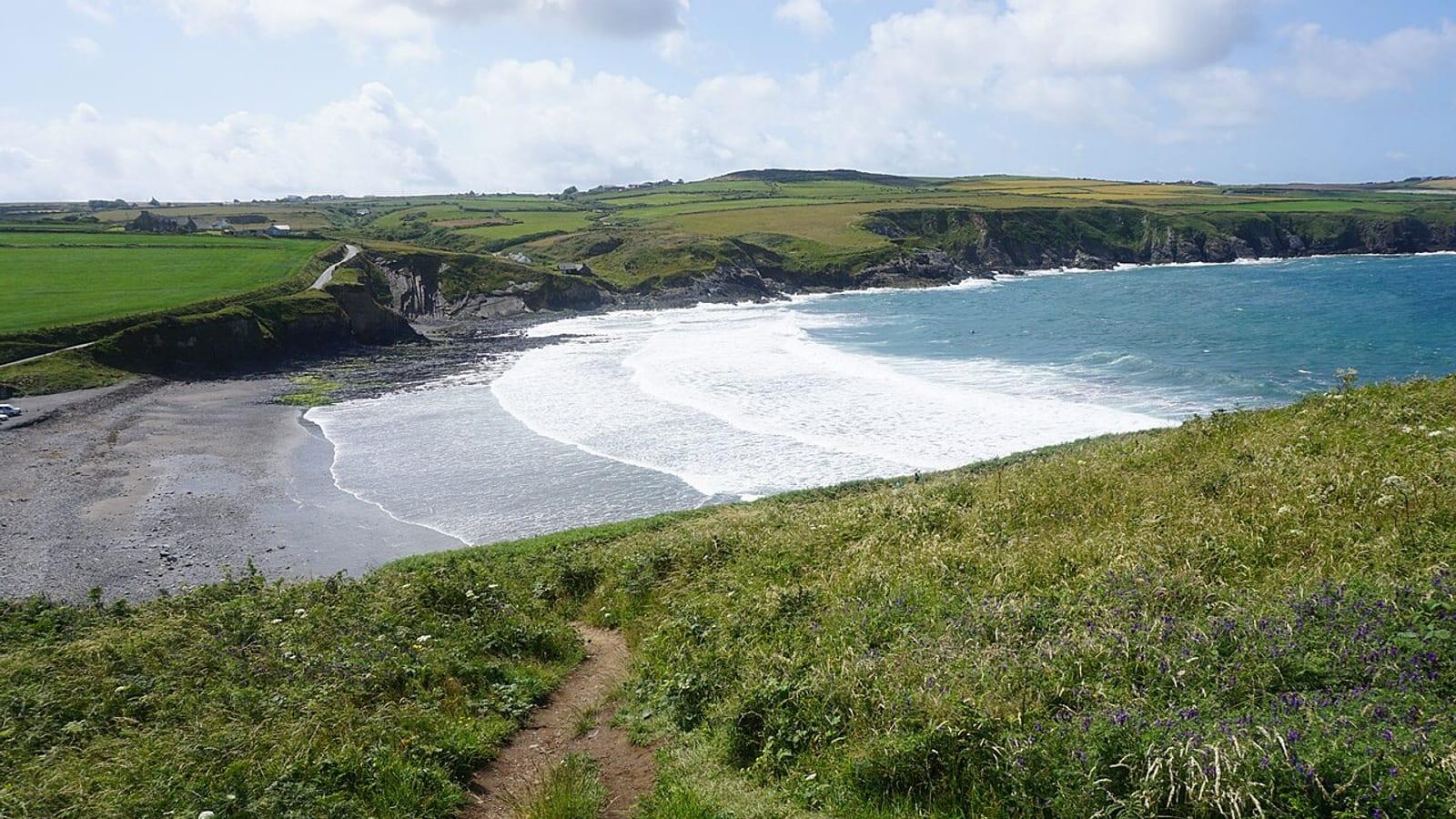
Abereiddy Bay Fossil Hunting Guide
principally Didymograptus murchisoni (tuning-fork graptolite)
Graptolites, Trilobite
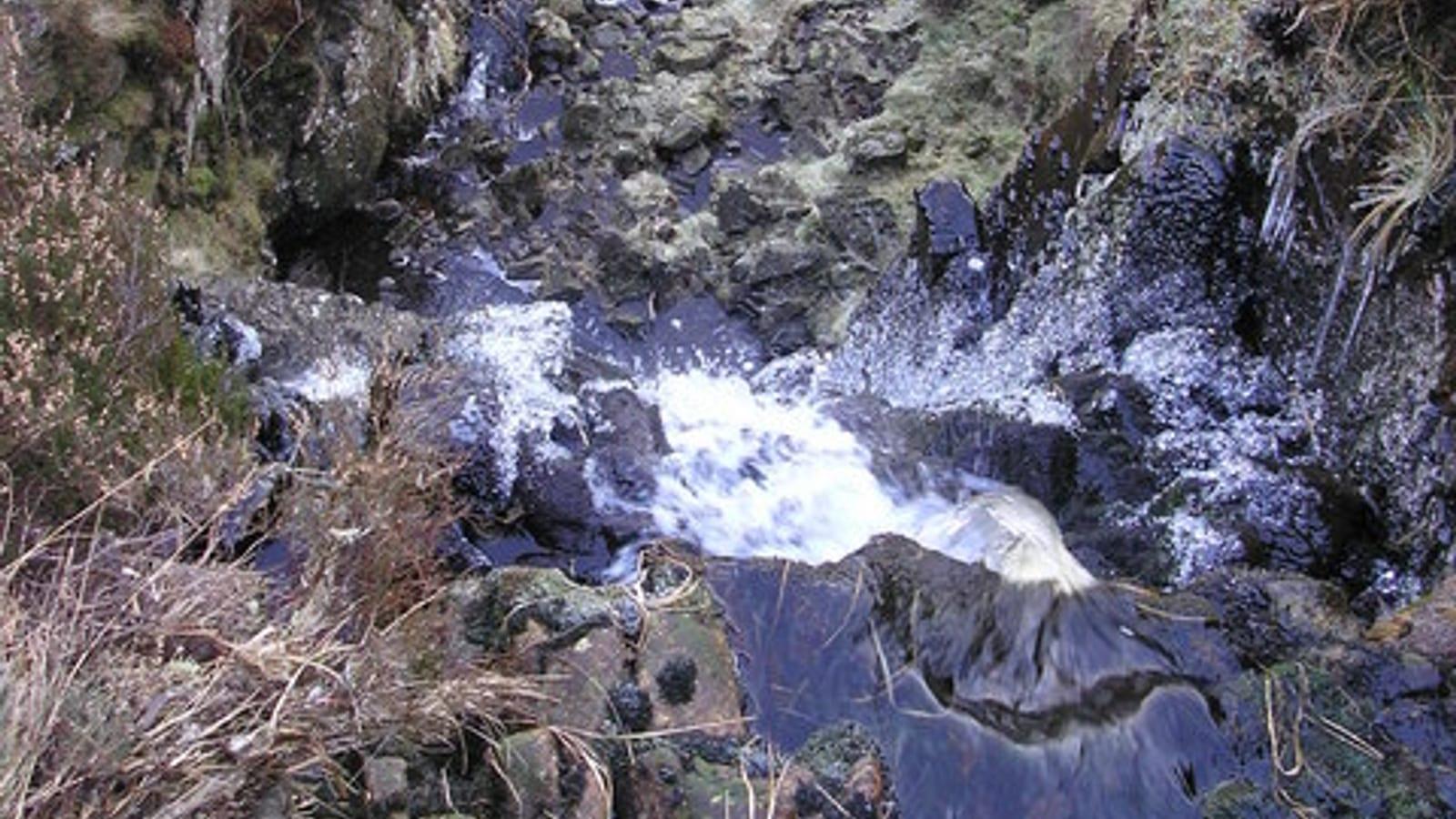
Dobs Linn Scottish Borders Fossil Hunting Guide
United Kingdom
Graptolites
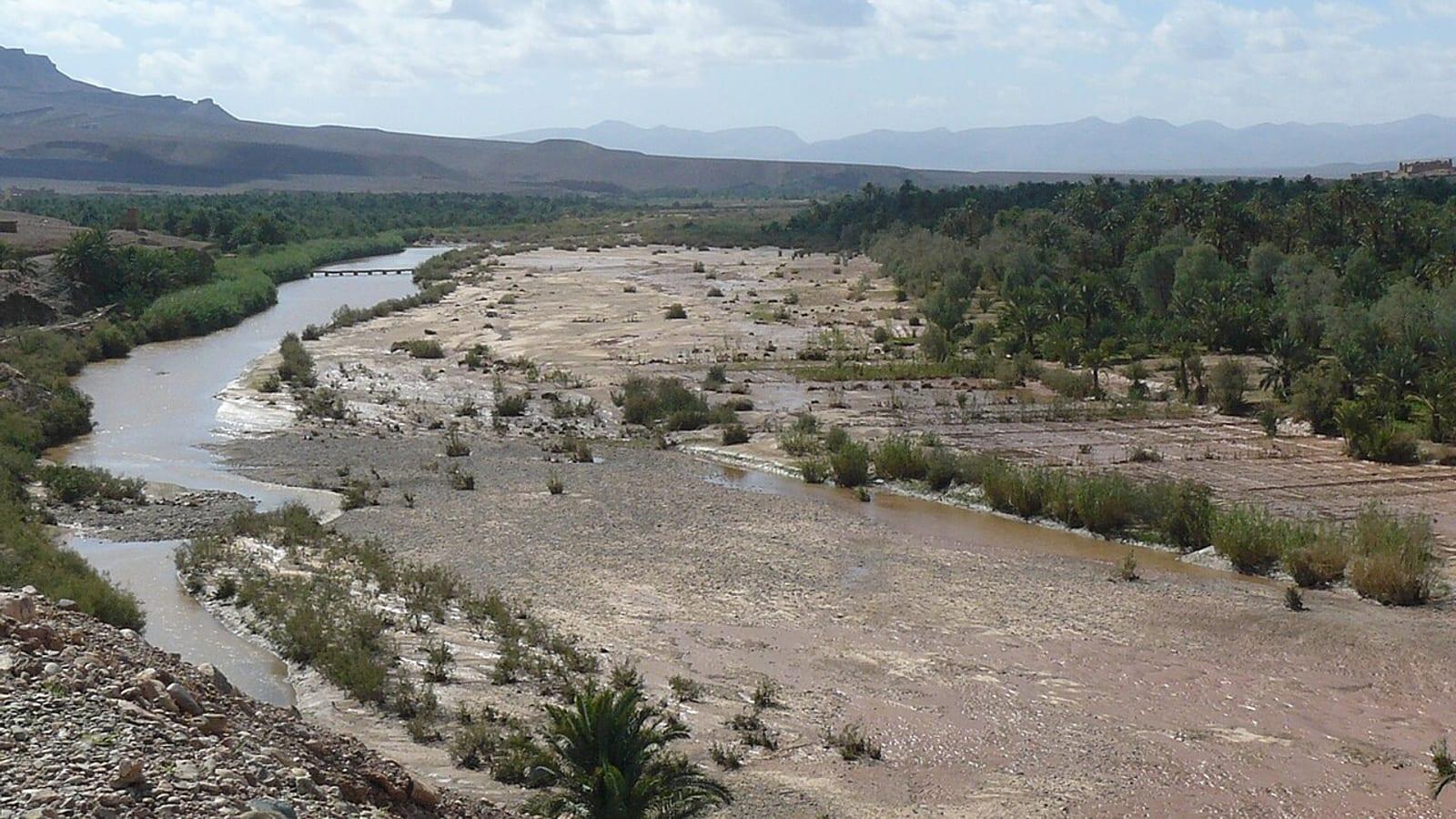
Draa Valley Ordovician Trilobite Site Agdz Fossil Hunting Guide
Morocco
Giant trilobites, Brachiopods, Graptolite fragments, cystoid echinoderm plates
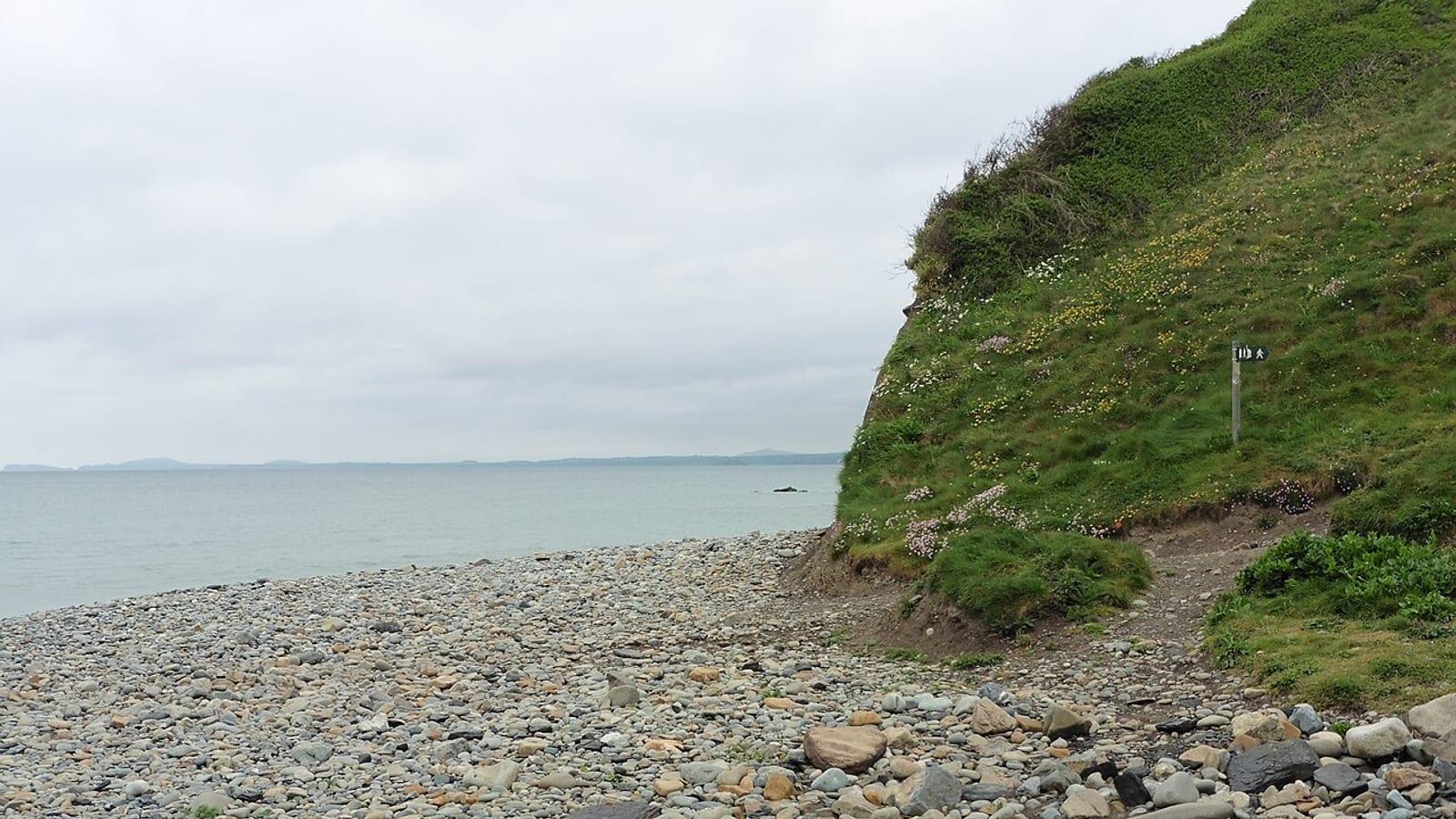
Druidston Haven Pembrokeshire Fossil Hunting Guide
United Kingdom
Graptolites, diplograptids, plant fossil impressions
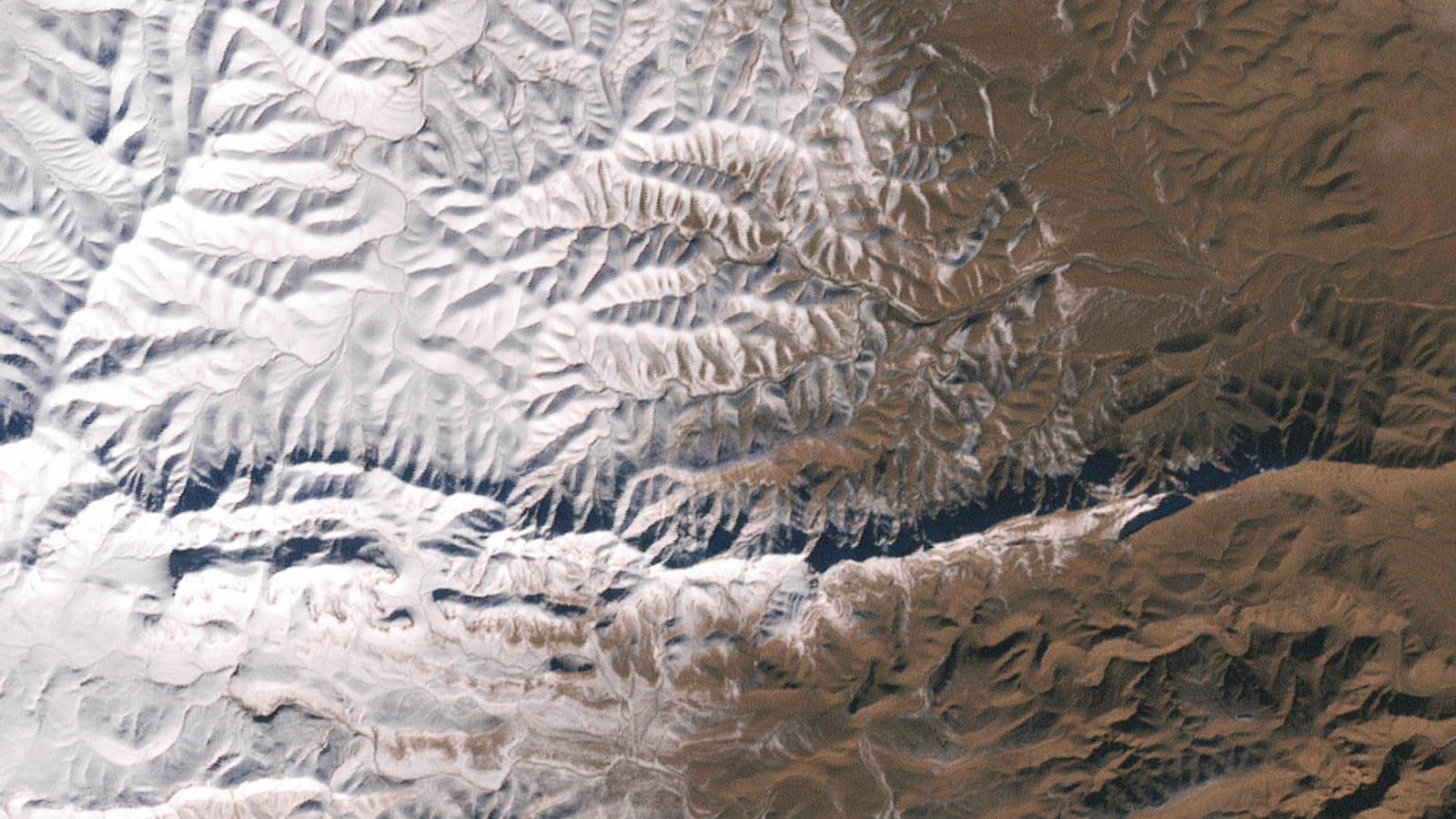
Ouzina Ordovician Graptolite Locality Fossil Hunting Guide
Morocco
graptolite fossils, Graptolites, Trilobites, Brachiopods
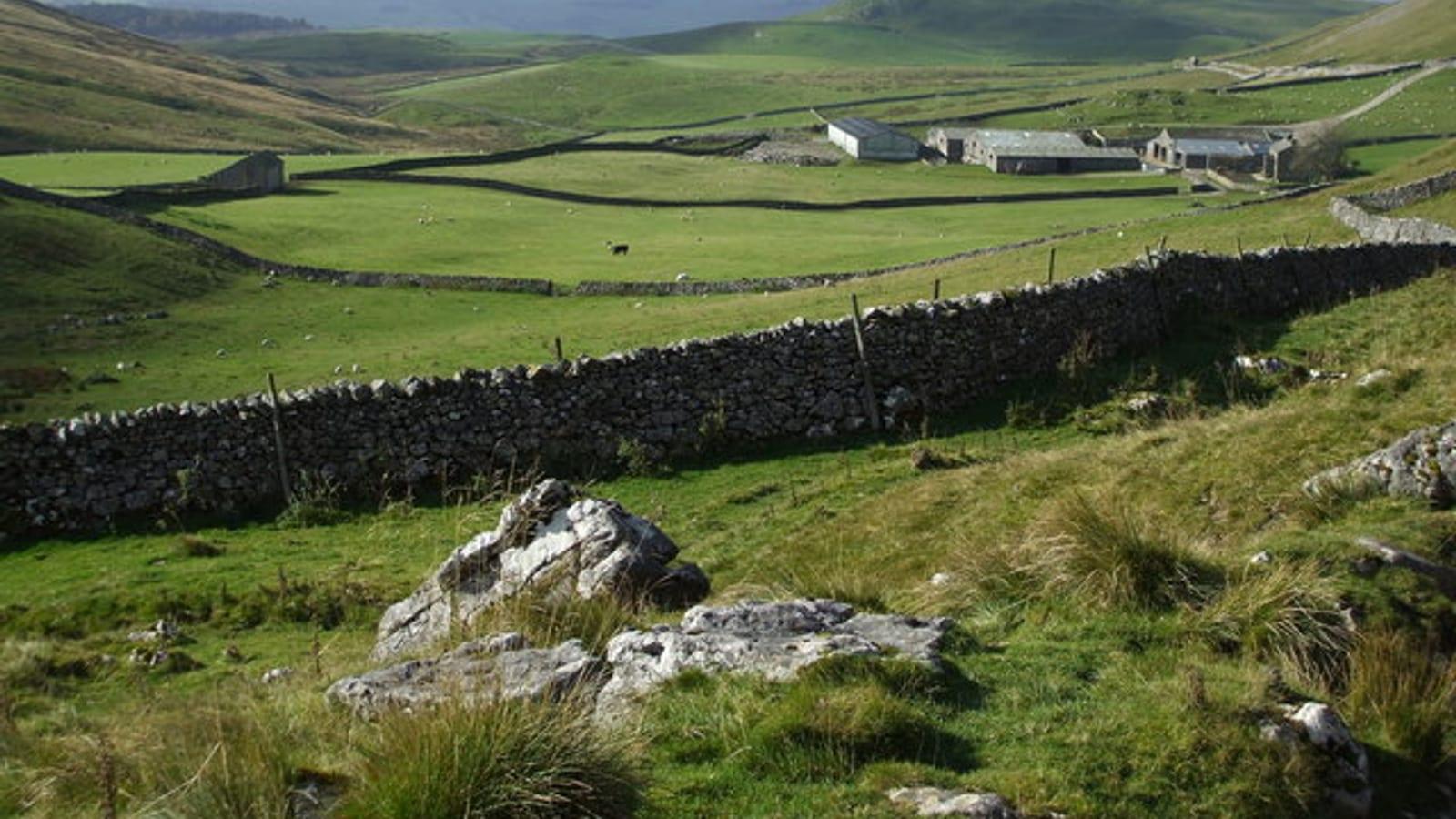
Stockdale Silurian Yorkshire Dales Fossil Hunting Guide
United Kingdom
Graptolites, Brachiopods, Trilobites, Crinoid columnals
Frequently asked questions
- How do I identify a graptolite?
- Graptolites preserve as flattened carbonaceous films in dark shales — they appear as silver, black, or dark grey pencil-like marks on the rock surface. The name comes from the Greek for 'written rock.' Each colony (rhabdosome) consists of individual cups (thecae) where the zooids lived, arranged along one or more branches (stipes). Early graptolites (Ordovician) often had multiple stipes in a pendent or scandent arrangement, giving a fan or tuning-fork shape; later forms (Silurian) typically have a single stipe. The overall form is a thin, elongated structure 2 to 30 millimetres long with regular notching along one or both edges, like a miniature saw blade. They are most reliably found in black, fine-grained Ordovician or Silurian shales by splitting the rock along bedding planes.
- Where can I find graptolites?
- Graptolites are best searched for in black, carbonaceous Ordovician and Silurian shales. In the UK, the Welsh Borderlands are classic localities: Ordovician exposures near Builth Wells and the Wenlock shales of Shropshire produce graptolites from roadcuts and stream banks. Southern Scotland's Ordovician shales in the Moffat area yield dense accumulations where shale surfaces can be covered with flattened rhabdosomes. In North America, the Appalachian Ordovician black shales of Virginia and Tennessee produce graptolites, and the Yukon's Ogilvie Mountains are textbook collecting areas. Graptolites are not typically found at family-friendly pay-to-dig sites because they require splitting dark shales with hammer and chisel rather than surface scree collecting — they reward collectors who can identify the right rock type and work a cliff face or roadcut.
- What geological period are graptolites from?
- Free-floating planktonic graptoloids — the type typically collected — existed from the Early Ordovician through the Early Devonian, approximately 485 to 410 million years ago. The group originated in the Cambrian and a few benthic lineages survived into the Carboniferous. Because individual graptolite species had short stratigraphic ranges and were distributed globally through ocean currents, they are among the most valuable index fossils in geology, allowing correlation of Ordovician and Silurian rocks between continents with considerable precision. The systematic graptolite biozonation of the Ordovician was pioneered by Charles Lapworth, working in the Southern Uplands of Scotland in the 1870s and 1880s — his work at Dob's Linn near Moffat (now a SSSI and geological reference section) was the first rigorous demonstration that graptolite species could be used to correlate rock sequences across great distances. The detailed graptolite zonal scheme for the Welsh Borderlands was subsequently established by Gertrude Elles and Ethel Wood in their Monograph of British Graptolites (1901–1918), which remains a foundational reference for Ordovician and Silurian biostratigraphy.