Country
Fossil hunting in Germany
Fossil hunting in Germany centres on the Jurassic limestones of the Solnhofen-Eichstätt-Holzmaden corridor — the formation that produced Archaeopteryx, the world's reference Posidonia Shale ichthyosaurs, and 700+ species of Late Jurassic plattenkalk fossils. Several Bavarian quarries operate as Klopfplätze where visitors pay a small fee, split limestone, and keep what they find.
Most accessible sites are former or active limestone quarries that operate as fee-based collecting parks (Klopfplätze). The model is simple: pay a small fee, get access to a working face or spoil pile, keep what you find. The Bavarian Altmühltal valley alone hosts a dozen of these. The collecting season runs April through November at almost every site.
Practical notes: the Solnhofener Plattenkalke were added to the IUGS list of the 100 most important geological heritage sites in the world in 2022, putting them alongside the Grand Canyon and Uluru as global geological landmarks. The German fossil collecting community is well-organised — Jura-Museum Eichstätt and the Bürgermeister-Müller-Museum in Solnhofen both run identification services and curate finds from amateur collectors.
Legally, Germany's federal nature conservation framework is supplemented at the state level. In Bavaria the Bavarian Monument Protection Act (BayDSchG) applies; movable finds of special scientific importance — rare vertebrates, unique specimens — automatically become property of the Free State of Bavaria under the treasure register introduced in July 2023. In Baden-Württemberg the Holzmaden / Ohmden Posidonia Shale district has been a state-designated excavation conservation area since 1979 — private excavation without a permit from the state monument office is illegal there. Always collect at licensed Klopfplätze rather than wild outcrops.
15 fossil sites
Top fossil hunting sites in Germany
Seven Bavarian and Baden-Württemberg sites cover the spectrum from family-friendly hobby quarries to the Archaeopteryx discovery beds and a 14.8-million-year-old meteorite crater.
- Hobbysteinbruch Solnhofen — The Solnhofen municipal hobby quarry is open daily 10:00–17:00 from 1 April to 3 November; visitors split Late Jurassic plattenkalk with hammer and chisel and keep what they find, subject to operator review. (Gemeinde Solnhofen)
- Steinbruch Schernfeld — A working Late Jurassic plattenkalk quarry in the Altmühltal Nature Park, listed as one of the productive Solnhofen-corridor collecting sites by the LfU Bayern in its geotope inventory. (LfU Bayern)
- Fossiliensteinbruch Blumenberg — A pay-to-dig quarry near Eichstätt worked in the same Late Jurassic plattenkalk facies curated by the nearby Jura-Museum Eichstätt, which holds the world's largest collection of Solnhofen plattenkalk fossils. (Jura-Museum Eichstätt)
- Fossiliensammelstelle Titting — A free collecting area in the Altmühltal Nature Park; Naturpark Altmühltal manages public access to Late Jurassic spoil-pile material at this site. (Naturpark Altmühltal)
- Urweltsteinbruch Holzmaden — The Holzmaden hobby quarry splits Lower Jurassic Posidonia Shale roughly 180 million years old — the formation that produced Bernhard Hauff's articulated ichthyosaurs with preserved soft tissue. (Urweltsteinbruch Holzmaden)
- Altmannstein–Schamhaupten Archaeopteryx Quarry — The Altmannstein-Schamhaupten plattenkalk locality is part of the Solnhofen-Eichstätt corridor that has yielded every known Archaeopteryx specimen, all from the Altmühlalb according to the Naturpark Altmühltal. (Naturpark Altmühltal)
- Ries Crater Nördlingen Geopark — The Ries impact crater formed 14.808 ± 0.038 million years ago when a roughly 1-km bolide struck Bavaria; the site became a UNESCO Global Geopark in April 2022 and the suevite shock breccia remains the type material for the mineral coesite. (UNESCO Global Geoparks)
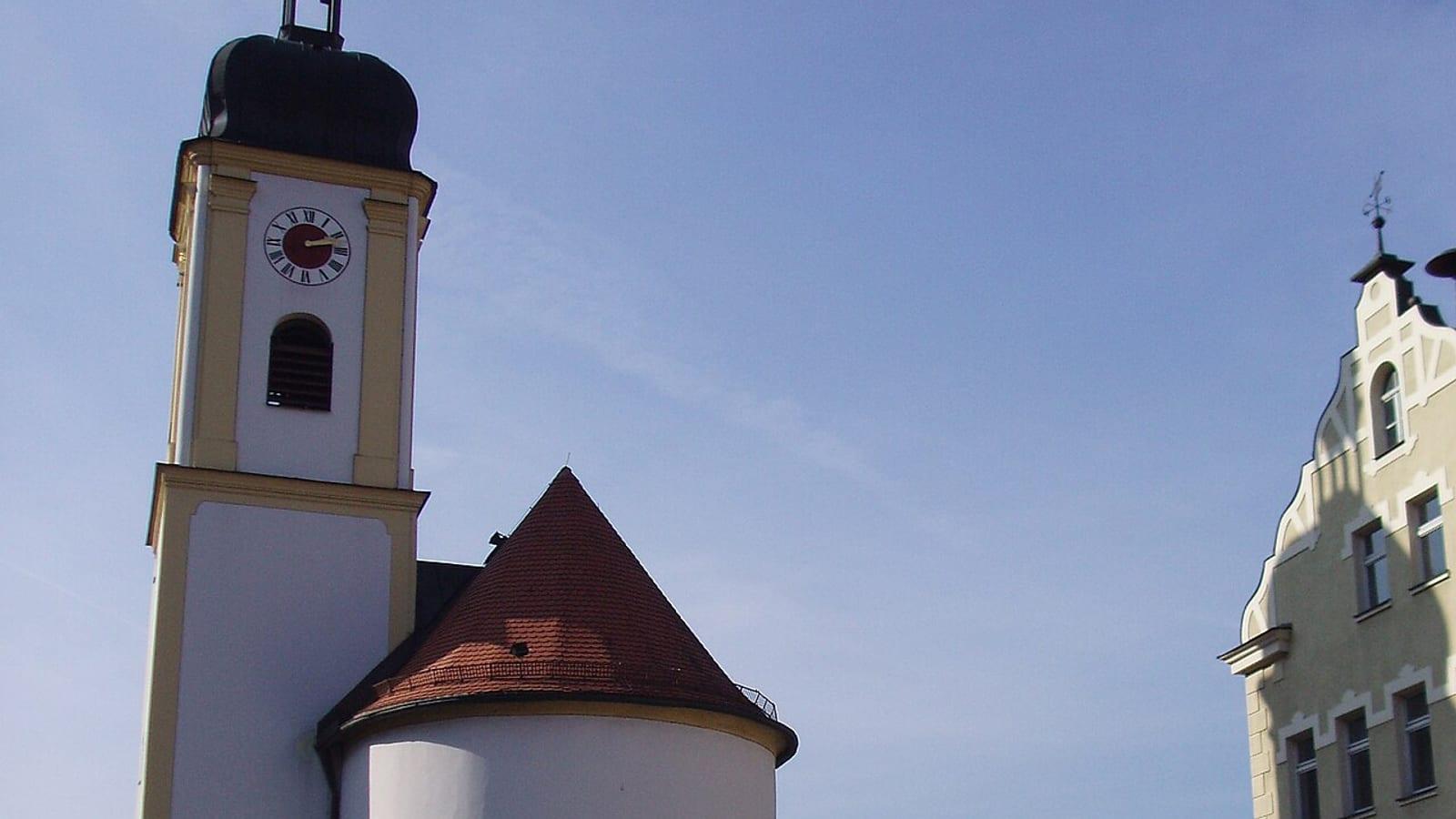
Altmannstein Schamhaupten Archaeopteryx Fossil Hunting Guide
Germany
Archaeopteryx, Ammonites, Fish, Crinoids
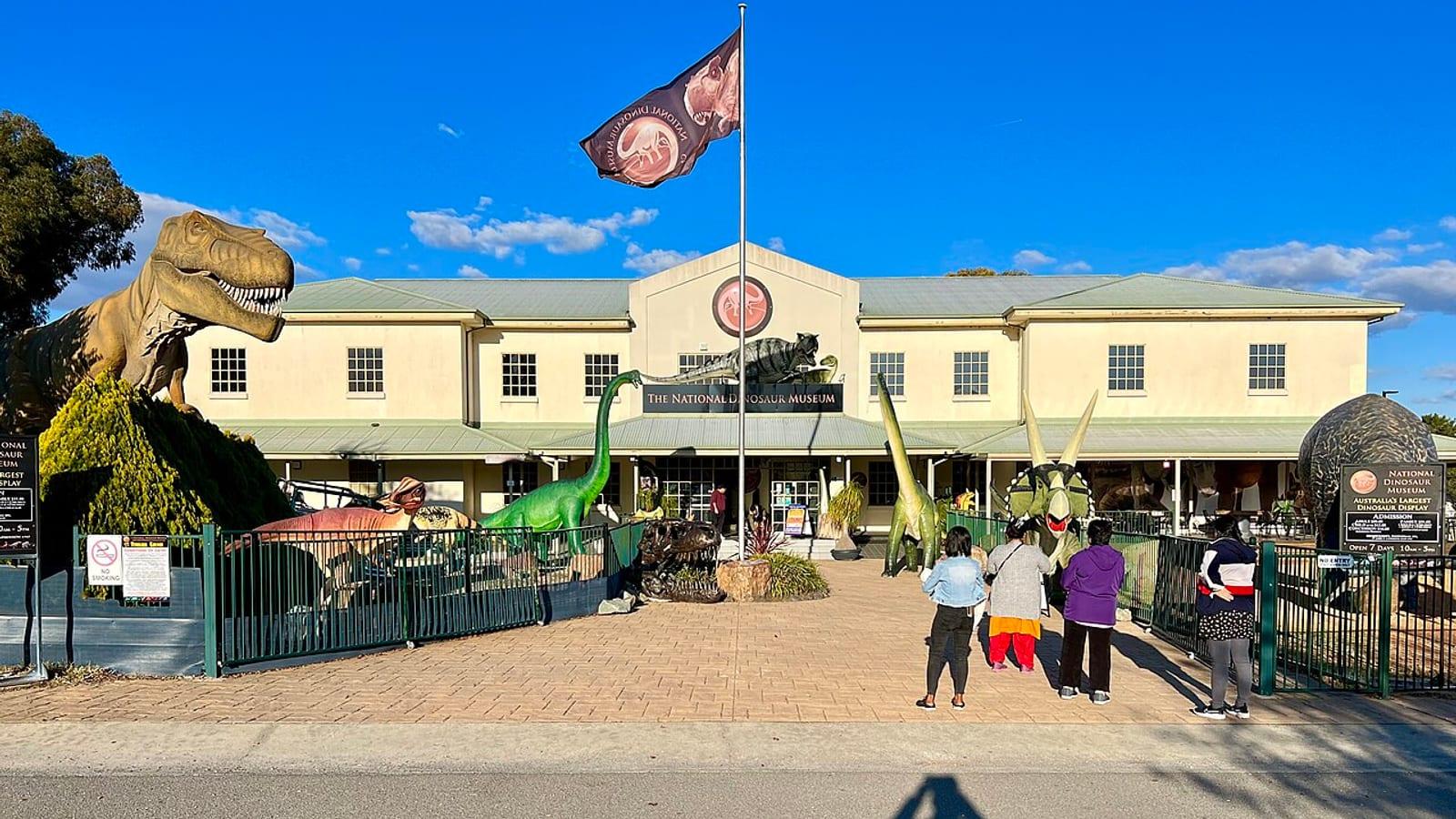
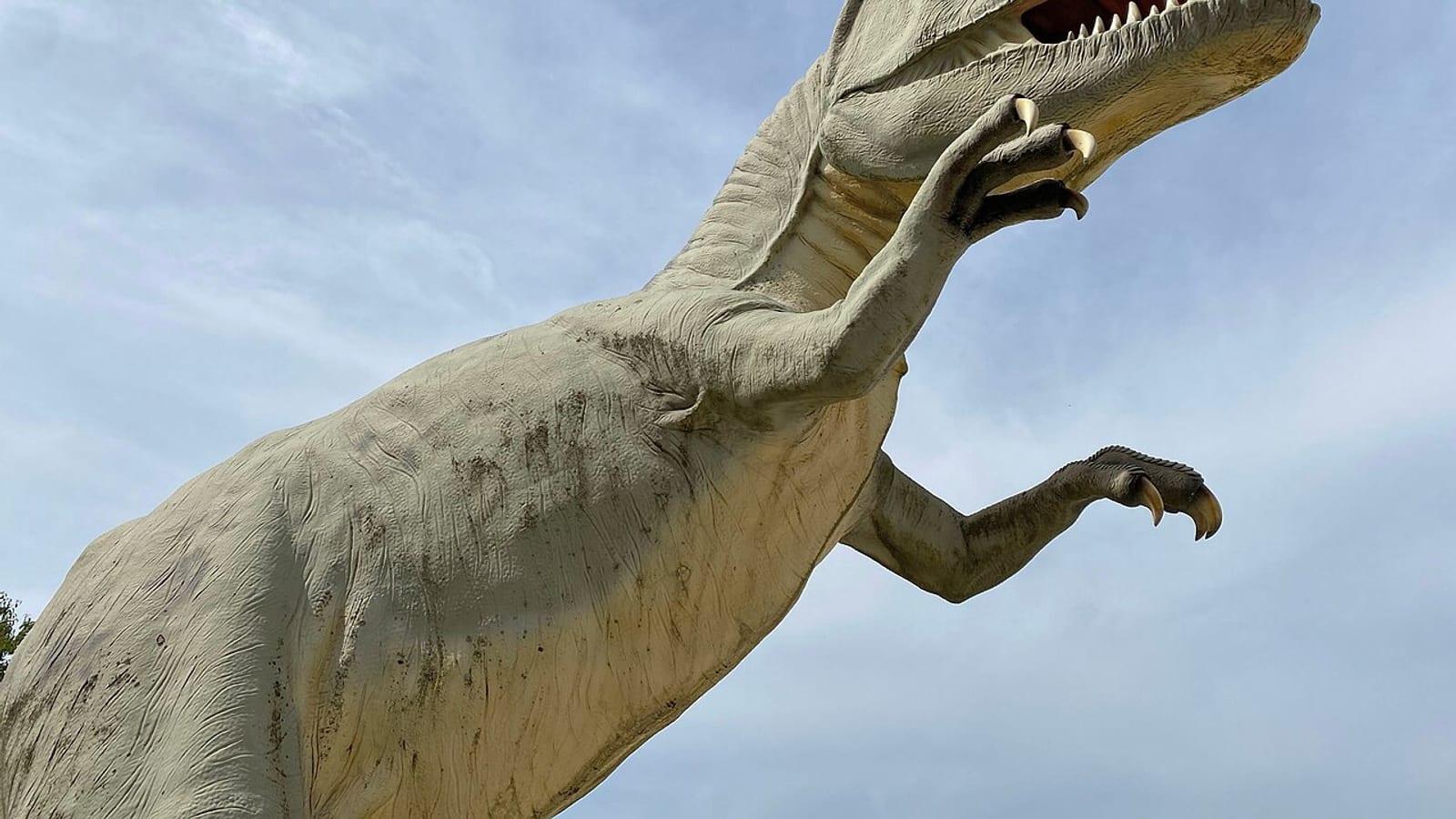
Dinosaur Museum Altmuehltal Fossil Park Fossil Hunting Guide
93326 Denkendorf
Ammonites, Crinoid fragments
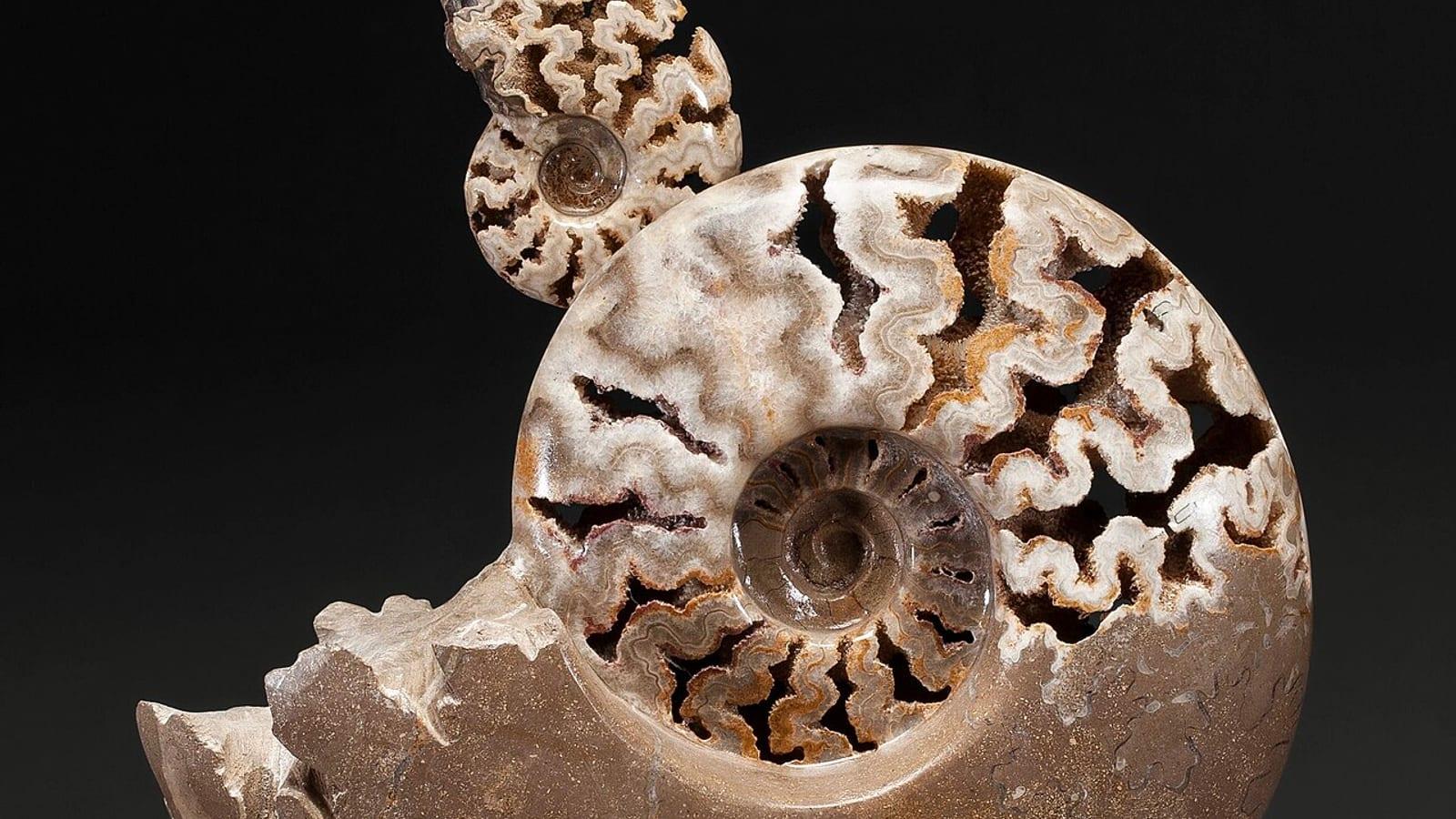
Fossiliensammelstelle Titting Free Fossil Hunting Guide
85125 Titting
Ammonites, Crinoid fragments, Belemnites and bivalves, Plant fossils
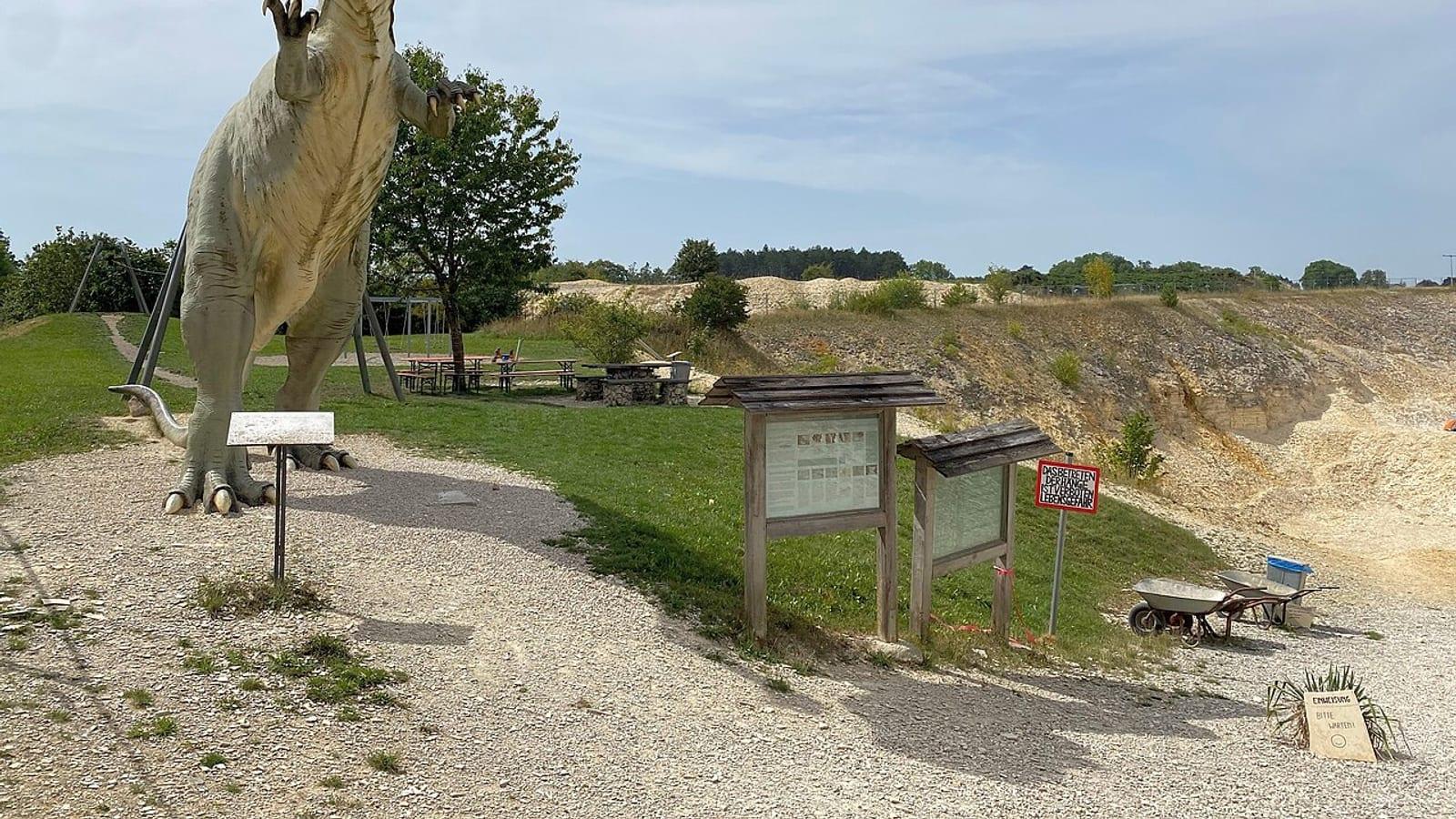
Fossiliensteinbruch Blumenberg Eichstatt Fossil Hunting Guide
Germany
Ammonites, Fish fossils, Shrimp, Crinoids and belemnites
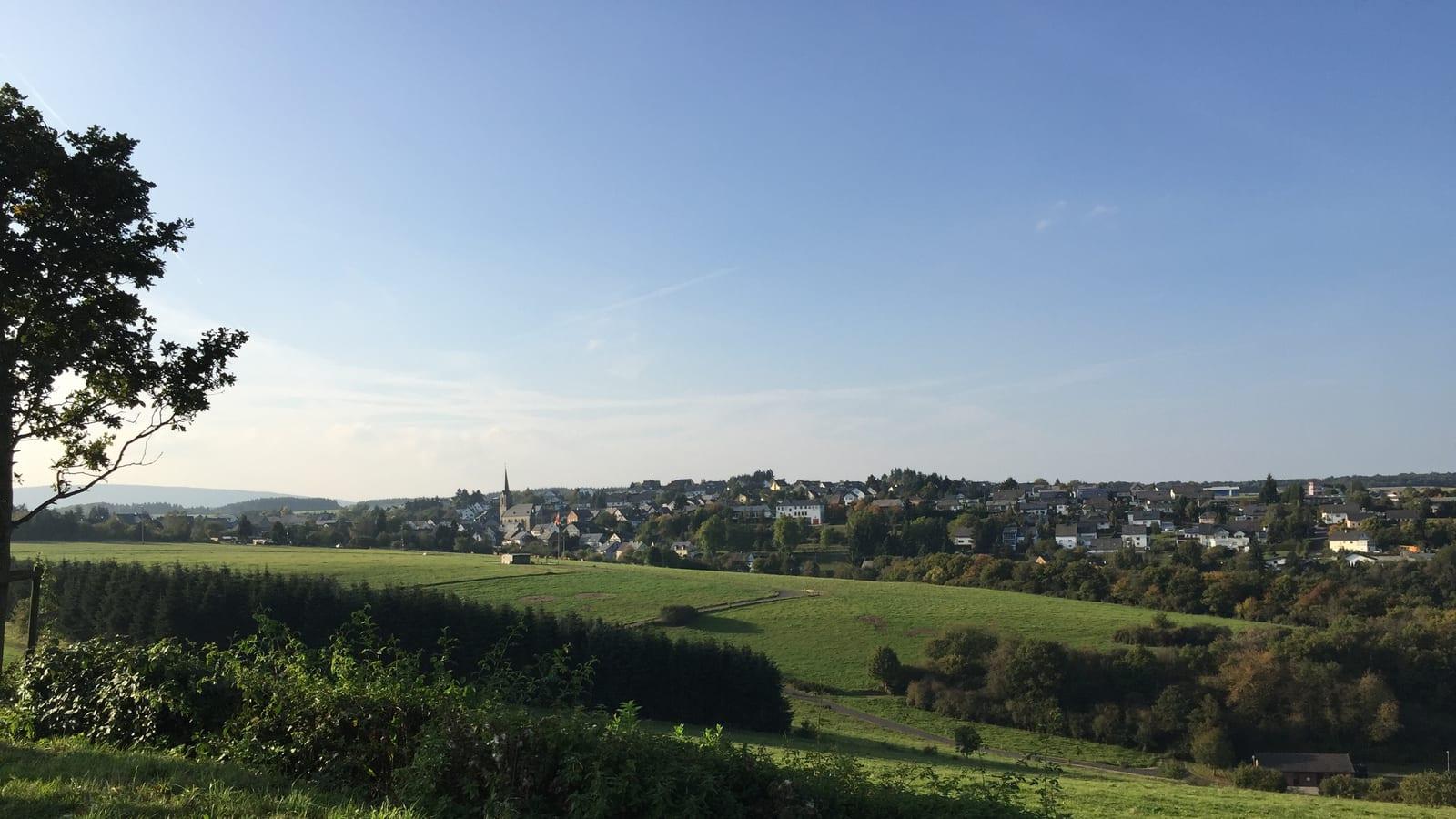
Fossiliensteinbruch Schamhaupten Fossil Hunting Guide
Germany
Ammonites, Crinoids, Fish fossils, Shrimp and belemnites
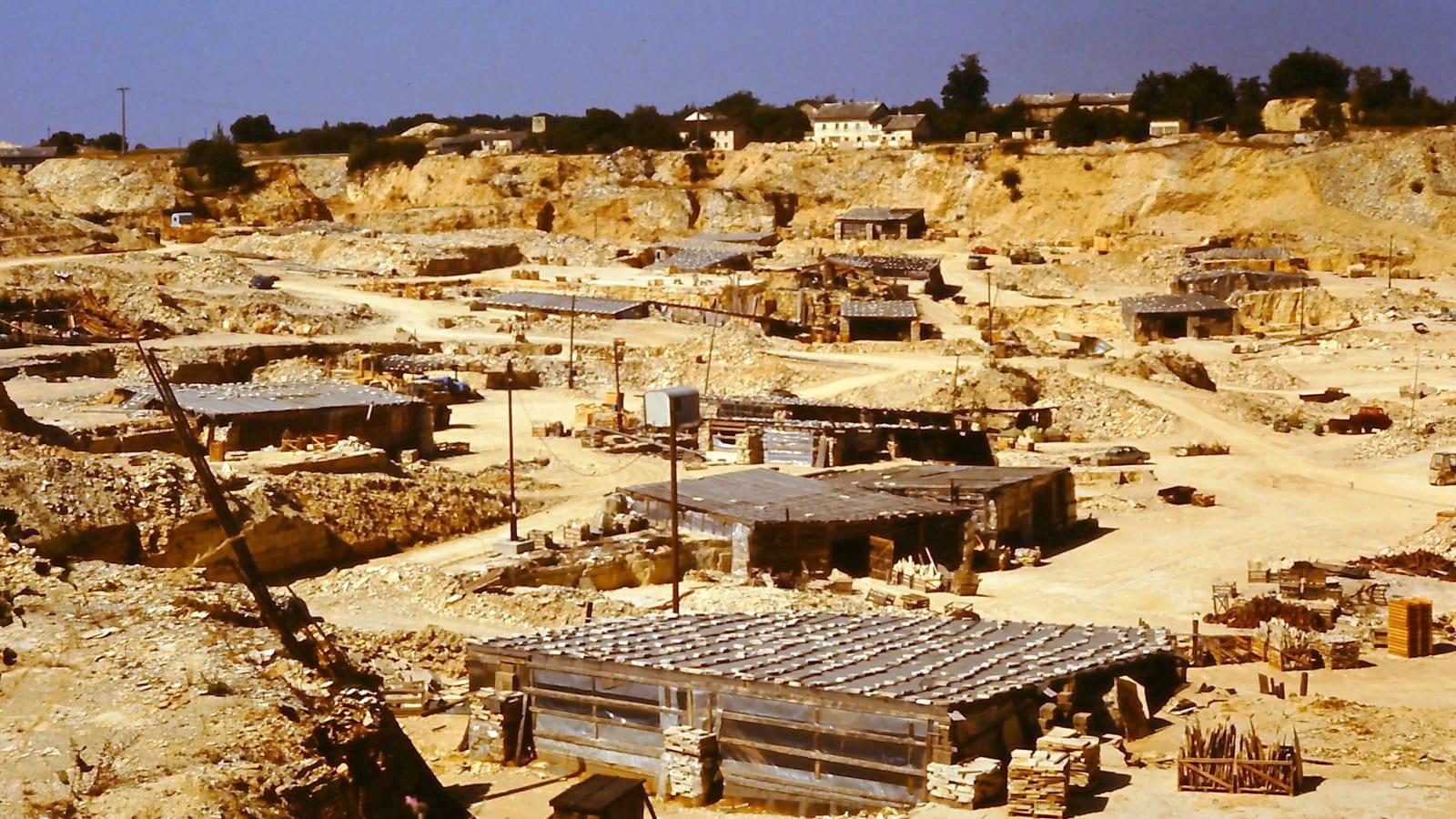
Herrenberg Mine Bundenbach Underground Fossil Hunting Guide
55568 Bundenbach
Devonian marine fossils, Crinoids
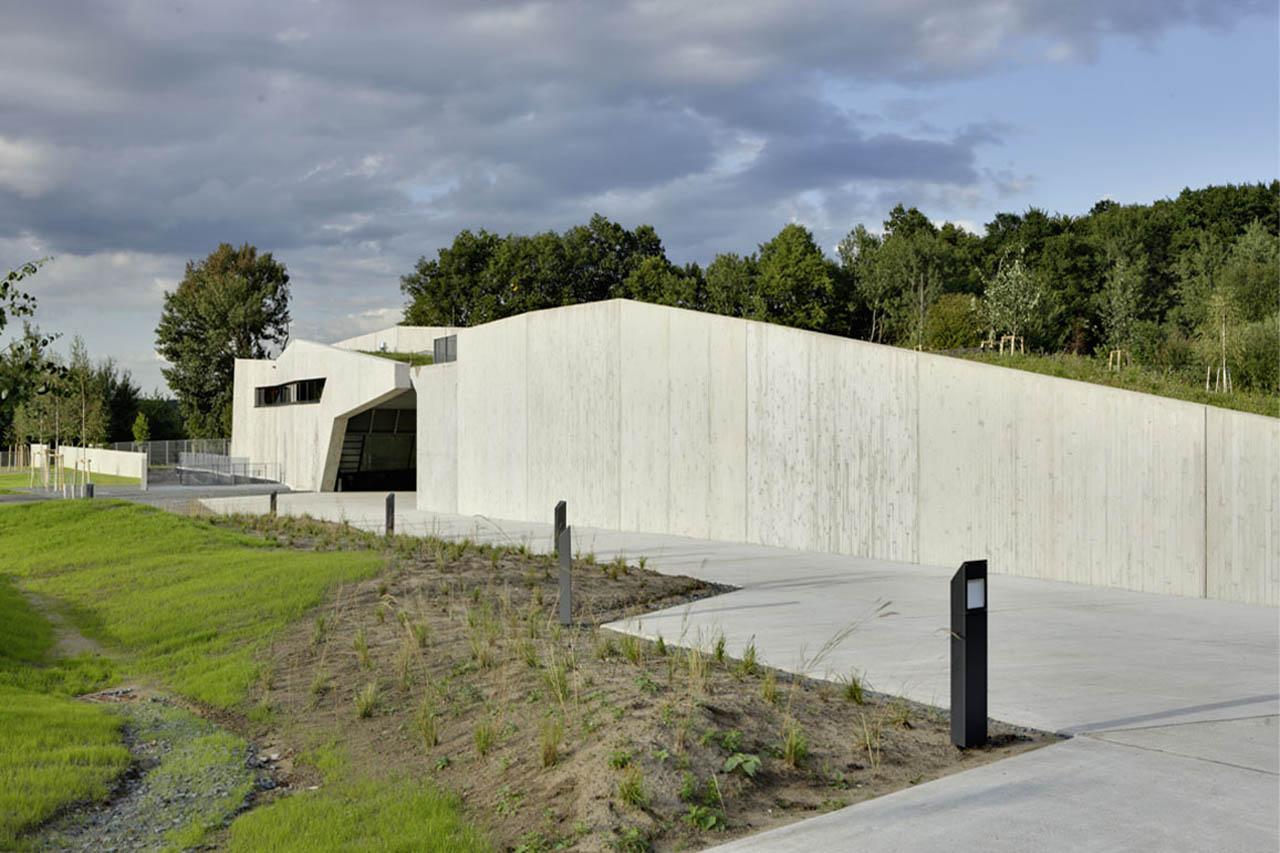
Hobbysteinbruch Solnhofen Fossil Hunting Guide
91807 Solnhofen
Ammonites, Fish fossils, Shrimp, Crinoids
Messel Pit Fossil Site Guide
Hesse, Germany
Early mammals, Early horses, Bats, Birds
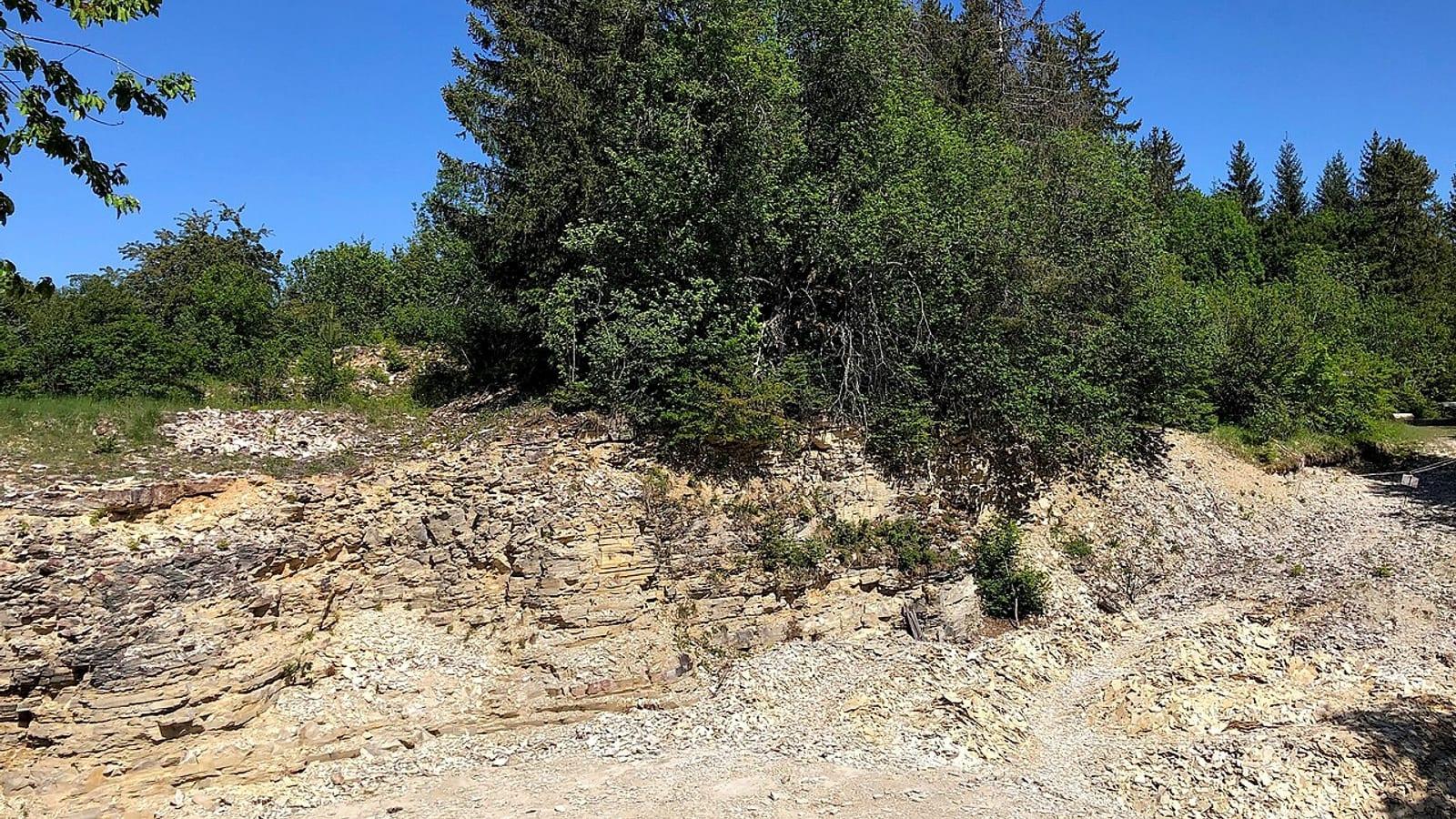
Nusplingen Plattenkalk Museum Fossil Klopfplatz Fossil Hunting Guide
72362 Nusplingen
angel sharks, pterosaurs
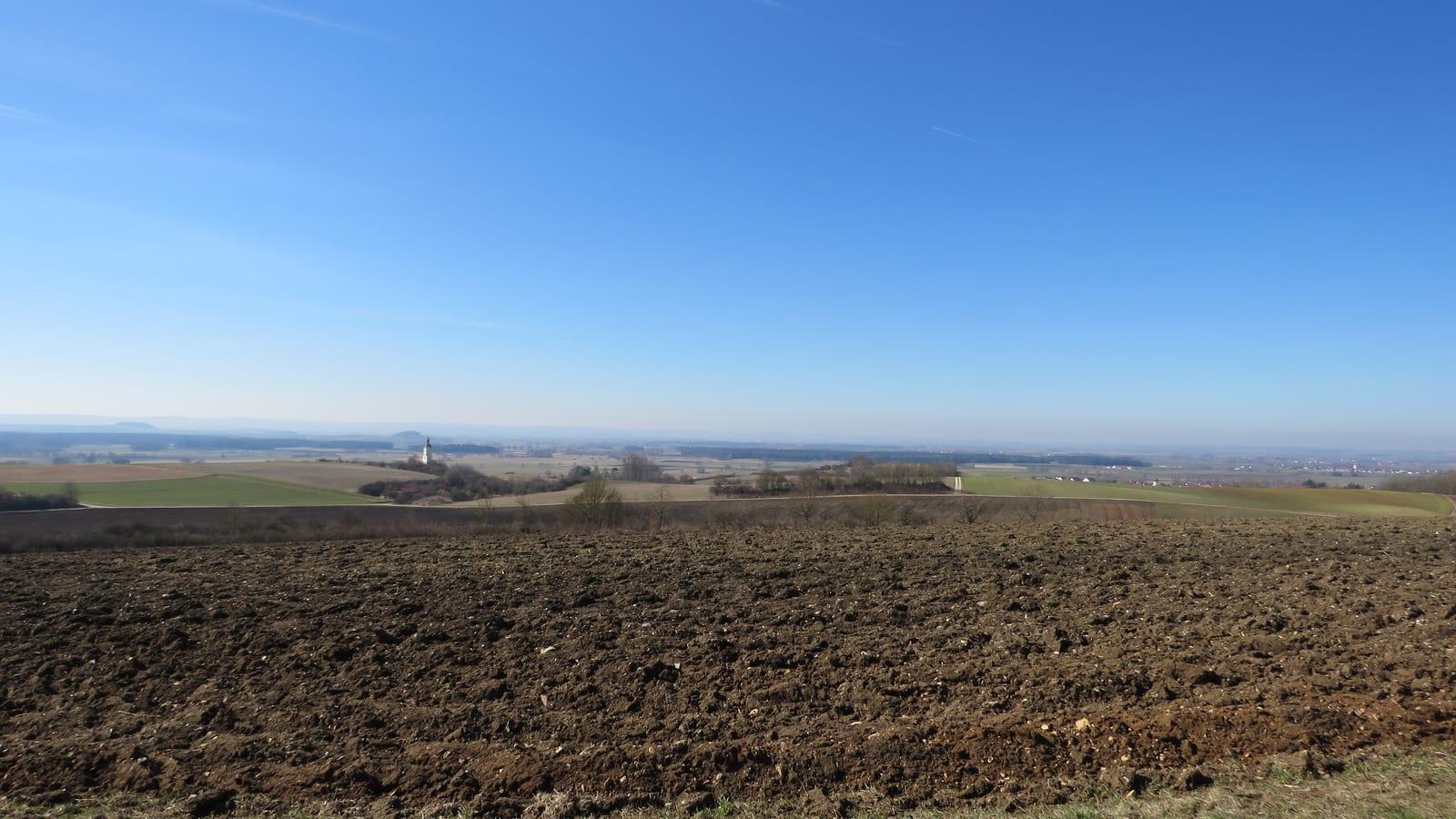
Ries Crater Nordlingen Meteorite Impact Geopark Fossil Hunting Guide
86720 Nördlingen
suevite impact breccia
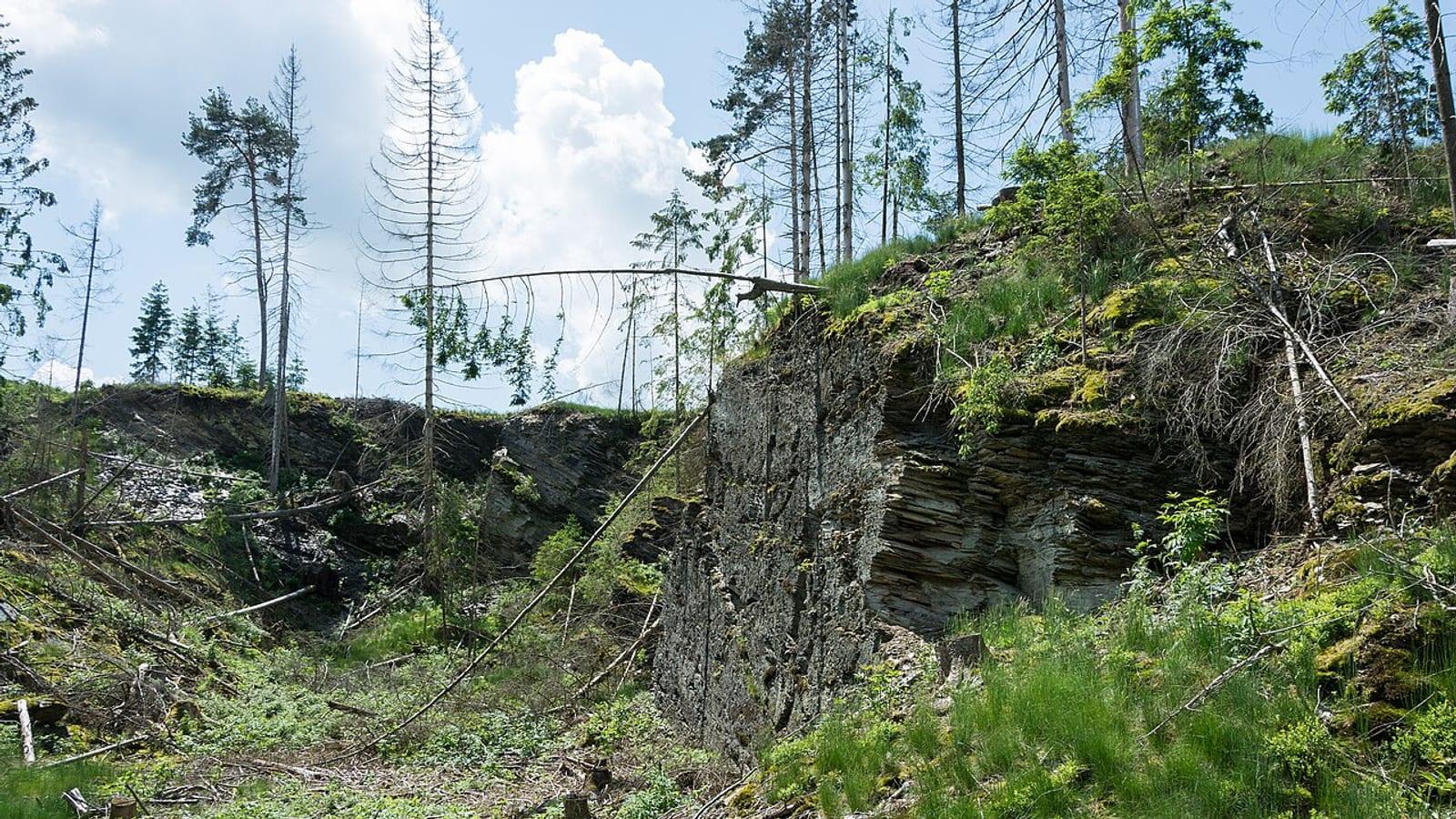
Schieferbruch Kromer Ohmden Posidonia Shale Fossil Hunting Guide
73099 Ohmden
Ammonites, Belemnites, Bivalves, Crinoid fragments
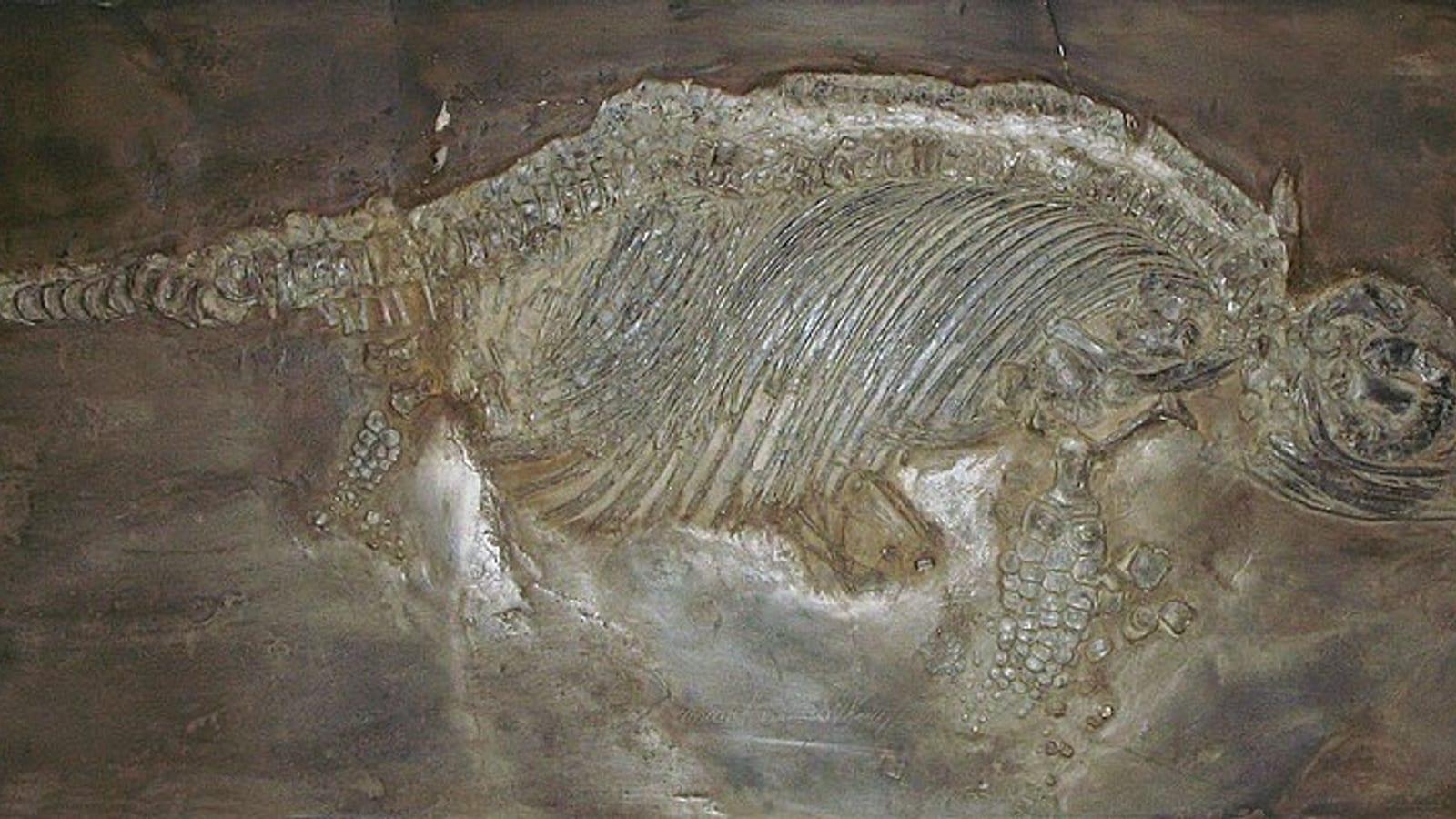
Schiefererlebnis Dormettingen Fossil Klopfplatz Fossil Hunting Guide
72358 Dormettingen
Ammonites
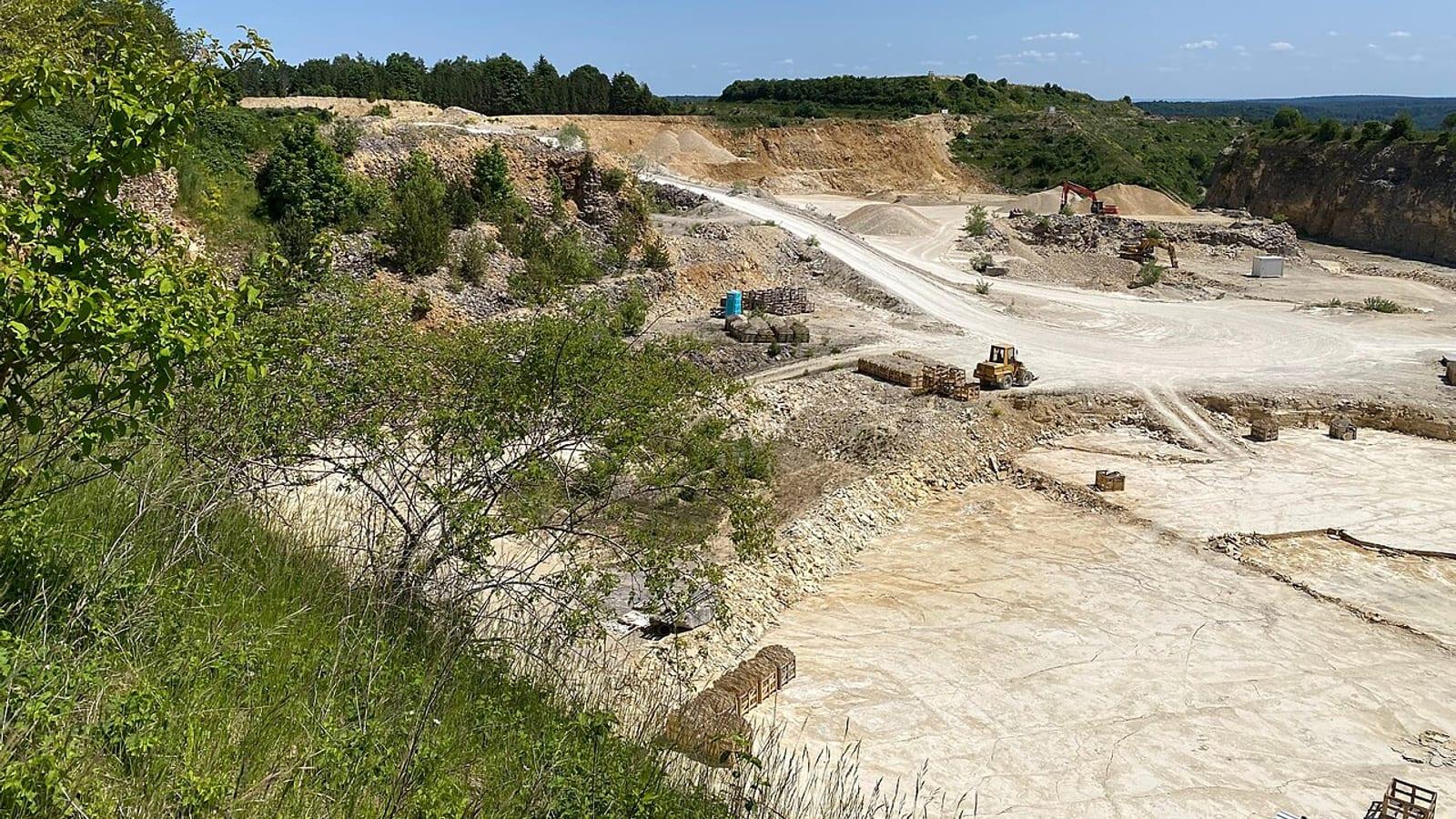
Steinbruch Schernfeld Jurassic Fossil Quarry Fossil Hunting Guide
Germany
N/A
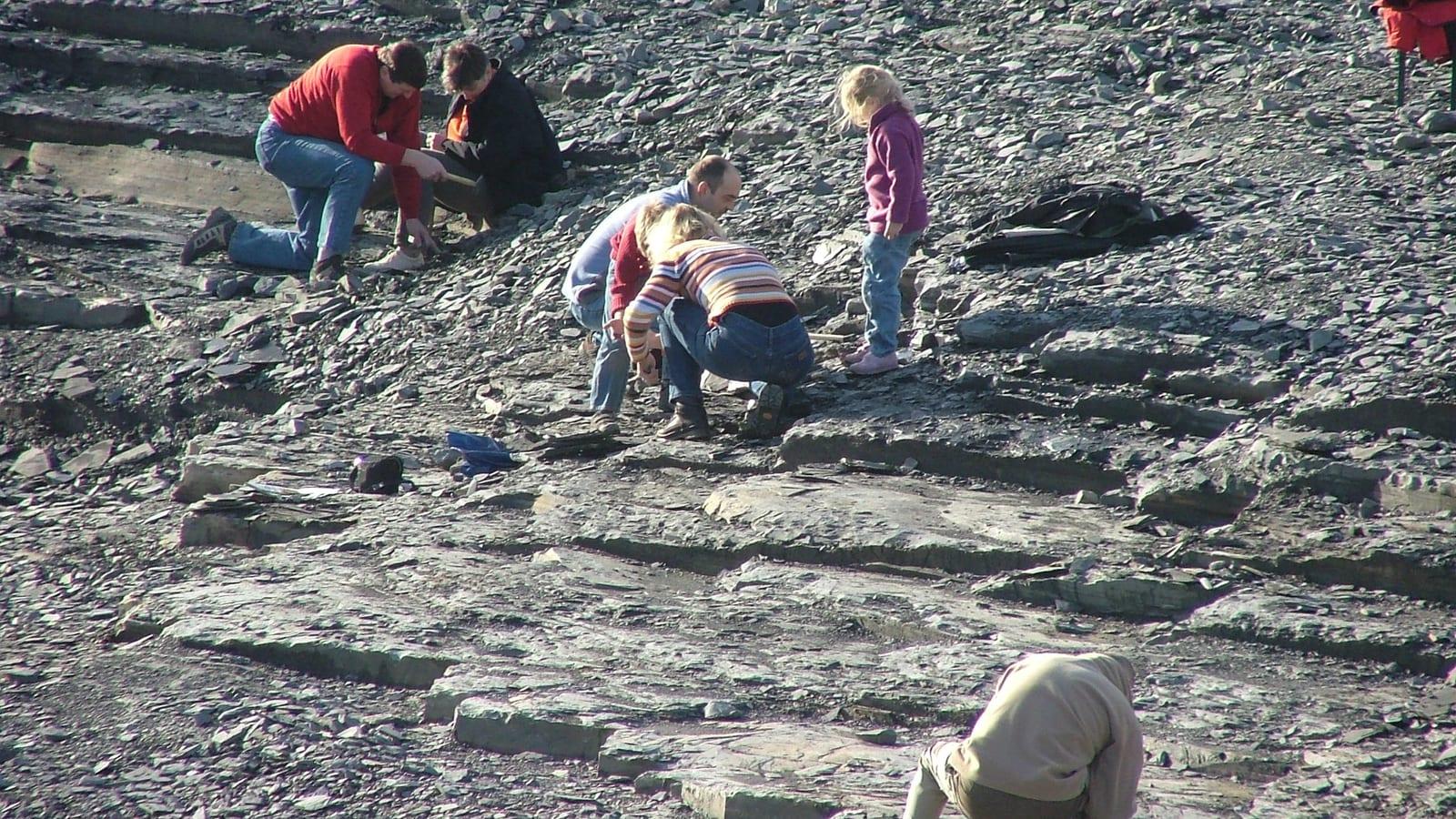
Urweltsteinbruch Holzmaden Posidonia Shale Fossil Hunting Guide
73274 Notzingen/Holzmaden
Ammonites, Ichthyosaur
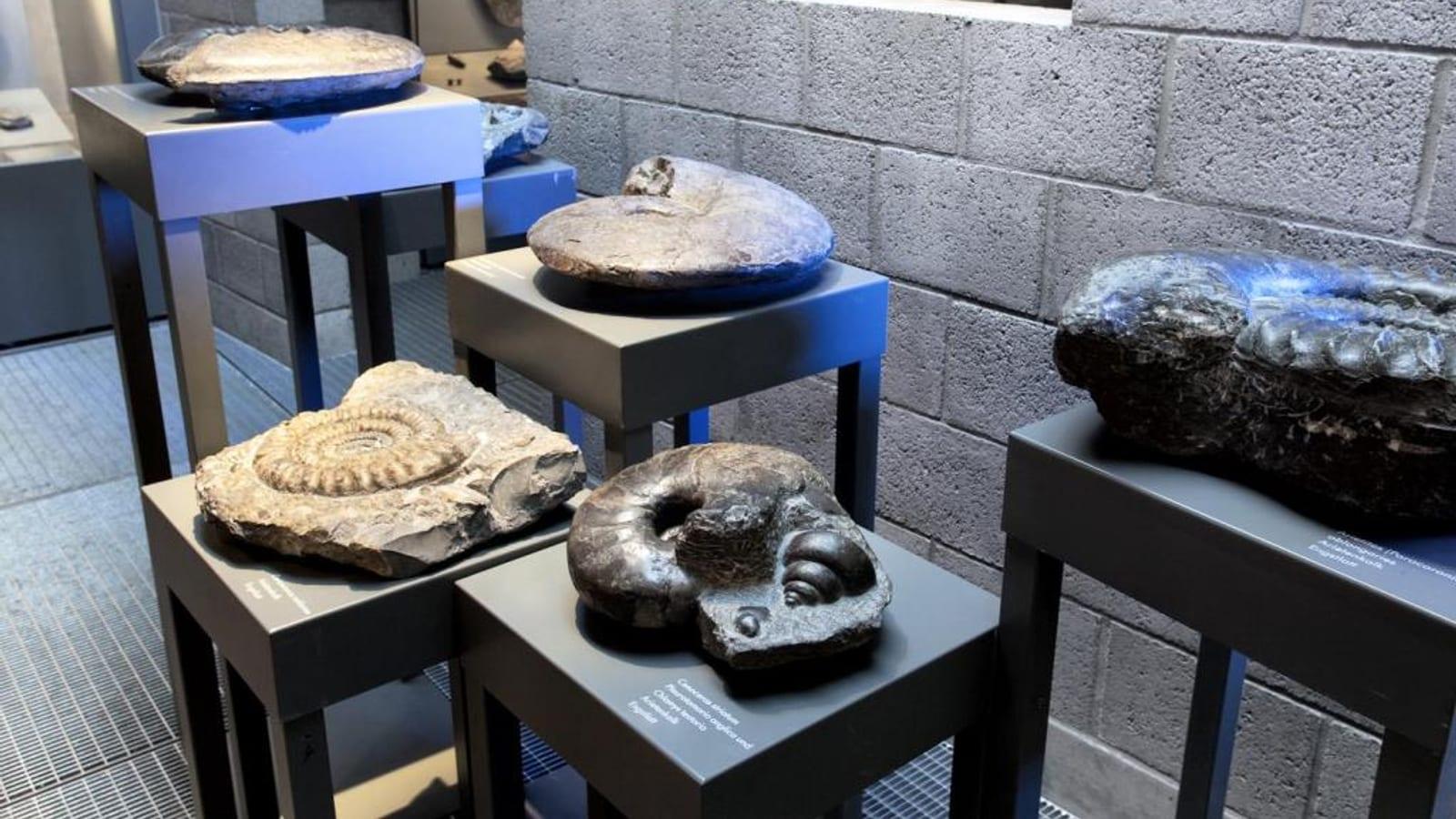
Werkforum Dotternhausen Fossil Hunting Guide
Baden-Württemberg, Germany
Ammonites, Belemnites, Bivalves, Marine Reptiles
Frequently asked questions
- Where can I go fossil hunting in Germany?
- The most accessible fossil hunting in Germany is in the Bavarian Altmühltal, where the Late Jurassic Solnhofen plattenkalk is exposed in a dozen pay-to-dig hobby quarries (Klopfplätze). Hobbysteinbruch Solnhofen, Steinbruch Schernfeld, and Fossiliensteinbruch Blumenberg are the headline sites; the free Fossiliensammelstelle Titting offers spoil-pile collecting in the same formation. In Baden-Württemberg the Urweltsteinbruch in Holzmaden works the Lower Jurassic Posidonia Shale ichthyosaur beds. For viewing rather than collecting, the Ries Crater Geopark near Nördlingen is a UNESCO Global Geopark with an exceptional impact-geology trail and the Rieskrater Museum.
- Do I need a permit to collect fossils in Germany?
- Permit requirements depend on the state (Land). At the Bavarian Klopfplätze (Solnhofen, Schernfeld, Blumenberg, Titting, Altmannstein-Schamhaupten), the operator's day-rate covers the collecting and no separate permit is required, but movable finds of special scientific importance — rare vertebrates including Archaeopteryx — automatically become property of the Free State of Bavaria under the Bavarian Monument Protection Act and must be presented to the operator. In Baden-Württemberg the Holzmaden / Ohmden Posidonia Shale district is a state-designated excavation conservation area; collect only at licensed sites like Urweltsteinbruch Holzmaden, never on adjacent farmland. In Rheinland-Pfalz the Bundenbach slate district has similar protection.
- When is fossil hunting season in Bavaria?
- The Bavarian hobby quarries are seasonal because the limestone is frost-sensitive and the slopes become unsafe in wet weather. Hobbysteinbruch Solnhofen is open daily 10:00 to 17:00 from 1 April to 3 November; the rest of the Altmühltal quarries follow a similar April-through-November pattern with daily closures in extreme weather. Urweltsteinbruch Holzmaden runs a comparable season. Mid-week visits in May–June and September–October are the most pleasant; July and August are busier and hotter. Always check the operator's website for the current year's exact opening dates and any weather-driven closures.
- What is the most famous fossil site in Germany?
- The Solnhofen plattenkalk corridor of the Bavarian Altmühltal is Germany's most famous fossil site and arguably the world's most important Late Jurassic Lagerstätte. The Solnhofener Plattenkalke were added to the IUGS list of the 100 most important geological heritage sites in the world in October 2022, alongside the Grand Canyon and Uluru. All twelve known specimens of the primitive bird Archaeopteryx, plus a single isolated feather imprint, have come from the Altmühlalb — three from the Langenaltheimer Haardt alone. The corridor preserves about 900 species of Late Jurassic animals and plants from a network of shallow lagoons. The Jura-Museum Eichstätt holds the world's largest collection of Solnhofen plattenkalk fossils.
- Can I bring fossils home from Germany?
- Fossils legally collected at a licensed Klopfplatz are yours to keep and export, subject to the operator's review at the gate. Anything the operator classifies as scientifically significant — a complete vertebrate, an Archaeopteryx, an articulated ichthyosaur, an unusual plant — remains the property of the operator or the state and may not be taken. Outside the licensed quarries, in any state-designated excavation conservation area (Holzmaden in Baden-Württemberg, Bundenbach in Rheinland-Pfalz), private excavation without an explicit permit from the state monument office is illegal and exported finds can be confiscated. CITES export rules also apply to certain rare specimens; if you're buying high-value material from a dealer, ask for documented provenance before purchase.